
 Business License

Steel vs Wood Display Cabinet — Which Material Holds Up Better Over Time
You're choosing between steel and wood for a display cabinet. The product pages all say theirs is "premium" and "durable" and "built to last." That's what product pages do.
We make both. Steel cabinets and wood cabinets. Have been for years. And what I can tell you is that "durable" means different things depending on where the cabinet lives, who opens the doors, and what the room does to the material every day.
This isn't a sales pitch for one or the other. It's what we see after cabinets leave our factory and show up in real spaces — retail stores, offices, homes, rental properties — two years later.
Wood cabinets: what goes wrong, and when
Wood is the default choice. Most people don't even consider steel — they want "furniture," and furniture means wood. That's fine. But wood has failure modes that steel doesn't, and if you're buying for a space that's less than gentle on furniture, you should know what those are.
Moisture is the big one
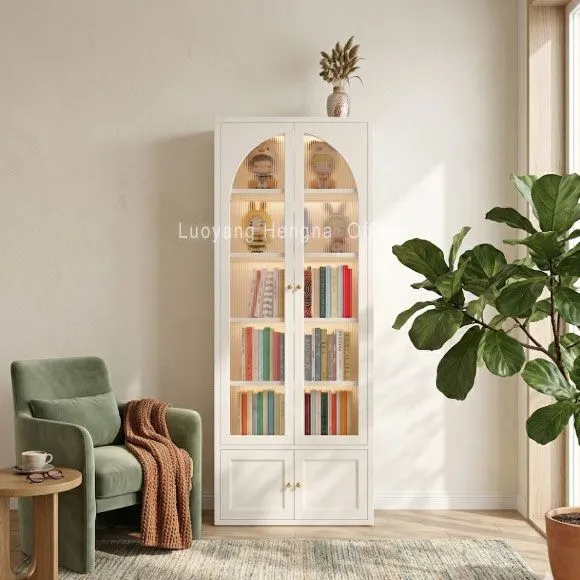
Wood is hygroscopic. It absorbs and releases moisture constantly. In a climate-controlled home, that's fine — the wood expands and contracts within tolerances you'll never notice. But put that same cabinet in a space with humidity swings — a coastal property, a ground-floor retail store with no AC, a hallway that gets rain blown in — and the expansion cycles get bigger.
After enough cycles, the joints loosen. The door gaps shift. The laminate at the edges starts to lift because the substrate underneath swelled, pushing the laminate film off the edge. This isn't a defect. It's what wood does when it's asked to live in a space that's not perfectly climate-controlled.
Solid wood is more stable than MDF or particle board, but it's also more expensive and still not immune. We've seen solid wood display cabinets with doors that wouldn't close after 18 months in a Florida retail space. Not because the wood was bad. Because the humidity was.
Impact and dings
Wood surface dings when something hits it. A vacuum cleaner bumps the side. A box gets set down too hard on the top. A kid's toy hits the door. The ding is permanent — you can fill it, touch it up, make it less visible, but the wood took the hit and it shows.
Steel does the opposite. A bump might leave a tiny mark on the powder coat, but the substrate underneath didn't dent. The powder coat is thin enough that a hard impact can chip it, but in normal daily use, steel cabinets show less wear than wood. The surface doesn't ding. It might scratch if something sharp drags across it, but it doesn't dent from a bump.
Screw holes and reassembly
This matters if you move the cabinet. Or if the cabinet arrives flat-packed and you assemble it, then move apartments and disassemble and reassemble.
Wood cabinets use screws into particle board or MDF. The first assembly is tight. The second assembly, the screws bite into the same holes but the material has already been compressed once. The third time, the holes are noticeably looser. By the fourth reassembly, you're adding toothpicks or wood glue to make the screws hold.
Steel cabinets use screws into threaded steel or nutserts. The steel thread doesn't compress. You can assemble and reassemble a dozen times and the screw fit is the same as day one.
How many people reassemble a display cabinet four times? More than you'd think. Offices move. Retail stores relocate. People move apartments. If your cabinet is staying in one place forever, this doesn't matter. If it might move, it matters a lot.
Steel cabinets: the failure modes nobody talks about
Steel isn't perfect. It has its own problems, and if you're buying a steel cabinet, you should know what those are so you don't get surprised.
The finish is everything
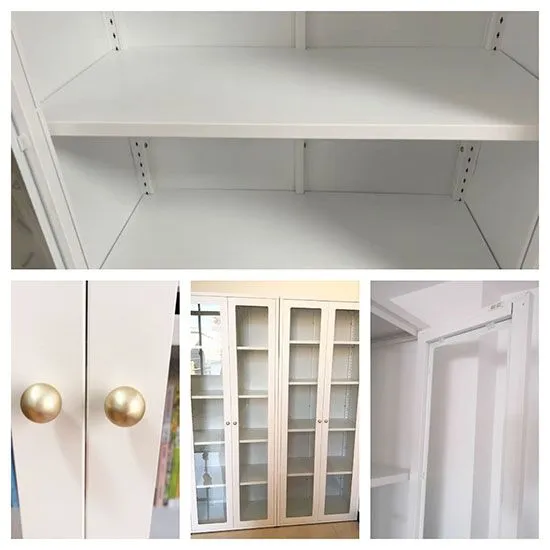
A steel cabinet is only as good as its powder coat. Bad powder coat — uneven thickness, missed spots, cheap resin — will chip and rust at the edges within a year. Good powder coat, properly applied and heat-cured, will outlast the building it's in.
This is why steel cabinet prices vary so much. The steel itself is cheap. The finishing process is where the cost gap shows up. A cabinet with a thin, uneven powder coat will look tired in 12 months. A cabinet with a proper multi-stage pre-treatment and thick powder coat will look the same in year five.
We use electrostatic powder coat with a matte finish. The matte part matters for appearance — glossy powder coat shows every fingerprint and scratch. Matte hides wear better. It also looks more like furniture and less like office storage.
Steel can feel cold
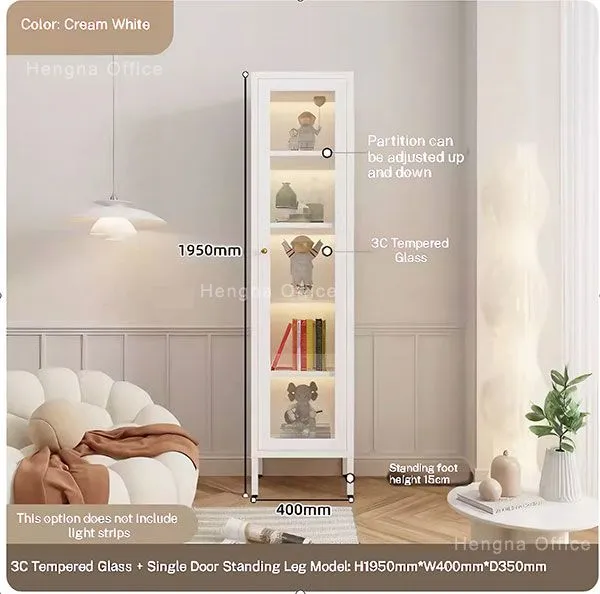
A bare steel cabinet in a residential living room can read "industrial" or "garage" if the design isn't right. The color, the handles, the glass door proportion — all of it has to work together to make the cabinet feel like it belongs in a home, not a warehouse.
This is a design problem, not a material problem. A well-designed steel cabinet with a warm color (cream white, not stark white) and glass doors reads as furniture. A poorly designed one reads as storage equipment.
Weight
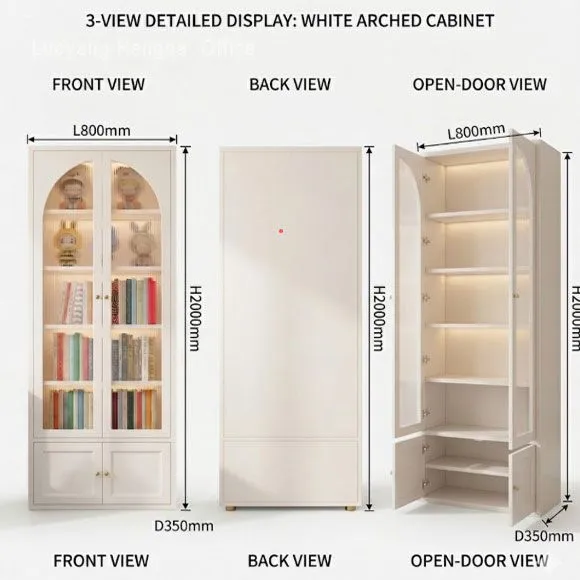
Steel is heavier than wood per cabinet, but not by as much as people think. A 78-inch steel display cabinet weighs roughly 110-130 lbs assembled. A solid wood cabinet of the same size weighs more. MDF is lighter, but MDF also doesn't survive as long, so the weight comparison depends on whether you're comparing first-day weight or five-year weight.
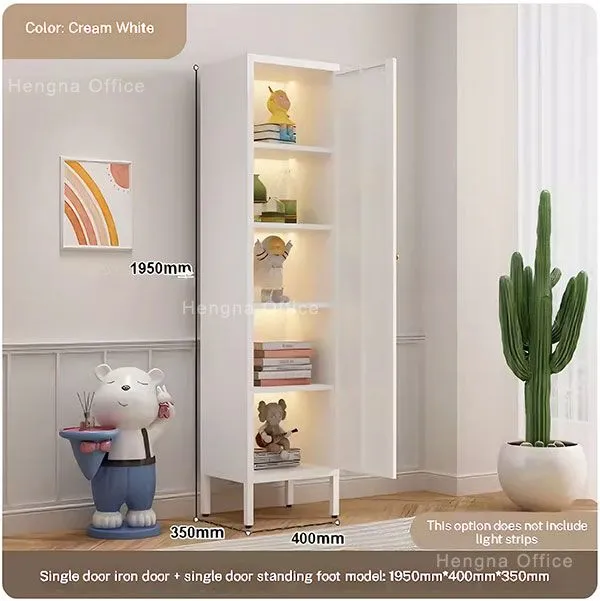
For shipping, steel's weight matters more — it costs more to freight. For installation, both need two people to move safely. The weight difference is real but rarely the deciding factor.
Where each material makes sense
I'm not going to tell you steel is always better. It's not. Here's where each material is the right call:
Wood makes sense when:
The space is climate-controlled and humidity-stable
The cabinet is a design centerpiece, not a utility piece
You're not planning to move it, ever
You want a specific wood species or grain pattern that steel can't replicate
Budget is tight and you're okay replacing it in 3-4 years
Steel makes sense when:
The space has humidity swings (ground floor, coastal, no AC)
The cabinet will be moved or reassembled
You want the same cabinet to look good in year five, not year two
The doors will be opened frequently (retail, frequent-use spaces)
You want a narrow cabinet (steel allows thinner walls, more internal space)
The maintenance reality
Wood cabinets need care. Periodically you're checking the finish, maybe re-sealing if it's solid wood, touching up dings, checking that the doors still align. It's not a lot of work, but it's work.
Steel cabinets need almost no maintenance. Wipe them. That's it. If the powder coat chips, you can touch it up with a matching paint pen, but most people never bother. The chip doesn't spread. It doesn't peel. It just sits there looking slightly imperfect.
What we see after two years
Cabinets we shipped two years ago — steel and wood — are in the field now. Here's what comes back to us in feedback:
Steel cabinets: "Still looks new." That's the most common line. Not "great," not "amazing," just "still looks new." For a display cabinet, that's the win condition.
Wood cabinets: It splits. Some say "still great." Some say "the doors are a bit loose but it's fine." A few say "we replaced it." The ratio depends entirely on the environment the cabinet lived in.
If the wood cabinet lived in a stable, climate-controlled space, it's in the "still great" group. If it lived in a space with humidity swings or frequent use, it's more likely in the "loose doors" or "replaced" group.
Which one should you choose?
It depends on where the cabinet is going and how long you want it to last without thinking about it.
If you want a cabinet that looks good on day one and you're okay with some maintenance along the way, wood is a perfectly good choice. Millions of people buy wood display cabinets every year and they work fine.
If you want a cabinet that looks the same on year three that it did on day one, and you don't want to think about it, steel is the better call. The upfront cost is similar. The long-term cost is lower because you're not replacing it or maintaining it.
We make both at Luoyang Hengna Office Furniture. The advice above isn't theoretical — it's from watching our own cabinets age in real spaces. If you're trying to decide and want to talk through your specific situation, reach out. We'll tell you which material fits, not which one we have more of in stock.
Recently Posted
-
Stainless Steel Shelving for Breweries and Wineries — What Survives Humidity, Alcohol Spills
July 24, 2026Stainless Steel Shelving for Breweries and Wineries — What Survives Humidity, Alcohol Spills, and Sanitizer Washdowns Three t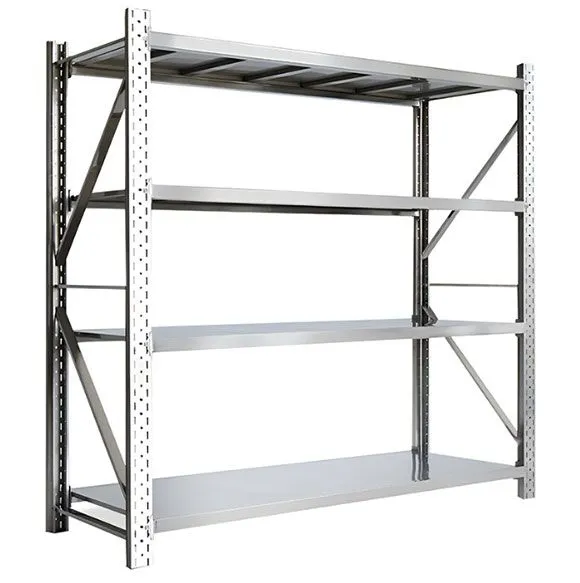 Read More
 -
Stainless Steel Shelving for Meat Processing Plants — What Holds Up Against Blood, Fat, and Daily Wa
July 24, 2026Meat plants are brutal on shelvingIf you work in a meat processing plant, you already know this. The rack that looked fine s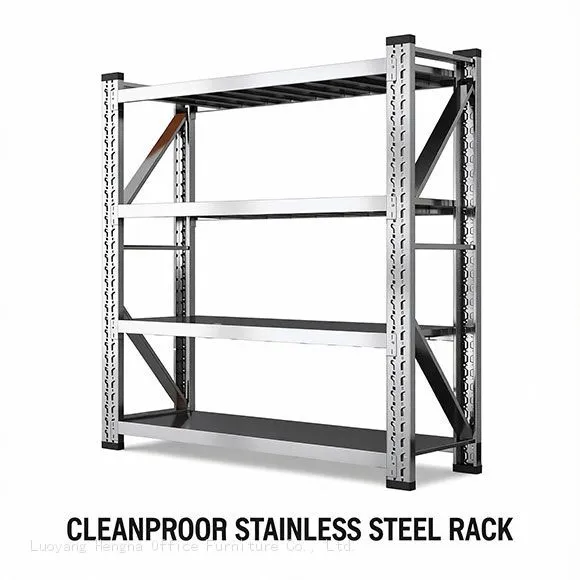 Read More
 -
0.6mm Steel Wardrobe vs 0.4mm — Why Cold-Rolled Single Door Metal Closet Lasts Longer
July 10, 2026The 0.2mm That Decides Whether You Buy One Wardrobe or ThreeTwo wardrobes look identical on a supplier's photo. Same door, sam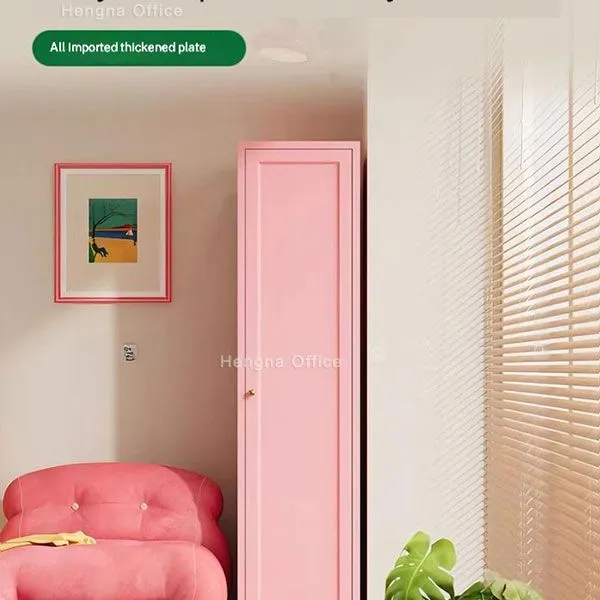 Read More
 -
Heavy Duty Tool Cabinet with Locks for School Shop: Stop Tool Theft Before It Happens
July 9, 2026A vocational school workshop isn't like a factory floor. The tools aren't being used by seasoned machinists who know where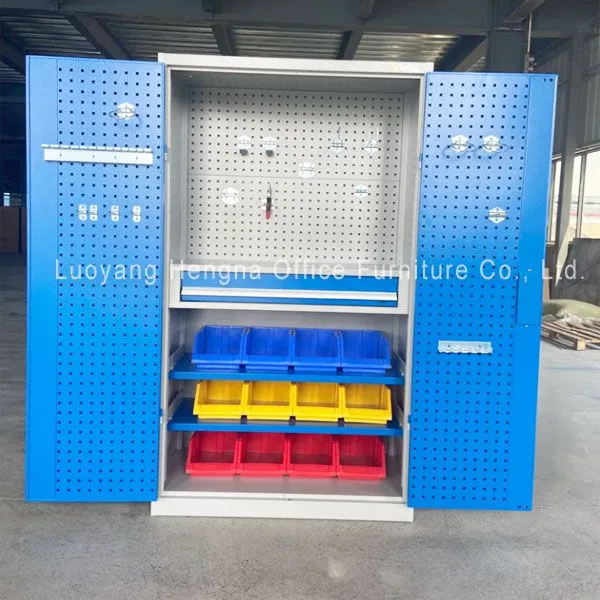 Read More

Contact Us
Recommended Products
-
 Industrial-Grade ABS Plastic Locker for Factory Staff and Warehouse Workers|Hengna OfficeUS$ 19 - 100MOQ: 5 Sets
 -
Outdoor ABS Locker Cabinet – UV-Resistant Plastic Storage for Poolside or Beach Resorts-Hengna OfficeUS$ 19 - 100MOQ: 5 Sets
-
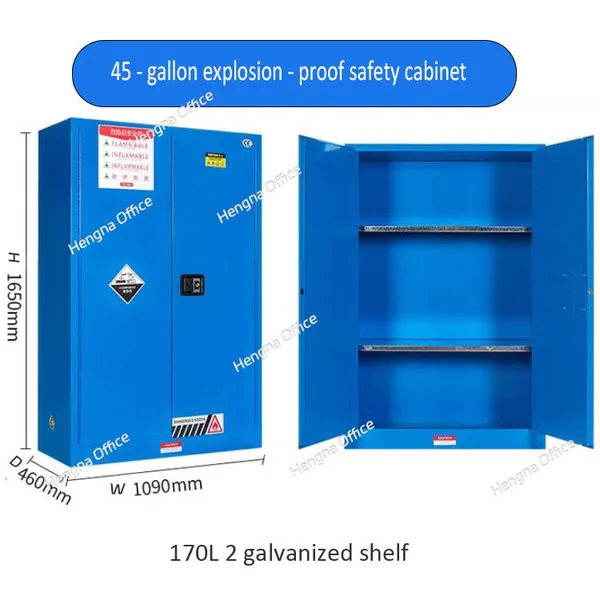
45 Gallon Explosion-Proof Flammable Liquid Storage Cabinet – Fire-Resistant Steel Safety Cabinet for FactoriesUS$ 68 - 400MOQ: 2 Combos
-
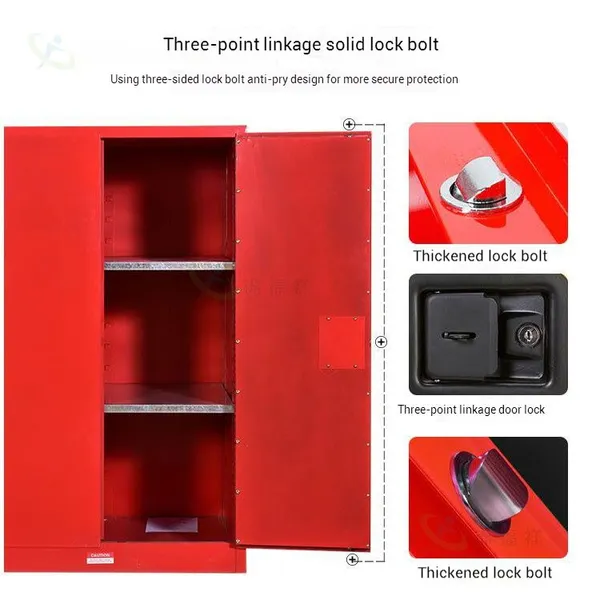
Flammable Storage Cabinet for Flammable Liquids – OSHA Certified Safety Cabinet With Fireproof Double WallsUS$ 68 - 400MOQ: 2 Combos
-
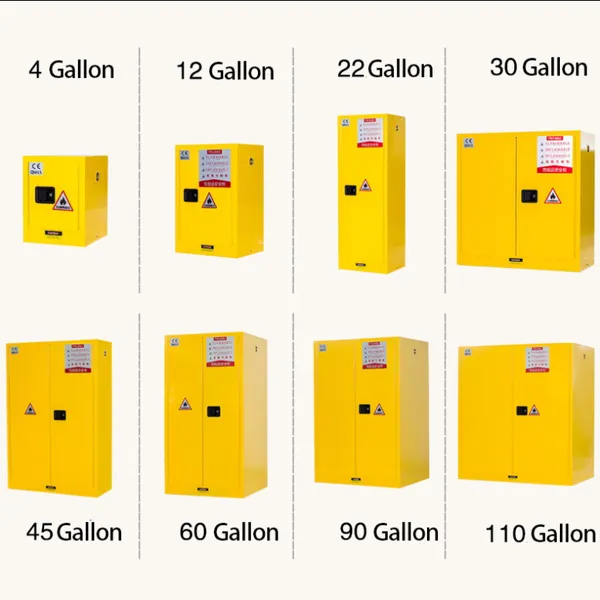
Large Capacity Flammable Liquid Storage Cabinet – Explosion-Proof Safety Cabinet for Laboratory & Workshop UseUS$ 68 - 400MOQ: 2 Combos
-
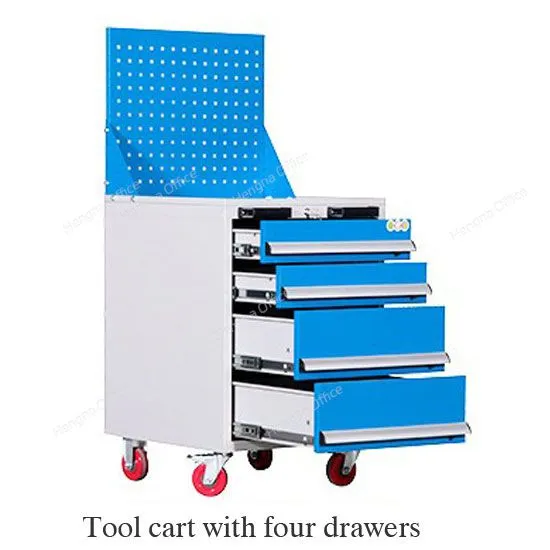
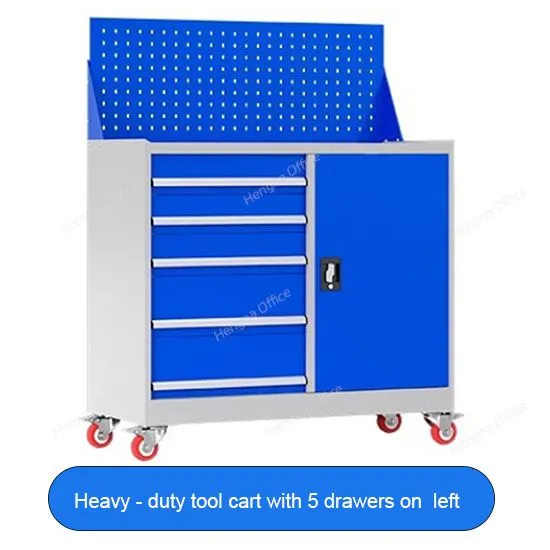
Heavy Duty Steel Tool Cart With Drawers for Workshops|Hengna OfficeUS$ 99 - 269MOQ: 2 Cases
-
Wholesale 3-Drawer Tool Trolley With Wheels for Factory and Garage StorageUS$ 99 - 269MOQ: 2 Cases
-
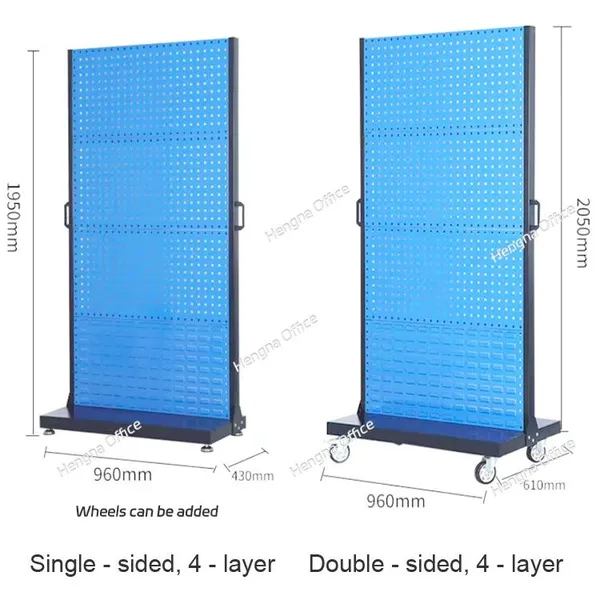
HN-wlj160 Industrial Rolling Tool Organizer With Pegboard|All-in-One Mobile Tool Storage CartUS$ 5 - 120MOQ: 2 Cases
-
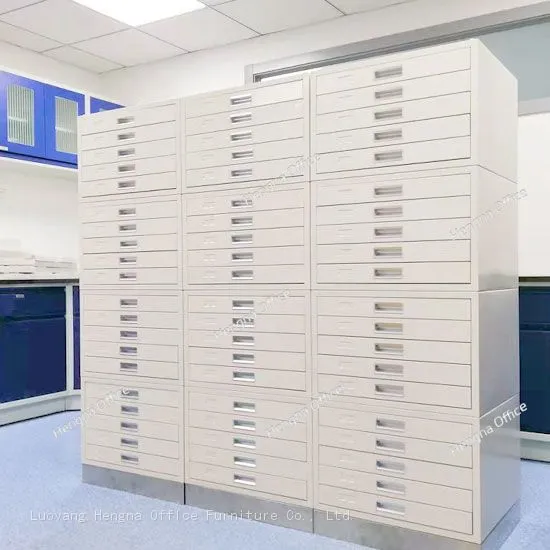
White Stackable Pathology Wax Block Storage Drawers for Labs Near London-Hengna OfficeNegotiableMOQ: 10 Pieces
-
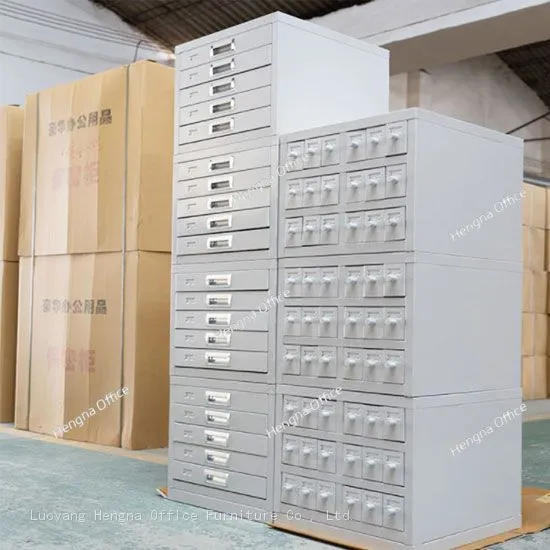
Custom Paraffin Block Storage Cabinet for Histology Laboratories – Factory Direct From Hengna FurnitureNegotiableMOQ: 10 Pieces
-
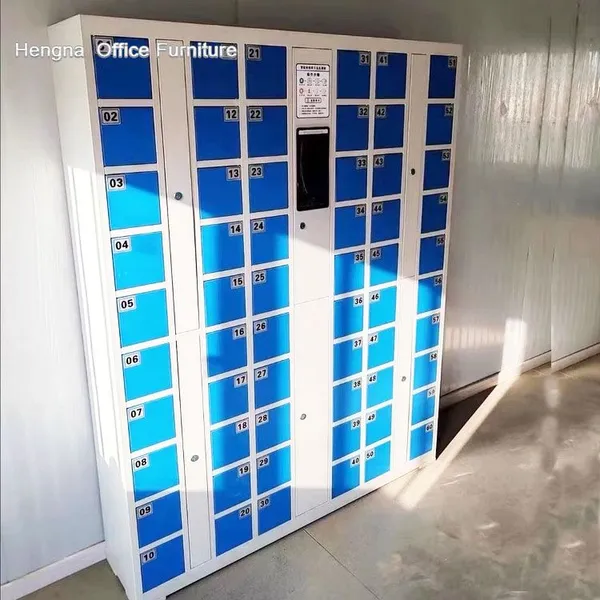
Smart Phone Charging Locker 40-door|Fingerprint Lockers Intelligent Parcel Delivery CabinetUS$ 203 - 750MOQ: 15 Pieces
-
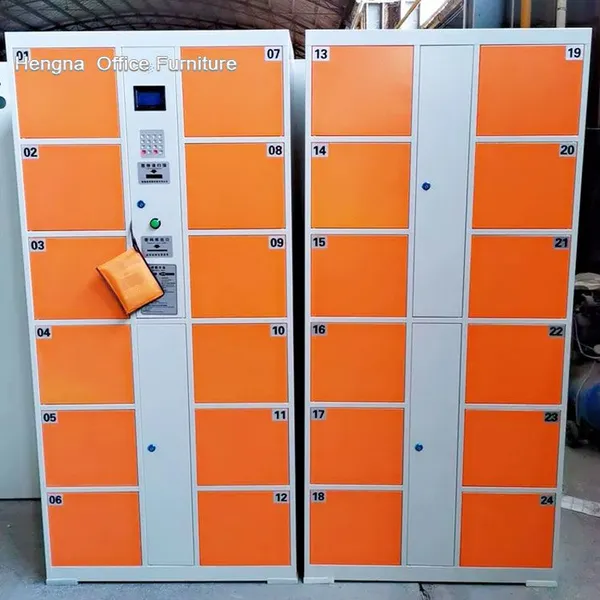
School Gym Lockers Price |Parcel Delivery Storage Locker 12-door FactoryUS$ 203 - 750MOQ: 15 Pieces
-
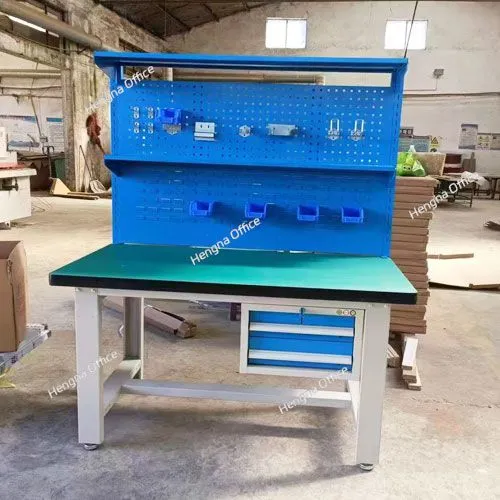
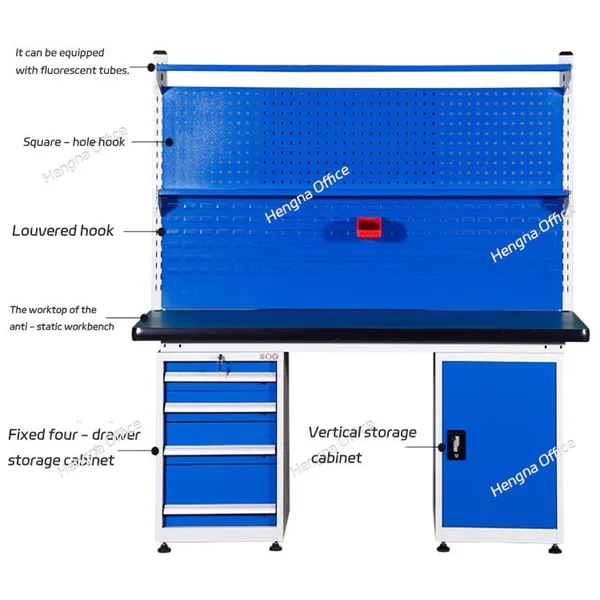
Multi Metal Work Benches Electrical Workshop Workbench|US$ 300 - 800MOQ: 2 Cases
-
Commercial Workbench Supplier |Multi Metal Work Bench With Drawers OMDUS$ 300 - 800MOQ: 2 Cases
-
Pathological Ection Cabinet JTGZ062 Wax Block Cabinet for LaboratoryNegotiableMOQ: 10 Pieces
-
Durable Tool Storage in Factory HNGJ703 Hard Wearing Metal Industrial Tool ChestNegotiableMOQ: 18 Pieces
-
High - Quality CNC Workshop Tool Cabinet Heavyweight Workshop Tool OrganizerNegotiableMOQ: 10 Pieces
-
Laboratory Polyethylene Acid and Corrosive Chemicals Safety Storage PP CabinetUS$ 340 - 600MOQ: 5 Combos
-
22 Gallons /80 L PP Acid - Base Cabinet: Safeguard Chemical Storage Supplier OEMUS$ 500 - 600MOQ: 5 Combos
-
4 - Gallon Corrosion-resistant Safety Cabinet for Hazardous Chemicals Acid SupplierUS$ 340 - 500MOQ: 5 Combos