
 Business License

0.6mm Steel Wardrobe vs 0.4mm — Why Cold-Rolled Single Door Metal Closet Lasts Longer
The 0.2mm That Decides Whether You Buy One Wardrobe or Three
Two wardrobes look identical on a supplier's photo. Same door, same color, same price bracket. The difference is 0.2mm of steel — one is built from 0.4mm sheet, the other from 0.6mm.
That gap doesn't show up on day one. It shows up in year three, when the 0.4mm unit has a dent from a moving dolly, a loose hinge, and a shelf that bows under winter coats. The 0.6mm unit next to it is still square.
For a family buying one wardrobe for a bedroom, 0.4mm might be fine. For a property manager outfitting 40 rental units, or a school buying 200 dorm wardrobes, that 0.2mm is the line between "replace every two years" and "install once and forget."
This is a comparison of what 50% more steel actually delivers over a product's life — not a spec sheet, but what happens after the carton is opened.
What 0.6mm vs 0.4mm Means in Plain Terms
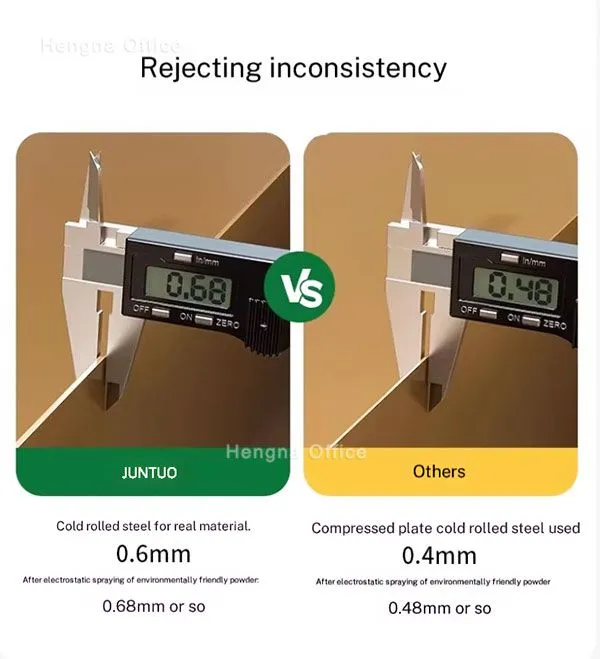
Steel sheet thickness is measured before coating. The powder coat adds roughly 0.08mm on each surface, so a 0.6mm wardrobe measures about 0.68mm after finishing; a 0.4mm wardrobe measures about 0.48mm.
The number looks small. It isn't.
Bending stiffness of a panel scales with the cube of its thickness. Double the thickness and stiffness goes up eight times — at 1.5x thickness, resistance to bending and denting rises roughly 3.4x. A 0.4mm side panel dents when a vacuum cleaner bumps it. A 0.6mm panel shrugs off the same hit.
That single property — resistance to denting — drives most of what buyers complain about later.
Where 0.4mm Steel Fails First
In a low-traffic home closet, 0.4mm survives. In commercial and shared-living environments, it doesn't.
Moving and relocation. Wardrobes get shifted during lease turns, room reassignments, and renovations. A 0.4mm panel dented by a furniture dolly stays dented — thin steel doesn't spring back. Multiply that across 50 units and a quarter of them look damaged within a year.
Hinge stress. The door hinge carries the full weight of the door every time it opens. On 0.4mm steel, the screws that anchor the hinge sit in thin material. After a few thousand open-close cycles, the screws loosen and the door drops. On 0.6mm, the same screws bite into 50% more steel and hold.
Shelf load. A hanging rod loaded with winter coats pushes down on the side panels. 0.4mm panels bow visibly after 12–18 months of daily load. 0.6mm panels stay flat at the rated 60kg per shelf.
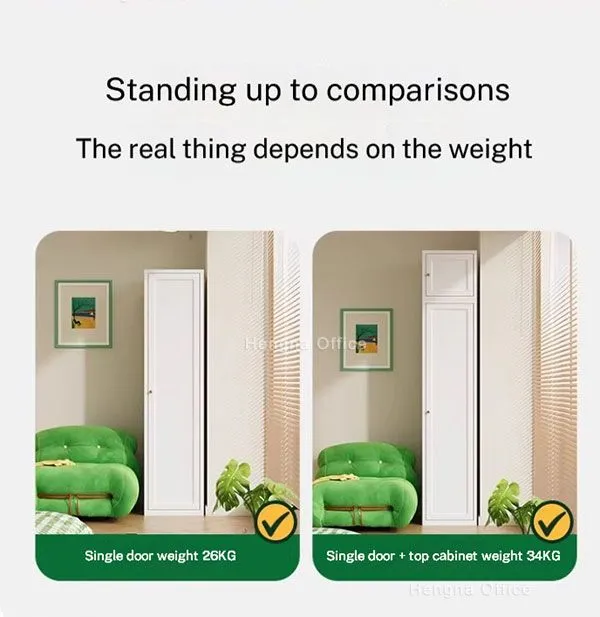
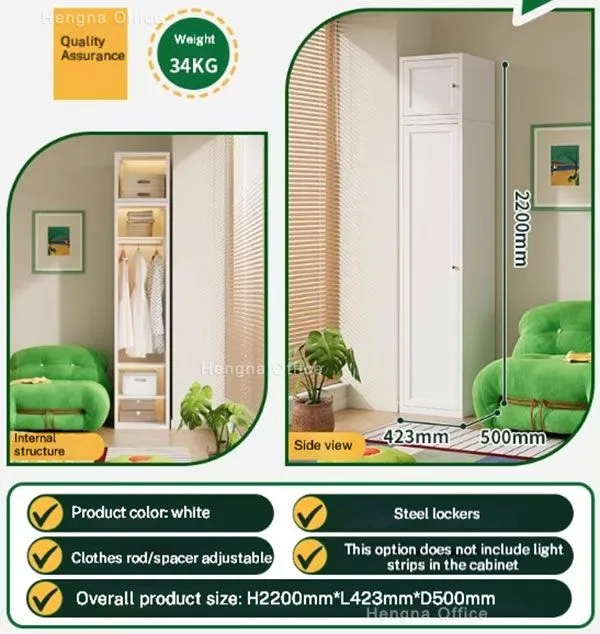
Coating at the edges. Powder coat covers both thicknesses equally. But when a 0.4mm panel dents, the coating stretches and micro-cracks at the crease. Bare steel meets air. Rust starts at the dent — exactly where the wardrobe looks worst.
The Lifecycle Cost Nobody Calculates Up Front
A buyer comparing two quotes sees Price A (0.4mm) and Price B (0.6mm), and B is higher. The comparison usually stops there.
Here's what the next eight years look like for 100 wardrobes in a student dorm:
| Year | 0.4mm Wardrobes | 0.6mm Wardrobes |
|---|---|---|
| 1 | Installed, looks fine | Installed, looks fine |
| 2 | 15% show dents or loose hinges | 0 reported issues |
| 3 | 30% need hinge re-tightening or panel replacement | 0 reported issues |
| 4 | 40% replaced or pulled from service | Still in use |
| 6 | 60% cycled out | Still in use |
| 8 | Effectively fully replaced once over | Still in use |
The 0.4mm batch costs less per unit. By year 4, the replacement and labor spend has erased that saving — and the dorm now owns a pile of scrap steel. The 0.6mm batch cost more on paper and never came back as a line item.
For high-volume buyers, thickness is a procurement decision, not a spec detail.
Who Feels the Difference
Student housing and dormitories. High churn, rough handling, centralized purchasing. A wardrobe that survives one student cohort isn't enough — they need one that survives four. Steel at 0.6mm does.
Rental and apartment operators. Lease turns mean furniture moves. Dent resistance and hinge hold matter more than color options here.
Hotels and staff housing. Housekeeping carts, luggage, daily open-close. The wardrobe is a working object, not decor.
Remote-site accommodation. Mining camps, offshore platforms, field stations. Replacement means shipping to a hard-to-reach location. Buy once, buy thick.
A single home bedroom? 0.4mm is a reasonable choice if the budget is tight and the wardrobe stays put.
Why the Title Says "Cold-Rolled"
Thickness only matters if the panel actually holds that thickness. Cold-rolled steel runs through an extra room-temperature pass that tightens tolerance to ±0.03mm — so a 0.6mm panel measures 0.6mm at the hinge mount, at the shelf support, and along the door edge. Hot-rolled sheet can drift to 0.52mm in places, which quietly eats the safety margin where stress concentrates. Cold-rolled is what makes the "0.6mm" label mean the same thing everywhere on the wardrobe.
Thickness Is a Spec You Control
Luoyang Hengna Office Furniture Co., Ltd. builds this single-door wardrobe at 0.6mm cold-rolled steel as standard. The thickness isn't a mystery line on a datasheet — it's measurable on arrival with a coating thickness gauge, base metal before paint.
For OEM and ODM orders, thickness can be specified:
Standard 0.6mm — stock colors, 15–25 day lead time.
Custom 0.5–0.7mm range — available on request, affects weight and shipping volume.
Custom color and branding — Pantone match, silk-screen or laser logo, branded cartons.
CE certified. Nine years in steel furniture export.
Packaging for the Long Haul
Each panel wraps in moisture-proof film, with foam corner protectors on all edges. KD flat-pack in a reinforced carton — one wardrobe per box, palletized for container loading. A 20ft container holds roughly 200–220 units of the 1800mm version.
Thicker steel means slightly heavier cartons. The trade-off is a wardrobe that arrives square and stays square.
FAQ
What thickness do you recommend for dormitory use?
0.6mm cold-rolled steel. Dorm wardrobes take daily abuse; thinner steel cycles out too fast.
Can I specify a different thickness?
Yes. The standard is 0.6mm. Other thicknesses are available on OEM/ODM orders — contact us with your requirement.
Does thicker steel cost much more to ship?
Per-unit weight goes up slightly, but container count stays similar because the wardrobes are flat-packed. Contact us with your port for a load plan.
What's the MOQ?
Starts at 1 unit for stock colors. Custom thickness and branding have separate minimums.
How do I get a quote?
Email quantity, color, and delivery port. FOB and CIF quotes returned within 24 hours.
Lead time?
15–25 days for stock colors. Custom specs add time depending on the change.
Warranty?
1 year on manufacturing defects. Free replacement parts for non-wear issues.
Can I get a sample?
Yes. Sample fee and freight at cost. Sample lead time 5–7 days.
Get a Quote
Luoyang Hengna Office Furniture Co., Ltd.
Send your quantity, preferred thickness, color, and delivery port for a quote within 24 hours.
Recently Posted
-
Stainless Steel Shelving for Breweries and Wineries — What Survives Humidity, Alcohol Spills
July 24, 2026Stainless Steel Shelving for Breweries and Wineries — What Survives Humidity, Alcohol Spills, and Sanitizer Washdowns Three t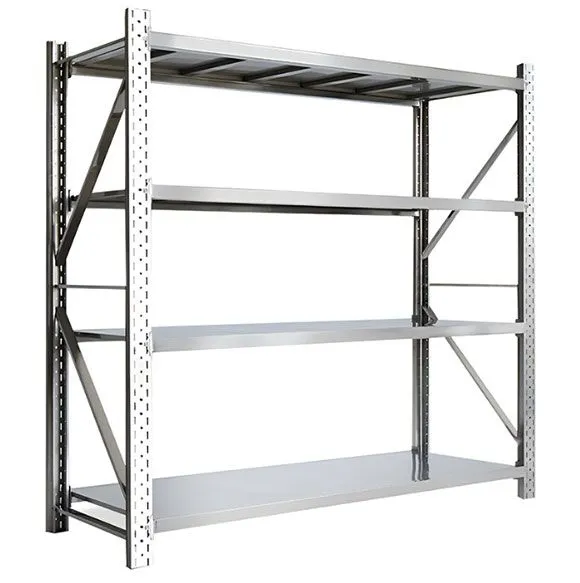 Read More
 -
Stainless Steel Shelving for Meat Processing Plants — What Holds Up Against Blood, Fat, and Daily Wa
July 24, 2026Meat plants are brutal on shelvingIf you work in a meat processing plant, you already know this. The rack that looked fine s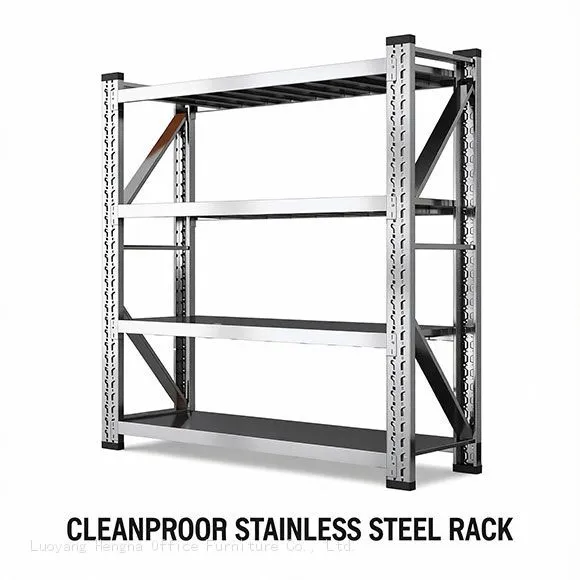 Read More
 -
Heavy Duty Tool Cabinet with Locks for School Shop: Stop Tool Theft Before It Happens
July 9, 2026A vocational school workshop isn't like a factory floor. The tools aren't being used by seasoned machinists who know where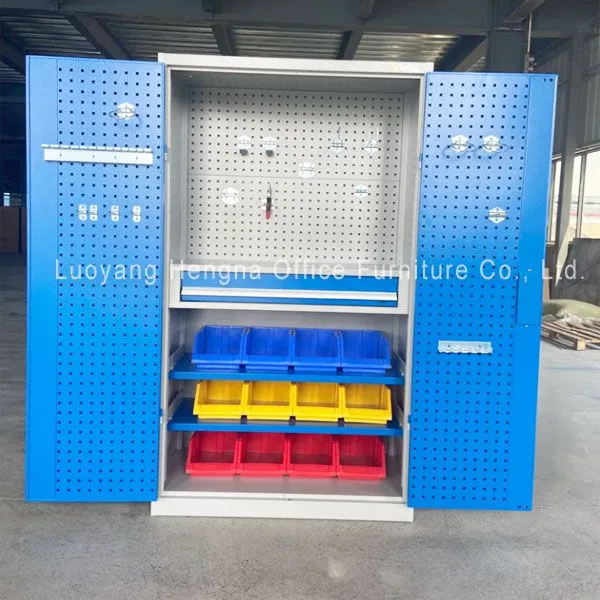 Read More
 -
Best Workbench for Electronics Assembly: Anti-Static Top — ESD Modular Pegboard Lock Meta
July 6, 2026The best workbench for electronics assembly pairs an anti-static laminate top with a modular frame — pegboard for hand tools, lock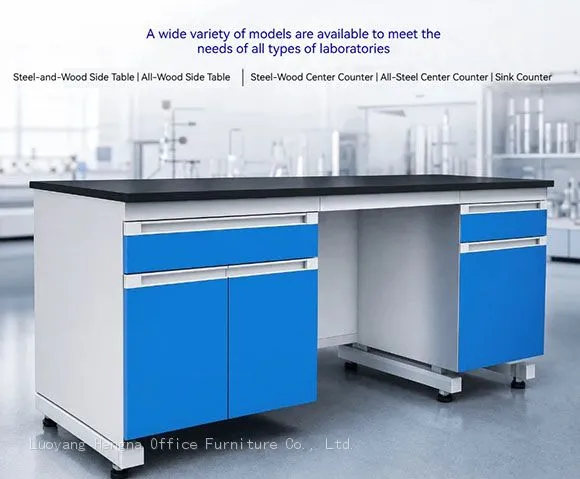 Read More

Contact Us
Recommended Products
-
 Industrial-Grade ABS Plastic Locker for Factory Staff and Warehouse Workers|Hengna OfficeUS$ 19 - 100MOQ: 5 Sets
 -
Outdoor ABS Locker Cabinet – UV-Resistant Plastic Storage for Poolside or Beach Resorts-Hengna OfficeUS$ 19 - 100MOQ: 5 Sets
-
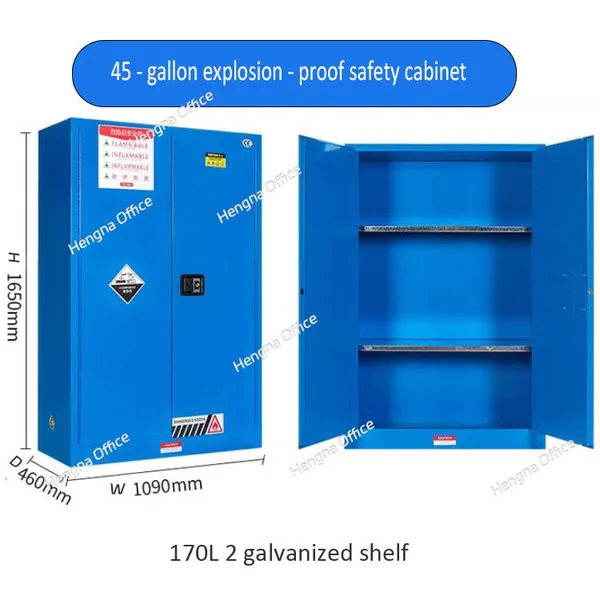
45 Gallon Explosion-Proof Flammable Liquid Storage Cabinet – Fire-Resistant Steel Safety Cabinet for FactoriesUS$ 68 - 400MOQ: 2 Combos
-
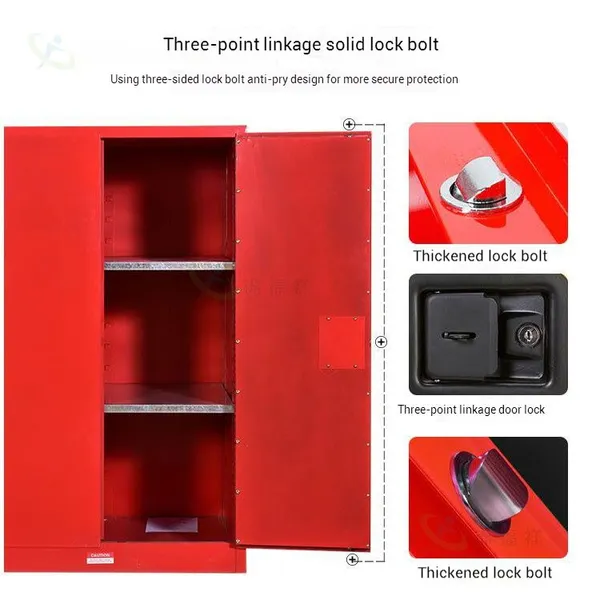
Flammable Storage Cabinet for Flammable Liquids – OSHA Certified Safety Cabinet With Fireproof Double WallsUS$ 68 - 400MOQ: 2 Combos
-
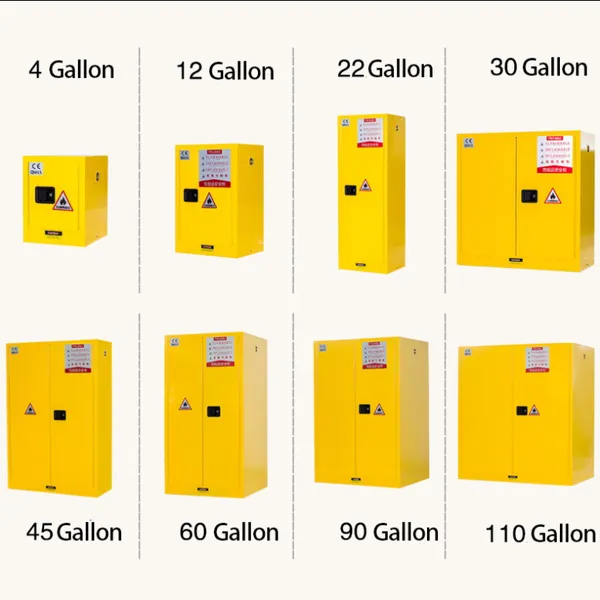
Large Capacity Flammable Liquid Storage Cabinet – Explosion-Proof Safety Cabinet for Laboratory & Workshop UseUS$ 68 - 400MOQ: 2 Combos
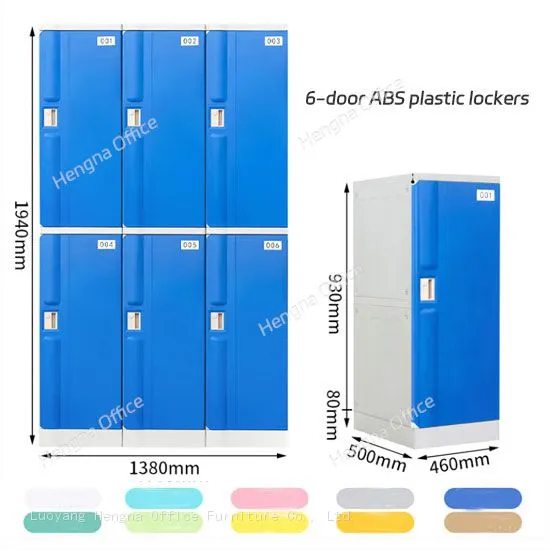
-
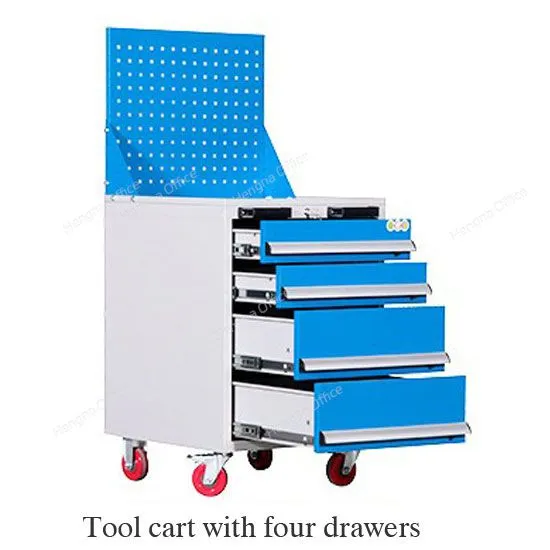
Heavy Duty Steel Tool Cart With Drawers for Workshops|Hengna OfficeUS$ 99 - 269MOQ: 2 Cases
-
Wholesale 3-Drawer Tool Trolley With Wheels for Factory and Garage StorageUS$ 99 - 269MOQ: 2 Cases
-
HN-wlj160 Industrial Rolling Tool Organizer With Pegboard|All-in-One Mobile Tool Storage CartUS$ 5 - 120MOQ: 2 Cases
-
White Stackable Pathology Wax Block Storage Drawers for Labs Near London-Hengna OfficeNegotiableMOQ: 10 Pieces
-
Custom Paraffin Block Storage Cabinet for Histology Laboratories – Factory Direct From Hengna FurnitureNegotiableMOQ: 10 Pieces
-
Smart Phone Charging Locker 40-door|Fingerprint Lockers Intelligent Parcel Delivery CabinetUS$ 203 - 750MOQ: 15 Pieces
-
School Gym Lockers Price |Parcel Delivery Storage Locker 12-door FactoryUS$ 203 - 750MOQ: 15 Pieces
-
Multi Metal Work Benches Electrical Workshop Workbench|US$ 300 - 800MOQ: 2 Cases
-
Commercial Workbench Supplier |Multi Metal Work Bench With Drawers OMDUS$ 300 - 800MOQ: 2 Cases
-
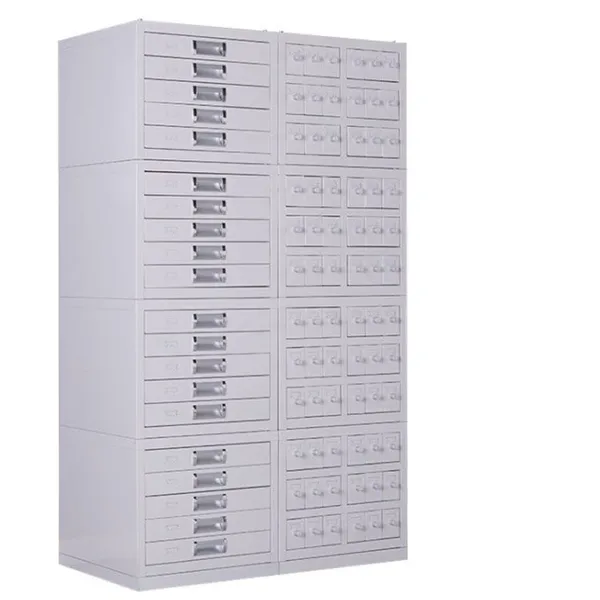
Pathological Ection Cabinet JTGZ062 Wax Block Cabinet for LaboratoryNegotiableMOQ: 10 Pieces
-
Durable Tool Storage in Factory HNGJ703 Hard Wearing Metal Industrial Tool ChestNegotiableMOQ: 18 Pieces
-
High - Quality CNC Workshop Tool Cabinet Heavyweight Workshop Tool OrganizerNegotiableMOQ: 10 Pieces
-
Laboratory Polyethylene Acid and Corrosive Chemicals Safety Storage PP CabinetUS$ 340 - 600MOQ: 5 Combos
-
22 Gallons /80 L PP Acid - Base Cabinet: Safeguard Chemical Storage Supplier OEMUS$ 500 - 600MOQ: 5 Combos
-
4 - Gallon Corrosion-resistant Safety Cabinet for Hazardous Chemicals Acid SupplierUS$ 340 - 500MOQ: 5 Combos