
 Business License

How to Choose a Display Cabinet for Small Spaces — Size, Material, and Style Guide
You've got a spot for a display cabinet — maybe by the entry, maybe next to the couch, maybe that awkward wall at the end of the hallway — but every cabinet you find looks too big, too dark, or just wrong for the space.
That's not because display cabinets don't come in small sizes. It's because most buying guides are written for people who have room to spare. If your space is under 400 square feet or the corner you're filling measures in inches, not feet, the standard advice doesn't apply.
This guide is the other way around. It starts with the assumption that you don't have much room, and helps you find the cabinet that actually fits — in size, in material, in style.
First, forget about height. Worry about width.
When people look for a small display cabinet, they usually go straight to height. "I want something tall." That instinct is right — going tall maximizes what you get per square foot. But the harder dimension to solve is width.
A standard display cabinet is 500mm wide. That sounds small on paper. In a room that's 3 meters across, a 500mm cabinet eats up one-sixth of one wall. In a truly tight space — a reading nook between a bookshelf and a window, a narrow hallway, a studio apartment corner — those 500mm are often too much.
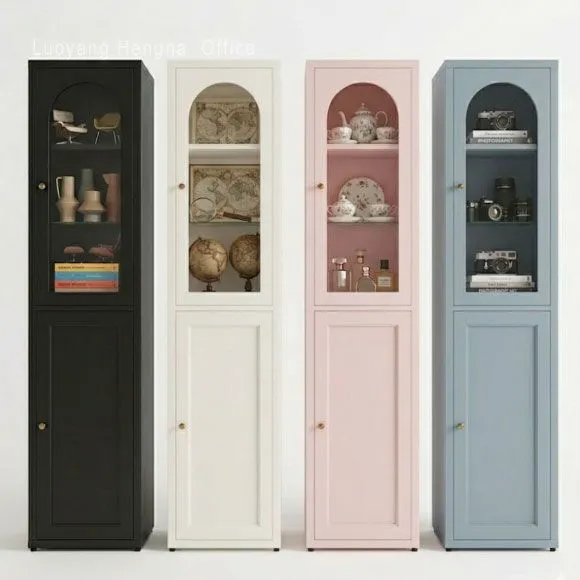
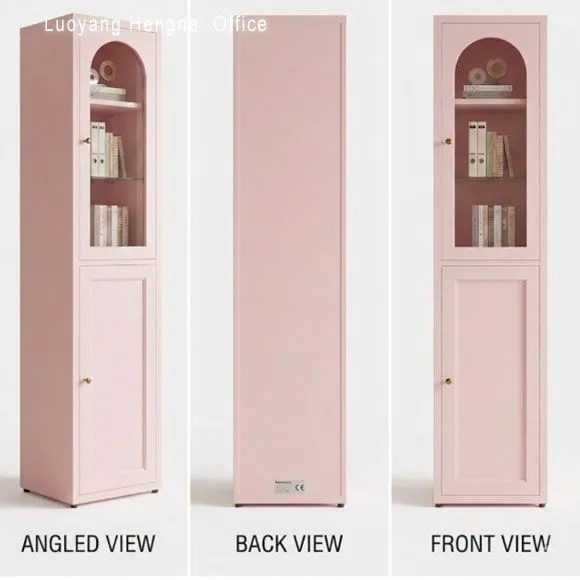
The width that works in tight spaces is around 423mm. That's roughly the depth of a standard bookshelf. It fits in corners where 500mm cabinets can't. It lets you walk past without sidestepping. Put it against any wall that a bookshelf would sit against, and it belongs there.
Height is easier. Once you've solved width, you can go up. A 78-inch tall cabinet (about 2000mm) fills the vertical space without stealing floor area.
Material matters more than you think in small rooms
Small rooms amplify every material choice. A wood cabinet that looks fine in a spacious living room can feel heavy and oppressive in a tight corner. Here's what each material actually does to a small space:
Solid wood and MDF are the most common choices. Solid wood has warmth and character — there's a reason people pay for it. But in small spaces, its weight is a liability. Dark wood absorbs light, makes the corner feel smaller, and creates a visual "wall" that closes the room in. Light-colored wood is better, but still has the problem of moisture sensitivity. In a small space that's also a bathroom-adjacent entry or a rental unit with humidity swings, wood cabinets can warp or delaminate within months.
MDF (medium-density fiberboard) is cheaper but brings its own problems. It's heavier than steel, absorbs moisture at any exposed edge, and doesn't handle repeated assembly-disassembly well. If you move apartments or rearrange furniture, the screw holes in MDF widen quickly. The second or third time you assemble it, the fit stops being tight.
Steel display cabinets are less common in the consumer market but make a lot of sense for small spaces. The key advantage isn't durability — it's that steel allows a much thinner cabinet wall. An MDF cabinet needs 15-18mm panels for structural integrity. Steel cabinets use 0.8mm panels. That difference means a steel cabinet can be the same external width as an MDF cabinet but have noticeably more internal space. In a 423mm-wide cabinet, those millimeters matter.
Steel also doesn't absorb moisture. In small apartments with limited ventilation — think studio kitchens, bathrooms-adjacent corners, entryways that get rain splashed — that's a real advantage. No warping, no edge swelling, no peeling laminate.
The tradeoff is that steel cabinets need a good finish to not look industrial. A powder coated cream white surface with a matte finish feels closer to furniture than to office storage. The color and texture determine whether it belongs in a living room or a warehouse.
Glass doors make small spaces feel bigger
A display cabinet in a small room serves double duty — it stores your things and it's part of your visual landscape. Glass doors change how both of those work.
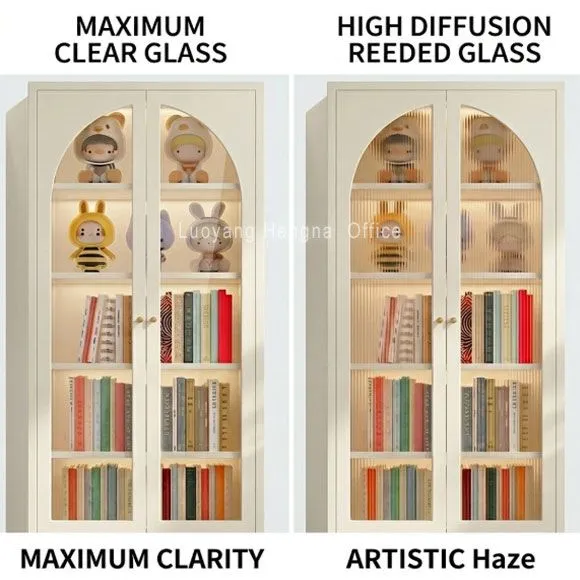
Solid doors hide what's inside, which is useful if you're storing things that aren't beautiful. But in small spaces, a solid-door cabinet becomes a block — it's a closed surface that takes up visual space without contributing anything. Glass doors let you see through. They reflect light. They make the cabinet feel less like furniture and more like part of the wall decor.
Tempered glass is the standard for display cabinets. It's around 4-5 times stronger than regular glass, and if it does break, it shatters into blunt granules instead of sharp shards. That matters in small spaces where a cabinet might sit near a walkway. A 5mm tempered glass door is standard. It's thin enough to look clean, strong enough to last.
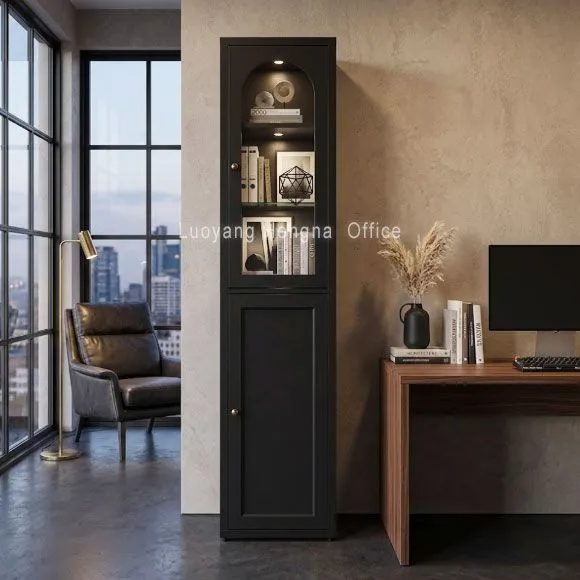
Color dictates whether it works or fights the room
In small spaces, color isn't decoration. It's architecture.
Dark colors absorb light and advance toward the eye. A dark wood or black display cabinet in a small corner will visually shrink that corner by 10-15%. It becomes the first thing you see when you walk into the room — not the items inside it.
Light colors do the opposite. White, cream, light gray, and pastel finishes recede. A cream white cabinet against a light wall essentially disappears until you look at it directly. That's ideal for small spaces where the goal is function without visual clutter.
If you're choosing between colors for a small-space display cabinet, go with the one that lets the room breathe. Cream white over stark white — stark white can read cold in small spaces. Cream white has just enough warmth to pair with wood floors, neutral walls, and natural light.
What to look for when buying
If you're shopping for a display cabinet that fits a small space, here's a quick checklist:
Width between 400-430mm. Anything wider probably won't fit tight corners, and anything narrower won't hold enough.
Height over 72 inches. The whole point of going narrow is that you go tall instead. A 78-inch cabinet maximizes vertical storage.
Glass doors, not solid. Small spaces need to borrow light from wherever they can. Glass doors help.
Steel body if the room has humidity. Entryways, near-kitchen placements, and coastal apartments benefit from steel's moisture resistance. MDF is cheaper upfront but costs more in replacements.
Light color. White or cream white. The cabinet should support the room, not dominate it.
Frequently Asked Questions
Q: Is a 423mm wide display cabinet big enough to hold real items?
Yes. Five to six adjustable shelves give you plenty of room for books, decor pieces, collectibles, and everyday items. The width is optimized for the cabinet's location — you're not losing storage space, you're choosing a cabinet that fits where others don't.
Q: Won't a steel cabinet feel too industrial for my home?
Not if the finish is right. The difference between industrial and residential is the surface treatment. A matte powder coat in cream white with tempered glass doors reads as furniture, not factory storage. The key is color and texture.
Q: How hard is it to assemble?
KD flat pack cabinets come disassembled in a box. Single-person assembly takes roughly 40-60 minutes on first attempt, faster after that. No power tools needed — all hardware and an illustrated guide are included.
Q: Can I customize the size or color?
Standard models cover the most common sizes and finishes. Custom dimensions and colors are available through direct order — useful if you need a specific height to fit under a window or between built-ins.
Why this matters for your small space
A display cabinet in a small room shouldn't be a compromise. You don't have to choose between fitting the room and having usable storage. The right width lets it fit. The right height lets it store. The right material lets it last.
We make these cabinets at Luoyang Hengna Office Furniture, and what we've learned is that small spaces reward good decisions more than large ones. A three-inch width difference that's barely noticeable in a big room makes the difference between "fits" and "doesn't fit" in a tiny home or studio apartment. That's why we build at 423mm.
But the product isn't the point of this guide. The point is that when you know what to look for — width first, then material, then color, then glass — the choice becomes straightforward. Measure your space. Match the material to your environment. Pick a color that lightens the room. Choose glass that opens it up.
Then put the cabinet where you need it and move on to other things.
Recently Posted
-
Stainless Steel Shelving for Breweries and Wineries — What Survives Humidity, Alcohol Spills
July 24, 2026Stainless Steel Shelving for Breweries and Wineries — What Survives Humidity, Alcohol Spills, and Sanitizer Washdowns Three t Read More
 -
Stainless Steel Shelving for Meat Processing Plants — What Holds Up Against Blood, Fat, and Daily Wa
July 24, 2026Meat plants are brutal on shelvingIf you work in a meat processing plant, you already know this. The rack that looked fine s Read More
 -
0.6mm Steel Wardrobe vs 0.4mm — Why Cold-Rolled Single Door Metal Closet Lasts Longer
July 10, 2026The 0.2mm That Decides Whether You Buy One Wardrobe or ThreeTwo wardrobes look identical on a supplier's photo. Same door, sam Read More
 -
Heavy Duty Tool Cabinet with Locks for School Shop: Stop Tool Theft Before It Happens
July 9, 2026A vocational school workshop isn't like a factory floor. The tools aren't being used by seasoned machinists who know where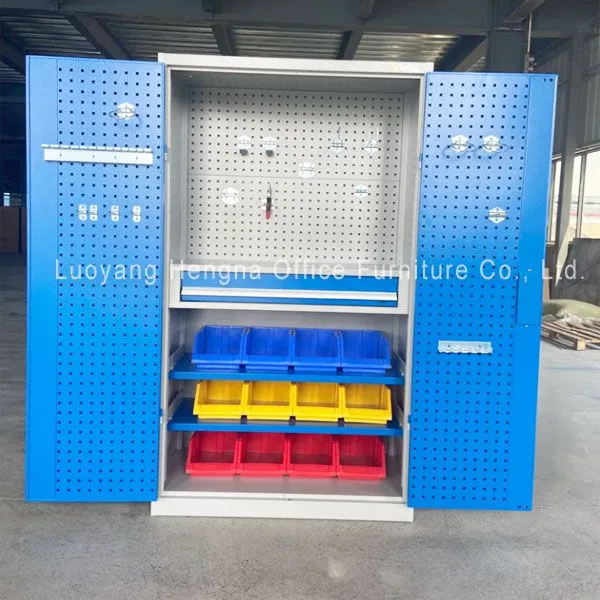 Read More

Contact Us
Recommended Products
-
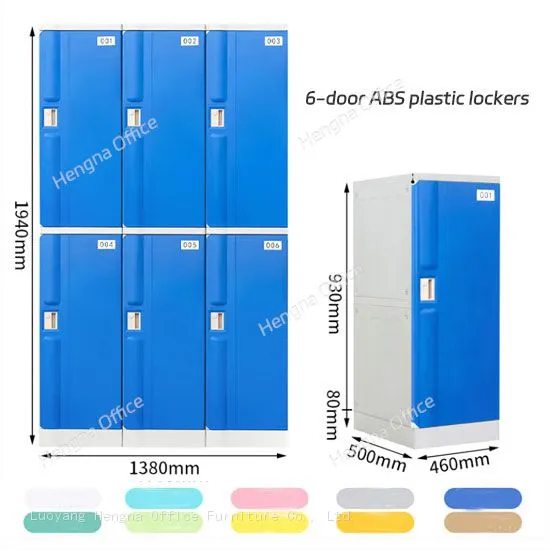
 Industrial-Grade ABS Plastic Locker for Factory Staff and Warehouse Workers|Hengna OfficeUS$ 19 - 100MOQ: 5 Sets
 -
Outdoor ABS Locker Cabinet – UV-Resistant Plastic Storage for Poolside or Beach Resorts-Hengna OfficeUS$ 19 - 100MOQ: 5 Sets
-
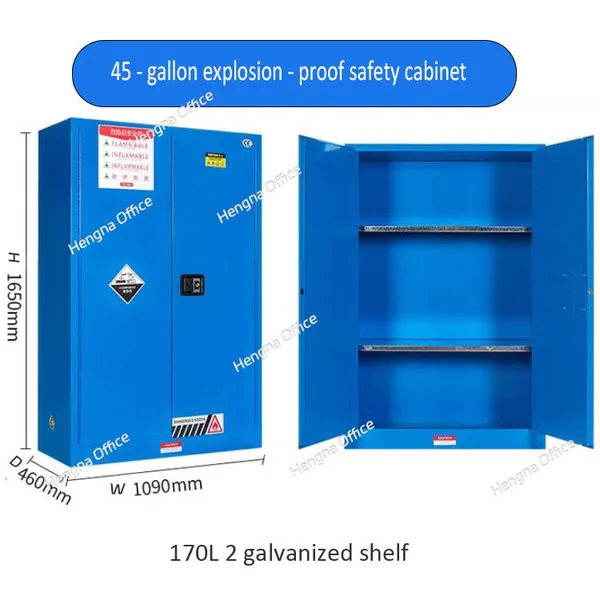
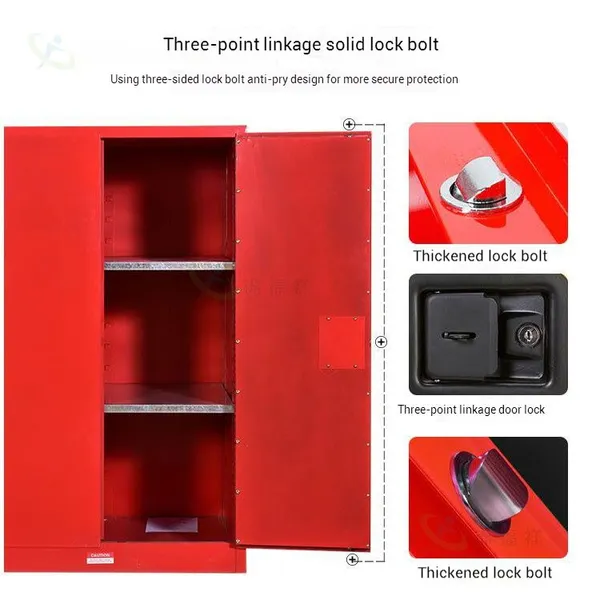
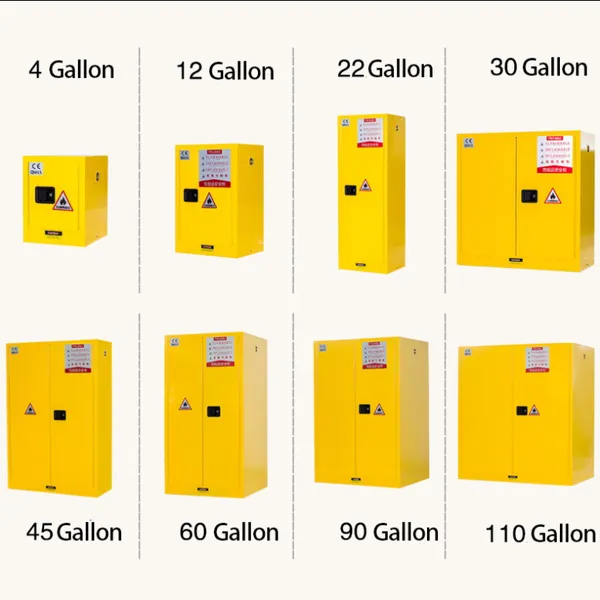
45 Gallon Explosion-Proof Flammable Liquid Storage Cabinet – Fire-Resistant Steel Safety Cabinet for FactoriesUS$ 68 - 400MOQ: 2 Combos
-
Flammable Storage Cabinet for Flammable Liquids – OSHA Certified Safety Cabinet With Fireproof Double WallsUS$ 68 - 400MOQ: 2 Combos
-
Large Capacity Flammable Liquid Storage Cabinet – Explosion-Proof Safety Cabinet for Laboratory & Workshop UseUS$ 68 - 400MOQ: 2 Combos
-
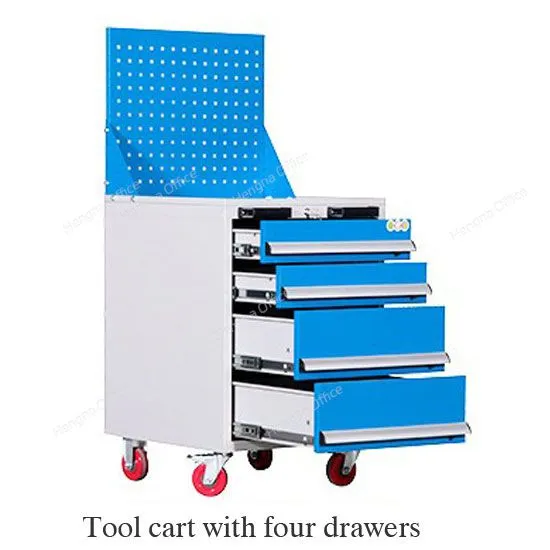
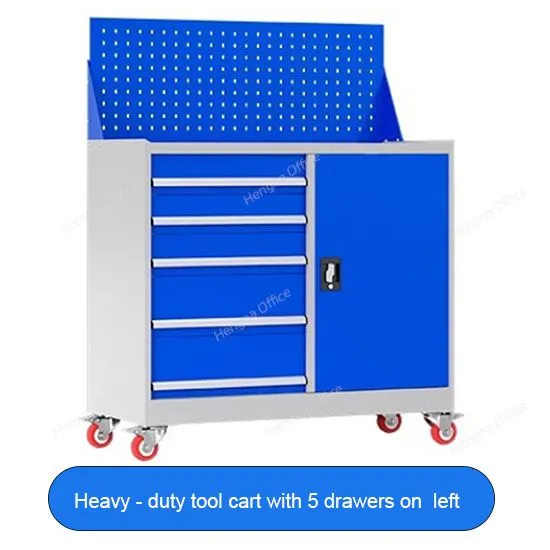
Heavy Duty Steel Tool Cart With Drawers for Workshops|Hengna OfficeUS$ 99 - 269MOQ: 2 Cases
-
Wholesale 3-Drawer Tool Trolley With Wheels for Factory and Garage StorageUS$ 99 - 269MOQ: 2 Cases
-
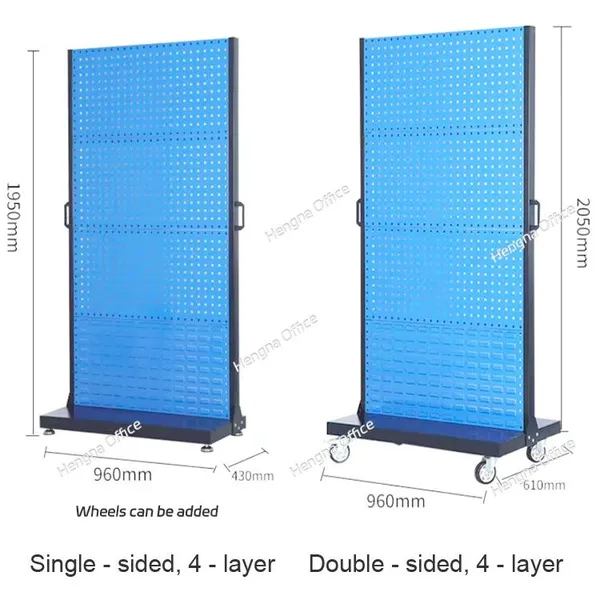
HN-wlj160 Industrial Rolling Tool Organizer With Pegboard|All-in-One Mobile Tool Storage CartUS$ 5 - 120MOQ: 2 Cases
-
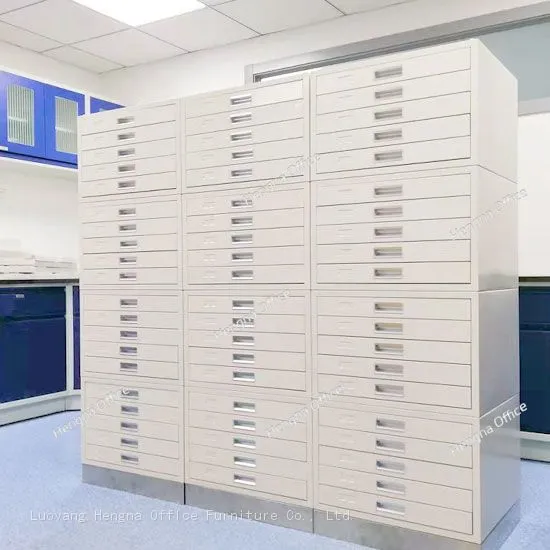
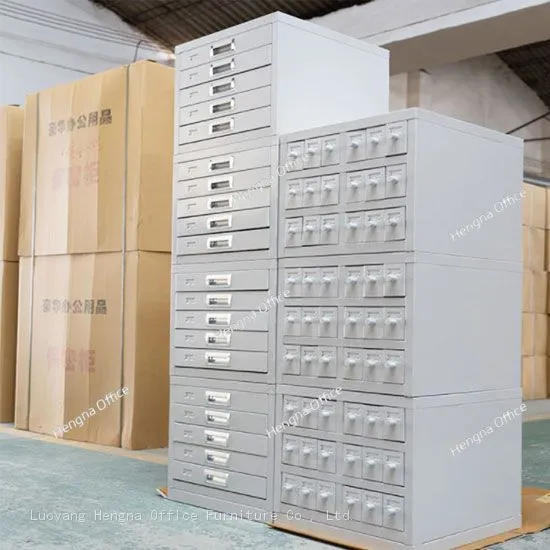
White Stackable Pathology Wax Block Storage Drawers for Labs Near London-Hengna OfficeNegotiableMOQ: 10 Pieces
-
Custom Paraffin Block Storage Cabinet for Histology Laboratories – Factory Direct From Hengna FurnitureNegotiableMOQ: 10 Pieces
-
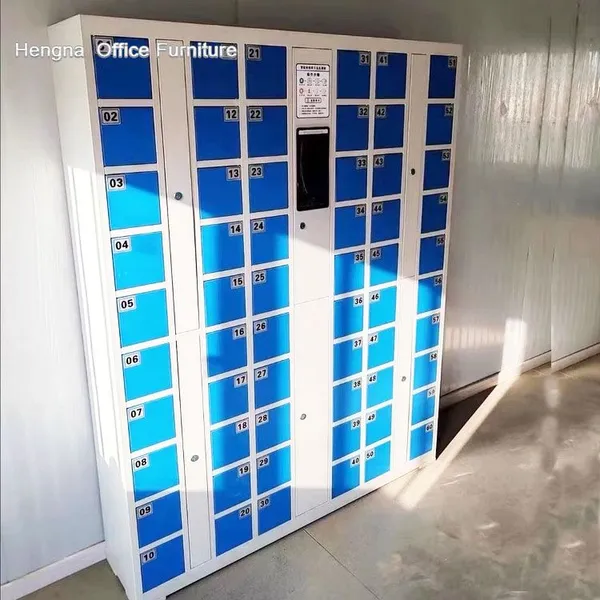
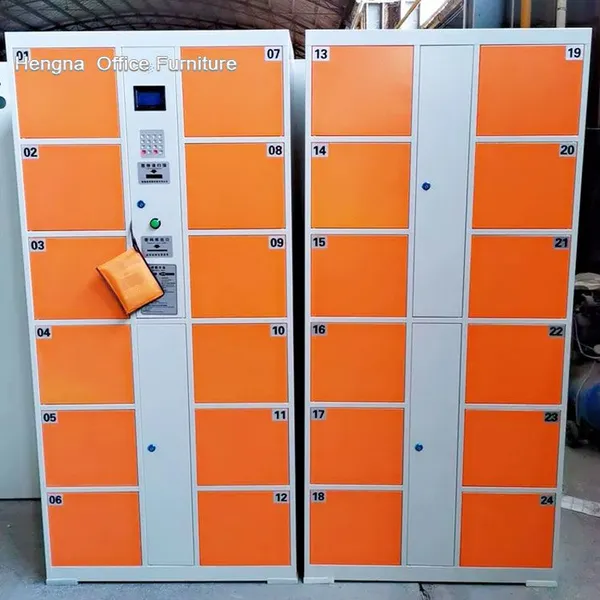
Smart Phone Charging Locker 40-door|Fingerprint Lockers Intelligent Parcel Delivery CabinetUS$ 203 - 750MOQ: 15 Pieces
-
School Gym Lockers Price |Parcel Delivery Storage Locker 12-door FactoryUS$ 203 - 750MOQ: 15 Pieces
-
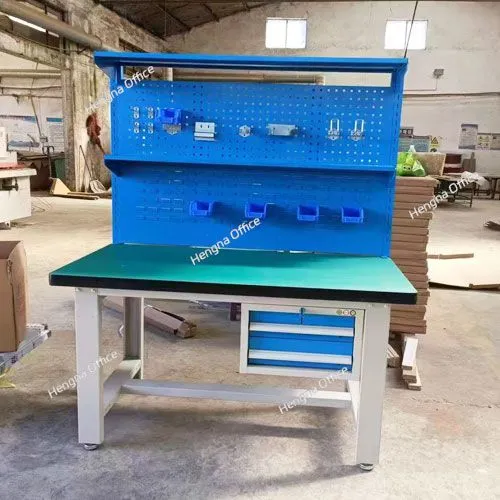
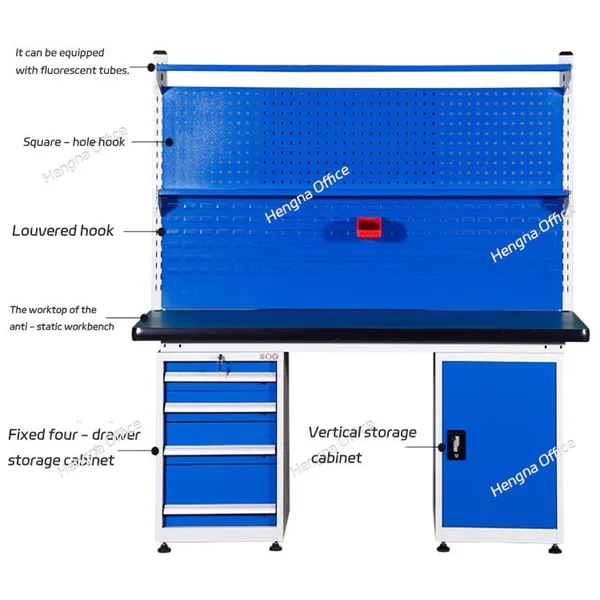
Multi Metal Work Benches Electrical Workshop Workbench|US$ 300 - 800MOQ: 2 Cases
-
Commercial Workbench Supplier |Multi Metal Work Bench With Drawers OMDUS$ 300 - 800MOQ: 2 Cases
-
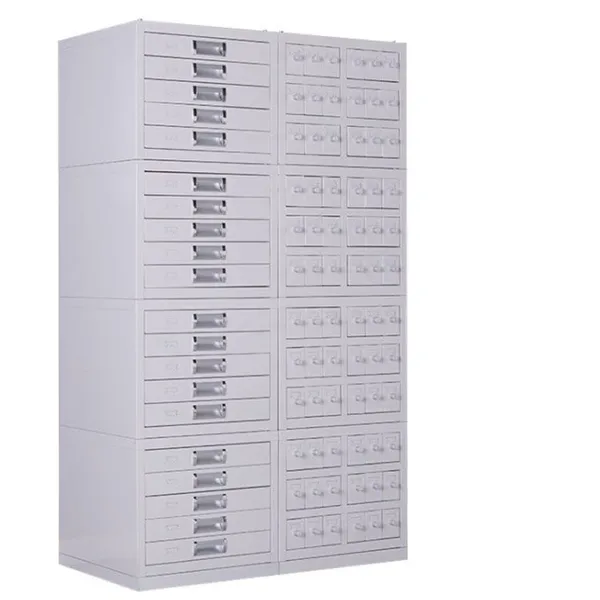
Pathological Ection Cabinet JTGZ062 Wax Block Cabinet for LaboratoryNegotiableMOQ: 10 Pieces
-
Durable Tool Storage in Factory HNGJ703 Hard Wearing Metal Industrial Tool ChestNegotiableMOQ: 18 Pieces
-
High - Quality CNC Workshop Tool Cabinet Heavyweight Workshop Tool OrganizerNegotiableMOQ: 10 Pieces
-
Laboratory Polyethylene Acid and Corrosive Chemicals Safety Storage PP CabinetUS$ 340 - 600MOQ: 5 Combos
-
22 Gallons /80 L PP Acid - Base Cabinet: Safeguard Chemical Storage Supplier OEMUS$ 500 - 600MOQ: 5 Combos
-
4 - Gallon Corrosion-resistant Safety Cabinet for Hazardous Chemicals Acid SupplierUS$ 340 - 500MOQ: 5 Combos