
 Business License

Electronics Workshop Organization: Precision Tool Storage for Maximum Efficiency
Electronics workshops and repair facilities require specialized tool storage solutions that accommodate delicate components, precision instruments, and various electronic tools while maintaining organization and accessibility. The unique nature of electronics work, involving small components, static-sensitive devices, and specialized equipment, demands storage systems that protect both tools and electronic components. This comprehensive guide explores precision tool storage solutions designed specifically for electronics environments and their impact on operational efficiency.
Understanding Electronics Workshop Storage Requirements
Electronics work encompasses various activities including circuit board assembly, device repair, component testing, and prototyping, each requiring specialized tools and organization approaches. Tool storage systems must accommodate various tool types including soldering irons, multimeters, oscilloscopes, precision screwdrivers, and anti-static equipment. The storage solution must support these diverse requirements while maintaining component safety and workflow efficiency.
The sensitivity of electronic components adds complexity to storage requirements. Static discharge, moisture, and contamination can damage delicate electronic parts during storage and handling. Electronics tool cabinets must provide protection for both tools and components while maintaining organization and accessibility. These specialized requirements distinguish electronics storage from general workshop storage solutions.
ESD Protection and Static Control
Electrostatic discharge (ESD) represents a significant threat to electronic components and assemblies, requiring specialized storage solutions that prevent static damage. Electronics tool cabinets should incorporate ESD-safe materials and grounding systems that dissipate static charges and protect sensitive components. Some cabinets feature anti-static surfaces, grounded drawer systems, and static-dissipative construction.

ESD protection benefits extend to supporting various electronics work activities including component handling, circuit board assembly, and device repair. Proper static control prevents component damage that could lead to device failure or reliability issues. Some electronics tool cabinets incorporate integrated grounding points and wrist strap anchors that maintain static-safe work environments throughout all electronics tasks.
Precision Tool Organization Systems
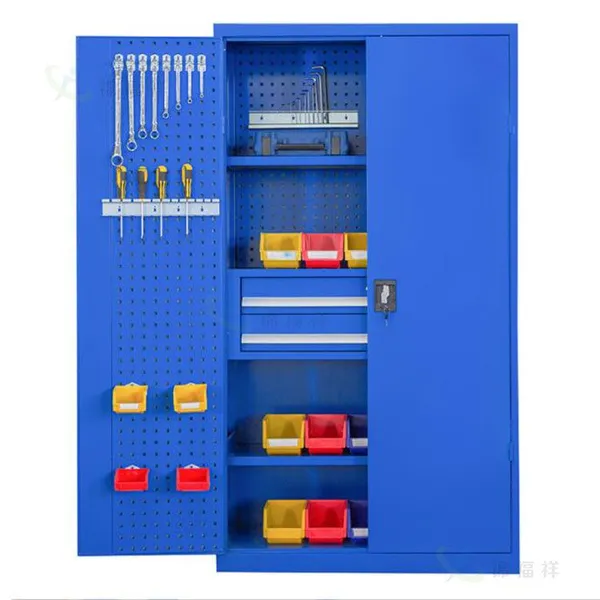
Electronics work requires numerous small, precision tools that demand careful organization to prevent loss and damage. Tool storage systems should incorporate specialized compartments, foam inserts, and customizable dividers that protect delicate tools while maintaining accessibility. Magnetic tool holders, precision-cut foam, and specialized trays enhance organization for small electronics tools.
Organization benefits extend to supporting various electronics specialties including surface-mount technology, through-hole assembly, and microelectronics. Different specialties may require unique tool combinations and storage approaches. Electronics tool cabinets can be configured to accommodate these various requirements while maintaining consistent organization standards. This adaptability supports diverse electronics operations and enhances workflow efficiency.
Component Storage Integration
Electronics workshops often store various components alongside tools for convenient access during assembly and repair activities. Tool storage systems should incorporate dedicated component storage areas that protect parts from damage while maintaining organization. Some electronics cabinets feature specialized compartments for resistors, capacitors, integrated circuits, and other components.
Component storage benefits extend to supporting inventory management and parts organization. Clear labeling systems, removable bins, and categorized storage enhance parts identification and access. Some electronics tool cabinets incorporate modular component storage that can be reconfigured as inventory needs change. This integration enhances efficiency and supports comprehensive electronics workshop organization.
Integration with Electronics Workflows
Electronics work follows specific sequences and procedures that benefit from organized tool storage aligned with natural workflow patterns. Tool storage systems should support various electronics processes including soldering, testing, inspection, and packaging. The ability to access needed tools quickly without disrupting workflow enhances productivity and quality.
Workflow integration benefits extend to supporting various electronics specialties and project types. Some electronics workshops implement tool organization systems that correspond to project phases or assembly stages. This alignment enhances efficiency and reduces errors during complex electronics projects. The ability to customize storage configurations based on specific workflows supports diverse electronics operations.
Lighting and Visibility Enhancement
Electronics work often requires excellent visibility for identifying small components, reading color codes, and inspecting fine details. Tool storage systems should incorporate lighting features that enhance visibility and reduce eye strain during detailed work. Integrated LED lighting, magnification options, and color-coded organization systems support precision electronics work.
Visibility benefits extend to supporting various electronics tasks including component identification, circuit inspection, and quality control. Some electronics tool cabinets feature built-in magnifiers, task lighting, or backlit compartments that enhance visibility for detailed work. These visibility enhancements reduce errors and improve quality in electronics operations.
Security and Access Control
Electronics tools and components can represent significant investments, requiring security measures to prevent theft and unauthorized access. Tool storage systems should incorporate locking mechanisms, access control systems, and security features that protect valuable equipment. Some electronics cabinets feature specialized security for sensitive tools or expensive components.
Security benefits extend to supporting various electronics business models including repair services, manufacturing, and research. Different operations may require different security levels based on tool value and sensitivity. Electronics tool cabinets can be configured with appropriate security features while maintaining accessibility for authorized users. This balance protects investments while supporting operational efficiency.
Climate Control and Environmental Protection
Electronics components and tools can be sensitive to temperature, humidity, and other environmental factors. Tool storage systems should provide climate-controlled environments that protect sensitive equipment from damage. Some electronics cabinets feature sealed compartments, humidity control systems, or temperature regulation that protect electronics components.
Environmental protection benefits extend to supporting various electronics materials including solder, flux, and cleaning chemicals. Proper storage prevents material degradation and extends shelf life. Some electronics tool cabinets incorporate specialized storage for chemicals and materials that require specific environmental conditions. This protection enhances quality and reduces waste in electronics operations.
Supporting Various Electronics Specialties
Electronics encompasses various specialties including consumer electronics, industrial electronics, automotive electronics, and telecommunications, each with unique tool requirements. Tool storage systems must accommodate these diverse needs through flexible configurations and specialized features. Some electronics cabinets can be customized for specific specialties while maintaining core organizational principles.
Specialty support benefits extend to accommodating various skill levels from hobbyists to professional electronics technicians. Different users may require different tool combinations and organization approaches. Electronics tool cabinets can be configured to support various user groups while maintaining consistent standards. This adaptability enhances versatility and supports diverse electronics operations.
Technology Integration and Digital Management
Modern electronics work increasingly incorporates digital technology and automated systems. Tool storage solutions can integrate with inventory management, project management, and business systems. This integration creates comprehensive workshop management that supports modern electronics operations and business efficiency.
Technology integration benefits extend to supporting advanced electronics processes including automated testing, quality control, and documentation. Some electronics tool cabinets incorporate digital inventory tracking, usage monitoring, and maintenance scheduling. These technological capabilities enhance efficiency and support data-driven decision making in electronics operations.

Recently Posted
-
Louvered Panel vs Round Hole Pegboard — Which Tool Wall Holds Hooks and Bins Together?
August 31, 2026Louvered Panel vs Round Hole Pegboard — Which Tool Wall Holds Hooks and Bins Together?Short answer: if you only hang tools, round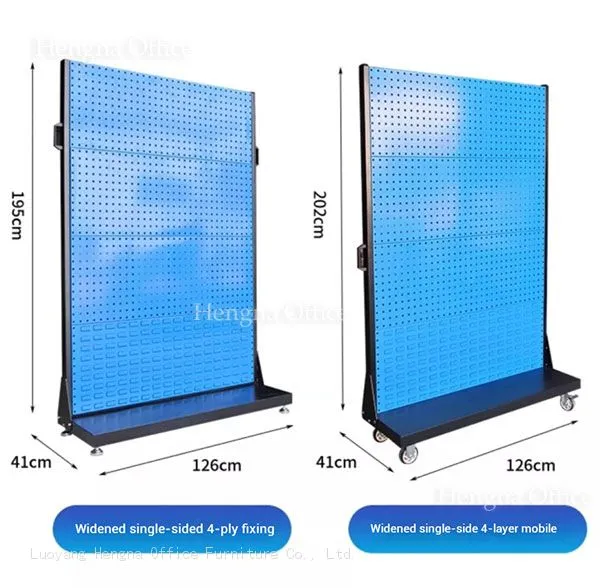 Read More
 -
Welded vs Boltless Steel Shelving — Looks Strong at the Factory, Falls Apart at the Port
August 7, 2026Welded vs Boltless Steel Shelving — Looks Strong at the Factory, Falls Apart at the PortHere's a story every steel shelving im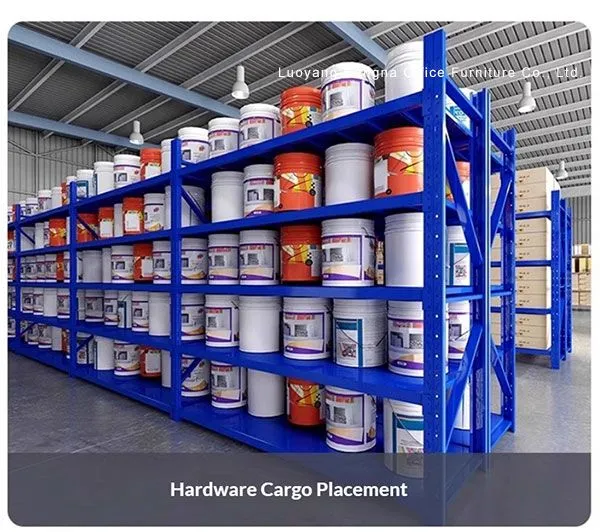 Read More
 -
You Asked a Steel Shelving Supplier for a Price. Here's What You Should Have Asked First.
August 7, 2026You found a steel shelving supplier. Their listing looks clean. You sent the message every first-time importer sends: "What&#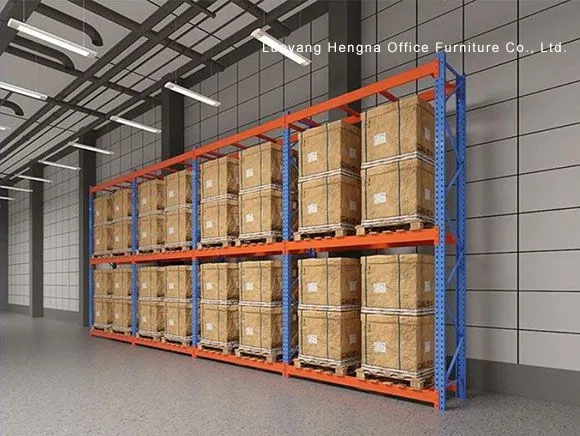 Read More
 -
Heavy Duty Steel Workbench for Auto Repair — Cold Rolled Frame vs What Most Garages Use
August 5, 2026Mike has been running his independent garage for eleven years. Three bays, two mechanics, a steady stream of brake jobs and transm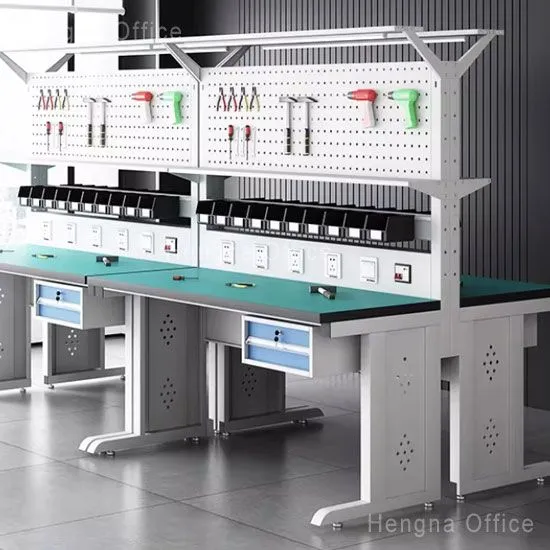 Read More

Contact Us
Recommended Products
-
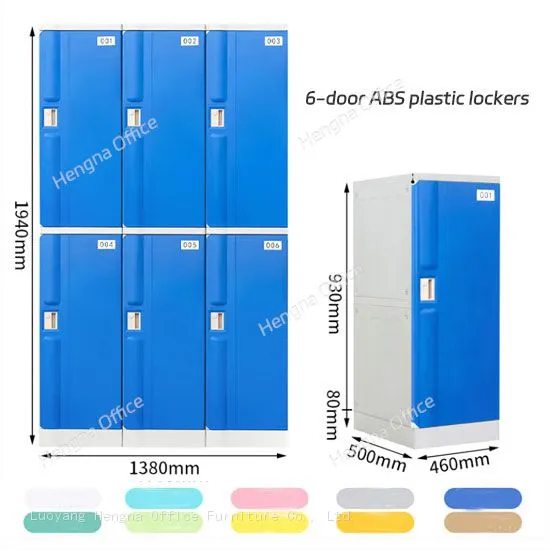
 Industrial-Grade ABS Plastic Locker for Factory Staff and Warehouse Workers|Hengna OfficeUS$ 19 - 100MOQ: 5 Sets
 -
Outdoor ABS Locker Cabinet – UV-Resistant Plastic Storage for Poolside or Beach Resorts-Hengna OfficeUS$ 19 - 100MOQ: 5 Sets
-
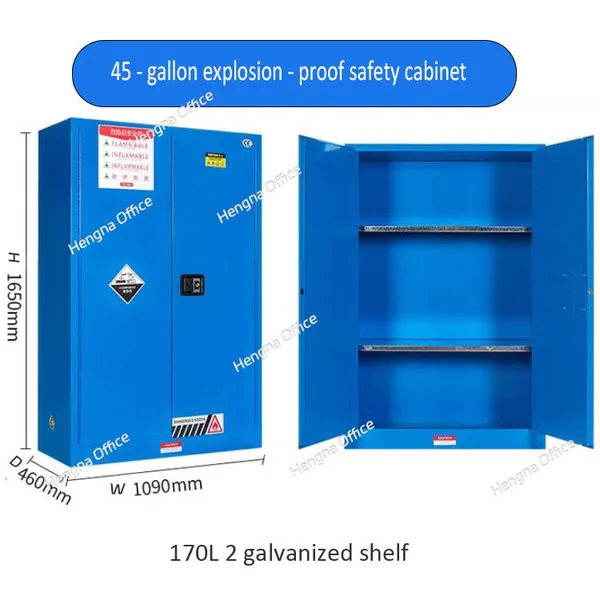
45 Gallon Explosion-Proof Flammable Liquid Storage Cabinet – Fire-Resistant Steel Safety Cabinet for FactoriesUS$ 68 - 400MOQ: 2 Combos
-
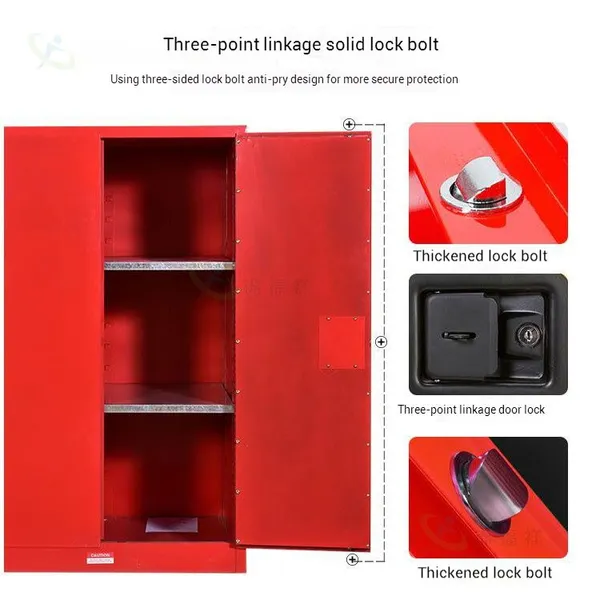
Flammable Storage Cabinet for Flammable Liquids – OSHA Certified Safety Cabinet With Fireproof Double WallsUS$ 68 - 400MOQ: 2 Combos
-
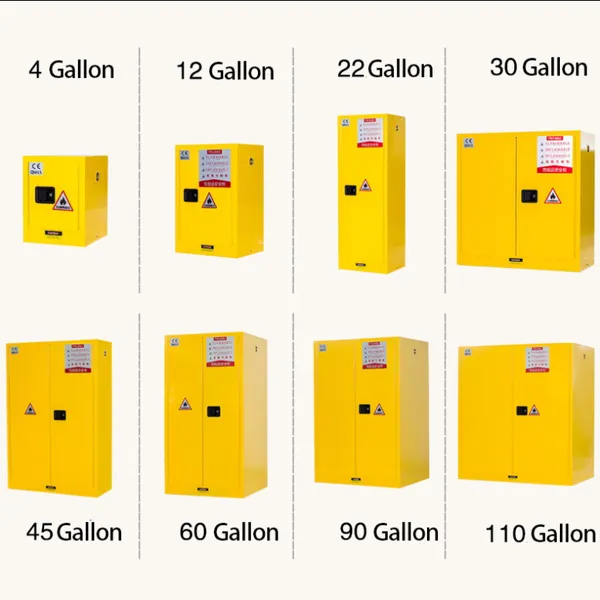
Large Capacity Flammable Liquid Storage Cabinet – Explosion-Proof Safety Cabinet for Laboratory & Workshop UseUS$ 68 - 400MOQ: 2 Combos

-
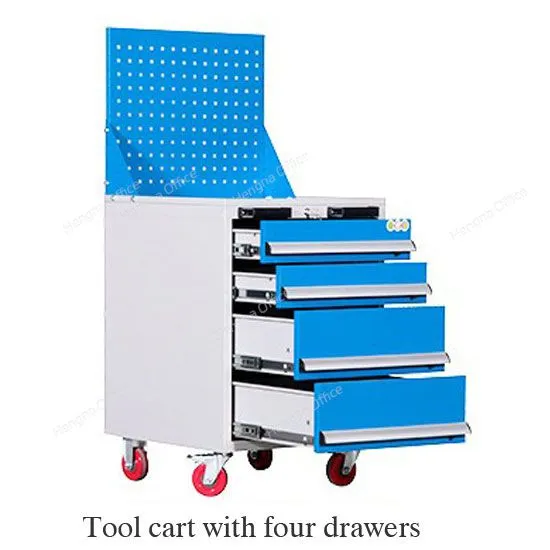
Heavy Duty Steel Tool Cart With Drawers for Workshops|Hengna OfficeUS$ 99 - 269MOQ: 2 Cases
-
Wholesale 3-Drawer Tool Trolley With Wheels for Factory and Garage StorageUS$ 99 - 269MOQ: 2 Cases
-
HN-wlj160 Industrial Rolling Tool Organizer With Pegboard|All-in-One Mobile Tool Storage CartUS$ 5 - 120MOQ: 2 Cases
-
White Stackable Pathology Wax Block Storage Drawers for Labs Near London-Hengna OfficeNegotiableMOQ: 10 Pieces
-
Custom Paraffin Block Storage Cabinet for Histology Laboratories – Factory Direct From Hengna FurnitureNegotiableMOQ: 10 Pieces
-
Smart Phone Charging Locker 40-door|Fingerprint Lockers Intelligent Parcel Delivery CabinetUS$ 203 - 750MOQ: 15 Pieces
-
School Gym Lockers Price |Parcel Delivery Storage Locker 12-door FactoryUS$ 203 - 750MOQ: 15 Pieces
-
Multi Metal Work Benches Electrical Workshop Workbench|US$ 300 - 800MOQ: 2 Cases
-
Commercial Workbench Supplier |Multi Metal Work Bench With Drawers OMDUS$ 300 - 800MOQ: 2 Cases
-
Pathological Ection Cabinet JTGZ062 Wax Block Cabinet for LaboratoryNegotiableMOQ: 10 Pieces
-
Durable Tool Storage in Factory HNGJ703 Hard Wearing Metal Industrial Tool ChestNegotiableMOQ: 18 Pieces
-
High - Quality CNC Workshop Tool Cabinet Heavyweight Workshop Tool OrganizerNegotiableMOQ: 10 Pieces
-
Laboratory Polyethylene Acid and Corrosive Chemicals Safety Storage PP CabinetUS$ 340 - 600MOQ: 5 Combos
-
22 Gallons /80 L PP Acid - Base Cabinet: Safeguard Chemical Storage Supplier OEMUS$ 500 - 600MOQ: 5 Combos
-
4 - Gallon Corrosion-resistant Safety Cabinet for Hazardous Chemicals Acid SupplierUS$ 340 - 500MOQ: 5 Combos