
 Business License
Do Plastic Lockers Rust at the Beach? A No-Nonsense Guide for Resort Owners
Do Plastic Lockers Rust at the Beach? A No-Nonsense Guide for Resort Owners
The Short Answer
No. Plastic doesn't contain iron. Rust requires iron and oxygen and moisture. Plastic has none of that. Your plastic lockers will not rust at the beach, or anywhere else.
That's the short answer. But if you're a resort owner trying to figure out whether to replace your steel lockers with plastic ones, the short answer isn't what you need. You need to know what actually goes wrong with plastic lockers at the beach — because "won't rust" doesn't mean "won't have problems."
Why You're Asking This Question in the First Place
If you're researching whether plastic lockers rust, it's probably because your current steel lockers are causing you problems.
Here's what typically happens at a beach resort:
Year 0: You install steel lockers. They look great. Shiny, substantial, feels like quality.
Year 1: Paint starts fading on the side that faces the ocean. You notice it, but it's not a guest complaint yet.
Year 1.5: Rust spots appear at the door hinges. Housekeeping mentions it in the weekly report. You make a note to deal with it after peak season.
Year 2: A guest mentions the "rusty locker room" in a review. It's a three-star review with 47 helpful votes. You deal with it by repainting two lockers and hoping the rest hold on.
Year 2.5: You're replacing six lockers. The installer tells you the whole bank should probably be replaced because the paint system has failed across the board.
This is why you're here. You've lived through this cycle and you're trying to figure out if plastic is the exit ramp.
What "Plastic Lockers" Actually Means
Not all plastic is the same. If you're buying lockers, you need to know the difference — because some plastics will cause you problems too, just different problems than steel.
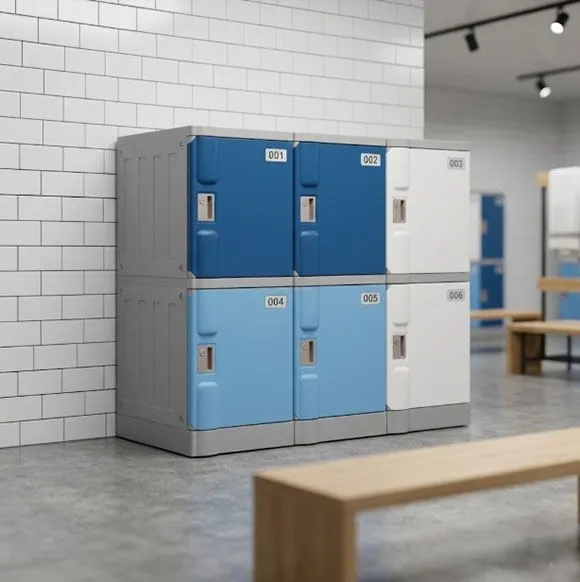
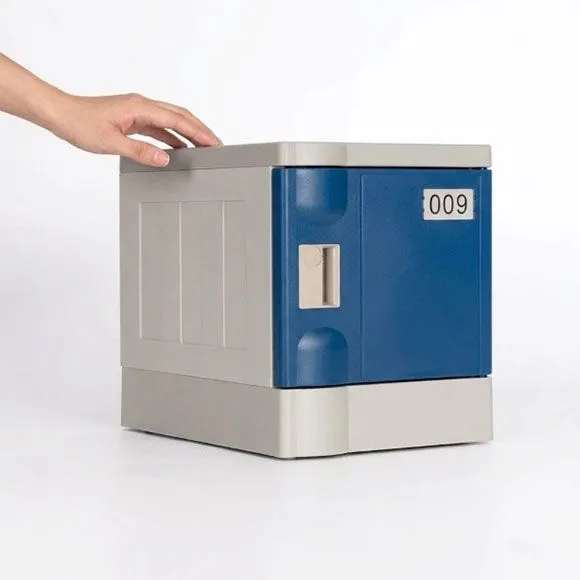
ABS (Acrylonitrile Butadiene Styrene) — This is what you want. It's the same plastic used in LEGO bricks and car interior trim. It handles UV moderately well (don't put it in direct equatorial sun for 10 years), it's impact-resistant, and it doesn't absorb water. Most good plastic lockers are ABS.
Polypropylene (PP) — Cheaper. Used in food containers and some budget lockers. It's more flexible than ABS, which sounds good until a guest leans on the locker door and it flexes permanently. It also degrades faster in UV.
Polyethylene (PE) — Usually rotationally molded lockers. Thick, heavy, very durable. But the surface texture is rough, which makes cleaning harder. Also more expensive than ABS.
If a supplier says "plastic lockers" without specifying the plastic type, ask. If they can't give you a material spec sheet, walk away.
What Can Go Wrong With ABS Lockers at the Beach
"Won't rust" is true. But here's what can still go wrong:
UV degradation over 5-7 years. ABS handles UV, but not forever. If your lockers are in direct sun all day, the surface will eventually chalk. Solution: install under a roof overhang. If that's not possible, ask for UV-stabilized ABS or plan to replace panels every 7-8 years.
Color fading. Molded-in color fades slower than paint, but it does fade. After 5 years in direct sun, yellow becomes off-white. If your brand color matters, plan for this.
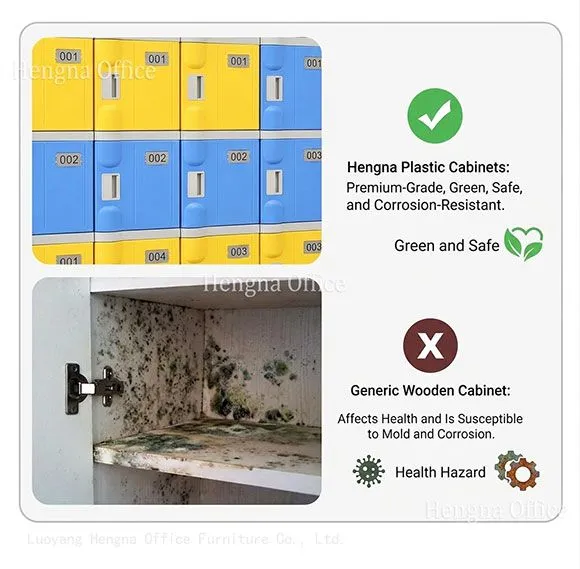
Lock mechanism failure. The locker body is plastic, but the lock usually isn't. Key locks, combo locks, RFID locks — none of these are plastic. They can still fail in salt air. Solution: choose locks rated for coastal environments, or buy from a supplier who includes that in the spec.
Installation done wrong. ABS lockers are light. If they're not bolted to the floor or wall correctly, a storm or a crowd can tip them. Solution: use the floor anchor points. Every time.
What to Check Before You Buy (The Actual Checklist)
If you're serious about switching to plastic lockers for your beach resort, here's what to verify with any supplier:
1. Material spec sheet. Ask for it. ABS should be clearly stated. If they say "high-grade engineering plastic" without naming it — that's a red flag.
2. UV resistance rating. Ask how the material is rated for UV exposure. There's no standard test that maps perfectly to "on a beach in Florida," but there should be a rating. If they can't answer, next supplier.
3. Lock options for coastal use. Key locks corrode in salt air. Combo locks corrode slower. RFID locks (sealed unit) corrode slowest. Ask what they recommend for coastal installs. Their answer tells you whether they've done this before.
4. Installation method. ABS lockers should have floor anchor points and interlock tabs between units. Ask to see the installation drawing. If they don't have one, that's a problem.
5. Color options and fade expectations. Ask: how will this color look in 3 years? In 5? A good supplier will be honest. A bad one will say "it never fades" — which isn't true.
6. References from coastal installs. Ask for photos or contact info from another beach resort that bought from them 3+ years ago. If they can't produce one, ask why.
The Bottom Line
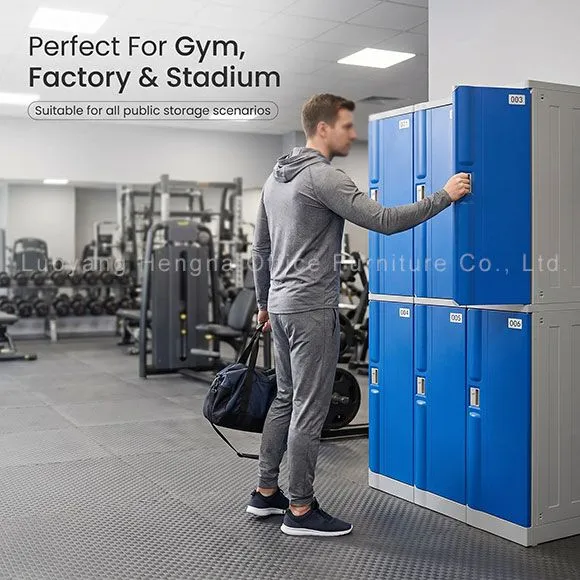
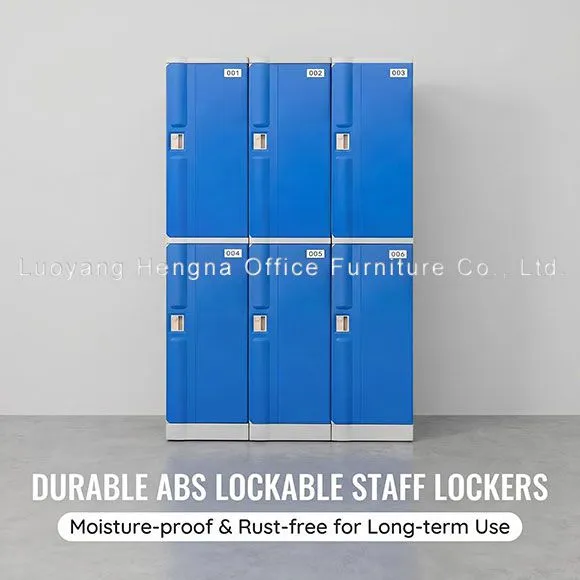
Plastic lockers won't rust at the beach. That part is simple.
The part that's not simple is making sure you're buying ABS, not polypropylene. And making sure the locks, installation, and UV rating are all specified for a coastal environment. A plastic locker that fails because the lock seized up in salt air is still a locker problem — your guests don't care whether the door failed because of rust or because of a corroded lock cylinder.
Spend your time on the spec sheet. Not the marketing brochure.
Need a second opinion on your locker spec? Send us your current setup and what's failing — we'll tell you what we'd do differently.
Recently Posted
-
Stainless Steel Shelving for Breweries and Wineries — What Survives Humidity, Alcohol Spills
July 24, 2026Stainless Steel Shelving for Breweries and Wineries — What Survives Humidity, Alcohol Spills, and Sanitizer Washdowns Three t Read More
 -
Stainless Steel Shelving for Meat Processing Plants — What Holds Up Against Blood, Fat, and Daily Wa
July 24, 2026Meat plants are brutal on shelvingIf you work in a meat processing plant, you already know this. The rack that looked fine s Read More
 -
0.6mm Steel Wardrobe vs 0.4mm — Why Cold-Rolled Single Door Metal Closet Lasts Longer
July 10, 2026The 0.2mm That Decides Whether You Buy One Wardrobe or ThreeTwo wardrobes look identical on a supplier's photo. Same door, sam Read More
 -
Heavy Duty Tool Cabinet with Locks for School Shop: Stop Tool Theft Before It Happens
July 9, 2026A vocational school workshop isn't like a factory floor. The tools aren't being used by seasoned machinists who know where Read More

Contact Us
Recommended Products
-
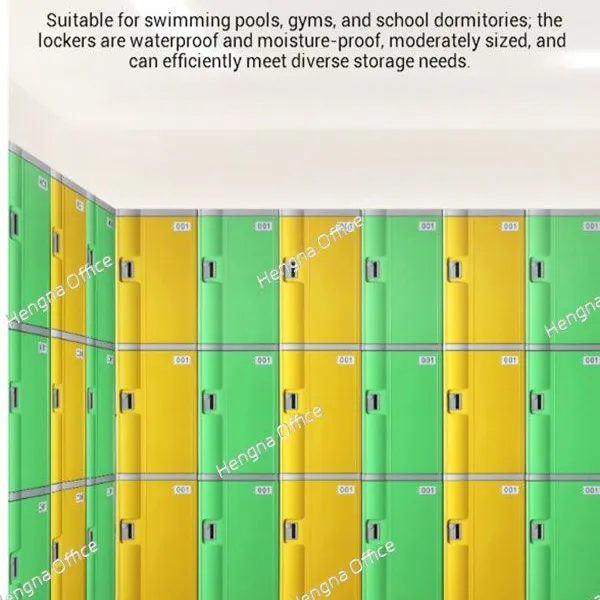
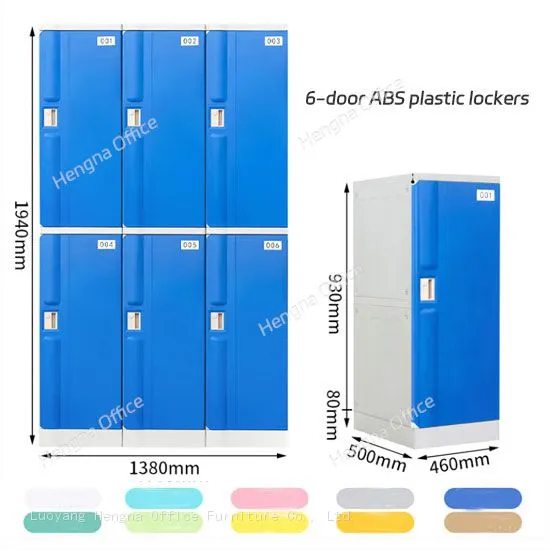
 Industrial-Grade ABS Plastic Locker for Factory Staff and Warehouse Workers|Hengna OfficeUS$ 19 - 100MOQ: 5 Sets
 -
Outdoor ABS Locker Cabinet – UV-Resistant Plastic Storage for Poolside or Beach Resorts-Hengna OfficeUS$ 19 - 100MOQ: 5 Sets
-
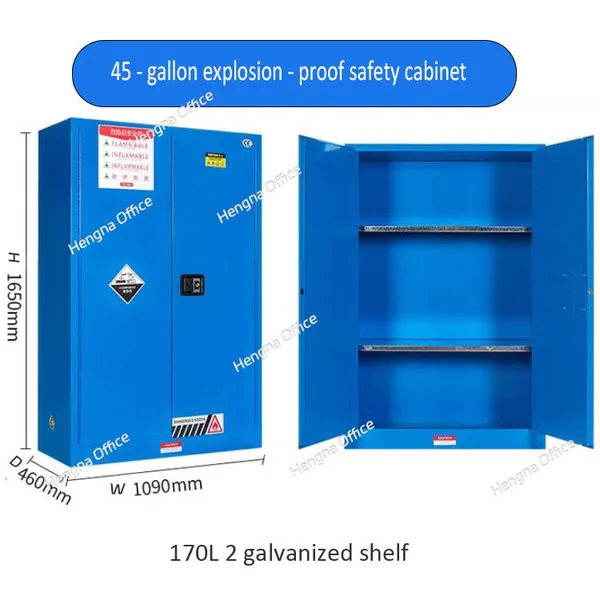
45 Gallon Explosion-Proof Flammable Liquid Storage Cabinet – Fire-Resistant Steel Safety Cabinet for FactoriesUS$ 68 - 400MOQ: 2 Combos
-
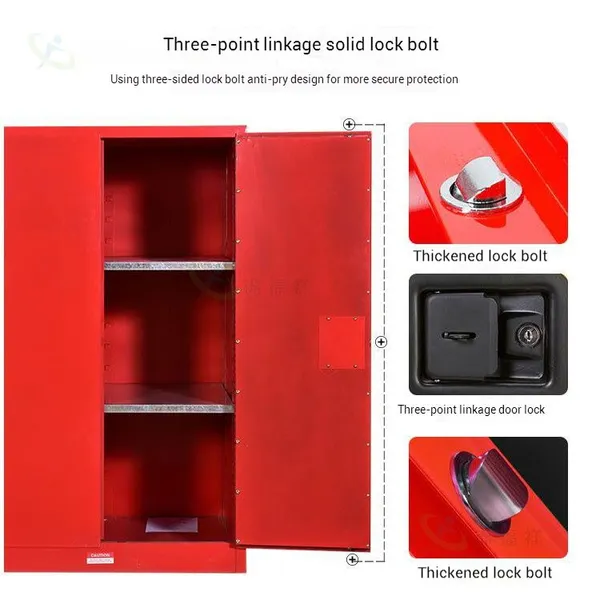
Flammable Storage Cabinet for Flammable Liquids – OSHA Certified Safety Cabinet With Fireproof Double WallsUS$ 68 - 400MOQ: 2 Combos
-
Large Capacity Flammable Liquid Storage Cabinet – Explosion-Proof Safety Cabinet for Laboratory & Workshop UseUS$ 68 - 400MOQ: 2 Combos
-
Heavy Duty Steel Tool Cart With Drawers for Workshops|Hengna OfficeUS$ 99 - 269MOQ: 2 Cases
-
Wholesale 3-Drawer Tool Trolley With Wheels for Factory and Garage StorageUS$ 99 - 269MOQ: 2 Cases
-
HN-wlj160 Industrial Rolling Tool Organizer With Pegboard|All-in-One Mobile Tool Storage CartUS$ 5 - 120MOQ: 2 Cases
-
White Stackable Pathology Wax Block Storage Drawers for Labs Near London-Hengna OfficeNegotiableMOQ: 10 Pieces
-
Custom Paraffin Block Storage Cabinet for Histology Laboratories – Factory Direct From Hengna FurnitureNegotiableMOQ: 10 Pieces
-
Smart Phone Charging Locker 40-door|Fingerprint Lockers Intelligent Parcel Delivery CabinetUS$ 203 - 750MOQ: 15 Pieces
-
School Gym Lockers Price |Parcel Delivery Storage Locker 12-door FactoryUS$ 203 - 750MOQ: 15 Pieces
-
Multi Metal Work Benches Electrical Workshop Workbench|US$ 300 - 800MOQ: 2 Cases
-
Commercial Workbench Supplier |Multi Metal Work Bench With Drawers OMDUS$ 300 - 800MOQ: 2 Cases
-
Pathological Ection Cabinet JTGZ062 Wax Block Cabinet for LaboratoryNegotiableMOQ: 10 Pieces
-
Durable Tool Storage in Factory HNGJ703 Hard Wearing Metal Industrial Tool ChestNegotiableMOQ: 18 Pieces
-
High - Quality CNC Workshop Tool Cabinet Heavyweight Workshop Tool OrganizerNegotiableMOQ: 10 Pieces
-
Laboratory Polyethylene Acid and Corrosive Chemicals Safety Storage PP CabinetUS$ 340 - 600MOQ: 5 Combos
-
22 Gallons /80 L PP Acid - Base Cabinet: Safeguard Chemical Storage Supplier OEMUS$ 500 - 600MOQ: 5 Combos
-
4 - Gallon Corrosion-resistant Safety Cabinet for Hazardous Chemicals Acid SupplierUS$ 340 - 500MOQ: 5 Combos