
 Business License

Executive Desk with safe :Why Anti-Pry Technology Matters for Your Next Security Desk Purchase
Why Anti-Pry Technology Matters for Your Next Security Desk Purchase
When purchasing a security desk for your business, it is easy to focus solely on the locking mechanism. However, the physical strength of the desk’s construction is equally important. The most common method used by burglars to gain access to a safe or desk is not picking the lock—it is prying the door open. This is why Anti-Pry Technology should be a top priority in your purchasing decision.
Understanding the “Pry Attack”
A pry attack involves using a crowbar or similar tool to wedge open the door of a safe or desk. If there are gaps in the construction or if the material is thin, a burglar can use leverage to bend the steel and break the locking bolts. Standard office desks with locking drawers offer almost no resistance to this type of attack.
Key Features of Anti-Pry Design
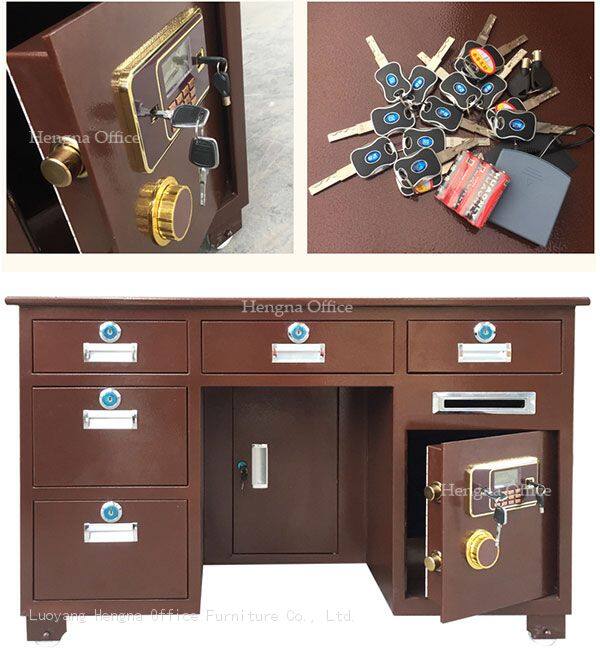
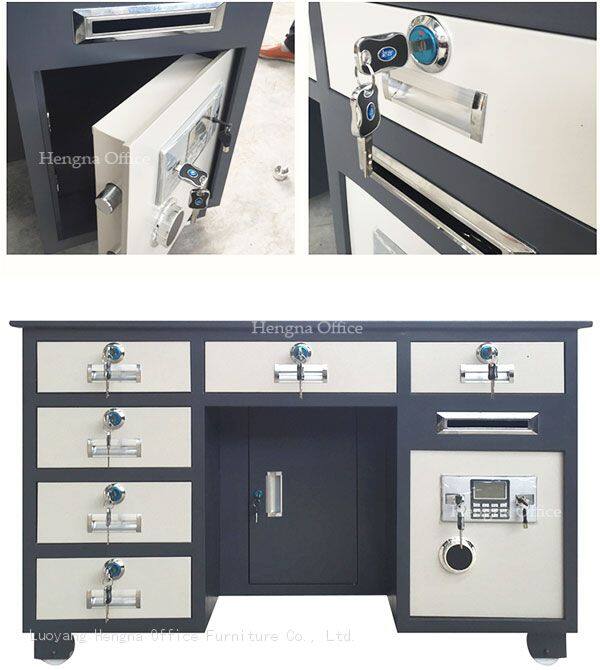
High-quality security desks, such as the SES-110F and SES-130C, incorporate specific engineering features to neutralize pry attacks.
1. Thickened Forging Body
Standard safes are often made of thin sheet metal bent into shape. Thickened Forging creates a denser, monolithic structure.
Benefit: The sheer thickness of the steel makes it impossible for a standard crowbar to pierce or bend the body of the desk.
2. Alloy Door Panel Reinforcement
The door is the most vulnerable point. Our desks feature an Alloy Door Panel.
Benefit: Alloy steel is engineered to be harder than standard carbon steel. It resists deformation under extreme pressure, preventing the door from peeling back.
3. Recessed (Anti-Pry) Door Edge
This is a critical structural design. The door is designed to fit *into* the frame rather than sitting flush against it.
Benefit: This creates a “maze” structure. When a burglar attempts to insert a crowbar, they hit solid steel rather than a gap. There is no leverage point to apply force.
4. Heavy-Duty Locking Bolts
The locking bolts are the anchors that hold the door shut.
Benefit: In our security desks, multiple thick steel bolts extend deep into the door frame, distributing the force of a pry attack across the entire structure rather than a single point.
The Cost of Weakness
Investing in a desk without Anti-Pry Technology is a gamble.
Asset Loss: A few minutes with a crowbar can result in the loss of thousands in cash or irreplaceable documents.
Business Downtime: Investigating a break-in and repairing the office can halt business operations for days.
Checklist: How to Spot Anti-Pry Quality
When shopping for a Secure Office Desk, look for:
[ ] Does the door fit flush into the frame (recessed)?
[ ] Is the door made of reinforced alloy?
[ ] Does the specification mention “Thickened Forging”?
[ ] Are the locking bolts thick and multiple?
Conclusion
Do not underestimate the physical force of a break-in. While digital locks provide access control, Anti-Pry Technology provides physical defense. Models like the SES-110F Biometric Safe Desk are built like fortresses, ensuring that your assets remain protected even under physical duress. Choose a desk that stands strong against force.
Recently Posted
-
Why Water Park Lockers Always Rust — and the Practical Logic Behind Switching to ABS Waterproof Stor
April 29, 2026Run a water park, and you've probably seen this: metal lockers installed last year are already showing it. Hinges that stick,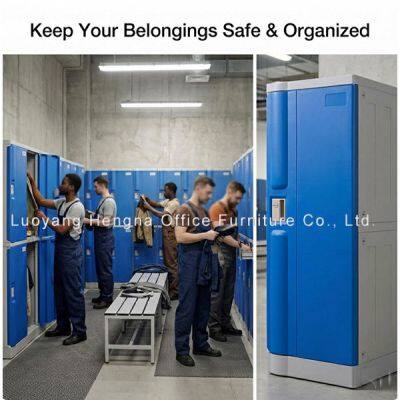 Read More
 -
How to Choose ESD Workbenches for Bulk Order: A Procurement Guide to Quality, MOQ and Lead Time
April 20, 2026Buying one ESD workbench is simple. You find a supplier, pay the invoice, receive the unit, plug it in.Buying 50 — or 500 — is a d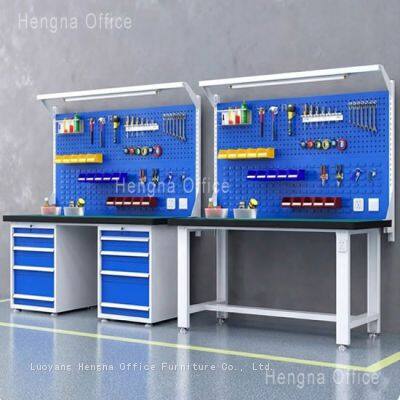 Read More
 -
ESD Workstation Audit Checklist: What Inspectors Actually Look For in Labs and Electronics Manufactu
April 20, 2026If your ESD workstation fails an audit, the consequences go beyond a failed inspection report. It means your production line stops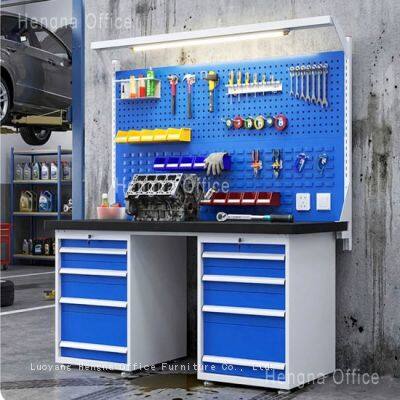 Read More
 -
Why Your ESD Workstation Keeps Failing: Root Causes and Practical Fixes for Industrial Settings
April 20, 2026ESD workstations are supposed to eliminate static discharge risk in sensitive manufacturing environments. But if your equipment ke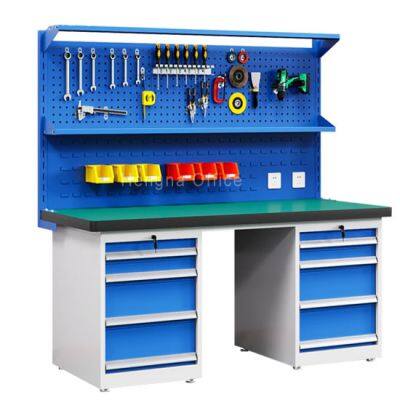 Read More

Contact Us
Recommended Products
-
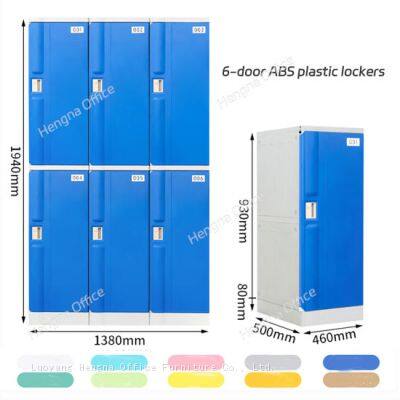
 Industrial-Grade ABS Plastic Locker for Factory Staff and Warehouse Workers|Hengna OfficeUS$ 19 - 100MOQ: 5 Sets
 -
Outdoor ABS Locker Cabinet – UV-Resistant Plastic Storage for Poolside or Beach Resorts-Hengna OfficeUS$ 19 - 100MOQ: 5 Sets
-
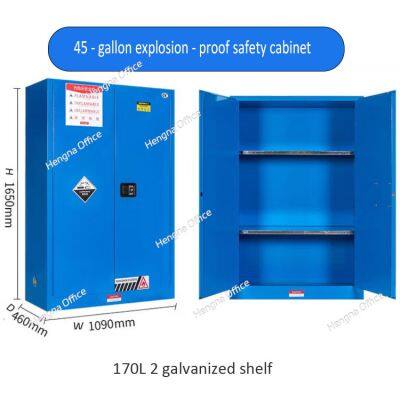
45 Gallon Explosion-Proof Flammable Liquid Storage Cabinet – Fire-Resistant Steel Safety Cabinet for FactoriesUS$ 68 - 400MOQ: 2 Combos
-
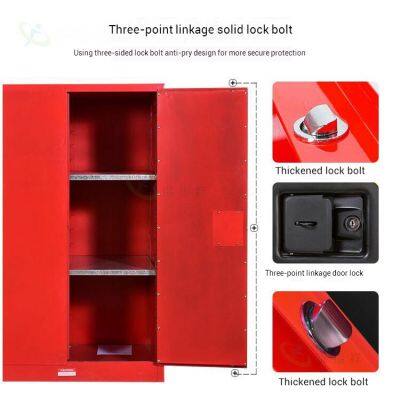
Flammable Storage Cabinet for Flammable Liquids – OSHA Certified Safety Cabinet With Fireproof Double WallsUS$ 68 - 400MOQ: 2 Combos
-
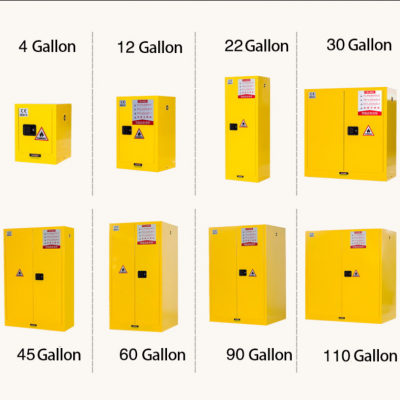
Large Capacity Flammable Liquid Storage Cabinet – Explosion-Proof Safety Cabinet for Laboratory & Workshop UseUS$ 68 - 400MOQ: 2 Combos

-
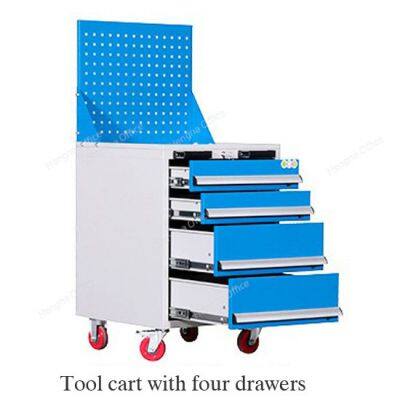
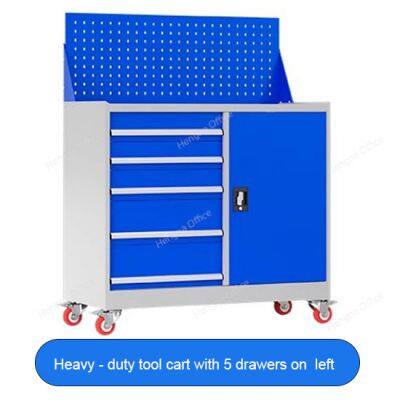
Heavy Duty Steel Tool Cart With Drawers for Workshops|Hengna OfficeUS$ 99 - 269MOQ: 2 Cases
-
Wholesale 3-Drawer Tool Trolley With Wheels for Factory and Garage StorageUS$ 99 - 269MOQ: 2 Cases
-
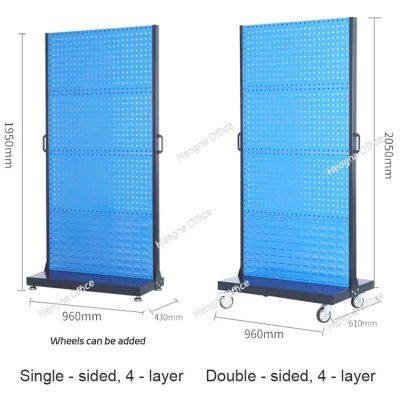
HN-wlj160 Industrial Rolling Tool Organizer With Pegboard|All-in-One Mobile Tool Storage CartUS$ 5 - 120MOQ: 2 Cases
-
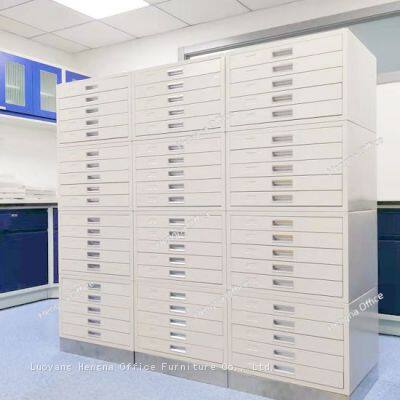
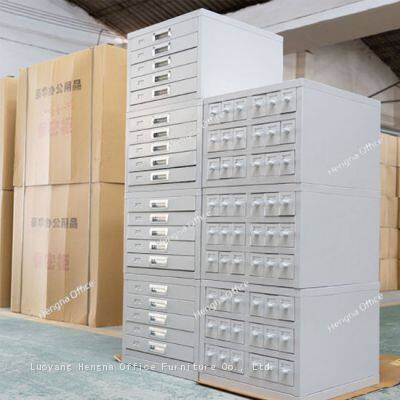
White Stackable Pathology Wax Block Storage Drawers for Labs Near London-Hengna OfficeNegotiableMOQ: 10 Pieces
-
Custom Paraffin Block Storage Cabinet for Histology Laboratories – Factory Direct From Hengna FurnitureNegotiableMOQ: 10 Pieces
-
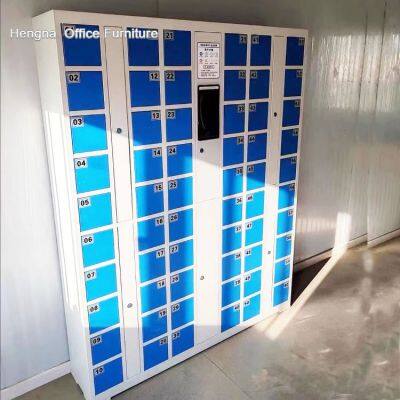
Smart Phone Charging Locker 40-door|Fingerprint Lockers Intelligent Parcel Delivery CabinetUS$ 203 - 750MOQ: 15 Pieces
-
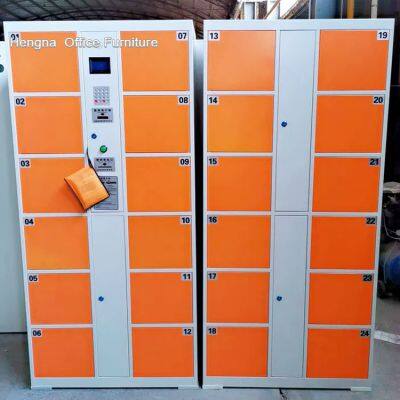
School Gym Lockers Price |Parcel Delivery Storage Locker 12-door FactoryUS$ 203 - 750MOQ: 15 Pieces
-
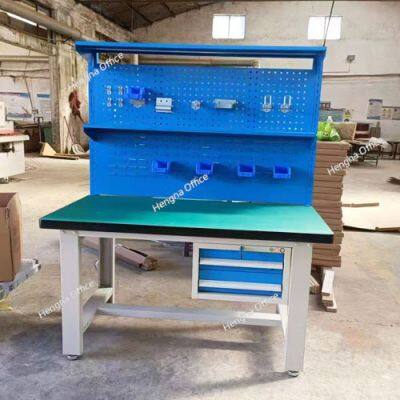
Multi Metal Work Benches Electrical Workshop Workbench|US$ 300 - 800MOQ: 2 Cases
-
Commercial Workbench Supplier |Multi Metal Work Bench With Drawers OMDUS$ 300 - 800MOQ: 2 Cases
-
Pathological Ection Cabinet JTGZ062 Wax Block Cabinet for LaboratoryNegotiableMOQ: 10 Pieces
-
Durable Tool Storage in Factory HNGJ703 Hard Wearing Metal Industrial Tool ChestNegotiableMOQ: 18 Pieces
-
High - Quality CNC Workshop Tool Cabinet Heavyweight Workshop Tool OrganizerNegotiableMOQ: 10 Pieces
-
Laboratory Polyethylene Acid and Corrosive Chemicals Safety Storage PP CabinetUS$ 340 - 600MOQ: 5 Combos
-
22 Gallons /80 L PP Acid - Base Cabinet: Safeguard Chemical Storage Supplier OEMUS$ 500 - 600MOQ: 5 Combos
-
4 - Gallon Corrosion-resistant Safety Cabinet for Hazardous Chemicals Acid SupplierUS$ 340 - 500MOQ: 5 Combos