
 Business License
Why Water Park Lockers Always Rust — and the Practical Logic Behind Switching to ABS Waterproof Stor
Run a water park, and you've probably seen this: metal lockers installed last year are already showing it. Hinges that stick, locks that feel gritty, rust spots on the door panels, and an odor that won't wash out.
This isn't a quality problem. It's a material problem.
How Metal Lockers Actually Fail in Wet Environments
Pool and water park lockers face two types of corrosion. Direct contact — chlorine and moisture in the air landing on metal surfaces. And hidden accumulation — water running into hinge cavities during daily hosing and never fully drying out.
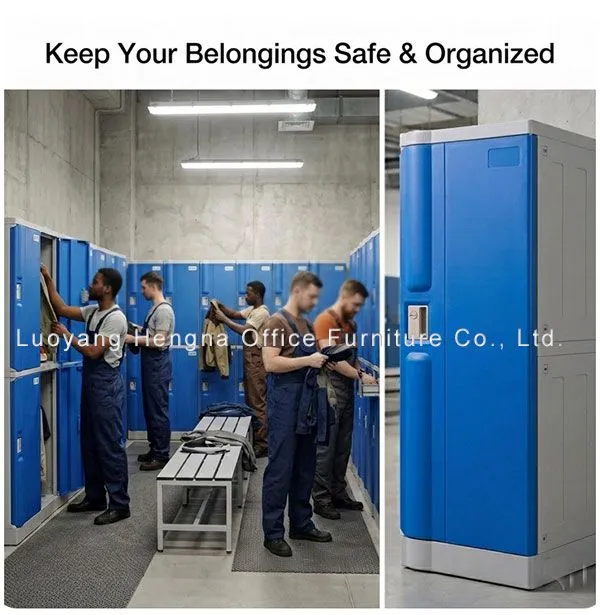
The first type is visible. Stainless steel handles it better than regular carbon steel, which shows rust spots within months.
The second type hides where you can't see. Hinges are hollow chambers. When you hose the locker down, water gets inside. It doesn't evaporate fast in a sealed cavity. Moisture accumulates, oxygen depletes, and wet corrosion kicks in — three to four times faster than normal surface rust. The locker looks fine. The hinge is already gone.
According to ASHRAE Handbook data on corrosive environments, chloride moisture environments corrode common metals at 5 to 8 times the rate of standard atmospheric exposure. A typical padlock in this environment lasts 18 to 24 months — not because the lock is poorly made, but because chloride salts are hygroscopic. They absorb moisture from the air and keep the lock surface damp in ways that bypass normal drying.
Before You Switch, Ask These Four Questions
Question 1: Is the door one-piece molded or assembled from parts?
Assembled doors have seams. Moisture gets in through the gaps. One-piece ABS molded doors have zero seams — what comes out of the mold is the finished product. No joints, no gaps.
Question 2: What cycle rating does the hinge specify?
Some ABS locker hinges are rated for residential use — 10,000 to 20,000 open/close cycles. In a commercial setting with dozens of cycles per day, 365 days a year, you can exceed that in under a year. Look for hinges rated at 50,000+ cycles. This is a hard spec, not a soft feature.
Question 3: Does the back panel have reinforced ribbing?
ABS sheet is softer than metal. Tall lockers without ribbed back panels will bow outward under long-term load. It doesn't affect function — but it affects how the unit looks. Ribbed reinforcement solves this.
Question 4: Are anti-knock corner guards included?
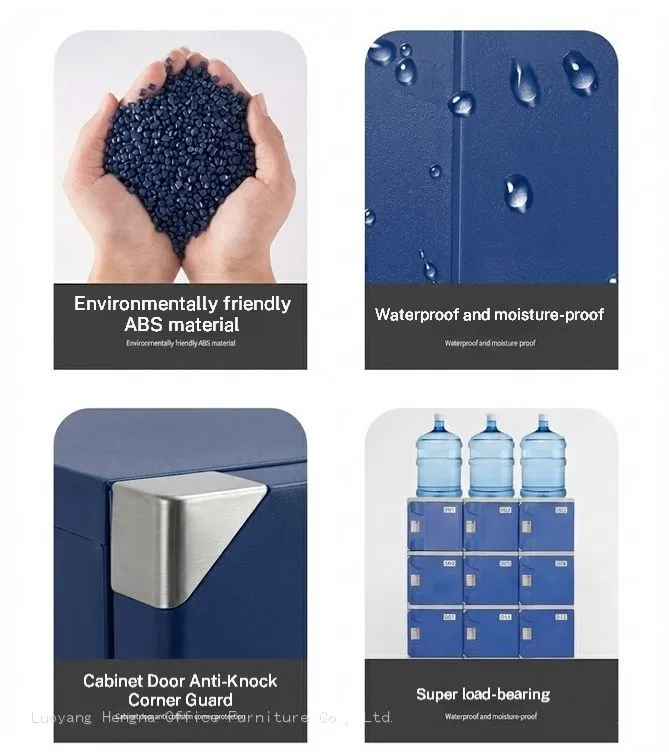
Water park lockers take heavy abuse. Anti-knock corner guards aren't optional — they're basic protection against impact damage. An ABS locker without corner guards cracks more easily than one with them when hit with hard force.
How ABS Handles All Four
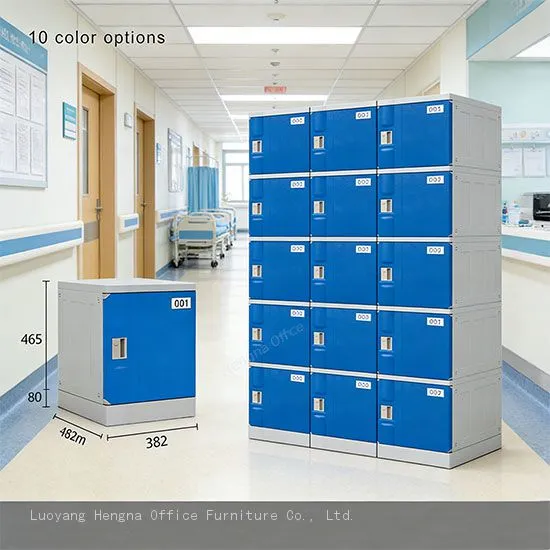
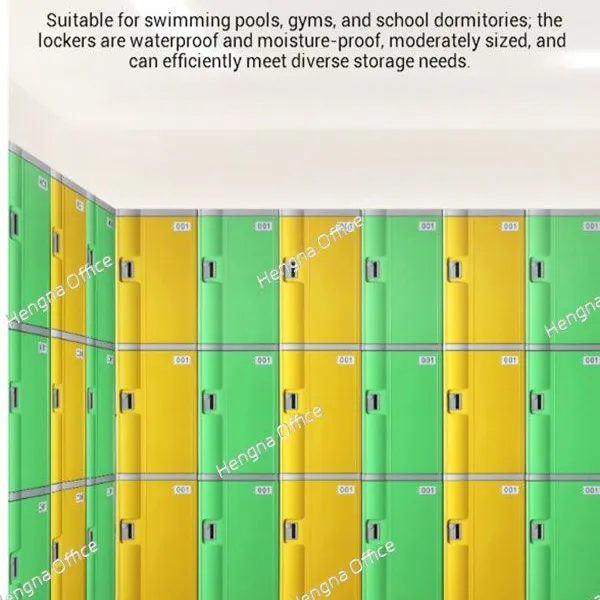
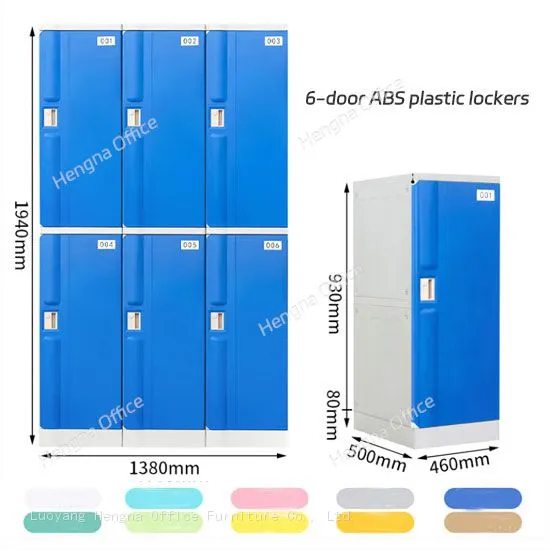
One-piece molded doors: Injection molding produces a seamless door panel. No joints, no gaps, no water penetration through the door itself. This is the core structural advantage of ABS over assembled alternatives.
Commercial-grade hinges: Commercial ABS lockers specify hinges rated for 50,000+ cycles. At 50 cycles per day, that's roughly three years before hinge fatigue — and hinges are replaceable.
Ribbed back panel: Ribbed reinforcement in ABS lockers increases back panel stiffness by over 40%. Tall units maintain their shape under sustained load.
Anti-knock corner guards: Standard on quality commercial units. Rounded, reinforced corners distribute impact force and prevent cracking from hard contact.
How Long Do They Actually Last
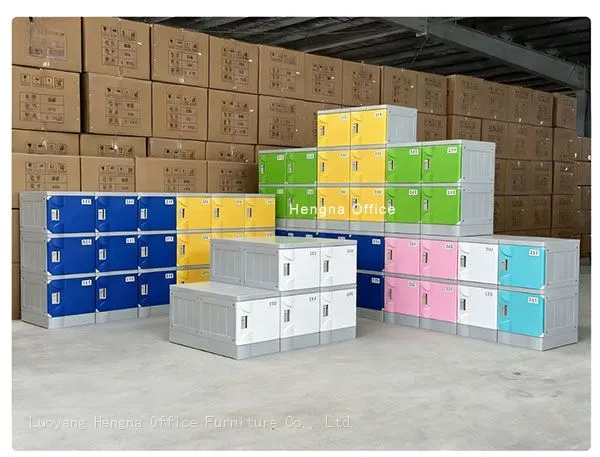
Industry reference data: metal lockers in water park environments average 2 to 4 years before replacement is needed. ABS lockers in equivalent environments routinely deliver 8 to 10 years with basic care.
Hinges and locks wear out first — that's true of any locking mechanism, regardless of material. The cabinet body outlasts them.
Three Things to Get Right When You Switch
1. Consolidate shipping with mixed container loads. If you're also buying tool cabinets, steel storage, or other commercial equipment, consolidating into one factory order cuts per-unit shipping cost significantly compared to split shipments.
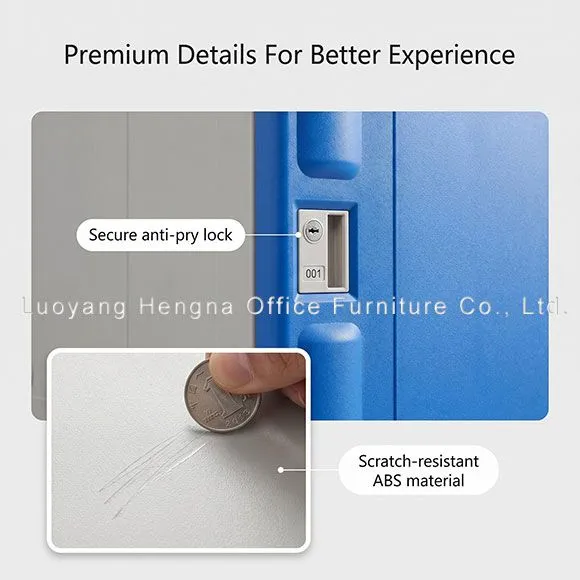
2. Request samples and inspect the hinges and door edges. These two details tell you everything about build quality. Smooth hinge operation and clean, burr-free door edges are non-negotiable. If these fail, no matter the price.
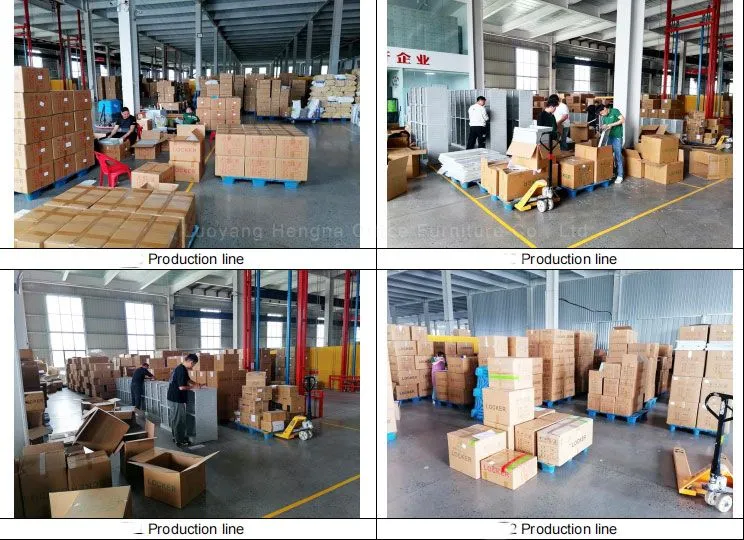
3. Plan 15 to 30 days lead time. Standard ABS locker configurations typically ship in 15 to 20 days. Custom colors or specific lock types add 5 to 10 days. Place orders before peak season to leave buffer.
Water park locker rust isn't a quality failure — it's a material selection failure. The logic for switching to ABS: non-porous material handles structural corrosion, one-piece molding eliminates seam penetration, commercial hinges survive high-frequency use. Make the right material choice, and you won't need to touch this for 8 to 10 years.
Recently Posted
-
Stainless Steel Shelving for Breweries and Wineries — What Survives Humidity, Alcohol Spills
July 24, 2026Stainless Steel Shelving for Breweries and Wineries — What Survives Humidity, Alcohol Spills, and Sanitizer Washdowns Three t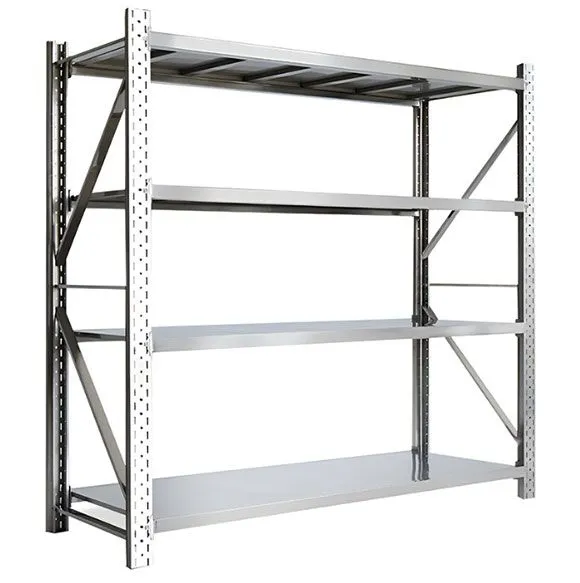 Read More
 -
Stainless Steel Shelving for Meat Processing Plants — What Holds Up Against Blood, Fat, and Daily Wa
July 24, 2026Meat plants are brutal on shelvingIf you work in a meat processing plant, you already know this. The rack that looked fine s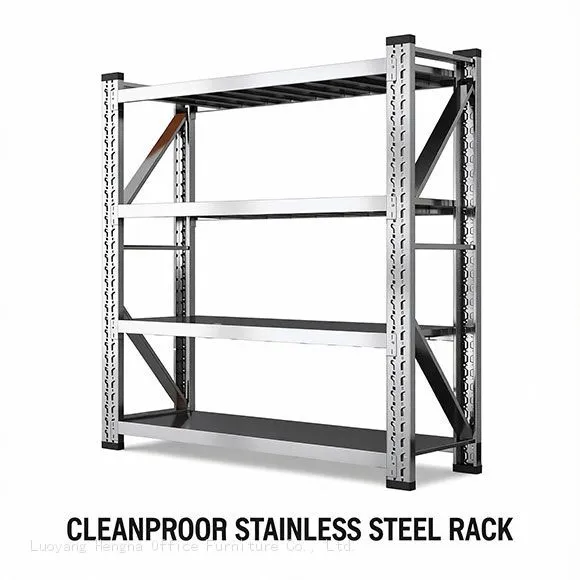 Read More
 -
0.6mm Steel Wardrobe vs 0.4mm — Why Cold-Rolled Single Door Metal Closet Lasts Longer
July 10, 2026The 0.2mm That Decides Whether You Buy One Wardrobe or ThreeTwo wardrobes look identical on a supplier's photo. Same door, sam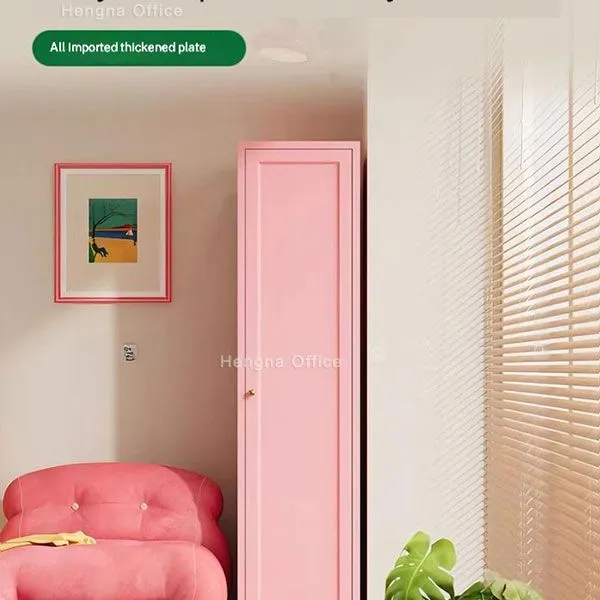 Read More
 -
Heavy Duty Tool Cabinet with Locks for School Shop: Stop Tool Theft Before It Happens
July 9, 2026A vocational school workshop isn't like a factory floor. The tools aren't being used by seasoned machinists who know where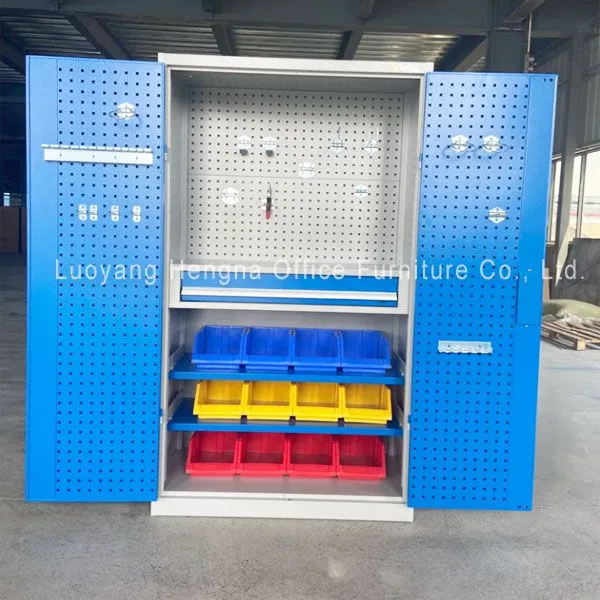 Read More

Contact Us
Recommended Products
-
 Industrial-Grade ABS Plastic Locker for Factory Staff and Warehouse Workers|Hengna OfficeUS$ 19 - 100MOQ: 5 Sets
 -
Outdoor ABS Locker Cabinet – UV-Resistant Plastic Storage for Poolside or Beach Resorts-Hengna OfficeUS$ 19 - 100MOQ: 5 Sets
-
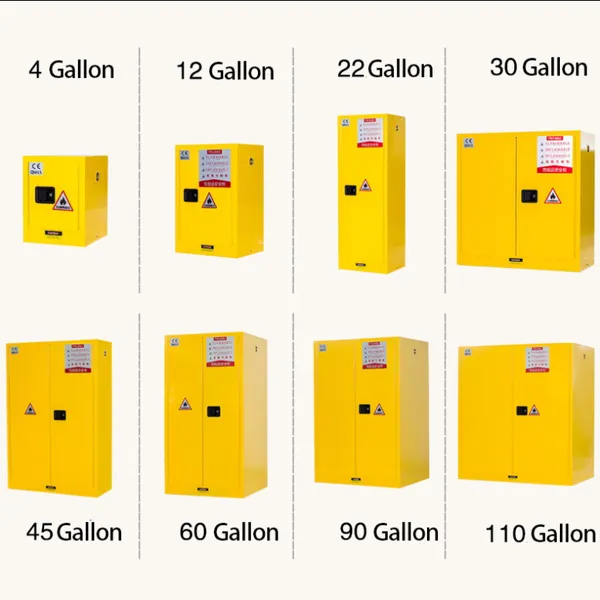
45 Gallon Explosion-Proof Flammable Liquid Storage Cabinet – Fire-Resistant Steel Safety Cabinet for FactoriesUS$ 68 - 400MOQ: 2 Combos
-
Flammable Storage Cabinet for Flammable Liquids – OSHA Certified Safety Cabinet With Fireproof Double WallsUS$ 68 - 400MOQ: 2 Combos
-
Large Capacity Flammable Liquid Storage Cabinet – Explosion-Proof Safety Cabinet for Laboratory & Workshop UseUS$ 68 - 400MOQ: 2 Combos
-
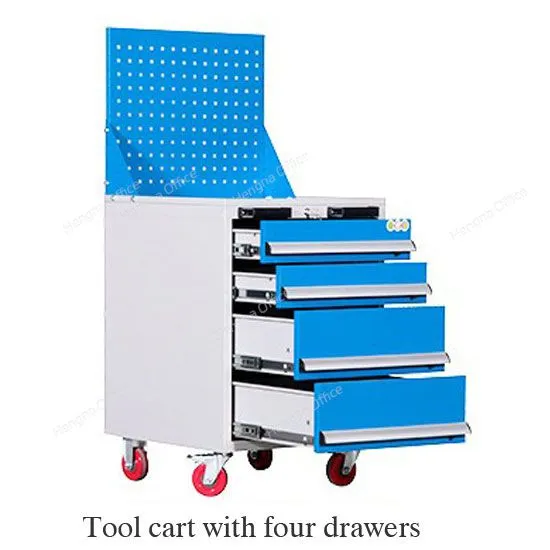
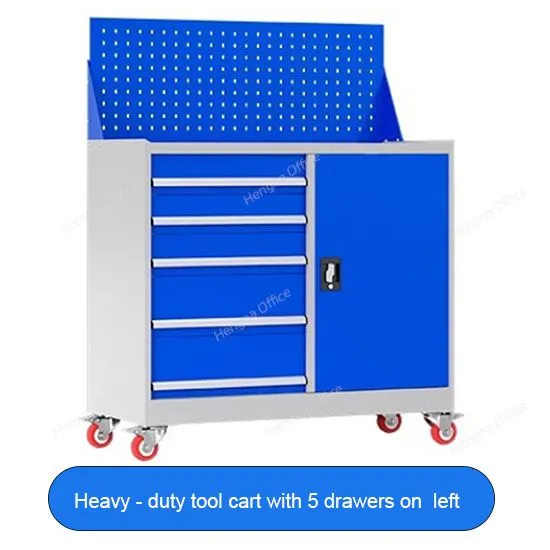
Heavy Duty Steel Tool Cart With Drawers for Workshops|Hengna OfficeUS$ 99 - 269MOQ: 2 Cases
-
Wholesale 3-Drawer Tool Trolley With Wheels for Factory and Garage StorageUS$ 99 - 269MOQ: 2 Cases
-
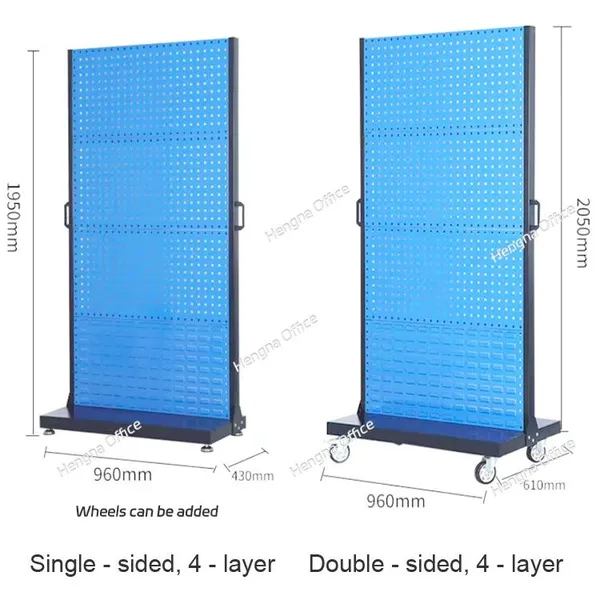
HN-wlj160 Industrial Rolling Tool Organizer With Pegboard|All-in-One Mobile Tool Storage CartUS$ 5 - 120MOQ: 2 Cases
-
White Stackable Pathology Wax Block Storage Drawers for Labs Near London-Hengna OfficeNegotiableMOQ: 10 Pieces
-
Custom Paraffin Block Storage Cabinet for Histology Laboratories – Factory Direct From Hengna FurnitureNegotiableMOQ: 10 Pieces
-
Smart Phone Charging Locker 40-door|Fingerprint Lockers Intelligent Parcel Delivery CabinetUS$ 203 - 750MOQ: 15 Pieces
-
School Gym Lockers Price |Parcel Delivery Storage Locker 12-door FactoryUS$ 203 - 750MOQ: 15 Pieces
-
Multi Metal Work Benches Electrical Workshop Workbench|US$ 300 - 800MOQ: 2 Cases
-
Commercial Workbench Supplier |Multi Metal Work Bench With Drawers OMDUS$ 300 - 800MOQ: 2 Cases
-
Pathological Ection Cabinet JTGZ062 Wax Block Cabinet for LaboratoryNegotiableMOQ: 10 Pieces
-
Durable Tool Storage in Factory HNGJ703 Hard Wearing Metal Industrial Tool ChestNegotiableMOQ: 18 Pieces
-
High - Quality CNC Workshop Tool Cabinet Heavyweight Workshop Tool OrganizerNegotiableMOQ: 10 Pieces
-
Laboratory Polyethylene Acid and Corrosive Chemicals Safety Storage PP CabinetUS$ 340 - 600MOQ: 5 Combos
-
22 Gallons /80 L PP Acid - Base Cabinet: Safeguard Chemical Storage Supplier OEMUS$ 500 - 600MOQ: 5 Combos
-
4 - Gallon Corrosion-resistant Safety Cabinet for Hazardous Chemicals Acid SupplierUS$ 340 - 500MOQ: 5 Combos