
 Business License
Why Cold Rolled Steel is the Best Material for School Student Lockers?
In the procurement of educational furniture, material selection is a critical factor that influences both student safety and long-term infrastructure costs. For institutional storage, specifically student lockers, Cold Rolled Steel (CRS) is the industry-recognized standard. This article examines the metallurgical properties of CRS and the technical reasons why it is utilized as the primary material for high-traffic educational environments.
1. The Metallurgical Process: Cold Rolling vs. Hot Rolling
The distinction between steel types lies in the processing temperature and post-processing treatments.
Hot Rolled Steel (HRS): Processed at temperatures exceeding the recrystallization point. As it cools, the material shrinks slightly, leading to less predictable shapes and a rough, scaly surface.
Cold Rolled Steel (CRS): HRS that undergoes further processing at room temperature. It is compressed between rollers to achieve precise thickness and increased tensile strength.
For educational environments, the cold-rolling process provides a superior yield strength, which is essential for components that undergo frequent mechanical stress.
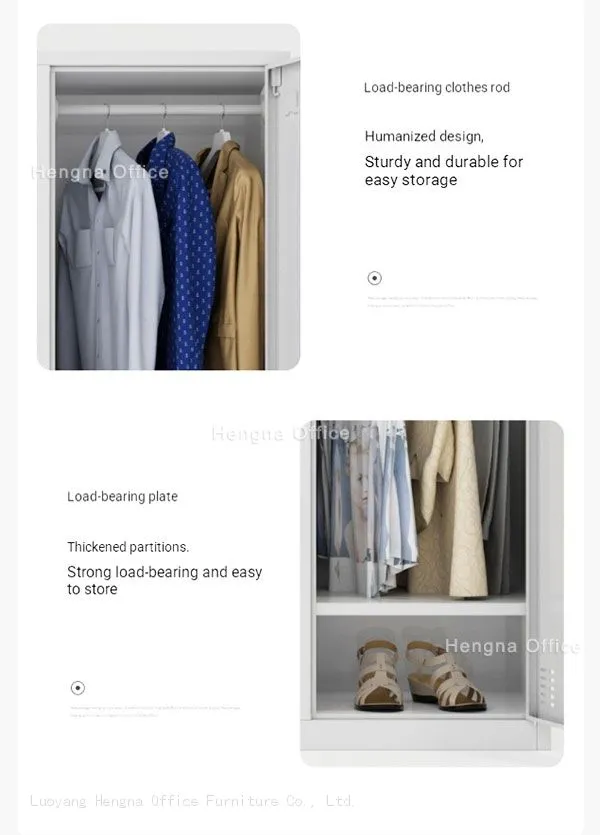
2. Physical and Mechanical Advantages in Schools
Educational facilities represent high-use environments where furniture is subject to impact and constant operation. CRS offers specific mechanical advantages:
| Performance Metric | Cold Rolled Steel (CRS) | Hot Rolled Steel (HRS) |
| Surface Finish | Smooth, uniform, and scale-free. | Rough and oxidized surface. |
| Yield Strength | High (due to strain hardening). | Lower structural rigidity. |
| Dimensional Accuracy | Precise (within 0.01mm tolerances). | Higher variance in thickness. |
| Formability | Excellent for precision bending. | Prone to cracking during tight bends. |
Structural Rigidity and Dent Resistance
The increased hardness of CRS, achieved during the cold-reduction process, enhances the material’s resistance to plastic deformation. In school hallways, lockers must withstand high-impact energy from external forces. CRS panels maintain their structural integrity and flatness better than HRS of the same thickness.
Hinge and Door Alignment
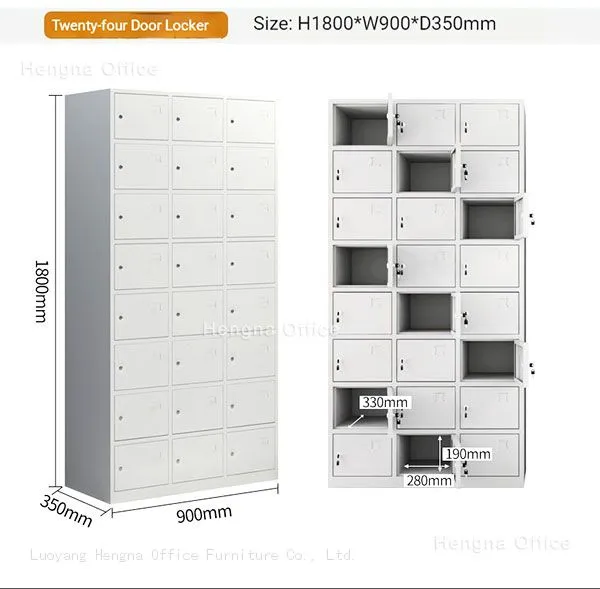
Precision is vital for the functional life of a locker. CRS allows for high-accuracy punching and bending of hinge seats. This prevents the "door sag" often observed in lower-grade metal furniture, ensuring that locking mechanisms remain aligned and functional over decades of use.
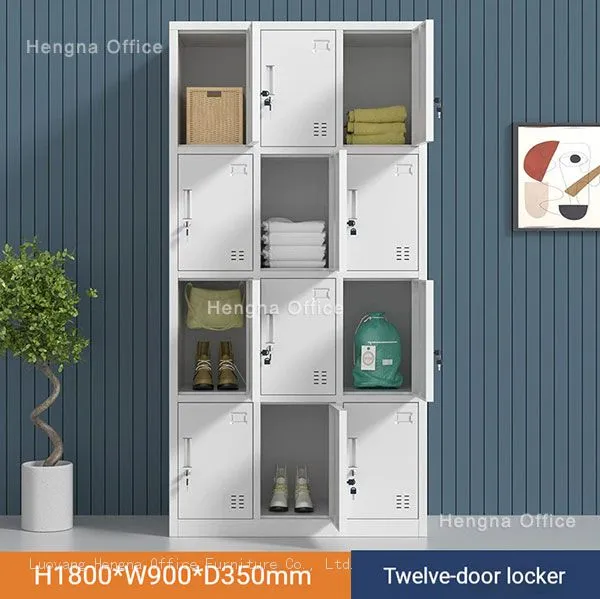
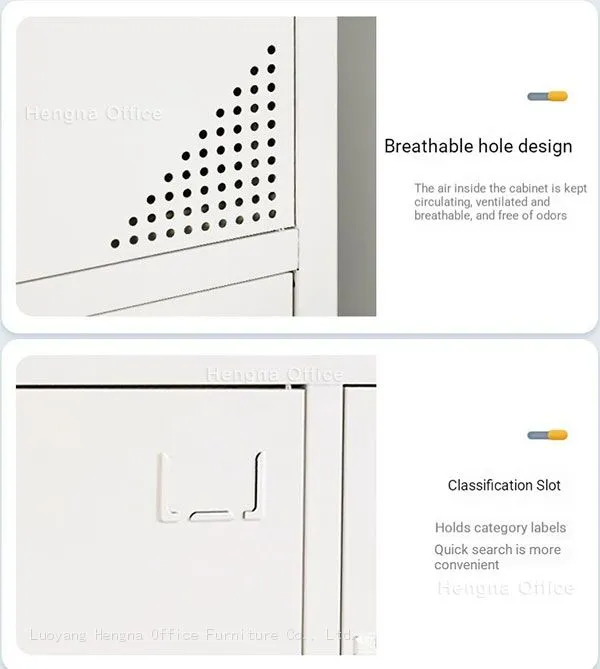
3. Surface Engineering and Protective Coating
The longevity of a steel locker in an educational setting is also dependent on its finish. The smooth surface of CRS is functionally critical for the application of protective layers.
Powder Coating Adhesion: A smooth, clean surface is required for the electrostatic bond of powder coatings. Without the mill scale found on HRS, the coating adheres more uniformly, significantly reducing the risk of chipping or flaking—a common point of failure where rust begins.
Sanitation and Maintenance: Non-porous CRS surfaces, when coated correctly, are easier to clean and disinfect. In high-density environments like classrooms, the ability to maintain a hygienic surface is a fundamental requirement.
4. Safety and Environmental Compliance (IAQ)
Material safety is a paramount concern for school administrators. Unlike alternative materials such as MDF or certain plastics, CRS is an inert material.
Volatile Organic Compounds (VOCs): Steel furniture does not require the adhesives or resins found in wood-composite materials. Consequently, CRS lockers emit zero formaldehyde, contributing to superior Indoor Air Quality (IAQ).
Fire Performance: Steel is non-combustible. It provides a higher level of fire safety compared to wood or plastic storage, as it does not contribute to the fuel load of a building during an emergency.
5. Life Cycle Analysis and Procurement
From a lifecycle perspective, the selection of CRS lockers reduces the frequency of the replacement cycle.
Initial Durability: Higher resistance to the typical wear and tear of a university or secondary school environment.
Maintenance Requirements: Minimal need for structural repair due to the material's fatigue resistance.
End-of-Life: Steel is 100% recyclable, allowing institutions to recover material value at the end of the product's life cycle, aligning with modern sustainability mandates.
6. Conclusion
The utilization of Cold Rolled Steel in student lockers is a technical necessity driven by the demands of the educational environment. Its superior yield strength, surface precision, and safety profile provide a level of performance that hot-rolled steel or timber-based products cannot match. For educational institutions, specifying CRS ensures that storage systems remain functionally secure and structurally sound, providing a reliable long-term solution for student asset protection.
Recently Posted
-
Stainless Steel Shelving for Breweries and Wineries — What Survives Humidity, Alcohol Spills
July 24, 2026Stainless Steel Shelving for Breweries and Wineries — What Survives Humidity, Alcohol Spills, and Sanitizer Washdowns Three t Read More
 -
Stainless Steel Shelving for Meat Processing Plants — What Holds Up Against Blood, Fat, and Daily Wa
July 24, 2026Meat plants are brutal on shelvingIf you work in a meat processing plant, you already know this. The rack that looked fine s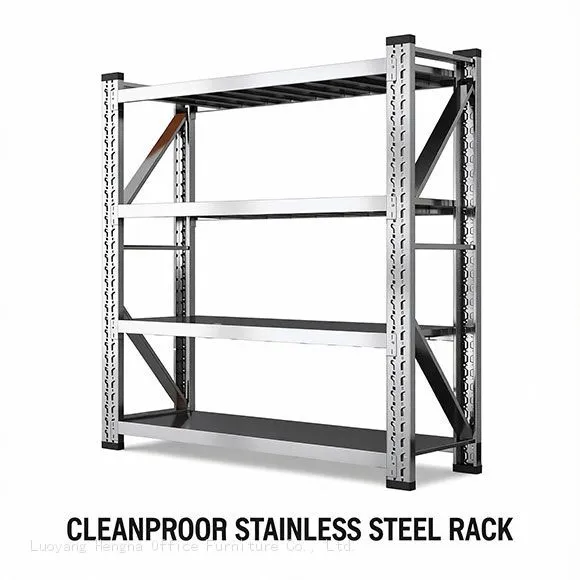 Read More
 -
0.6mm Steel Wardrobe vs 0.4mm — Why Cold-Rolled Single Door Metal Closet Lasts Longer
July 10, 2026The 0.2mm That Decides Whether You Buy One Wardrobe or ThreeTwo wardrobes look identical on a supplier's photo. Same door, sam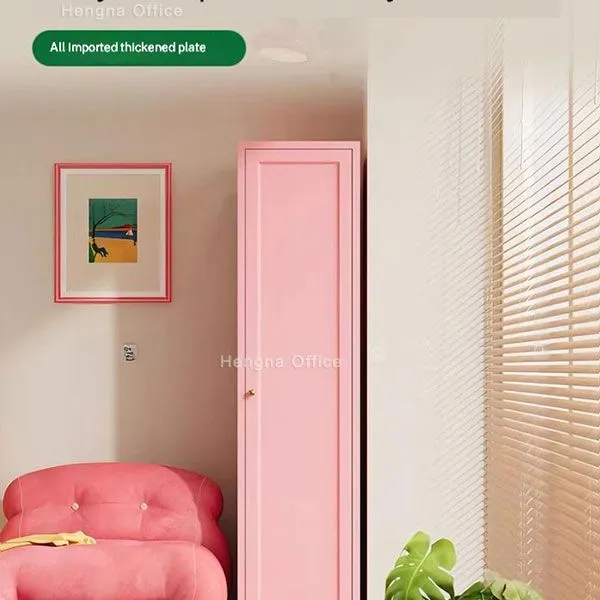 Read More
 -
Heavy Duty Tool Cabinet with Locks for School Shop: Stop Tool Theft Before It Happens
July 9, 2026A vocational school workshop isn't like a factory floor. The tools aren't being used by seasoned machinists who know where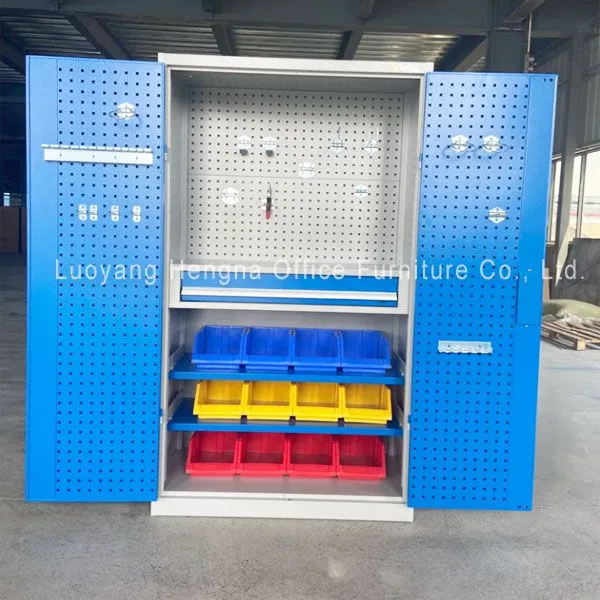 Read More

Contact Us
Recommended Products
-
 Industrial-Grade ABS Plastic Locker for Factory Staff and Warehouse Workers|Hengna OfficeUS$ 19 - 100MOQ: 5 Sets
 -
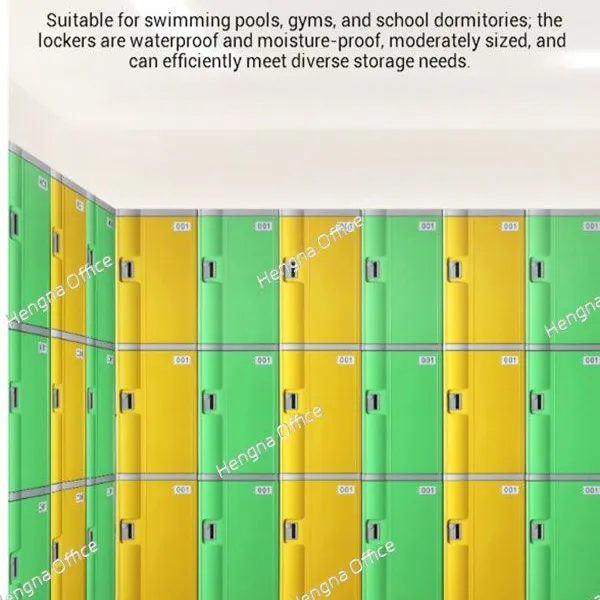
Outdoor ABS Locker Cabinet – UV-Resistant Plastic Storage for Poolside or Beach Resorts-Hengna OfficeUS$ 19 - 100MOQ: 5 Sets
-
45 Gallon Explosion-Proof Flammable Liquid Storage Cabinet – Fire-Resistant Steel Safety Cabinet for FactoriesUS$ 68 - 400MOQ: 2 Combos
-
Flammable Storage Cabinet for Flammable Liquids – OSHA Certified Safety Cabinet With Fireproof Double WallsUS$ 68 - 400MOQ: 2 Combos
-
Large Capacity Flammable Liquid Storage Cabinet – Explosion-Proof Safety Cabinet for Laboratory & Workshop UseUS$ 68 - 400MOQ: 2 Combos
-
Heavy Duty Steel Tool Cart With Drawers for Workshops|Hengna OfficeUS$ 99 - 269MOQ: 2 Cases
-
Wholesale 3-Drawer Tool Trolley With Wheels for Factory and Garage StorageUS$ 99 - 269MOQ: 2 Cases
-
HN-wlj160 Industrial Rolling Tool Organizer With Pegboard|All-in-One Mobile Tool Storage CartUS$ 5 - 120MOQ: 2 Cases
-
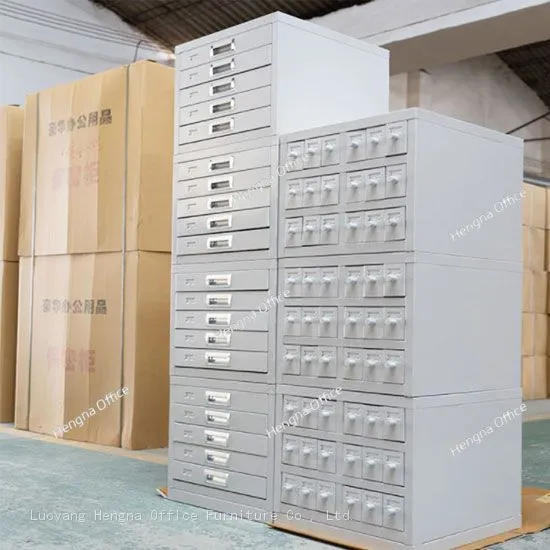
White Stackable Pathology Wax Block Storage Drawers for Labs Near London-Hengna OfficeNegotiableMOQ: 10 Pieces
-
Custom Paraffin Block Storage Cabinet for Histology Laboratories – Factory Direct From Hengna FurnitureNegotiableMOQ: 10 Pieces
-
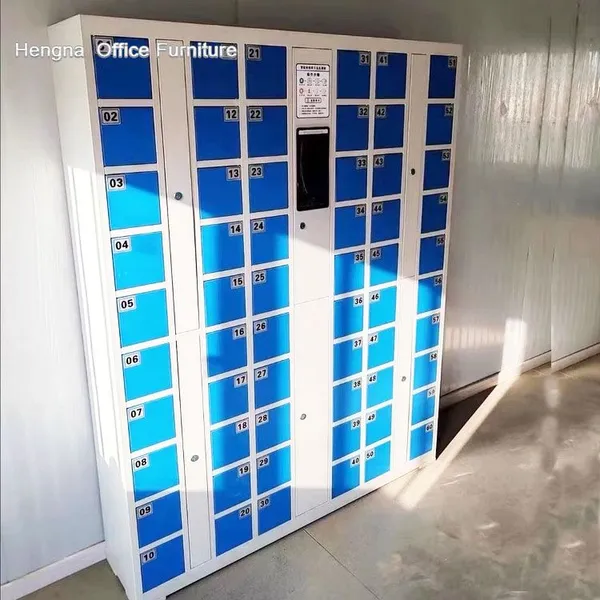
Smart Phone Charging Locker 40-door|Fingerprint Lockers Intelligent Parcel Delivery CabinetUS$ 203 - 750MOQ: 15 Pieces
-
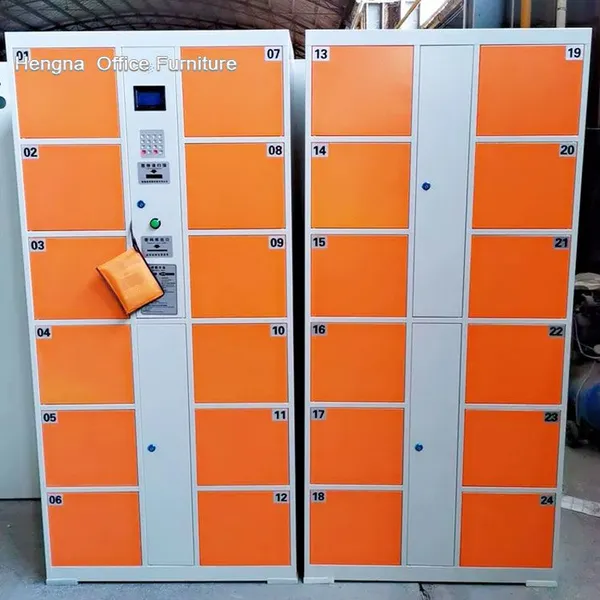
School Gym Lockers Price |Parcel Delivery Storage Locker 12-door FactoryUS$ 203 - 750MOQ: 15 Pieces
-
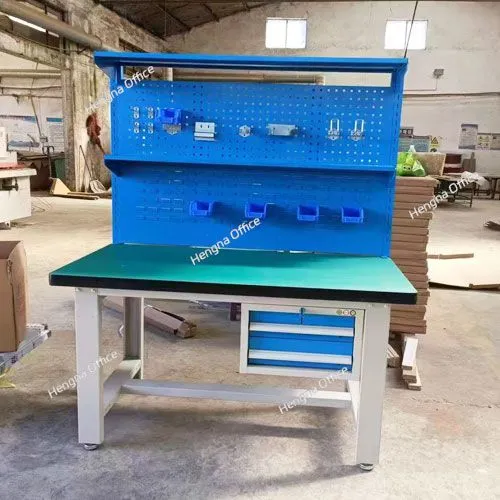
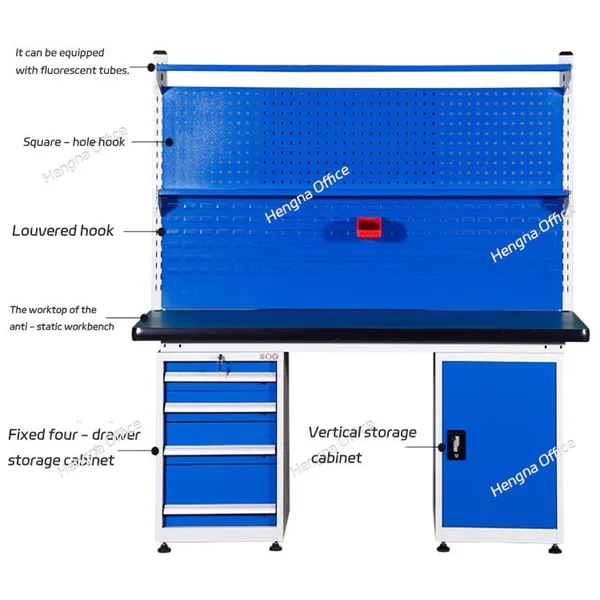
Multi Metal Work Benches Electrical Workshop Workbench|US$ 300 - 800MOQ: 2 Cases
-
Commercial Workbench Supplier |Multi Metal Work Bench With Drawers OMDUS$ 300 - 800MOQ: 2 Cases
-
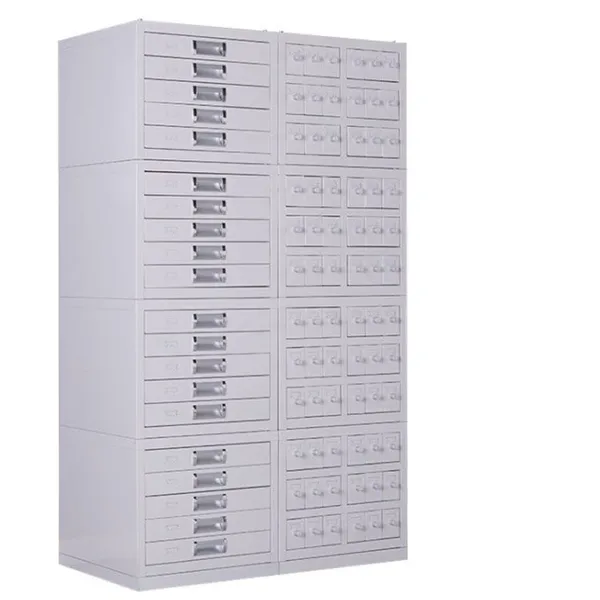
Pathological Ection Cabinet JTGZ062 Wax Block Cabinet for LaboratoryNegotiableMOQ: 10 Pieces
-
Durable Tool Storage in Factory HNGJ703 Hard Wearing Metal Industrial Tool ChestNegotiableMOQ: 18 Pieces
-
High - Quality CNC Workshop Tool Cabinet Heavyweight Workshop Tool OrganizerNegotiableMOQ: 10 Pieces
-
Laboratory Polyethylene Acid and Corrosive Chemicals Safety Storage PP CabinetUS$ 340 - 600MOQ: 5 Combos
-
22 Gallons /80 L PP Acid - Base Cabinet: Safeguard Chemical Storage Supplier OEMUS$ 500 - 600MOQ: 5 Combos
-
4 - Gallon Corrosion-resistant Safety Cabinet for Hazardous Chemicals Acid SupplierUS$ 340 - 500MOQ: 5 Combos