
 Business License

How to Choose the Right Gauge of Steel for Your Factory Employee Lockers?
In industrial engineering and facility management, structural integrity is a primary consideration for equipment procurement. For steel storage units, the most critical technical parameter is the steel gauge. This measurement determines the material's thickness, impacting the unit's resistance to mechanical stress and its overall service life. Understanding the standardized gauge system is essential for aligning equipment specifications with the operational demands of a specific environment.
1. The Inverse Logic of the Steel Gauge System
Steel thickness is measured using a standardized gauge system where the numerical value and physical thickness share an inverse relationship.
Low Gauge Numbers: Indicate thicker, more rigid steel sheets.
High Gauge Numbers: Indicate thinner, more flexible steel sheets.
For example, 18-gauge steel is approximately 1.21 mm thick, whereas 24-gauge steel is approximately 0.61 mm thick. Selecting a gauge that is insufficient for the environment can result in structural deformation, hinge misalignment, and compromised security.
2. Technical Comparison of Standard Steel Gauges
The following table provides the physical dimensions and typical performance characteristics for gauges commonly utilized in the manufacturing of metal lockers and cabinets:
| Gauge | Thickness (mm) | Structural Rigidity | Primary Use Case |
| 24 Gauge | 0.61 mm | Light-duty | Administrative offices, low-traffic environments. |
| 22 Gauge | 0.76 mm | Moderate-duty | Educational facilities, retail backrooms. |
| 20 Gauge | 0.91 mm | Industrial Standard | Manufacturing plants, heavy-duty workshops. |
| 18 Gauge | 1.21 mm | Heavy-duty | High-security zones, mining, and military sites. |
3. Impact of Gauge on Structural Performance
The gauge of the steel directly influences several mechanical properties of the finished storage unit:
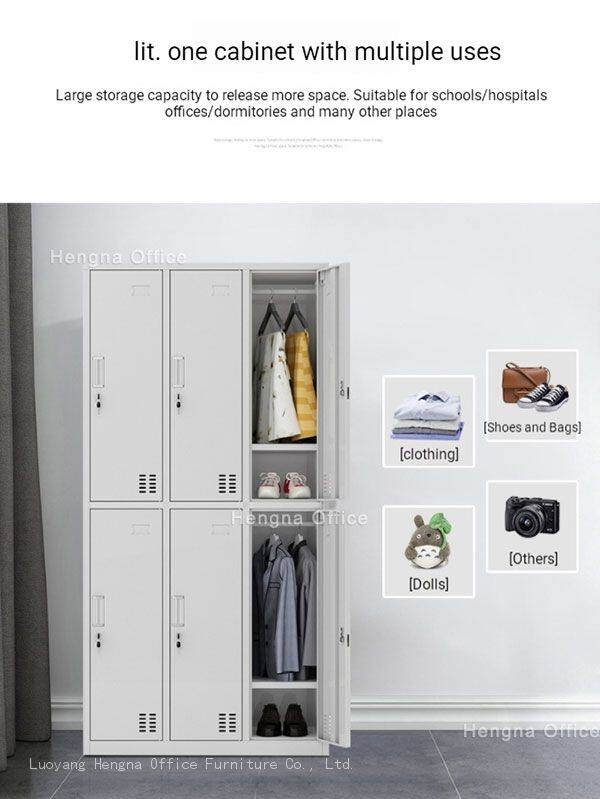
Resistance to Denting: In high-traffic industrial zones, units are frequently subjected to impacts from tools and machinery. Thicker steel (20 gauge or lower) has a higher yield strength, allowing it to absorb energy without permanent plastic deformation (denting).
Load-Bearing Capacity: The thickness of the shelving panels determines the maximum distributed load. Thinner gauges (24 gauge) may exhibit bowing or permanent deflection if subjected to loads exceeding 30 kg per shelf.
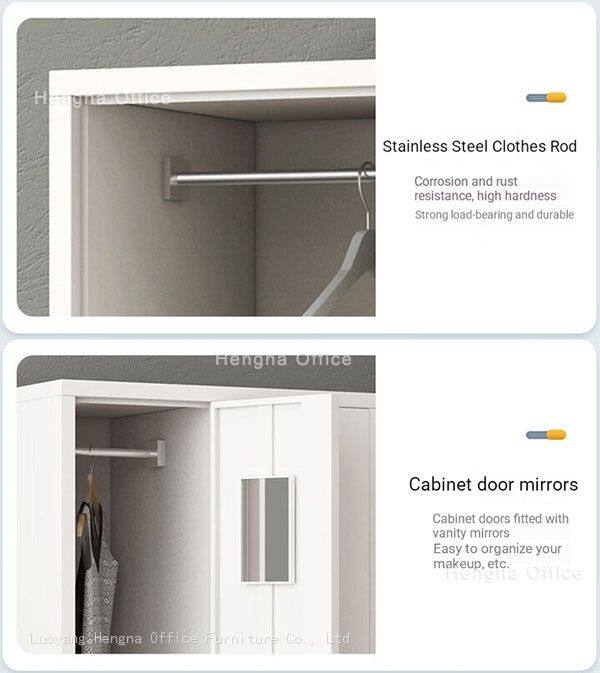
Hinge and Door Alignment: Heavy-use doors require a rigid frame to maintain alignment. Thinner steel frames can "flex" under the weight of the door over time, leading to latch failure and gaps in security.
4. Material Synergy: Gauge and Processing
While thickness is fundamental, the manufacturing process also dictates the material's final strength. Cold Rolled Steel (CRS) is the industry standard for precision storage because the cold-rolling process increases the steel's hardness through strain hardening.
When 20-gauge cold-rolled steel is utilized, the resulting panels exhibit high dimensional accuracy and a smooth surface finish. This surface is necessary for the adhesion of protective coatings, such as electrostatic powder, which prevents oxidation and maintains the gauge's integrity in humid or corrosive environments.
5. Evaluating Total Cost of Ownership (TCO)
From a facility management perspective, the initial procurement cost is only one component of the Total Cost of Ownership.
Maintenance Frequency: Thinner gauge units require more frequent repairs to doors and locking mechanisms.
Replacement Cycle: Industrial-grade 20-gauge units often have a service life exceeding 20 years, whereas light-duty 24-gauge units in a factory setting may fail within 5 to 7 years.
Safety Compliance: In environments where heavy equipment is stored, utilizing a higher-strength gauge ensures compliance with workplace safety standards regarding the stability of storage systems.
6. Conclusion
The selection of steel gauge is a technical decision that must be based on a rigorous assessment of the operational environment. For standard industrial applications, 20-gauge steel provides the necessary balance of mechanical strength and structural stability. For administrative or light-commercial use, 22 or 24 gauge may be sufficient. Accurate specification of material thickness at the procurement stage is the most effective method for ensuring long-term equipment reliability and minimizing maintenance overhead.
Recently Posted
-
How to Choose ESD Workbenches for Bulk Order: A Procurement Guide to Quality, MOQ and Lead Time
April 20, 2026Buying one ESD workbench is simple. You find a supplier, pay the invoice, receive the unit, plug it in.Buying 50 — or 500 — is a d Read More
 -
ESD Workstation Audit Checklist: What Inspectors Actually Look For in Labs and Electronics Manufactu
April 20, 2026If your ESD workstation fails an audit, the consequences go beyond a failed inspection report. It means your production line stops Read More
 -
Why Your ESD Workstation Keeps Failing: Root Causes and Practical Fixes for Industrial Settings
April 20, 2026ESD workstations are supposed to eliminate static discharge risk in sensitive manufacturing environments. But if your equipment ke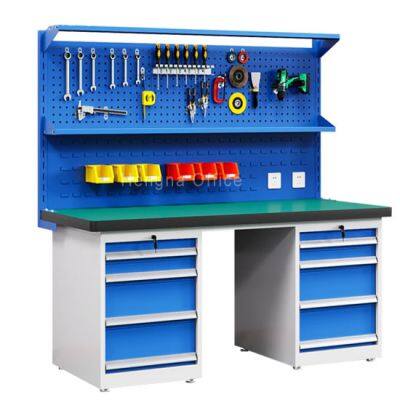 Read More
 -
What to Look for When Buying Chinese Herb Cabinets in Bulk: A Procurement Checklist
April 18, 2026Bulk Buying Is More Than Just Ordering More UnitsBuying one cabinet and buying twenty are completely different processes.Single-un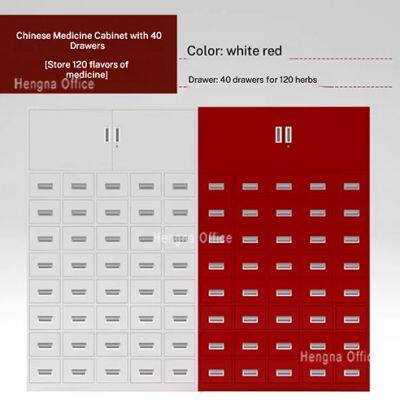 Read More

Contact Us
Recommended Products
-
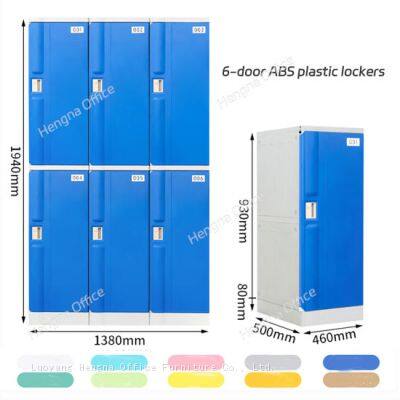
 Industrial-Grade ABS Plastic Locker for Factory Staff and Warehouse Workers|Hengna OfficeUS$ 19 - 100MOQ: 5 Sets
 -
Outdoor ABS Locker Cabinet – UV-Resistant Plastic Storage for Poolside or Beach Resorts-Hengna OfficeUS$ 19 - 100MOQ: 5 Sets
-
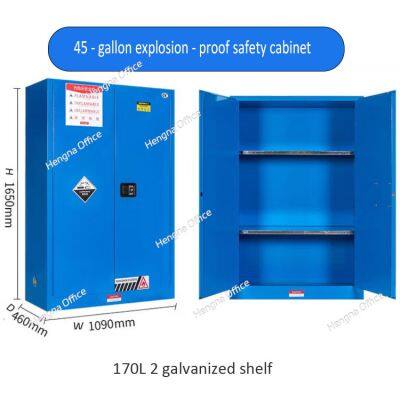
45 Gallon Explosion-Proof Flammable Liquid Storage Cabinet – Fire-Resistant Steel Safety Cabinet for FactoriesUS$ 68 - 400MOQ: 2 Combos
-
Flammable Storage Cabinet for Flammable Liquids – OSHA Certified Safety Cabinet With Fireproof Double WallsUS$ 68 - 400MOQ: 2 Combos
-
Large Capacity Flammable Liquid Storage Cabinet – Explosion-Proof Safety Cabinet for Laboratory & Workshop UseUS$ 68 - 400MOQ: 2 Combos

-
Heavy Duty Steel Tool Cart With Drawers for Workshops|Hengna OfficeUS$ 99 - 269MOQ: 2 Cases
-
Wholesale 3-Drawer Tool Trolley With Wheels for Factory and Garage StorageUS$ 99 - 269MOQ: 2 Cases
-
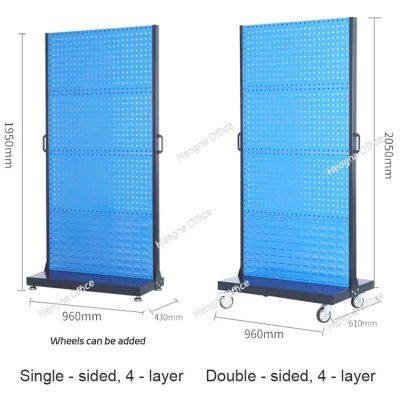
HN-wlj160 Industrial Rolling Tool Organizer With Pegboard|All-in-One Mobile Tool Storage CartUS$ 5 - 120MOQ: 2 Cases
-
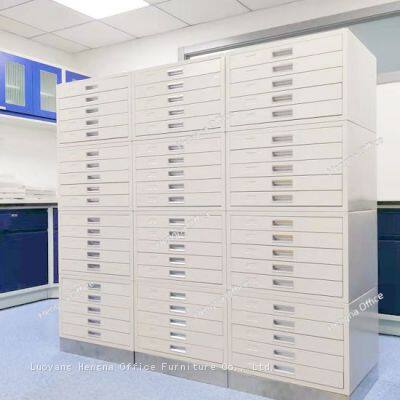
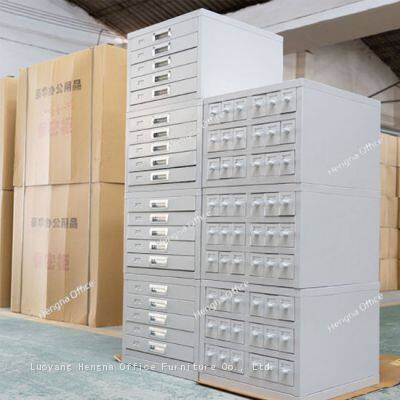
White Stackable Pathology Wax Block Storage Drawers for Labs Near London-Hengna OfficeNegotiableMOQ: 10 Pieces
-
Custom Paraffin Block Storage Cabinet for Histology Laboratories – Factory Direct From Hengna FurnitureNegotiableMOQ: 10 Pieces
-
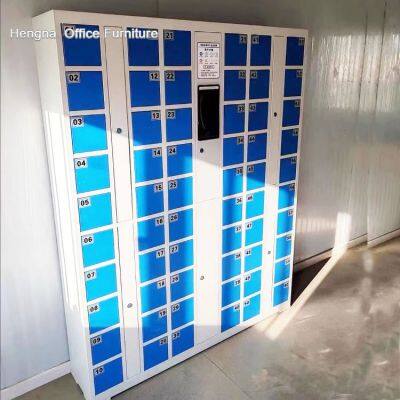
Smart Phone Charging Locker 40-door|Fingerprint Lockers Intelligent Parcel Delivery CabinetUS$ 203 - 750MOQ: 15 Pieces
-
School Gym Lockers Price |Parcel Delivery Storage Locker 12-door FactoryUS$ 203 - 750MOQ: 15 Pieces
-
Multi Metal Work Benches Electrical Workshop Workbench|US$ 300 - 800MOQ: 2 Cases
-
Commercial Workbench Supplier |Multi Metal Work Bench With Drawers OMDUS$ 300 - 800MOQ: 2 Cases
-
Pathological Ection Cabinet JTGZ062 Wax Block Cabinet for LaboratoryNegotiableMOQ: 10 Pieces
-
Durable Tool Storage in Factory HNGJ703 Hard Wearing Metal Industrial Tool ChestNegotiableMOQ: 18 Pieces
-
High - Quality CNC Workshop Tool Cabinet Heavyweight Workshop Tool OrganizerNegotiableMOQ: 10 Pieces
-
Laboratory Polyethylene Acid and Corrosive Chemicals Safety Storage PP CabinetUS$ 340 - 600MOQ: 5 Combos
-
22 Gallons /80 L PP Acid - Base Cabinet: Safeguard Chemical Storage Supplier OEMUS$ 500 - 600MOQ: 5 Combos
-
4 - Gallon Corrosion-resistant Safety Cabinet for Hazardous Chemicals Acid SupplierUS$ 340 - 500MOQ: 5 Combos