
 Business License

Why 16-Gauge is the Industrial Standard for Heavy-Duty Custodial Cabinets?
Meta Description:
Why does steel gauge matter? Learn why 16-gauge steel is the industrial standard for heavy-duty custodial cabinets, offering superior dent resistance and load capacity compared to thinner metals.
Not All Steel is Created Equal
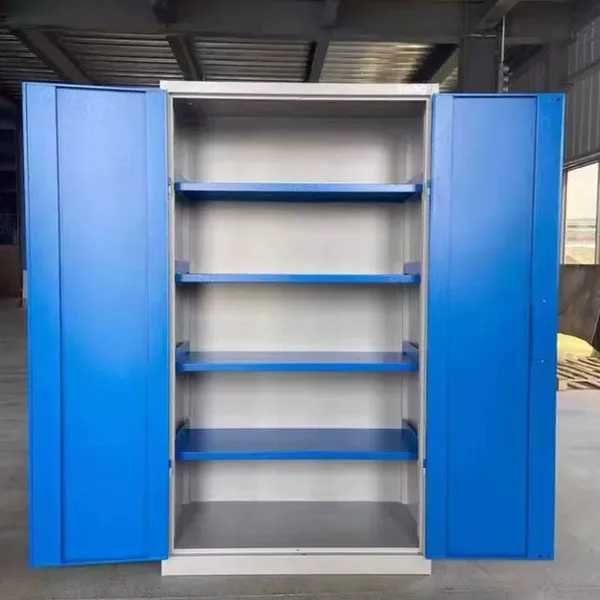
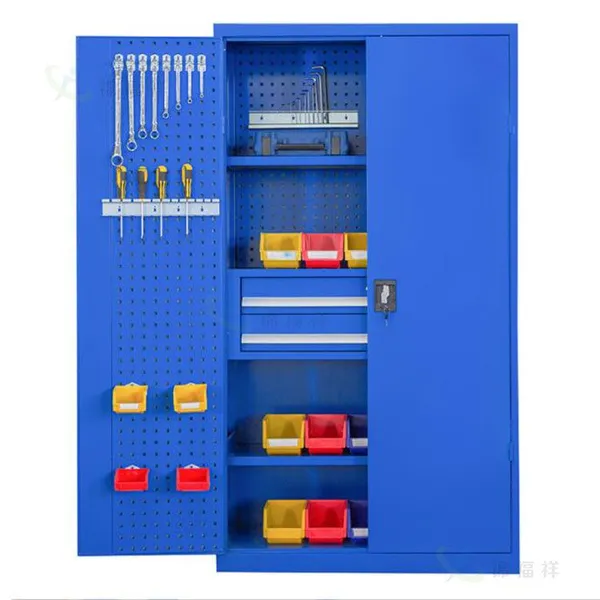
If you are sourcing industrial custodial cabinets for a warehouse, factory, or high-traffic facility, you will likely encounter the term “Steel Gauge.” It is the most critical specification for determining the durability and lifespan of the cabinet, yet it is also one of the most misunderstood.
Many buyers default to the cheapest option, only to find their cabinets dented, rusted, or sagging within a year. At JUNTUO, we advocate for quality. In the industrial sector, the 16-Gauge standard is the sweet spot for heavy-duty storage. Here is why the thickness of your steel matters so much.
Demystifying the Gauge System
First, we need to clear up a common confusion. In the steel industry, a lower gauge number means a thicker sheet of metal.
16-Gauge: Approx. 1.5mm thick (Heavy Duty)
20-Gauge: Approx. 0.9mm thick (Standard Duty)
24-Gauge: Approx. 0.6mm thick (Light Duty)
A 24-gauge cabinet might look identical on the shelf, but it is made of metal less than half the thickness of a 16-gauge unit. In a rugged environment, that difference is massive.
The Dent Resistance Factor
Industrial environments are rough. Forklifts brush past walls, heavy toolboxes are slammed onto shelves, and carts collide with cabinets.
Thin Steel (20-24 Gauge): Will readily “oil can” (buckle and deform) upon impact. Once the metal is bent, the powder coating cracks, inviting rust.
16-Gauge Steel: Provides the rigidity to absorb impacts without deforming. A collision with a pallet jack might leave a scuff mark, but it will not dent the structural integrity of the cabinet.
Load Bearing and Shelf Sag
This is the most common failure point for custodial cabinets: Shelf Sag.
When you load a shelf with gallons of industrial cleaner (approx. 8 lbs per gallon), the steel shelf wants to bend in the middle.
20-Gauge Shelves: Will bow visibly under 150-200 lbs. This bending can cause the shelf clips to pop out, sending the contents crashing to the floor.
16-Gauge Shelves: Easily support 400-500 lbs without bowing. This capacity allows you to store bulk supplies and heavy machinery parts with confidence.
The JUNTUO 16-Gauge Advantage
At JUNTUO, we have standardized our Industrial Custodial Locker line at 16-Gauge Steel. We refuse to use “economy” steel for our industrial customers because we know it costs you more in the long run through replacements and lost inventory.
Technical Comparison: 16-Gauge vs. 24-Gauge
| Performance Metric | 24-Gauge (Light Duty) | 16-Gauge (JUNTUO Standard) |
|---|---|---|
| Thickness | 0.6mm | 1.5mm |
| Shelf Capacity | ~150 lbs | ~500 lbs |
| Impact Resistance | Low (Dents easily) | High (Resists deformation) |
| Rigidity | Prone to twisting | Rigid & Solid |
| Best Application | Offices / Retail | Warehouse / Factory |
| Lifespan | 3-5 Years | 15-20+ Years |
The ROI of Thicker Steel
Yes, a 16-gauge cabinet costs more upfront than a 24-gauge import. However, consider the Return on Investment (ROI):
Zero Downtime: You won’t have to shut down a storage closet to replace a broken unit.
Better Security: Thicker steel is harder to pry open, protecting your expensive inventory from theft.
Professional Appearance: Thick steel doors close with a solid, heavy “thud” that conveys quality and professionalism to clients and auditors.
Conclusion
In the world of industrial storage, “strong enough” is rarely strong enough. If you are equipping a warehouse, a mechanic shop, or a logistics hub, settling for anything less than 16-Gauge is a compromise on safety and durability.
Choose JUNTUO for custodial cabinets that are built to work as hard as you do. Our 16-gauge heavy-duty steel construction ensures that your storage solution is an asset, not a liability.
Recently Posted
-
Louvered Panel vs Round Hole Pegboard — Which Tool Wall Holds Hooks and Bins Together?
August 31, 2026Louvered Panel vs Round Hole Pegboard — Which Tool Wall Holds Hooks and Bins Together?Short answer: if you only hang tools, round Read More
 -
Welded vs Boltless Steel Shelving — Looks Strong at the Factory, Falls Apart at the Port
August 7, 2026Welded vs Boltless Steel Shelving — Looks Strong at the Factory, Falls Apart at the PortHere's a story every steel shelving im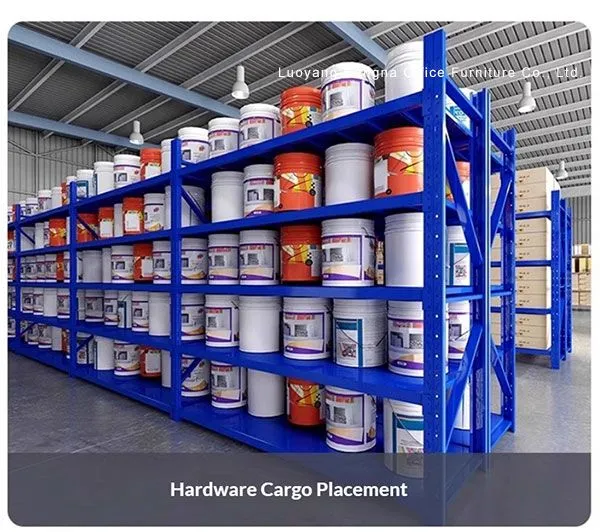 Read More
 -
You Asked a Steel Shelving Supplier for a Price. Here's What You Should Have Asked First.
August 7, 2026You found a steel shelving supplier. Their listing looks clean. You sent the message every first-time importer sends: "What&#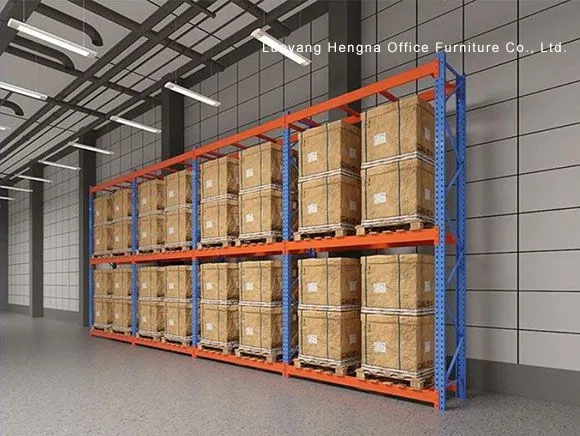 Read More
 -
Heavy Duty Steel Workbench for Auto Repair — Cold Rolled Frame vs What Most Garages Use
August 5, 2026Mike has been running his independent garage for eleven years. Three bays, two mechanics, a steady stream of brake jobs and transm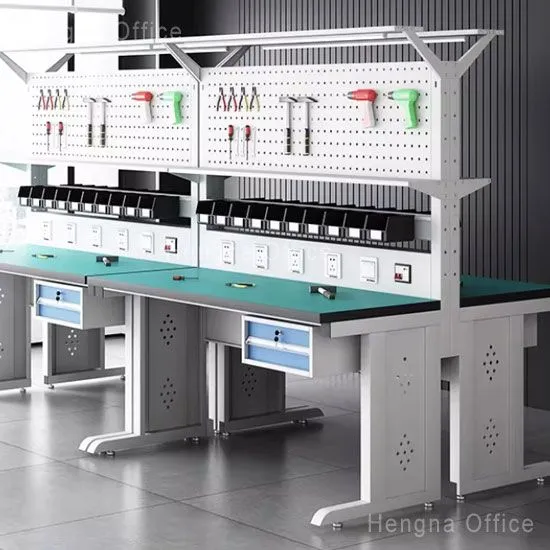 Read More

Contact Us
Recommended Products
-
 Industrial-Grade ABS Plastic Locker for Factory Staff and Warehouse Workers|Hengna OfficeUS$ 19 - 100MOQ: 5 Sets
 -
Outdoor ABS Locker Cabinet – UV-Resistant Plastic Storage for Poolside or Beach Resorts-Hengna OfficeUS$ 19 - 100MOQ: 5 Sets
-
45 Gallon Explosion-Proof Flammable Liquid Storage Cabinet – Fire-Resistant Steel Safety Cabinet for FactoriesUS$ 68 - 400MOQ: 2 Combos
-
Flammable Storage Cabinet for Flammable Liquids – OSHA Certified Safety Cabinet With Fireproof Double WallsUS$ 68 - 400MOQ: 2 Combos
-
Large Capacity Flammable Liquid Storage Cabinet – Explosion-Proof Safety Cabinet for Laboratory & Workshop UseUS$ 68 - 400MOQ: 2 Combos
-
Heavy Duty Steel Tool Cart With Drawers for Workshops|Hengna OfficeUS$ 99 - 269MOQ: 2 Cases
-
Wholesale 3-Drawer Tool Trolley With Wheels for Factory and Garage StorageUS$ 99 - 269MOQ: 2 Cases
-
HN-wlj160 Industrial Rolling Tool Organizer With Pegboard|All-in-One Mobile Tool Storage CartUS$ 5 - 120MOQ: 2 Cases
-
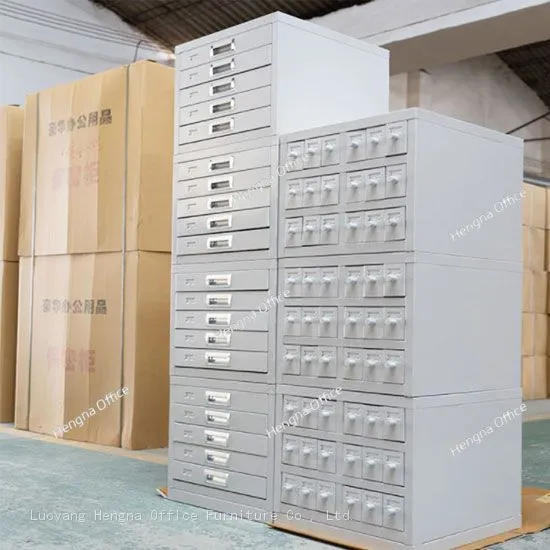
White Stackable Pathology Wax Block Storage Drawers for Labs Near London-Hengna OfficeNegotiableMOQ: 10 Pieces
-
Custom Paraffin Block Storage Cabinet for Histology Laboratories – Factory Direct From Hengna FurnitureNegotiableMOQ: 10 Pieces
-
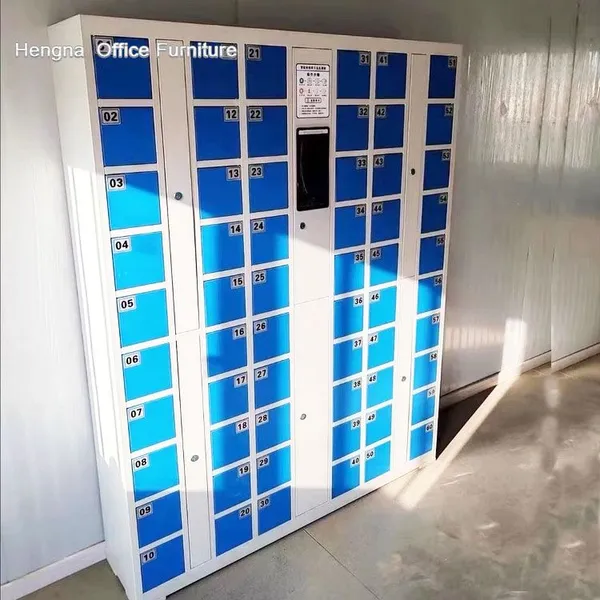
Smart Phone Charging Locker 40-door|Fingerprint Lockers Intelligent Parcel Delivery CabinetUS$ 203 - 750MOQ: 15 Pieces
-
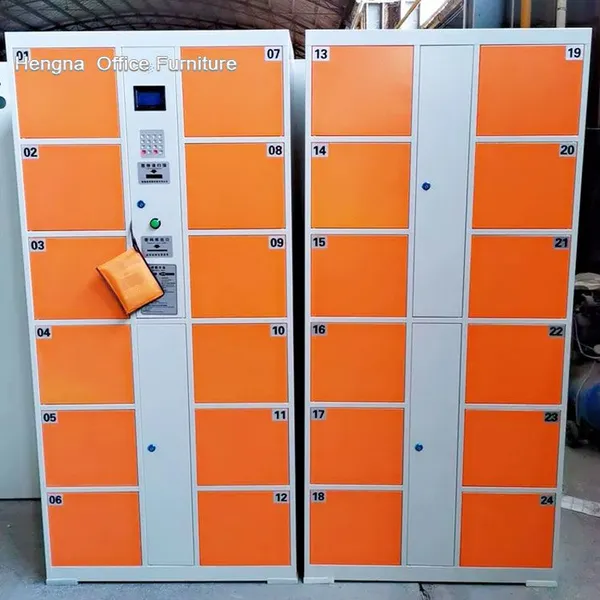
School Gym Lockers Price |Parcel Delivery Storage Locker 12-door FactoryUS$ 203 - 750MOQ: 15 Pieces
-
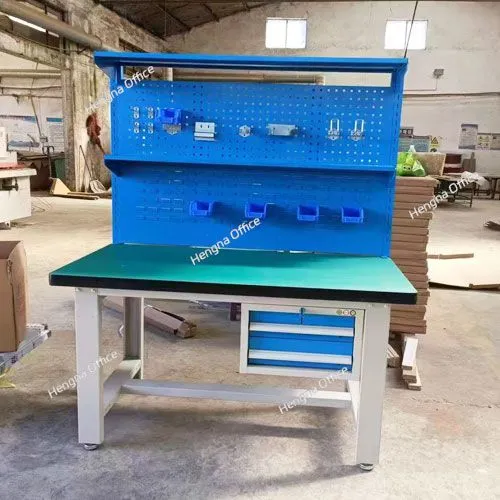
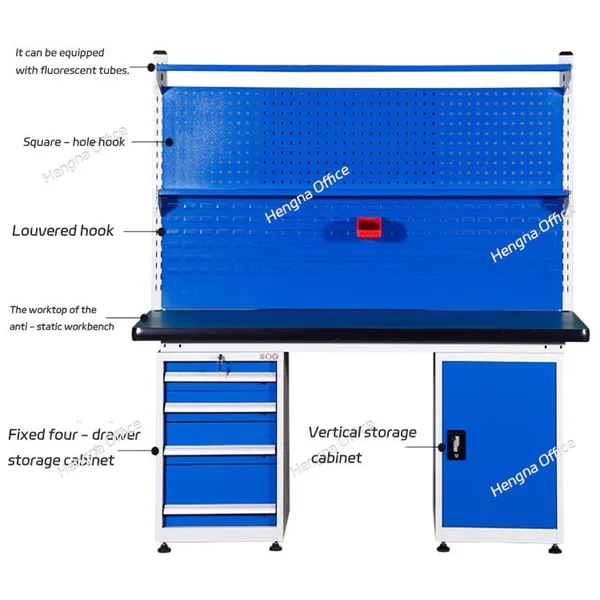
Multi Metal Work Benches Electrical Workshop Workbench|US$ 300 - 800MOQ: 2 Cases
-
Commercial Workbench Supplier |Multi Metal Work Bench With Drawers OMDUS$ 300 - 800MOQ: 2 Cases
-
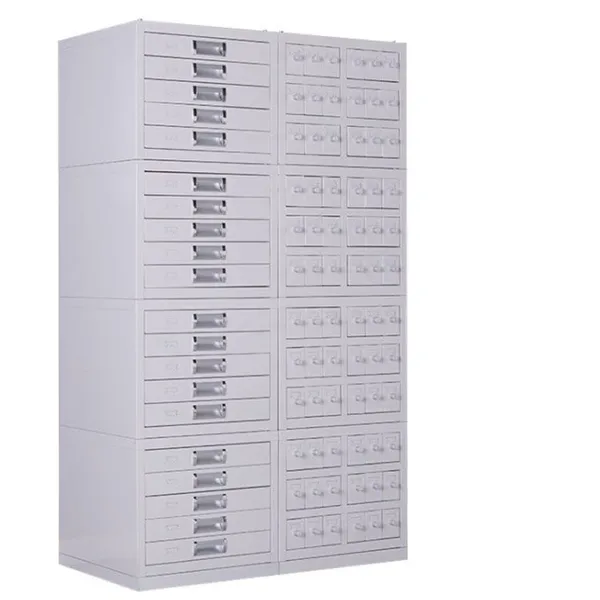
Pathological Ection Cabinet JTGZ062 Wax Block Cabinet for LaboratoryNegotiableMOQ: 10 Pieces
-
Durable Tool Storage in Factory HNGJ703 Hard Wearing Metal Industrial Tool ChestNegotiableMOQ: 18 Pieces
-
High - Quality CNC Workshop Tool Cabinet Heavyweight Workshop Tool OrganizerNegotiableMOQ: 10 Pieces
-
Laboratory Polyethylene Acid and Corrosive Chemicals Safety Storage PP CabinetUS$ 340 - 600MOQ: 5 Combos
-
22 Gallons /80 L PP Acid - Base Cabinet: Safeguard Chemical Storage Supplier OEMUS$ 500 - 600MOQ: 5 Combos
-
4 - Gallon Corrosion-resistant Safety Cabinet for Hazardous Chemicals Acid SupplierUS$ 340 - 500MOQ: 5 Combos