
 Business License

Top 5 Safety Features to Look for in School Janitorial Cabinets: Beyond the 3-Point Locking System
Meta Description:
School safety goes beyond locking doors. Explore the top 5 safety features for janitorial cabinets, including ventilation, anti-tip design, and chemical storage compliance with JUNTUO.
Securing Our Schools: A Holistic Approach to Custodial Safety
When we think of school safety, our minds usually turn to security cameras, door locks, and visitor badges. However, the humble janitorial cabinet plays a surprisingly critical role in campus safety standards. In a school environment, these cabinets store hazardous chemicals, heavy equipment, and sharp tools that could be dangerous in the hands of students.
Most buyers know to look for a 3-Point Locking System to prevent unauthorized entry. But at JUNTUO, we believe safety goes deeper than just the lock. A truly secure school custodial cabinet is designed to prevent accidents, manage risks, and ensure compliance with strict educational safety codes.
Here are the top 5 safety features you should demand for your school janitorial closets.
1. Passive Ventilation Systems
Cleaning chemicals often contain volatile organic compounds (VOCs) and strong fumes. When stored in a sealed metal box, these fumes can build up to dangerous levels. Worse, if the cabinet is opened, a cloud of concentrated gas can rush out, affecting staff or nearby students.
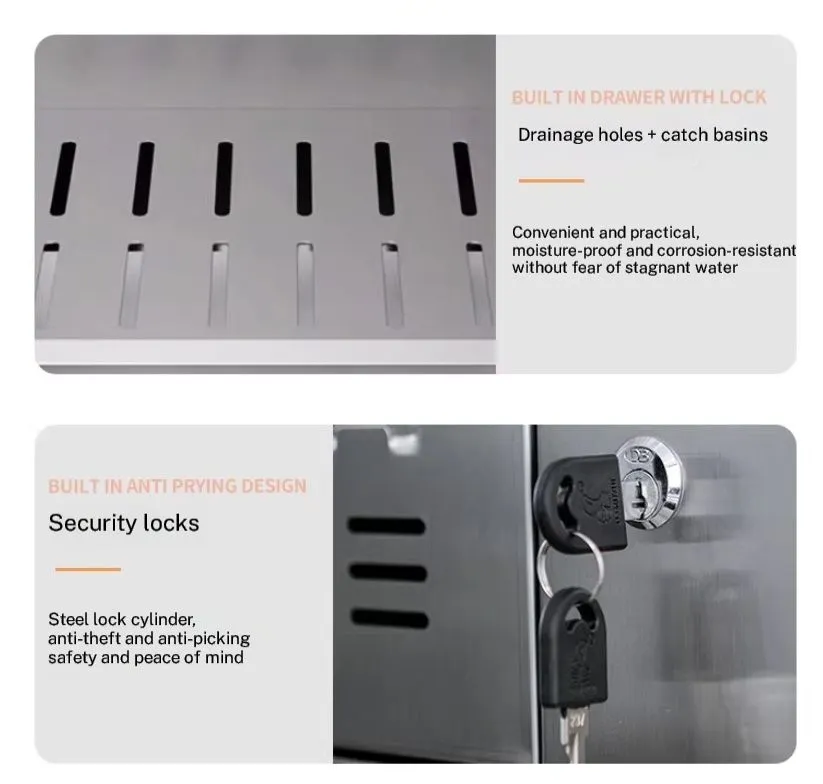
The Solution: Look for cabinets with vented doors or back-wall ventilation ports. These allow for passive airflow to reduce fume buildup, ensuring the air inside the cabinet remains safe. JUNTUO designs its school cabinets with louvered doors that allow air circulation without compromising security.
2. Seismic and Anti-Tip Design
In many regions, seismic safety is a legal requirement. But even in non-seismic zones, tall, narrow cabinets loaded with heavy liquids and equipment are a tipping hazard. If a student were to climb on a cabinet or if it were bumped by a heavy cart, it could topple over with catastrophic results.
The Solution: Choose cabinets that come with floor anchoring brackets. A high-quality school cabinet will have pre-drilled holes in the base or back specifically designed to bolt the unit to the wall or concrete floor. JUNTUO cabinets are tested for stability and include the necessary hardware for secure anchoring.
3. Rounded or “Cushion” Edges
School hallways are busy places. Sharp corners on metal cabinets pose a significant laceration risk, particularly for younger students in elementary schools. A child running late for class could accidentally collide with an exposed cabinet edge.
The Solution: Ideally, cabinets should have rounded corners or be equipped with impact-absorbing edge bumpers. If the cabinet has a kick plate, ensure the edges of that plate are folded smoothly (hemmed) rather than left as a raw cut metal edge. JUNTUO offers “Safety-Edge” designs that feature rolled steel edges to eliminate sharp cuts.
4. Color-Coding and Clear Labeling
Safety isn’t just about physical barriers; it’s about communication. In an emergency, responders and staff need to know exactly what is stored where. A cabinet full of unlabeled containers is a chemical disaster waiting to happen.
The Solution: Select cabinets that are label-ready. Some modern custodial cabinets come with magnetic placards or designated wipe-clean areas on the door for labeling contents. Furthermore, purchasing cabinets in safety colors (like bright Yellow for hazardous materials or Red for fire safety equipment) creates a visual language that warns students to stay away.
5. Internal Organization and Segregation
Mixing incompatible chemicals (like bleach and ammonia) inside a cabinet can lead to dangerous reactions. A chaotic pile of bottles also increases the risk of items falling and breaking when the door is opened.
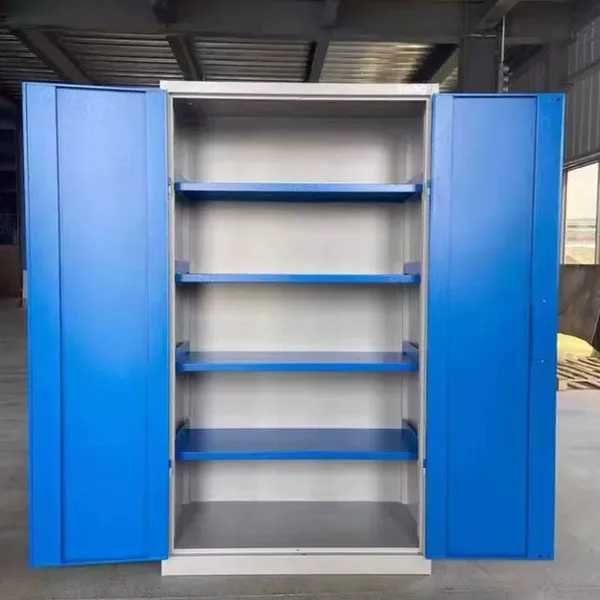
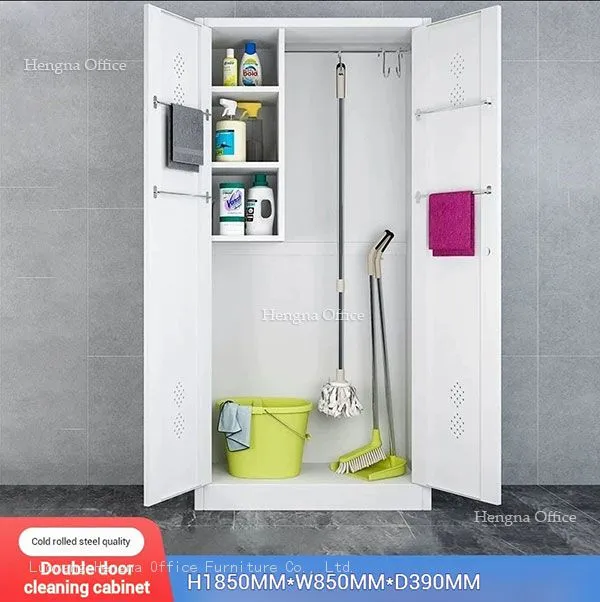
The Solution: Adjustable shelving and internal separators are safety features. They allow you to segregate chemicals by type and store heavier items lower to the ground. JUNTUO school cabinets feature adjustable shelves that can be locked into place, preventing them from vibrating loose and creating a disorganized, hazardous heap inside.
Checklist for School Procurement Officers
| Safety Feature | Why It Matters | JUNTUO Standard |
|---|---|---|
| Lock Type | Prevents student access | 3-Point Locking Included |
| Ventilation | Prevents toxic fume buildup | Louvered Doors / Vented Back |
| Anchoring | Prevents tipping/crush injuries | Anti-Tip Kit Included |
| Edges | Prevents cuts/lacerations | Hemmed / Rounded Edges |
| Labeling | Emergency ID / Hazard awareness | Smooth Door Panels for Decals |
Conclusion
Protecting our students requires a 360-degree view of safety. While a strong lock is essential, the ventilation, stability, and internal design of the cabinet are equally vital.
JUNTUO is dedicated to manufacturing the safest school custodial cabinets on the market. We understand the unique pressures faced by school facility managers and engineer our products to keep everyone safe—from the janitorial staff to the students in the hallway.
Recently Posted
-
Stainless Steel Shelving for Breweries and Wineries — What Survives Humidity, Alcohol Spills
July 24, 2026Stainless Steel Shelving for Breweries and Wineries — What Survives Humidity, Alcohol Spills, and Sanitizer Washdowns Three t Read More
 -
Stainless Steel Shelving for Meat Processing Plants — What Holds Up Against Blood, Fat, and Daily Wa
July 24, 2026Meat plants are brutal on shelvingIf you work in a meat processing plant, you already know this. The rack that looked fine s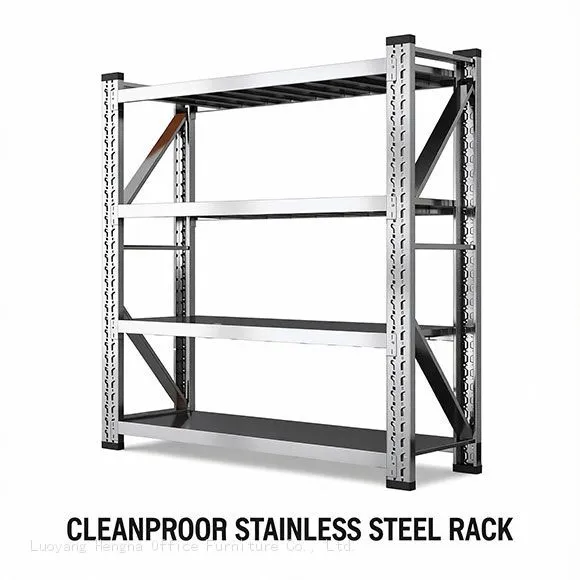 Read More
 -
0.6mm Steel Wardrobe vs 0.4mm — Why Cold-Rolled Single Door Metal Closet Lasts Longer
July 10, 2026The 0.2mm That Decides Whether You Buy One Wardrobe or ThreeTwo wardrobes look identical on a supplier's photo. Same door, sam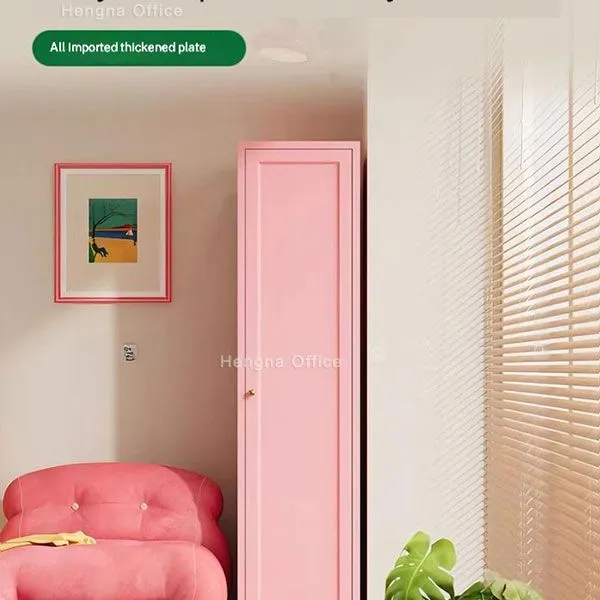 Read More
 -
Heavy Duty Tool Cabinet with Locks for School Shop: Stop Tool Theft Before It Happens
July 9, 2026A vocational school workshop isn't like a factory floor. The tools aren't being used by seasoned machinists who know where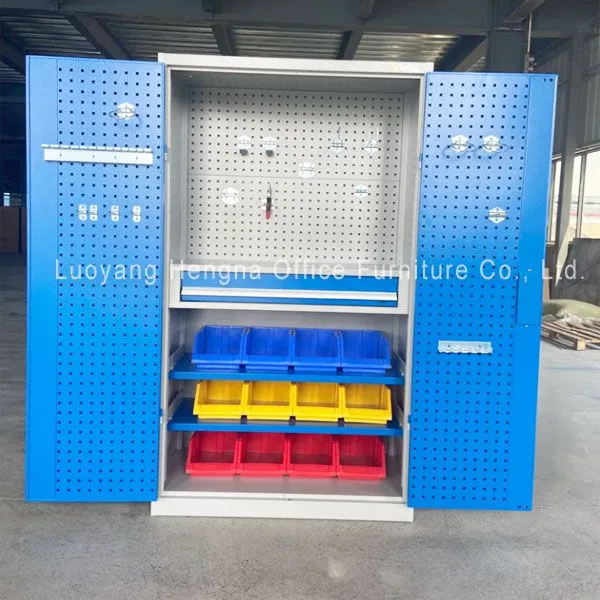 Read More

Contact Us
Recommended Products
-
 Industrial-Grade ABS Plastic Locker for Factory Staff and Warehouse Workers|Hengna OfficeUS$ 19 - 100MOQ: 5 Sets
 -
Outdoor ABS Locker Cabinet – UV-Resistant Plastic Storage for Poolside or Beach Resorts-Hengna OfficeUS$ 19 - 100MOQ: 5 Sets
-
45 Gallon Explosion-Proof Flammable Liquid Storage Cabinet – Fire-Resistant Steel Safety Cabinet for FactoriesUS$ 68 - 400MOQ: 2 Combos
-
Flammable Storage Cabinet for Flammable Liquids – OSHA Certified Safety Cabinet With Fireproof Double WallsUS$ 68 - 400MOQ: 2 Combos
-
Large Capacity Flammable Liquid Storage Cabinet – Explosion-Proof Safety Cabinet for Laboratory & Workshop UseUS$ 68 - 400MOQ: 2 Combos
-
Heavy Duty Steel Tool Cart With Drawers for Workshops|Hengna OfficeUS$ 99 - 269MOQ: 2 Cases
-
Wholesale 3-Drawer Tool Trolley With Wheels for Factory and Garage StorageUS$ 99 - 269MOQ: 2 Cases
-
HN-wlj160 Industrial Rolling Tool Organizer With Pegboard|All-in-One Mobile Tool Storage CartUS$ 5 - 120MOQ: 2 Cases
-
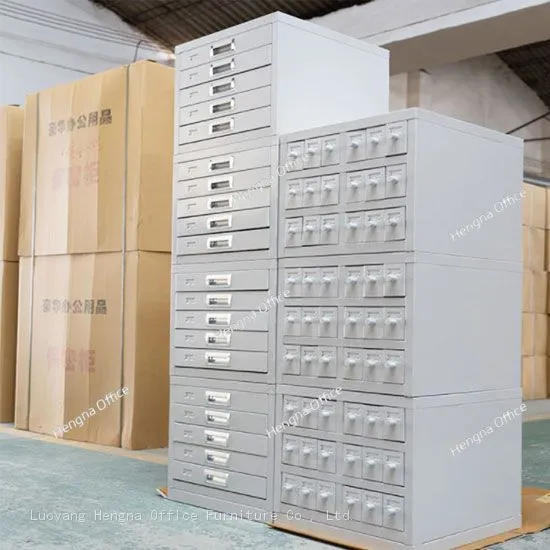
White Stackable Pathology Wax Block Storage Drawers for Labs Near London-Hengna OfficeNegotiableMOQ: 10 Pieces
-
Custom Paraffin Block Storage Cabinet for Histology Laboratories – Factory Direct From Hengna FurnitureNegotiableMOQ: 10 Pieces
-
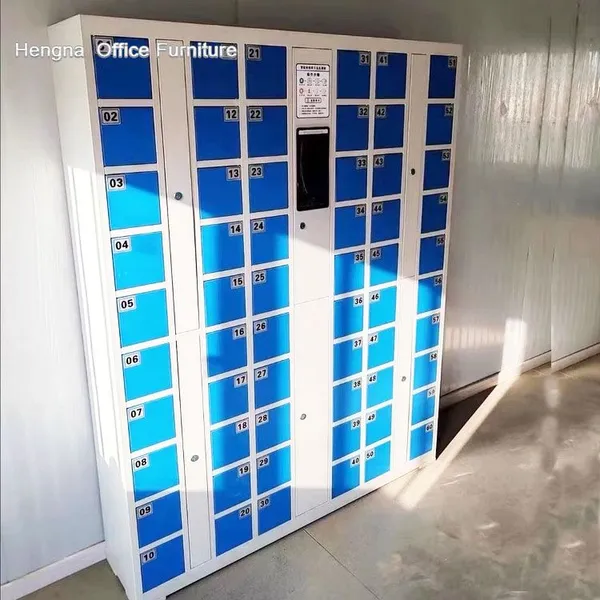
Smart Phone Charging Locker 40-door|Fingerprint Lockers Intelligent Parcel Delivery CabinetUS$ 203 - 750MOQ: 15 Pieces
-
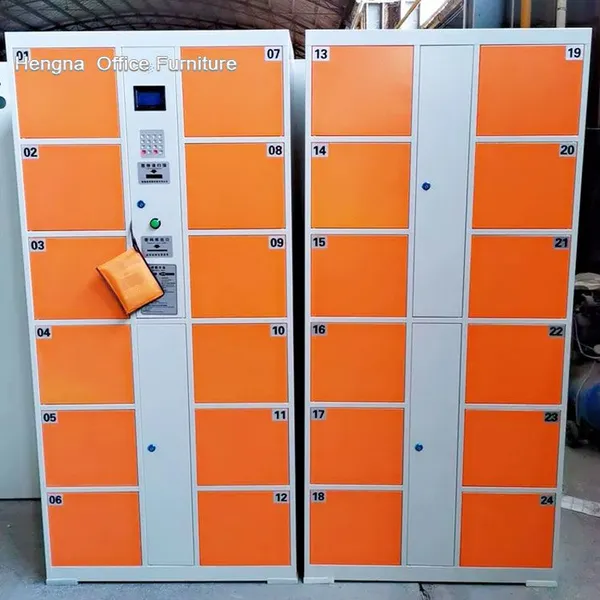
School Gym Lockers Price |Parcel Delivery Storage Locker 12-door FactoryUS$ 203 - 750MOQ: 15 Pieces
-
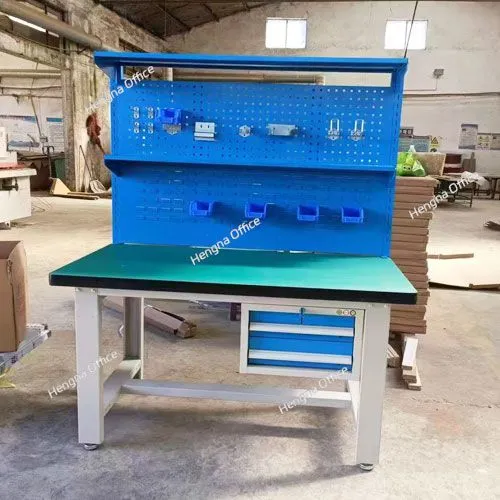
Multi Metal Work Benches Electrical Workshop Workbench|US$ 300 - 800MOQ: 2 Cases
-
Commercial Workbench Supplier |Multi Metal Work Bench With Drawers OMDUS$ 300 - 800MOQ: 2 Cases
-
Pathological Ection Cabinet JTGZ062 Wax Block Cabinet for LaboratoryNegotiableMOQ: 10 Pieces
-
Durable Tool Storage in Factory HNGJ703 Hard Wearing Metal Industrial Tool ChestNegotiableMOQ: 18 Pieces
-
High - Quality CNC Workshop Tool Cabinet Heavyweight Workshop Tool OrganizerNegotiableMOQ: 10 Pieces
-
Laboratory Polyethylene Acid and Corrosive Chemicals Safety Storage PP CabinetUS$ 340 - 600MOQ: 5 Combos
-
22 Gallons /80 L PP Acid - Base Cabinet: Safeguard Chemical Storage Supplier OEMUS$ 500 - 600MOQ: 5 Combos
-
4 - Gallon Corrosion-resistant Safety Cabinet for Hazardous Chemicals Acid SupplierUS$ 340 - 500MOQ: 5 Combos