
 Business License
Why Do Some Stainless Steel Lockers Last 10 Years While Yours Fails So Early?
Many buyers have faced this frustrating situation:
Two stainless steel lockers look almost the same, cost a similar price, and are installed in similar environments. Yet one lasts 10 years or more, while the other starts rusting, deforming, or breaking down after just a few years.
So what causes this difference?
The answer is not luck. It comes down to material quality, manufacturing standards, and design details.
Mistake #1: “Stainless Steel” Is Not Always the Same
One of the biggest misconceptions is that all stainless steel is equal. In reality, different grades of stainless steel perform very differently over time.
Low-quality lockers often use:
Thin stainless steel sheets
Low-grade stainless steel with weak corrosion resistance
Inconsistent material thickness
These shortcuts reduce cost but dramatically shorten lifespan.
High-quality lockers use:
Commercial or industrial-grade stainless steel
Stable thickness for doors and frames
Materials suitable for humid or high-use environments
This is why some lockers survive for a decade while others fail early.
Mistake #2: Ignoring Thickness and Structural Strength
Thickness matters more than most buyers realize.
Problems caused by thin steel:
Doors bend after repeated use
Hinges loosen quickly
Locker frames lose alignment
Over time, this leads to doors that don’t close properly, broken locks, and safety risks.
Durable stainless steel lockers are designed with:
Reinforced door panels
Strong frames that resist deformation
Hinges built for high-frequency use
These structural details are often invisible at first glance but make a huge difference long term.
Mistake #3: Poor Welding and Manufacturing Standards
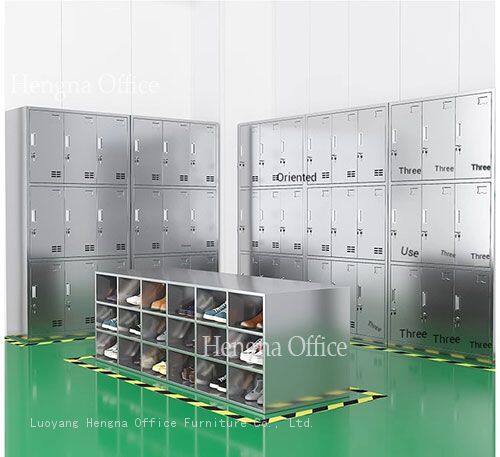
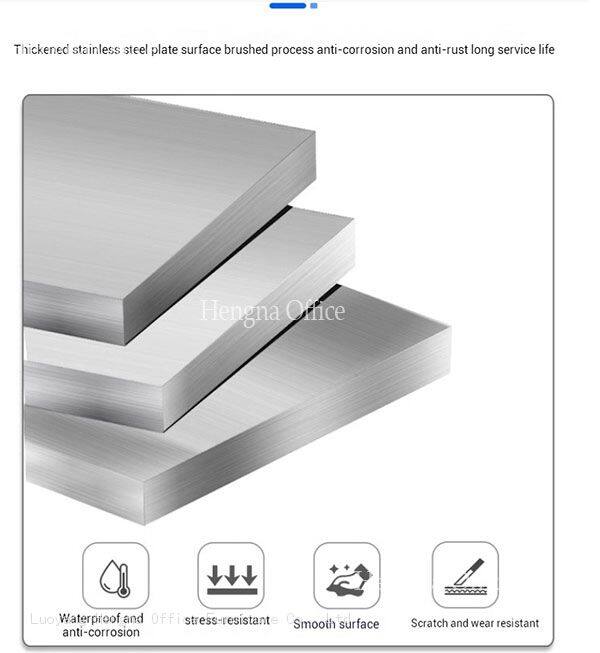
Even good materials can fail if manufacturing quality is poor.
Common manufacturing problems include:
Weak or uneven welding points
Sharp internal edges
Inconsistent assembly
These issues lead to early cracking, rust at weld points, and faster wear.
Reliable manufacturers focus on:
Clean, sealed welds
Smooth corners and edges
Consistent quality control
This ensures lockers remain strong and safe for years of daily use.
Mistake #4: No Ventilation = Faster Damage
Ventilation is often overlooked, yet it plays a major role in locker lifespan.
Without proper ventilation:
Moisture stays trapped inside
Condensation accelerates corrosion
Odors and bacteria build up
This is especially common in:
School locker rooms
Gyms and fitness centers
Employee changing rooms
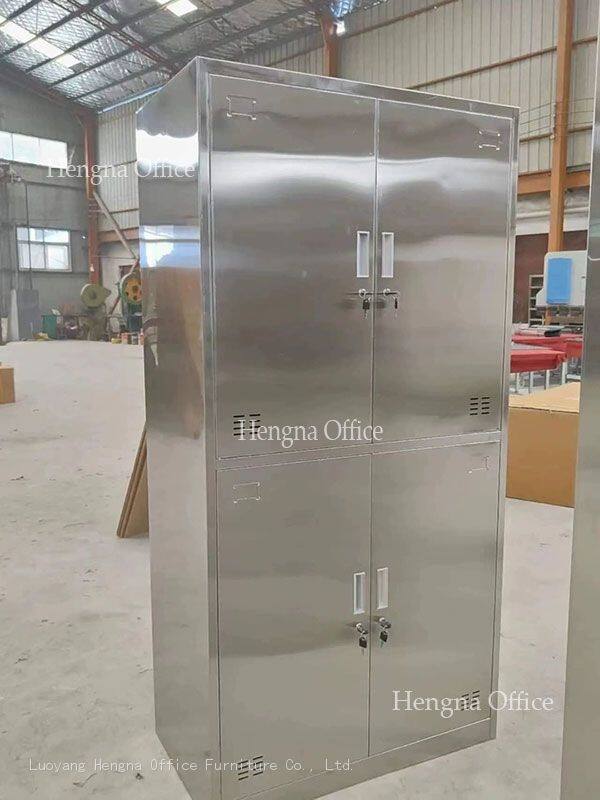
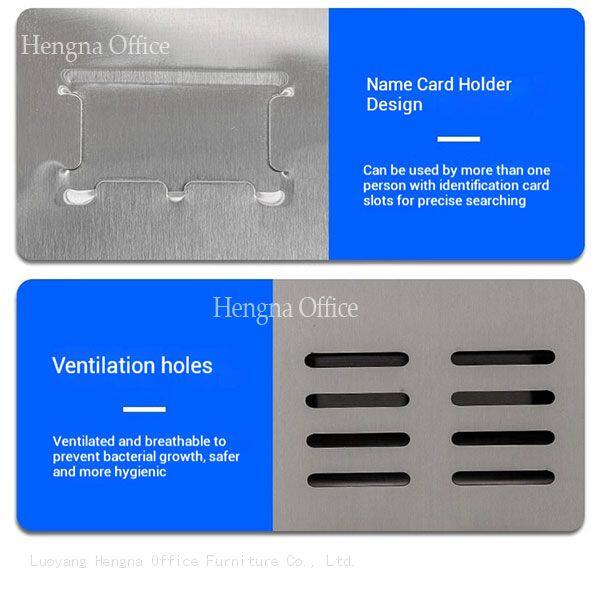
Lockers designed to last 10 years usually include:
Ventilation holes or slots
Designs that allow airflow
Ventilation helps lockers stay dry, clean, and structurally sound.
Mistake #5: Wrong Locker for the Environment
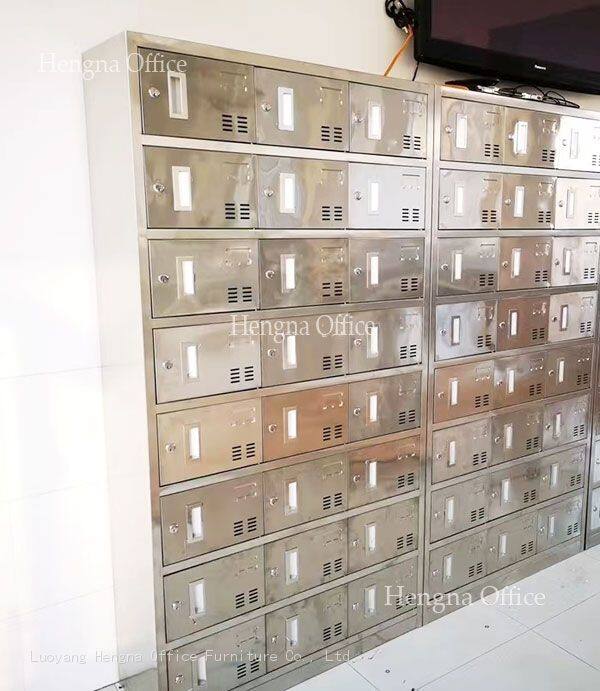
Another common issue is using the wrong locker type for the application.
For example:
Using light-duty lockers in factories
Using indoor lockers in humid areas
Using non-hygienic designs in hospitals
Even high-quality lockers can fail if they are placed in unsuitable environments.
Long-lasting lockers are selected based on:
Usage frequency
Humidity and temperature
Hygiene requirements
Matching the locker to the environment is critical.
Mistake #6: Chasing Low Price Instead of Lifecycle Cost
Many early failures happen because buyers focus only on the initial price.
Cheap lockers often lead to:
Frequent repairs
Early replacement
Higher long-term costs
Lockers that last 10 years may cost more upfront, but they:
Require less maintenance
Reduce downtime
Lower total ownership cost
Smart buyers evaluate lifecycle cost, not just purchase price.
What Long-Lasting Stainless Steel Lockers Have in Common
Lockers that survive 10 years usually share these features:
High-grade stainless steel
Proper material thickness
Strong hinges and locks
Clean welding and assembly
Ventilation design
Fit-for-purpose application
These are not luxury features—they are essential for durability.
How to Avoid Early Locker Failure
Before purchasing stainless steel lockers, ask:
What grade of stainless steel is used?
How thick are the doors and frames?
Are lockers ventilated?
Is the manufacturer experienced in your industry?
These questions help you avoid costly mistakes.
Conclusion
If your stainless steel locker fails early, the problem is rarely the material alone—it is the quality behind the material.
The difference between a locker that lasts 3 years and one that lasts 10 years lies in design, manufacturing, and correct application.
Choosing the right stainless steel locker from the beginning is not just about durability—it is about long-term value, safety, and peace of mind.

Recently Posted
-
Why Water Park Lockers Always Rust — and the Practical Logic Behind Switching to ABS Waterproof Stor
April 29, 2026Run a water park, and you've probably seen this: metal lockers installed last year are already showing it. Hinges that stick,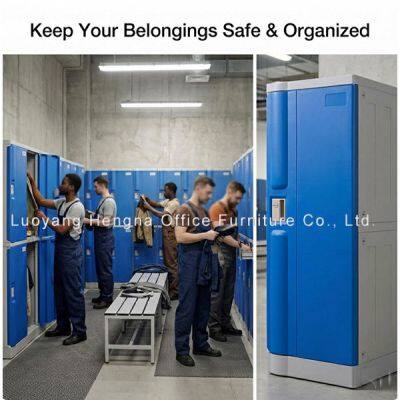 Read More
 -
How to Choose ESD Workbenches for Bulk Order: A Procurement Guide to Quality, MOQ and Lead Time
April 20, 2026Buying one ESD workbench is simple. You find a supplier, pay the invoice, receive the unit, plug it in.Buying 50 — or 500 — is a d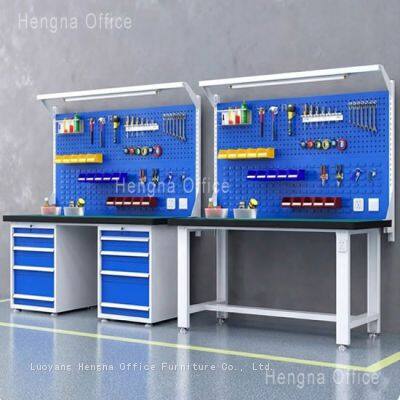 Read More
 -
ESD Workstation Audit Checklist: What Inspectors Actually Look For in Labs and Electronics Manufactu
April 20, 2026If your ESD workstation fails an audit, the consequences go beyond a failed inspection report. It means your production line stops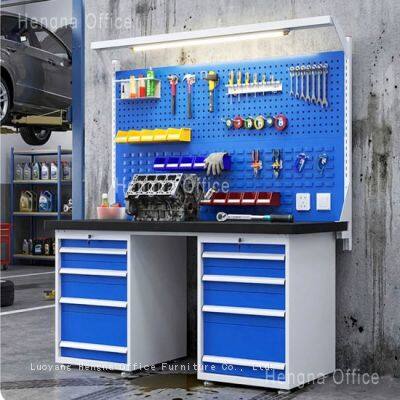 Read More
 -
Why Your ESD Workstation Keeps Failing: Root Causes and Practical Fixes for Industrial Settings
April 20, 2026ESD workstations are supposed to eliminate static discharge risk in sensitive manufacturing environments. But if your equipment ke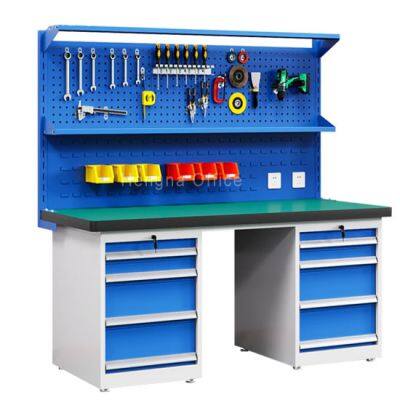 Read More

Contact Us
Recommended Products
-
 Industrial-Grade ABS Plastic Locker for Factory Staff and Warehouse Workers|Hengna OfficeUS$ 19 - 100MOQ: 5 Sets
 -
Outdoor ABS Locker Cabinet – UV-Resistant Plastic Storage for Poolside or Beach Resorts-Hengna OfficeUS$ 19 - 100MOQ: 5 Sets
-
45 Gallon Explosion-Proof Flammable Liquid Storage Cabinet – Fire-Resistant Steel Safety Cabinet for FactoriesUS$ 68 - 400MOQ: 2 Combos
-
Flammable Storage Cabinet for Flammable Liquids – OSHA Certified Safety Cabinet With Fireproof Double WallsUS$ 68 - 400MOQ: 2 Combos
-
Large Capacity Flammable Liquid Storage Cabinet – Explosion-Proof Safety Cabinet for Laboratory & Workshop UseUS$ 68 - 400MOQ: 2 Combos
-
Heavy Duty Steel Tool Cart With Drawers for Workshops|Hengna OfficeUS$ 99 - 269MOQ: 2 Cases
-
Wholesale 3-Drawer Tool Trolley With Wheels for Factory and Garage StorageUS$ 99 - 269MOQ: 2 Cases
-
HN-wlj160 Industrial Rolling Tool Organizer With Pegboard|All-in-One Mobile Tool Storage CartUS$ 5 - 120MOQ: 2 Cases
-
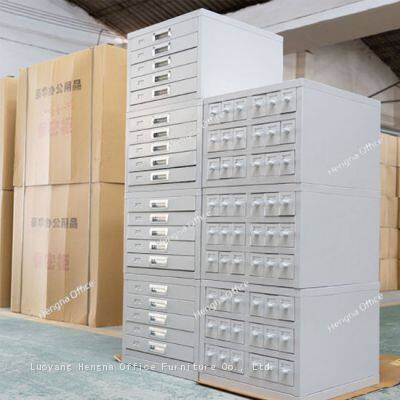
White Stackable Pathology Wax Block Storage Drawers for Labs Near London-Hengna OfficeNegotiableMOQ: 10 Pieces
-
Custom Paraffin Block Storage Cabinet for Histology Laboratories – Factory Direct From Hengna FurnitureNegotiableMOQ: 10 Pieces
-
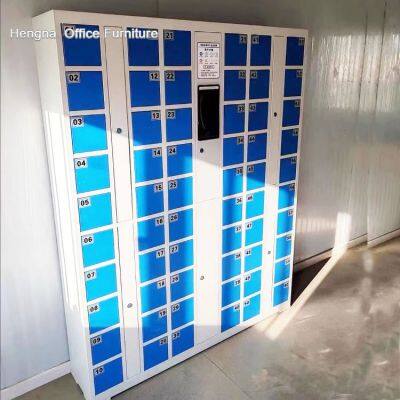
Smart Phone Charging Locker 40-door|Fingerprint Lockers Intelligent Parcel Delivery CabinetUS$ 203 - 750MOQ: 15 Pieces
-
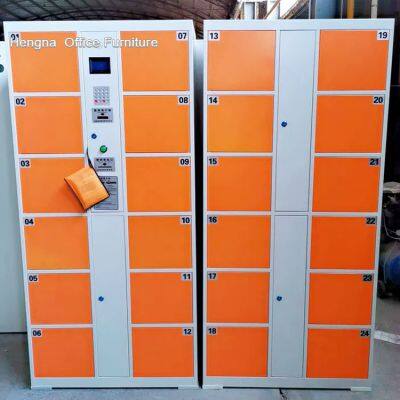
School Gym Lockers Price |Parcel Delivery Storage Locker 12-door FactoryUS$ 203 - 750MOQ: 15 Pieces
-
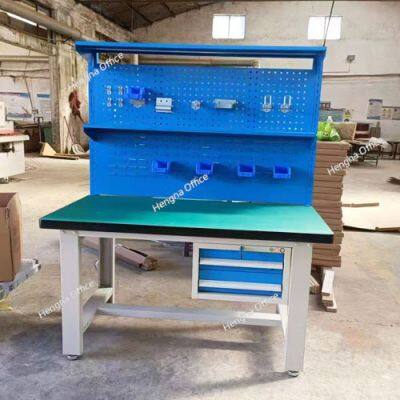
Multi Metal Work Benches Electrical Workshop Workbench|US$ 300 - 800MOQ: 2 Cases
-
Commercial Workbench Supplier |Multi Metal Work Bench With Drawers OMDUS$ 300 - 800MOQ: 2 Cases
-
Pathological Ection Cabinet JTGZ062 Wax Block Cabinet for LaboratoryNegotiableMOQ: 10 Pieces
-
Durable Tool Storage in Factory HNGJ703 Hard Wearing Metal Industrial Tool ChestNegotiableMOQ: 18 Pieces
-
High - Quality CNC Workshop Tool Cabinet Heavyweight Workshop Tool OrganizerNegotiableMOQ: 10 Pieces
-
Laboratory Polyethylene Acid and Corrosive Chemicals Safety Storage PP CabinetUS$ 340 - 600MOQ: 5 Combos
-
22 Gallons /80 L PP Acid - Base Cabinet: Safeguard Chemical Storage Supplier OEMUS$ 500 - 600MOQ: 5 Combos
-
4 - Gallon Corrosion-resistant Safety Cabinet for Hazardous Chemicals Acid SupplierUS$ 340 - 500MOQ: 5 Combos