
 Business License
The Ultimate Checklist: Features, Sizes & Picks for Every Industrial Locker Need
Choosing the right industrial locker is more than a simple purchasing decision. In factories, warehouses, logistics centers, and production facilities, lockers are used every day, often under harsh conditions. A poor choice can lead to rust, odors, frequent repairs, and unhappy employees. This ultimate checklist will help you select the right industrial locker based on features, sizes, and real-world usage needs.
Why Industrial Lockers Need a Checklist
Industrial environments are demanding. Lockers must handle:
Heavy daily use
Humidity, dust, or chemicals
Wet or dirty workwear
Long service life expectations
Without a checklist, buyers often focus only on price and overlook critical performance factors that affect long-term cost.
1.Material: The Foundation of Every Industrial Locker
The first and most important decision is material selection.
Common Materials Used
Painted steel
Galvanized steel
Stainless steel
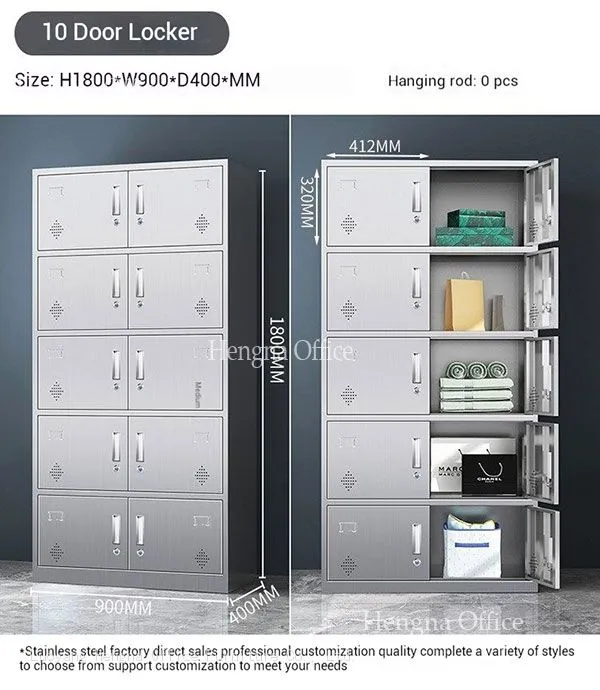
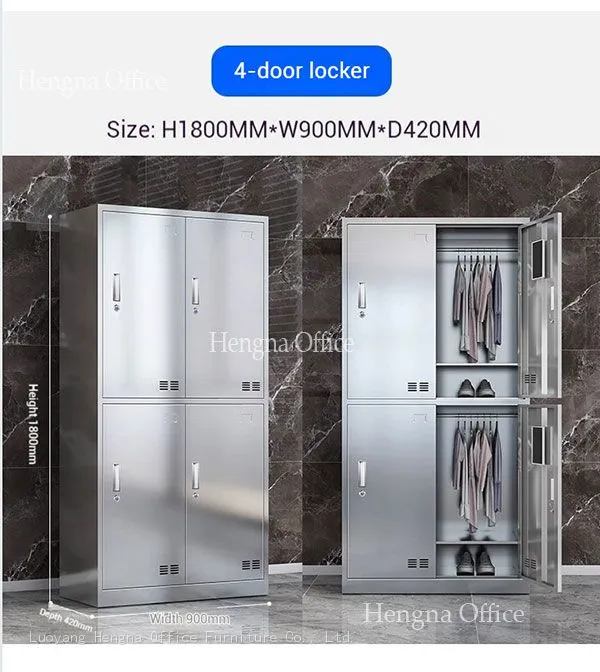
For most industrial applications, stainless steel lockers offer the best balance of durability, hygiene, and lifespan.
Why Stainless Steel Stands Out
Excellent corrosion resistance
Does not peel or rust
Easy to clean and sanitize
Suitable for humid or dirty environments
This makes stainless steel ideal for factories, workshops, and logistics facilities.
2. Locker Structure & Door Configuration
Industrial lockers come in multiple layouts depending on employee needs.
Popular Configurations
Single-door lockers (full-height storage)
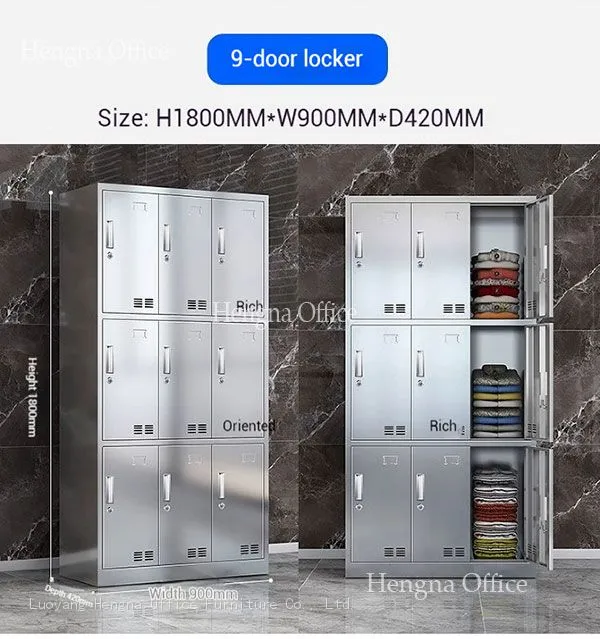
Multi-door lockers (2, 4, 6, or more compartments)
Combination storage (hanging + shelf)
Choose based on:
Number of employees
Items stored (uniforms, PPE, tools)
Available floor space
Multi-door lockers are space-efficient, while single-door lockers are better for full uniforms and safety gear.
3. Ventilation: Often Ignored, Always Important
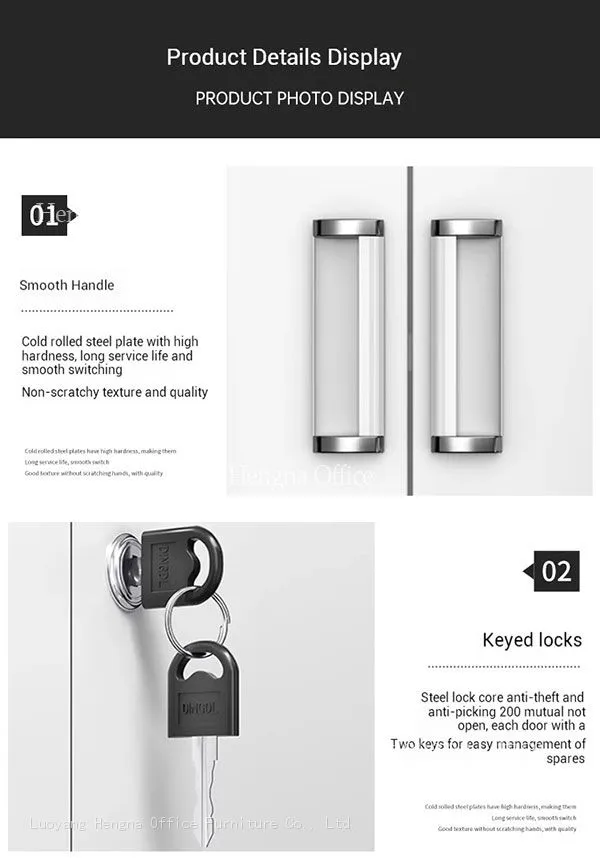
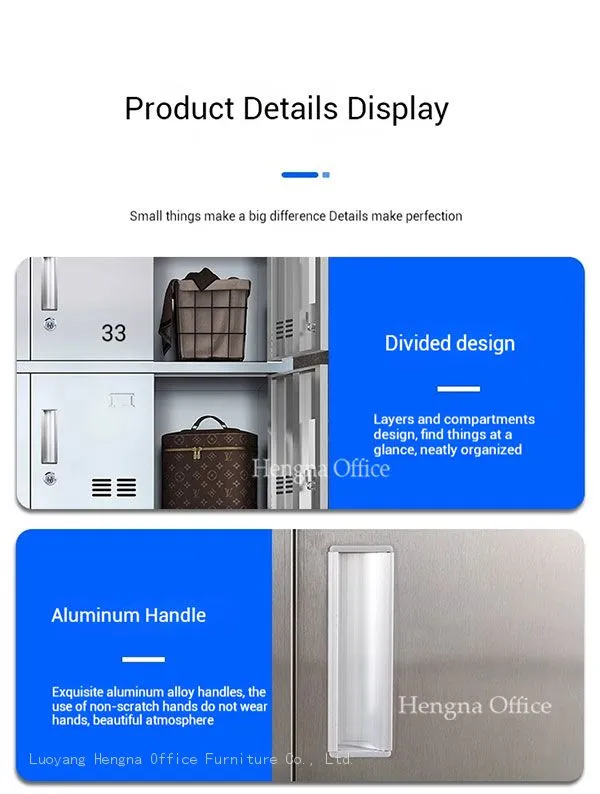
One of the most overlooked features is ventilation.
Why Ventilation Matters
Prevents odor buildup
Reduces moisture inside lockers
Improves hygiene and comfort
Ventilation holes or slots allow airflow, especially important when storing:
Workwear
Shoes
Protective equipment
In industrial environments, ventilated lockers are not optional—they are essential.
4. Size & Dimensions: Fit the Space, Not Just the Budget
Industrial locker sizes should be chosen based on real measurements, not estimates.
Key Questions to Ask
How much floor space is available?
Will lockers be placed against walls or back-to-back?
Are aisles wide enough for door opening?
Typical dimensions vary by manufacturer, but customization is often available for large projects.
5. Locking Systems & Security
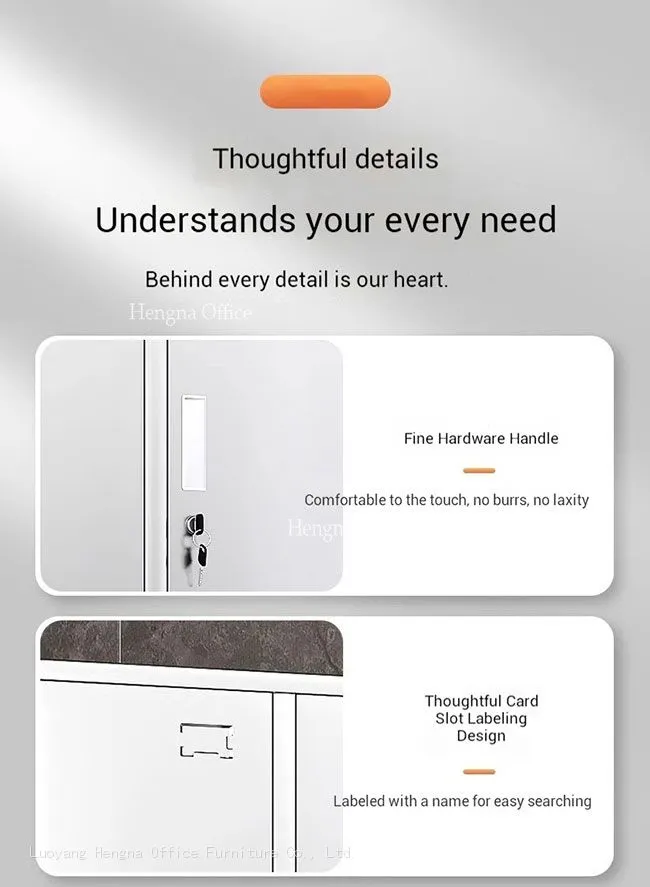
Employee lockers must offer secure storage.
Common Lock Options
Key locks
Padlock-ready handles
Mechanical combination locks
Electronic or smart locks
For most industrial projects, simple and durable locking systems are preferred to reduce maintenance issues.
6. Hygiene & Maintenance Requirements
In industrial settings, lockers are exposed to dirt, sweat, and chemicals.
What to Look For
Smooth surfaces
No sharp edges or cracks
Easy-to-clean interiors
Stainless steel lockers are especially suitable because they do not absorb moisture or odors and can be cleaned frequently without damage.
7. Compliance & Safety Considerations
Depending on your industry, lockers may need to meet:
Workplace safety regulations
Hygiene standards
Fire or chemical storage guidelines
Always confirm compliance requirements before final selection.
8. Customization for Industrial Projects
Large industrial projects often require customization.
Custom Options May Include
Locker size and layout
Number of compartments
Lock type
Label holders or nameplates
OEM and ODM services are especially useful for factories, warehouses, and corporate projects.
Quick Industrial Locker Checklist
| Item | Check |
|---|---|
| Durable material (preferably stainless steel) | ✔ |
| Proper ventilation | ✔ |
| Suitable size and layout | ✔ |
| Secure locking system | ✔ |
| Easy cleaning & maintenance | ✔ |
| Customization availability | ✔ |
Final Thoughts
The right industrial locker improves organization, hygiene, and employee satisfaction while reducing long-term maintenance costs. By following this checklist and choosing durable, well-designed lockers, businesses can make a smart, long-term investment instead of a short-term fix.
For factories, warehouses, and industrial facilities, a well-chosen locker is part of efficient operations, not just storage furniture.

Recently Posted
-
Stainless Steel Shelving for Breweries and Wineries — What Survives Humidity, Alcohol Spills
July 24, 2026Stainless Steel Shelving for Breweries and Wineries — What Survives Humidity, Alcohol Spills, and Sanitizer Washdowns Three t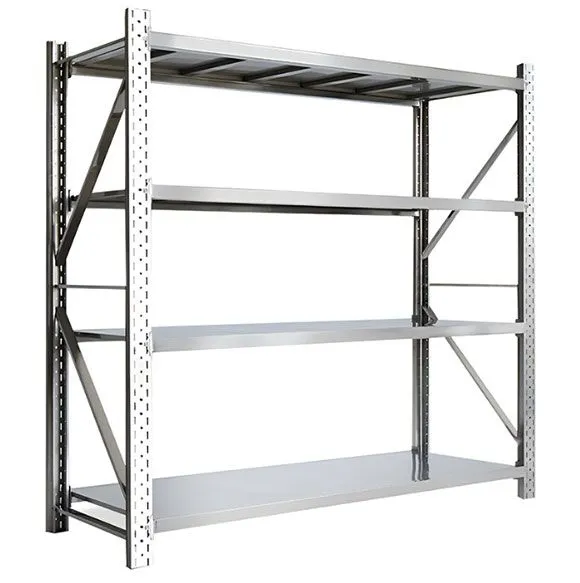 Read More
 -
Stainless Steel Shelving for Meat Processing Plants — What Holds Up Against Blood, Fat, and Daily Wa
July 24, 2026Meat plants are brutal on shelvingIf you work in a meat processing plant, you already know this. The rack that looked fine s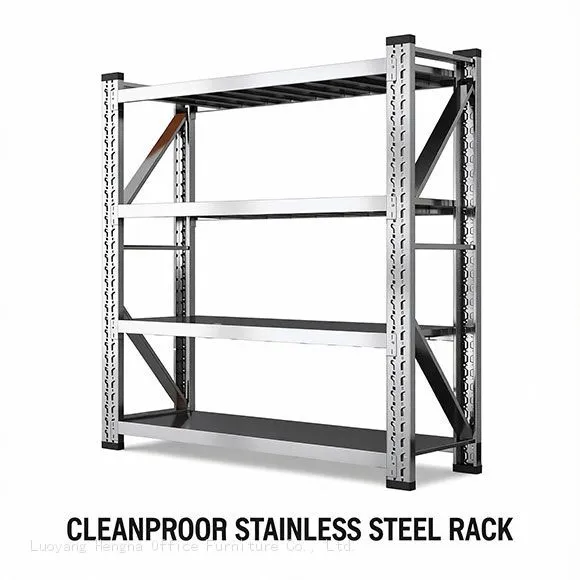 Read More
 -
0.6mm Steel Wardrobe vs 0.4mm — Why Cold-Rolled Single Door Metal Closet Lasts Longer
July 10, 2026The 0.2mm That Decides Whether You Buy One Wardrobe or ThreeTwo wardrobes look identical on a supplier's photo. Same door, sam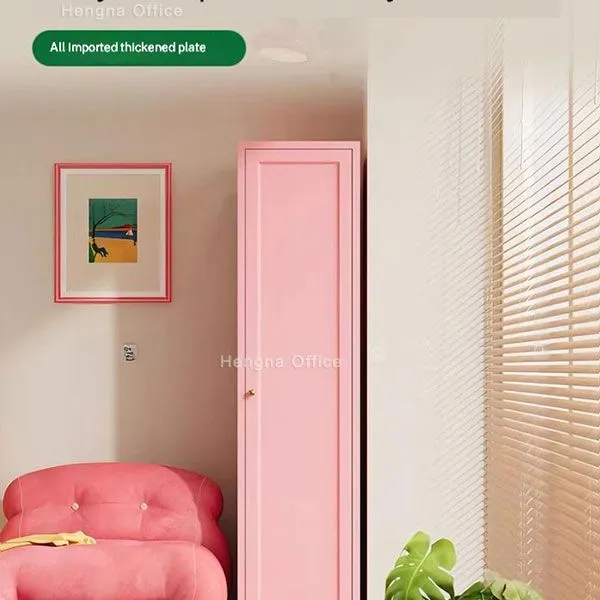 Read More
 -
Heavy Duty Tool Cabinet with Locks for School Shop: Stop Tool Theft Before It Happens
July 9, 2026A vocational school workshop isn't like a factory floor. The tools aren't being used by seasoned machinists who know where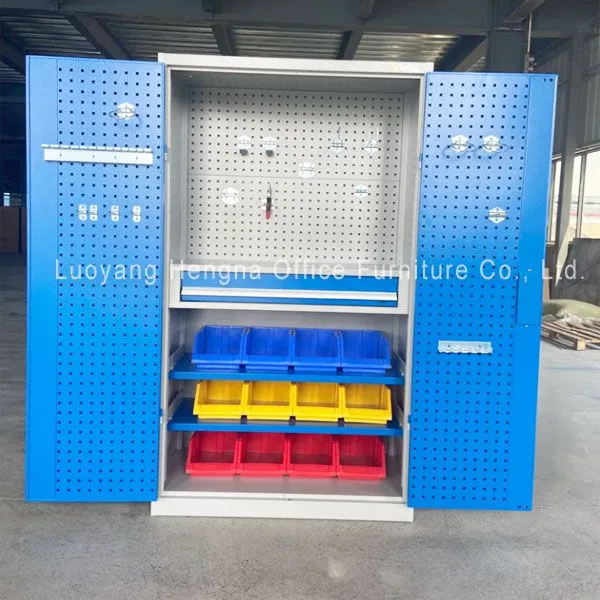 Read More

Contact Us
Recommended Products
-
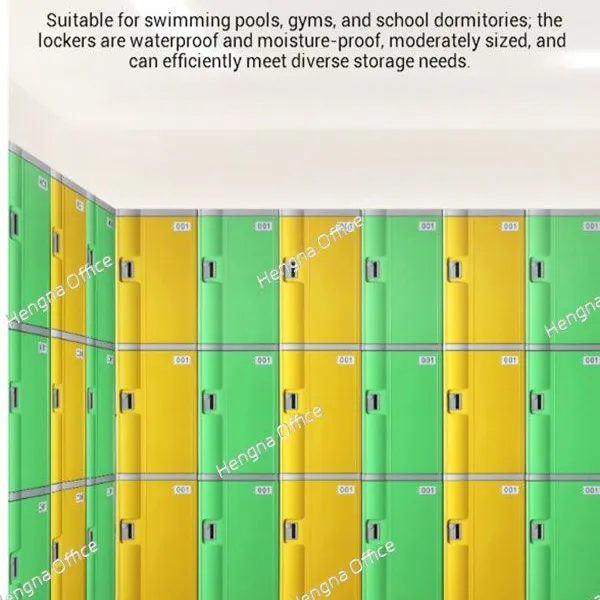
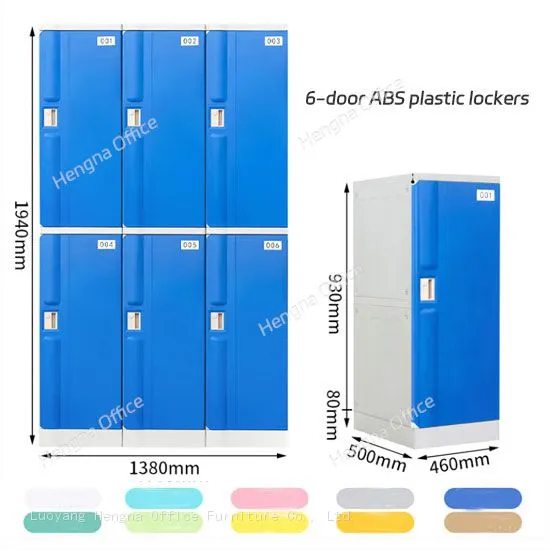
 Industrial-Grade ABS Plastic Locker for Factory Staff and Warehouse Workers|Hengna OfficeUS$ 19 - 100MOQ: 5 Sets
 -
Outdoor ABS Locker Cabinet – UV-Resistant Plastic Storage for Poolside or Beach Resorts-Hengna OfficeUS$ 19 - 100MOQ: 5 Sets
-
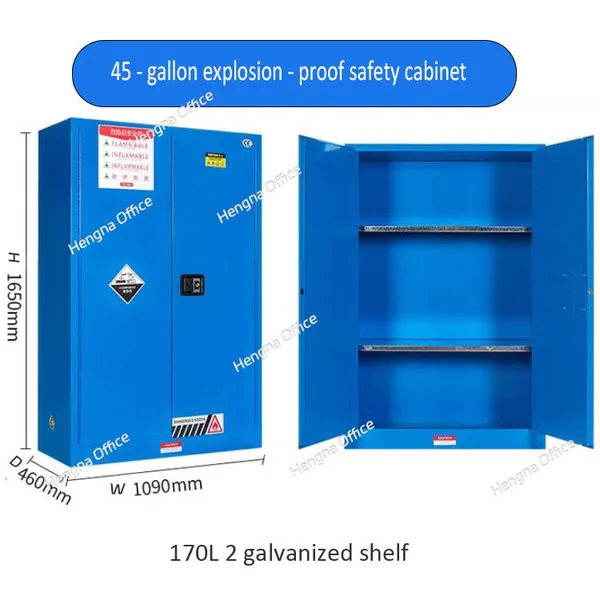
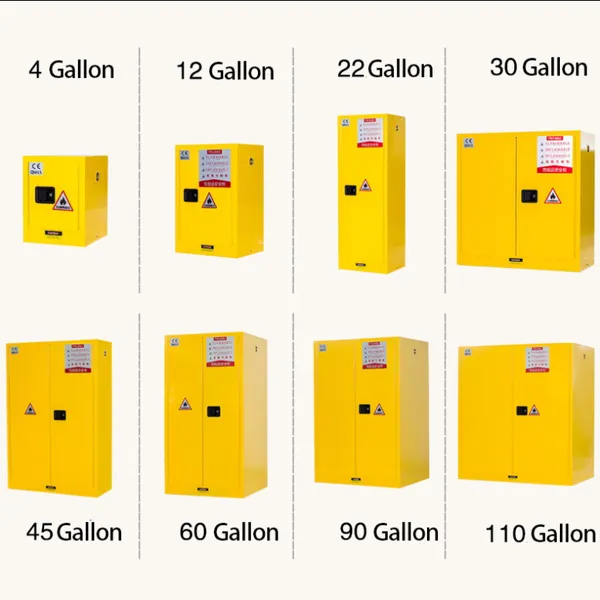
45 Gallon Explosion-Proof Flammable Liquid Storage Cabinet – Fire-Resistant Steel Safety Cabinet for FactoriesUS$ 68 - 400MOQ: 2 Combos
-
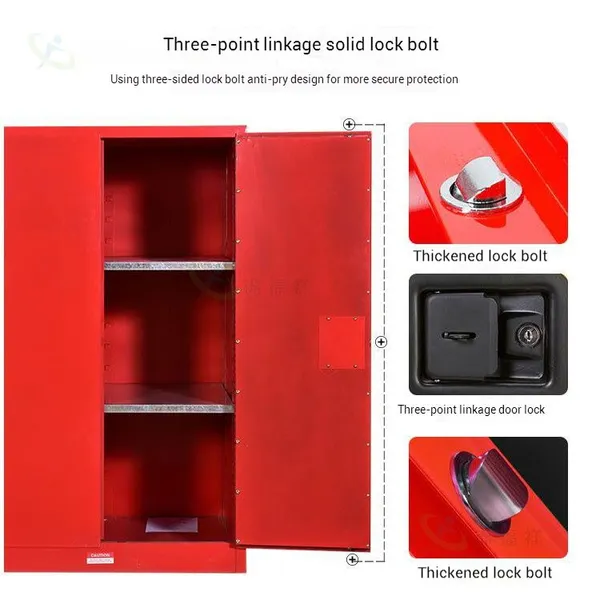
Flammable Storage Cabinet for Flammable Liquids – OSHA Certified Safety Cabinet With Fireproof Double WallsUS$ 68 - 400MOQ: 2 Combos
-
Large Capacity Flammable Liquid Storage Cabinet – Explosion-Proof Safety Cabinet for Laboratory & Workshop UseUS$ 68 - 400MOQ: 2 Combos
-
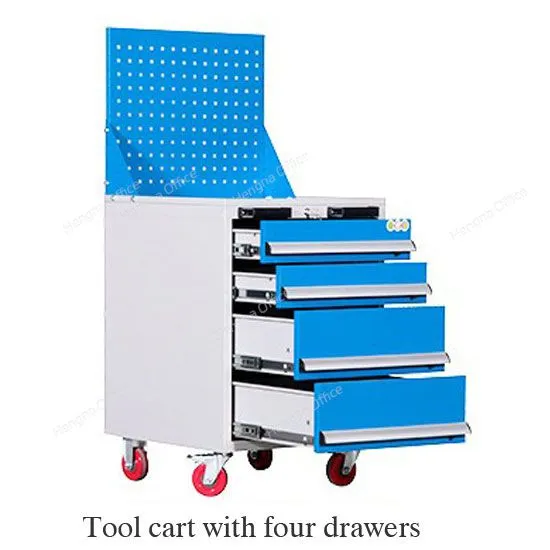
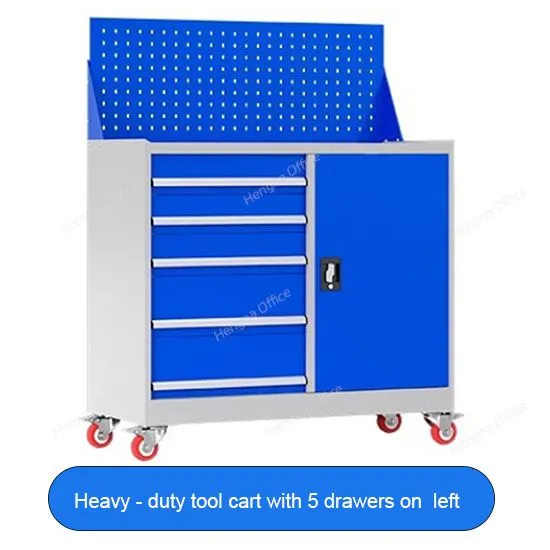
Heavy Duty Steel Tool Cart With Drawers for Workshops|Hengna OfficeUS$ 99 - 269MOQ: 2 Cases
-
Wholesale 3-Drawer Tool Trolley With Wheels for Factory and Garage StorageUS$ 99 - 269MOQ: 2 Cases
-
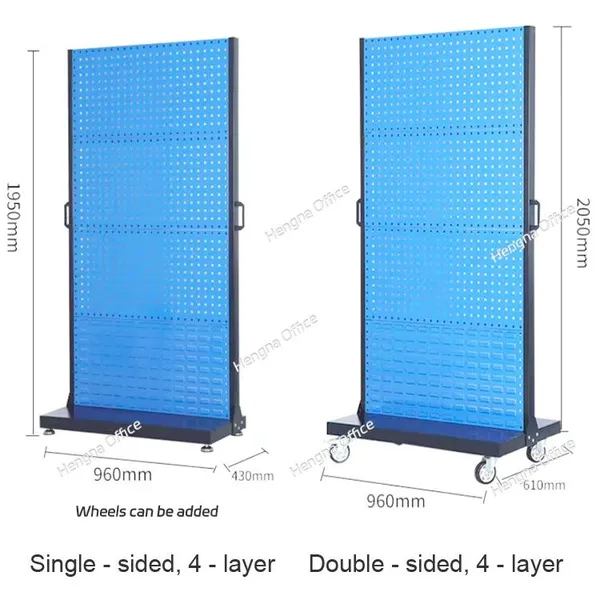
HN-wlj160 Industrial Rolling Tool Organizer With Pegboard|All-in-One Mobile Tool Storage CartUS$ 5 - 120MOQ: 2 Cases
-
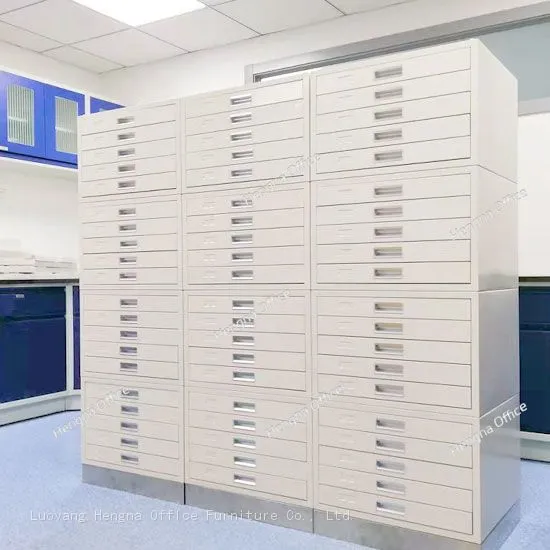
White Stackable Pathology Wax Block Storage Drawers for Labs Near London-Hengna OfficeNegotiableMOQ: 10 Pieces
-
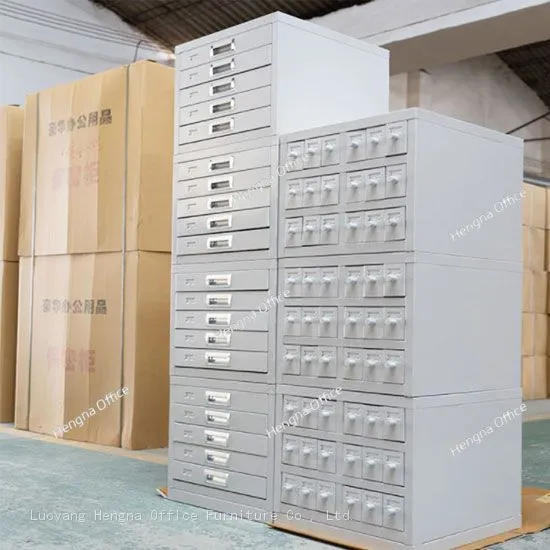
Custom Paraffin Block Storage Cabinet for Histology Laboratories – Factory Direct From Hengna FurnitureNegotiableMOQ: 10 Pieces
-
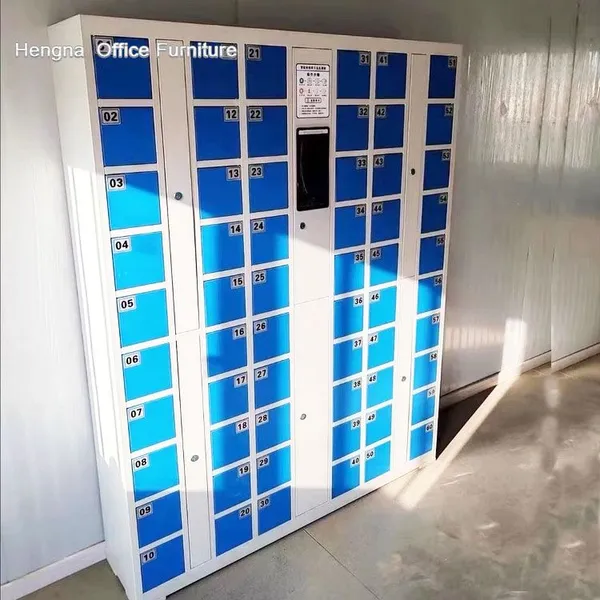
Smart Phone Charging Locker 40-door|Fingerprint Lockers Intelligent Parcel Delivery CabinetUS$ 203 - 750MOQ: 15 Pieces
-
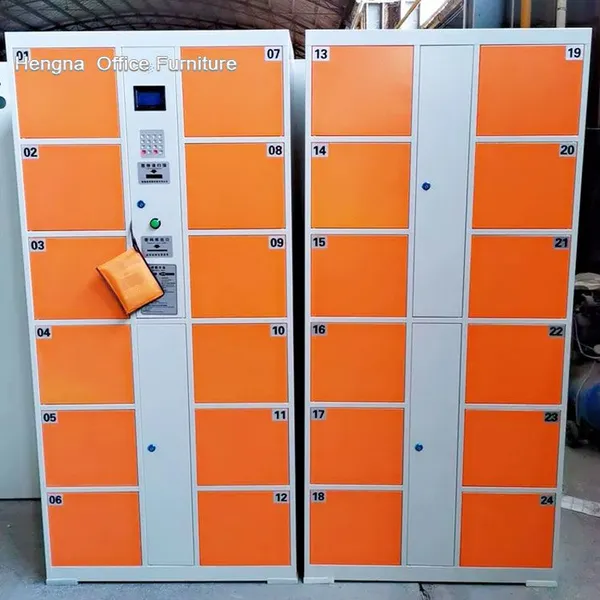
School Gym Lockers Price |Parcel Delivery Storage Locker 12-door FactoryUS$ 203 - 750MOQ: 15 Pieces
-
Multi Metal Work Benches Electrical Workshop Workbench|US$ 300 - 800MOQ: 2 Cases
-
Commercial Workbench Supplier |Multi Metal Work Bench With Drawers OMDUS$ 300 - 800MOQ: 2 Cases
-
Pathological Ection Cabinet JTGZ062 Wax Block Cabinet for LaboratoryNegotiableMOQ: 10 Pieces
-
Durable Tool Storage in Factory HNGJ703 Hard Wearing Metal Industrial Tool ChestNegotiableMOQ: 18 Pieces
-
High - Quality CNC Workshop Tool Cabinet Heavyweight Workshop Tool OrganizerNegotiableMOQ: 10 Pieces
-
Laboratory Polyethylene Acid and Corrosive Chemicals Safety Storage PP CabinetUS$ 340 - 600MOQ: 5 Combos
-
22 Gallons /80 L PP Acid - Base Cabinet: Safeguard Chemical Storage Supplier OEMUS$ 500 - 600MOQ: 5 Combos
-
4 - Gallon Corrosion-resistant Safety Cabinet for Hazardous Chemicals Acid SupplierUS$ 340 - 500MOQ: 5 Combos