
 Business License

Five Safety Mistakes to Avoid When Using Explosion-Proof Cabinets:Follow These Rules for Protection
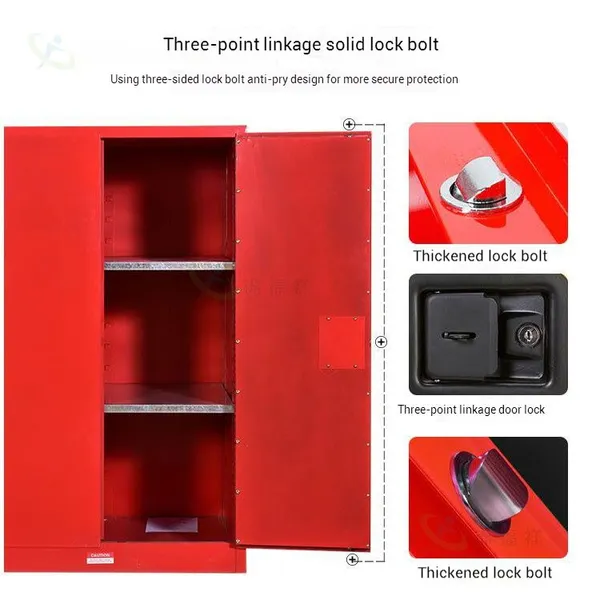
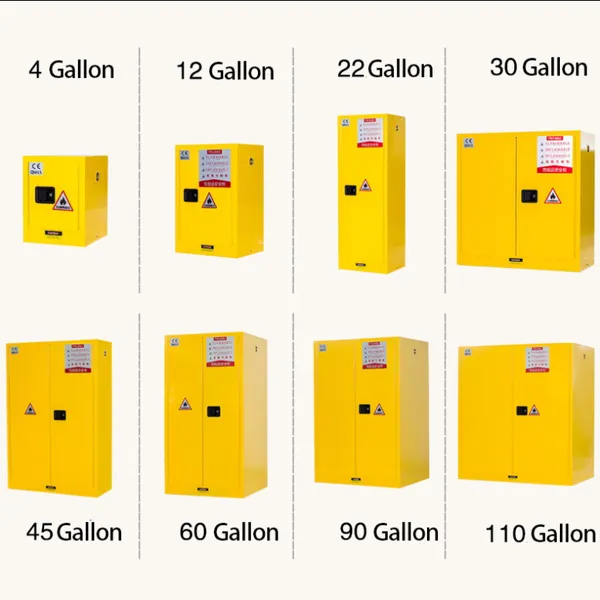
Explosion-proof cabinets are indispensable in industries that store hazardous chemicals, but they must be used correctly to ensure they work effectively. Here are the five major safety mistakes that people commonly make when using these cabinets, and how to avoid them.
1. Storing Incorrect Chemicals Together
One of the most dangerous mistakes is mixing incompatible chemicals in the same cabinet. Even though explosion-proof cabinets are designed for safety, some chemicals should never be stored together due to the risk of reactions. Always separate flammable liquids, corrosive chemicals, and other hazardous materials according to their compatibility.
2. Overloading the Cabinet
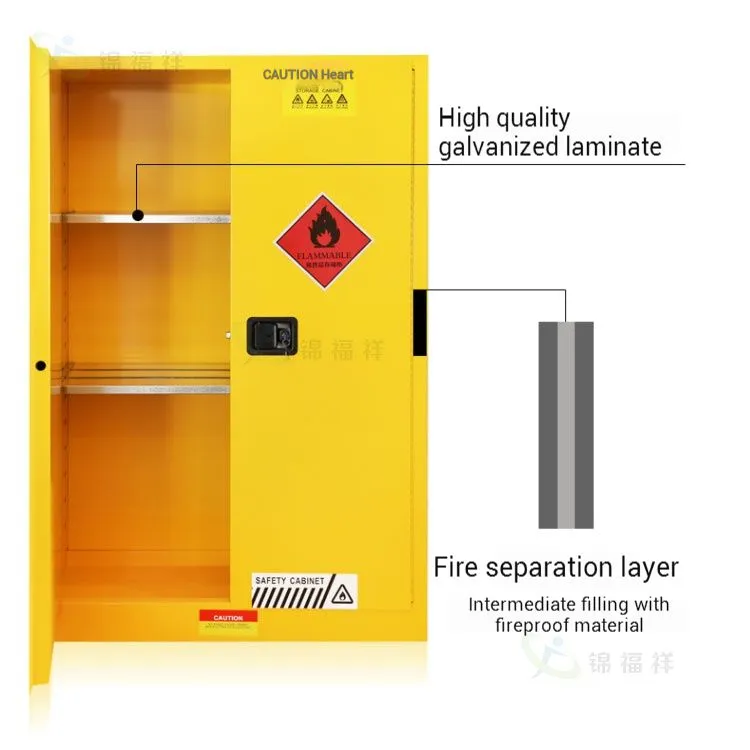
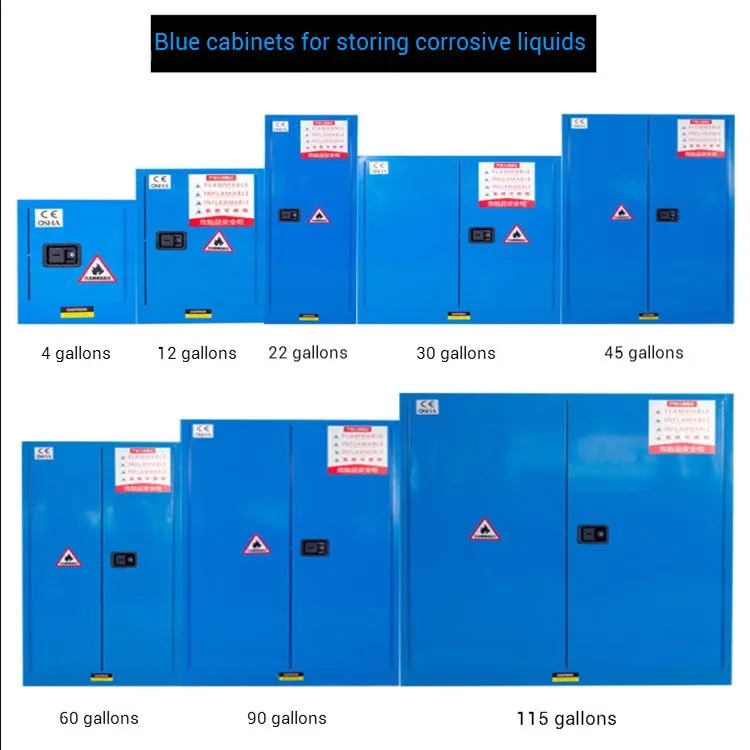
Explosion-proof cabinets have specific weight limits and storage capacities. Overloading the cabinet can compromise its structural integrity and prevent it from performing its protective function. Always check the manufacturer’s guidelines for load limits and ensure you do not exceed them.
3. Neglecting to Regularly Inspect the Cabinet
Even the most durable cabinets need regular maintenance. Failure to inspect the cabinet for signs of wear and tear, such as rust or structural damage, could lead to unsafe storage conditions. Regularly inspect the cabinet’s seals, vents, and structure to ensure it’s in proper working condition.
4. Ignoring Ventilation Requirements
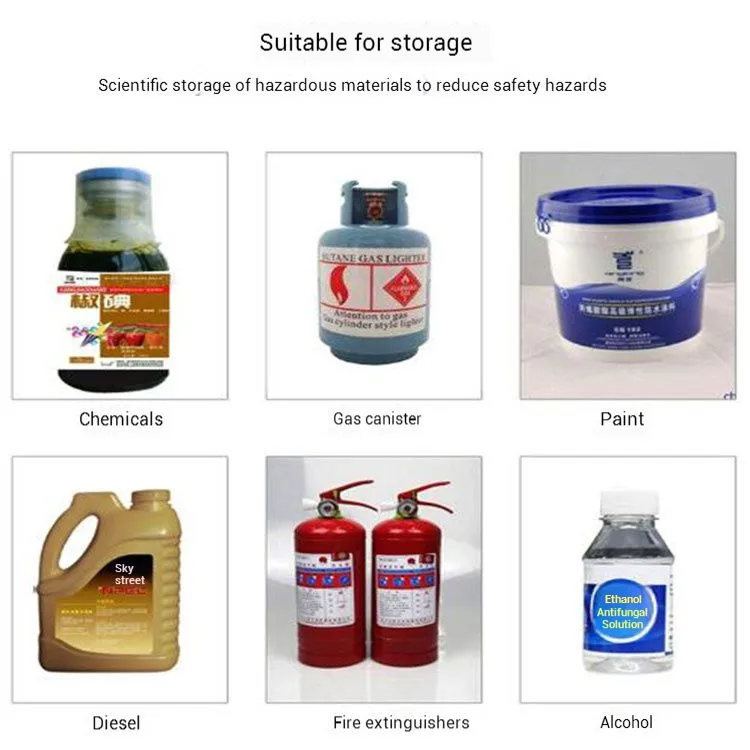
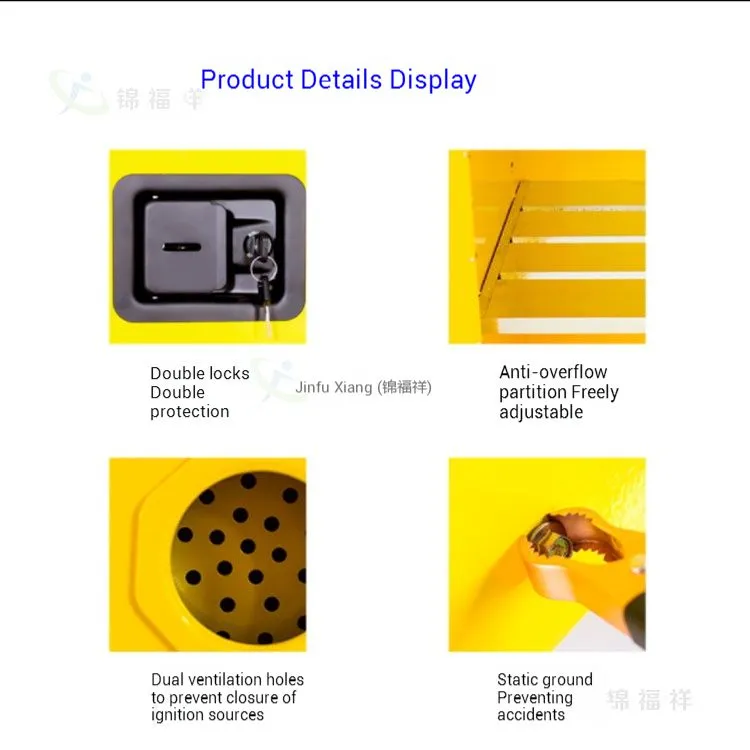
Explosion-proof cabinets are designed with ventilation systems to safely expel harmful vapors. Blocking or obstructing ventilation holes can cause the build-up of toxic or flammable gases, increasing the risk of explosion. Ensure that the vents are unobstructed and properly connected to an external ventilation system.
5. Forgetting About Proper Grounding
When handling flammable chemicals, static electricity can pose a serious risk. Without proper grounding, static charges can build up and create sparks. Always connect the cabinet to a grounding system to safely discharge any static electricity.
Conclusion: Always Prioritize Safety
By avoiding these five critical mistakes and following best practices, you can ensure that your explosion-proof cabinet functions at its highest capacity, providing maximum safety for your workplace. Proper use of explosion-proof cabinets not only protects your employees and chemicals but also ensures compliance with safety regulations.

Recently Posted
-
Stainless Steel Shelving for Breweries and Wineries — What Survives Humidity, Alcohol Spills
July 24, 2026Stainless Steel Shelving for Breweries and Wineries — What Survives Humidity, Alcohol Spills, and Sanitizer Washdowns Three t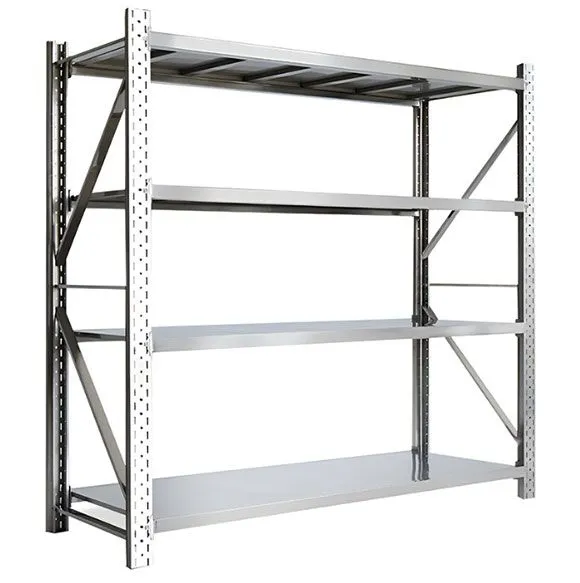 Read More
 -
Stainless Steel Shelving for Meat Processing Plants — What Holds Up Against Blood, Fat, and Daily Wa
July 24, 2026Meat plants are brutal on shelvingIf you work in a meat processing plant, you already know this. The rack that looked fine s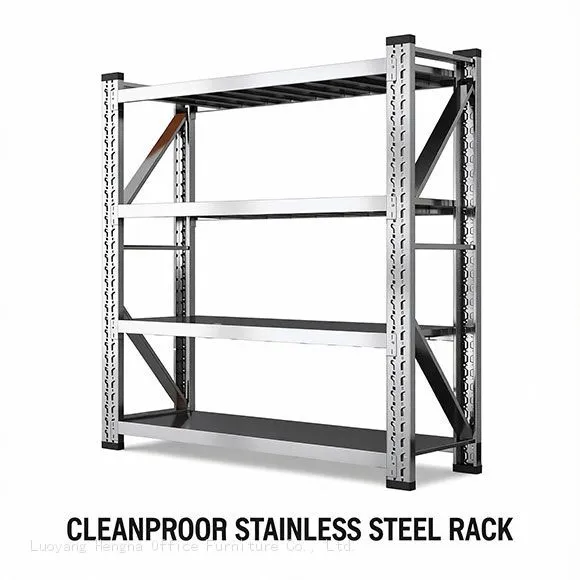 Read More
 -
0.6mm Steel Wardrobe vs 0.4mm — Why Cold-Rolled Single Door Metal Closet Lasts Longer
July 10, 2026The 0.2mm That Decides Whether You Buy One Wardrobe or ThreeTwo wardrobes look identical on a supplier's photo. Same door, sam Read More
 -
Heavy Duty Tool Cabinet with Locks for School Shop: Stop Tool Theft Before It Happens
July 9, 2026A vocational school workshop isn't like a factory floor. The tools aren't being used by seasoned machinists who know where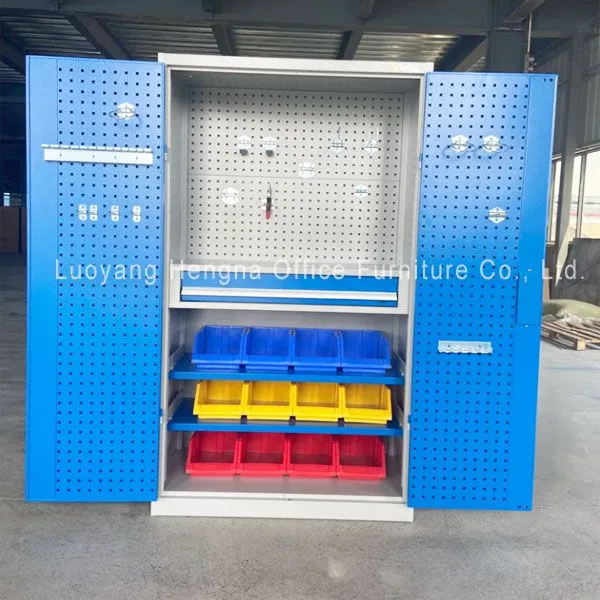 Read More

Contact Us
Recommended Products
-
 Industrial-Grade ABS Plastic Locker for Factory Staff and Warehouse Workers|Hengna OfficeUS$ 19 - 100MOQ: 5 Sets
 -
Outdoor ABS Locker Cabinet – UV-Resistant Plastic Storage for Poolside or Beach Resorts-Hengna OfficeUS$ 19 - 100MOQ: 5 Sets
-
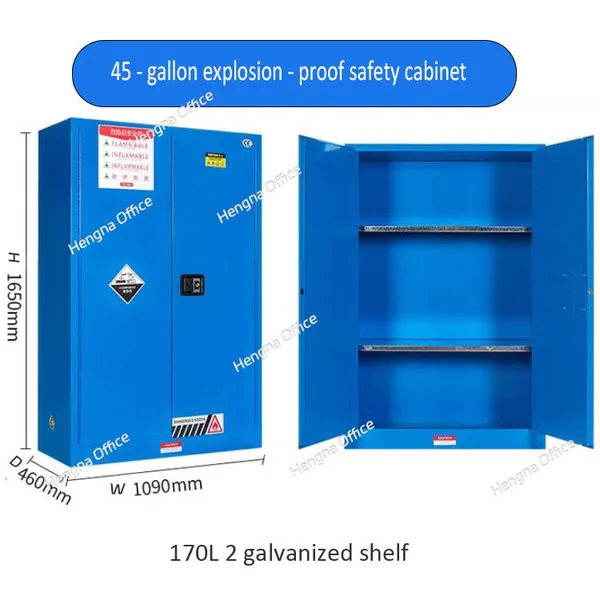
45 Gallon Explosion-Proof Flammable Liquid Storage Cabinet – Fire-Resistant Steel Safety Cabinet for FactoriesUS$ 68 - 400MOQ: 2 Combos
-
Flammable Storage Cabinet for Flammable Liquids – OSHA Certified Safety Cabinet With Fireproof Double WallsUS$ 68 - 400MOQ: 2 Combos
-
Large Capacity Flammable Liquid Storage Cabinet – Explosion-Proof Safety Cabinet for Laboratory & Workshop UseUS$ 68 - 400MOQ: 2 Combos

-
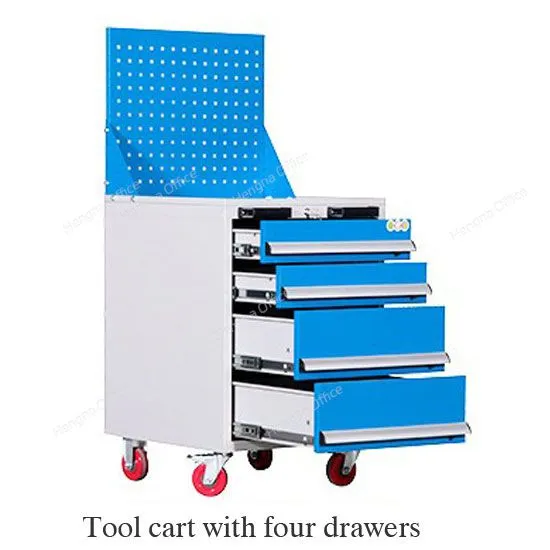
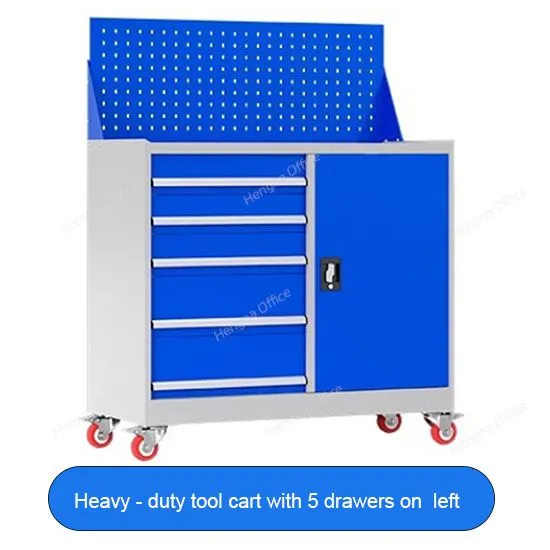
Heavy Duty Steel Tool Cart With Drawers for Workshops|Hengna OfficeUS$ 99 - 269MOQ: 2 Cases
-
Wholesale 3-Drawer Tool Trolley With Wheels for Factory and Garage StorageUS$ 99 - 269MOQ: 2 Cases
-
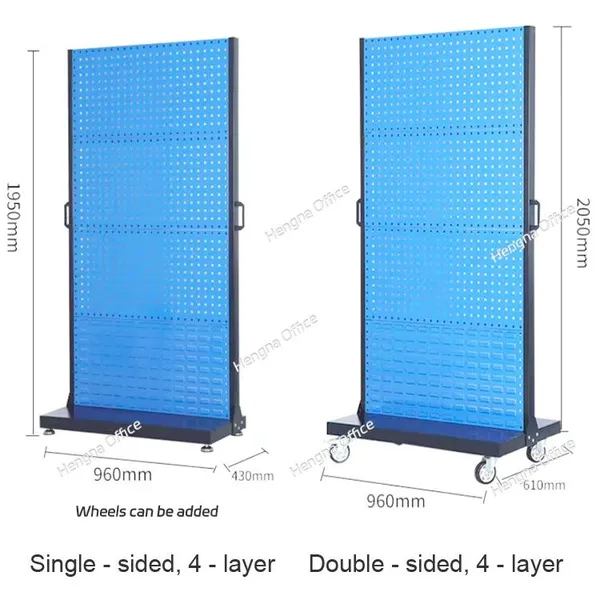
HN-wlj160 Industrial Rolling Tool Organizer With Pegboard|All-in-One Mobile Tool Storage CartUS$ 5 - 120MOQ: 2 Cases
-
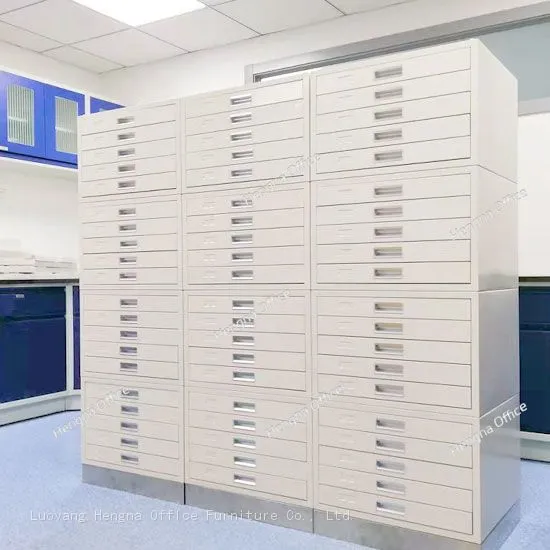
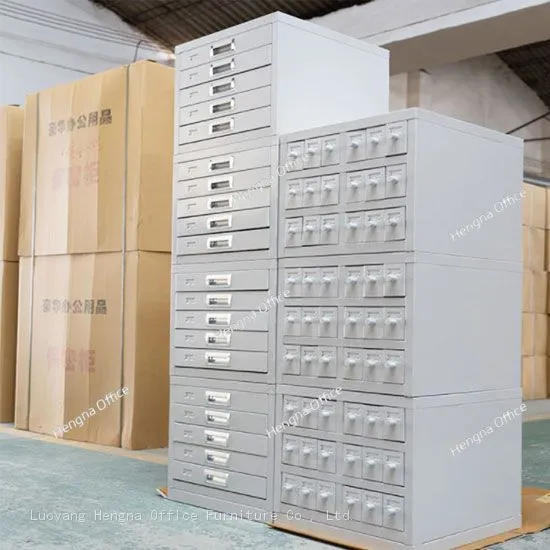
White Stackable Pathology Wax Block Storage Drawers for Labs Near London-Hengna OfficeNegotiableMOQ: 10 Pieces
-
Custom Paraffin Block Storage Cabinet for Histology Laboratories – Factory Direct From Hengna FurnitureNegotiableMOQ: 10 Pieces
-
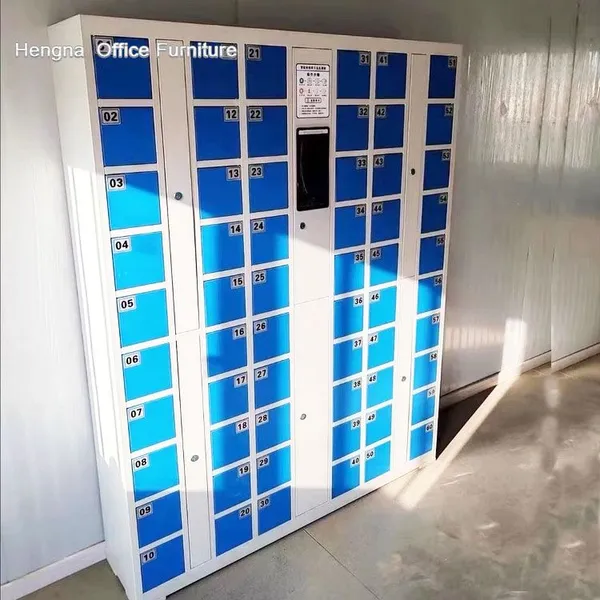
Smart Phone Charging Locker 40-door|Fingerprint Lockers Intelligent Parcel Delivery CabinetUS$ 203 - 750MOQ: 15 Pieces
-
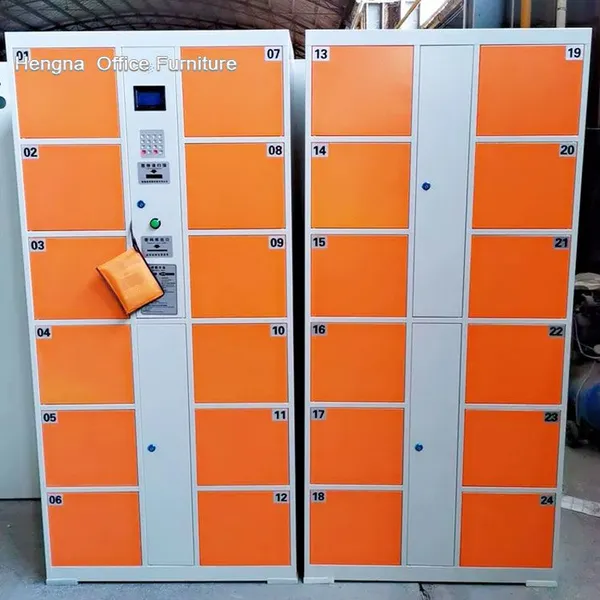
School Gym Lockers Price |Parcel Delivery Storage Locker 12-door FactoryUS$ 203 - 750MOQ: 15 Pieces
-
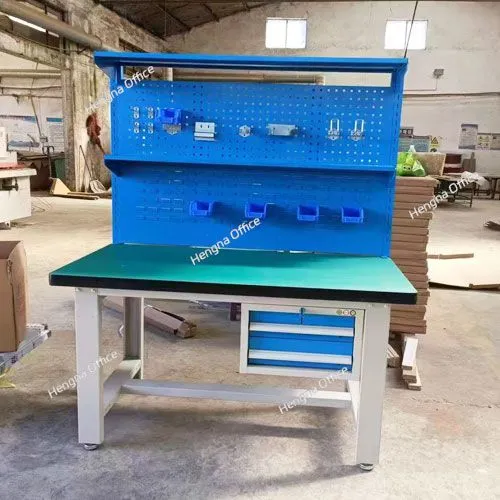
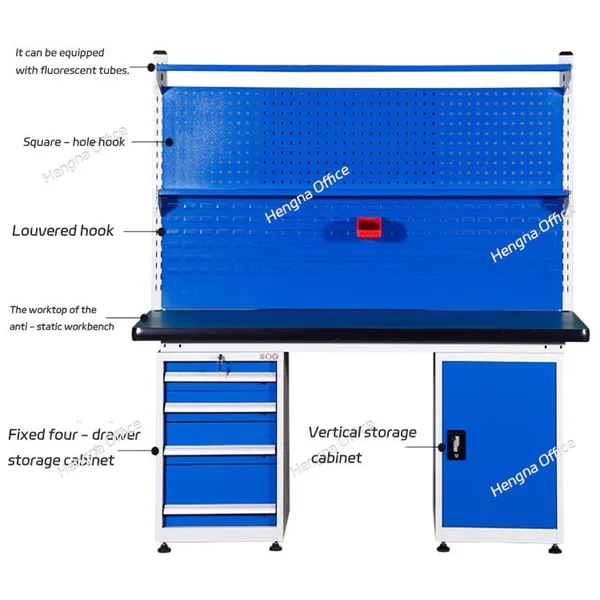
Multi Metal Work Benches Electrical Workshop Workbench|US$ 300 - 800MOQ: 2 Cases
-
Commercial Workbench Supplier |Multi Metal Work Bench With Drawers OMDUS$ 300 - 800MOQ: 2 Cases
-
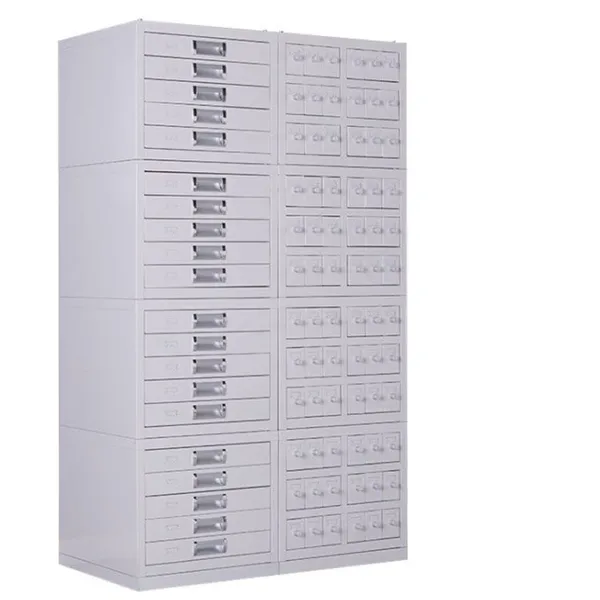
Pathological Ection Cabinet JTGZ062 Wax Block Cabinet for LaboratoryNegotiableMOQ: 10 Pieces
-
Durable Tool Storage in Factory HNGJ703 Hard Wearing Metal Industrial Tool ChestNegotiableMOQ: 18 Pieces
-
High - Quality CNC Workshop Tool Cabinet Heavyweight Workshop Tool OrganizerNegotiableMOQ: 10 Pieces
-
Laboratory Polyethylene Acid and Corrosive Chemicals Safety Storage PP CabinetUS$ 340 - 600MOQ: 5 Combos
-
22 Gallons /80 L PP Acid - Base Cabinet: Safeguard Chemical Storage Supplier OEMUS$ 500 - 600MOQ: 5 Combos
-
4 - Gallon Corrosion-resistant Safety Cabinet for Hazardous Chemicals Acid SupplierUS$ 340 - 500MOQ: 5 Combos