
 Business License

The Small Holes Are Key! Understanding the Role of Ventilation Holes and Fire-Blocking Mesh
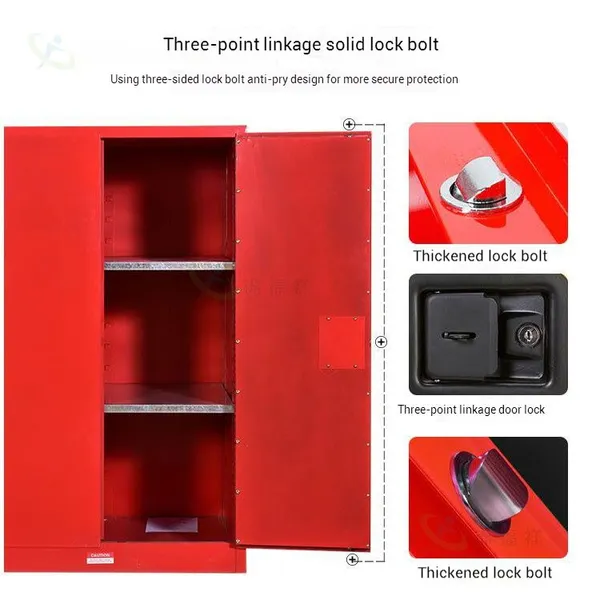
Explosion-proof cabinets are equipped with a series of specialized features designed to prevent disasters, but one feature that stands out is the small ventilation holes found on the cabinet’s exterior. These small yet crucial holes play a significant role in the cabinet’s overall safety.
In this post, we'll take a closer look at the ventilation holes and the fire-blocking mesh they contain, and why they are essential for protecting both your chemicals and personnel.
Why Are Ventilation Holes Necessary?
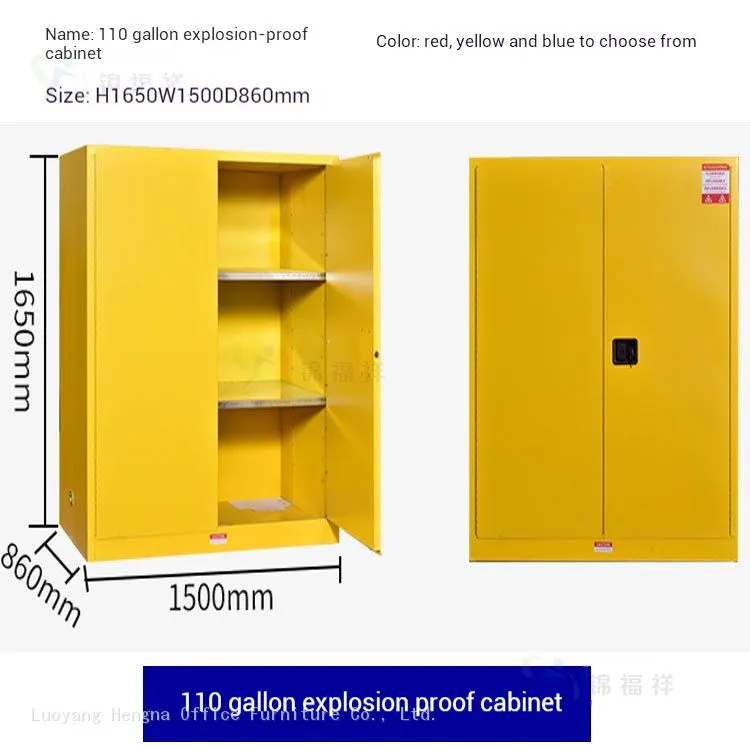
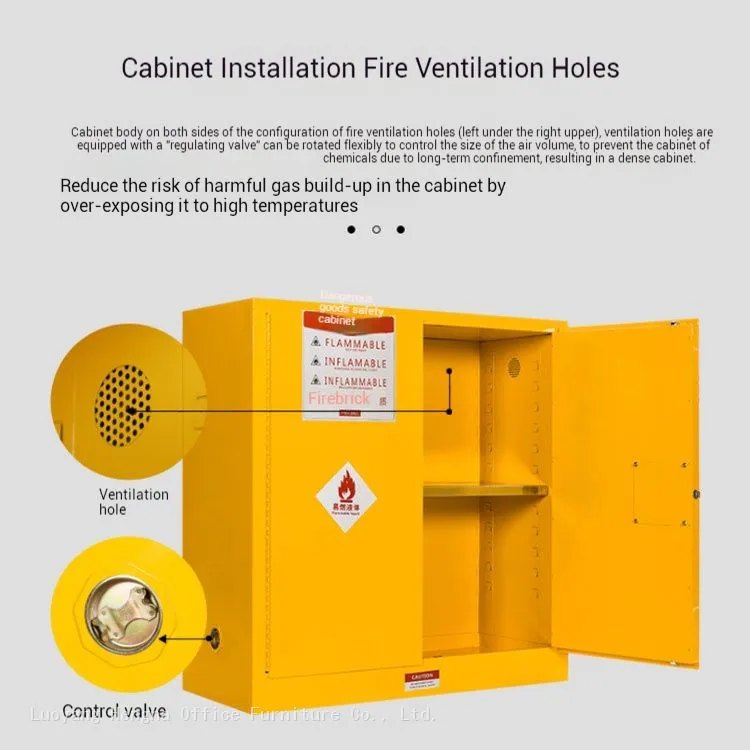
Ventilation holes are crucial for the safe storage of volatile chemicals. Here’s why:
Prevent Gas Buildup: Chemicals like solvents and oils release flammable vapors. If these vapors are allowed to accumulate inside a storage cabinet, they could lead to an explosive situation. The small holes allow ventilation, which helps release harmful gases before they reach dangerous levels.
Allow for Safe Pressure Relief: In case of chemical reactions inside the cabinet, pressure may build up. Ventilation holes help release excess pressure, reducing the likelihood of an explosion.
Prevent Overheating: By allowing air to circulate, the holes prevent the buildup of heat that could cause chemical containers to overheat and ignite.
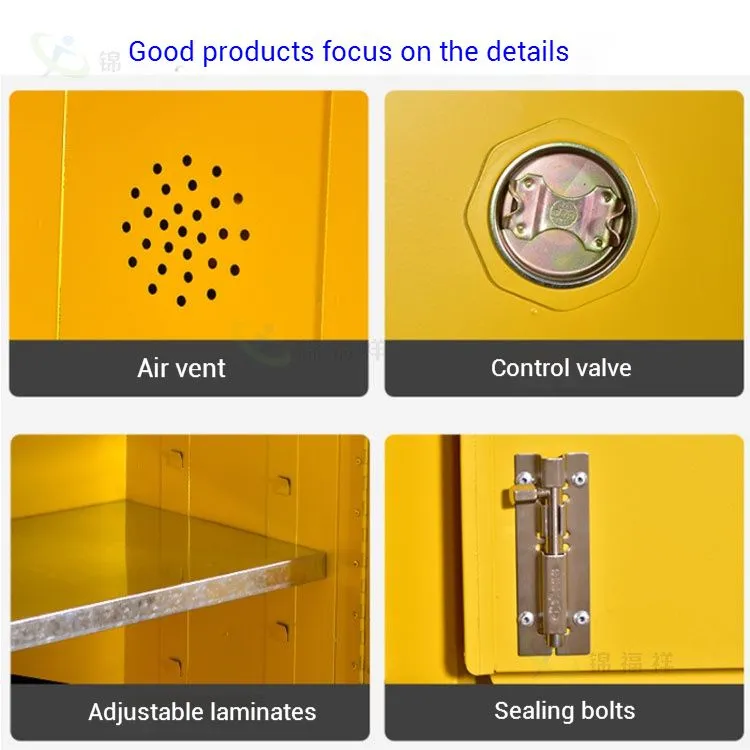
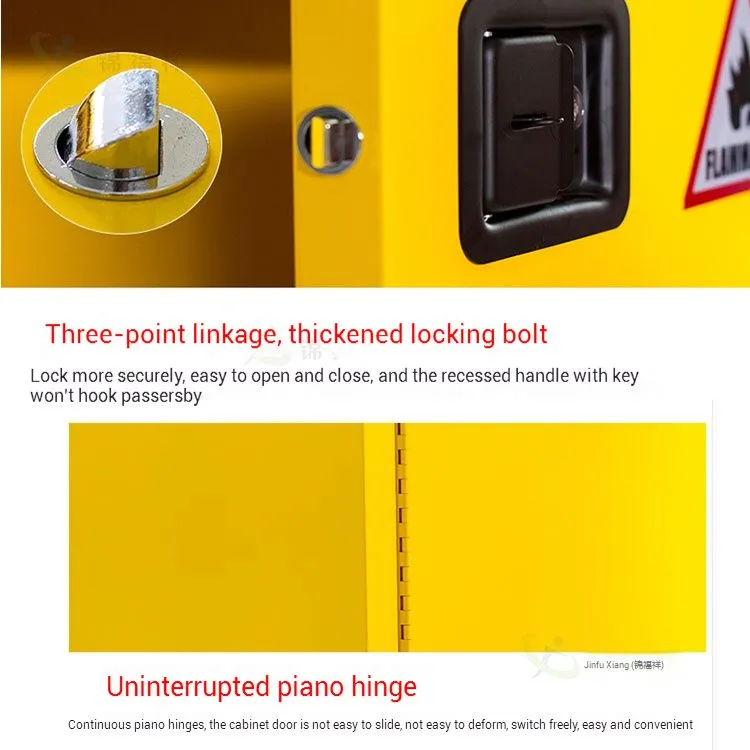
What is the Role of Fire-Blocking Mesh?
Inside the ventilation holes, you'll find fire-blocking mesh. This mesh is essential for:
Preventing External Fires from Entering: The mesh stops external flames or sparks from reaching the chemicals inside the cabinet. Even if a fire starts outside, the fire-blocking mesh prevents it from entering the cabinet and causing a chemical explosion.
Protecting Internal Chemical Vapors: The mesh keeps potentially flammable vapors inside the cabinet from escaping into the environment, helping to prevent workplace accidents.
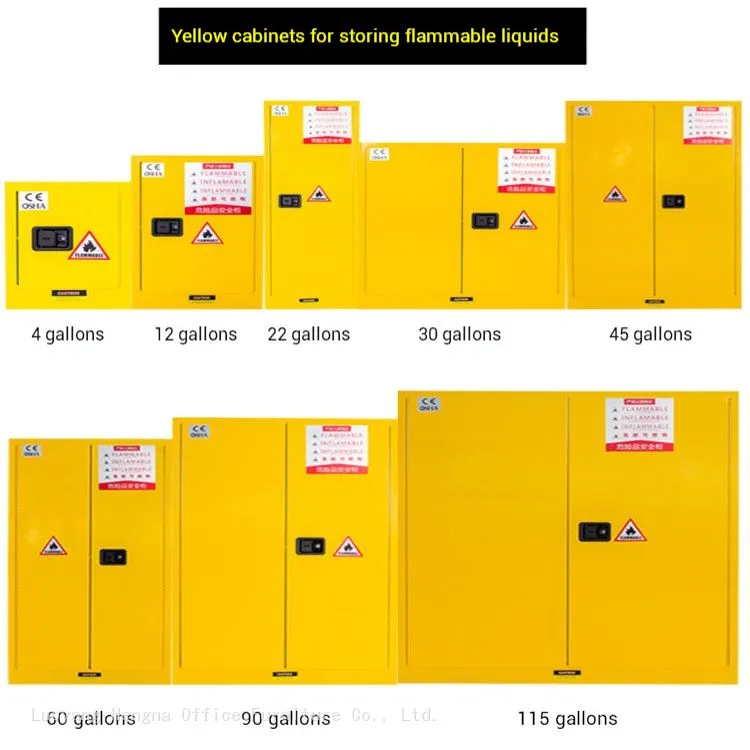
Key Benefits of Ventilation Holes and Fire-Blocking Mesh
Increased Safety: Ensures that dangerous gases are safely vented and that external fires can’t spread inside the cabinet.
Improved Airflow: Reduces the risk of hazardous chemical buildup and maintains the integrity of the stored materials.
Compliance with Safety Standards: Helps meet industry regulations regarding chemical storage and fire safety.
By ensuring your explosion-proof cabinets are equipped with ventilation holes and fire-blocking mesh, you can create a safer environment for both your chemicals and employees.

Recently Posted
-
Stainless Steel Shelving for Breweries and Wineries — What Survives Humidity, Alcohol Spills
July 24, 2026Stainless Steel Shelving for Breweries and Wineries — What Survives Humidity, Alcohol Spills, and Sanitizer Washdowns Three t Read More
 -
Stainless Steel Shelving for Meat Processing Plants — What Holds Up Against Blood, Fat, and Daily Wa
July 24, 2026Meat plants are brutal on shelvingIf you work in a meat processing plant, you already know this. The rack that looked fine s Read More
 -
0.6mm Steel Wardrobe vs 0.4mm — Why Cold-Rolled Single Door Metal Closet Lasts Longer
July 10, 2026The 0.2mm That Decides Whether You Buy One Wardrobe or ThreeTwo wardrobes look identical on a supplier's photo. Same door, sam Read More
 -
Heavy Duty Tool Cabinet with Locks for School Shop: Stop Tool Theft Before It Happens
July 9, 2026A vocational school workshop isn't like a factory floor. The tools aren't being used by seasoned machinists who know where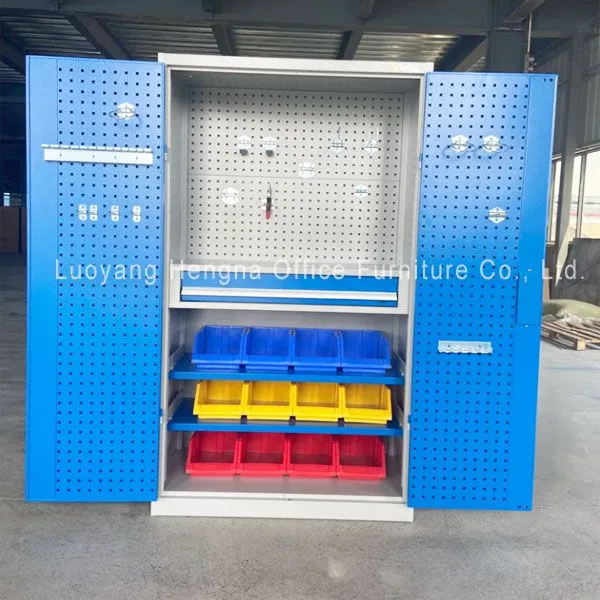 Read More

Contact Us
Recommended Products
-
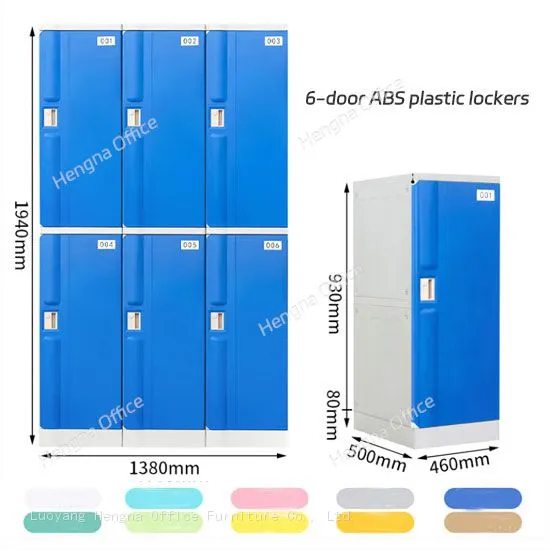
 Industrial-Grade ABS Plastic Locker for Factory Staff and Warehouse Workers|Hengna OfficeUS$ 19 - 100MOQ: 5 Sets
 -
Outdoor ABS Locker Cabinet – UV-Resistant Plastic Storage for Poolside or Beach Resorts-Hengna OfficeUS$ 19 - 100MOQ: 5 Sets
-
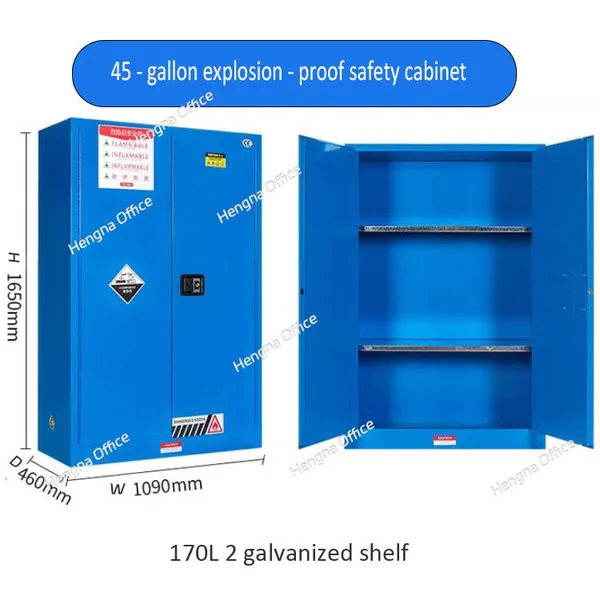
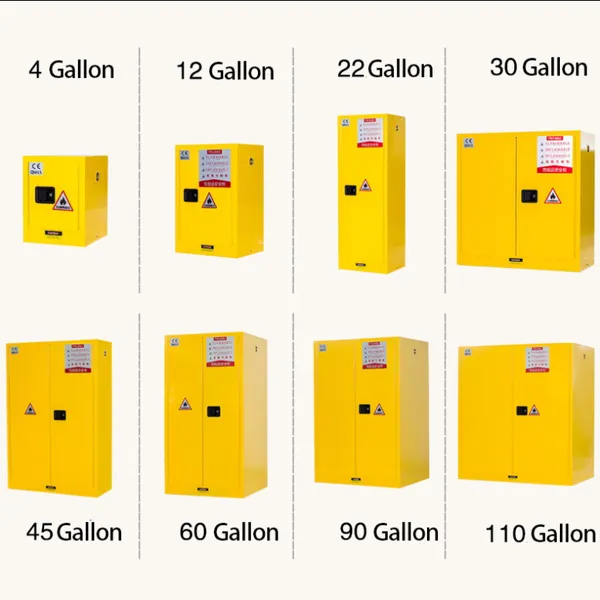
45 Gallon Explosion-Proof Flammable Liquid Storage Cabinet – Fire-Resistant Steel Safety Cabinet for FactoriesUS$ 68 - 400MOQ: 2 Combos
-
Flammable Storage Cabinet for Flammable Liquids – OSHA Certified Safety Cabinet With Fireproof Double WallsUS$ 68 - 400MOQ: 2 Combos
-
Large Capacity Flammable Liquid Storage Cabinet – Explosion-Proof Safety Cabinet for Laboratory & Workshop UseUS$ 68 - 400MOQ: 2 Combos

-
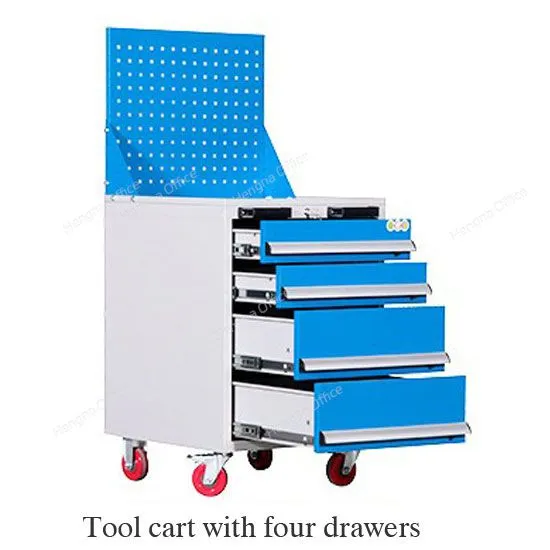
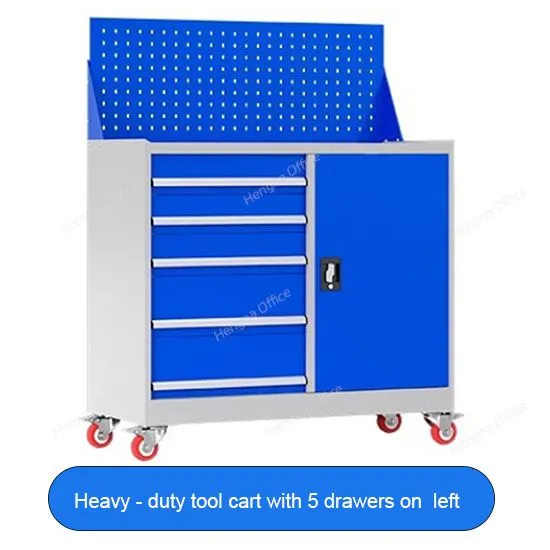
Heavy Duty Steel Tool Cart With Drawers for Workshops|Hengna OfficeUS$ 99 - 269MOQ: 2 Cases
-
Wholesale 3-Drawer Tool Trolley With Wheels for Factory and Garage StorageUS$ 99 - 269MOQ: 2 Cases
-
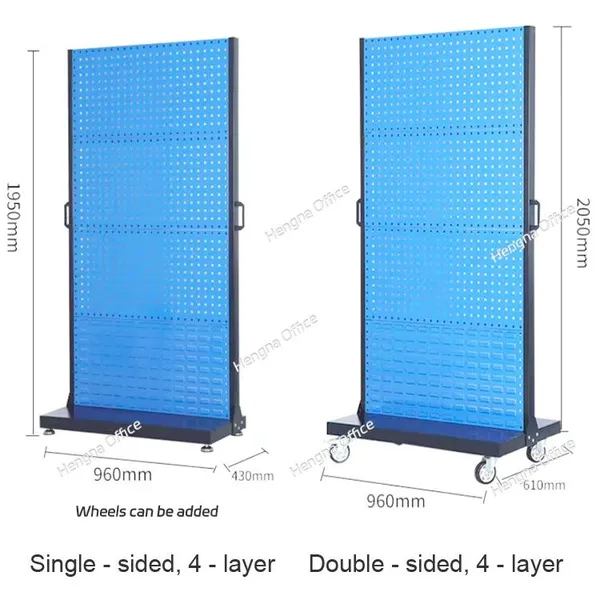
HN-wlj160 Industrial Rolling Tool Organizer With Pegboard|All-in-One Mobile Tool Storage CartUS$ 5 - 120MOQ: 2 Cases
-
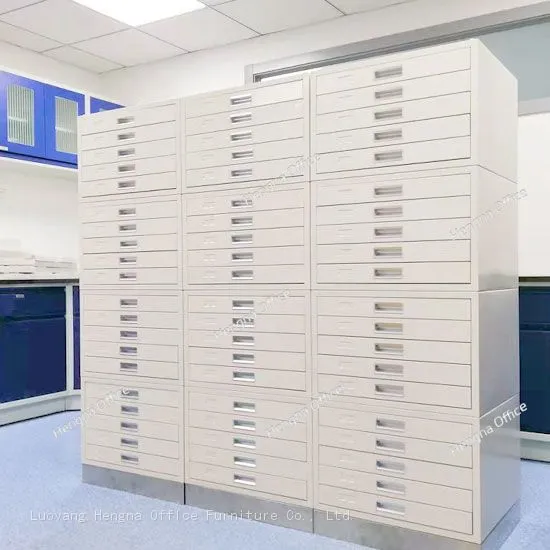
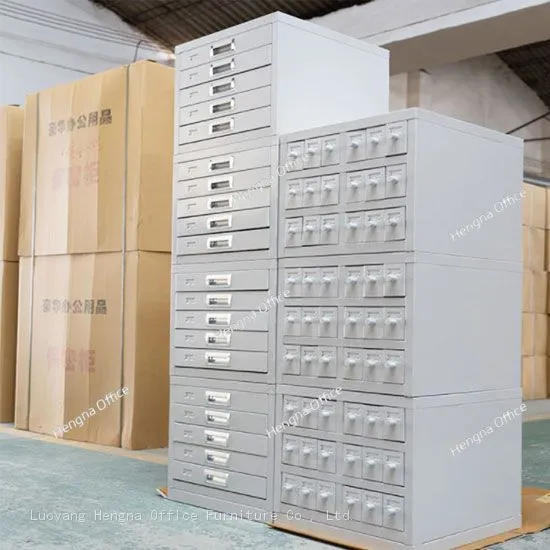
White Stackable Pathology Wax Block Storage Drawers for Labs Near London-Hengna OfficeNegotiableMOQ: 10 Pieces
-
Custom Paraffin Block Storage Cabinet for Histology Laboratories – Factory Direct From Hengna FurnitureNegotiableMOQ: 10 Pieces
-
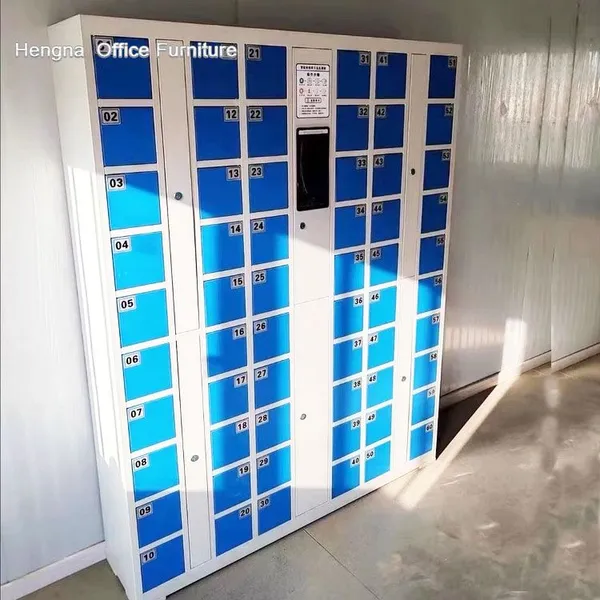
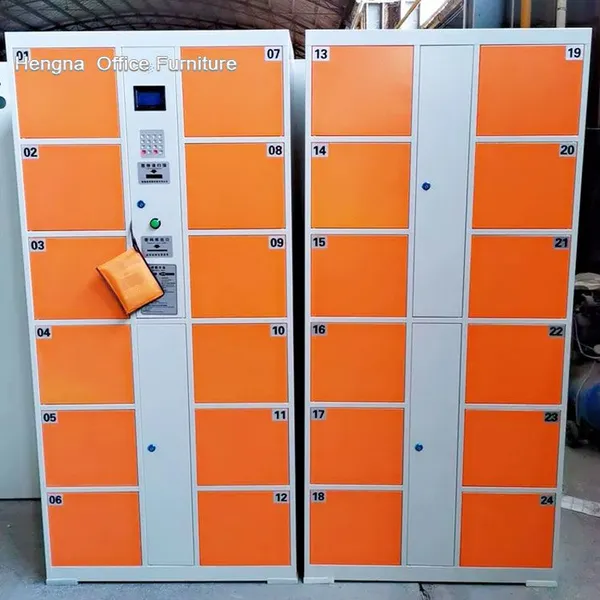
Smart Phone Charging Locker 40-door|Fingerprint Lockers Intelligent Parcel Delivery CabinetUS$ 203 - 750MOQ: 15 Pieces
-
School Gym Lockers Price |Parcel Delivery Storage Locker 12-door FactoryUS$ 203 - 750MOQ: 15 Pieces
-
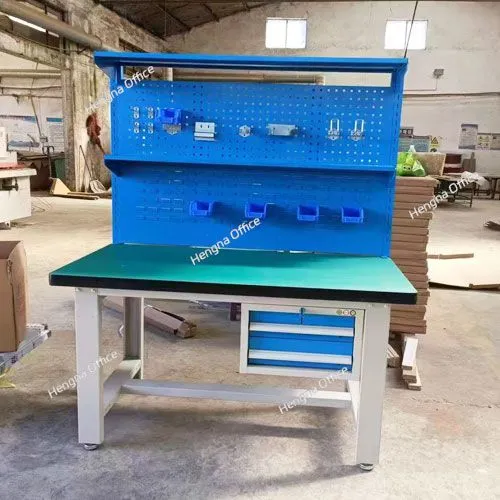
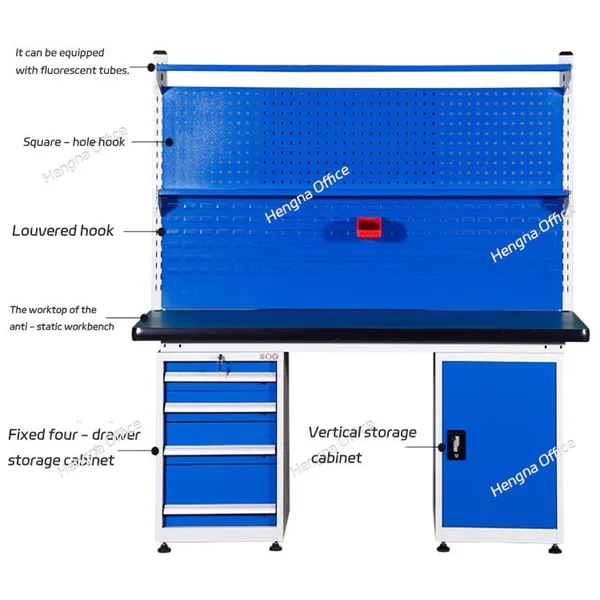
Multi Metal Work Benches Electrical Workshop Workbench|US$ 300 - 800MOQ: 2 Cases
-
Commercial Workbench Supplier |Multi Metal Work Bench With Drawers OMDUS$ 300 - 800MOQ: 2 Cases
-
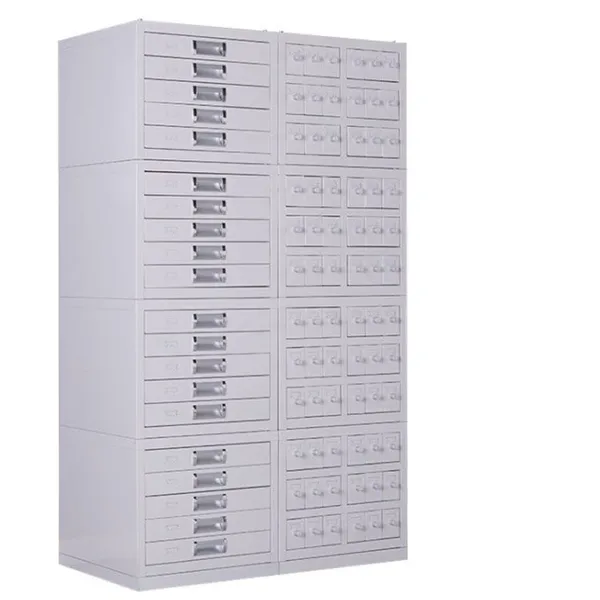
Pathological Ection Cabinet JTGZ062 Wax Block Cabinet for LaboratoryNegotiableMOQ: 10 Pieces
-
Durable Tool Storage in Factory HNGJ703 Hard Wearing Metal Industrial Tool ChestNegotiableMOQ: 18 Pieces
-
High - Quality CNC Workshop Tool Cabinet Heavyweight Workshop Tool OrganizerNegotiableMOQ: 10 Pieces
-
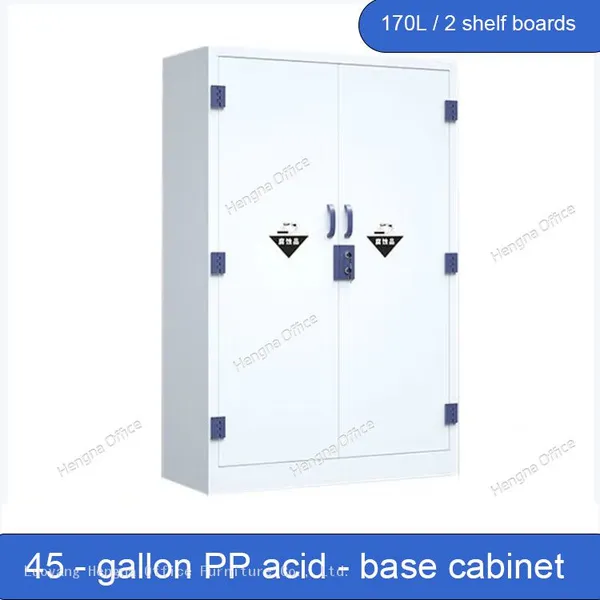
Laboratory Polyethylene Acid and Corrosive Chemicals Safety Storage PP CabinetUS$ 340 - 600MOQ: 5 Combos
-
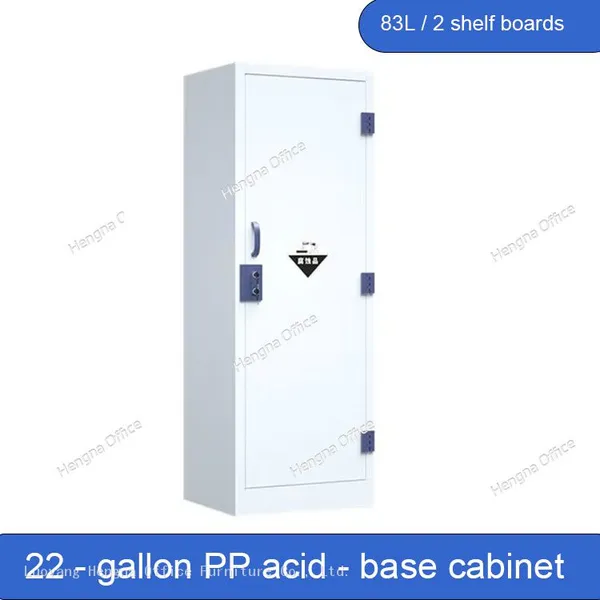
22 Gallons /80 L PP Acid - Base Cabinet: Safeguard Chemical Storage Supplier OEMUS$ 500 - 600MOQ: 5 Combos
-
4 - Gallon Corrosion-resistant Safety Cabinet for Hazardous Chemicals Acid SupplierUS$ 340 - 500MOQ: 5 Combos