
 Business License

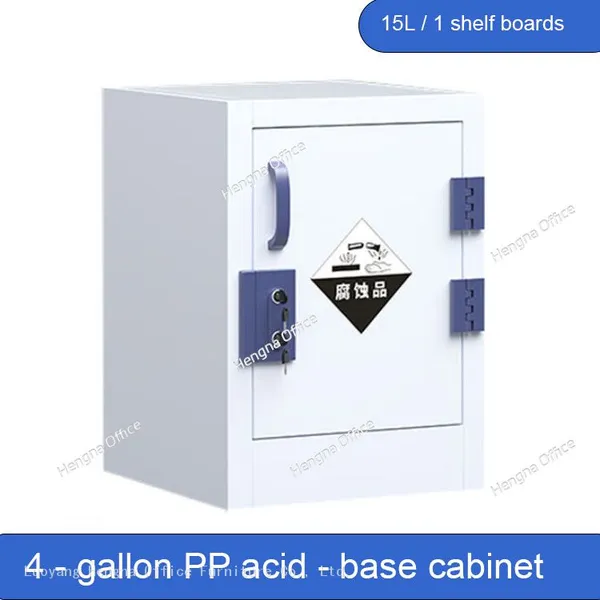
Double Lock Management: How PP Cabinets Enhance Security in Pharmaceutical Labs
Pharmaceutical laboratories operate under some of the most stringent security and safety requirements in any industry, where the protection of valuable research materials and controlled substances is paramount. The implementation of double lock management systems in PP cabinets has revolutionized security protocols in pharmaceutical settings, providing enhanced protection while maintaining operational efficiency. This comprehensive exploration examines how double lock PP cabinets address the unique security challenges of pharmaceutical laboratories and support compliance with regulatory requirements.
Understanding Double Lock Security Architecture
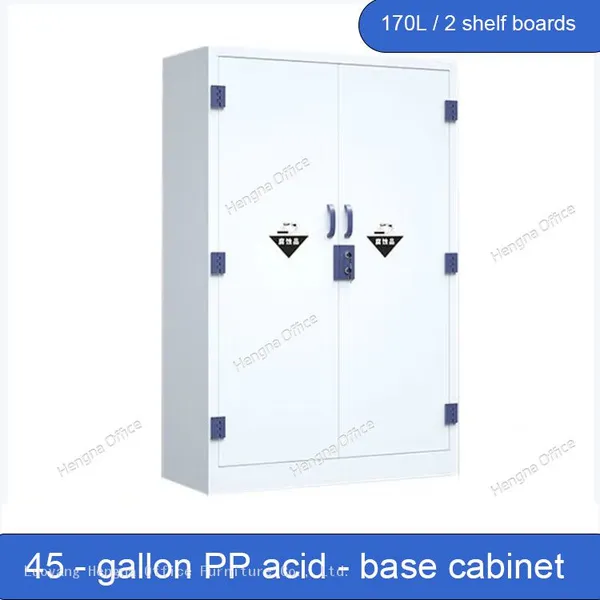
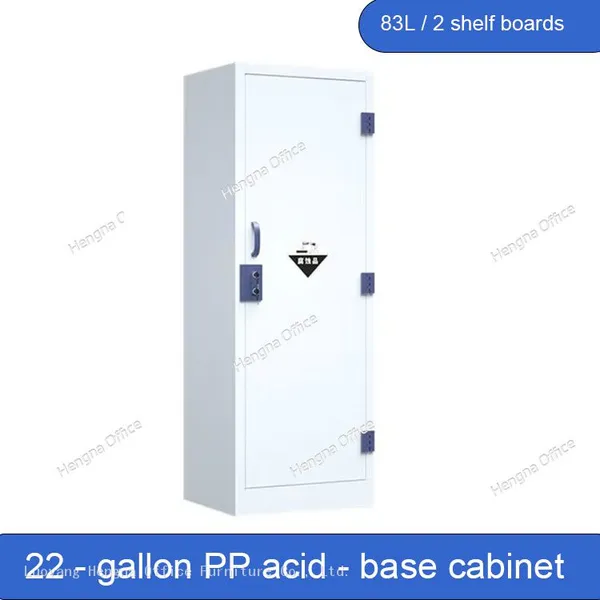
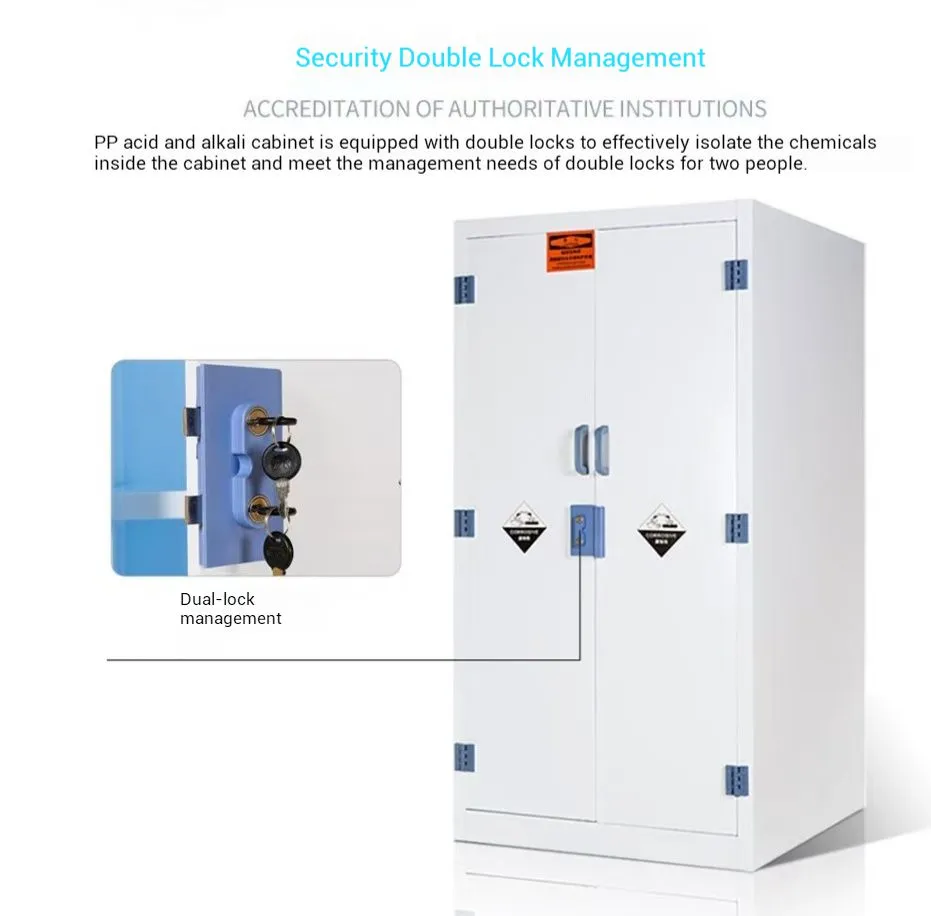
The double lock management system represents a sophisticated security approach that requires two independent authorization mechanisms before cabinet access is granted. This dual-control mechanism ensures that no single individual can access stored materials without proper oversight and authorization. In pharmaceutical laboratories, this system is particularly valuable for controlling access to sensitive research compounds, controlled substances, and valuable experimental materials.
The implementation of double lock systems typically involves two different types of locking mechanisms, such as a combination lock combined with a key lock, or two separate key locks held by different authorized personnel. This redundancy creates multiple layers of security that prevent unauthorized access while maintaining operational flexibility for legitimate users. The system can be customized based on the sensitivity of stored materials and the specific security requirements of different laboratory areas.
Regulatory Compliance and Controlled Substance Management
Pharmaceutical laboratories must comply with extensive regulatory requirements including DEA regulations for controlled substances, FDA requirements for drug development materials, and various international standards for research chemical management. Double lock PP cabinets support compliance with these regulations by providing secure storage that meets or exceeds regulatory requirements for controlled substance management.
The double lock system helps pharmaceutical laboratories demonstrate compliance during regulatory inspections and audits. The detailed access logs and authorization requirements create comprehensive documentation that proves proper control over sensitive materials. This documentation capability is particularly valuable during DEA inspections or FDA audits, where demonstrating proper control over controlled substances is essential for maintaining operating licenses.
Research Integrity and Intellectual Property Protection
Pharmaceutical research represents substantial investments in intellectual property and proprietary formulations that require robust protection against theft or unauthorized access. Double lock PP cabinets provide an additional layer of security for these valuable research materials, protecting both the financial investment and the integrity of ongoing research projects.
The enhanced security provided by double lock systems also supports collaboration between research teams while maintaining proper control over shared materials. Different research teams can be assigned specific access privileges while ensuring that all access is properly documented and authorized. This balance between collaboration and security is particularly important in pharmaceutical research where multiple teams may need access to shared materials or compounds.
Employee Safety and Access Control
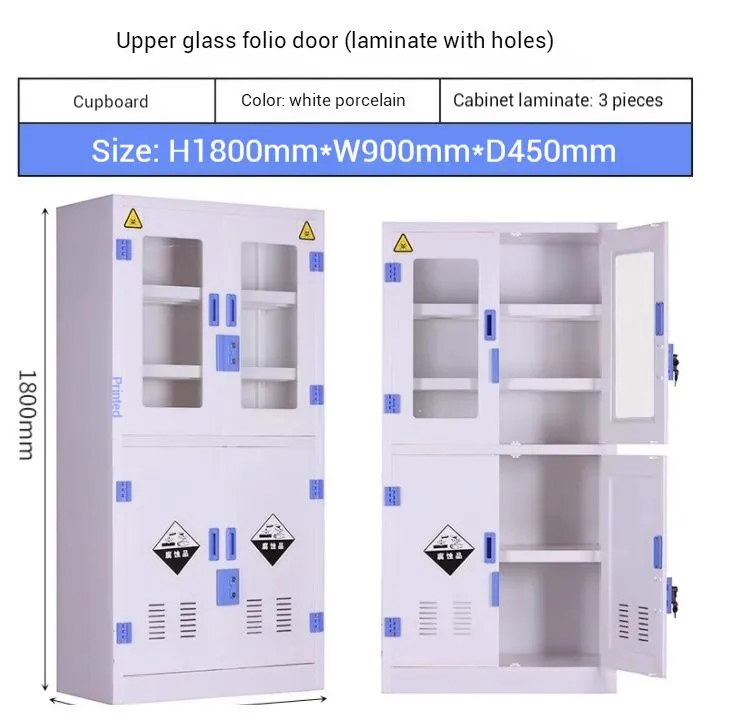
While security is paramount, employee safety must also be considered in pharmaceutical laboratory operations. Double lock systems can be designed to provide quick access for authorized personnel during emergencies while maintaining security protocols. The ability to override certain security features during emergency situations ensures that employee safety is not compromised while maintaining overall security standards.
Access control considerations extend to different employee roles and clearance levels within the pharmaceutical organization. Research scientists, quality control personnel, and maintenance staff may require different levels of access to various materials. The double lock system can be configured to accommodate these different access requirements while maintaining appropriate security controls and documentation.
Integration with Laboratory Management Systems
Modern pharmaceutical laboratories utilize sophisticated management systems for inventory control, research documentation, and compliance monitoring. Double lock PP cabinets can be integrated with these systems through various technological features including electronic access control, digital logging, and automated inventory management. This integration creates comprehensive security solutions that support both operational efficiency and regulatory compliance.
The integration capabilities also support remote monitoring and management of cabinet access. Laboratory managers can receive real-time notifications of access attempts, generate reports on usage patterns, and manage authorization levels for different users. This technological integration enhances the effectiveness of double lock systems while providing valuable data for security optimization and compliance reporting.
Customization for Different Laboratory Areas
Different areas within pharmaceutical laboratories may require different security levels based on the materials stored and the activities conducted. Research areas, quality control laboratories, and storage facilities may each have unique security requirements that can be addressed through customized double lock configurations. The flexibility of PP cabinet systems allows for this customization while maintaining consistent security standards throughout the facility.
Customization considerations extend to accommodating different types of pharmaceutical materials including raw materials, intermediate compounds, finished products, and research samples. Each material type may require specific security protocols that can be addressed through tailored double lock configurations. This adaptability ensures that pharmaceutical laboratories can maintain appropriate security levels while supporting diverse operational requirements.
Cost-Benefit Analysis and ROI Considerations
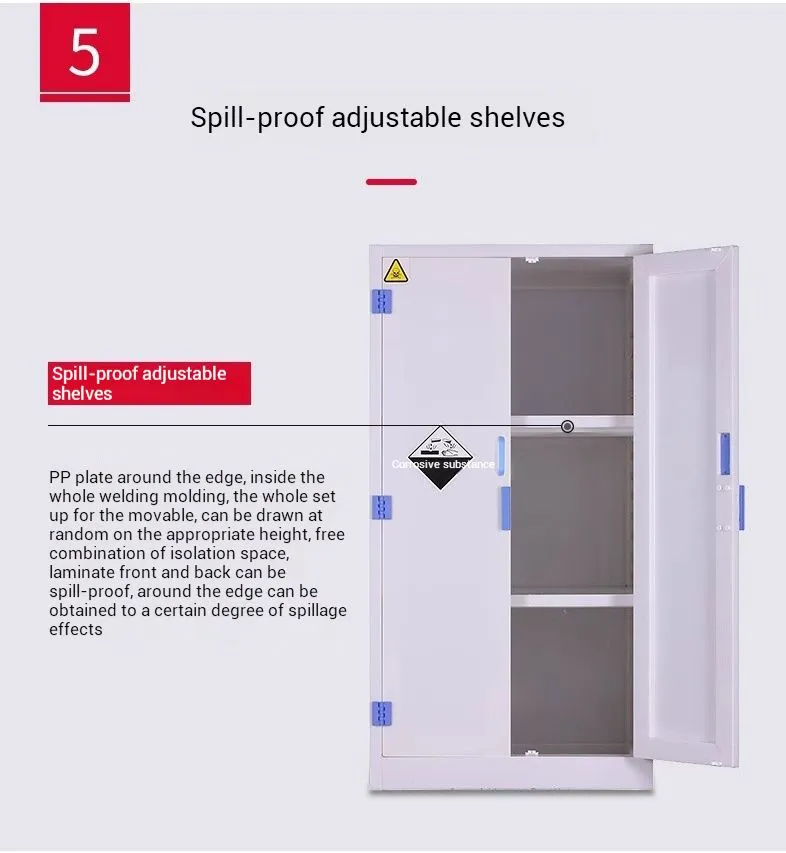
Implementing double lock PP cabinets represents a significant investment that must be justified through comprehensive cost-benefit analysis. The enhanced security provided by these systems can prevent losses due to theft, unauthorized access, or contamination that could result in substantial financial losses. The prevention of such incidents often justifies the initial investment through risk mitigation and loss prevention.
ROI considerations extend to supporting various business objectives including regulatory compliance, research integrity, and brand protection. The enhanced security provided by double lock systems demonstrates a commitment to quality and compliance that can enhance brand reputation and customer confidence. Some pharmaceutical companies report improved regulatory inspection outcomes and reduced insurance premiums after implementing enhanced security systems, demonstrating tangible financial benefits.
Training and Implementation Best Practices
The effectiveness of double lock systems depends heavily on proper training and implementation procedures. Pharmaceutical laboratories must develop comprehensive training programs that ensure all authorized personnel understand the proper operation of double lock systems, emergency procedures, and security protocols. Regular training updates and refresher courses help maintain security awareness and ensure continued compliance with security procedures.
Implementation best practices include developing clear authorization protocols, establishing emergency override procedures, and creating comprehensive documentation systems. Pharmaceutical laboratories should also conduct regular security audits and testing procedures to ensure the continued effectiveness of double lock systems. These practices help maintain high security standards while supporting efficient laboratory operations.

Recently Posted
-
Louvered Panel vs Round Hole Pegboard — Which Tool Wall Holds Hooks and Bins Together?
August 31, 2026Louvered Panel vs Round Hole Pegboard — Which Tool Wall Holds Hooks and Bins Together?Short answer: if you only hang tools, round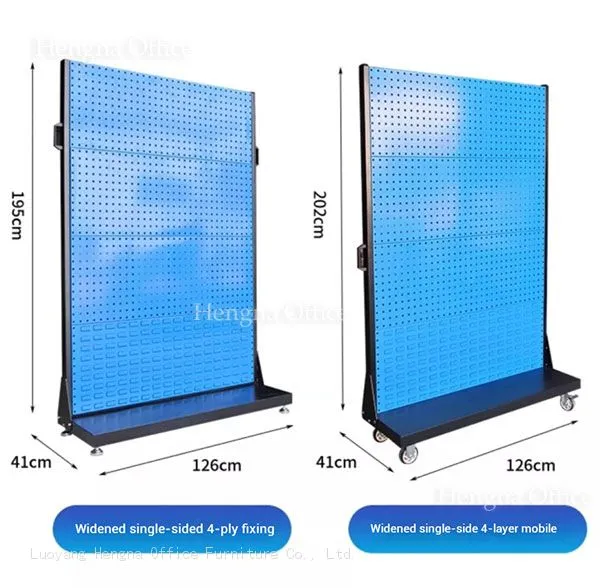 Read More
 -
Welded vs Boltless Steel Shelving — Looks Strong at the Factory, Falls Apart at the Port
August 7, 2026Welded vs Boltless Steel Shelving — Looks Strong at the Factory, Falls Apart at the PortHere's a story every steel shelving im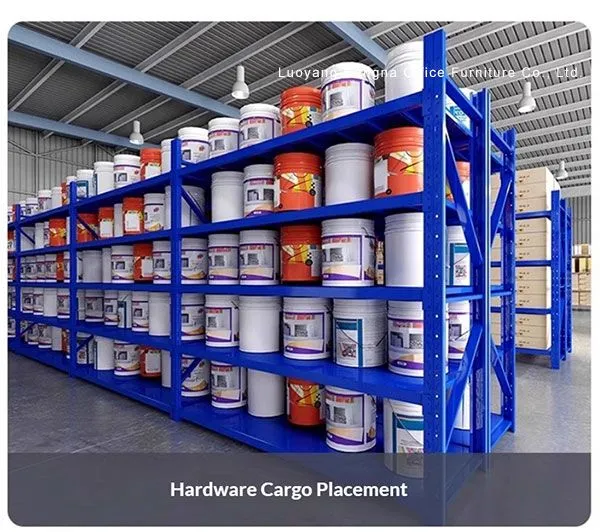 Read More
 -
You Asked a Steel Shelving Supplier for a Price. Here's What You Should Have Asked First.
August 7, 2026You found a steel shelving supplier. Their listing looks clean. You sent the message every first-time importer sends: "What&#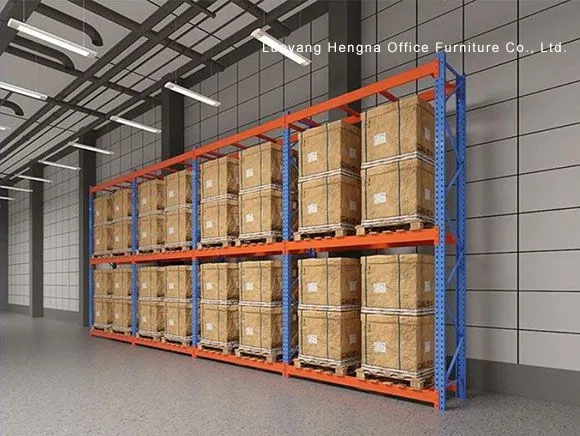 Read More
 -
Heavy Duty Steel Workbench for Auto Repair — Cold Rolled Frame vs What Most Garages Use
August 5, 2026Mike has been running his independent garage for eleven years. Three bays, two mechanics, a steady stream of brake jobs and transm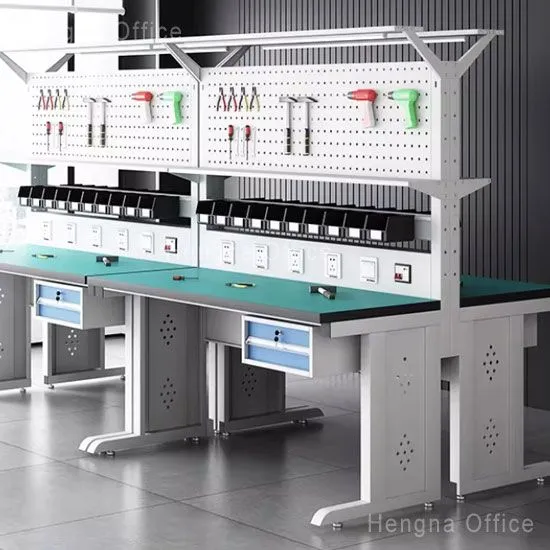 Read More

Contact Us
Recommended Products
-
 Industrial-Grade ABS Plastic Locker for Factory Staff and Warehouse Workers|Hengna OfficeUS$ 19 - 100MOQ: 5 Sets
 -
Outdoor ABS Locker Cabinet – UV-Resistant Plastic Storage for Poolside or Beach Resorts-Hengna OfficeUS$ 19 - 100MOQ: 5 Sets
-
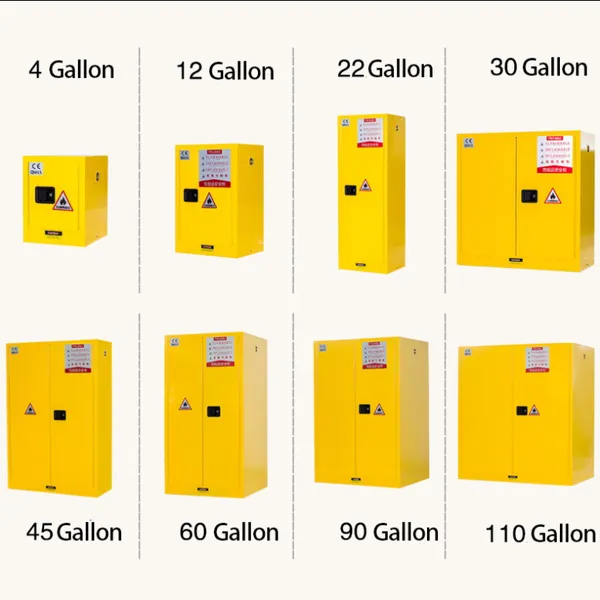
45 Gallon Explosion-Proof Flammable Liquid Storage Cabinet – Fire-Resistant Steel Safety Cabinet for FactoriesUS$ 68 - 400MOQ: 2 Combos
-
Flammable Storage Cabinet for Flammable Liquids – OSHA Certified Safety Cabinet With Fireproof Double WallsUS$ 68 - 400MOQ: 2 Combos
-
Large Capacity Flammable Liquid Storage Cabinet – Explosion-Proof Safety Cabinet for Laboratory & Workshop UseUS$ 68 - 400MOQ: 2 Combos
-
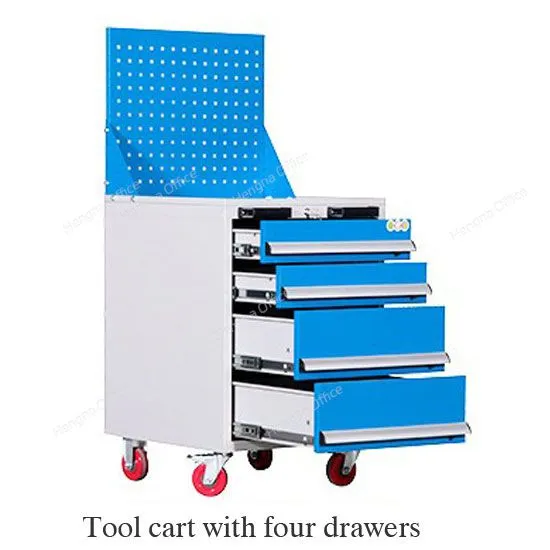
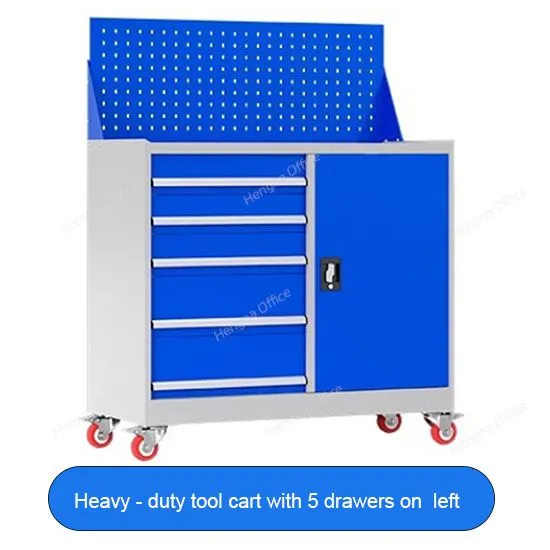
Heavy Duty Steel Tool Cart With Drawers for Workshops|Hengna OfficeUS$ 99 - 269MOQ: 2 Cases
-
Wholesale 3-Drawer Tool Trolley With Wheels for Factory and Garage StorageUS$ 99 - 269MOQ: 2 Cases
-
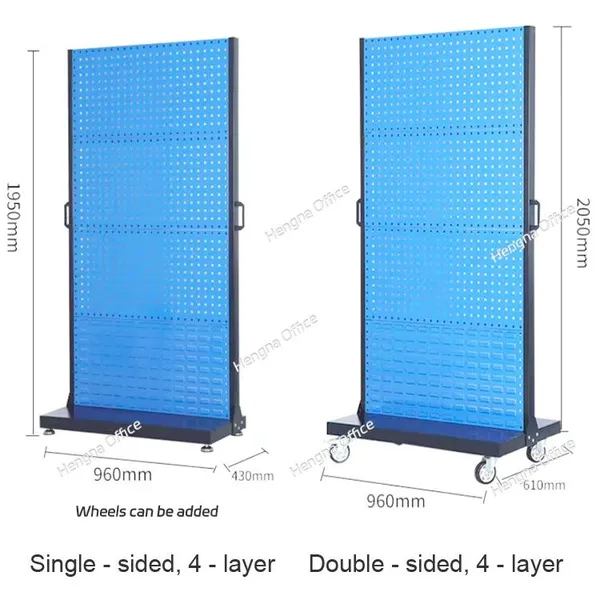
HN-wlj160 Industrial Rolling Tool Organizer With Pegboard|All-in-One Mobile Tool Storage CartUS$ 5 - 120MOQ: 2 Cases
-
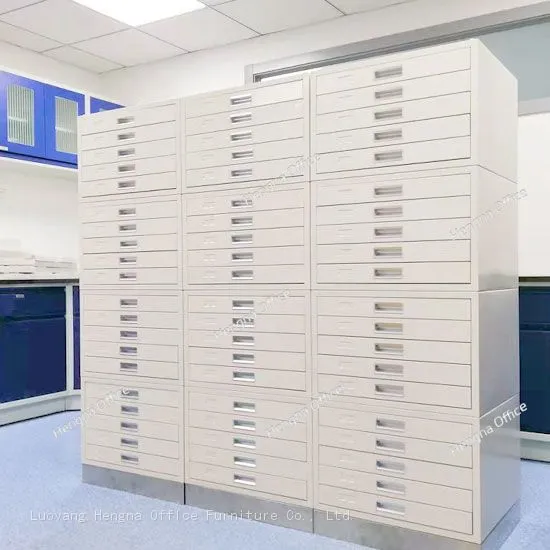
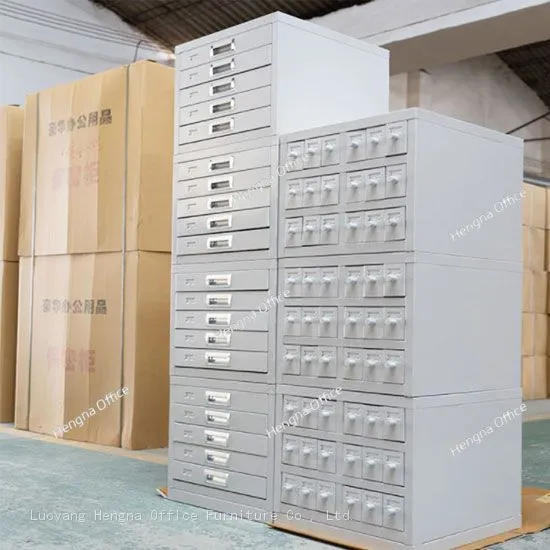
White Stackable Pathology Wax Block Storage Drawers for Labs Near London-Hengna OfficeNegotiableMOQ: 10 Pieces
-
Custom Paraffin Block Storage Cabinet for Histology Laboratories – Factory Direct From Hengna FurnitureNegotiableMOQ: 10 Pieces
-
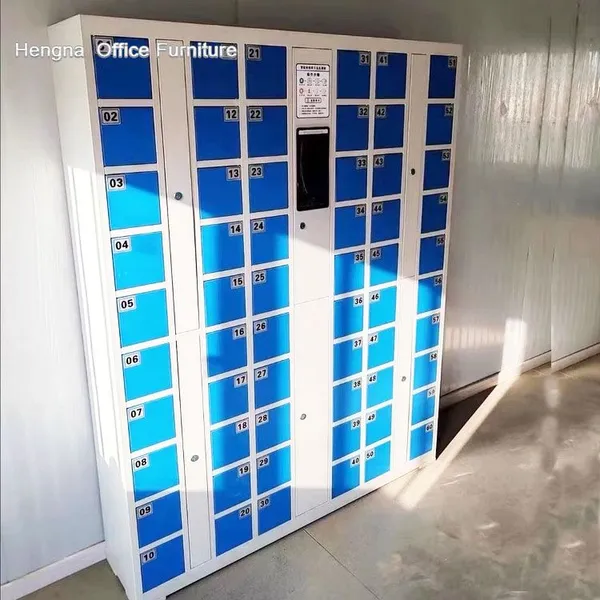
Smart Phone Charging Locker 40-door|Fingerprint Lockers Intelligent Parcel Delivery CabinetUS$ 203 - 750MOQ: 15 Pieces
-
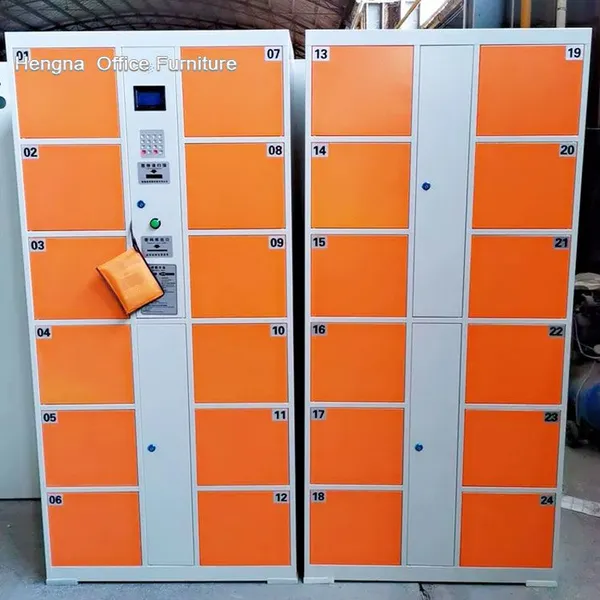
School Gym Lockers Price |Parcel Delivery Storage Locker 12-door FactoryUS$ 203 - 750MOQ: 15 Pieces
-
Multi Metal Work Benches Electrical Workshop Workbench|US$ 300 - 800MOQ: 2 Cases
-
Commercial Workbench Supplier |Multi Metal Work Bench With Drawers OMDUS$ 300 - 800MOQ: 2 Cases
-
Pathological Ection Cabinet JTGZ062 Wax Block Cabinet for LaboratoryNegotiableMOQ: 10 Pieces
-
Durable Tool Storage in Factory HNGJ703 Hard Wearing Metal Industrial Tool ChestNegotiableMOQ: 18 Pieces
-
High - Quality CNC Workshop Tool Cabinet Heavyweight Workshop Tool OrganizerNegotiableMOQ: 10 Pieces
-
Laboratory Polyethylene Acid and Corrosive Chemicals Safety Storage PP CabinetUS$ 340 - 600MOQ: 5 Combos
-
22 Gallons /80 L PP Acid - Base Cabinet: Safeguard Chemical Storage Supplier OEMUS$ 500 - 600MOQ: 5 Combos
-
4 - Gallon Corrosion-resistant Safety Cabinet for Hazardous Chemicals Acid SupplierUS$ 340 - 500MOQ: 5 Combos