
 Business License
When Is the Best Time to Buy School Lockers? — A Seasonal Procurement Guide for Facility Managers
Every school procurement officer knows the rhythm. It's the same every year.
March — submit the budget. May — approval comes through. July — summer break starts. September — school opens.
In between, there are exactly 60 days — July and August — when every school in the region tries to place their orders at the same time. And every locker supplier on the planet goes into crisis mode.
The result? Same locker, 10–15% more expensive if you order in August instead of April. Same delivery promise, less reliable when everyone else is also asking for it. Same factory, lower quality when they're rushing to push orders out the door.
This isn't about picking the "right" supplier. It's about understanding the calendar.
The Annual School Procurement Timeline
| Month | Procurement Phase | Supply & Demand | Your Position |
|---|---|---|---|
| Jan–Feb | Budget planning | Near-zero demand, factories idle | Best time to research and request samples |
| March | Budget approval | First inquiries begin | Start asking for quotes |
| April–May | Best ordering window | Demand rising but not peaking | Factory capacity available, pricing negotiable |
| June | Order pile-up | Orders surge, lead times stretch | Can still order, but don't wait past mid-June |
| July–Aug | Peak production | Factories at full capacity | Paying more won't get you priority |
| September | Emergency fill-ins | First week reveals what's missing | Only options: stock units or next semester |
| Oct–Dec | Off-season | Demand drops, factory slots open | Not ideal for new orders, but lock in next year's pricing |
The bottom line: April through mid-May is your best ordering window. Budget is approved, factories aren't swamped yet, and you have 3–4 months of lead time — enough for the supplier to manufacture, pack, ship, and install without rushing. When nobody is rushing, quality is better.
Why Ordering in July Is a Trap
Let's trace a real timeline.
You confirm an order on July 1. The factory's production slots for the first two weeks of July are already booked by other schools. The earliest your lockers go on the line is July 15. Production takes 3 weeks — they come off the line around August 5. Packing, inland trucking to port, customs clearance — August 15. Sea freight for most international shipments takes 30 days. Arrival: September 15. Customs clearance + inland delivery to the school: September 20. Installation — you still need to find an installation crew, and they're all busy.
Your plan was to have the lockers ready for the first day of school. Reality: they're still on a container ship when students walk through the door.
This isn't a slow-supplier problem. It's a timing problem. The orders placed in June already consumed the factory capacity and the shipping container slots. One month of delay doesn't cost you one month — it costs you an entire term.
What You Gain by Ordering Early (or Off-Peak)
① Better pricing — real, not theoretical. Factories in off-season (October through February) are willing to drop prices to keep production lines running. The same locker you'd pay full price for in August could cost 10–15% less if you order in February. You don't want delivery in February? Fine — order in February, lock in the price, agree on a July delivery. The factory gets an order to fill their slow months. You get a price that's not available in peak season. Both sides win.
② More control over specifications. Off-season means the factory has time to work with you on custom requests — specific colors, custom sizes, special lock configurations. In peak season, you get whatever is in stock. In off-season, you get what you actually want. You also have time to approve samples, make revisions, and confirm details without being told "we can't change it now, it's already on the line."
③ Installation is easier to schedule. Every school wants installations in July and August. The installers are stretched thin. In April or May, you can reserve the installation date, book the access schedule, and confirm everything without competing against 50 other schools for the same crew.
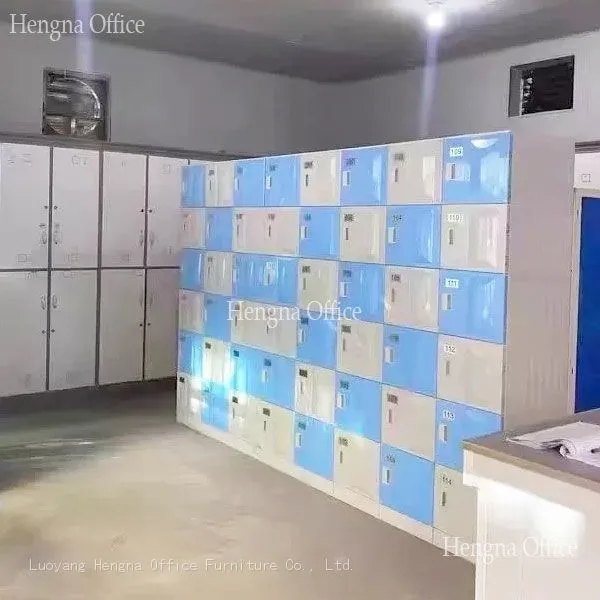
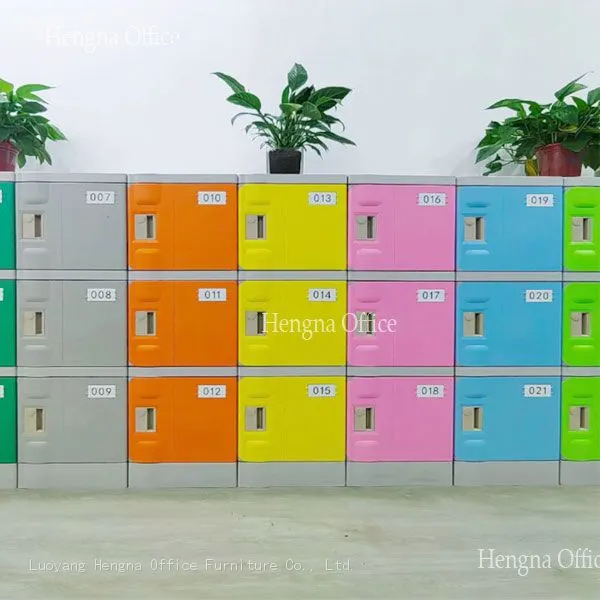
Factory Seasons — What Buyers Should Know
You don't need to know how to manufacture lockers. But knowing the factory calendar changes how you negotiate.
Peak season (June–August): All school orders hit at once. The factory runs triple shifts. The packing line looks like a battlefield. This is not the time to ask for a discount — they don't need your order to fill capacity. They need time, not money.
Off-season (October–February): Factory slots are empty. Workers are waiting for orders. Taking an order at this point isn't about profit — it's about keeping the line running and the crew employed. Even thin margins are acceptable. This is the time to negotiate.
Transition months (March–May): Balanced. Pricing is fair for both sides. Good service, reasonable lead times. This is our recommended window — not the cheapest price possible, but the best balance of price, delivery, and service.
A practical negotiation tactic: If you know next year's budget will include new lockers, call a supplier in November or December — not to place an order, just to ask: "If I order in March for July delivery, what can you do on pricing?" Many suppliers reserve "early-bird" allocations for end-of-year commitments. The number they quote you in December will be lower than anything available in May.
Regional Differences
The timeline above assumes a Northern Hemisphere school year (September start, summer break in July–August). Different regions, different calendars:
Australia & New Zealand (Southern Hemisphere): The school year starts in late January or early February. Summer break is December–January. Their ordering peak is October–November — roughly equivalent to April–May in the north.
Middle East: Many schools follow the September–June calendar (similar to the Northern Hemisphere). But Ramadan affects business pace — procurement decisions slow down during that period, and the calendar shifts year to year.
Southeast Asia (international schools): Most follow the August start (North American calendar). But monsoon season (May–October) affects on-site installation work. Factor in weather delays.
Before you order, check the academic calendar of the target school. Don't assume September start applies to all markets.
A Smarter Way to Buy: Sample First, Bulk Later — But Separate the Timelines
Most school procurement works like this: budget approved → send out RFP → pick the best offer → place bulk order.
A smarter approach: budget approved → order one sample unit first.
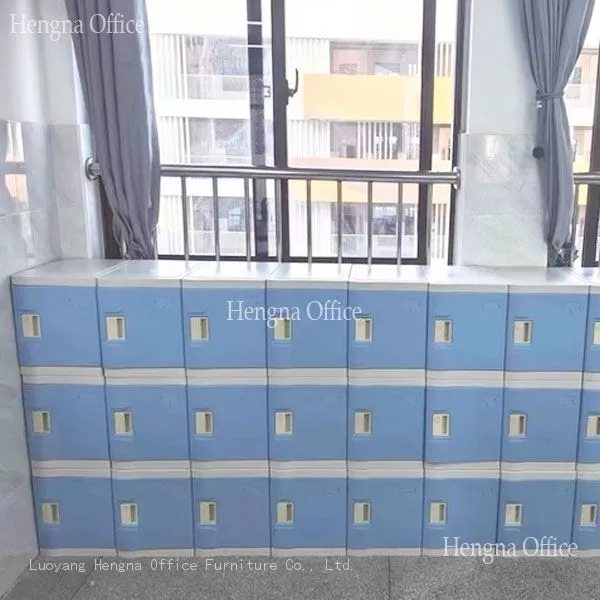
The sample arrives. Teachers physically test it. Students use it for a week. The facility manager sees how it installs, how it feels, how the lock operates. Feedback comes back: "Could we make the hook 2 cm higher?" "The door color is a bit bright — can we go one shade lighter?" "The shelf depth works but we need a ventilation slot."
You communicate these changes to the supplier. The bulk order doesn't ship until the sample is approved. No surprises when all 18 doors arrive and don't meet expectations.
Order the sample in off-season or early transition period. Order the bulk in the optimal ordering window. The sample cost pays for itself in the first avoided mistake.
Quick Reference: When to Order
| Your Situation | Recommended Order Time | Why |
|---|---|---|
| Guarantee delivery before school starts | April–May | 3–4 month lead time fits the installation window |
| Best possible price | January–February or October–December | Factory off-season, willing to negotiate |
| Heavy customization (color, size, lock) | March–April | Enough time for sampling and revisions |
| Just a sample unit | Any time | Factories usually keep demo stock ready |
| Budget approved this year, want to spend | December | Lock in next year's price and production slot |
Ready to Order, or Just Curious About Timing?
Not sure when to place your order, or want to request a sample first? Tell us your school size, target delivery month, and budget range. We'll advise the best ordering timeline and give you a current quote — 24-hour response.
Recently Posted
-
Stainless Steel Shelving for Breweries and Wineries — What Survives Humidity, Alcohol Spills
July 24, 2026Stainless Steel Shelving for Breweries and Wineries — What Survives Humidity, Alcohol Spills, and Sanitizer Washdowns Three t Read More
 -
Stainless Steel Shelving for Meat Processing Plants — What Holds Up Against Blood, Fat, and Daily Wa
July 24, 2026Meat plants are brutal on shelvingIf you work in a meat processing plant, you already know this. The rack that looked fine s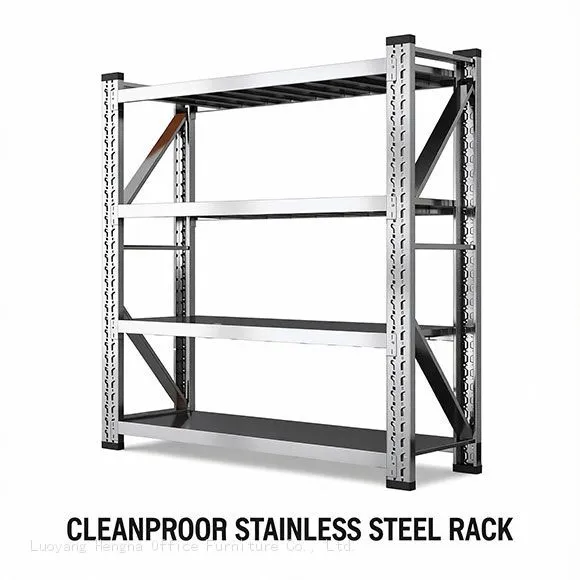 Read More
 -
0.6mm Steel Wardrobe vs 0.4mm — Why Cold-Rolled Single Door Metal Closet Lasts Longer
July 10, 2026The 0.2mm That Decides Whether You Buy One Wardrobe or ThreeTwo wardrobes look identical on a supplier's photo. Same door, sam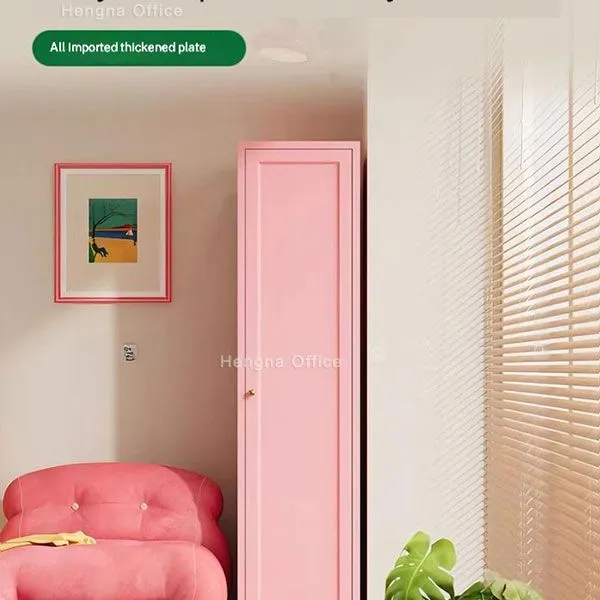 Read More
 -
Heavy Duty Tool Cabinet with Locks for School Shop: Stop Tool Theft Before It Happens
July 9, 2026A vocational school workshop isn't like a factory floor. The tools aren't being used by seasoned machinists who know where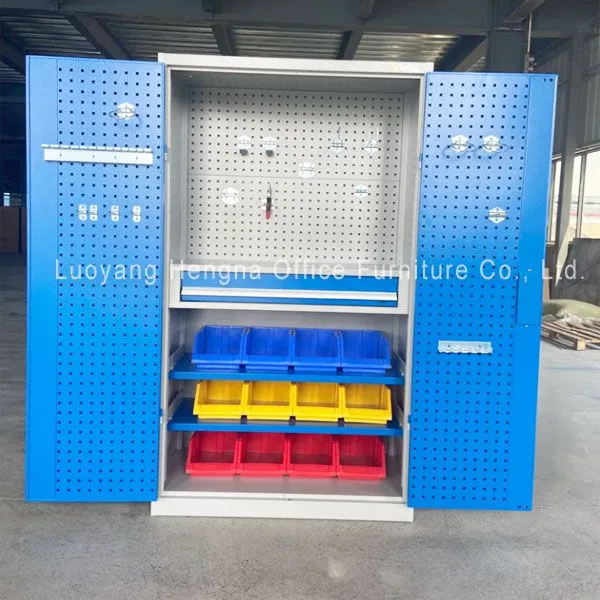 Read More

Contact Us
Recommended Products
-
 Industrial-Grade ABS Plastic Locker for Factory Staff and Warehouse Workers|Hengna OfficeUS$ 19 - 100MOQ: 5 Sets
 -
Outdoor ABS Locker Cabinet – UV-Resistant Plastic Storage for Poolside or Beach Resorts-Hengna OfficeUS$ 19 - 100MOQ: 5 Sets
-
45 Gallon Explosion-Proof Flammable Liquid Storage Cabinet – Fire-Resistant Steel Safety Cabinet for FactoriesUS$ 68 - 400MOQ: 2 Combos
-
Flammable Storage Cabinet for Flammable Liquids – OSHA Certified Safety Cabinet With Fireproof Double WallsUS$ 68 - 400MOQ: 2 Combos
-
Large Capacity Flammable Liquid Storage Cabinet – Explosion-Proof Safety Cabinet for Laboratory & Workshop UseUS$ 68 - 400MOQ: 2 Combos
-
Heavy Duty Steel Tool Cart With Drawers for Workshops|Hengna OfficeUS$ 99 - 269MOQ: 2 Cases
-
Wholesale 3-Drawer Tool Trolley With Wheels for Factory and Garage StorageUS$ 99 - 269MOQ: 2 Cases
-
HN-wlj160 Industrial Rolling Tool Organizer With Pegboard|All-in-One Mobile Tool Storage CartUS$ 5 - 120MOQ: 2 Cases
-
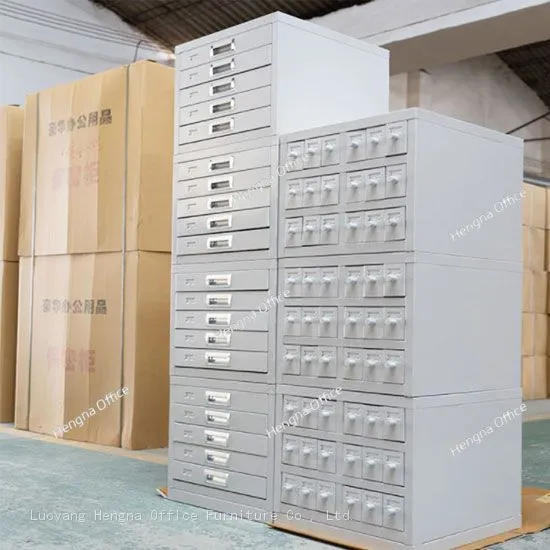
White Stackable Pathology Wax Block Storage Drawers for Labs Near London-Hengna OfficeNegotiableMOQ: 10 Pieces
-
Custom Paraffin Block Storage Cabinet for Histology Laboratories – Factory Direct From Hengna FurnitureNegotiableMOQ: 10 Pieces
-
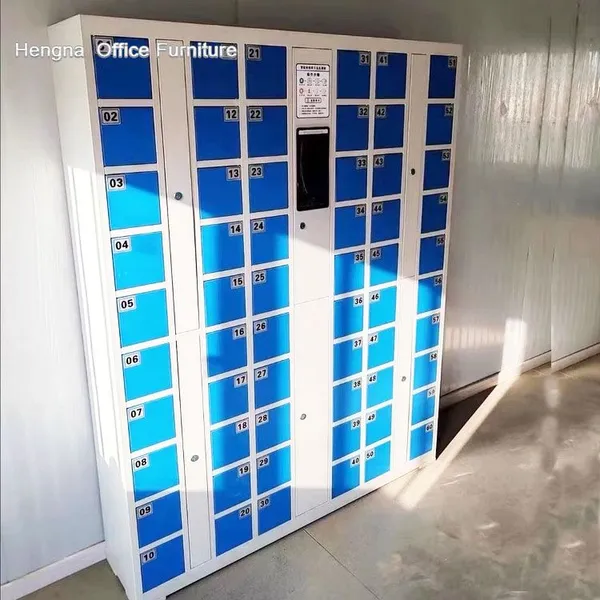
Smart Phone Charging Locker 40-door|Fingerprint Lockers Intelligent Parcel Delivery CabinetUS$ 203 - 750MOQ: 15 Pieces
-
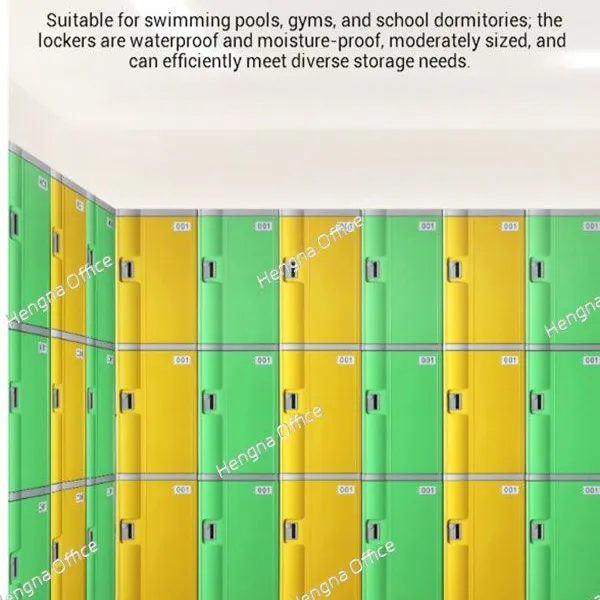
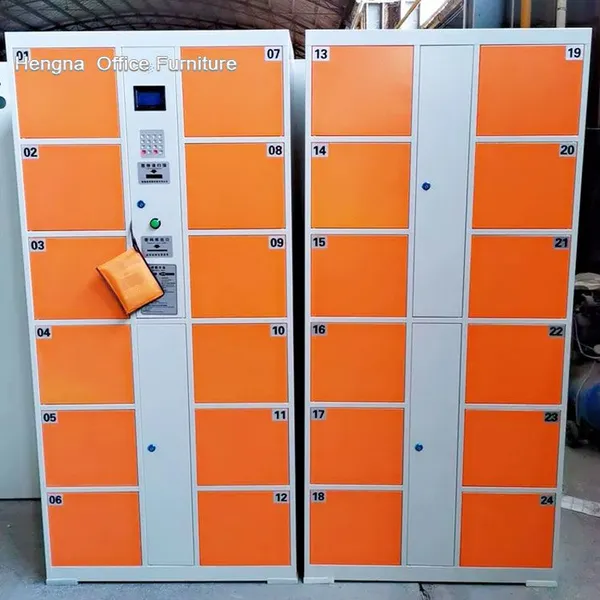
School Gym Lockers Price |Parcel Delivery Storage Locker 12-door FactoryUS$ 203 - 750MOQ: 15 Pieces
-
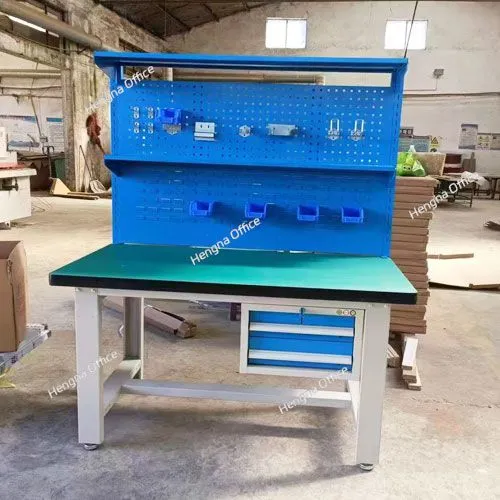
Multi Metal Work Benches Electrical Workshop Workbench|US$ 300 - 800MOQ: 2 Cases
-
Commercial Workbench Supplier |Multi Metal Work Bench With Drawers OMDUS$ 300 - 800MOQ: 2 Cases
-
Pathological Ection Cabinet JTGZ062 Wax Block Cabinet for LaboratoryNegotiableMOQ: 10 Pieces
-
Durable Tool Storage in Factory HNGJ703 Hard Wearing Metal Industrial Tool ChestNegotiableMOQ: 18 Pieces
-
High - Quality CNC Workshop Tool Cabinet Heavyweight Workshop Tool OrganizerNegotiableMOQ: 10 Pieces
-
Laboratory Polyethylene Acid and Corrosive Chemicals Safety Storage PP CabinetUS$ 340 - 600MOQ: 5 Combos
-
22 Gallons /80 L PP Acid - Base Cabinet: Safeguard Chemical Storage Supplier OEMUS$ 500 - 600MOQ: 5 Combos
-
4 - Gallon Corrosion-resistant Safety Cabinet for Hazardous Chemicals Acid SupplierUS$ 340 - 500MOQ: 5 Combos