
 Business License

Fitting a Herb Dispensing Table into a Small Clinic — Layout Ideas That Actually Work
I've walked into a lot of small clinic rooms over the years. Some are repurposed apartment units. Some are the front room of a traditional medicine shop. A few are actual medical consultation rooms. What they all have in common: nobody designed them around a herb dispensing table.
The table gets added later. Which means the person setting it up has to work around existing walls, door swings, power outlets, and furniture that was already there.
Here's what I've seen work — and what I've seen fail — when fitting a dispensing table into a small space.
Know your minimum dimensions before you start measuring
Most small clinic rooms in my experience fall into two categories: about 12 square meters (a standard consultation room) or 18-20 square meters (a room that doubles as storage).
A 1400mm wide dispensing table needs the following clear space:
Table footprint: 1400mm wide × 600mm deep. That's the cabinet itself.
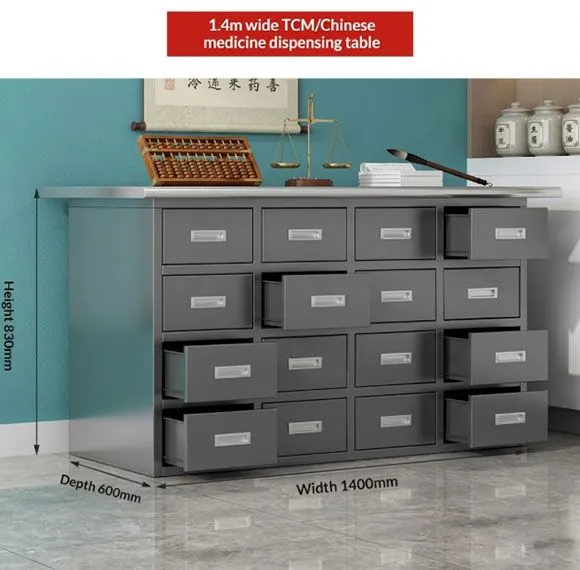
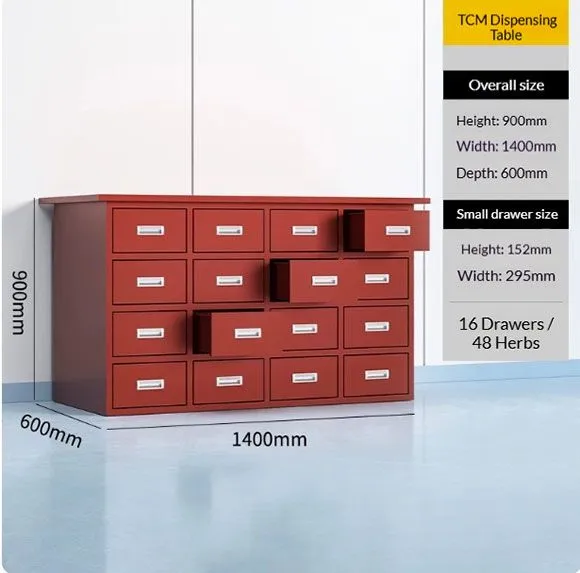
Operator space: Minimum 900mm in front of the drawers. That's where the person stands. Less than 900mm and they're bumping into the wall behind them.
Access space: 600mm on either side for opening adjacent drawers and accessing side compartments.
Countertop work area: 400mm to the left or right of the cabinet for a scale, a prescription pad, and packing materials.
Total minimum wall length required: about 1800mm including the working space on either side. Total room depth needed from the wall: about 1500mm (600mm cabinet + 900mm operator space).
If your room doesn't have 1800mm of contiguous wall space, you're going to need a narrower cabinet or a corner layout.
Corner layouts — making the most of a tight room
Corner placement is the most underused configuration in small clinics. Most people push the table against the longest wall, but in a small room, that often wastes the corner.
Here's the setup I've seen work well:
Place the dispensing table at a 45-degree angle in the corner. The patient sits across from the practitioner, facing the table. The space behind the practitioner becomes accessible for additional storage — shelves, extra herb bins, reference books.
This layout uses the corner that would otherwise be dead space. The trade-off is that the table protrudes into the room more. You need a room that's at least 2000mm × 2000mm for this to work without feeling cramped.
For rooms smaller than that, flush wall placement is the only option.
Wall placement — what to watch for
If you're placing the table against a wall, measure these three things before ordering:
Baseboard height. A standard baseboard is 80-100mm tall. Most dispensing tables sit flush against the wall, but if your baseboard is thicker than standard, the table will sit a few centimeters away from the wall. That gap collects dust and dropped herbs. We can recess the back of the cabinet to accommodate thick baseboards — mention it when you order.
Power outlet location. In many small clinics, the only power outlet is behind where the table will sit. Once the table is in position, that outlet becomes inaccessible. Move the outlet before the table arrives, or use a power strip extension from another outlet.
Door swing clearance. I've seen a clinic where the door couldn't fully open because the dispensing table was placed too close. The minimum clearance from the edge of the table to the door frame should be at least 500mm. Less than that, and the door hits the table or someone standing at it.
Two common small-clinic layouts
Layout A — Single counter, one practitioner
The table is centered on the longest available wall. Practitioner stands in front. Patient sits on the opposite side of a small consultation desk positioned in the middle of the room. The desk has the prescription pad and payment setup. The dispensing table is strictly for herb storage and preparation.
This works when the room is at least 4 meters long and 2.5 meters wide. The practitioner turns between desk and table — about a half-step. Not ideal for high-volume clinics, but sustainable for 20-30 prescriptions per day.
Layout B — Side counter, compact workflow
The table is placed against a side wall, not the main wall. The practitioner's desk faces the room, with the table to their right or left at a 90-degree angle. The practitioner swivels in their chair to access the drawers.
This is a space-efficient layout for rooms under 15 square meters. The patient doesn't see the dispensing area directly, which some practitioners prefer for a cleaner consultation experience. The downside is that the practitioner has limited countertop space for staging multiple prescriptions at once.
Drawer access in tight spaces
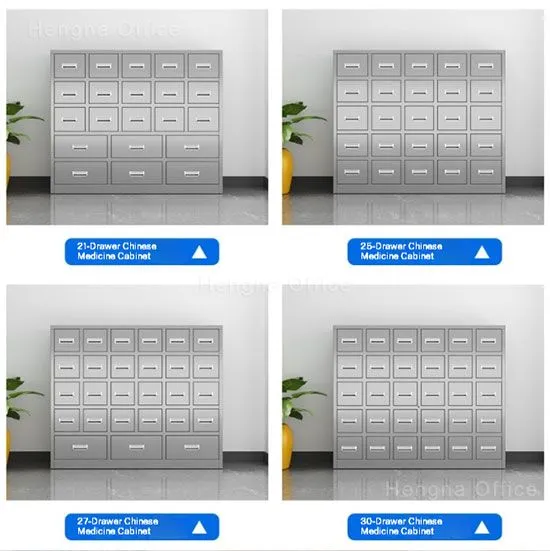
The 16-drawer, 4×4 layout means rows of four drawers vertically and four drawers horizontally. In a small room, the bottom row of drawers is the one that gets neglected because bending down is inconvenient.
Solution: store low-frequency herbs in the bottom row. Seasonal herbs, less common single herbs, backup stock. The top two rows — the most accessible — get your daily use herbs.
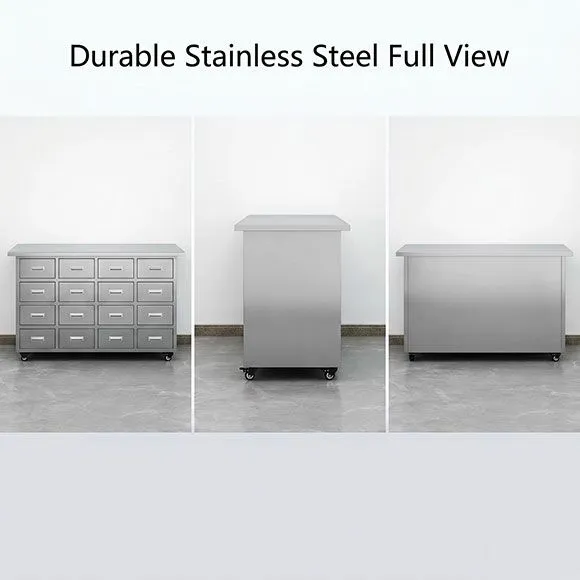
If you're using a cabinet with casters, another option is to pull the table slightly forward when accessing the bottom row. A 50mm pull gives you enough clearance to bend and reach without hitting your head on the countertop edge.
Ventilation and humidity
In a small room, herbs release moisture. The room doesn't have the air volume of a larger pharmacy to disperse it. If your small clinic room has poor ventilation, you need to be more deliberate about cabinet material.
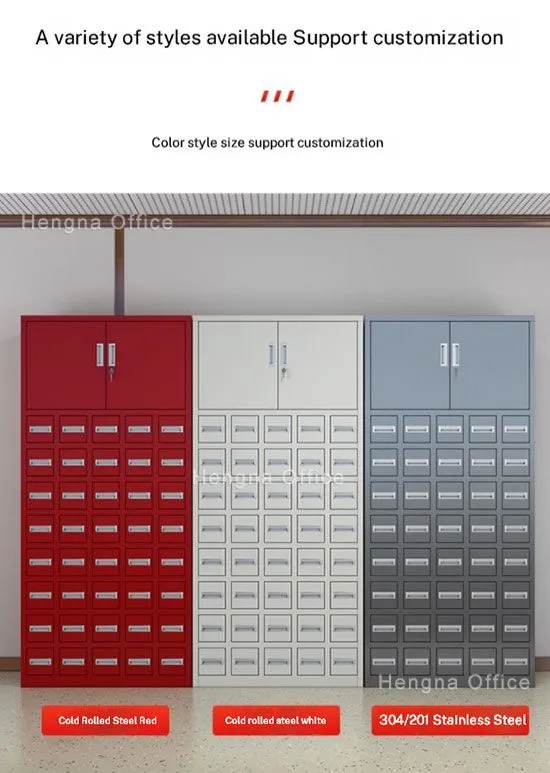
Stainless steel handles this. Painted cabinets in low-ventilation rooms show rust around the drawer edges within months. I've seen it happen enough times to mention it here. If your room has a window you can open during the day, that helps. If not, consider a dehumidifier in the room during wet seasons.
What to prioritize when space is limited
If your clinic room can't fit everything you want, prioritize in this order:
1. Drawer capacity over countertop space. A wider countertop is nice, but if you have to store herbs in boxes on the floor because your cabinet is too small, the workflow breaks down.
2. Accessibility over aesthetics. A corner placement might look less clean than a flush wall layout, but if it means the practitioner can reach all drawers without walking around, it's the better choice.
3. Casters over fixed placement. In a small room where you'll inevitably move things around to find the right layout, casters let you experiment. Lock them down once you find the position that works.
A note from someone who's seen too many tight fits
I've been in enough small clinic rooms to know that the person setting up the pharmacy isn't an interior designer. They're a practitioner who needs a functional workspace and has to make it work within what the room allows.
The most important thing I can tell you: measure the room before you order the cabinet. Not with a guess. With a tape measure. Write down the wall length, the door swing, the outlet positions, and the baseboard height. Then order the cabinet to fit those numbers, not the other way around.
If you're not sure, take photos and send them to me. I've looked at enough clinic room layouts over the years to spot problems before they happen.
Recently Posted
-
Welded vs Boltless Steel Shelving — Looks Strong at the Factory, Falls Apart at the Port
August 7, 2026Welded vs Boltless Steel Shelving — Looks Strong at the Factory, Falls Apart at the PortHere's a story every steel shelving im Read More
 -
You Asked a Steel Shelving Supplier for a Price. Here's What You Should Have Asked First.
August 7, 2026You found a steel shelving supplier. Their listing looks clean. You sent the message every first-time importer sends: "What&# Read More
 -
Heavy Duty Steel Workbench for Auto Repair — Cold Rolled Frame vs What Most Garages Use
August 5, 2026Mike has been running his independent garage for eleven years. Three bays, two mechanics, a steady stream of brake jobs and transm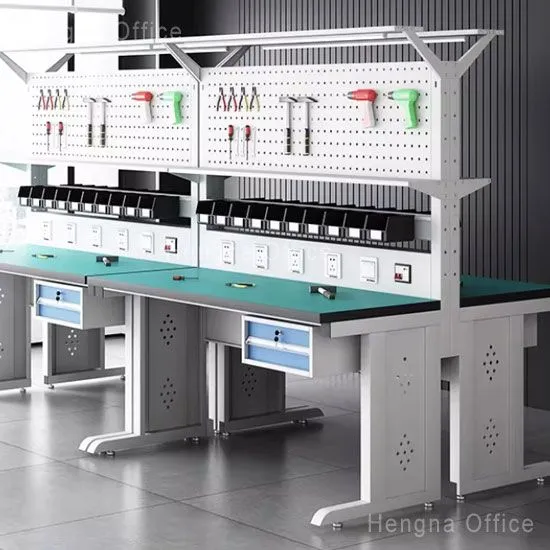 Read More
 -
Modular Workbench with Pegboard and Drawers — One Bench That Grows With Your Shop
August 5, 2026A shop starts with three people and two benches. Basic surface, no drawers, tools hanging on a pegboard nailed to the wall. Works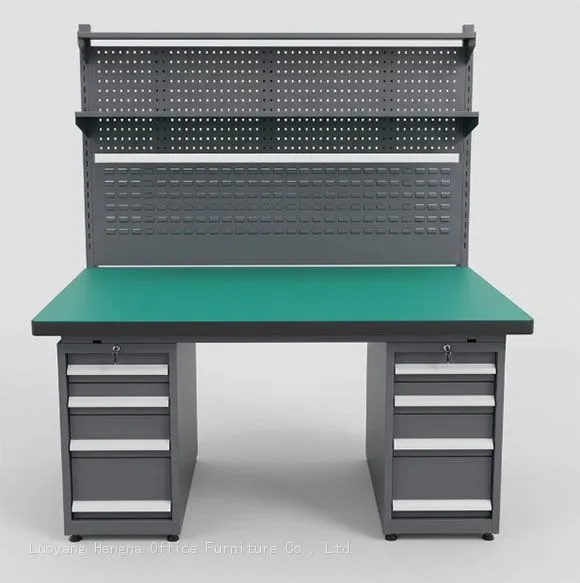 Read More

Contact Us
Recommended Products
-
 Industrial-Grade ABS Plastic Locker for Factory Staff and Warehouse Workers|Hengna OfficeUS$ 19 - 100MOQ: 5 Sets
 -
Outdoor ABS Locker Cabinet – UV-Resistant Plastic Storage for Poolside or Beach Resorts-Hengna OfficeUS$ 19 - 100MOQ: 5 Sets
-
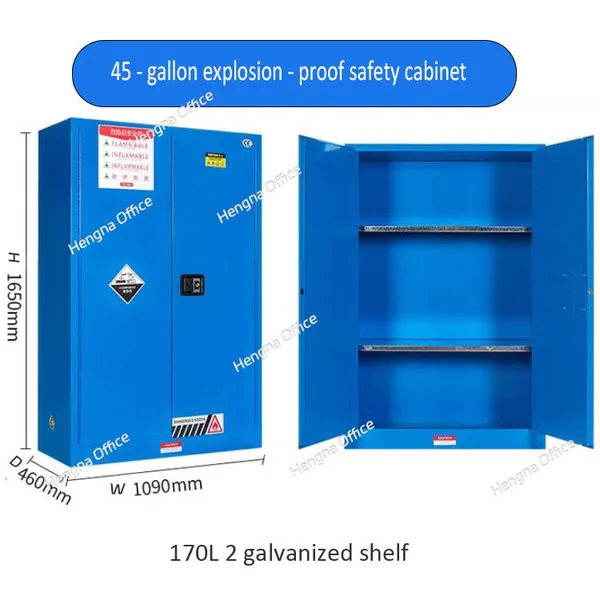
45 Gallon Explosion-Proof Flammable Liquid Storage Cabinet – Fire-Resistant Steel Safety Cabinet for FactoriesUS$ 68 - 400MOQ: 2 Combos
-
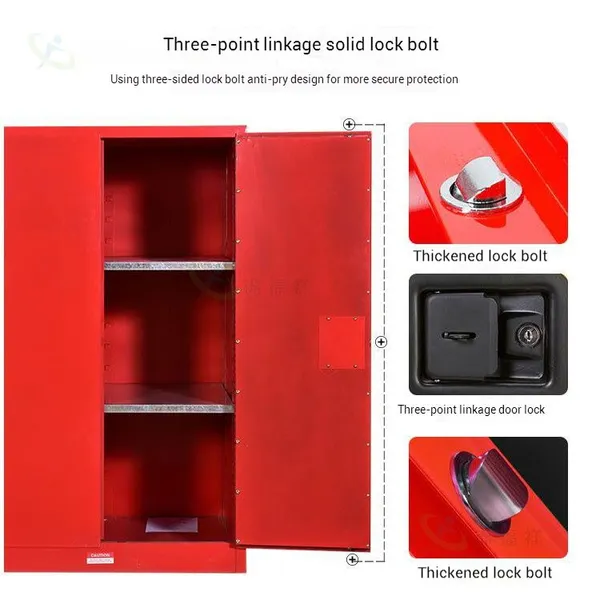
Flammable Storage Cabinet for Flammable Liquids – OSHA Certified Safety Cabinet With Fireproof Double WallsUS$ 68 - 400MOQ: 2 Combos
-
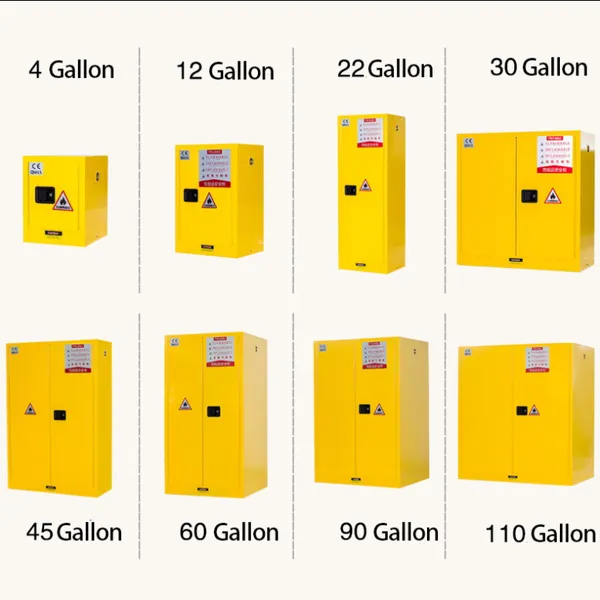
Large Capacity Flammable Liquid Storage Cabinet – Explosion-Proof Safety Cabinet for Laboratory & Workshop UseUS$ 68 - 400MOQ: 2 Combos
-
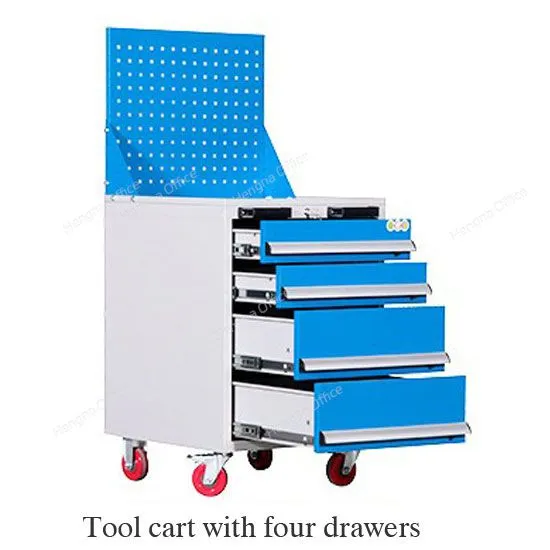
Heavy Duty Steel Tool Cart With Drawers for Workshops|Hengna OfficeUS$ 99 - 269MOQ: 2 Cases
-
Wholesale 3-Drawer Tool Trolley With Wheels for Factory and Garage StorageUS$ 99 - 269MOQ: 2 Cases
-
HN-wlj160 Industrial Rolling Tool Organizer With Pegboard|All-in-One Mobile Tool Storage CartUS$ 5 - 120MOQ: 2 Cases
-
White Stackable Pathology Wax Block Storage Drawers for Labs Near London-Hengna OfficeNegotiableMOQ: 10 Pieces
-
Custom Paraffin Block Storage Cabinet for Histology Laboratories – Factory Direct From Hengna FurnitureNegotiableMOQ: 10 Pieces
-
Smart Phone Charging Locker 40-door|Fingerprint Lockers Intelligent Parcel Delivery CabinetUS$ 203 - 750MOQ: 15 Pieces
-
School Gym Lockers Price |Parcel Delivery Storage Locker 12-door FactoryUS$ 203 - 750MOQ: 15 Pieces
-
Multi Metal Work Benches Electrical Workshop Workbench|US$ 300 - 800MOQ: 2 Cases
-
Commercial Workbench Supplier |Multi Metal Work Bench With Drawers OMDUS$ 300 - 800MOQ: 2 Cases
-
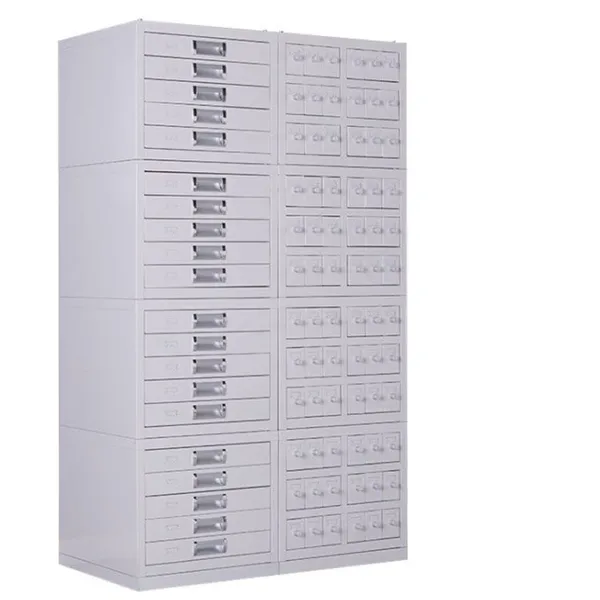
Pathological Ection Cabinet JTGZ062 Wax Block Cabinet for LaboratoryNegotiableMOQ: 10 Pieces
-
Durable Tool Storage in Factory HNGJ703 Hard Wearing Metal Industrial Tool ChestNegotiableMOQ: 18 Pieces
-
High - Quality CNC Workshop Tool Cabinet Heavyweight Workshop Tool OrganizerNegotiableMOQ: 10 Pieces
-
Laboratory Polyethylene Acid and Corrosive Chemicals Safety Storage PP CabinetUS$ 340 - 600MOQ: 5 Combos
-
22 Gallons /80 L PP Acid - Base Cabinet: Safeguard Chemical Storage Supplier OEMUS$ 500 - 600MOQ: 5 Combos
-
4 - Gallon Corrosion-resistant Safety Cabinet for Hazardous Chemicals Acid SupplierUS$ 340 - 500MOQ: 5 Combos