
 Business License

The Benefits of Electrostatic Powder Coating for Long-Lasting Laboratory Furniture
In a laboratory or healthcare setting, the environment is often "hostile" to standard furniture. Constant exposure to chemical reagents, frequent sanitization with medical-grade disinfectants, and the need for a sterile atmosphere mean that ordinary paint finishes simply won't cut it.
This is where Electrostatic Powder Coating comes in. For laboratory managers and facility planners, understanding this coating process is essential to ensuring the longevity and safety of your investment.
1. What is Electrostatic Powder Coating?
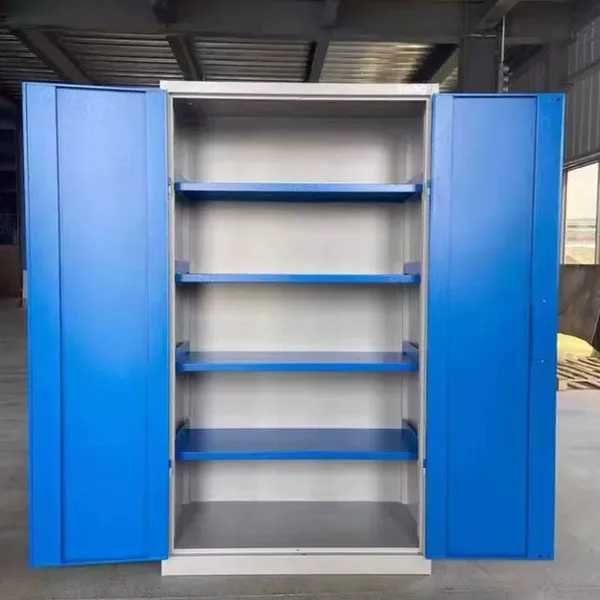
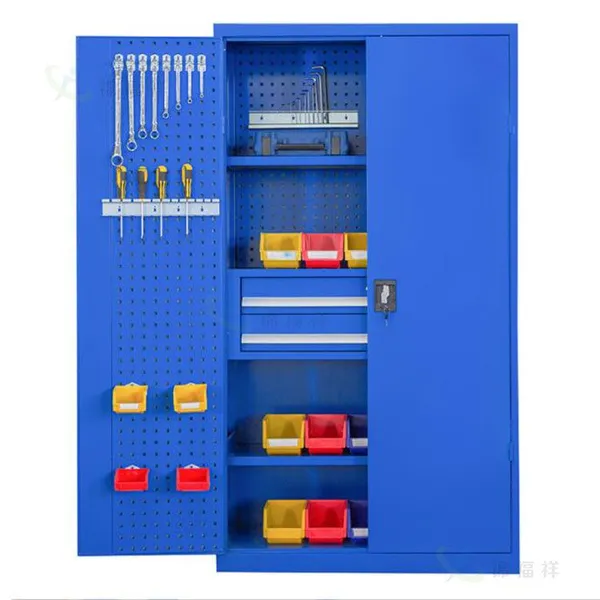
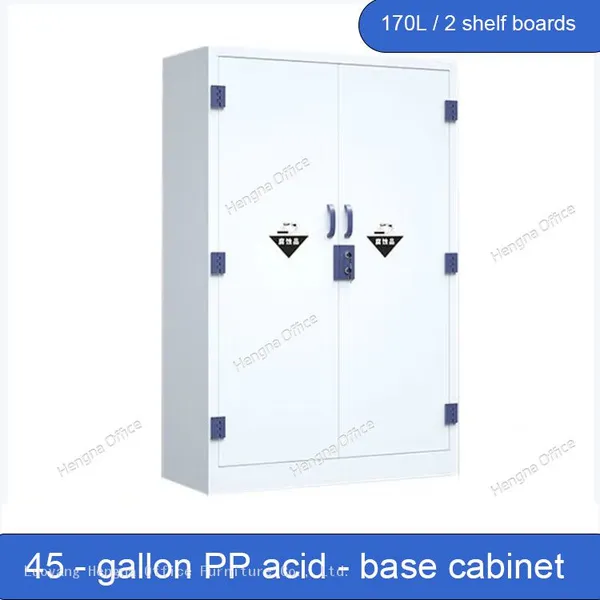
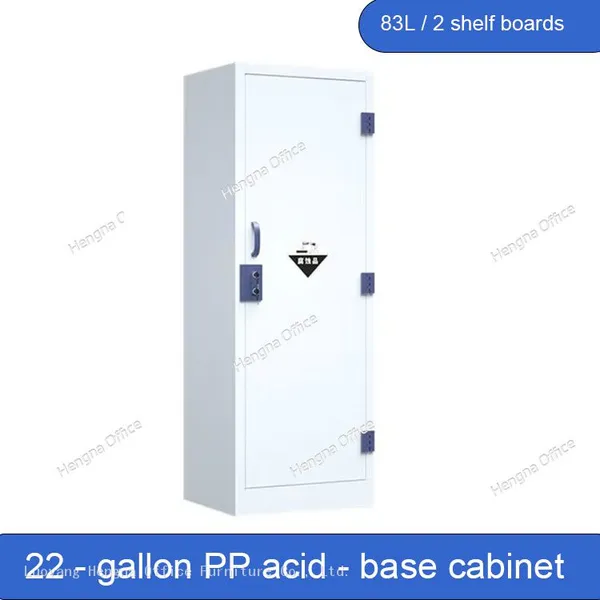
Unlike traditional liquid paint, powder coating is applied as a free-flowing, dry powder. Using an electrostatic charge, the powder is sprayed onto the steel cabinet and then cured under heat to form a "skin." This process creates a finish that is much tougher and thicker than conventional paint.
2. Exceptional Chemical and Corrosion Resistance
Laboratories deal with spills—it’s an occupational reality.
The Steel Advantage: When high-quality SPCC steel is treated with electrostatic powder, it creates a non-porous barrier.
Durability: This barrier is highly resistant to corrosive chemicals, acidic vapors, and moisture. In a lab where surfaces are wiped down multiple times a day with bleach or alcohol, powder-coated furniture will not peel, bubble, or rust, maintaining its structural integrity for decades.
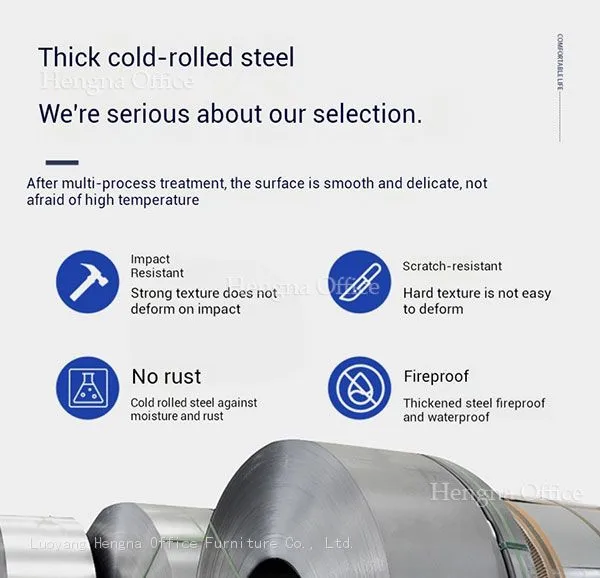
3. Impact and Scratch Resistance
Laboratory equipment is often heavy and moved frequently.
The "Hardness" Factor: Powder coating is significantly more resistant to impact than liquid paint. It can withstand the bumps and scrapes of daily lab life without exposing the underlying metal. This is crucial because even a small scratch in a humid lab can become a breeding ground for rust if not protected by a high-performance finish.
4. Comparison: Powder Coating vs. Traditional Liquid Paint
| Performance Metric | Electrostatic Powder Coating | Traditional Liquid Paint |
| Finish Thickness | Thick, uniform, and consistent | Often uneven or thin in corners |
| Durability | High (Chip and scratch-resistant) | Low (Prone to peeling and fading) |
| Chemical Resistance | Excellent (Resists most solvents) | Moderate to Poor |
| VOC Emissions | Zero (Eco-friendly) | High (Contains harmful solvents) |
| Maintenance | Minimal (Wipe and go) | High (Requires frequent touch-ups) |
5. Hygiene and Sterility
In medical and research facilities, hygiene is non-negotiable.
Anti-Microbial Properties: Because the powder coating flows and fuses into a continuous surface during the curing process, there are no microscopic cracks or pores where bacteria can hide.
Easy Decontamination: The smooth, satin-like finish allows for effortless cleaning, ensuring that the furniture meets stringent biosafety standards.
6. Environmental Sustainability (The Green Choice)
Modern B2B procurement in Europe and North America heavily weighs the environmental impact of products.
Zero VOCs: Powder coating contains no solvents and releases negligible amounts of Volatile Organic Compounds (VOCs) into the atmosphere.
Waste Reduction: Any "overspray" during the manufacturing process can be reclaimed and reused, making it a nearly zero-waste finishing method.
Conclusion
When you are equipping a laboratory, the goal is to buy once and buy right. Electrostatic powder-coated steel furniture offers the perfect balance of chemical resistance, physical durability, and environmental responsibility. It is an investment in the long-term efficiency and safety of your scientific workspace.
Recently Posted
-
Stainless Steel Shelving for Breweries and Wineries — What Survives Humidity, Alcohol Spills
July 24, 2026Stainless Steel Shelving for Breweries and Wineries — What Survives Humidity, Alcohol Spills, and Sanitizer Washdowns Three t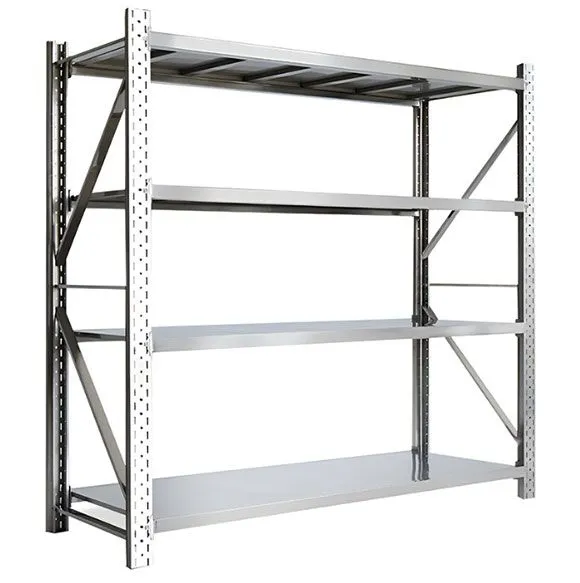 Read More
 -
Stainless Steel Shelving for Meat Processing Plants — What Holds Up Against Blood, Fat, and Daily Wa
July 24, 2026Meat plants are brutal on shelvingIf you work in a meat processing plant, you already know this. The rack that looked fine s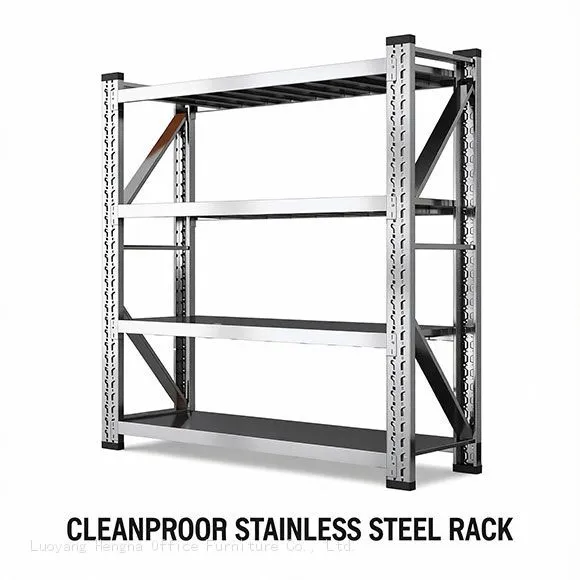 Read More
 -
0.6mm Steel Wardrobe vs 0.4mm — Why Cold-Rolled Single Door Metal Closet Lasts Longer
July 10, 2026The 0.2mm That Decides Whether You Buy One Wardrobe or ThreeTwo wardrobes look identical on a supplier's photo. Same door, sam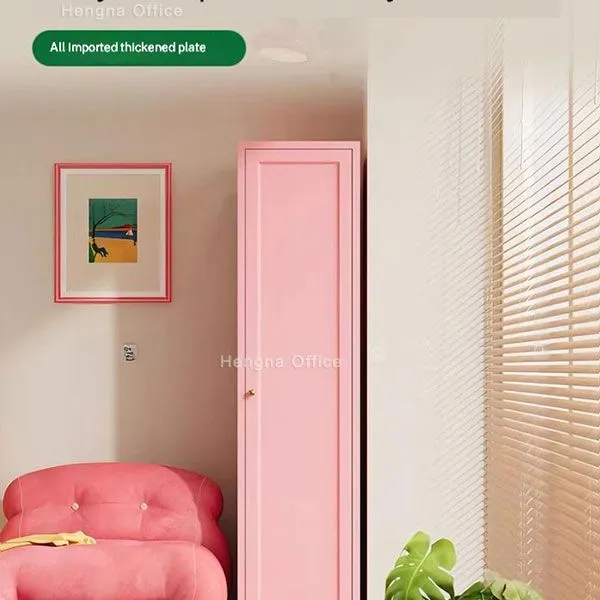 Read More
 -
Heavy Duty Tool Cabinet with Locks for School Shop: Stop Tool Theft Before It Happens
July 9, 2026A vocational school workshop isn't like a factory floor. The tools aren't being used by seasoned machinists who know where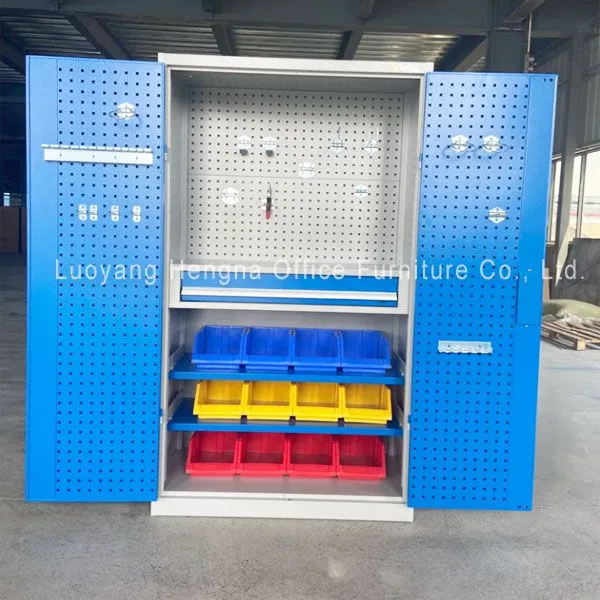 Read More

Contact Us
Recommended Products
-
 Industrial-Grade ABS Plastic Locker for Factory Staff and Warehouse Workers|Hengna OfficeUS$ 19 - 100MOQ: 5 Sets
 -
Outdoor ABS Locker Cabinet – UV-Resistant Plastic Storage for Poolside or Beach Resorts-Hengna OfficeUS$ 19 - 100MOQ: 5 Sets
-
45 Gallon Explosion-Proof Flammable Liquid Storage Cabinet – Fire-Resistant Steel Safety Cabinet for FactoriesUS$ 68 - 400MOQ: 2 Combos
-
Flammable Storage Cabinet for Flammable Liquids – OSHA Certified Safety Cabinet With Fireproof Double WallsUS$ 68 - 400MOQ: 2 Combos
-
Large Capacity Flammable Liquid Storage Cabinet – Explosion-Proof Safety Cabinet for Laboratory & Workshop UseUS$ 68 - 400MOQ: 2 Combos

-
Heavy Duty Steel Tool Cart With Drawers for Workshops|Hengna OfficeUS$ 99 - 269MOQ: 2 Cases
-
Wholesale 3-Drawer Tool Trolley With Wheels for Factory and Garage StorageUS$ 99 - 269MOQ: 2 Cases
-
HN-wlj160 Industrial Rolling Tool Organizer With Pegboard|All-in-One Mobile Tool Storage CartUS$ 5 - 120MOQ: 2 Cases
-
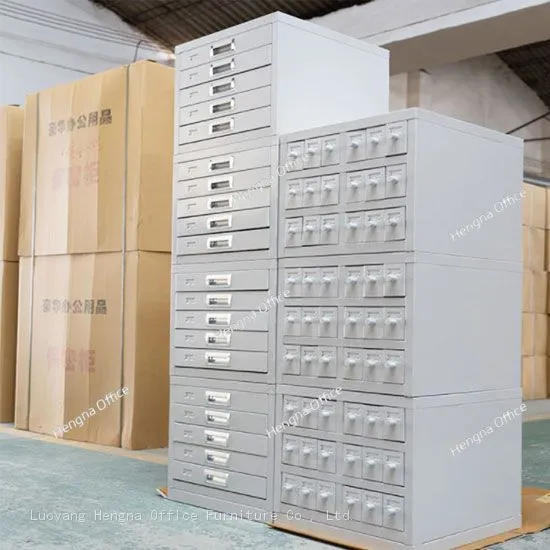
White Stackable Pathology Wax Block Storage Drawers for Labs Near London-Hengna OfficeNegotiableMOQ: 10 Pieces
-
Custom Paraffin Block Storage Cabinet for Histology Laboratories – Factory Direct From Hengna FurnitureNegotiableMOQ: 10 Pieces
-
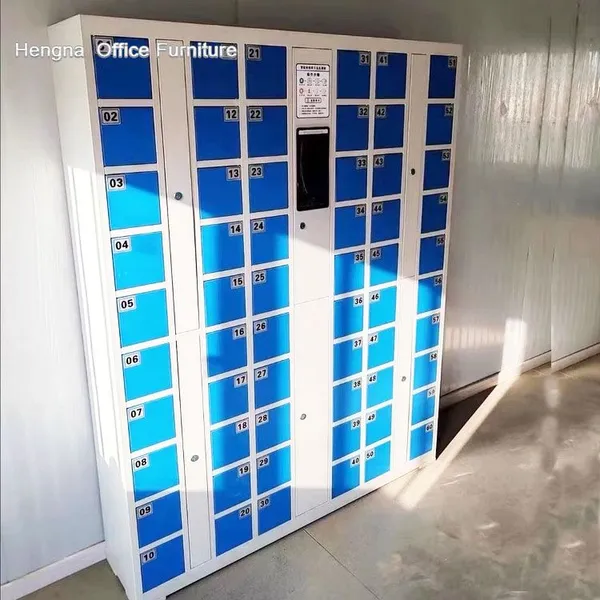
Smart Phone Charging Locker 40-door|Fingerprint Lockers Intelligent Parcel Delivery CabinetUS$ 203 - 750MOQ: 15 Pieces
-
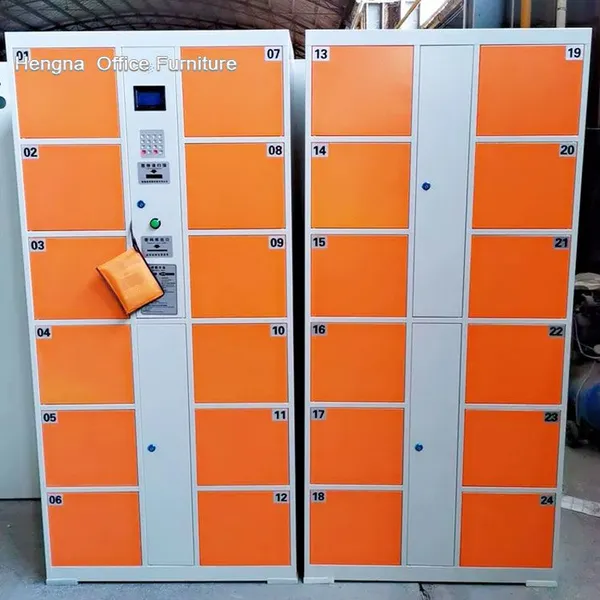
School Gym Lockers Price |Parcel Delivery Storage Locker 12-door FactoryUS$ 203 - 750MOQ: 15 Pieces
-
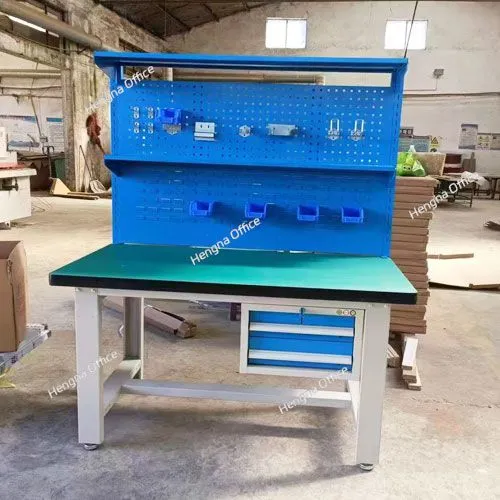
Multi Metal Work Benches Electrical Workshop Workbench|US$ 300 - 800MOQ: 2 Cases
-
Commercial Workbench Supplier |Multi Metal Work Bench With Drawers OMDUS$ 300 - 800MOQ: 2 Cases
-
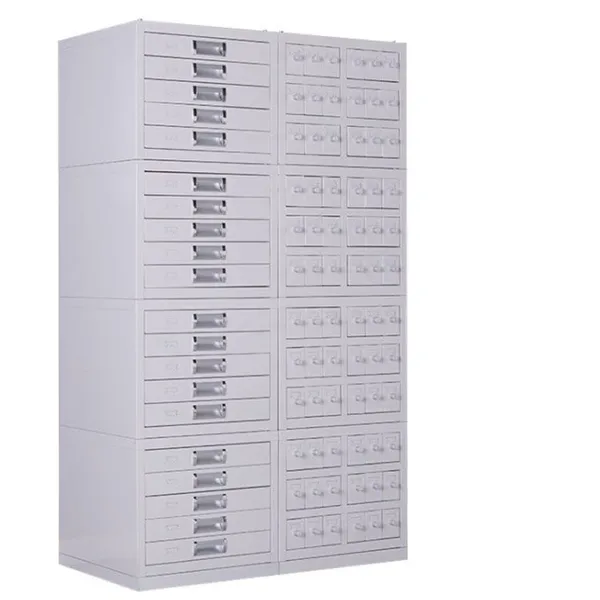
Pathological Ection Cabinet JTGZ062 Wax Block Cabinet for LaboratoryNegotiableMOQ: 10 Pieces
-
Durable Tool Storage in Factory HNGJ703 Hard Wearing Metal Industrial Tool ChestNegotiableMOQ: 18 Pieces
-
High - Quality CNC Workshop Tool Cabinet Heavyweight Workshop Tool OrganizerNegotiableMOQ: 10 Pieces
-
Laboratory Polyethylene Acid and Corrosive Chemicals Safety Storage PP CabinetUS$ 340 - 600MOQ: 5 Combos
-
22 Gallons /80 L PP Acid - Base Cabinet: Safeguard Chemical Storage Supplier OEMUS$ 500 - 600MOQ: 5 Combos
-
4 - Gallon Corrosion-resistant Safety Cabinet for Hazardous Chemicals Acid SupplierUS$ 340 - 500MOQ: 5 Combos