
 Business License

How to Calculate the Loading Capacity of Industrial Racking: The Role of Reinforcing Bars
In the world of industrial procurement, "Heavy Duty" is a term that is often overused but rarely defined. When a facility manager in Chicago or a logistics coordinator in Los Angeles compares two stainless steel shelves that look identical in a catalog, why does one cost 30% more?
The secret lies beneath the surface—specifically, under the laminate. The true loading capacity of a shelf is not just determined by the thickness of the steel, but by the quantity and placement of Reinforcing Bars.
The Engineering Logic: Beyond Steel Thickness
Many buyers assume that a thicker stainless steel sheet (like 1.2mm vs 0.8mm) automatically means a higher load capacity. While thickness matters, a flat sheet of steel is prone to deflection (bowing in the center) under concentrated weight.
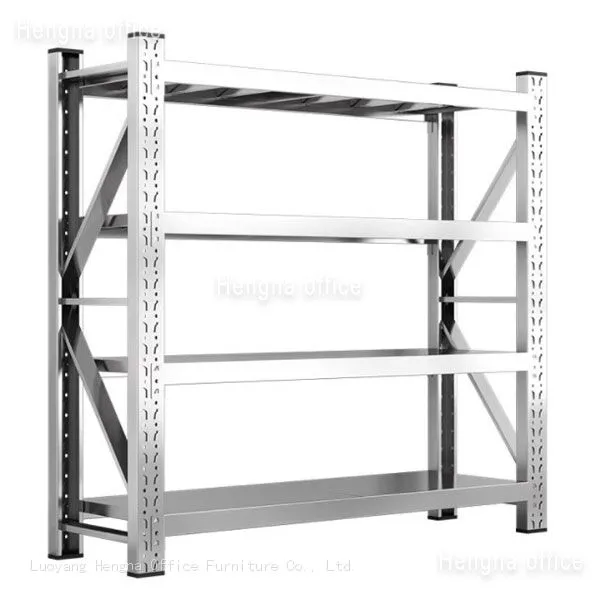
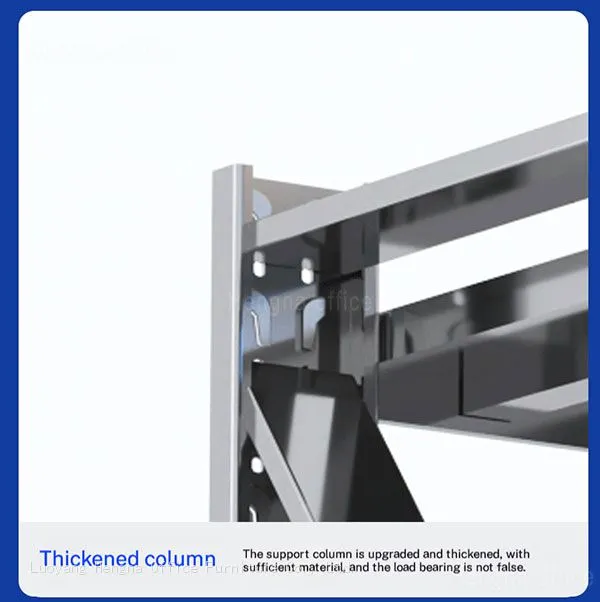
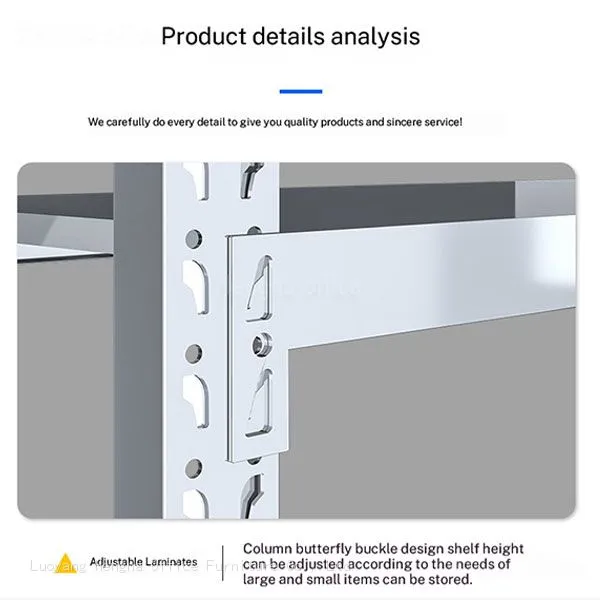
Reinforcing bars act as the "skeleton" of the shelf. They redistribute the vertical pressure from the center of the laminate to the horizontal beams and vertical columns. Without these bars, even the thickest steel plate will eventually warp, leading to a permanent "smiling" effect that compromises safety.
How to Evaluate Reinforcing Bars
When auditing a supplier's product, you should look for three specific metrics:
Quantity per Layer: For a standard 100cm shelf, 3-4 bars are common. However, for a 200cm heavy-duty unit, 8 reinforcing bars are the gold standard to prevent middle-section sagging.
Welding Integrity: Are the bars spot-welded or fully integrated? High-quality industrial racks use multi-point reinforcement to ensure the bar and the laminate act as a single unit.
Cross-Section Profile: U-shaped or hat-shaped channels provide the highest strength-to-weight ratio.
Load Capacity Guide: Reinforcing Bars vs. Weight Limit
| Shelf Length | Number of Reinforcing Bars | Estimated Max Load (UDL*) | Application Level |
| 100 cm | 3 Bars | 150 kg (330 lbs) | Light Commercial |
| 120 cm | 4 Bars | 200 kg (440 lbs) | Standard Industrial |
| 150 cm | 5-6 Bars | 350 kg (770 lbs) | Heavy-Duty Warehouse |
| 200 cm | 8 Bars | 500 kg+ (1100 lbs+) | Professional Industrial |
*UDL = Uniformly Distributed Load
Why "The Sag" is a Safety Hazard
A shelf that bows in the middle is not just an eyesore; it’s a liability.
Unstable Stacking: Items on a warped shelf tend to slide toward the center, increasing the risk of items falling when a worker tries to retrieve them.
Structural Fatigue: Once a metal sheet has exceeded its elastic limit and begins to deform, the molecular structure of the steel weakens, making a total collapse more likely in the future.
Cleaning Issues: In food-grade or medical environments, a sagging shelf creates "valleys" where liquids or dust can accumulate, making it impossible to maintain sterile conditions.
The "Eight-Bar" Advantage
For high-intensity environments like cold storage or automotive parts distribution, we recommend the 8-bar configuration for long-span shelves. This design ensures that whether you are storing heavy engine components or crates of frozen seafood, the surface remains perfectly flat. This flatness is crucial for maintaining the center of gravity of the entire racking system.
Conclusion
Don’t be fooled by a polished finish. The next time you are reviewing a quote for industrial racking, look at the underside. Ask your supplier for a clear photo of the reinforcement structure.
A high-quality heavy-duty shelf is defined by its internal support. If you want a racking system that lasts for a decade without bowing, prioritize the number and quality of the reinforcing bars. It is the difference between a shelf that simply "holds" and a shelf that "supports."
Recently Posted
-
Louvered Panel vs Round Hole Pegboard — Which Tool Wall Holds Hooks and Bins Together?
August 31, 2026Louvered Panel vs Round Hole Pegboard — Which Tool Wall Holds Hooks and Bins Together?Short answer: if you only hang tools, round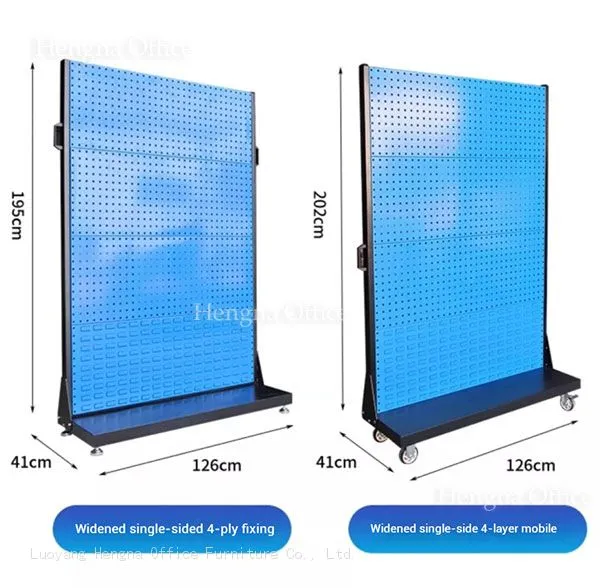 Read More
 -
Welded vs Boltless Steel Shelving — Looks Strong at the Factory, Falls Apart at the Port
August 7, 2026Welded vs Boltless Steel Shelving — Looks Strong at the Factory, Falls Apart at the PortHere's a story every steel shelving im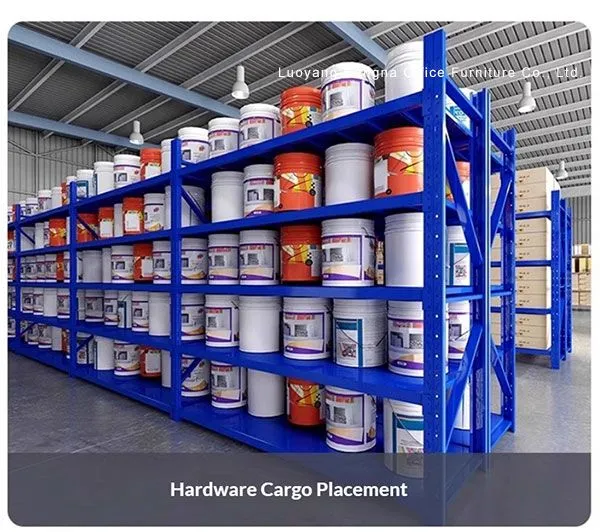 Read More
 -
You Asked a Steel Shelving Supplier for a Price. Here's What You Should Have Asked First.
August 7, 2026You found a steel shelving supplier. Their listing looks clean. You sent the message every first-time importer sends: "What&#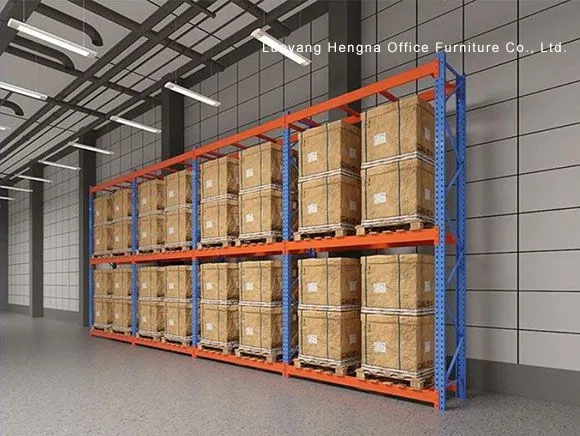 Read More
 -
Heavy Duty Steel Workbench for Auto Repair — Cold Rolled Frame vs What Most Garages Use
August 5, 2026Mike has been running his independent garage for eleven years. Three bays, two mechanics, a steady stream of brake jobs and transm Read More

Contact Us
Recommended Products
-
 Industrial-Grade ABS Plastic Locker for Factory Staff and Warehouse Workers|Hengna OfficeUS$ 19 - 100MOQ: 5 Sets
 -
Outdoor ABS Locker Cabinet – UV-Resistant Plastic Storage for Poolside or Beach Resorts-Hengna OfficeUS$ 19 - 100MOQ: 5 Sets
-
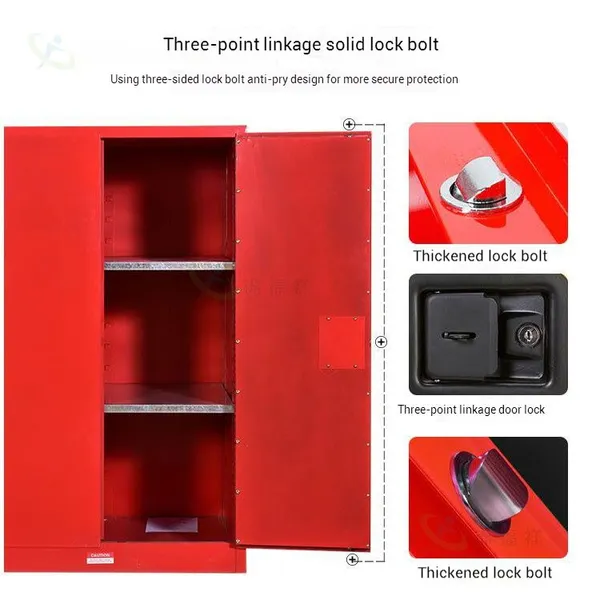
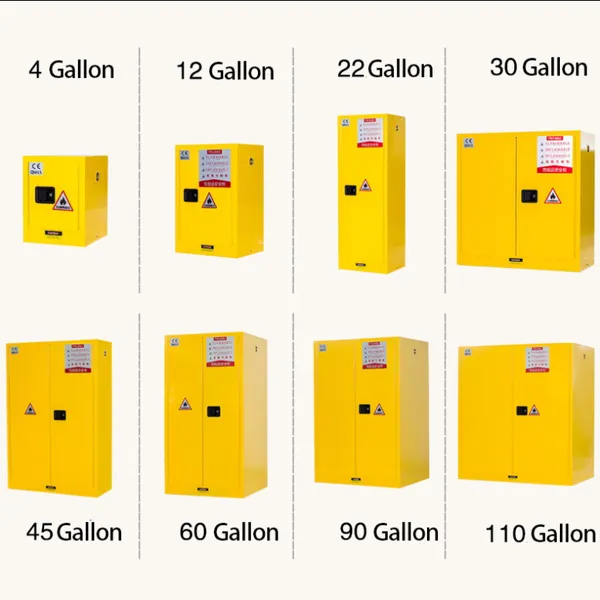
45 Gallon Explosion-Proof Flammable Liquid Storage Cabinet – Fire-Resistant Steel Safety Cabinet for FactoriesUS$ 68 - 400MOQ: 2 Combos
-
Flammable Storage Cabinet for Flammable Liquids – OSHA Certified Safety Cabinet With Fireproof Double WallsUS$ 68 - 400MOQ: 2 Combos
-
Large Capacity Flammable Liquid Storage Cabinet – Explosion-Proof Safety Cabinet for Laboratory & Workshop UseUS$ 68 - 400MOQ: 2 Combos
-
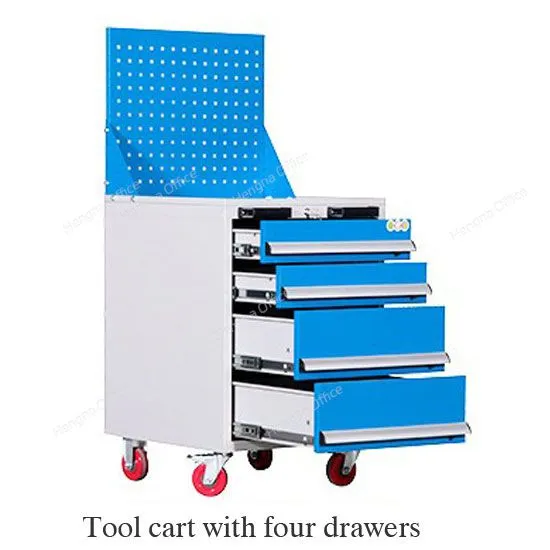
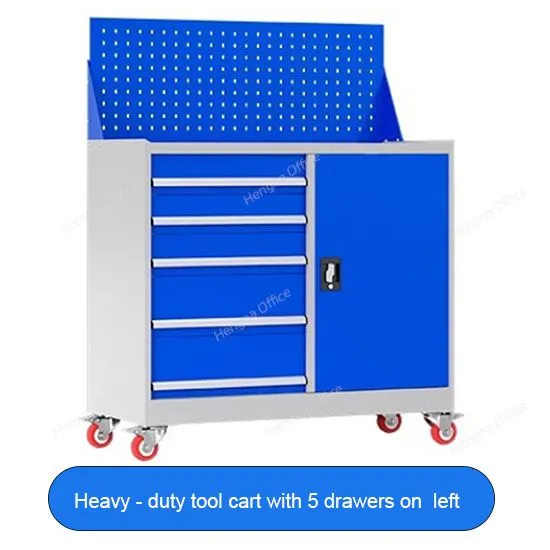
Heavy Duty Steel Tool Cart With Drawers for Workshops|Hengna OfficeUS$ 99 - 269MOQ: 2 Cases
-
Wholesale 3-Drawer Tool Trolley With Wheels for Factory and Garage StorageUS$ 99 - 269MOQ: 2 Cases
-
HN-wlj160 Industrial Rolling Tool Organizer With Pegboard|All-in-One Mobile Tool Storage CartUS$ 5 - 120MOQ: 2 Cases
-
White Stackable Pathology Wax Block Storage Drawers for Labs Near London-Hengna OfficeNegotiableMOQ: 10 Pieces
-
Custom Paraffin Block Storage Cabinet for Histology Laboratories – Factory Direct From Hengna FurnitureNegotiableMOQ: 10 Pieces
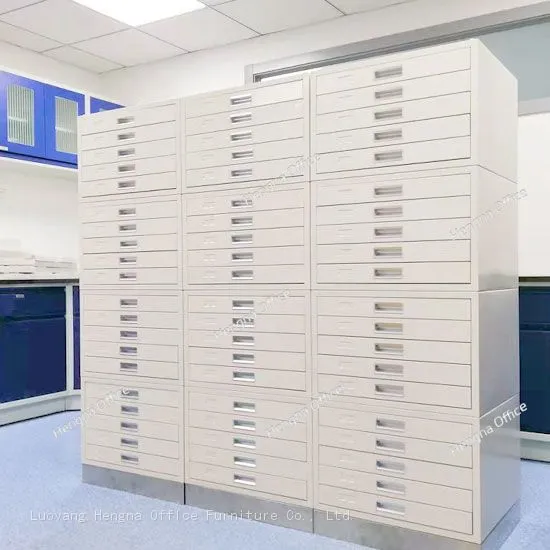
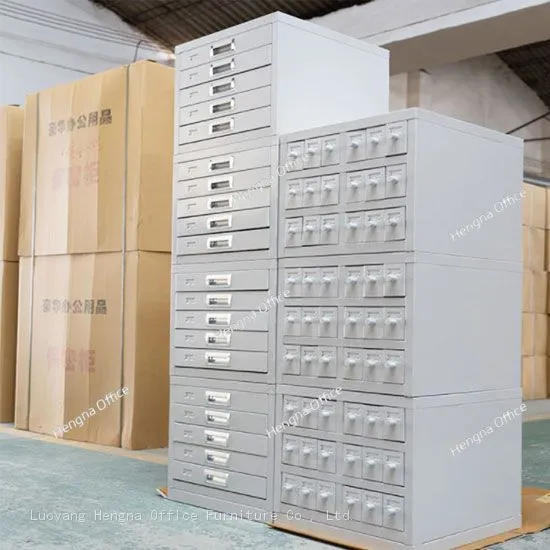
-
Smart Phone Charging Locker 40-door|Fingerprint Lockers Intelligent Parcel Delivery CabinetUS$ 203 - 750MOQ: 15 Pieces
-
School Gym Lockers Price |Parcel Delivery Storage Locker 12-door FactoryUS$ 203 - 750MOQ: 15 Pieces
-
Multi Metal Work Benches Electrical Workshop Workbench|US$ 300 - 800MOQ: 2 Cases
-
Commercial Workbench Supplier |Multi Metal Work Bench With Drawers OMDUS$ 300 - 800MOQ: 2 Cases
-
Pathological Ection Cabinet JTGZ062 Wax Block Cabinet for LaboratoryNegotiableMOQ: 10 Pieces
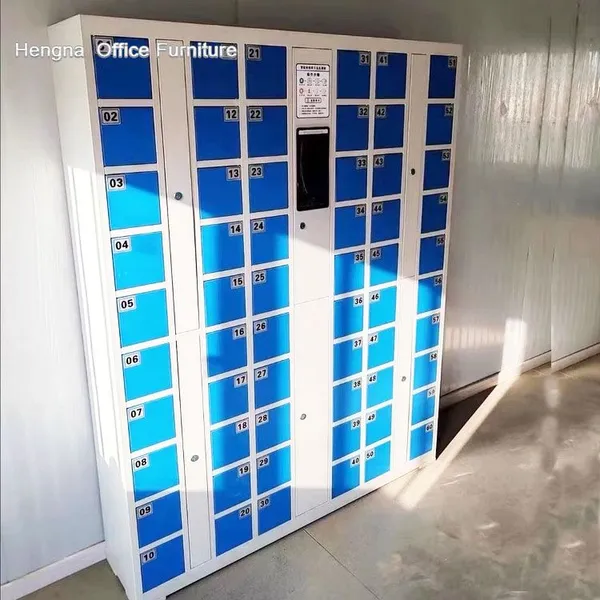
-
Durable Tool Storage in Factory HNGJ703 Hard Wearing Metal Industrial Tool ChestNegotiableMOQ: 18 Pieces
-
High - Quality CNC Workshop Tool Cabinet Heavyweight Workshop Tool OrganizerNegotiableMOQ: 10 Pieces
-
Laboratory Polyethylene Acid and Corrosive Chemicals Safety Storage PP CabinetUS$ 340 - 600MOQ: 5 Combos
-
22 Gallons /80 L PP Acid - Base Cabinet: Safeguard Chemical Storage Supplier OEMUS$ 500 - 600MOQ: 5 Combos
-
4 - Gallon Corrosion-resistant Safety Cabinet for Hazardous Chemicals Acid SupplierUS$ 340 - 500MOQ: 5 Combos