
 Business License

Is Stainless Steel Shelving Worth the Investment Compared to Chrome or Plastic?
In any commercial facility, from a bustling restaurant in New York to a pharmaceutical lab in San Diego, budget allocation is always a priority. When browsing storage options, it’s tempting to choose low-cost plastic or chrome-plated wire shelving. At first glance, they seem to do the same job for a fraction of the price.
However, professional procurement officers look beyond the initial price tag. They calculate the Total Cost of Ownership (TCO). When you factor in durability, hygiene, and replacement cycles, stainless steel isn't just a premium choice—it’s the most economical one.
The Problem with "Low-Cost" Alternatives
1. Chrome-Plated Shelving: The Rust Clock
Chrome shelving looks great on Day 1. But in environments with any humidity—like cold storage or kitchens—the clock starts ticking. Once the thin chrome layer is scratched or pitted, the underlying steel begins to oxidize.
The Result: Flaking rust can contaminate food or sensitive medical supplies, leading to failed health inspections and the need for total replacement within 12–24 months.
2. Plastic Shelving: The Strength and Heat Barrier
Plastic racks are rust-proof, but they lack structural rigidity.
The Result: Over time, plastic shelves tend to "creep" or sag under heavy loads. They are also sensitive to temperature fluctuations and can become brittle in deep-freeze environments or warp near high-heat areas like ovens.
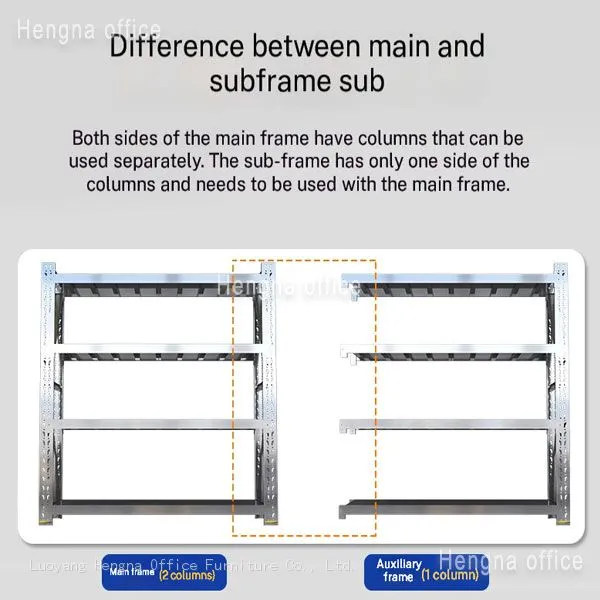
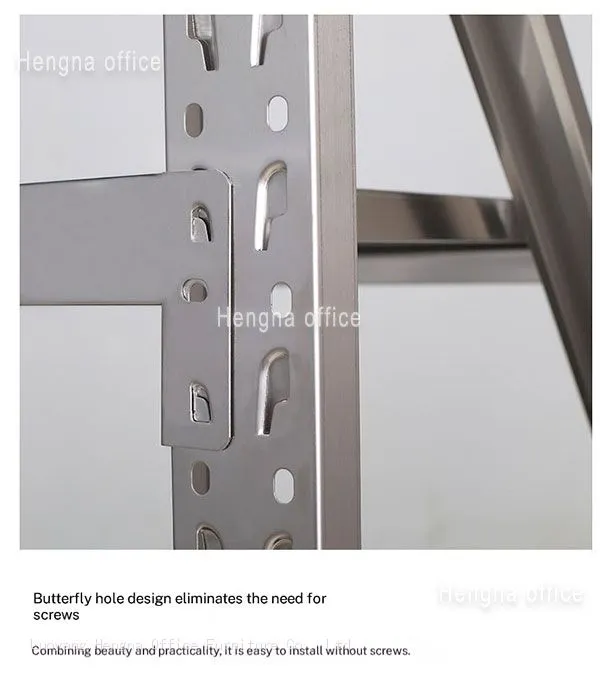
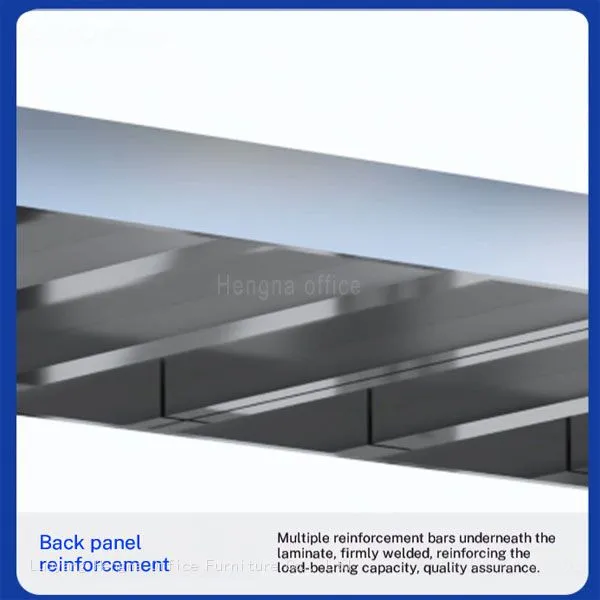
Comparison Table: Stainless Steel vs. The Competition
| Feature | Plastic Shelving | Chrome-Plated Wire | Stainless Steel (Hengna Style) |
| Durability | Moderate (Fragile in cold) | Low (Rusts easily) | Extreme (Lifetime use) |
| Weight Capacity | Low to Moderate | Moderate | High (Up to 1100 lbs/layer) |
| Sanitation | Porous (Hard to deep clean) | Hard (Wire gaps trap dust) | High (Smooth, non-porous) |
| Heat Resistance | Poor | Moderate | Excellent |
| Long-term Value | Frequent replacement | High maintenance | One-time investment |
Why Stainless Steel Wins the Long Game
1. Superior Sanitation and Compliance
Stainless steel is non-porous. In food service and medical industries, this is vital. Bacteria, mold, and odors have nowhere to hide on a smooth stainless surface. Our no-burr finish ensures that there are no microscopic crevices for pathogens to grow, making it the easiest material to sanitize and keep in compliance with NSF or GMP standards.
2. Structural Resilience (The "Reinforcing Bar" Advantage)
Unlike plastic that bows or chrome wire that bends, our stainless steel units feature integrated reinforcing bars. This means you can store heavy machinery, liquid containers, or bulk raw materials without worrying about structural fatigue. It remains as flat and stable on Year 10 as it was on Day 1.
3. Aesthetic and Brand Image
For B2B clients who host tours of their facilities (like high-end labs or craft breweries), the look of your storage matters. Stainless steel projects an image of professionalism, cleanliness, and quality that plastic simply cannot match.
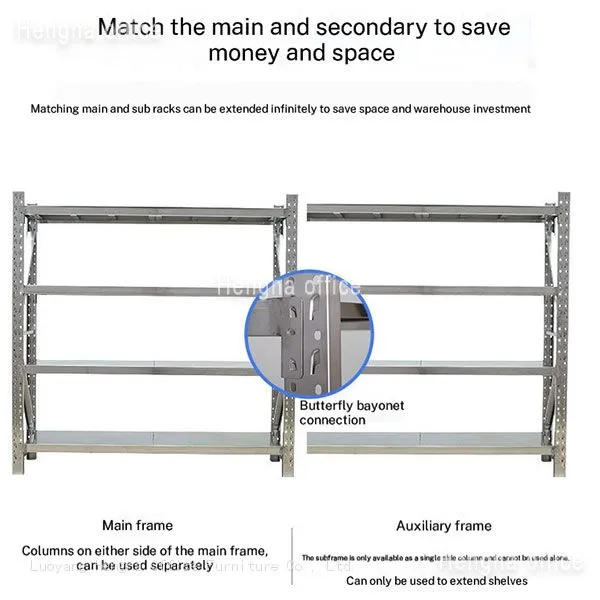
The Real Cost Calculation
Imagine a warehouse needs 50 units.
Chrome: Costs $100/unit. Replaced every 2 years due to rust. Total 10-year cost: $500/unit.
Stainless Steel: Costs $250/unit. Lasts 15+ years. Total 10-year cost: $250/unit.
By choosing stainless steel, the facility actually saves 50% over a decade while avoiding the labor costs of re-assembling new shelves every few years.
Conclusion
Is stainless steel worth the investment? If your business values safety, hygiene, and long-term financial efficiency, the answer is a resounding yes. It’s not an expense; it’s a durable asset that protects your inventory and your bottom line.
Stop replacing your shelves every few years. Invest in a heavy-duty stainless steel system once, and focus your energy on growing your business instead of managing your storage.
Recently Posted
-
Louvered Panel vs Round Hole Pegboard — Which Tool Wall Holds Hooks and Bins Together?
August 31, 2026Louvered Panel vs Round Hole Pegboard — Which Tool Wall Holds Hooks and Bins Together?Short answer: if you only hang tools, round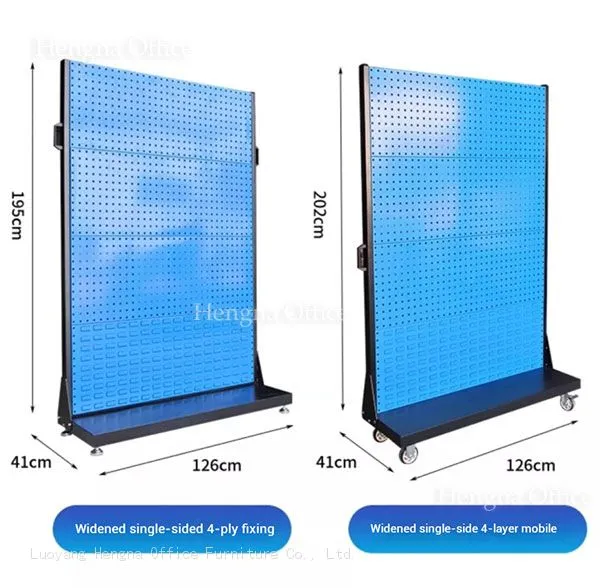 Read More
 -
Welded vs Boltless Steel Shelving — Looks Strong at the Factory, Falls Apart at the Port
August 7, 2026Welded vs Boltless Steel Shelving — Looks Strong at the Factory, Falls Apart at the PortHere's a story every steel shelving im Read More
 -
You Asked a Steel Shelving Supplier for a Price. Here's What You Should Have Asked First.
August 7, 2026You found a steel shelving supplier. Their listing looks clean. You sent the message every first-time importer sends: "What&# Read More
 -
Heavy Duty Steel Workbench for Auto Repair — Cold Rolled Frame vs What Most Garages Use
August 5, 2026Mike has been running his independent garage for eleven years. Three bays, two mechanics, a steady stream of brake jobs and transm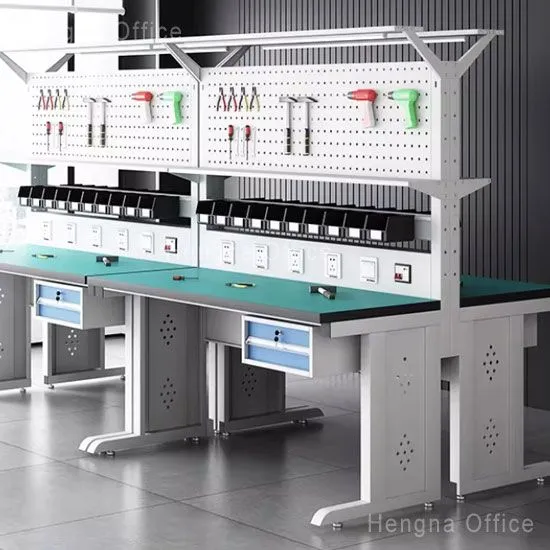 Read More

Contact Us
Recommended Products
-
 Industrial-Grade ABS Plastic Locker for Factory Staff and Warehouse Workers|Hengna OfficeUS$ 19 - 100MOQ: 5 Sets
 -
Outdoor ABS Locker Cabinet – UV-Resistant Plastic Storage for Poolside or Beach Resorts-Hengna OfficeUS$ 19 - 100MOQ: 5 Sets
-
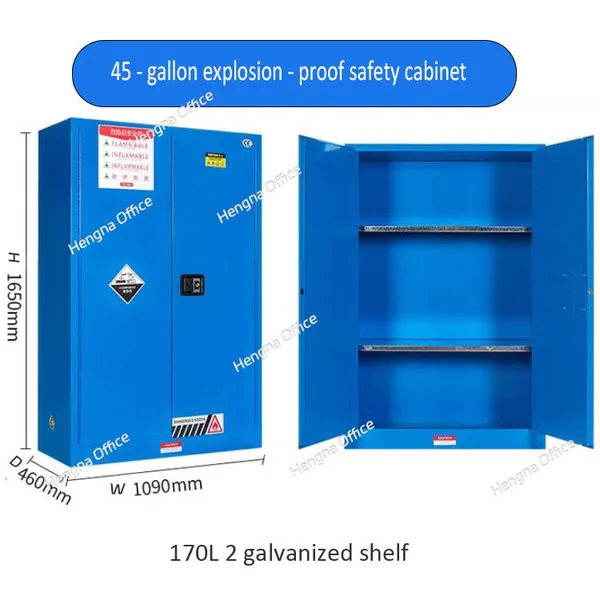
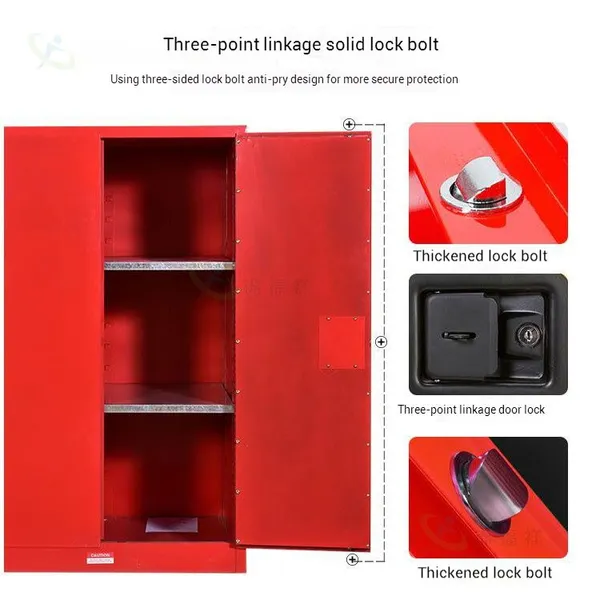
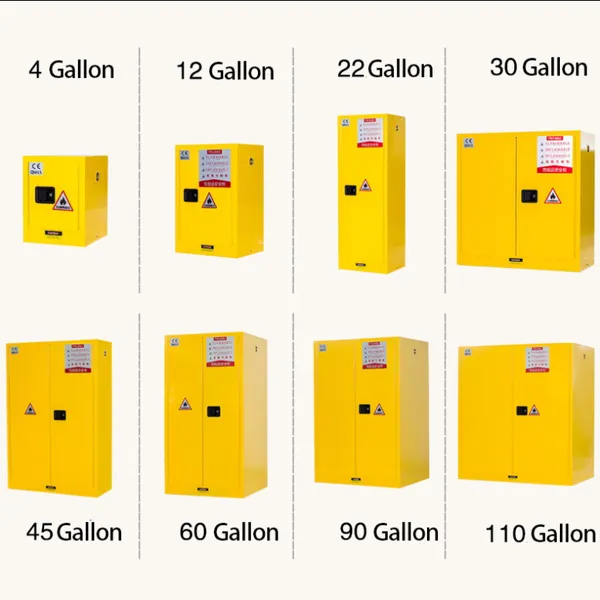
45 Gallon Explosion-Proof Flammable Liquid Storage Cabinet – Fire-Resistant Steel Safety Cabinet for FactoriesUS$ 68 - 400MOQ: 2 Combos
-
Flammable Storage Cabinet for Flammable Liquids – OSHA Certified Safety Cabinet With Fireproof Double WallsUS$ 68 - 400MOQ: 2 Combos
-
Large Capacity Flammable Liquid Storage Cabinet – Explosion-Proof Safety Cabinet for Laboratory & Workshop UseUS$ 68 - 400MOQ: 2 Combos
-
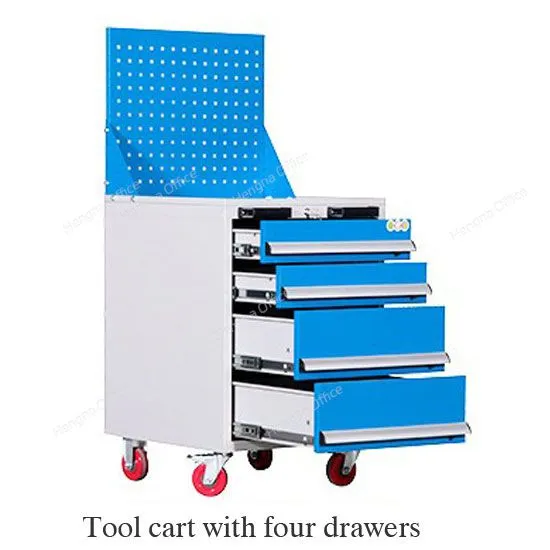
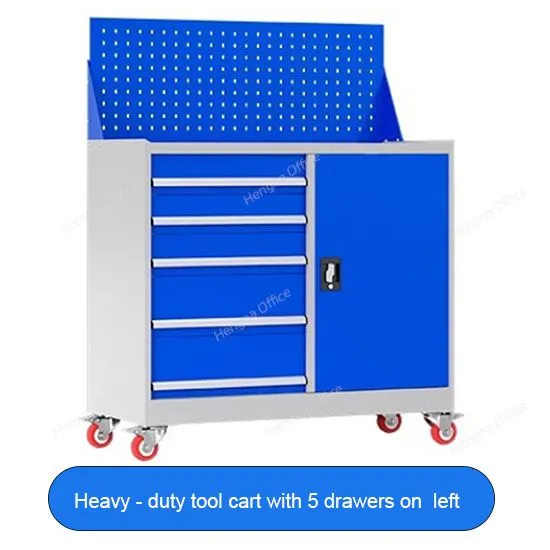
Heavy Duty Steel Tool Cart With Drawers for Workshops|Hengna OfficeUS$ 99 - 269MOQ: 2 Cases
-
Wholesale 3-Drawer Tool Trolley With Wheels for Factory and Garage StorageUS$ 99 - 269MOQ: 2 Cases
-
HN-wlj160 Industrial Rolling Tool Organizer With Pegboard|All-in-One Mobile Tool Storage CartUS$ 5 - 120MOQ: 2 Cases
-
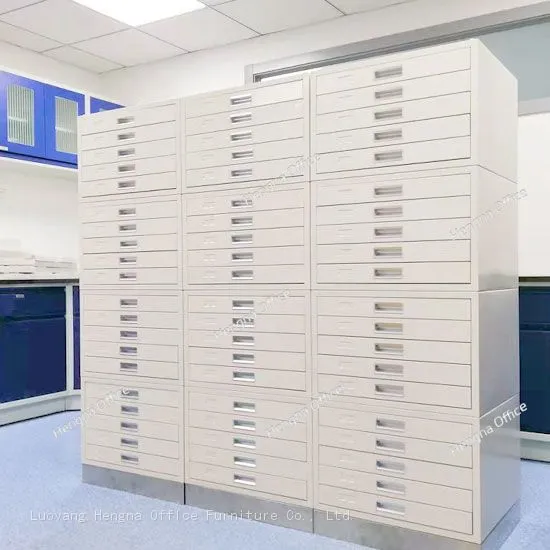
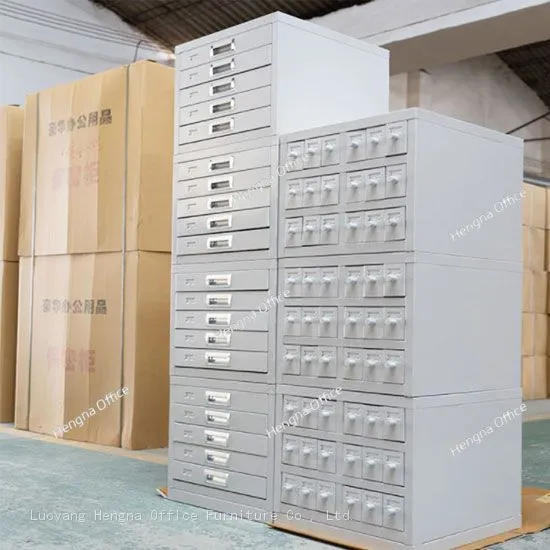
White Stackable Pathology Wax Block Storage Drawers for Labs Near London-Hengna OfficeNegotiableMOQ: 10 Pieces
-
Custom Paraffin Block Storage Cabinet for Histology Laboratories – Factory Direct From Hengna FurnitureNegotiableMOQ: 10 Pieces
-
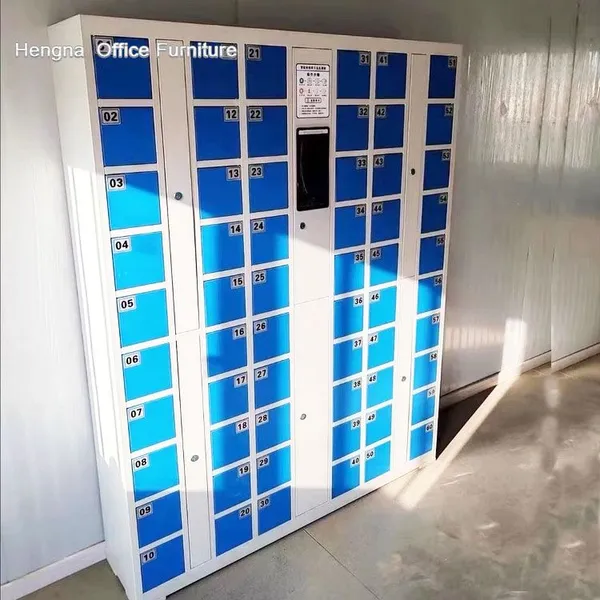
Smart Phone Charging Locker 40-door|Fingerprint Lockers Intelligent Parcel Delivery CabinetUS$ 203 - 750MOQ: 15 Pieces
-
School Gym Lockers Price |Parcel Delivery Storage Locker 12-door FactoryUS$ 203 - 750MOQ: 15 Pieces
-
Multi Metal Work Benches Electrical Workshop Workbench|US$ 300 - 800MOQ: 2 Cases
-
Commercial Workbench Supplier |Multi Metal Work Bench With Drawers OMDUS$ 300 - 800MOQ: 2 Cases
-
Pathological Ection Cabinet JTGZ062 Wax Block Cabinet for LaboratoryNegotiableMOQ: 10 Pieces
-
Durable Tool Storage in Factory HNGJ703 Hard Wearing Metal Industrial Tool ChestNegotiableMOQ: 18 Pieces
-
High - Quality CNC Workshop Tool Cabinet Heavyweight Workshop Tool OrganizerNegotiableMOQ: 10 Pieces
-
Laboratory Polyethylene Acid and Corrosive Chemicals Safety Storage PP CabinetUS$ 340 - 600MOQ: 5 Combos
-
22 Gallons /80 L PP Acid - Base Cabinet: Safeguard Chemical Storage Supplier OEMUS$ 500 - 600MOQ: 5 Combos
-
4 - Gallon Corrosion-resistant Safety Cabinet for Hazardous Chemicals Acid SupplierUS$ 340 - 500MOQ: 5 Combos