
 Business License

The Importance of 1.0mm Steel Thickness in Heavy-Duty Specimen Storage Cabinets
In the world of laboratory equipment, what you see on the surface doesn't always reflect the structural integrity beneath. For pathology lab managers, one of the most critical yet overlooked specifications is the gauge (thickness) of the steel used in storage cabinets. While 0.6mm or 0.8mm options may seem cost-effective initially, 1.0mm cold-rolled steel has emerged as the professional gold standard for heavy-duty specimen archiving.
Here is why a few millimeters of difference can determine the lifespan of your laboratory infrastructure.
1. The Physics of Weight: Why Thickness Matters
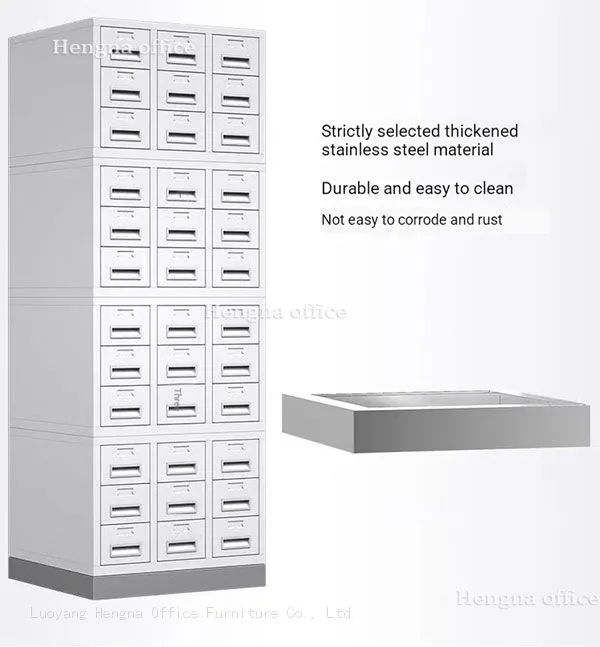
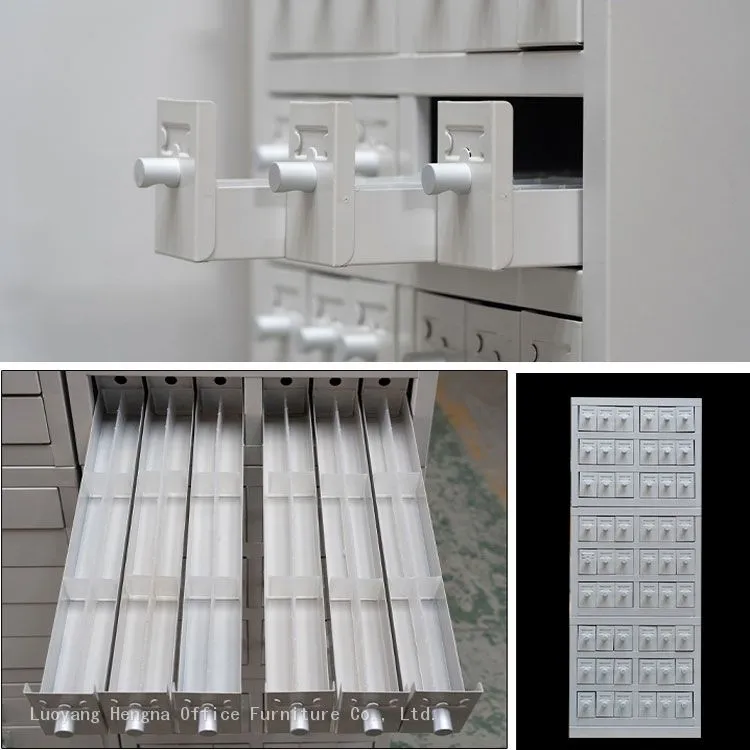
A single microscope slide is light, but a cabinet filled with 55,000 slides is a different story.
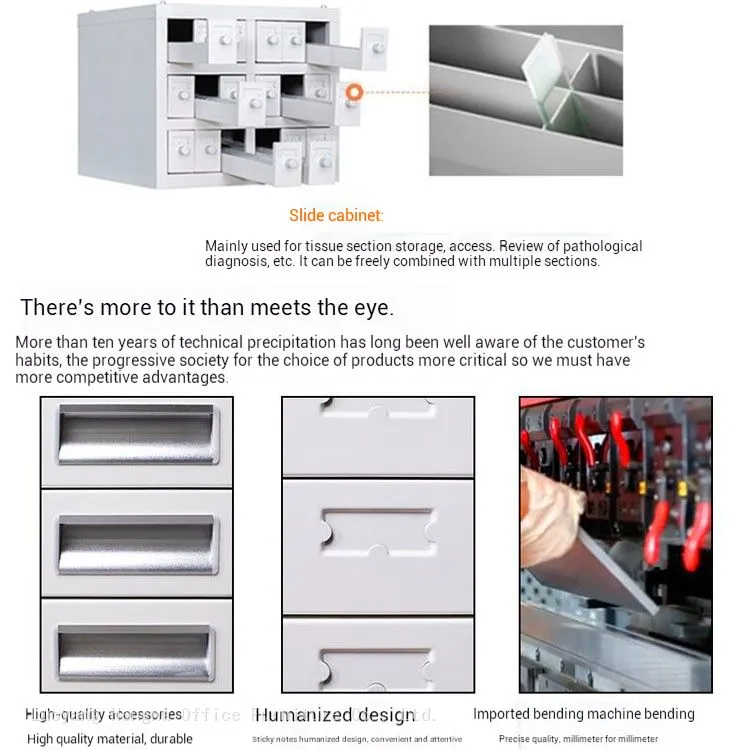
The Math of Pathology Storage: A standard loaded slide drawer can weigh several kilograms. Multiply that by 14 drawers, and you have a massive vertical load.
Structural Sagging: Thinner steel (0.6mm-0.8mm) prone to "oil-canning" or bowing under sustained pressure. This leads to drawers sticking, misaligning, or eventually failing to close—a nightmare for high-traffic clinical labs.
The 1.0mm Edge: 1.0mm thickness provides the tensile strength necessary to maintain a perfectly square frame, ensuring that the bottom drawers aren't crushed by the weight of the units stacked above.
2. Stackability and Vertical Safety
In modern labs where floor space is at a premium, vertical stacking is the only way to grow.
Compression Resistance: When you stack cabinets 5 or 6 units high, the base unit must bear the cumulative weight of thousands of specimens.
Stability: Thicker steel lowers the center of gravity and provides a more rigid foundation. 1.0mm steel ensures that the interlocking tabs between modules won't shear or bend, preventing catastrophic collapses in busy workspaces.
3. Impact on Mechanical Precision
The smoother a drawer slides, the less likely a glass slide is to chip or a paraffin block is to crack.
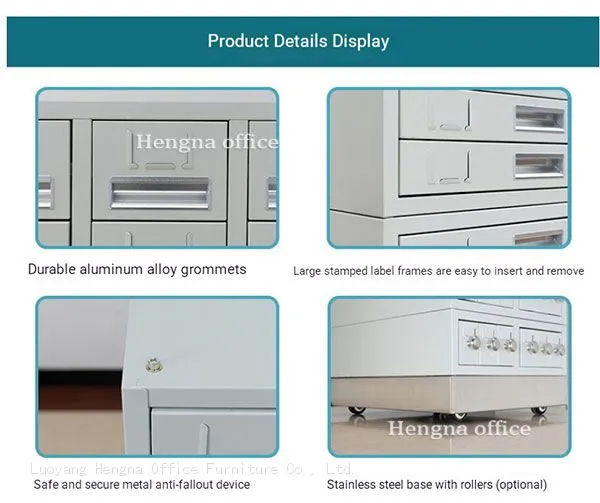
Guide Rail Integrity: High-quality ball-bearing slides need a rigid surface for mounting. If the cabinet wall is too thin, the screw points or weld spots can become loose over time due to metal fatigue.
Precision Fit: 1.0mm steel allows for more precise manufacturing tolerances. This means the gap between the drawer and the frame remains consistent, preventing dust from entering and maintaining the archival-safe environment required for patient samples.
4. Long-Term Durability vs. Initial Cost
Procurement officers often focus on the "Price per Unit," but the real metric should be "Cost per Year of Service."
| Steel Thickness | Expected Lifespan | Structural Risk | Ideal Application |
| 0.6 mm | 2-3 Years | High (Bowing/Rust) | Temporary/Light Office Use |
| 0.8 mm | 5-7 Years | Moderate (Drawer Misalignment) | Standard Document Filing |
| 1.0 mm | 15-20+ Years | Low (Industrial Grade) | Heavy Pathology/Biobank |
5. Resistance to Denting and Surface Wear
Labs are high-activity zones with carts, trolleys, and heavy equipment moving constantly.
Impact Protection: Thicker steel is significantly more resistant to accidental dings and dents from lab carts.
Finish Adhesion: Powder coating adheres more uniformly to high-gauge steel, reducing the risk of "spider-web" cracking in the paint if the unit is bumped, which in turn prevents rust from starting.
Conclusion: Don't Compromise on the Foundation
For a medical laboratory, the specimens stored inside these cabinets are irreplaceable. Choosing a cabinet built with 1.0mm cold-rolled steel is an insurance policy for your data and your samples. It ensures that as your lab grows vertically and your specimen volume increases, your storage infrastructure remains as stable as the day it was installed.
Recently Posted
-
Stainless Steel Shelving for Breweries and Wineries — What Survives Humidity, Alcohol Spills
July 24, 2026Stainless Steel Shelving for Breweries and Wineries — What Survives Humidity, Alcohol Spills, and Sanitizer Washdowns Three t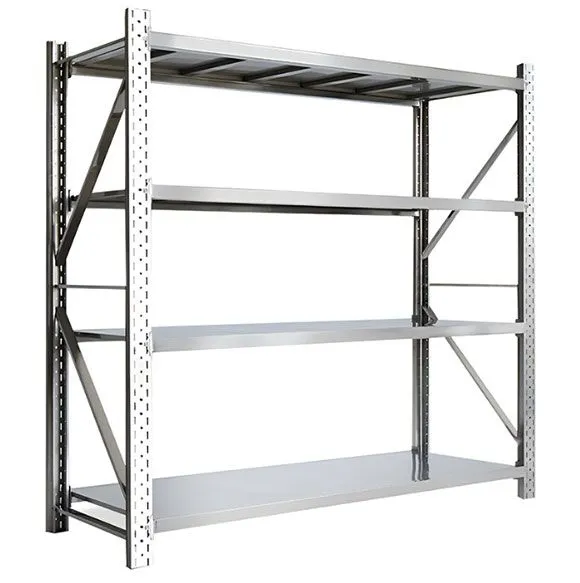 Read More
 -
Stainless Steel Shelving for Meat Processing Plants — What Holds Up Against Blood, Fat, and Daily Wa
July 24, 2026Meat plants are brutal on shelvingIf you work in a meat processing plant, you already know this. The rack that looked fine s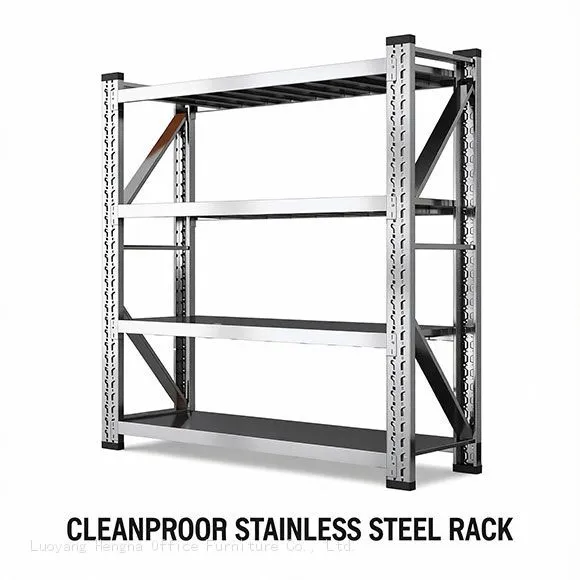 Read More
 -
0.6mm Steel Wardrobe vs 0.4mm — Why Cold-Rolled Single Door Metal Closet Lasts Longer
July 10, 2026The 0.2mm That Decides Whether You Buy One Wardrobe or ThreeTwo wardrobes look identical on a supplier's photo. Same door, sam Read More
 -
Heavy Duty Tool Cabinet with Locks for School Shop: Stop Tool Theft Before It Happens
July 9, 2026A vocational school workshop isn't like a factory floor. The tools aren't being used by seasoned machinists who know where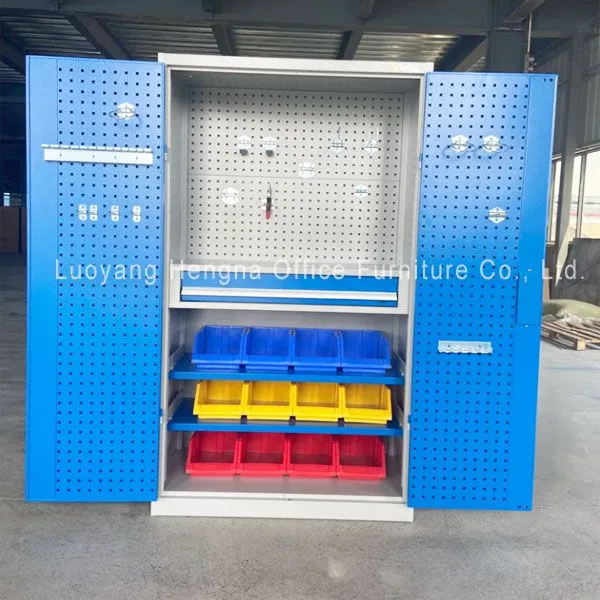 Read More

Contact Us
Recommended Products
-
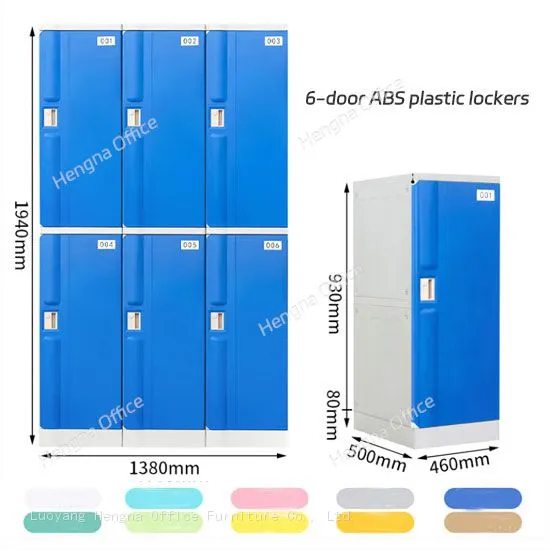
 Industrial-Grade ABS Plastic Locker for Factory Staff and Warehouse Workers|Hengna OfficeUS$ 19 - 100MOQ: 5 Sets
 -
Outdoor ABS Locker Cabinet – UV-Resistant Plastic Storage for Poolside or Beach Resorts-Hengna OfficeUS$ 19 - 100MOQ: 5 Sets
-
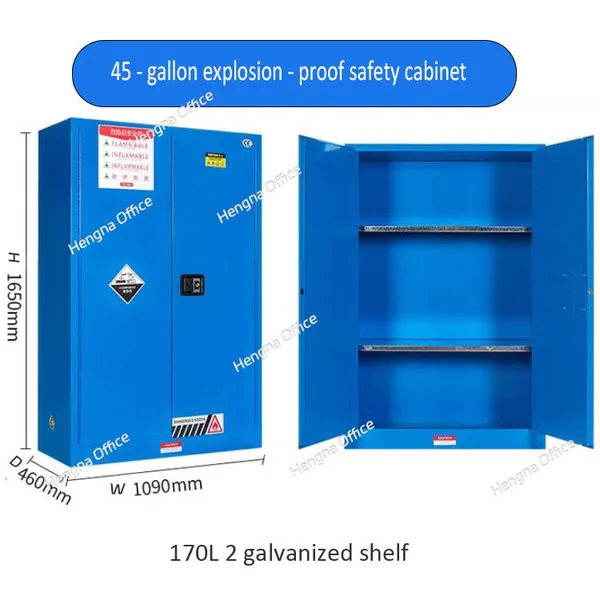
45 Gallon Explosion-Proof Flammable Liquid Storage Cabinet – Fire-Resistant Steel Safety Cabinet for FactoriesUS$ 68 - 400MOQ: 2 Combos
-
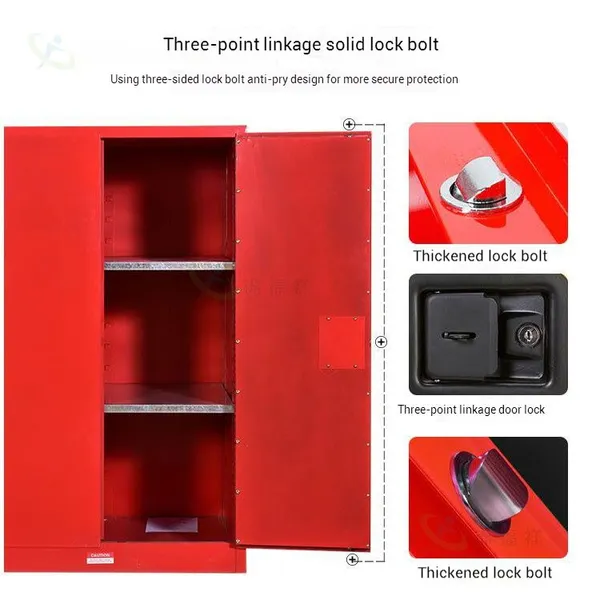
Flammable Storage Cabinet for Flammable Liquids – OSHA Certified Safety Cabinet With Fireproof Double WallsUS$ 68 - 400MOQ: 2 Combos
-
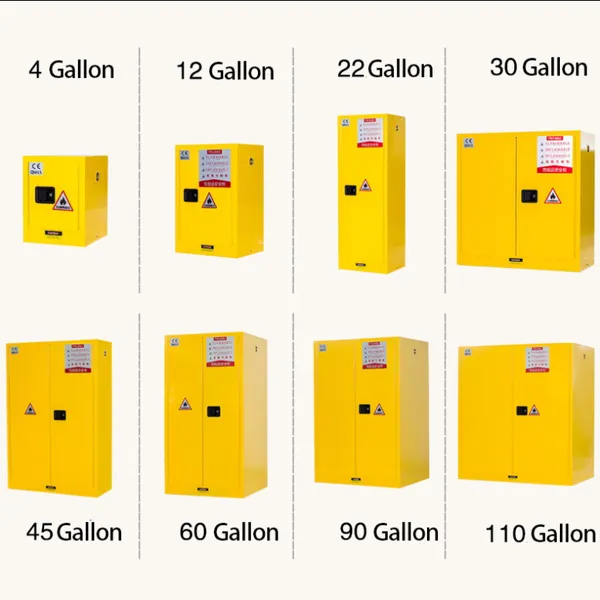
Large Capacity Flammable Liquid Storage Cabinet – Explosion-Proof Safety Cabinet for Laboratory & Workshop UseUS$ 68 - 400MOQ: 2 Combos

-
Heavy Duty Steel Tool Cart With Drawers for Workshops|Hengna OfficeUS$ 99 - 269MOQ: 2 Cases
-
Wholesale 3-Drawer Tool Trolley With Wheels for Factory and Garage StorageUS$ 99 - 269MOQ: 2 Cases
-
HN-wlj160 Industrial Rolling Tool Organizer With Pegboard|All-in-One Mobile Tool Storage CartUS$ 5 - 120MOQ: 2 Cases
-
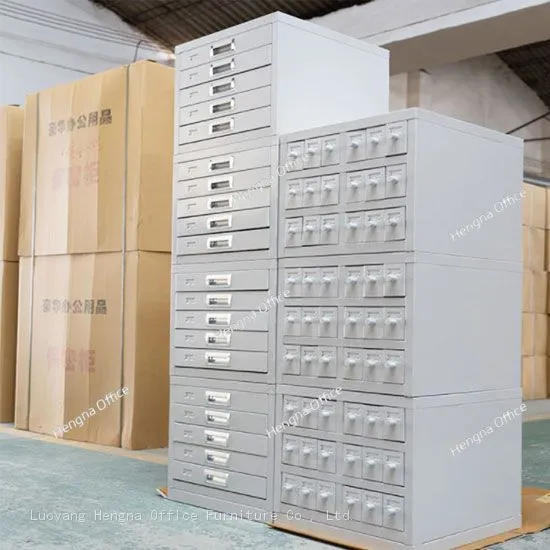
White Stackable Pathology Wax Block Storage Drawers for Labs Near London-Hengna OfficeNegotiableMOQ: 10 Pieces
-
Custom Paraffin Block Storage Cabinet for Histology Laboratories – Factory Direct From Hengna FurnitureNegotiableMOQ: 10 Pieces
-
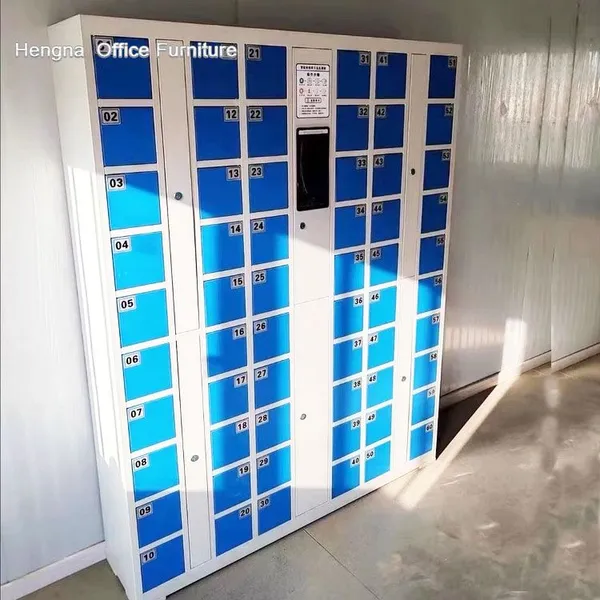
Smart Phone Charging Locker 40-door|Fingerprint Lockers Intelligent Parcel Delivery CabinetUS$ 203 - 750MOQ: 15 Pieces
-
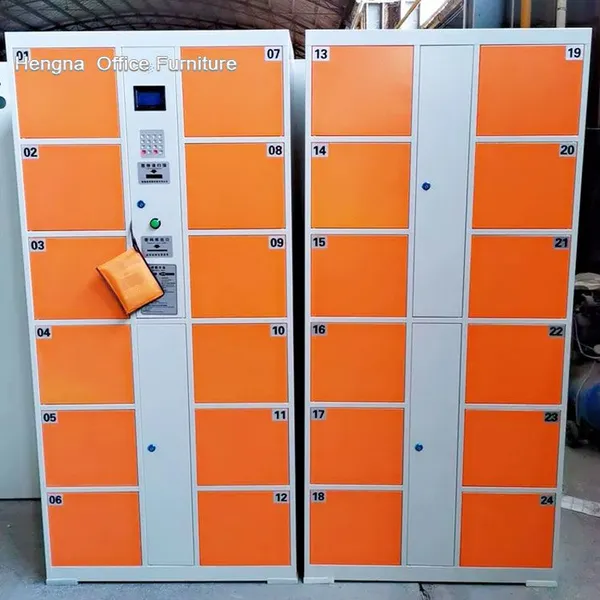
School Gym Lockers Price |Parcel Delivery Storage Locker 12-door FactoryUS$ 203 - 750MOQ: 15 Pieces
-
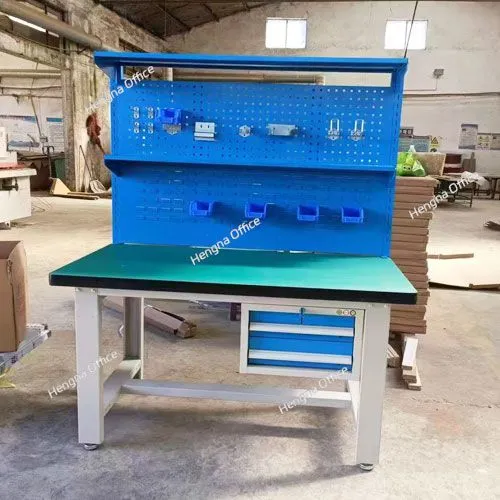
Multi Metal Work Benches Electrical Workshop Workbench|US$ 300 - 800MOQ: 2 Cases
-
Commercial Workbench Supplier |Multi Metal Work Bench With Drawers OMDUS$ 300 - 800MOQ: 2 Cases
-
Pathological Ection Cabinet JTGZ062 Wax Block Cabinet for LaboratoryNegotiableMOQ: 10 Pieces
-
Durable Tool Storage in Factory HNGJ703 Hard Wearing Metal Industrial Tool ChestNegotiableMOQ: 18 Pieces
-
High - Quality CNC Workshop Tool Cabinet Heavyweight Workshop Tool OrganizerNegotiableMOQ: 10 Pieces
-
Laboratory Polyethylene Acid and Corrosive Chemicals Safety Storage PP CabinetUS$ 340 - 600MOQ: 5 Combos
-
22 Gallons /80 L PP Acid - Base Cabinet: Safeguard Chemical Storage Supplier OEMUS$ 500 - 600MOQ: 5 Combos
-
4 - Gallon Corrosion-resistant Safety Cabinet for Hazardous Chemicals Acid SupplierUS$ 340 - 500MOQ: 5 Combos