
 Business License

Solid Door vs. Glass Door: Which Office Storage Cabinet is Right for Your Needs?
Making the Right Choice for Your Workspace
When outfitting an office, the selection of storage furniture often comes down to a balance between accessibility and security. One of the most common dilemmas facility managers face is choosing between solid door and glass door office storage cabinets. Both options have distinct advantages, and the “right” choice depends entirely on the specific function of the room and the nature of the items being stored.
The Case for Glass Doors: Visibility and Aesthetics
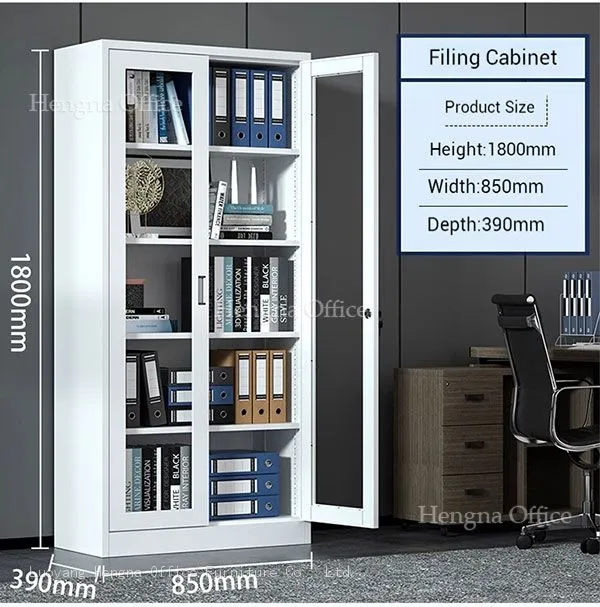
Glass door cabinets are the preferred choice for environments where visual access and presentation are key.
Quick Identification: In fast-paced environments like sales offices or reception areas, staff need to locate files quickly. Glass doors allow users to scan the contents without opening the cabinet, streamlining daily operations.
Modern Aesthetics: Tempered glass doors (often framed in steel) offer a sleek, modern look. They reflect light and can make a small office feel more open. They are ideal for storing not just files, but also awards, catalogues, or reference materials that are meant to be seen.
Inventory Management: For supply rooms, glass doors make it easy to check stock levels at a glance, facilitating quicker restocking decisions.
However, it is important to note that standard glass doors offer visibility but limited security regarding privacy. While the glass used is typically tempered for safety, it does not hide the contents from view.
The Case for Solid Doors: Security and Privacy
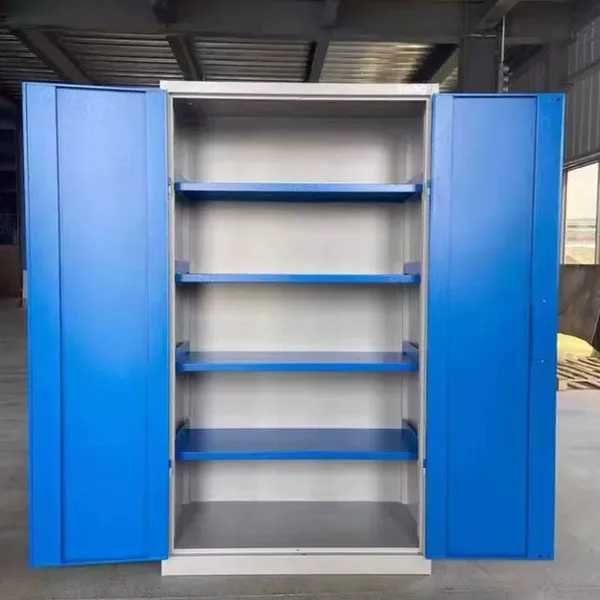
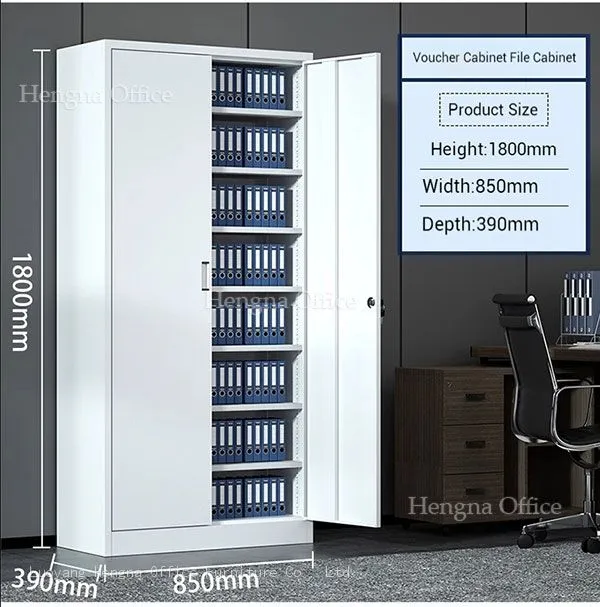
Solid door cabinets, constructed from cold-rolled steel, are the workhorses of the storage world. They are essential for “back-of-house” operations and sensitive areas.
Visual Security: The primary benefit of a solid door is privacy. In HR departments, legal offices, or financial records rooms, it is crucial that file names and document contents are concealed. Solid doors ensure that sensitive information remains out of sight.
Physical Protection: Solid steel doors offer a higher degree of physical protection. They are more resistant to impact and forced entry compared to glass. This makes them the superior choice for storing valuable equipment or highly confidential data.
Dust Protection: While glass doors seal well, solid steel doors often provide a more robust seal against dust and environmental contaminants, which is beneficial for long-term archival storage.
Durability and Material Considerations
Regardless of the door style, the underlying material is the foundation of the cabinet’s longevity. High-quality office cabinets are constructed from cold-rolled steel.
This material is preferred for its:
High Strength: It supports heavy loads without warping.
Surface Quality: The smooth surface is ideal for powder coating, which provides a durable, scratch-resistant finish that is easy to clean.
Corrosion Resistance: Essential for maintaining the cabinet’s appearance and integrity over years of use.
The Hybrid Solution: Combining Features
Modern office design often requires flexibility. Many businesses find that a single type of cabinet does not fit every need. This is where customization becomes valuable. Some configurations allow for a combination of both worlds—for example, a glass door upper section for display or frequently used files, and a solid door lower section for confidential storage.
Comparison at a Glance
| Feature | Glass Door Cabinet | Solid Door Cabinet |
|---|---|---|
| Visibility | High; contents visible | None; contents hidden |
| Aesthetic | Modern, open, lighter appearance | Professional, solid, grounded appearance |
| Security | Moderate; visual access only | High; conceals contents, stronger barrier |
| Best Use Case | Reception, Reference Libraries, Supply Rooms | HR, Legal, Finance, Personnel Files |
| Maintenance | Requires cleaning of glass smudges | Easy wipe-down of steel surface |
Choosing between solid and glass doors is a strategic decision. If your priority is quick access and a modern, open feel, glass doors are the answer. If your priority is the protection of sensitive information and robust physical security, solid doors are the indispensable choice. By assessing the specific needs of each department—be it the confidentiality required by HR or the accessibility needed by the front desk—you can select the office storage cabinet that best supports your organization’s workflow and security protocols.
Recently Posted
-
Stainless Steel Shelving for Breweries and Wineries — What Survives Humidity, Alcohol Spills
July 24, 2026Stainless Steel Shelving for Breweries and Wineries — What Survives Humidity, Alcohol Spills, and Sanitizer Washdowns Three t Read More
 -
Stainless Steel Shelving for Meat Processing Plants — What Holds Up Against Blood, Fat, and Daily Wa
July 24, 2026Meat plants are brutal on shelvingIf you work in a meat processing plant, you already know this. The rack that looked fine s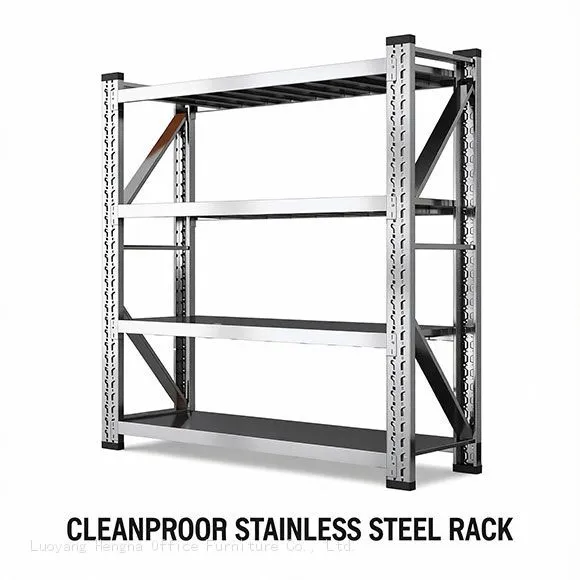 Read More
 -
0.6mm Steel Wardrobe vs 0.4mm — Why Cold-Rolled Single Door Metal Closet Lasts Longer
July 10, 2026The 0.2mm That Decides Whether You Buy One Wardrobe or ThreeTwo wardrobes look identical on a supplier's photo. Same door, sam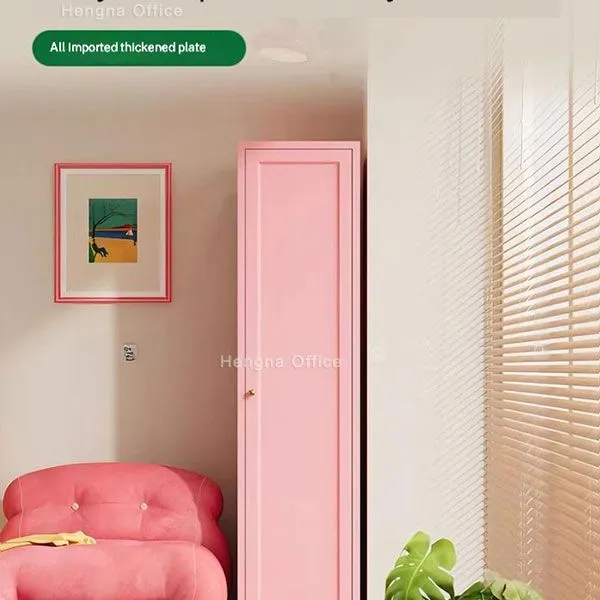 Read More
 -
Heavy Duty Tool Cabinet with Locks for School Shop: Stop Tool Theft Before It Happens
July 9, 2026A vocational school workshop isn't like a factory floor. The tools aren't being used by seasoned machinists who know where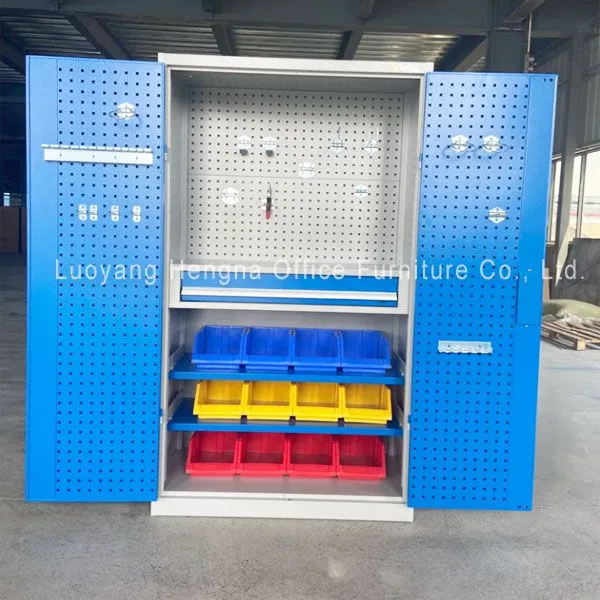 Read More

Contact Us
Recommended Products
-
 Industrial-Grade ABS Plastic Locker for Factory Staff and Warehouse Workers|Hengna OfficeUS$ 19 - 100MOQ: 5 Sets
 -
Outdoor ABS Locker Cabinet – UV-Resistant Plastic Storage for Poolside or Beach Resorts-Hengna OfficeUS$ 19 - 100MOQ: 5 Sets
-
45 Gallon Explosion-Proof Flammable Liquid Storage Cabinet – Fire-Resistant Steel Safety Cabinet for FactoriesUS$ 68 - 400MOQ: 2 Combos
-
Flammable Storage Cabinet for Flammable Liquids – OSHA Certified Safety Cabinet With Fireproof Double WallsUS$ 68 - 400MOQ: 2 Combos
-
Large Capacity Flammable Liquid Storage Cabinet – Explosion-Proof Safety Cabinet for Laboratory & Workshop UseUS$ 68 - 400MOQ: 2 Combos
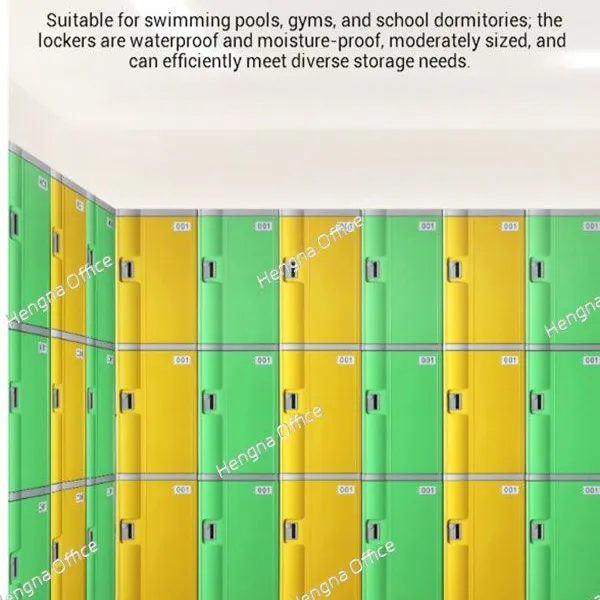
-
Heavy Duty Steel Tool Cart With Drawers for Workshops|Hengna OfficeUS$ 99 - 269MOQ: 2 Cases
-
Wholesale 3-Drawer Tool Trolley With Wheels for Factory and Garage StorageUS$ 99 - 269MOQ: 2 Cases
-
HN-wlj160 Industrial Rolling Tool Organizer With Pegboard|All-in-One Mobile Tool Storage CartUS$ 5 - 120MOQ: 2 Cases
-
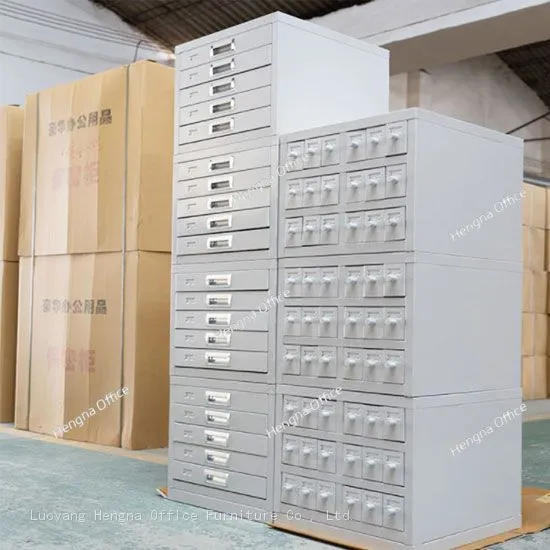
White Stackable Pathology Wax Block Storage Drawers for Labs Near London-Hengna OfficeNegotiableMOQ: 10 Pieces
-
Custom Paraffin Block Storage Cabinet for Histology Laboratories – Factory Direct From Hengna FurnitureNegotiableMOQ: 10 Pieces
-
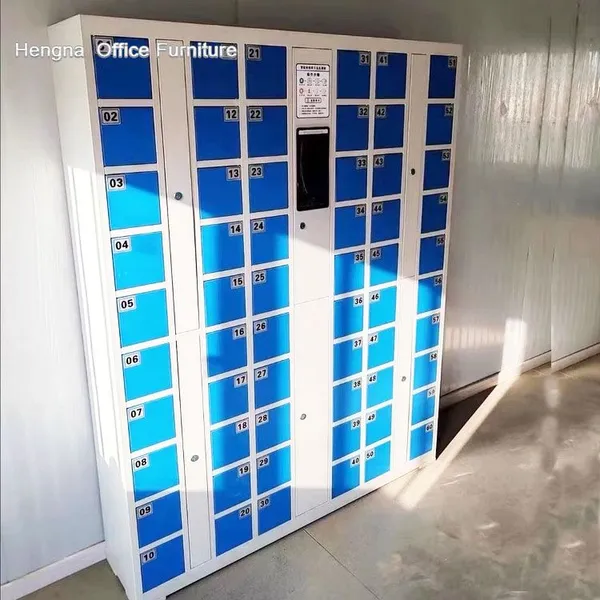
Smart Phone Charging Locker 40-door|Fingerprint Lockers Intelligent Parcel Delivery CabinetUS$ 203 - 750MOQ: 15 Pieces
-
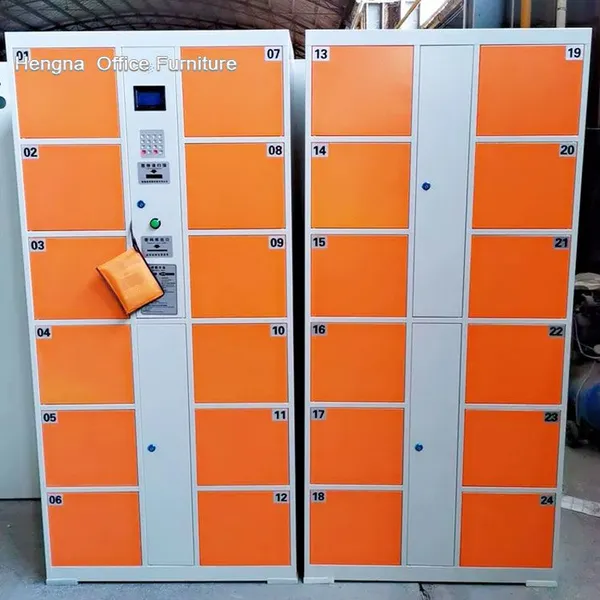
School Gym Lockers Price |Parcel Delivery Storage Locker 12-door FactoryUS$ 203 - 750MOQ: 15 Pieces
-
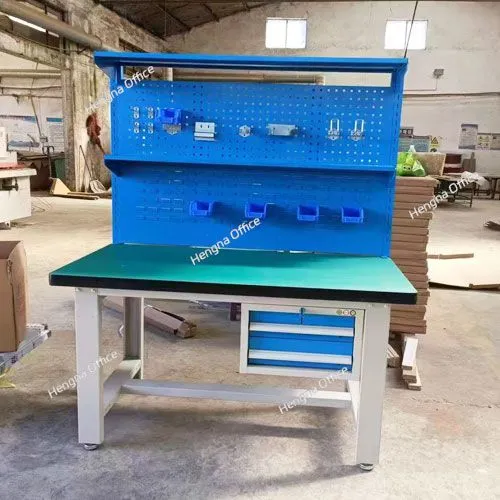
Multi Metal Work Benches Electrical Workshop Workbench|US$ 300 - 800MOQ: 2 Cases
-
Commercial Workbench Supplier |Multi Metal Work Bench With Drawers OMDUS$ 300 - 800MOQ: 2 Cases
-
Pathological Ection Cabinet JTGZ062 Wax Block Cabinet for LaboratoryNegotiableMOQ: 10 Pieces
-
Durable Tool Storage in Factory HNGJ703 Hard Wearing Metal Industrial Tool ChestNegotiableMOQ: 18 Pieces
-
High - Quality CNC Workshop Tool Cabinet Heavyweight Workshop Tool OrganizerNegotiableMOQ: 10 Pieces
-
Laboratory Polyethylene Acid and Corrosive Chemicals Safety Storage PP CabinetUS$ 340 - 600MOQ: 5 Combos
-
22 Gallons /80 L PP Acid - Base Cabinet: Safeguard Chemical Storage Supplier OEMUS$ 500 - 600MOQ: 5 Combos
-
4 - Gallon Corrosion-resistant Safety Cabinet for Hazardous Chemicals Acid SupplierUS$ 340 - 500MOQ: 5 Combos