
 Business License

Fluted Glass vs. Clear Glass: Which Display Sideboard is Trending for 2026 Interior Design?
When selecting a display sideboard for a high-end interior, the choice often boils down to one critical element: the glass. As we look toward 2026, the US furniture market is witnessing a fascinating tug-of-war between the classic Ultra-Clear Glass and the artistic Fluted Glass (Morrow Glass).
Both materials offer unique advantages, but choosing the right one depends on whether your goal is "pure exhibition" or "curated aesthetics." Let’s explore why fluted glass is surging in popularity and where clear glass still holds the crown.
1. The Aesthetic of Mystery: Why Fluted Glass is Trending
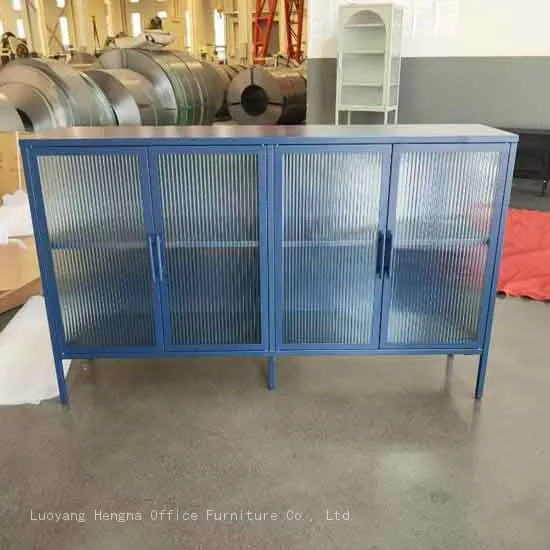
Fluted glass, characterized by its vertical grooves, has become the darling of modern interior designers. It offers a "blurred" effect that strikes a perfect balance between visibility and privacy.
The "Hiding" Factor: Unlike clear glass, fluted glass sideboards allow you to store items without them needing to be perfectly organized. It conceals the "visual noise" of mismatched dishes or stacked books while still letting light dance through the cabinet.
Verticality and Texture: The ribbed texture adds a layer of sophistication to a room. In minimalist or Mid-century Modern (MCM) designs, these vertical lines provide a subtle architectural rhythm that flat glass simply cannot provide.
2. The Purist’s Choice: Why Clear Glass Remains Essential
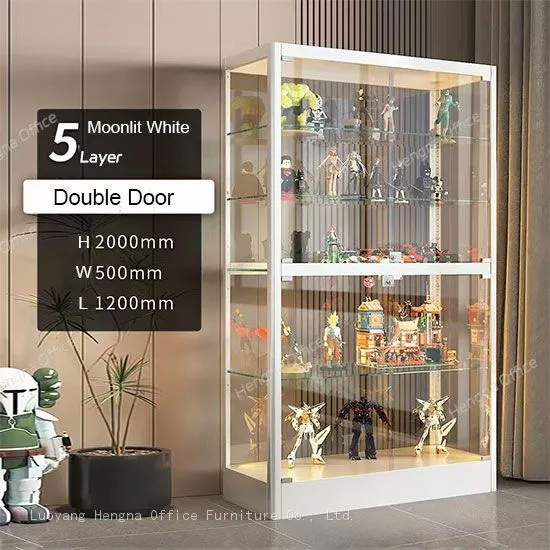
For many, the purpose of a glass display cabinet is to showcase a collection in its full, vivid glory. This is where ultra-clear tempered glass remains unbeatable.
360° Visibility: For collectors of high-end figures (like Hot Toys or LEGO), any distortion is a drawback. Clear glass provides the "museum-quality" look that makes items appear as if they are floating in mid-air.
Light Penetration: Clear glass maximizes the impact of LED breathing lights. If the goal is to illuminate every detail of a rare trophy or a vintage watch collection, clear glass is the professional's standard.
Comparison Guide: Choosing the Right Glass for Your Space
3. Practicality and Maintenance: The Hidden Advantage
One of the biggest pain points for US homeowners with glass furniture is the constant battle against fingerprints and dust.
Fluted glass is incredibly forgiving. The textured surface naturally breaks up reflections, meaning smudge marks and fine dust are virtually invisible to the naked eye. For a busy household with kids or pets, a fluted glass sideboard maintains its "catalog-ready" look much longer than clear glass, which requires daily wiping to stay pristine.
4. Safety First: The 3C Tempered Standard
Regardless of the texture, safety is non-negotiable in the B2B market. Both our fluted and clear options utilize 6mm thickened tempered glass. In the US market, this "safety glass" designation is crucial. If the glass were to break, it shatters into small, blunt granules rather than dangerous shards, making it safe for high-traffic areas like living rooms and retail stores.
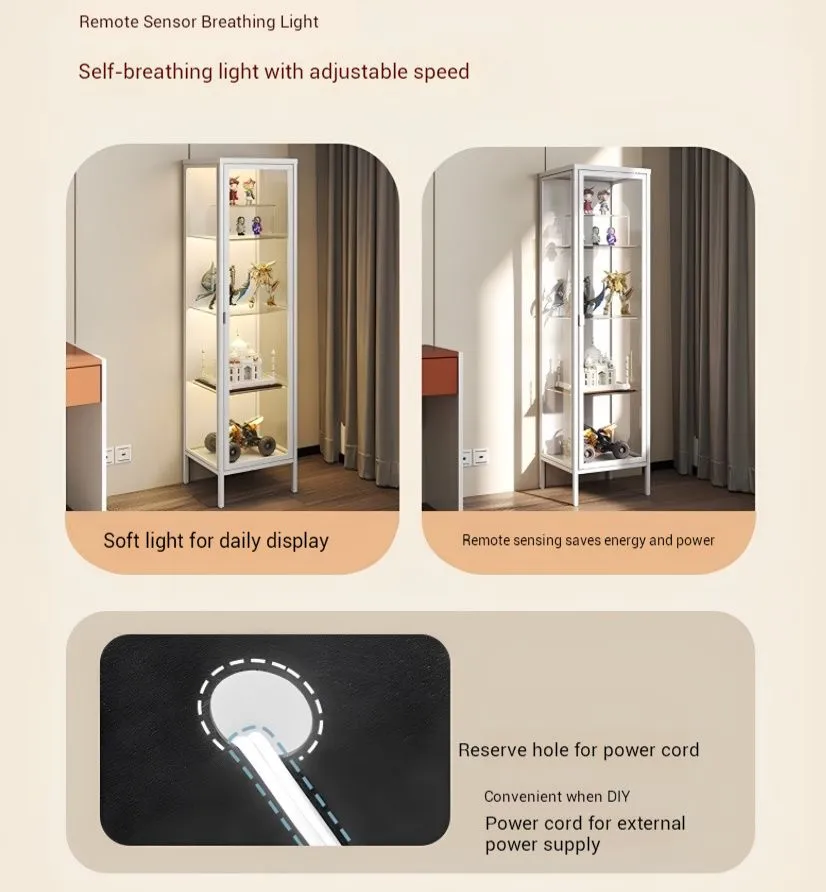
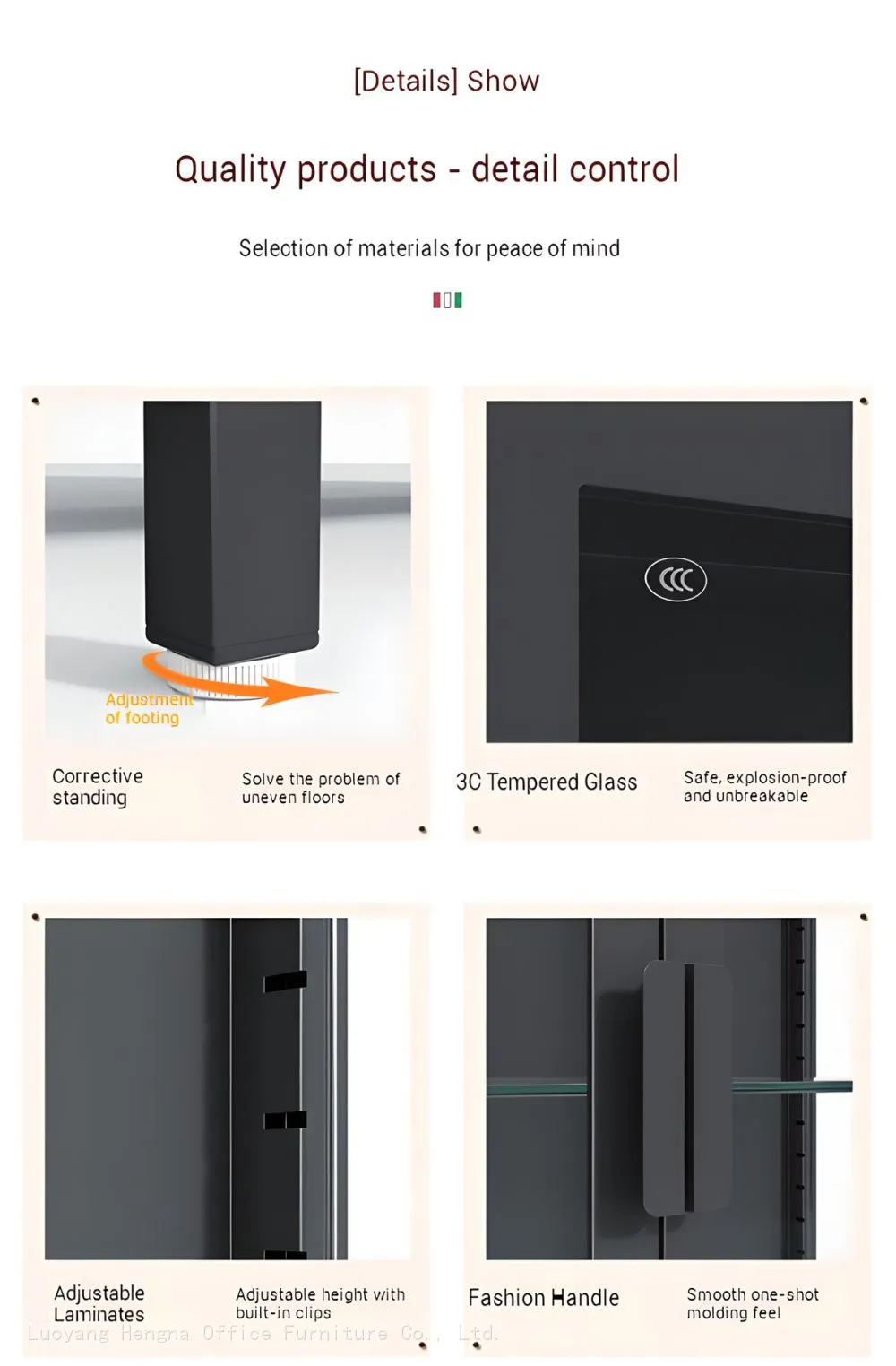
5. Integration with Metal Frames: The 2026 Look
The trend for 2026 is moving away from all-wood structures toward the Industrial-Chic combination of metal and glass. A black cold-rolled steel frame paired with fluted glass creates a "Quiet Luxury" feel. It’s a piece of furniture that doesn't scream for attention but commands it through texture and material quality.
6. Versatility in Application
Where should you use each?
The Sideboard (Fluted): Perfect for the dining room or foyer. It holds wine glasses and dinnerware, keeping the space looking tidy even if the contents aren't perfectly aligned.
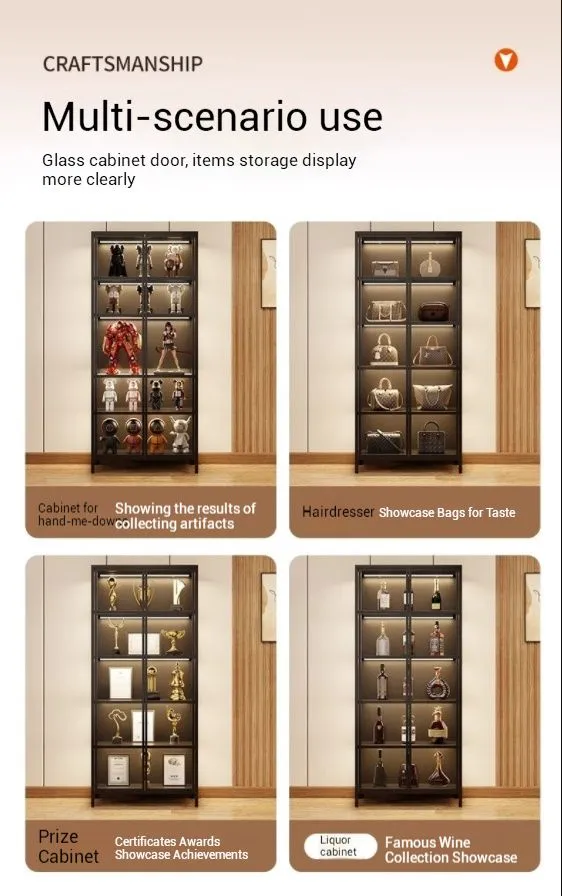
The Tall Cabinet (Clear): The ultimate choice for the Man Cave or a corporate lobby. It’s designed for objects that deserve to be the center of attention.
Conclusion
Is fluted glass the future? For general home decor and "lifestyle" furniture, the answer is a resounding yes. Its ability to diffuse light and hide clutter makes it the most practical luxury item of the year. However, for the serious collector, clear glass remains the gold standard for pure display.
By offering a range that includes both, distributors can capture two distinct market segments: the aesthetic home decorator and the passionate collector.
Recently Posted
-
Stainless Steel Shelving for Breweries and Wineries — What Survives Humidity, Alcohol Spills
July 24, 2026Stainless Steel Shelving for Breweries and Wineries — What Survives Humidity, Alcohol Spills, and Sanitizer Washdowns Three t Read More
 -
Stainless Steel Shelving for Meat Processing Plants — What Holds Up Against Blood, Fat, and Daily Wa
July 24, 2026Meat plants are brutal on shelvingIf you work in a meat processing plant, you already know this. The rack that looked fine s Read More
 -
0.6mm Steel Wardrobe vs 0.4mm — Why Cold-Rolled Single Door Metal Closet Lasts Longer
July 10, 2026The 0.2mm That Decides Whether You Buy One Wardrobe or ThreeTwo wardrobes look identical on a supplier's photo. Same door, sam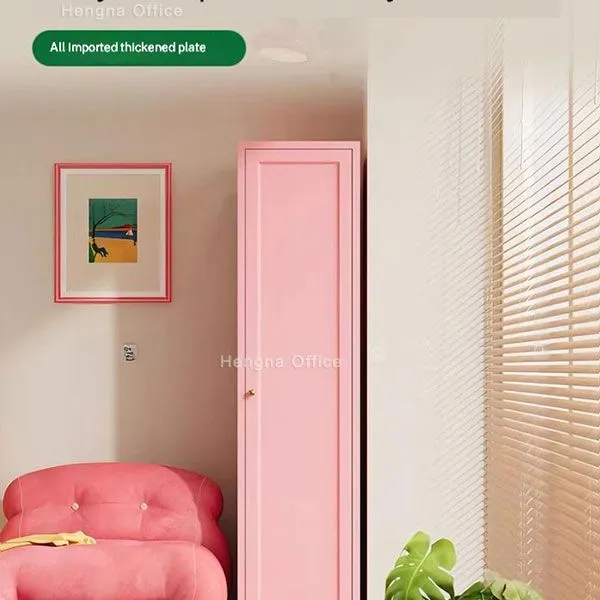 Read More
 -
Heavy Duty Tool Cabinet with Locks for School Shop: Stop Tool Theft Before It Happens
July 9, 2026A vocational school workshop isn't like a factory floor. The tools aren't being used by seasoned machinists who know where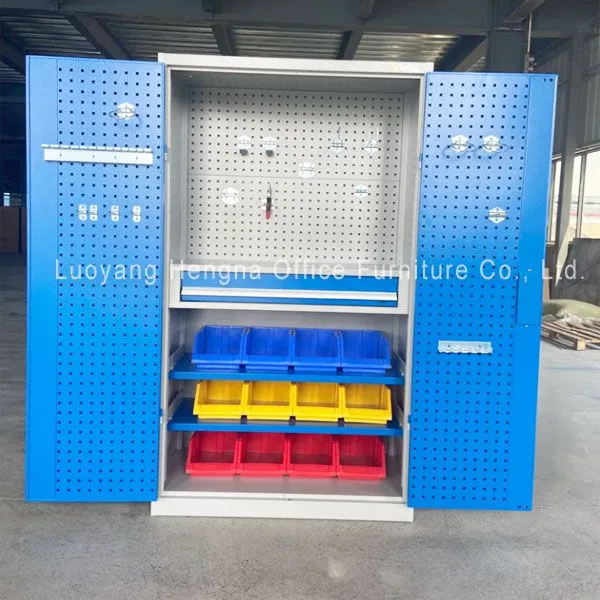 Read More

Contact Us
Recommended Products
-
 Industrial-Grade ABS Plastic Locker for Factory Staff and Warehouse Workers|Hengna OfficeUS$ 19 - 100MOQ: 5 Sets
 -
Outdoor ABS Locker Cabinet – UV-Resistant Plastic Storage for Poolside or Beach Resorts-Hengna OfficeUS$ 19 - 100MOQ: 5 Sets
-
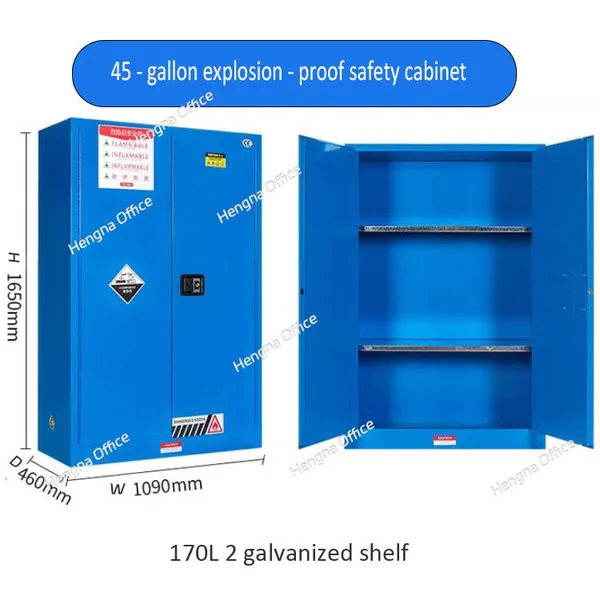
45 Gallon Explosion-Proof Flammable Liquid Storage Cabinet – Fire-Resistant Steel Safety Cabinet for FactoriesUS$ 68 - 400MOQ: 2 Combos
-
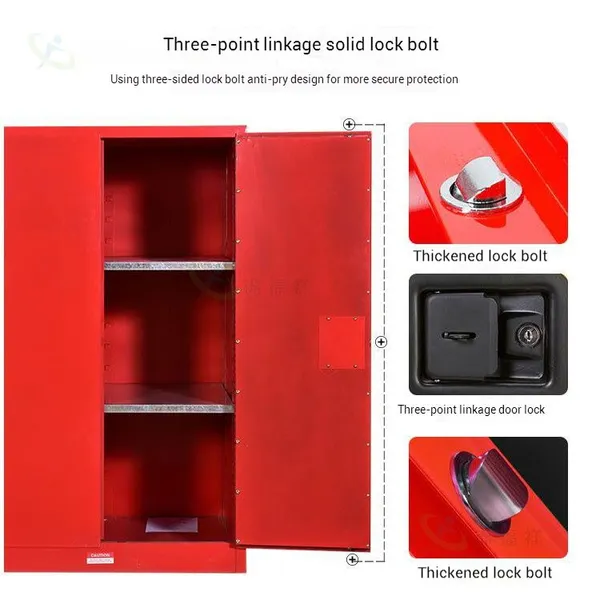
Flammable Storage Cabinet for Flammable Liquids – OSHA Certified Safety Cabinet With Fireproof Double WallsUS$ 68 - 400MOQ: 2 Combos
-
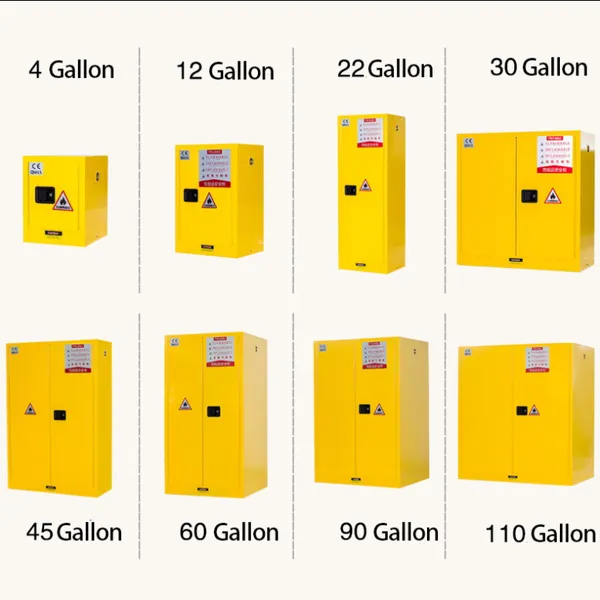
Large Capacity Flammable Liquid Storage Cabinet – Explosion-Proof Safety Cabinet for Laboratory & Workshop UseUS$ 68 - 400MOQ: 2 Combos
-
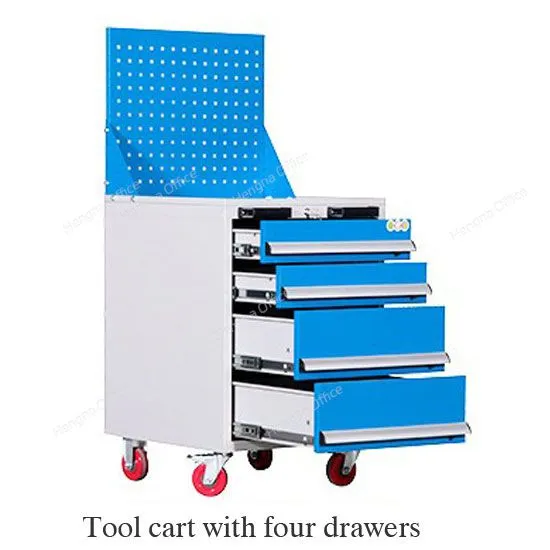
Heavy Duty Steel Tool Cart With Drawers for Workshops|Hengna OfficeUS$ 99 - 269MOQ: 2 Cases
-
Wholesale 3-Drawer Tool Trolley With Wheels for Factory and Garage StorageUS$ 99 - 269MOQ: 2 Cases
-
HN-wlj160 Industrial Rolling Tool Organizer With Pegboard|All-in-One Mobile Tool Storage CartUS$ 5 - 120MOQ: 2 Cases
-
White Stackable Pathology Wax Block Storage Drawers for Labs Near London-Hengna OfficeNegotiableMOQ: 10 Pieces
-
Custom Paraffin Block Storage Cabinet for Histology Laboratories – Factory Direct From Hengna FurnitureNegotiableMOQ: 10 Pieces
-
Smart Phone Charging Locker 40-door|Fingerprint Lockers Intelligent Parcel Delivery CabinetUS$ 203 - 750MOQ: 15 Pieces
-
School Gym Lockers Price |Parcel Delivery Storage Locker 12-door FactoryUS$ 203 - 750MOQ: 15 Pieces
-
Multi Metal Work Benches Electrical Workshop Workbench|US$ 300 - 800MOQ: 2 Cases
-
Commercial Workbench Supplier |Multi Metal Work Bench With Drawers OMDUS$ 300 - 800MOQ: 2 Cases
-
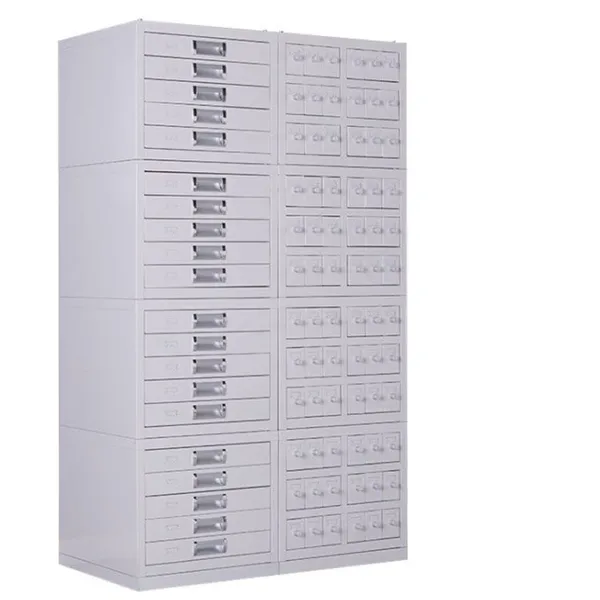
Pathological Ection Cabinet JTGZ062 Wax Block Cabinet for LaboratoryNegotiableMOQ: 10 Pieces
-
Durable Tool Storage in Factory HNGJ703 Hard Wearing Metal Industrial Tool ChestNegotiableMOQ: 18 Pieces
-
High - Quality CNC Workshop Tool Cabinet Heavyweight Workshop Tool OrganizerNegotiableMOQ: 10 Pieces
-
Laboratory Polyethylene Acid and Corrosive Chemicals Safety Storage PP CabinetUS$ 340 - 600MOQ: 5 Combos
-
22 Gallons /80 L PP Acid - Base Cabinet: Safeguard Chemical Storage Supplier OEMUS$ 500 - 600MOQ: 5 Combos
-
4 - Gallon Corrosion-resistant Safety Cabinet for Hazardous Chemicals Acid SupplierUS$ 340 - 500MOQ: 5 Combos