
 Business License
Standard vs. Custom Tool Storage: Which One Boosts Your Factory Efficiency More?
In the world of industrial procurement, the "perfect fit" can make or break the productivity of a workshop. When you are browsing through a manufacturer’s catalog of industrial steel storage cabinets, you will eventually face a crossroads: Do you go with a ready-to-ship standard model, or invest in a customized storage solution?
Both options have their place in a professional environment. The key to making the right choice lies in understanding your specific workflow, space constraints, and long-term budget.
The Case for Standard Tool Cabinets: Speed and Predictability
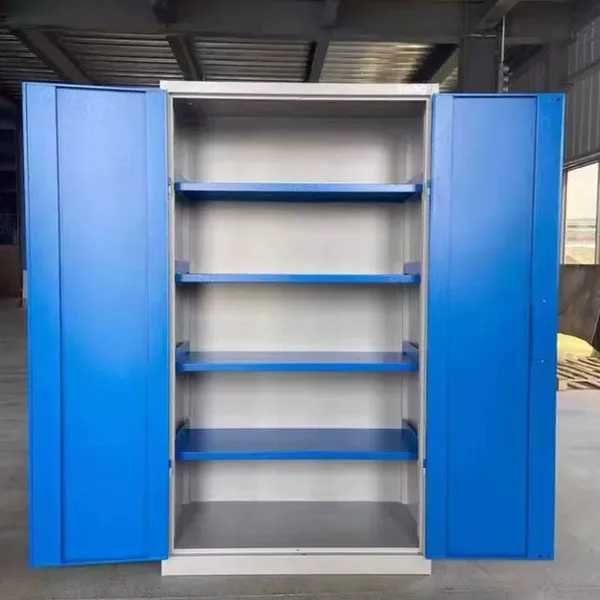
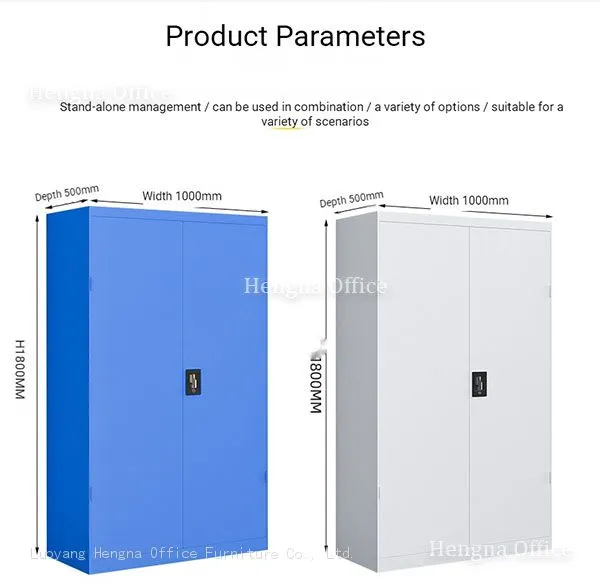
Standardized cabinets, such as the classic 1000mm wide heavy-duty locker, are developed based on common industrial needs. They are the "workhorses" of the industry.
Why Procurement Teams Choose Standard:
Immediate Availability: Standard models are usually kept in stock, significantly reducing lead times for urgent facility expansions.
Proven Reliability: These designs have undergone rigorous testing across thousands of different workshops. You know exactly what the load capacity and durability will be.
Lower Initial Cost: Mass production allows manufacturers to offer competitive pricing, making them ideal for large-scale, general-purpose outfitting.
Best For: General automotive repair shops, school laboratories, and warehouses needing reliable, general-purpose storage.
The Case for Custom Tool Storage: Precision and Efficiency
Customization isn't just about the size of the box; it’s about tailoring the internal ecosystem to match a specific set of tools or a unique production process.
Where Customization Adds Real Value:
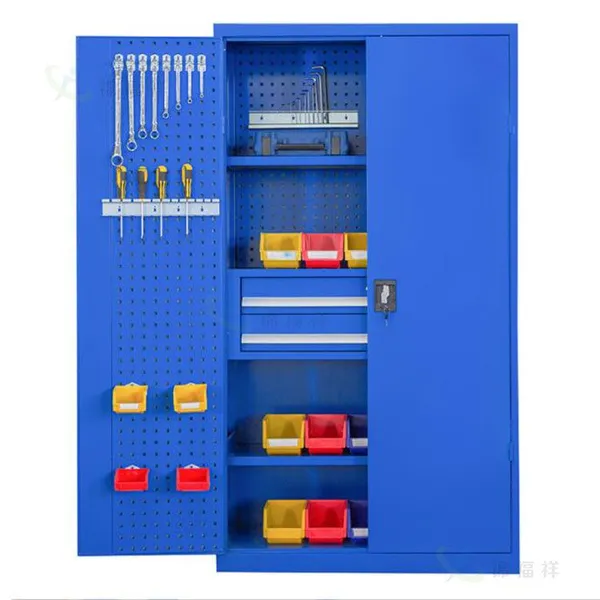
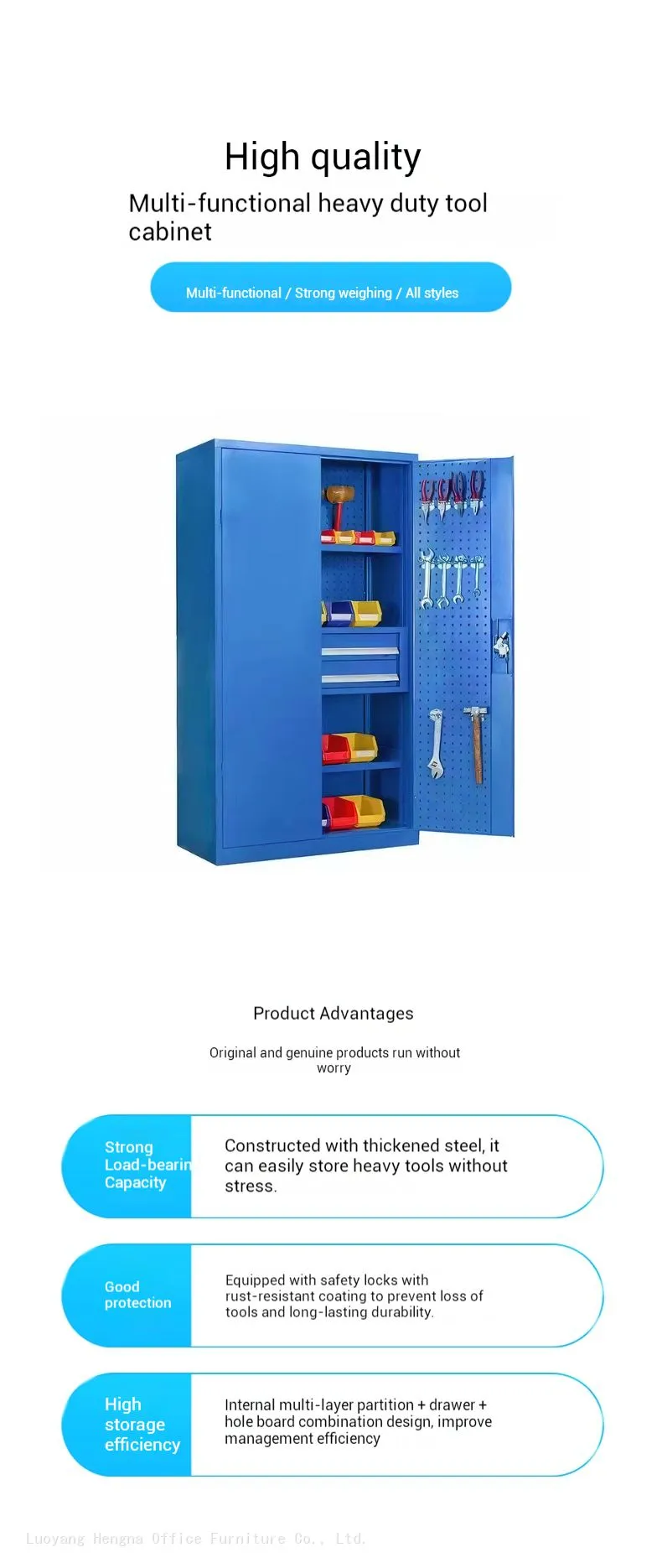
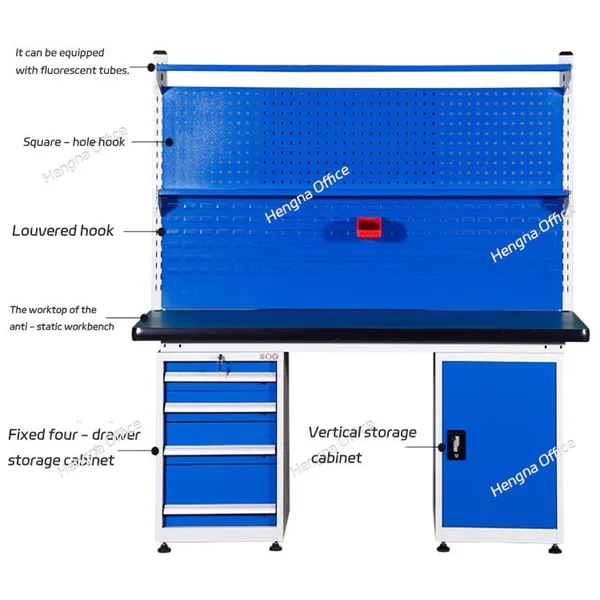
Specialized Tool Fit: If your facility uses oversized pneumatic tools or delicate precision instruments, standard shelving may result in wasted space or potential damage. Custom inserts and specialized pegboard hook layouts ensure every item is cradled perfectly.
Branding and Color Coding: For large corporations, a custom tool cabinet in brand colors (like high-visibility orange or corporate blue) isn't just about aesthetics—it’s about safety and 5S organization.
Unique Dimensional Needs: When your workshop has awkward corners or narrow aisles, custom-sized footprints (like a slimmer 400mm depth) can unlock floor space that standard units would block.
Best For: CNC machining centers, high-tech clean rooms, and mobile repair vans where every millimeter of space is critical.
Comparative Analysis: Choosing the Right Path
| Factor | Standard Cabinets | Custom Storage Solutions |
| Lead Time | Short (Often in-stock) | Longer (Design + Production) |
| Price Point | Budget-friendly | Premium (due to design time) |
| Space Utilization | Average | Maximum (Tailored to your floor plan) |
| 5S Integration | Basic | Advanced (Color-coded/Labeled) |
| Ease of Ordering | Simple (Select SKU) | Collaborative (Requires CAD/Consulting) |
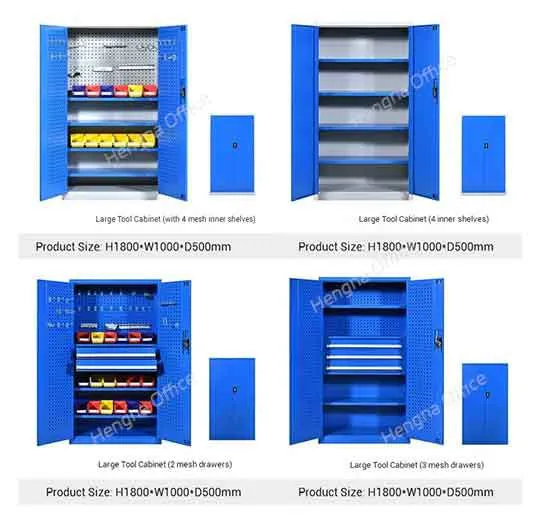
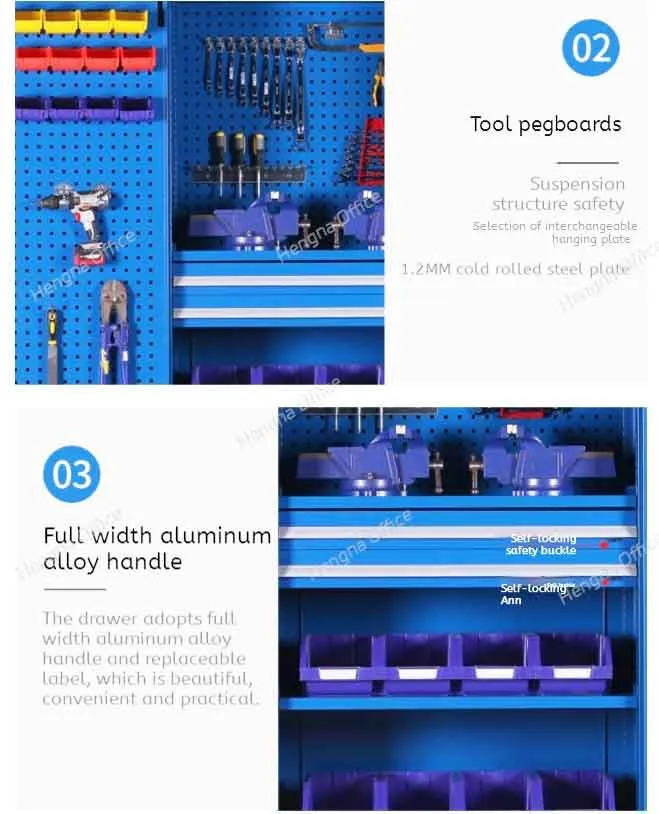
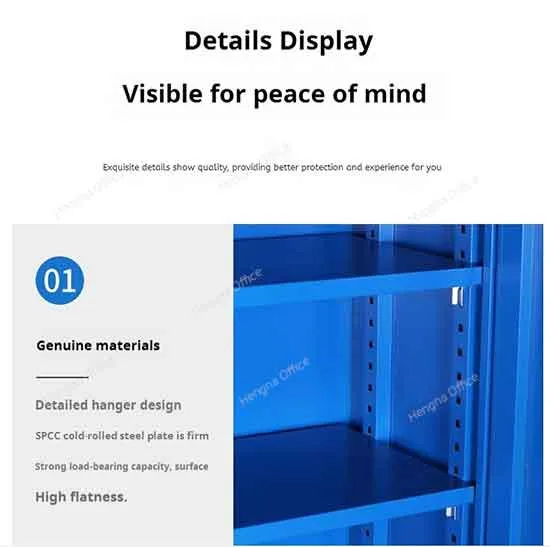
The Hybrid Approach: The Smart Choice for 2026
Many of our most successful B2B clients choose a hybrid strategy. They purchase standard external shells (to keep costs down) but request customized internal configurations (such as specific drawer heights or pegboard patterns). This allows for a "bespoke feel" without the full price tag of a ground-up custom build.
Summary: Which One Wins?
Efficiency isn't about having the most expensive cabinet; it’s about reducing "motion waste." If a standard cabinet requires your technicians to walk 10 extra steps or search through drawers for 2 minutes, it is costing you money every day. However, if your tools are standard-sized, a custom build is an unnecessary expense.
Frequently Asked Questions (FAQ)
Q1: What is the minimum order quantity (MOQ) for custom tool cabinets?
A: This varies by manufacturer, but for significant modifications (like dimensional changes), the MOQ usually starts at 20-50 units. For simpler customizations like "custom colors" or "specific internal shelving," many factories can accommodate smaller batches.
Q2: Can I upgrade a standard cabinet into a custom one later?
A: Yes. Look for cabinets with modular internal slots. You can start with standard shelves and later add drawers, pegboards, or parts bins as your tool collection grows or your workflow changes.
Q3: How much more does a custom cabinet typically cost?
A: Generally, you can expect a 15% to 30% price increase for customized dimensions. However, if the customization is limited to internal accessories (like adding more hooks or bins), the cost increase is often negligible compared to the efficiency gains.
Recently Posted
-
Heavy Duty Steel Workbench for Auto Repair — Cold Rolled Frame vs What Most Garages Use
August 5, 2026Mike has been running his independent garage for eleven years. Three bays, two mechanics, a steady stream of brake jobs and transm Read More
 -
Modular Workbench with Pegboard and Drawers — One Bench That Grows With Your Shop
August 5, 2026A shop starts with three people and two benches. Basic surface, no drawers, tools hanging on a pegboard nailed to the wall. Works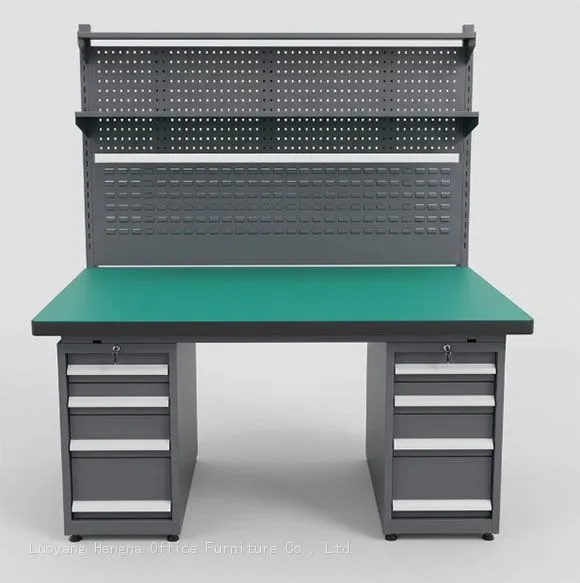 Read More
 -
ESD Workbench for Electronics Assembly — Static Protection Most PCB Rework Stations Skip
August 5, 2026A phone screen flickers and goes dark. A laptop motherboard refuses to POST. An industrial controller board shows intermittent fau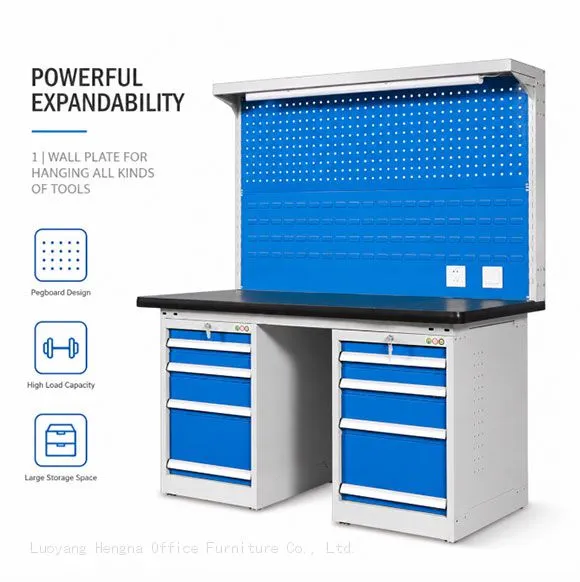 Read More
 -
Stainless Steel Shelving for Breweries and Wineries — What Survives Humidity, Alcohol Spills
July 24, 2026Stainless Steel Shelving for Breweries and Wineries — What Survives Humidity, Alcohol Spills, and Sanitizer Washdowns Three t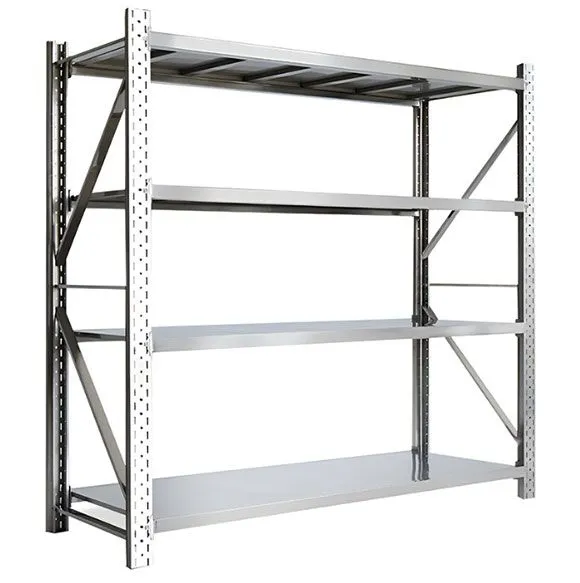 Read More

Contact Us
Recommended Products
-
 Industrial-Grade ABS Plastic Locker for Factory Staff and Warehouse Workers|Hengna OfficeUS$ 19 - 100MOQ: 5 Sets
 -
Outdoor ABS Locker Cabinet – UV-Resistant Plastic Storage for Poolside or Beach Resorts-Hengna OfficeUS$ 19 - 100MOQ: 5 Sets
-
45 Gallon Explosion-Proof Flammable Liquid Storage Cabinet – Fire-Resistant Steel Safety Cabinet for FactoriesUS$ 68 - 400MOQ: 2 Combos
-
Flammable Storage Cabinet for Flammable Liquids – OSHA Certified Safety Cabinet With Fireproof Double WallsUS$ 68 - 400MOQ: 2 Combos
-
Large Capacity Flammable Liquid Storage Cabinet – Explosion-Proof Safety Cabinet for Laboratory & Workshop UseUS$ 68 - 400MOQ: 2 Combos
-
Heavy Duty Steel Tool Cart With Drawers for Workshops|Hengna OfficeUS$ 99 - 269MOQ: 2 Cases
-
Wholesale 3-Drawer Tool Trolley With Wheels for Factory and Garage StorageUS$ 99 - 269MOQ: 2 Cases
-
HN-wlj160 Industrial Rolling Tool Organizer With Pegboard|All-in-One Mobile Tool Storage CartUS$ 5 - 120MOQ: 2 Cases
-
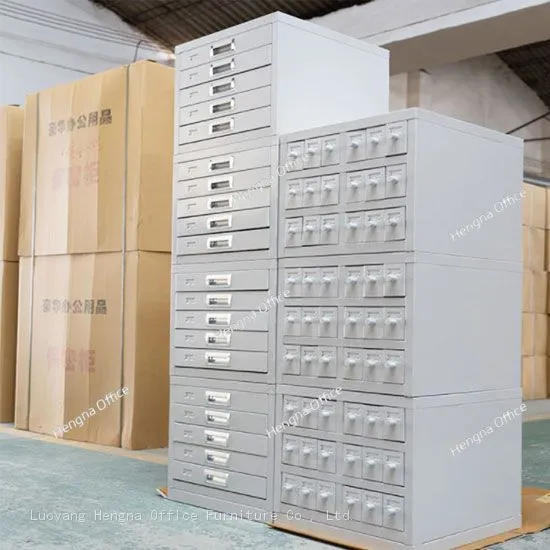
White Stackable Pathology Wax Block Storage Drawers for Labs Near London-Hengna OfficeNegotiableMOQ: 10 Pieces
-
Custom Paraffin Block Storage Cabinet for Histology Laboratories – Factory Direct From Hengna FurnitureNegotiableMOQ: 10 Pieces
-
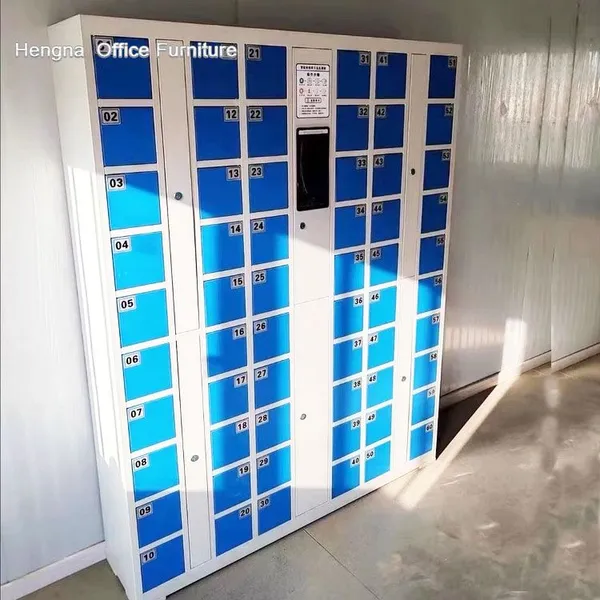
Smart Phone Charging Locker 40-door|Fingerprint Lockers Intelligent Parcel Delivery CabinetUS$ 203 - 750MOQ: 15 Pieces
-
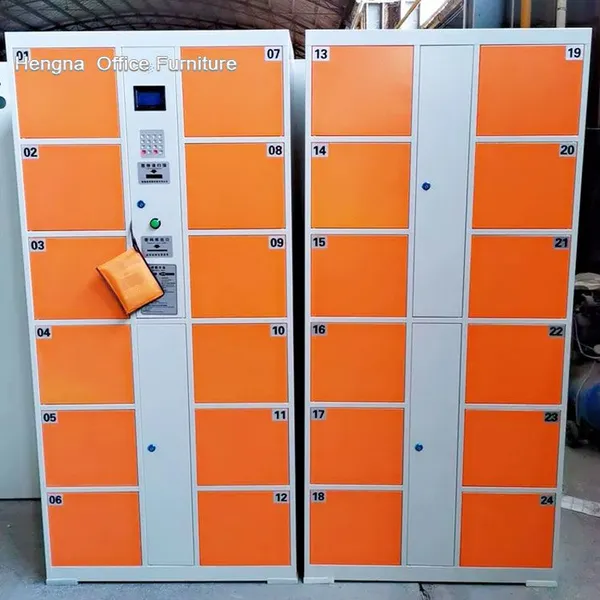
School Gym Lockers Price |Parcel Delivery Storage Locker 12-door FactoryUS$ 203 - 750MOQ: 15 Pieces
-
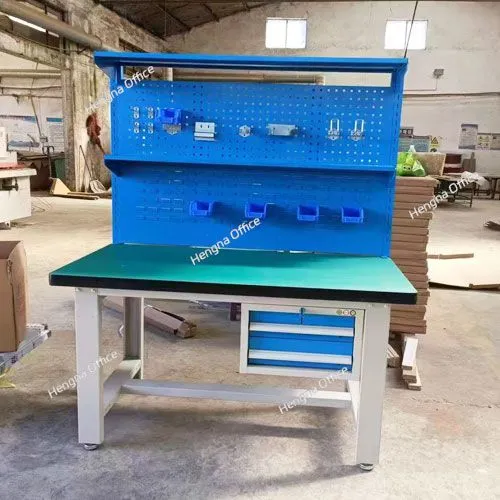
Multi Metal Work Benches Electrical Workshop Workbench|US$ 300 - 800MOQ: 2 Cases
-
Commercial Workbench Supplier |Multi Metal Work Bench With Drawers OMDUS$ 300 - 800MOQ: 2 Cases
-
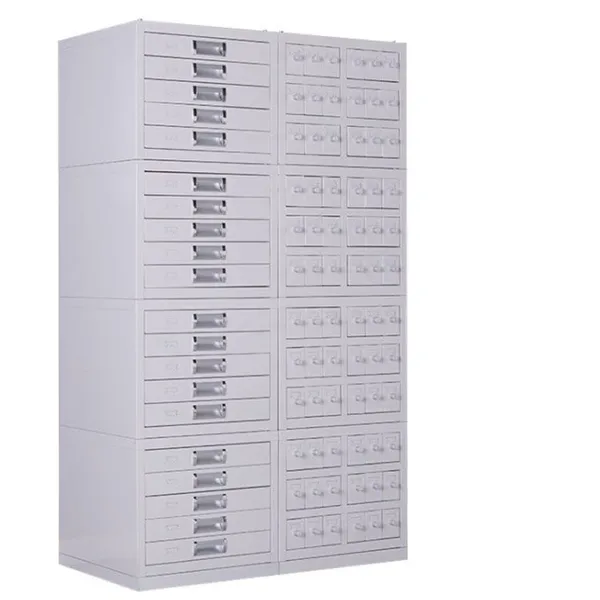
Pathological Ection Cabinet JTGZ062 Wax Block Cabinet for LaboratoryNegotiableMOQ: 10 Pieces
-
Durable Tool Storage in Factory HNGJ703 Hard Wearing Metal Industrial Tool ChestNegotiableMOQ: 18 Pieces
-
High - Quality CNC Workshop Tool Cabinet Heavyweight Workshop Tool OrganizerNegotiableMOQ: 10 Pieces
-
Laboratory Polyethylene Acid and Corrosive Chemicals Safety Storage PP CabinetUS$ 340 - 600MOQ: 5 Combos
-
22 Gallons /80 L PP Acid - Base Cabinet: Safeguard Chemical Storage Supplier OEMUS$ 500 - 600MOQ: 5 Combos
-
4 - Gallon Corrosion-resistant Safety Cabinet for Hazardous Chemicals Acid SupplierUS$ 340 - 500MOQ: 5 Combos