
 Business License

Powder Coating vs. Liquid Painting: Which Finish Makes Your Tool Cabinet Last Longer?
When you are comparing quotes for industrial steel storage cabinets, they might all look identical in photos. However, the real difference often lies in something you can’t see immediately: the surface treatment.
In the B2B world, the finish isn't just about color; it’s about protection. For any high-traffic workshop, the choice usually boils down to Powder Coating versus Traditional Liquid Painting. If you want a cabinet that survives 10+ years without rust or scratches, understanding the "how" behind these processes is essential.
1. What is Liquid Painting? (The Old Way)
Liquid painting is similar to how a car is painted. A liquid pigment is sprayed onto the metal and left to air-dry or baked in an oven.
The Problem: As the liquid dries, the "solvents" evaporate, often leaving microscopic pores (tiny holes) in the paint. Moisture can seep into these pores, reaching the steel underneath and causing rust from the inside out.
Durability: It is prone to "runs," drips, and chipping if a heavy wrench hits the surface.
2. What is Powder Coating? (The Industrial Standard)
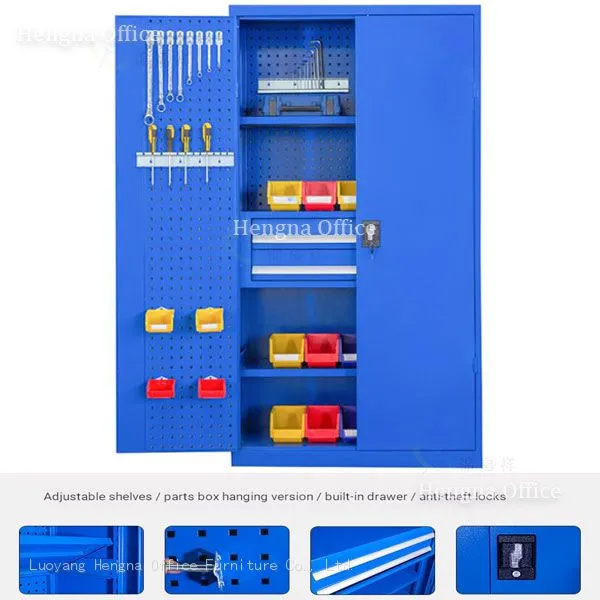
Most premium heavy-duty workshop cupboards today use Electrostatic Powder Coating. Instead of liquid, we use a dry, colorful "powder" that looks like fine flour.
How it works (Simple Version):
Static Charge: We give the metal cabinet a negative charge and the powder a positive charge. Like a magnet, the powder sticks perfectly to every corner and edge of the cabinet.
The Oven: The cabinet goes into a high-heat oven. The powder melts and chemically bonds together, forming a solid, plastic-like "skin" over the steel.
3. Why Powder Coating Wins for B2B Buyers
A. Scratch and Impact Resistance
In a busy garage, tools hit the cabinet daily. Powder coating is much thicker and more flexible than liquid paint. It acts like a "shield" that absorbs impacts without cracking or chipping.
B. Superior Corrosion Protection
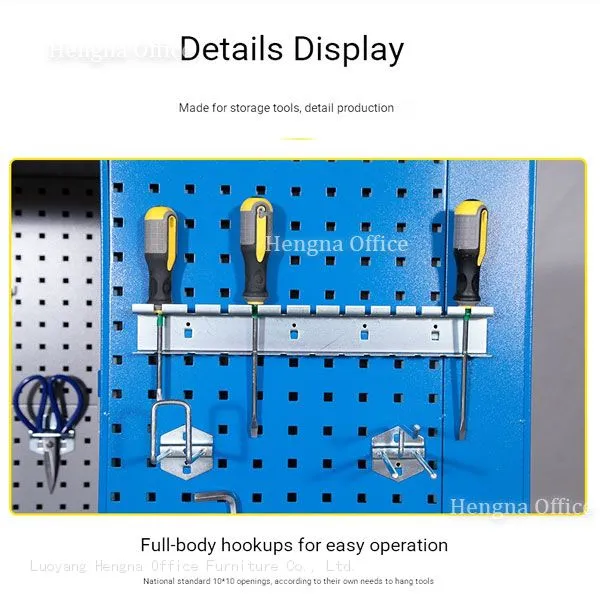
Because the powder melts into a seamless layer, there are no microscopic pores. This makes it perfect for high-humidity environments or coastal regions where salt air quickly destroys inferior metal furniture.
C. Chemical Resistance
Auto shops use oils, degreasers, and brake fluids. These chemicals act as "paint strippers" for liquid paint. Powder coating is chemically stable and won't bubble or peel when exposed to common industrial fluids.
Simple Comparison Table for Procurement
| Feature | Liquid Painting | Powder Coating (Our Choice) |
| Durability | Thinner, easily scratched | Thick, impact-resistant |
| Rust Protection | Average (Porous) | Excellent (Seamless barrier) |
| Environmental Impact | High (Contains VOCs/Solvents) | Low (Eco-friendly, no waste) |
| Finish Uniformity | May have drips or "orange peel" | Perfectly smooth & consistent |
| Long-term Value | Lower (Requires repainting) | Higher (One-time investment) |
💡 Pro Sourcing Tip: The "Pre-treatment" Secret
A great finish is only as good as the cleaning. Before we spray, our cabinets go through a multi-stage pickling and phosphating process to remove all oil and dust. If a factory skips this step, even the best powder coating will eventually peel. Always ask your supplier about their "pre-treatment" process!
Frequently Asked Questions (FAQ)
Q1: Is powder coating more expensive than liquid paint?
A: Initially, yes, by about 10-15%. However, because it lasts 3-4 times longer and requires zero maintenance, it is significantly cheaper over the lifespan of the workshop.
Q2: Can I get custom colors in powder coating?
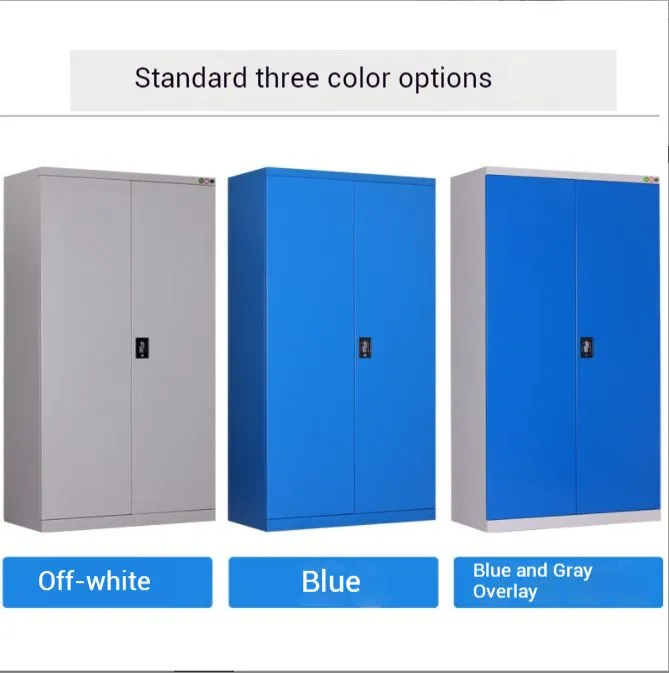
A: Absolutely. While industrial blue, orange, and gray are standard, powder coating is available in almost any RAL color. This is great for matching your corporate branding across multiple factory locations.
Q3: Does the finish affect the cabinet's load capacity?
A: Not directly, but a good finish prevents rust. Once rust starts on a shelf, it weakens the steel structure. So, a better finish indirectly ensures the 1.2mm steel maintains its original strength for years.
Recently Posted
-
Louvered Panel vs Round Hole Pegboard — Which Tool Wall Holds Hooks and Bins Together?
August 31, 2026Louvered Panel vs Round Hole Pegboard — Which Tool Wall Holds Hooks and Bins Together?Short answer: if you only hang tools, round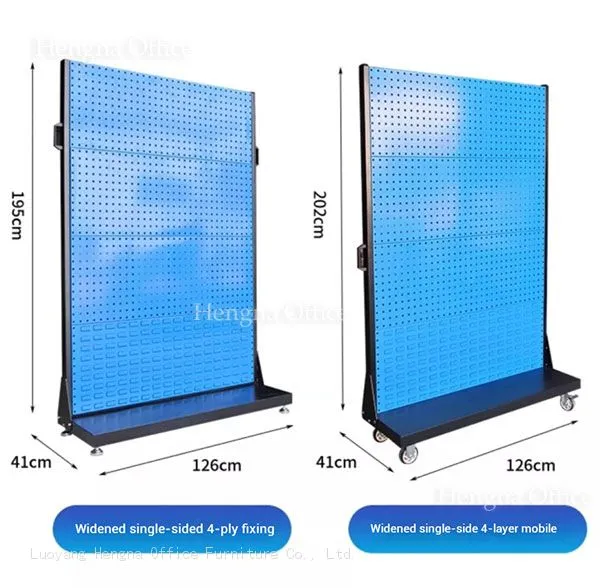 Read More
 -
Welded vs Boltless Steel Shelving — Looks Strong at the Factory, Falls Apart at the Port
August 7, 2026Welded vs Boltless Steel Shelving — Looks Strong at the Factory, Falls Apart at the PortHere's a story every steel shelving im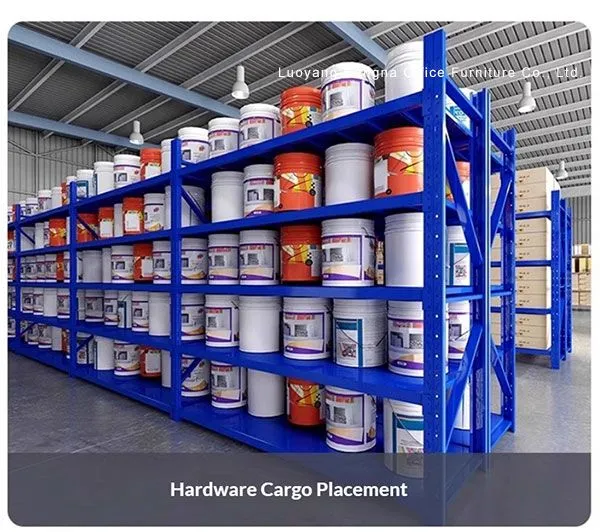 Read More
 -
You Asked a Steel Shelving Supplier for a Price. Here's What You Should Have Asked First.
August 7, 2026You found a steel shelving supplier. Their listing looks clean. You sent the message every first-time importer sends: "What&#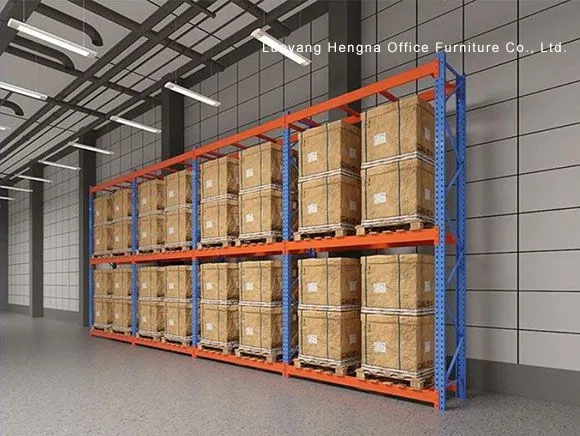 Read More
 -
Heavy Duty Steel Workbench for Auto Repair — Cold Rolled Frame vs What Most Garages Use
August 5, 2026Mike has been running his independent garage for eleven years. Three bays, two mechanics, a steady stream of brake jobs and transm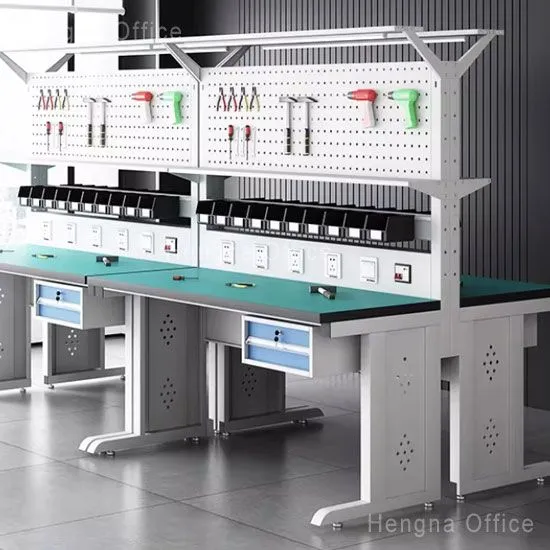 Read More

Contact Us
Recommended Products
-
 Industrial-Grade ABS Plastic Locker for Factory Staff and Warehouse Workers|Hengna OfficeUS$ 19 - 100MOQ: 5 Sets
 -
Outdoor ABS Locker Cabinet – UV-Resistant Plastic Storage for Poolside or Beach Resorts-Hengna OfficeUS$ 19 - 100MOQ: 5 Sets
-
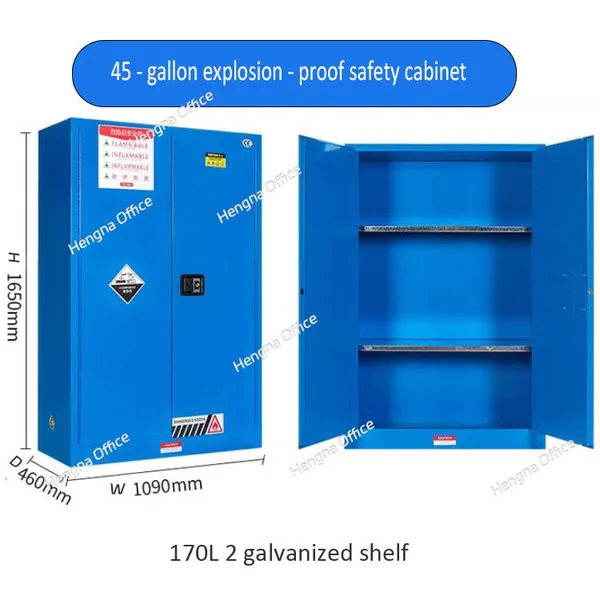
45 Gallon Explosion-Proof Flammable Liquid Storage Cabinet – Fire-Resistant Steel Safety Cabinet for FactoriesUS$ 68 - 400MOQ: 2 Combos
-
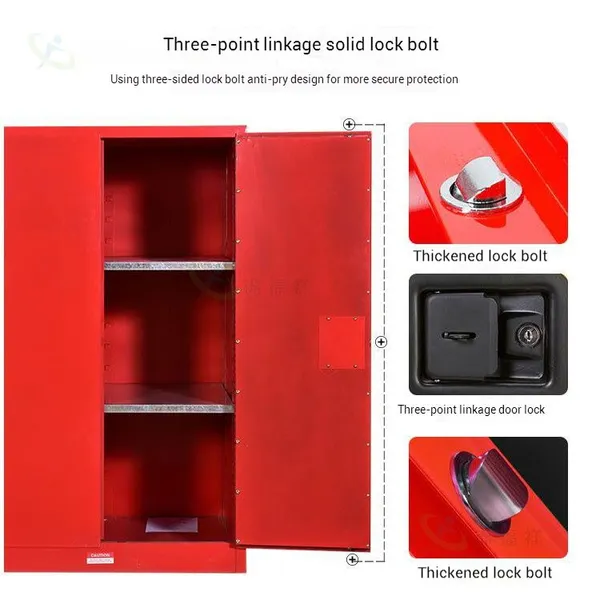
Flammable Storage Cabinet for Flammable Liquids – OSHA Certified Safety Cabinet With Fireproof Double WallsUS$ 68 - 400MOQ: 2 Combos
-
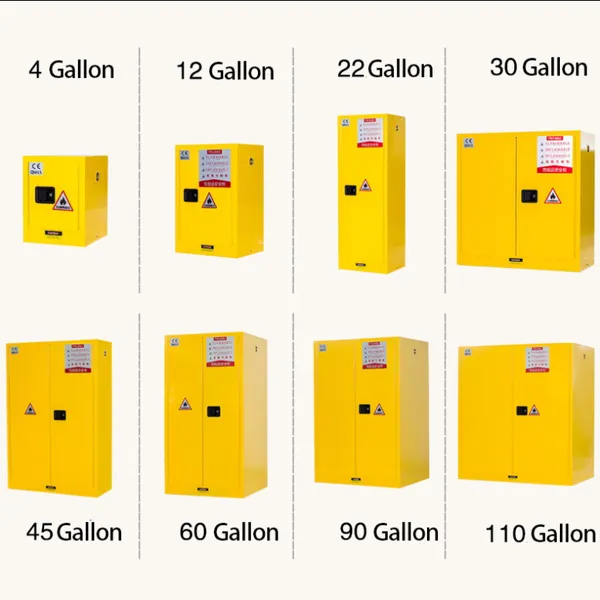
Large Capacity Flammable Liquid Storage Cabinet – Explosion-Proof Safety Cabinet for Laboratory & Workshop UseUS$ 68 - 400MOQ: 2 Combos
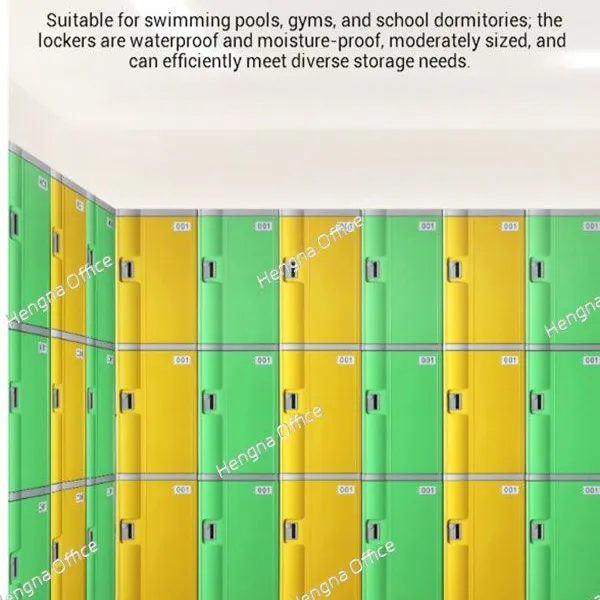
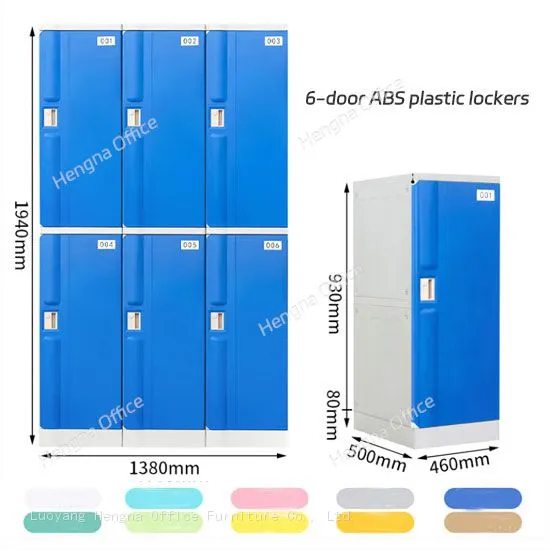
-
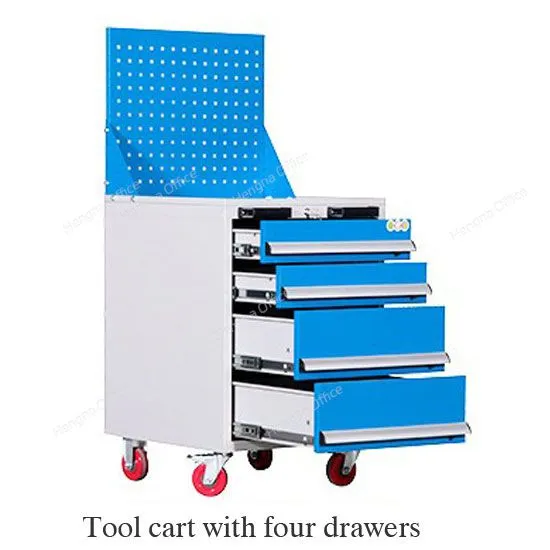
Heavy Duty Steel Tool Cart With Drawers for Workshops|Hengna OfficeUS$ 99 - 269MOQ: 2 Cases
-
Wholesale 3-Drawer Tool Trolley With Wheels for Factory and Garage StorageUS$ 99 - 269MOQ: 2 Cases
-
HN-wlj160 Industrial Rolling Tool Organizer With Pegboard|All-in-One Mobile Tool Storage CartUS$ 5 - 120MOQ: 2 Cases
-
White Stackable Pathology Wax Block Storage Drawers for Labs Near London-Hengna OfficeNegotiableMOQ: 10 Pieces
-
Custom Paraffin Block Storage Cabinet for Histology Laboratories – Factory Direct From Hengna FurnitureNegotiableMOQ: 10 Pieces
-
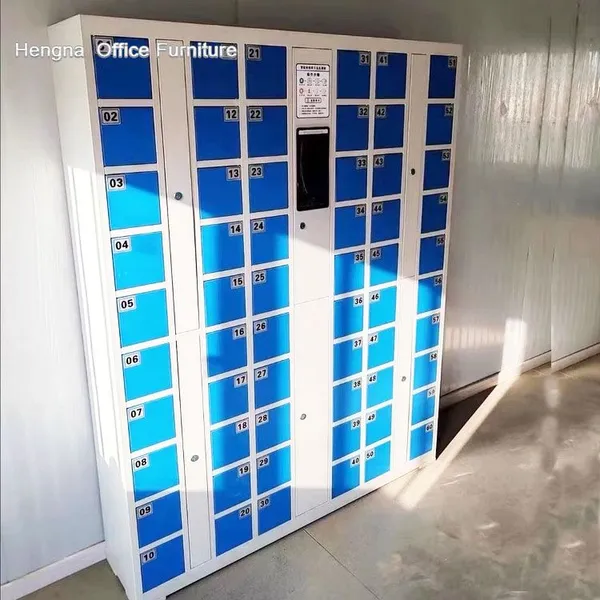
Smart Phone Charging Locker 40-door|Fingerprint Lockers Intelligent Parcel Delivery CabinetUS$ 203 - 750MOQ: 15 Pieces
-
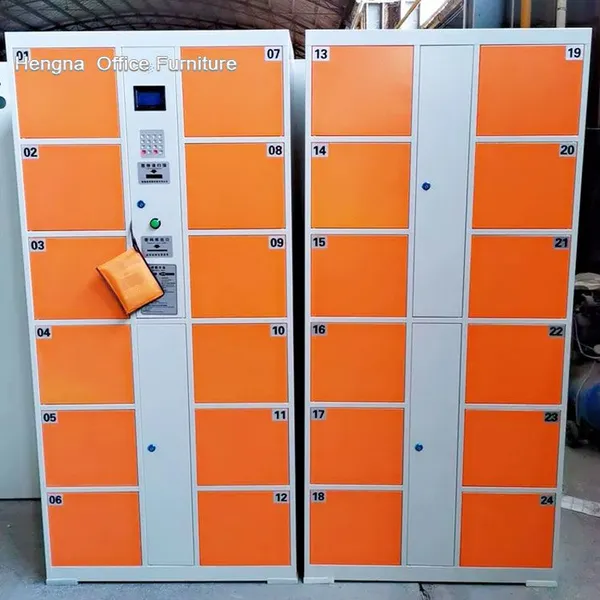
School Gym Lockers Price |Parcel Delivery Storage Locker 12-door FactoryUS$ 203 - 750MOQ: 15 Pieces
-
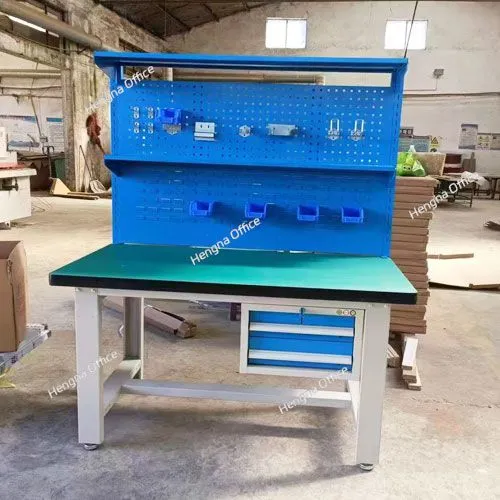
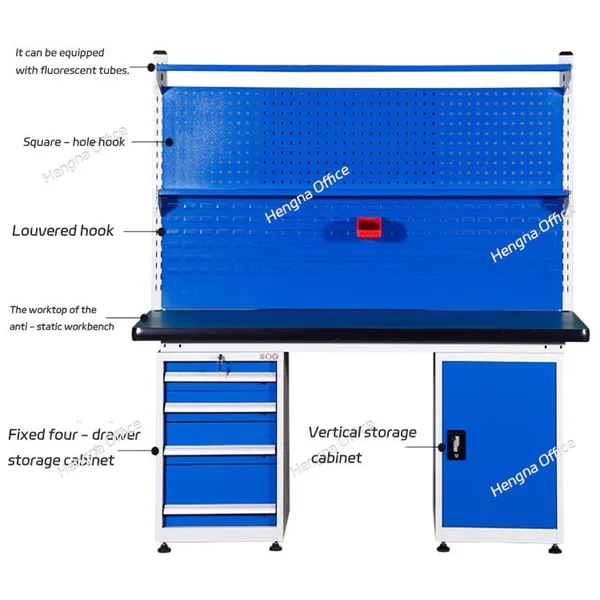
Multi Metal Work Benches Electrical Workshop Workbench|US$ 300 - 800MOQ: 2 Cases
-
Commercial Workbench Supplier |Multi Metal Work Bench With Drawers OMDUS$ 300 - 800MOQ: 2 Cases
-
Pathological Ection Cabinet JTGZ062 Wax Block Cabinet for LaboratoryNegotiableMOQ: 10 Pieces
-
Durable Tool Storage in Factory HNGJ703 Hard Wearing Metal Industrial Tool ChestNegotiableMOQ: 18 Pieces
-
High - Quality CNC Workshop Tool Cabinet Heavyweight Workshop Tool OrganizerNegotiableMOQ: 10 Pieces
-
Laboratory Polyethylene Acid and Corrosive Chemicals Safety Storage PP CabinetUS$ 340 - 600MOQ: 5 Combos
-
22 Gallons /80 L PP Acid - Base Cabinet: Safeguard Chemical Storage Supplier OEMUS$ 500 - 600MOQ: 5 Combos
-
4 - Gallon Corrosion-resistant Safety Cabinet for Hazardous Chemicals Acid SupplierUS$ 340 - 500MOQ: 5 Combos