
 Business License

Why Architects are Now Specifying ABS Lockers for Modern School Design
In the past, the sound of a school hallway was defined by the rhythmic "clanging" of metal locker doors. While iconic, traditional steel lockers are increasingly being phased out of modern architectural blueprints. Today’s leading school architects are prioritizing three pillars: Student Safety, Acoustic Comfort, and Sustainable Longevity.
This shift explains why ABS Plastic Lockers have become the new "gold standard" in educational specifications from primary schools to universities.
1. The Death of Hallway Noise: Acoustic Benefits
Acoustic control is a major focus in modern educational design. Metal lockers act like drums, amplifying every slam and rattle, which contributes to student stress and corridor chaos.
The ABS Advantage: ABS plastic is naturally sound-dampening. The doors close with a muted thud rather than a high-pitched metallic ring.
Quiet Learning Environments: By reducing ambient noise in hallways, schools create a more calm transition between classes, which has a documented positive effect on student behavior.
2. Safety First: The "No-Sharp-Edges" Design
Architects are legally and ethically bound to design safe spaces. Metal lockers, over time, can develop sharp rusted edges or bent corners that pose a risk of lacerations.
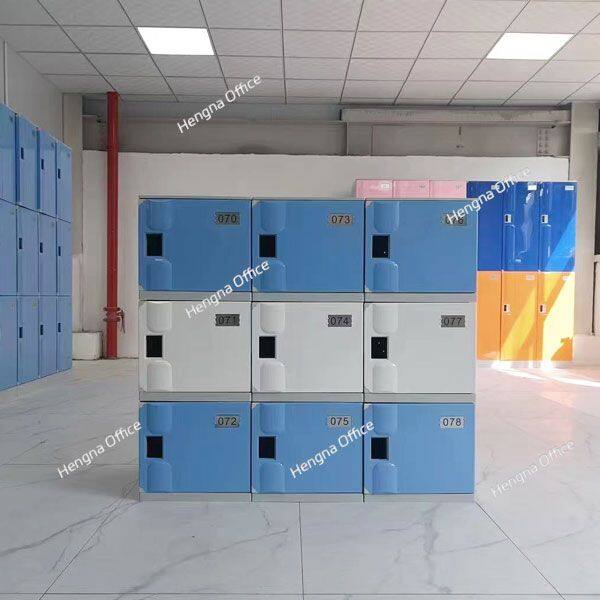
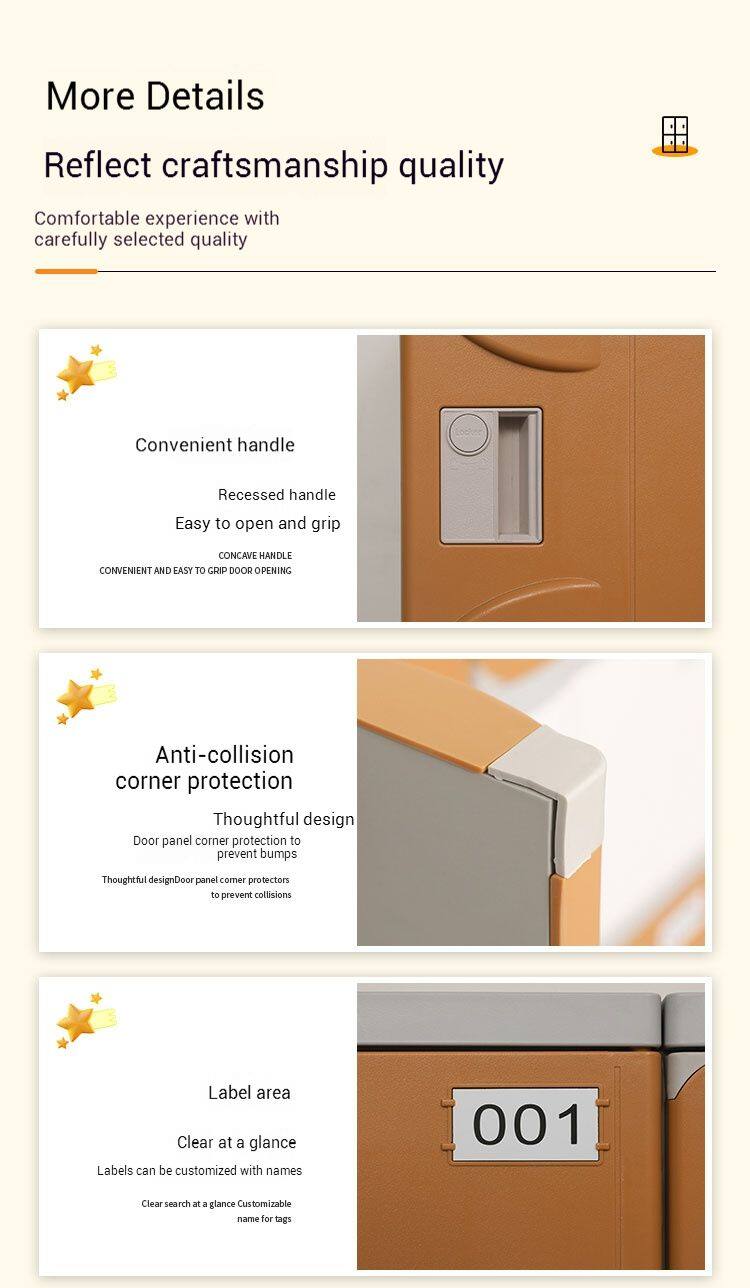
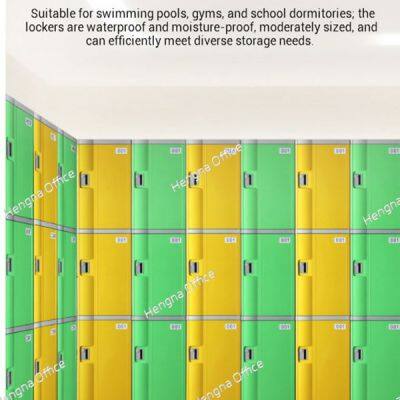
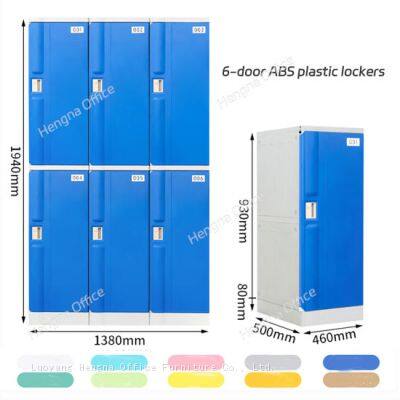
Round Corner Technology: As seen in our latest designs, ABS lockers feature Safety Round Corners. There are no sharp blades or dangerous protrusions.
Non-Conductive Material: Being plastic, these lockers are non-conductive, adding a layer of electrical safety in science labs or tech-heavy classrooms.
3. Aesthetics and Color Psychology
Modern schools are moving away from "industrial gray" toward vibrant, inspiring colors.
Integrated Color: Unlike painted metal which scratches and reveals raw gray steel underneath, the color in ABS lockers is molded throughout the material.
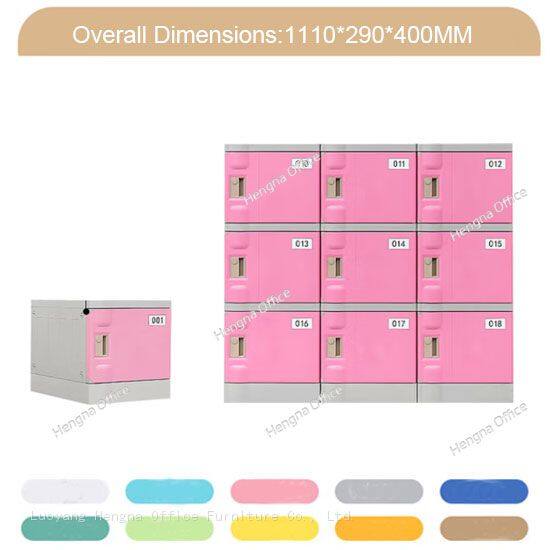
Creative Coding: Architects use different door colors to "wayfind"—designating different wings of a school by color (e.g., the "Blue Wing" for 7th grade), making navigation intuitive for younger students.
4. Sustainability and Indoor Air Quality (IAQ)
B2B buyers and architects are under pressure to meet "Green Building" standards.
Formaldehyde-Free: Unlike some wood-composite lockers that emit VOCs (Volatile Organic Compounds), ABS and HIPS are stable, non-toxic polymers.
Recyclability: ABS is a 100% recyclable plastic, fitting perfectly into a circular economy model that modern school boards demand.
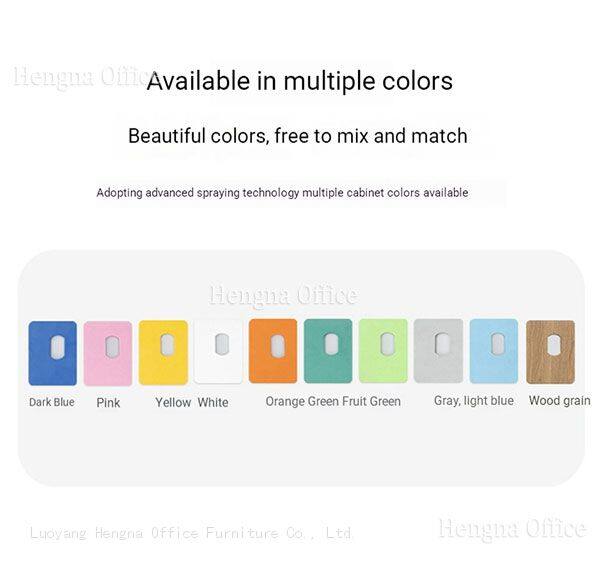
Architect’s Checklist: Steel vs. ABS for Schools
| Feature | Traditional Steel Lockers | Modern ABS Modular Lockers |
| Noise Level | High (Echoes & Clanging) | Low (Soft-closing/Dampened) |
| Safety | Potential sharp edges/rust | Impact-resistant round corners |
| Customization | Limited (Paint chips) | Vibrant molded-in colors |
| Installation | Heavy; requires professional tools | Lightweight; Screwless DIY assembly |
| Maintenance | Annual repainting/oiling | Zero maintenance; Washable |
Designing for the Future: "The 20-Year Corridor"
When an architect specifies a product, they are looking at how that hallway will look two decades from now. Steel lockers will be dented, rusted at the base, and noisy.
By specifying ABS Modular Systems, architects ensure that the school remains as bright, safe, and quiet in Year 20 as it was on opening day. It’s a "future-proof" choice that protects the school’s budget and the students' wellbeing.
Conclusion
For the modern educational space, the locker is no longer just a storage box; it is a piece of the building’s infrastructure. Choosing hygienic, quiet, and safe ABS plastic is the hallmark of a designer who understands the needs of the 21st-century student.
Recently Posted
-
Why Water Park Lockers Always Rust — and the Practical Logic Behind Switching to ABS Waterproof Stor
April 29, 2026Run a water park, and you've probably seen this: metal lockers installed last year are already showing it. Hinges that stick,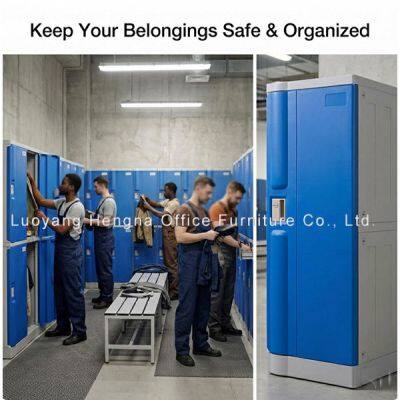 Read More
 -
How to Choose ESD Workbenches for Bulk Order: A Procurement Guide to Quality, MOQ and Lead Time
April 20, 2026Buying one ESD workbench is simple. You find a supplier, pay the invoice, receive the unit, plug it in.Buying 50 — or 500 — is a d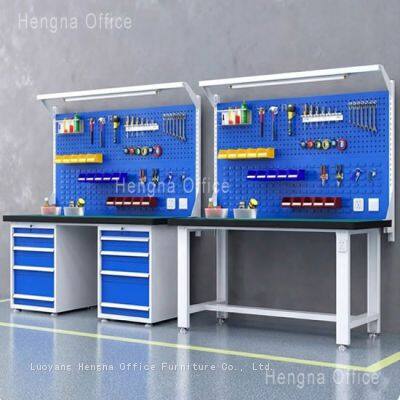 Read More
 -
ESD Workstation Audit Checklist: What Inspectors Actually Look For in Labs and Electronics Manufactu
April 20, 2026If your ESD workstation fails an audit, the consequences go beyond a failed inspection report. It means your production line stops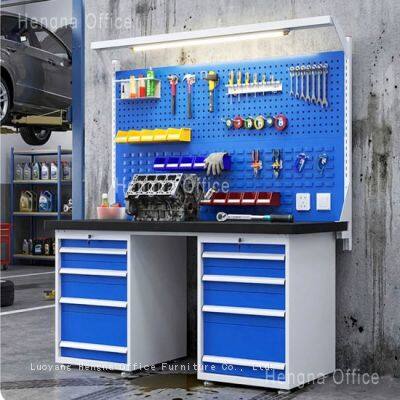 Read More
 -
Why Your ESD Workstation Keeps Failing: Root Causes and Practical Fixes for Industrial Settings
April 20, 2026ESD workstations are supposed to eliminate static discharge risk in sensitive manufacturing environments. But if your equipment ke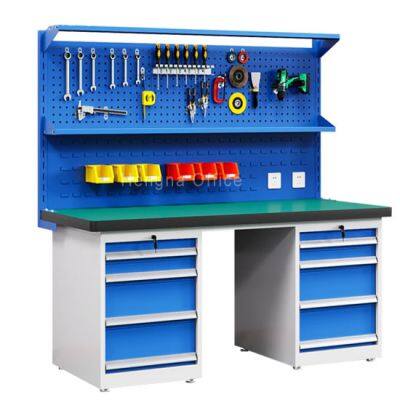 Read More

Contact Us
Recommended Products
-
 Industrial-Grade ABS Plastic Locker for Factory Staff and Warehouse Workers|Hengna OfficeUS$ 19 - 100MOQ: 5 Sets
 -
Outdoor ABS Locker Cabinet – UV-Resistant Plastic Storage for Poolside or Beach Resorts-Hengna OfficeUS$ 19 - 100MOQ: 5 Sets
-
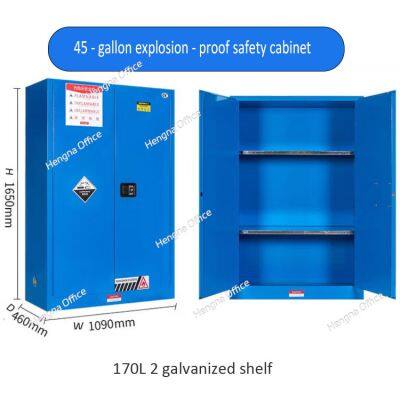
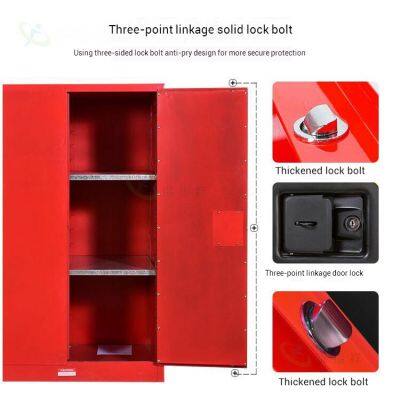
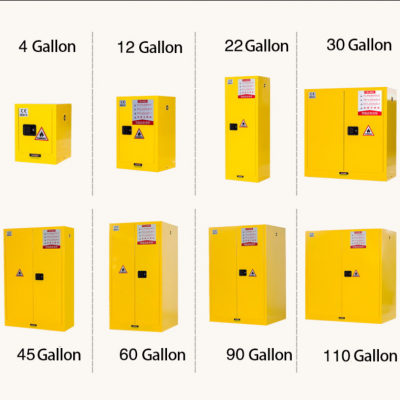
45 Gallon Explosion-Proof Flammable Liquid Storage Cabinet – Fire-Resistant Steel Safety Cabinet for FactoriesUS$ 68 - 400MOQ: 2 Combos
-
Flammable Storage Cabinet for Flammable Liquids – OSHA Certified Safety Cabinet With Fireproof Double WallsUS$ 68 - 400MOQ: 2 Combos
-
Large Capacity Flammable Liquid Storage Cabinet – Explosion-Proof Safety Cabinet for Laboratory & Workshop UseUS$ 68 - 400MOQ: 2 Combos
-
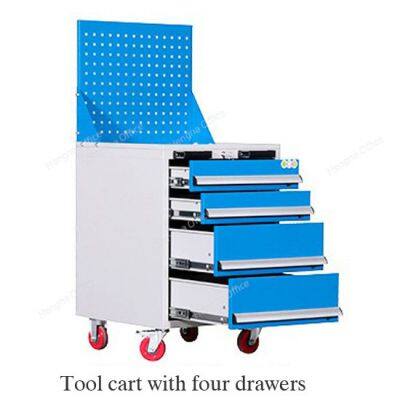
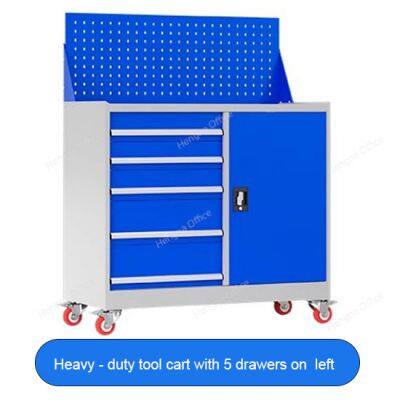
Heavy Duty Steel Tool Cart With Drawers for Workshops|Hengna OfficeUS$ 99 - 269MOQ: 2 Cases
-
Wholesale 3-Drawer Tool Trolley With Wheels for Factory and Garage StorageUS$ 99 - 269MOQ: 2 Cases
-
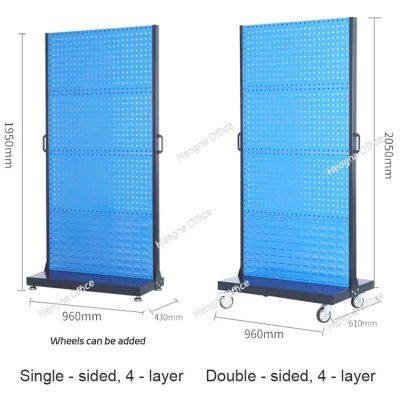
HN-wlj160 Industrial Rolling Tool Organizer With Pegboard|All-in-One Mobile Tool Storage CartUS$ 5 - 120MOQ: 2 Cases
-
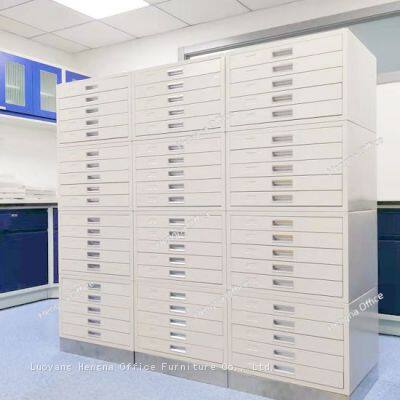
White Stackable Pathology Wax Block Storage Drawers for Labs Near London-Hengna OfficeNegotiableMOQ: 10 Pieces
-
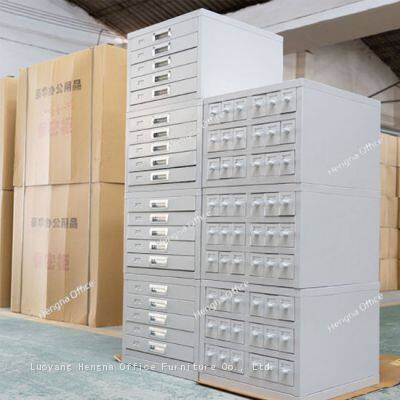
Custom Paraffin Block Storage Cabinet for Histology Laboratories – Factory Direct From Hengna FurnitureNegotiableMOQ: 10 Pieces
-
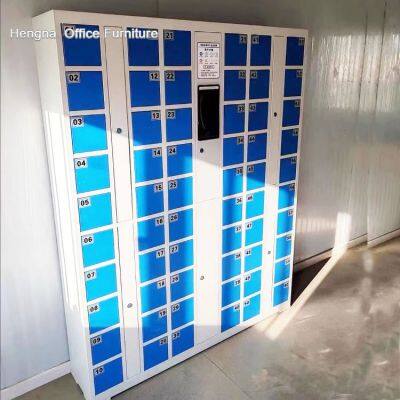
Smart Phone Charging Locker 40-door|Fingerprint Lockers Intelligent Parcel Delivery CabinetUS$ 203 - 750MOQ: 15 Pieces
-
School Gym Lockers Price |Parcel Delivery Storage Locker 12-door FactoryUS$ 203 - 750MOQ: 15 Pieces
-
Multi Metal Work Benches Electrical Workshop Workbench|US$ 300 - 800MOQ: 2 Cases
-
Commercial Workbench Supplier |Multi Metal Work Bench With Drawers OMDUS$ 300 - 800MOQ: 2 Cases
-
Pathological Ection Cabinet JTGZ062 Wax Block Cabinet for LaboratoryNegotiableMOQ: 10 Pieces
-
Durable Tool Storage in Factory HNGJ703 Hard Wearing Metal Industrial Tool ChestNegotiableMOQ: 18 Pieces
-
High - Quality CNC Workshop Tool Cabinet Heavyweight Workshop Tool OrganizerNegotiableMOQ: 10 Pieces
-
Laboratory Polyethylene Acid and Corrosive Chemicals Safety Storage PP CabinetUS$ 340 - 600MOQ: 5 Combos
-
22 Gallons /80 L PP Acid - Base Cabinet: Safeguard Chemical Storage Supplier OEMUS$ 500 - 600MOQ: 5 Combos
-
4 - Gallon Corrosion-resistant Safety Cabinet for Hazardous Chemicals Acid SupplierUS$ 340 - 500MOQ: 5 Combos