
 Business License

Is Your Charging Locker Fire-Safe? Why Internal Circuit Breakers are Non-Negotiable
When managing a facility—whether it’s a high-tech manufacturing plant in Texas or a busy K-12 school—safety isn't just a checkbox; it’s a legal and ethical priority. As we integrate more electronic devices into our daily workflows, the need for centralized charging solutions has skyrocketed. However, many facility managers overlook a critical hidden danger: the fire risk associated with large-scale mobile device charging.
In this article, we will explore why an internal circuit breaker (often referred to as an air switch) is a non-negotiable feature for any professional cell phone charging locker.
The Hidden Risks of Mass Device Charging
Charging 30, 40, or even 80 lithium-ion batteries simultaneously in a confined steel cabinet generates significant electrical load and heat. Without proper regulation, several things can go wrong:
Overloading: Too many devices drawing power at once can exceed the circuit’s capacity.
Short Circuits: Damaged charging cables or faulty device batteries can cause sudden electrical surges.
Heat Accumulation: Continuous power flow without a safety cutoff can lead to thermal runaway.
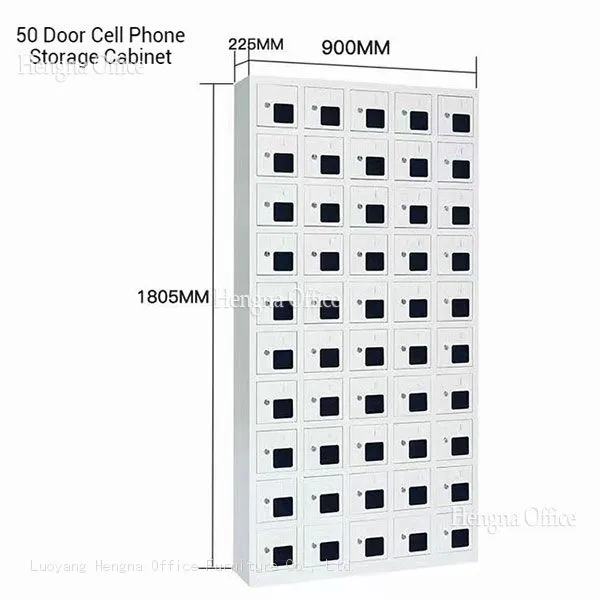
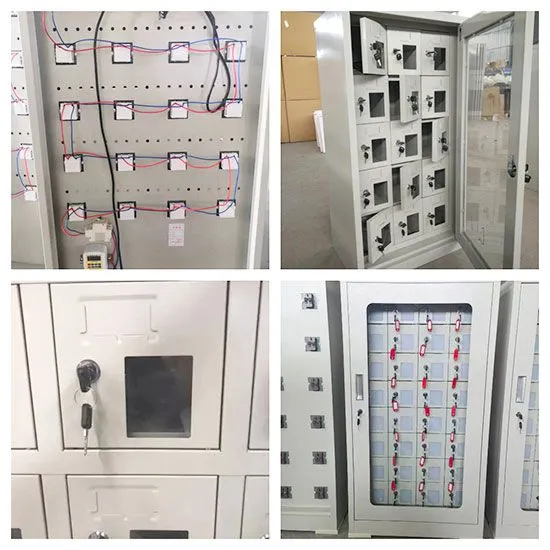
What is an Internal Circuit Breaker?
An internal circuit breaker (the "Air Switch" seen in high-quality industrial charging cabinets) acts as a vigilant guardian. Unlike a standard fuse that simply blows and needs replacement, a circuit breaker automatically "trips" or shuts off the power flow when it detects an abnormality—such as an overload or a short circuit.
Why It’s "Non-Negotiable" for B2B Buyers
For a business-to-business (B2B) buyer, the stakes are higher than for an individual consumer. If a charging locker in a factory causes a fire, the repercussions include equipment damage, data loss, and massive liability claims.
| Feature | Standard Power Strip Locker | Professional Locker with Circuit Breaker |
| Overload Response | Potential fire or melted plastic | Automatic power cutoff (Trip) |
| Safety Standard | Low / Consumer Grade | Industrial / Professional Grade |
| Risk Mitigation | High liability risk | High safety assurance |
| Maintenance | Manual fuse replacement | Simple switch reset |
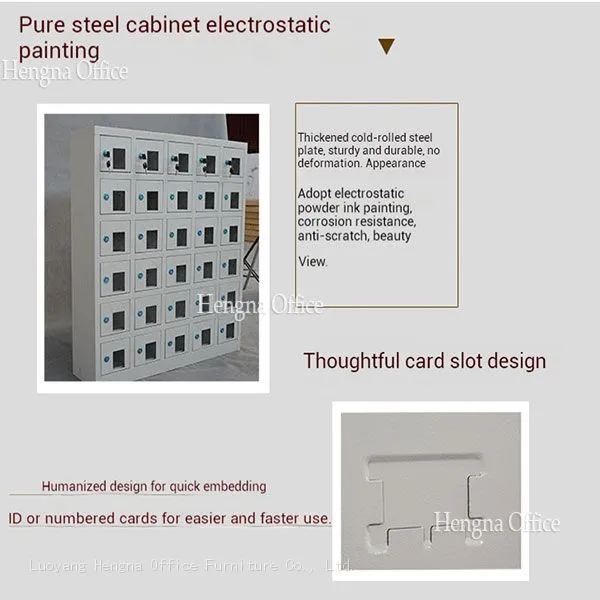
3 Key Benefits of Integrated Electrical Protection
1. Fire Prevention in High-Density Areas
In cities like Austin, TX, where massive gigafactories operate 24/7, hundreds of employees store their phones during shifts. An anti-tamper charging locker with a built-in air switch ensures that even if a worker uses a faulty third-party cable, the damage is localized and the power is cut before a fire can start.
2. Protection of Expensive Assets
The devices inside the locker—smartphones, tablets, or expensive power tool batteries—are significant investments. A sudden power surge can fry the internal motherboards of dozens of devices at once. The circuit breaker acts as a shield, sacrificing the connection to save the hardware.
3. Compliance and Insurance Peace of Mind
Most commercial insurance policies in the US and Europe require electrical equipment to meet certain safety benchmarks. Utilizing steel mobile phone lockers with integrated safety hubs makes it much easier to pass fire marshal inspections and can even lead to lower insurance premiums for the facility.
How to Identify a Safe Charging Locker
When browsing a wholesale charging locker supplier, don't just look at the number of doors or the paint color. Look "under the hood."
Check the Back Panel: Is there a dedicated compartment for electrical components?
Verify the Switch Type: Does it have a visible, accessible air switch or leakage protector?
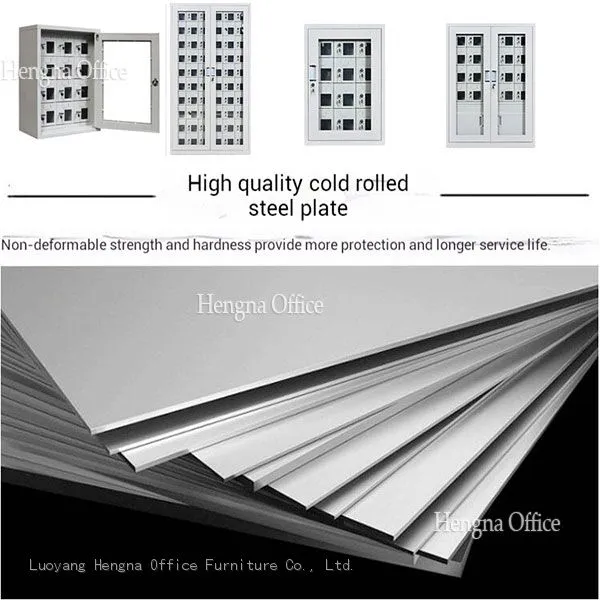
Material Integrity: Ensure the cabinet is made of heavy-duty cold-rolled steel, which is inherently fire-resistant compared to plastic alternatives.
Practical Scenario: The Warehouse Environment
Imagine a logistics hub in Nashville. Workers are constantly swapping out scanners and mobile radios. The high turnover means charging ports are used and abused. In this high-wear environment, an internal circuit breaker isn't a luxury—it's the only thing preventing a frayed cable from shutting down the entire facility's charging station.
Conclusion
Choosing a secure electronic device locker involves more than just comparing prices. It’s about understanding the electrical demands of modern technology. An internal circuit breaker provides the "failsafe" that every facility manager needs to sleep soundly at night.
As you plan your next facility upgrade, ask your supplier: "Does this unit include a dedicated circuit breaker, or is it just a glorified power strip?" The answer could be the difference between a productive workplace and a fire hazard.
Recently Posted
-
Louvered Panel vs Round Hole Pegboard — Which Tool Wall Holds Hooks and Bins Together?
August 31, 2026Louvered Panel vs Round Hole Pegboard — Which Tool Wall Holds Hooks and Bins Together?Short answer: if you only hang tools, round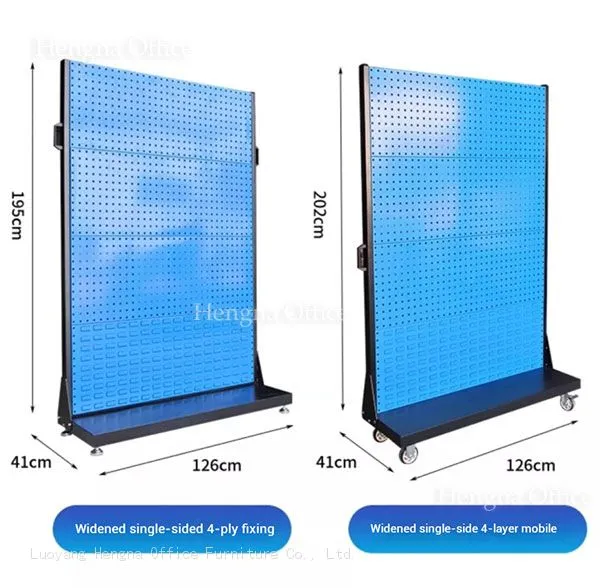 Read More
 -
Welded vs Boltless Steel Shelving — Looks Strong at the Factory, Falls Apart at the Port
August 7, 2026Welded vs Boltless Steel Shelving — Looks Strong at the Factory, Falls Apart at the PortHere's a story every steel shelving im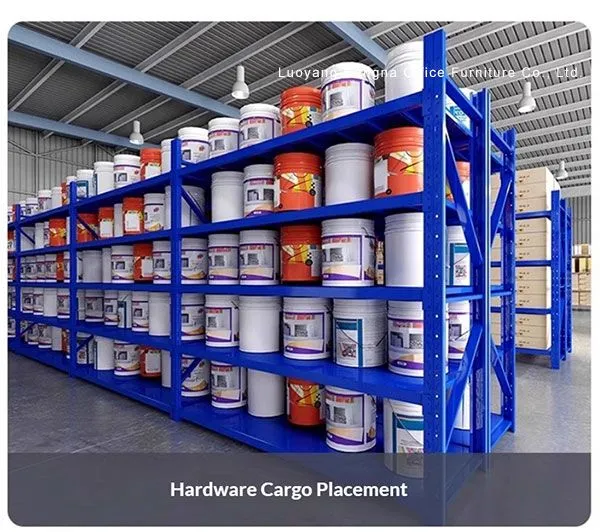 Read More
 -
You Asked a Steel Shelving Supplier for a Price. Here's What You Should Have Asked First.
August 7, 2026You found a steel shelving supplier. Their listing looks clean. You sent the message every first-time importer sends: "What&#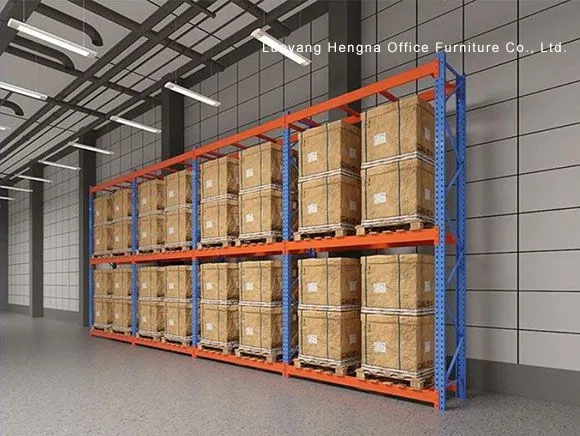 Read More
 -
Heavy Duty Steel Workbench for Auto Repair — Cold Rolled Frame vs What Most Garages Use
August 5, 2026Mike has been running his independent garage for eleven years. Three bays, two mechanics, a steady stream of brake jobs and transm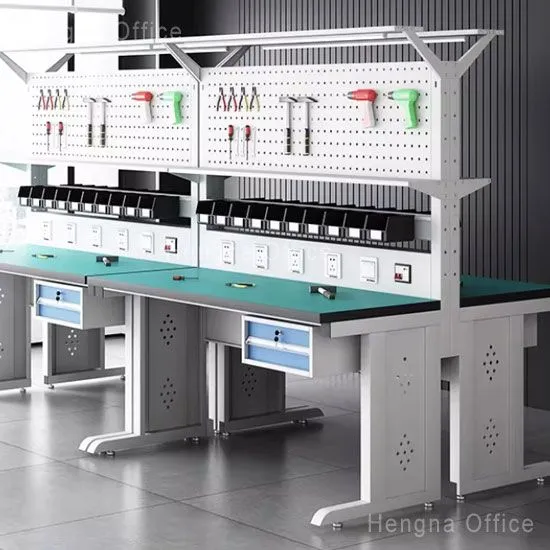 Read More

Contact Us
Recommended Products
-
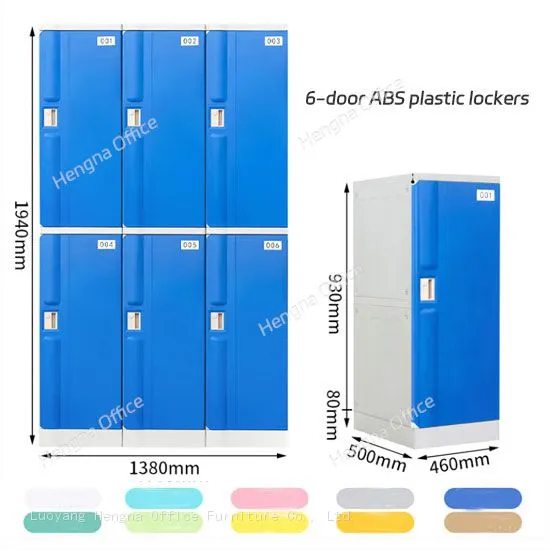
 Industrial-Grade ABS Plastic Locker for Factory Staff and Warehouse Workers|Hengna OfficeUS$ 19 - 100MOQ: 5 Sets
 -
Outdoor ABS Locker Cabinet – UV-Resistant Plastic Storage for Poolside or Beach Resorts-Hengna OfficeUS$ 19 - 100MOQ: 5 Sets
-
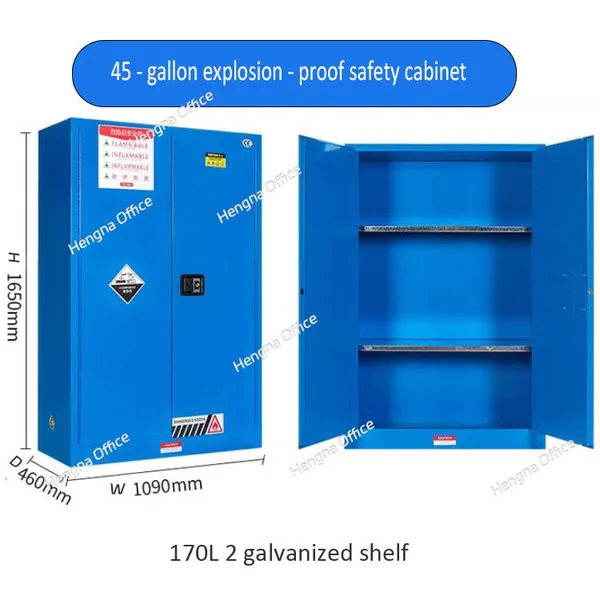
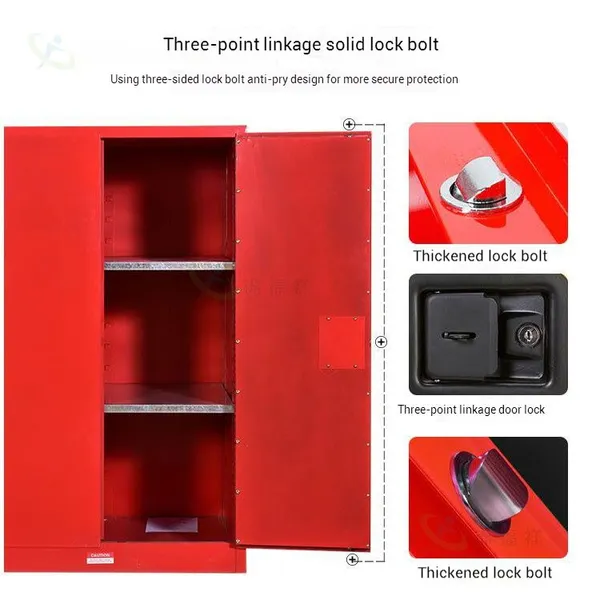
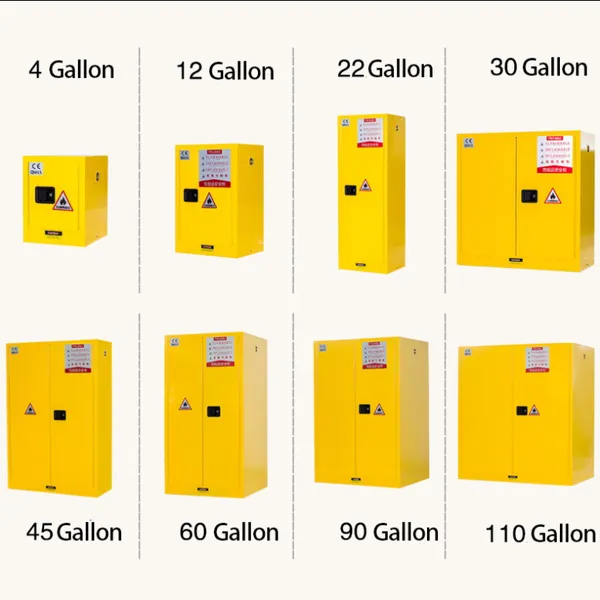
45 Gallon Explosion-Proof Flammable Liquid Storage Cabinet – Fire-Resistant Steel Safety Cabinet for FactoriesUS$ 68 - 400MOQ: 2 Combos
-
Flammable Storage Cabinet for Flammable Liquids – OSHA Certified Safety Cabinet With Fireproof Double WallsUS$ 68 - 400MOQ: 2 Combos
-
Large Capacity Flammable Liquid Storage Cabinet – Explosion-Proof Safety Cabinet for Laboratory & Workshop UseUS$ 68 - 400MOQ: 2 Combos

-
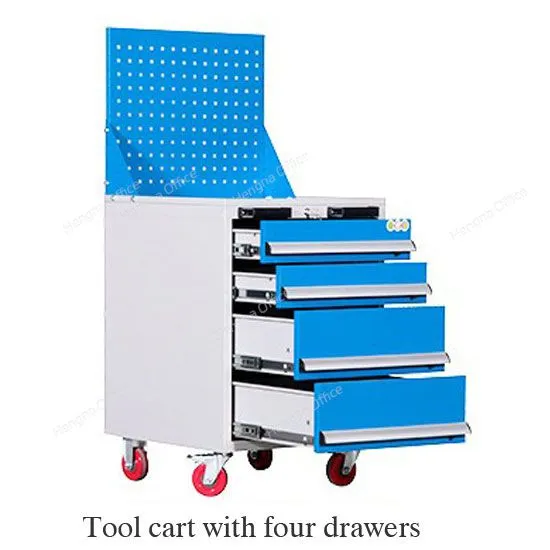
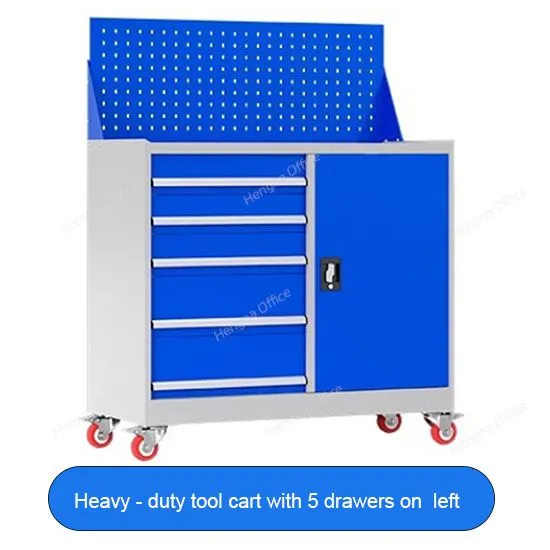
Heavy Duty Steel Tool Cart With Drawers for Workshops|Hengna OfficeUS$ 99 - 269MOQ: 2 Cases
-
Wholesale 3-Drawer Tool Trolley With Wheels for Factory and Garage StorageUS$ 99 - 269MOQ: 2 Cases
-
HN-wlj160 Industrial Rolling Tool Organizer With Pegboard|All-in-One Mobile Tool Storage CartUS$ 5 - 120MOQ: 2 Cases
-
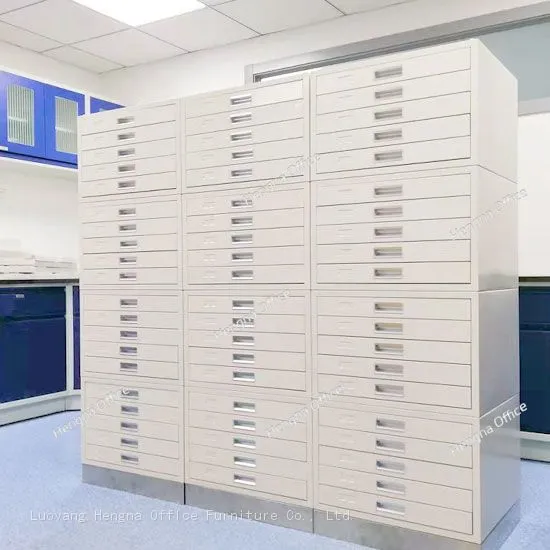
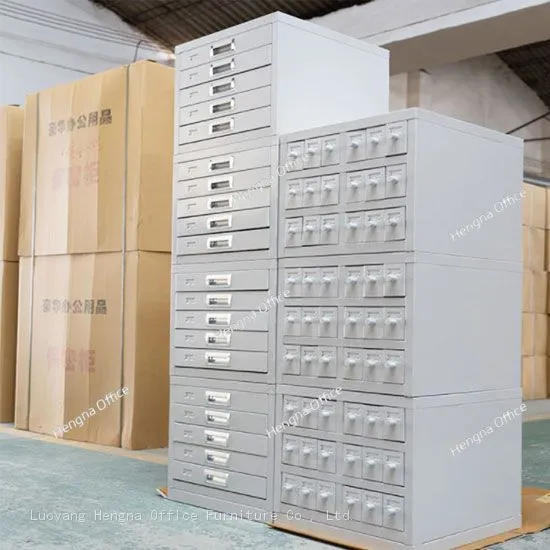
White Stackable Pathology Wax Block Storage Drawers for Labs Near London-Hengna OfficeNegotiableMOQ: 10 Pieces
-
Custom Paraffin Block Storage Cabinet for Histology Laboratories – Factory Direct From Hengna FurnitureNegotiableMOQ: 10 Pieces
-
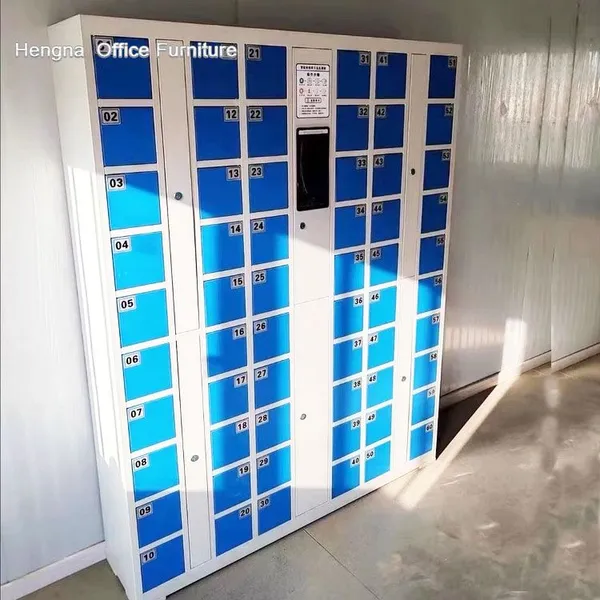
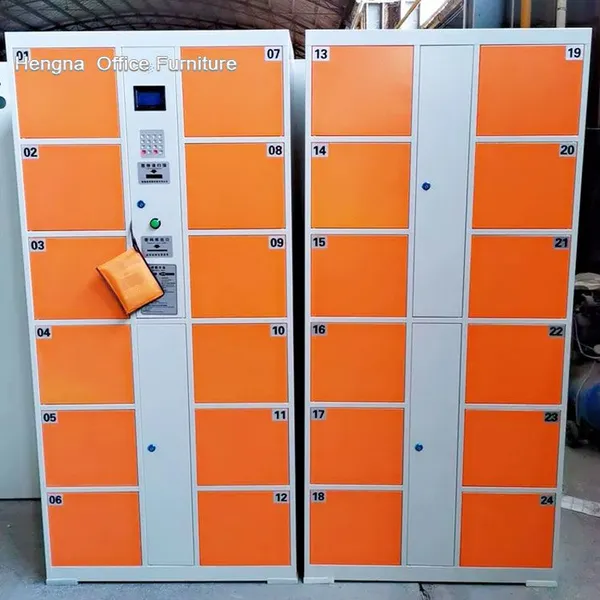
Smart Phone Charging Locker 40-door|Fingerprint Lockers Intelligent Parcel Delivery CabinetUS$ 203 - 750MOQ: 15 Pieces
-
School Gym Lockers Price |Parcel Delivery Storage Locker 12-door FactoryUS$ 203 - 750MOQ: 15 Pieces
-
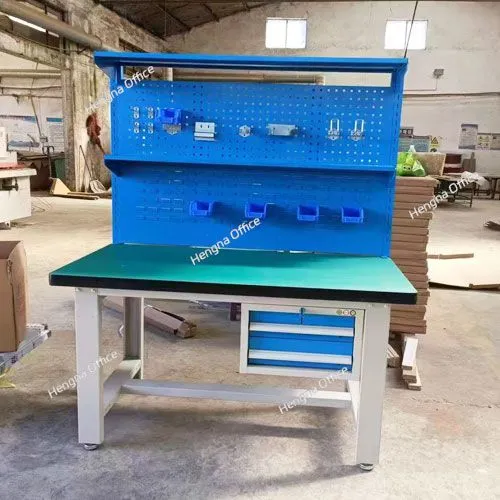
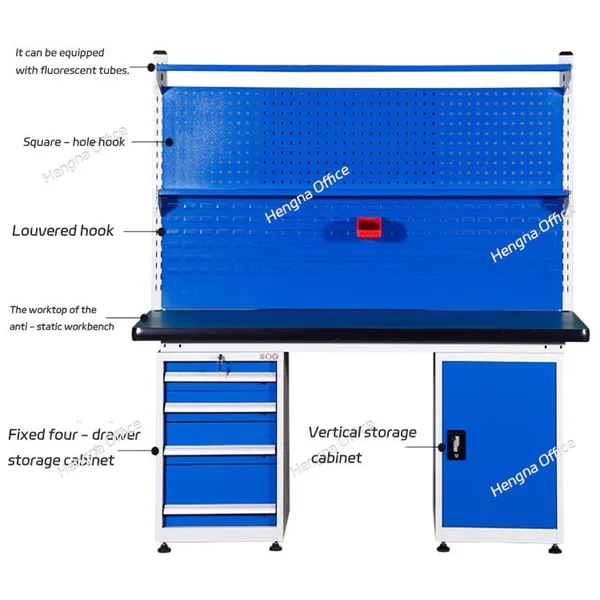
Multi Metal Work Benches Electrical Workshop Workbench|US$ 300 - 800MOQ: 2 Cases
-
Commercial Workbench Supplier |Multi Metal Work Bench With Drawers OMDUS$ 300 - 800MOQ: 2 Cases
-
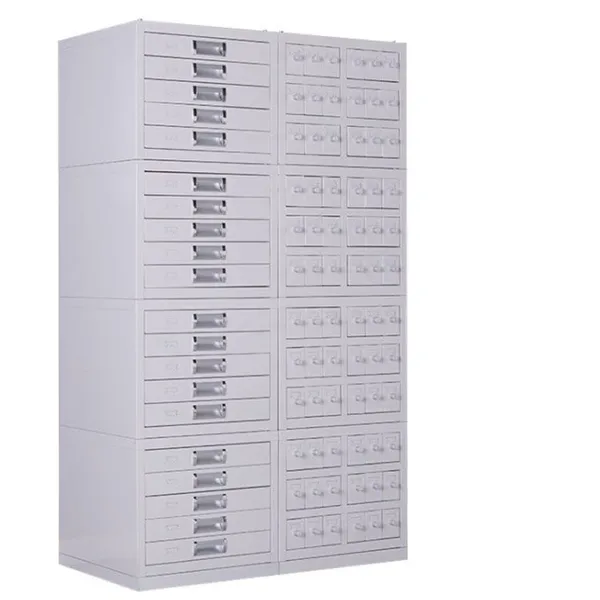
Pathological Ection Cabinet JTGZ062 Wax Block Cabinet for LaboratoryNegotiableMOQ: 10 Pieces
-
Durable Tool Storage in Factory HNGJ703 Hard Wearing Metal Industrial Tool ChestNegotiableMOQ: 18 Pieces
-
High - Quality CNC Workshop Tool Cabinet Heavyweight Workshop Tool OrganizerNegotiableMOQ: 10 Pieces
-
Laboratory Polyethylene Acid and Corrosive Chemicals Safety Storage PP CabinetUS$ 340 - 600MOQ: 5 Combos
-
22 Gallons /80 L PP Acid - Base Cabinet: Safeguard Chemical Storage Supplier OEMUS$ 500 - 600MOQ: 5 Combos
-
4 - Gallon Corrosion-resistant Safety Cabinet for Hazardous Chemicals Acid SupplierUS$ 340 - 500MOQ: 5 Combos