
 Business License
Closed Profile vs. Open Pipe: Why Bed Frame Material Matters for Adult Safety
Introduction
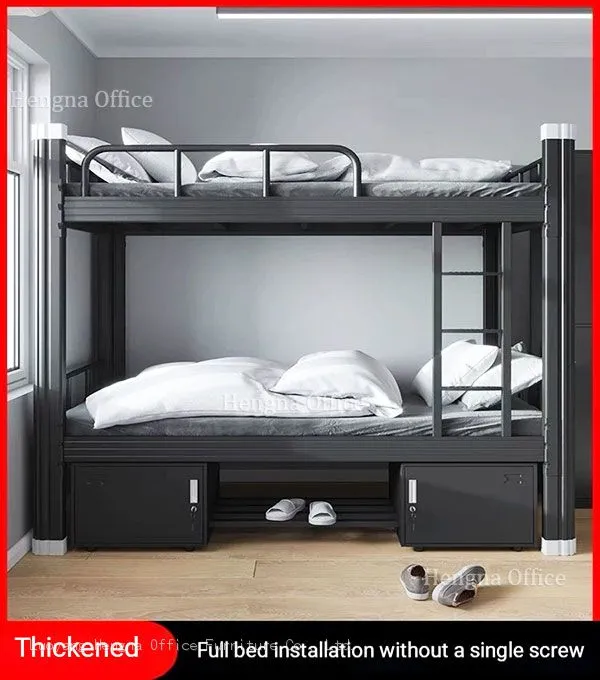
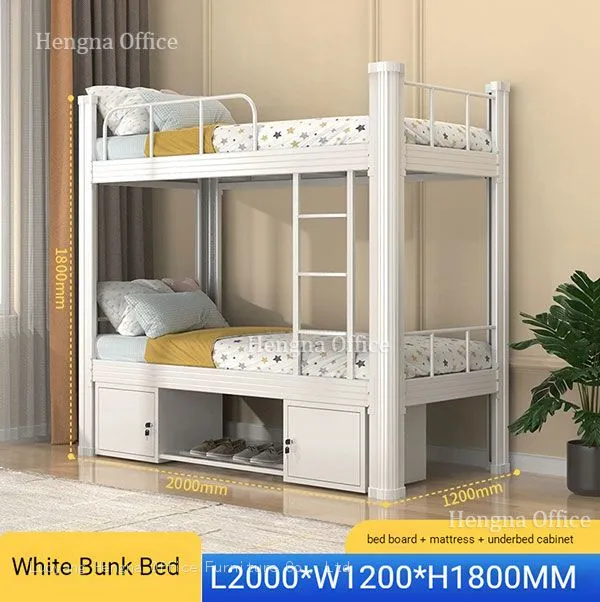
When procuring bunk beds for commercial or institutional settings—such as university dormitories, employee housing, or military barracks—the primary concern is safety. While many beds look similar in a catalog photograph, the engineering beneath the powder coating can vary drastically. For environments housing adults, the most critical technical distinction lies in the cross-sectional shape of the steel: Closed Profile versus Open Pipe.
Understanding the structural implications of these two designs is essential for facility managers who wish to avoid premature equipment failure and, more importantly, ensure the physical safety of their occupants. This guide explains the engineering behind these materials and why a closed profile is the industry standard for high-capacity use.
Defining the Terms: Open vs. Closed
To understand the difference, one must look at the "profile" or the cross-section of the metal tubing.
Open Pipe/C-Channel: This refers to steel that is folded but not fully enclosed. Common shapes include "C-channels" or "U-channels." Because the loop of the steel is not continuous, it lacks structural rigidity. This material is common in residential-grade furniture intended for children.
Closed Profile: This refers to square, rectangular, or circular tubing that is a continuous, fully enclosed loop of steel. Because the shape is closed, it can distribute stress evenly across its entire surface area.
The Physics of Load-Bearing for Adults
Adults exert significantly more stress on furniture than children, not just in terms of static weight, but through dynamic force. When a $200 ext{ lb}$ adult climbs a ladder or rolls over in bed, the force applied to the frame can double or triple momentarily.
1. Torsional Rigidity (Anti-Sway)
Closed profiles are vastly superior in "torsional rigidity"—the ability to resist twisting. In an open pipe system, the gap in the steel allows the frame to "flex." This is the primary cause of the wobbling or swaying sensation felt in cheap bunk beds. A closed profile, however, locks the geometry of the bed in place, providing a solid, floor-like stability that is essential for adult comfort and safety.
2. Resistance to Buckling
Under heavy weight, thin or open-ended metal tends to "buckle" or "ovalize." Once a metal tube loses its shape, its ability to hold weight drops by over $70\%$. Because closed rectangular profiles have four solid corners, they act as vertical pillars. This allows the bed to support $500 ext{ lbs}$ or more per tier without any risk of the metal collapsing or deforming over time.
Technical Comparison Table
| Performance Metric | Open Pipe (Retail Grade) | Closed Profile (Institutional Grade) |
| Material Integrity | Prone to twisting and bending | High resistance to deformation |
| Static Weight Capacity | Typically 200--lbs | 450--600 lbs |
| Dynamic Stability | Noticeable sway and vibration | Firm and stationary |
| Metal Thickness | Usually 0.8mm to 1.0mm | 1.2mm to 1.5mm |
| Longevity (High Traffic) | 1--2 years before sagging | 10--15 years of service |
| Acoustic Profile | Squeaks due to metal friction | Quiet and noise-free |
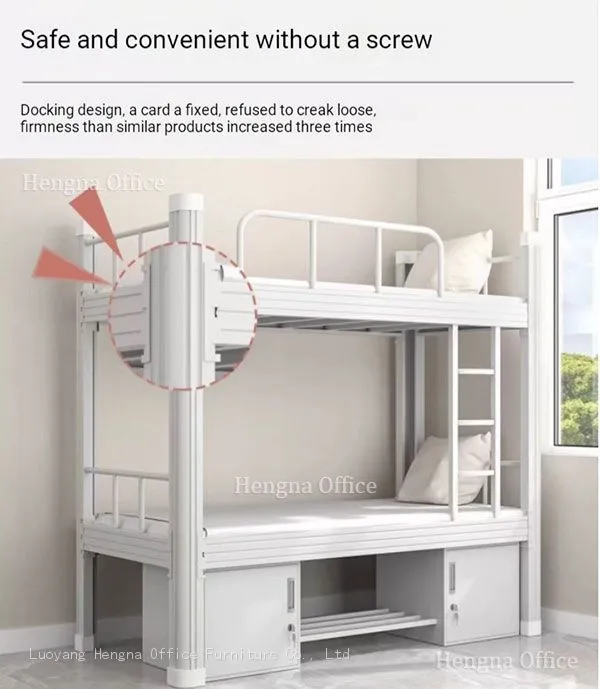
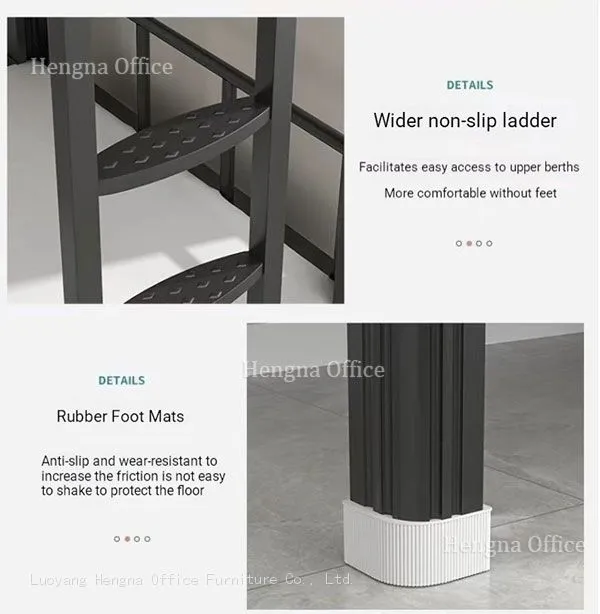
Durability and Long-Term Maintenance
For B2B buyers, the "total cost of ownership" is more important than the initial purchase price.
Internal Corrosion
Open pipes expose the raw, unpainted interior of the steel to the atmosphere. In humid environments (like Florida or coastal areas), this leads to internal rust that weakens the frame from the inside out. Closed profiles are typically sealed. When combined with professional powder coating, the steel is protected from oxygen and moisture, preventing the structural degradation that leads to snapped joints.
Joint Strength
In a closed profile system, the connection points (where the ladder and guardrails meet the frame) are much more robust. Because the metal is thicker and the shape is stable, the snap-fit or welded joints do not "wallop out" or loosen over time. This eliminates the common issue of rattling guardrails, which is a frequent safety citation in dormitory inspections.
Compliance with International Safety Standards
In the United States, commercial bunk beds must often meet or exceed ASTM F1427 (Standard Consumer Safety Specification for Bunk Beds). While this standard covers many dimensions (like guardrail height), the structural foundation is paramount.
A closed profile frame with a wall thickness of at least 1.2 mm ensures that the bed can pass "Impact Tests" and "Side-ward Displacement Tests" that open-pipe beds would likely fail. For facility managers, choosing the higher-spec material is a proactive measure against insurance liability and safety incidents.
Impact on User Experience
Safety is not only about preventing collapse; it is about the perception of safety. Adults who feel a bed sway or hear it creak are less likely to feel rested or satisfied with their housing. The "mass" and "stiffness" of closed profile steel absorb the vibrations of movement, resulting in a silent, secure sleeping environment. This is particularly vital in high-density housing where noise from one person's movement can disturb others.
Conclusion
When evaluating bunk beds for an adult population, the choice of material is the most significant indicator of quality. Open-pipe structures may offer a lower initial price point, but they lack the torsional strength and load-bearing capacity required for heavy-duty use. By investing in Closed Profile Steel with a minimum thickness of 1.2mm, property managers ensure a safer, quieter, and more durable environment that will withstand the rigors of high-traffic use for years to come.
Recently Posted
-
Stainless Steel Shelving for Breweries and Wineries — What Survives Humidity, Alcohol Spills
July 24, 2026Stainless Steel Shelving for Breweries and Wineries — What Survives Humidity, Alcohol Spills, and Sanitizer Washdowns Three t Read More
 -
Stainless Steel Shelving for Meat Processing Plants — What Holds Up Against Blood, Fat, and Daily Wa
July 24, 2026Meat plants are brutal on shelvingIf you work in a meat processing plant, you already know this. The rack that looked fine s Read More
 -
0.6mm Steel Wardrobe vs 0.4mm — Why Cold-Rolled Single Door Metal Closet Lasts Longer
July 10, 2026The 0.2mm That Decides Whether You Buy One Wardrobe or ThreeTwo wardrobes look identical on a supplier's photo. Same door, sam Read More
 -
Heavy Duty Tool Cabinet with Locks for School Shop: Stop Tool Theft Before It Happens
July 9, 2026A vocational school workshop isn't like a factory floor. The tools aren't being used by seasoned machinists who know where Read More

Contact Us
Recommended Products
-
 Industrial-Grade ABS Plastic Locker for Factory Staff and Warehouse Workers|Hengna OfficeUS$ 19 - 100MOQ: 5 Sets
 -
Outdoor ABS Locker Cabinet – UV-Resistant Plastic Storage for Poolside or Beach Resorts-Hengna OfficeUS$ 19 - 100MOQ: 5 Sets
-
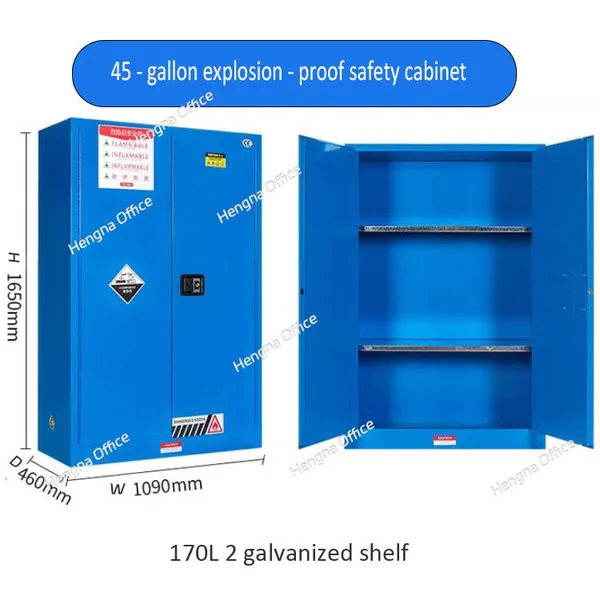
45 Gallon Explosion-Proof Flammable Liquid Storage Cabinet – Fire-Resistant Steel Safety Cabinet for FactoriesUS$ 68 - 400MOQ: 2 Combos
-
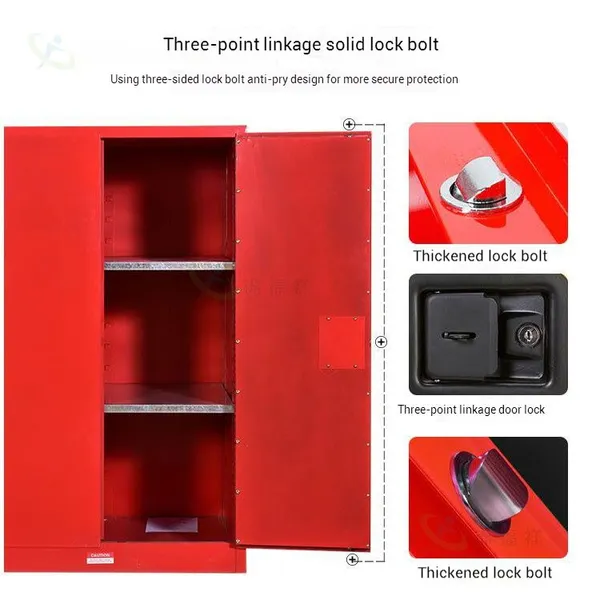
Flammable Storage Cabinet for Flammable Liquids – OSHA Certified Safety Cabinet With Fireproof Double WallsUS$ 68 - 400MOQ: 2 Combos
-
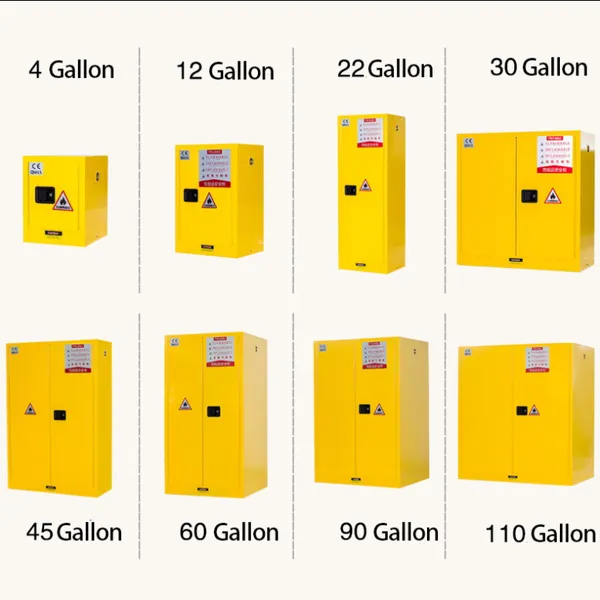
Large Capacity Flammable Liquid Storage Cabinet – Explosion-Proof Safety Cabinet for Laboratory & Workshop UseUS$ 68 - 400MOQ: 2 Combos
-
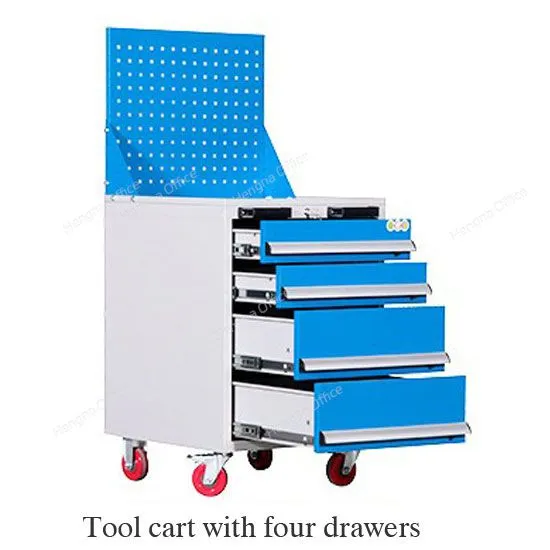
Heavy Duty Steel Tool Cart With Drawers for Workshops|Hengna OfficeUS$ 99 - 269MOQ: 2 Cases
-
Wholesale 3-Drawer Tool Trolley With Wheels for Factory and Garage StorageUS$ 99 - 269MOQ: 2 Cases
-
HN-wlj160 Industrial Rolling Tool Organizer With Pegboard|All-in-One Mobile Tool Storage CartUS$ 5 - 120MOQ: 2 Cases
-
White Stackable Pathology Wax Block Storage Drawers for Labs Near London-Hengna OfficeNegotiableMOQ: 10 Pieces
-
Custom Paraffin Block Storage Cabinet for Histology Laboratories – Factory Direct From Hengna FurnitureNegotiableMOQ: 10 Pieces
-
Smart Phone Charging Locker 40-door|Fingerprint Lockers Intelligent Parcel Delivery CabinetUS$ 203 - 750MOQ: 15 Pieces
-
School Gym Lockers Price |Parcel Delivery Storage Locker 12-door FactoryUS$ 203 - 750MOQ: 15 Pieces
-
Multi Metal Work Benches Electrical Workshop Workbench|US$ 300 - 800MOQ: 2 Cases
-
Commercial Workbench Supplier |Multi Metal Work Bench With Drawers OMDUS$ 300 - 800MOQ: 2 Cases
-
Pathological Ection Cabinet JTGZ062 Wax Block Cabinet for LaboratoryNegotiableMOQ: 10 Pieces
-
Durable Tool Storage in Factory HNGJ703 Hard Wearing Metal Industrial Tool ChestNegotiableMOQ: 18 Pieces
-
High - Quality CNC Workshop Tool Cabinet Heavyweight Workshop Tool OrganizerNegotiableMOQ: 10 Pieces
-
Laboratory Polyethylene Acid and Corrosive Chemicals Safety Storage PP CabinetUS$ 340 - 600MOQ: 5 Combos
-
22 Gallons /80 L PP Acid - Base Cabinet: Safeguard Chemical Storage Supplier OEMUS$ 500 - 600MOQ: 5 Combos
-
4 - Gallon Corrosion-resistant Safety Cabinet for Hazardous Chemicals Acid SupplierUS$ 340 - 500MOQ: 5 Combos