
 Business License

Keyless Access Control: Fingerprint vs. QR Code Smart Lockers for Staff
In the transition toward smart workplace management, the traditional key is officially obsolete. As businesses in 2026 upgrade their infrastructure, the debate usually boils down to two primary technologies: Biometric Fingerprint Access and QR Code Scanning.
Choosing the right authentication method for your Smart Storage Locker is not just about choosing a "cool" feature; it is about balancing security, user throughput, and operational costs.
The Rise of Keyless Systems
Whether it is a tech hub in Waterloo or a manufacturing plant in Hamilton, the goal of a Keyless Office Cabinet is to eliminate the logistical nightmare of lost keys and physical lock replacements. Both fingerprint and QR code systems achieve this, but they do so through very different user experiences.
At a Glance: Fingerprint vs. QR Code
| Feature | Biometric Fingerprint Access | QR Code / Barcode Access |
| Security Level | High: Unique to the individual; nearly impossible to forge. | Medium: Can be shared or screenshotted if not managed. |
| Convenience | Highest: Your "key" is always with you (no phone needed). | High: Most people have a smartphone or printed badge. |
| Speed (Throughput) | 1-2 seconds per scan. | Instant (sub-second) scanning. |
| Hygiene | Requires physical contact (can be solved with anti-bacterial coating). | Completely touchless (scan from a distance). |
| Setup Cost | Slightly higher due to biometric sensor hardware. | Lower; uses standard embedded scanners. |
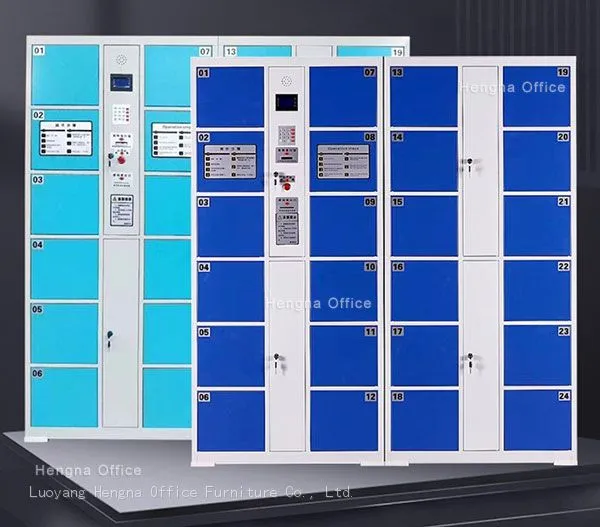
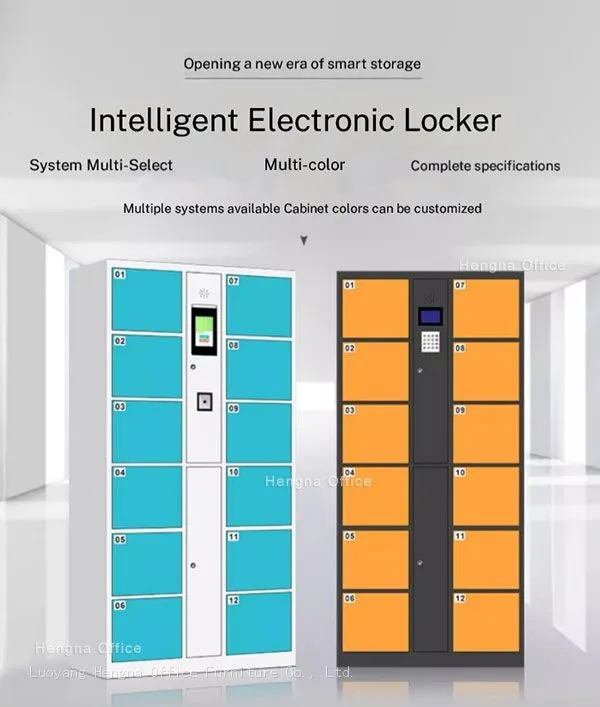
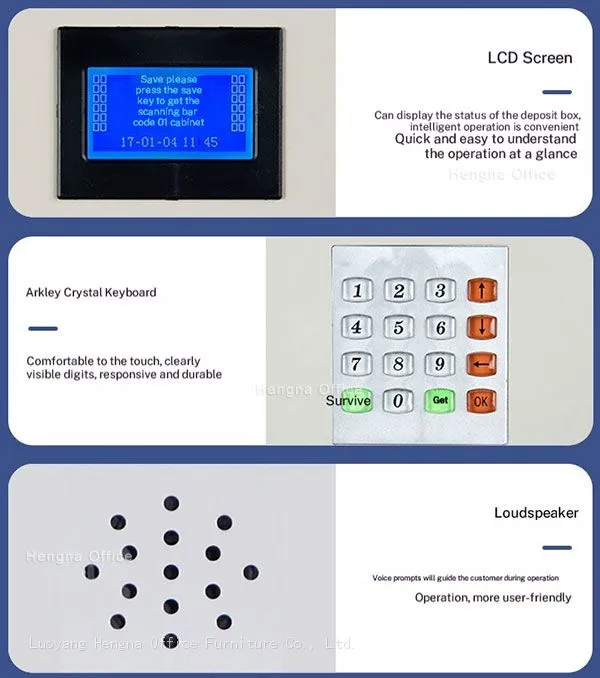
Deep Dive: Biometric Fingerprint Access
Biometric Fingerprint Lockers are the gold standard for high-security environments or personal long-term storage.
The Pros:
Ultimate Security: In industrial plants where high-value tools are stored, or tech offices with prototype hardware, fingerprints provide an undeniable audit trail.
No Peripheral Needed: Employees don’t need to carry a phone, a card, or a key. This is ideal for manufacturing environments where phones might be prohibited on the floor.
Low Long-term Loss: You can't "lose" your finger. This eliminates the "I forgot my badge" helpdesk tickets.
The Cons:
Physical Contact: In a post-pandemic world, some users are wary of touching sensors (though we use easy-clean glass sensors).
Data Privacy: Requires a clear policy on how biometric data is stored (locally on the HN-S18 hardware, for example).
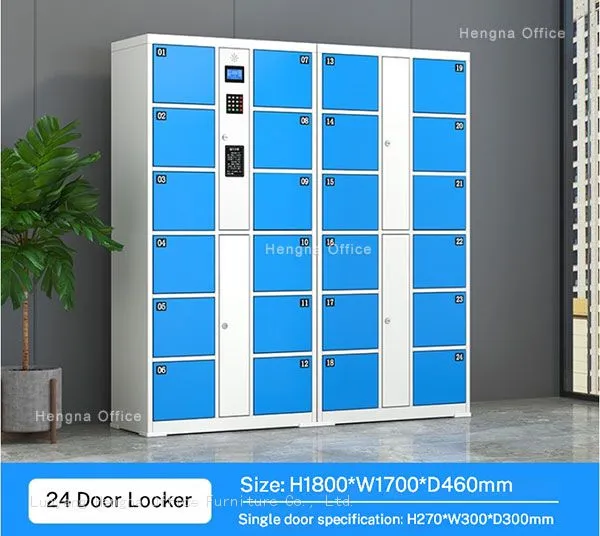
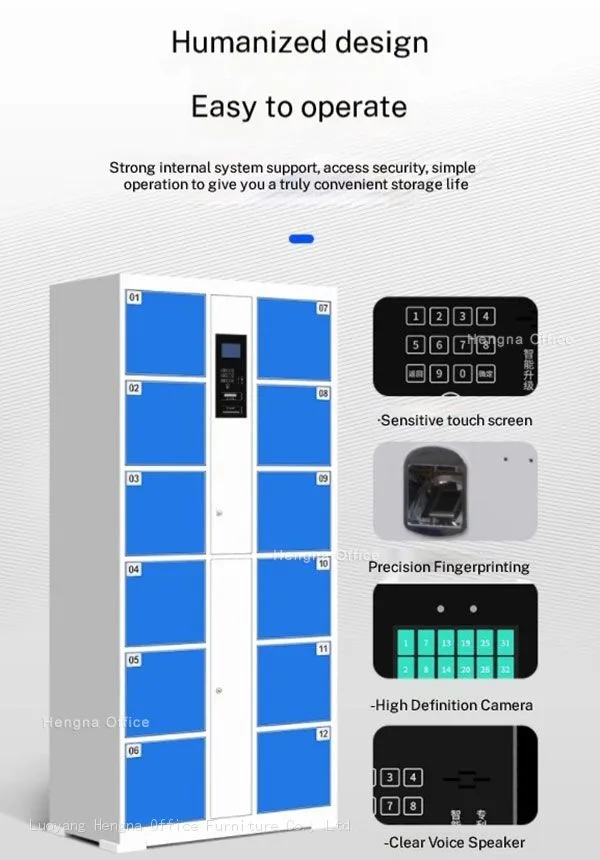
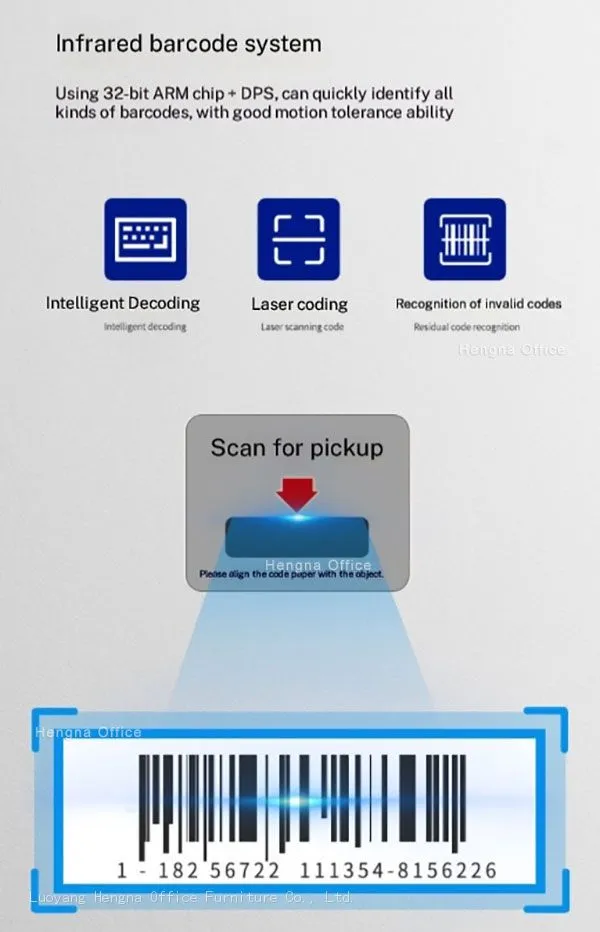
Deep Dive: QR Code Scanner Systems
QR code access is the champion of the "Bring Your Own Device" (BYOD) era and high-turnover environments.
The Pros:
Touchless Experience: Users simply wave their phone or badge in front of the Infrared Barcode Scanner. It’s hygienic and modern.
Temporary Access: Perfect for visitors or temporary contractors. You can send a time-limited QR code via email or SMS.
Integration: Easily integrates with existing company apps or HR management software.
The Cons:
Device Dependency: If an employee’s phone battery is dead, they are locked out unless there is a backup PIN or master key.
Security Risk: Static QR codes can be screenshotted and sent to unauthorized personnel.
Which One Should You Choose for Your Facility?
Case A: The Manufacturing Plant (Hamilton/Calgary)
For industrial sites, we recommend Biometric Fingerprint Access. Workers often wear heavy gear and may not carry phones. A rugged, fingerprint-enabled HN-3FM locker ensures that only the authorized technician can access specific tools, regardless of whether they have their wallet or phone.
Case B: The Modern Coworking Space (Kitchener/Toronto)
For a high-turnover coworking or tech office, QR Code Scanning is superior. It allows for a "Touchless" experience and makes it incredibly easy to assign a locker to a new member via an app without having to register their fingerprint in the system.
The Hybrid Solution: Why Not Both?
Modern Intelligent Storage Cabinets (like our HN-T1 model) often feature both. Having a fingerprint sensor as the primary lock and a QR scanner as the secondary (or for guest access) provides the ultimate flexibility.
Conclusion
There is no single "best" method, only the best method for your specific workflow. If High-Security and "key-free" convenience are your priorities, go Biometric. If Hygiene and "visitor-friendly" flexibility are your goals, go QR Code.
When sourcing from a China Manufacturer OEM/ODM, ensure your chosen hardware supports the specific API integrations you need to make your keyless transition as smooth as possible.
Recently Posted
-
Stainless Steel Shelving for Breweries and Wineries — What Survives Humidity, Alcohol Spills
July 24, 2026Stainless Steel Shelving for Breweries and Wineries — What Survives Humidity, Alcohol Spills, and Sanitizer Washdowns Three t Read More
 -
Stainless Steel Shelving for Meat Processing Plants — What Holds Up Against Blood, Fat, and Daily Wa
July 24, 2026Meat plants are brutal on shelvingIf you work in a meat processing plant, you already know this. The rack that looked fine s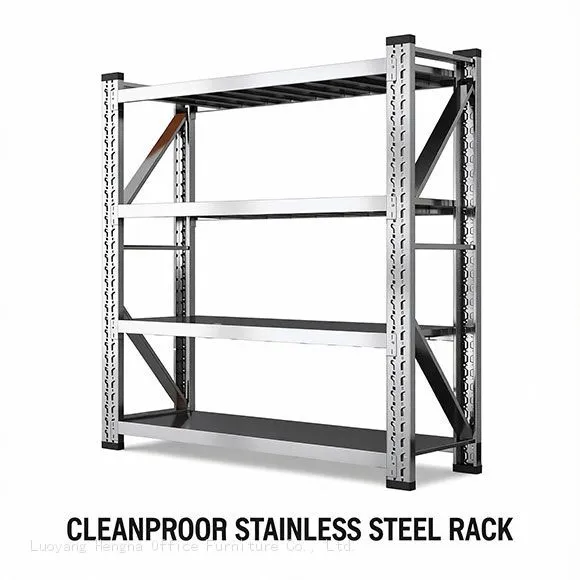 Read More
 -
0.6mm Steel Wardrobe vs 0.4mm — Why Cold-Rolled Single Door Metal Closet Lasts Longer
July 10, 2026The 0.2mm That Decides Whether You Buy One Wardrobe or ThreeTwo wardrobes look identical on a supplier's photo. Same door, sam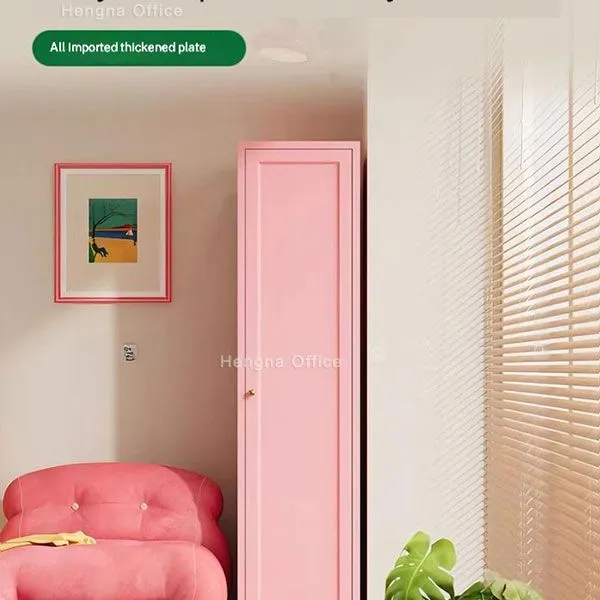 Read More
 -
Heavy Duty Tool Cabinet with Locks for School Shop: Stop Tool Theft Before It Happens
July 9, 2026A vocational school workshop isn't like a factory floor. The tools aren't being used by seasoned machinists who know where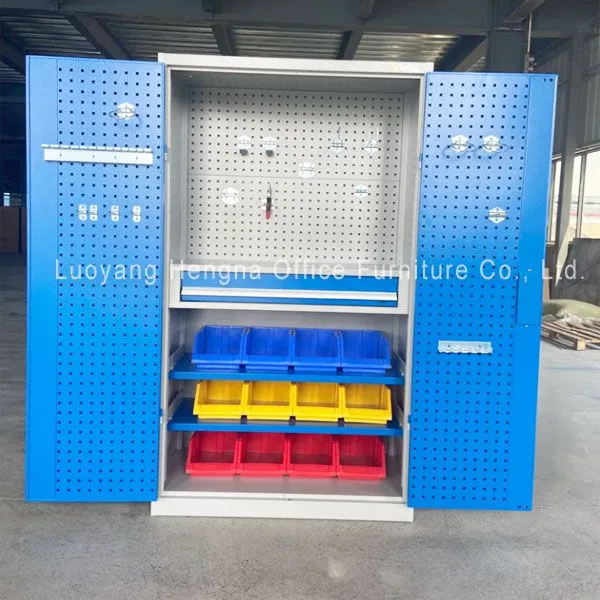 Read More

Contact Us
Recommended Products
-
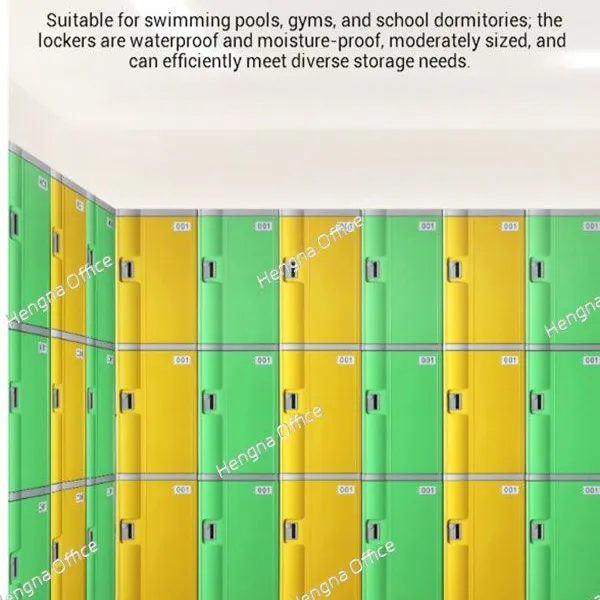
 Industrial-Grade ABS Plastic Locker for Factory Staff and Warehouse Workers|Hengna OfficeUS$ 19 - 100MOQ: 5 Sets
 -
Outdoor ABS Locker Cabinet – UV-Resistant Plastic Storage for Poolside or Beach Resorts-Hengna OfficeUS$ 19 - 100MOQ: 5 Sets
-
45 Gallon Explosion-Proof Flammable Liquid Storage Cabinet – Fire-Resistant Steel Safety Cabinet for FactoriesUS$ 68 - 400MOQ: 2 Combos
-
Flammable Storage Cabinet for Flammable Liquids – OSHA Certified Safety Cabinet With Fireproof Double WallsUS$ 68 - 400MOQ: 2 Combos
-
Large Capacity Flammable Liquid Storage Cabinet – Explosion-Proof Safety Cabinet for Laboratory & Workshop UseUS$ 68 - 400MOQ: 2 Combos
-
Heavy Duty Steel Tool Cart With Drawers for Workshops|Hengna OfficeUS$ 99 - 269MOQ: 2 Cases
-
Wholesale 3-Drawer Tool Trolley With Wheels for Factory and Garage StorageUS$ 99 - 269MOQ: 2 Cases
-
HN-wlj160 Industrial Rolling Tool Organizer With Pegboard|All-in-One Mobile Tool Storage CartUS$ 5 - 120MOQ: 2 Cases
-
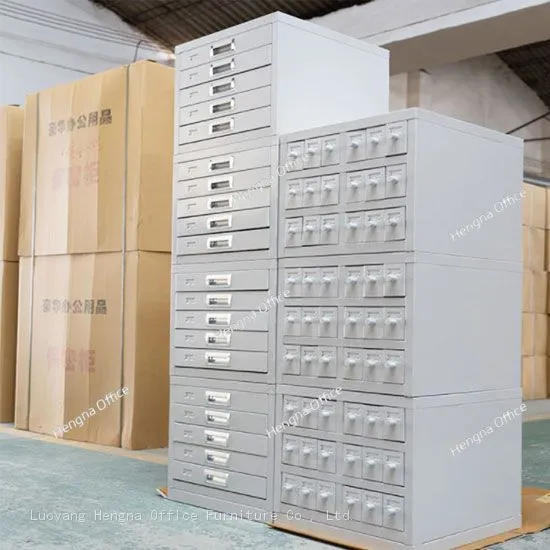
White Stackable Pathology Wax Block Storage Drawers for Labs Near London-Hengna OfficeNegotiableMOQ: 10 Pieces
-
Custom Paraffin Block Storage Cabinet for Histology Laboratories – Factory Direct From Hengna FurnitureNegotiableMOQ: 10 Pieces
-
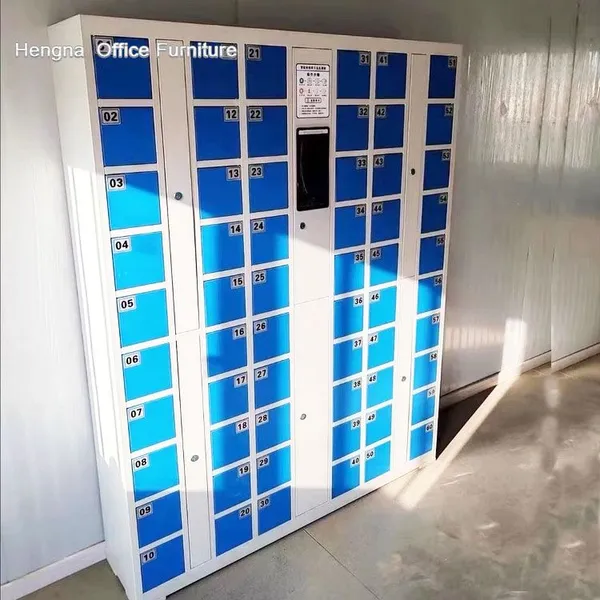
Smart Phone Charging Locker 40-door|Fingerprint Lockers Intelligent Parcel Delivery CabinetUS$ 203 - 750MOQ: 15 Pieces
-
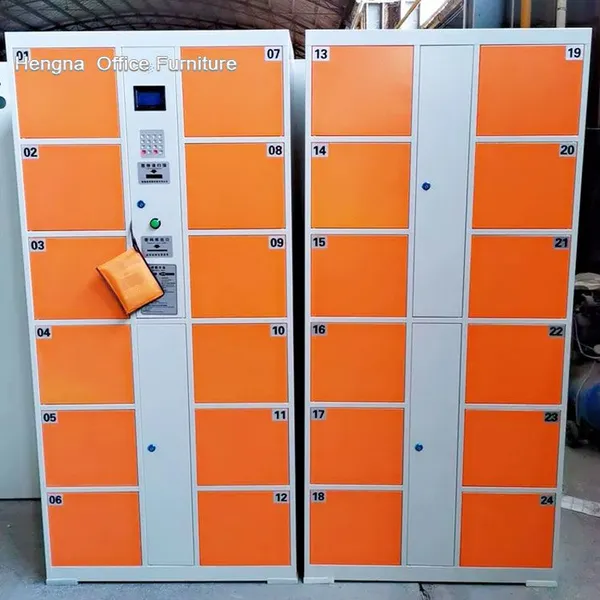
School Gym Lockers Price |Parcel Delivery Storage Locker 12-door FactoryUS$ 203 - 750MOQ: 15 Pieces
-
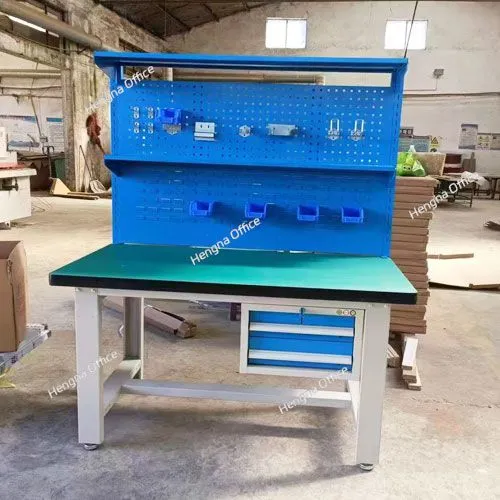
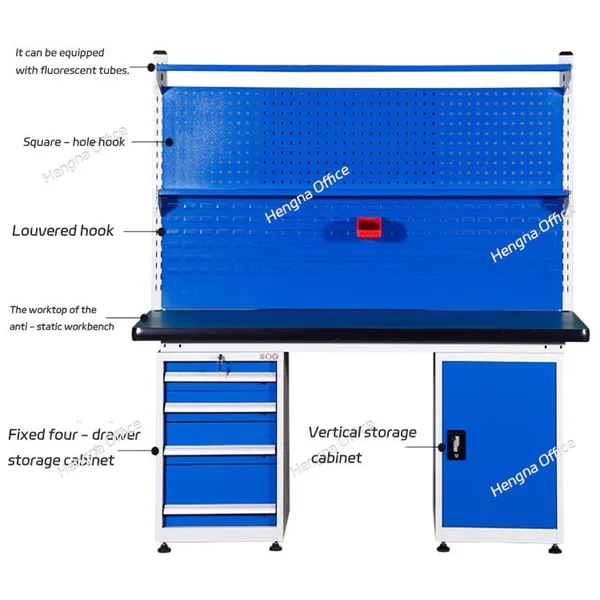
Multi Metal Work Benches Electrical Workshop Workbench|US$ 300 - 800MOQ: 2 Cases
-
Commercial Workbench Supplier |Multi Metal Work Bench With Drawers OMDUS$ 300 - 800MOQ: 2 Cases
-
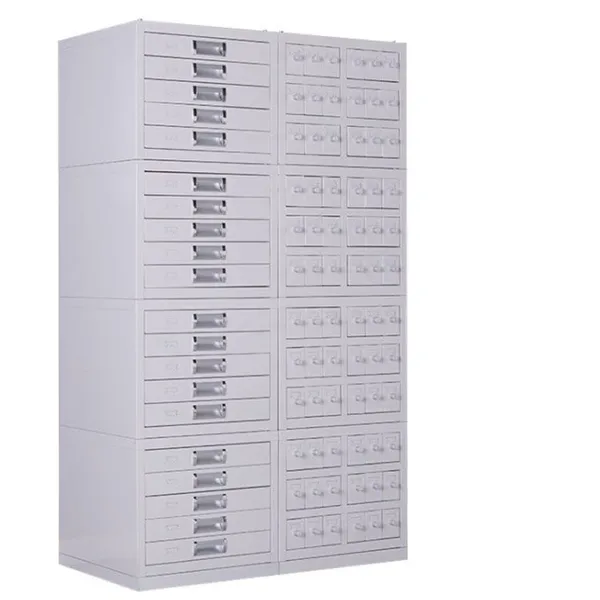
Pathological Ection Cabinet JTGZ062 Wax Block Cabinet for LaboratoryNegotiableMOQ: 10 Pieces
-
Durable Tool Storage in Factory HNGJ703 Hard Wearing Metal Industrial Tool ChestNegotiableMOQ: 18 Pieces
-
High - Quality CNC Workshop Tool Cabinet Heavyweight Workshop Tool OrganizerNegotiableMOQ: 10 Pieces
-
Laboratory Polyethylene Acid and Corrosive Chemicals Safety Storage PP CabinetUS$ 340 - 600MOQ: 5 Combos
-
22 Gallons /80 L PP Acid - Base Cabinet: Safeguard Chemical Storage Supplier OEMUS$ 500 - 600MOQ: 5 Combos
-
4 - Gallon Corrosion-resistant Safety Cabinet for Hazardous Chemicals Acid SupplierUS$ 340 - 500MOQ: 5 Combos