
 Business License

How Public Transportation Hubs Manage Luggage with Infrared Smart Lockers.
In the rapidly evolving landscape of urban infrastructure, public transportation hubs—airports, train stations, and bus terminals—face a significant challenge: providing secure, efficient, and user-friendly luggage storage. The traditional manual cloakroom is a thing of the past. Today, the industry is shifting toward Infrared Smart Lockers.
This article explores how infrared technology, combined with automated systems, is revolutionizing luggage management in high-traffic transit environments.
The Challenge of High-Traffic Luggage Storage
Transit hubs operate 24/7 with a constant flow of passengers. Key pain points include:
Space Optimization: Managing varying sizes of luggage, from backpacks to oversized suitcases.
Security & Verification: Ensuring the right person retrieves the right bag.
Operational Efficiency: Reducing wait times and minimizing staff intervention.
What is an Infrared Smart Locker?
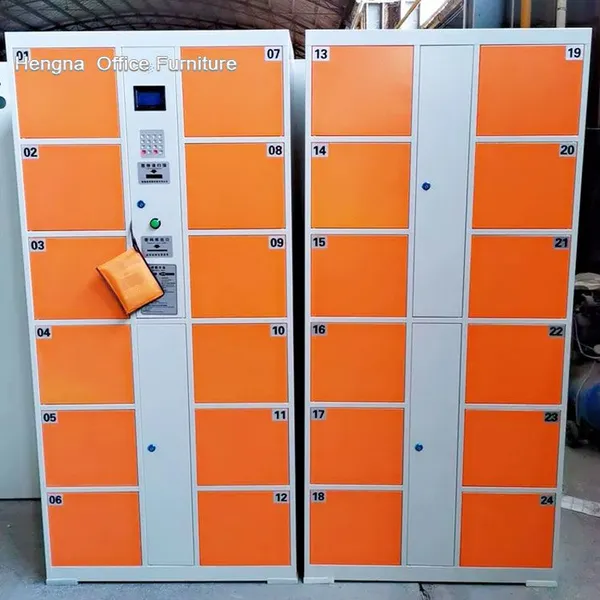
An Infrared Smart Locker is an electronic storage system equipped with internal infrared (IR) sensors. Unlike basic electronic lockers, these sensors can "see" inside each compartment to detect the presence of objects.
How the Infrared System Works
Occupancy Detection: When a door closes, the IR sensor scans the interior. If an object breaks the infrared beam, the system marks the locker as "Occupied."
Anti-Error Logic: If a user accidentally closes an empty locker, the sensor notifies the system, preventing it from being charged or locked unnecessarily.
Security Monitoring: The system can detect if an item was left behind after a user claimed to have cleared the locker.
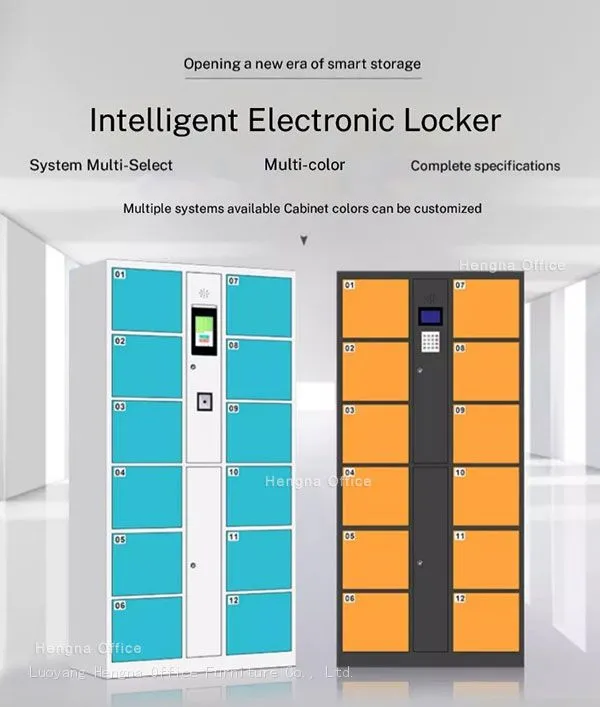
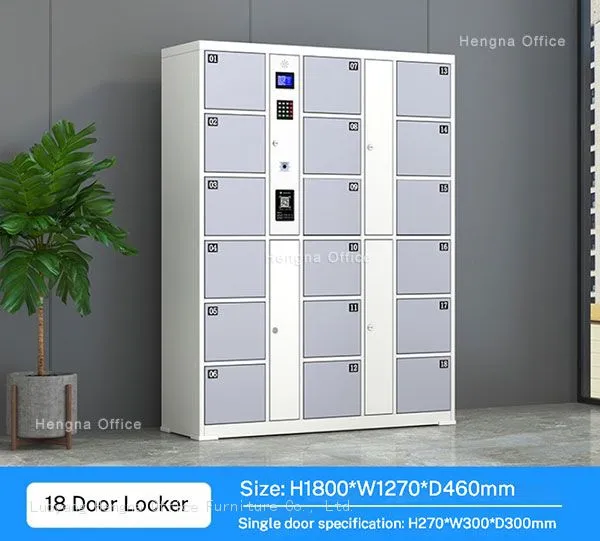
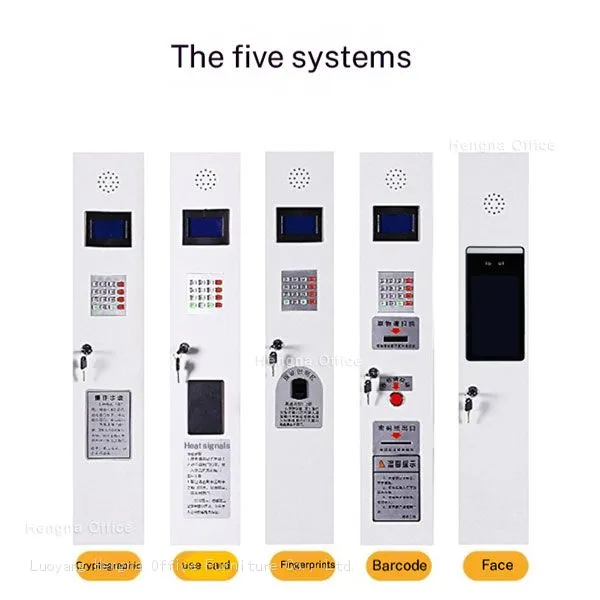
Key Features of Transit Hub Smart Lockers
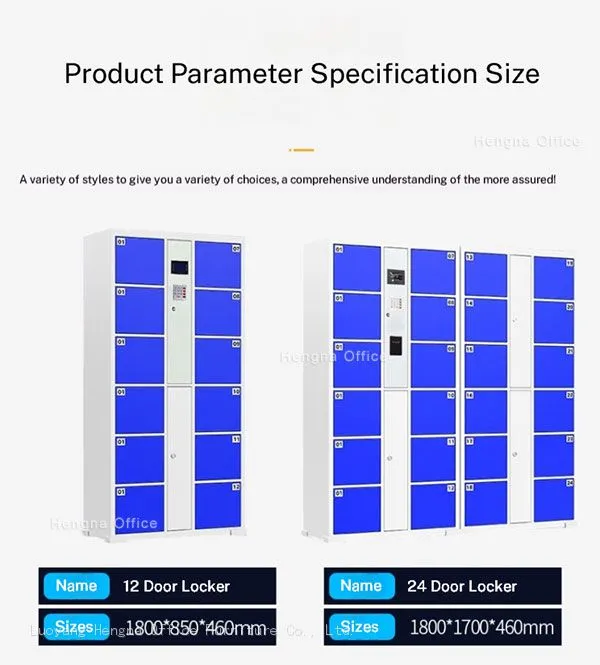
For a transportation hub, durability and technology must go hand-in-hand. Below are the essential specifications often required:
| Feature | Specification / Detail | Benefit for Transit Hubs |
| Material | 1.0mm - 1.2mm Cold Rolled Steel | High durability against heavy public use. |
| Detection Tech | Infrared Barcode Scanning & Occupancy Sensors | Real-time tracking of locker status. |
| Access Method | QR Code, RFID Card, or PIN Code | Multiple "media-free" options for travelers. |
| User Interface | High-Res LCD with Multi-language Voice Prompt | User-friendly for international tourists. |
| Safety | Emergency Manual Override | Access during power outages or emergencies. |
Why Infrared Technology is a Game Changer
1. Enhanced Accuracy in Busy Environments
In a crowded station, errors happen. A passenger might close a locker without successfully placing their bag inside. Infrared Smart Lockers prevent the system from registering a "Successful Deposit" unless the IR sensor detects an object. This reduces customer service complaints by 40%.
2. Streamlined Logistics for Hub Management
For facility managers, real-time data is crucial. The central management software connected to these lockers provides a dashboard showing:
Usage rates of different locker sizes.
Peak hours of luggage storage.
Automated alerts for lockers occupied for over 24 hours.
3. Safety and Security Compliance
Public safety is the top priority in transportation. Integrated infrared sensors can work alongside security protocols to ensure that lockers are being used appropriately, aiding in the prevention of unauthorized or suspicious abandoned items.
Integration with Modern Payment and Access
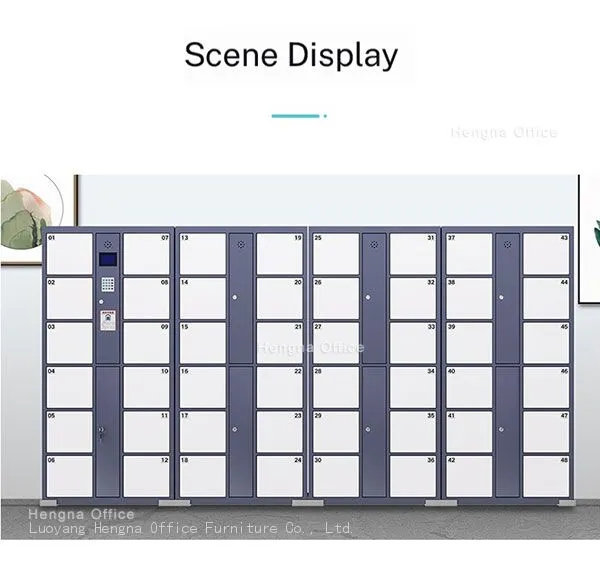
Most modern transit hubs are moving toward "Smart City" integration. Infrared lockers easily interface with:
Mobile Apps: Passengers can pre-book a locker size before arriving at the station.
Contactless Payment: Integration with credit cards and digital wallets (Apple Pay/Google Pay).
QR Code Tickets: Using the travel ticket itself as the access key for the locker.
Conclusion
For public transportation hubs, the transition to Infrared Smart Lockers is not just an upgrade in furniture; it is an upgrade in service logic. By utilizing Infrared Barcode Scanning and occupancy detection, hubs can offer a seamless, secure, and highly efficient luggage storage experience that meets the demands of the modern traveler.
As transit centers continue to scale, modular and sensor-driven storage solutions will remain the backbone of efficient passenger flow management.
Recently Posted
-
Louvered Panel vs Round Hole Pegboard — Which Tool Wall Holds Hooks and Bins Together?
August 31, 2026Louvered Panel vs Round Hole Pegboard — Which Tool Wall Holds Hooks and Bins Together?Short answer: if you only hang tools, round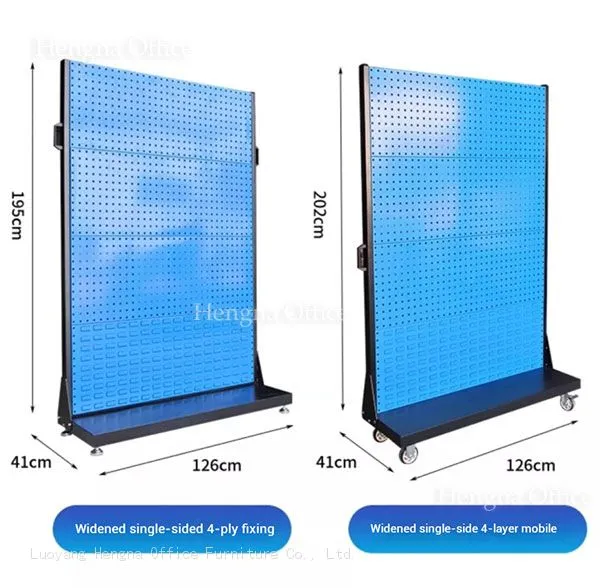 Read More
 -
Welded vs Boltless Steel Shelving — Looks Strong at the Factory, Falls Apart at the Port
August 7, 2026Welded vs Boltless Steel Shelving — Looks Strong at the Factory, Falls Apart at the PortHere's a story every steel shelving im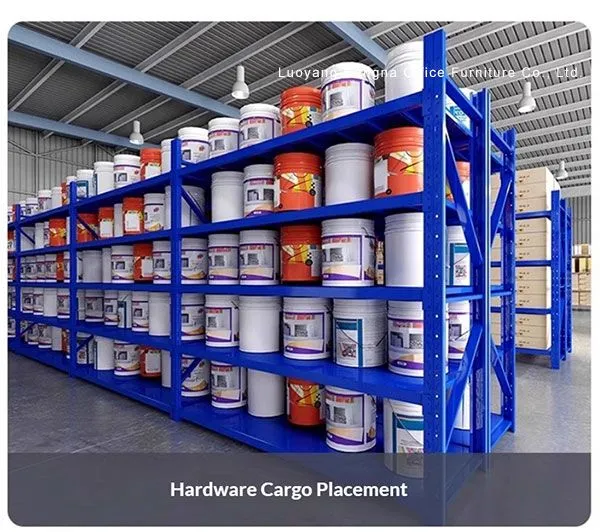 Read More
 -
You Asked a Steel Shelving Supplier for a Price. Here's What You Should Have Asked First.
August 7, 2026You found a steel shelving supplier. Their listing looks clean. You sent the message every first-time importer sends: "What&#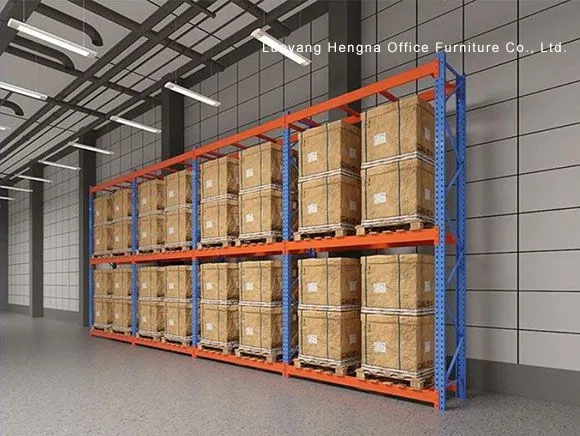 Read More
 -
Heavy Duty Steel Workbench for Auto Repair — Cold Rolled Frame vs What Most Garages Use
August 5, 2026Mike has been running his independent garage for eleven years. Three bays, two mechanics, a steady stream of brake jobs and transm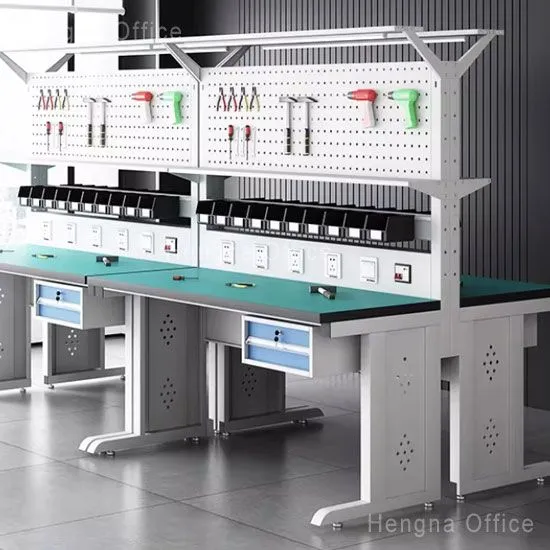 Read More

Contact Us
Recommended Products
-
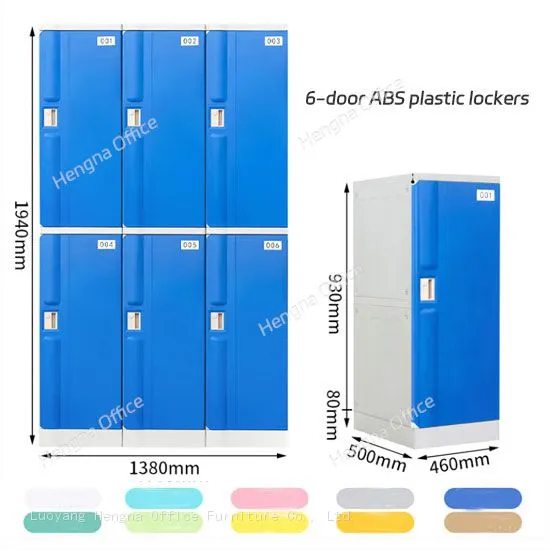
 Industrial-Grade ABS Plastic Locker for Factory Staff and Warehouse Workers|Hengna OfficeUS$ 19 - 100MOQ: 5 Sets
 -
Outdoor ABS Locker Cabinet – UV-Resistant Plastic Storage for Poolside or Beach Resorts-Hengna OfficeUS$ 19 - 100MOQ: 5 Sets
-
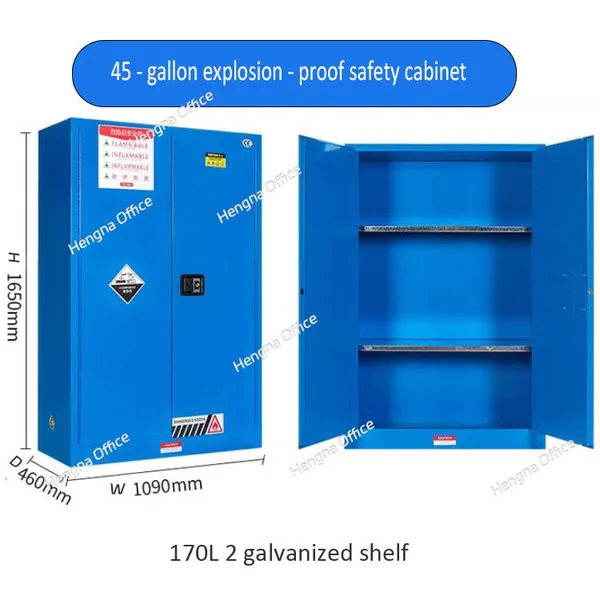
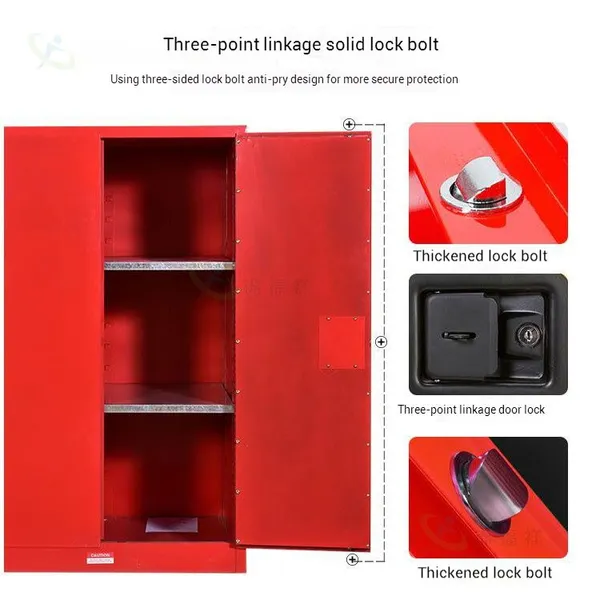
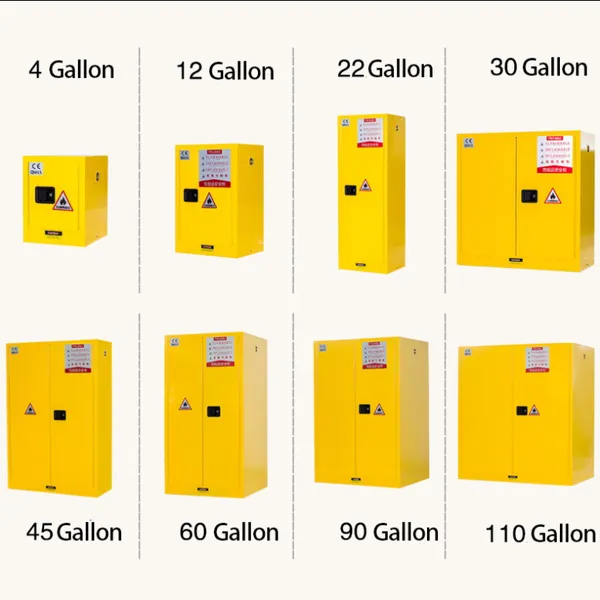
45 Gallon Explosion-Proof Flammable Liquid Storage Cabinet – Fire-Resistant Steel Safety Cabinet for FactoriesUS$ 68 - 400MOQ: 2 Combos
-
Flammable Storage Cabinet for Flammable Liquids – OSHA Certified Safety Cabinet With Fireproof Double WallsUS$ 68 - 400MOQ: 2 Combos
-
Large Capacity Flammable Liquid Storage Cabinet – Explosion-Proof Safety Cabinet for Laboratory & Workshop UseUS$ 68 - 400MOQ: 2 Combos

-
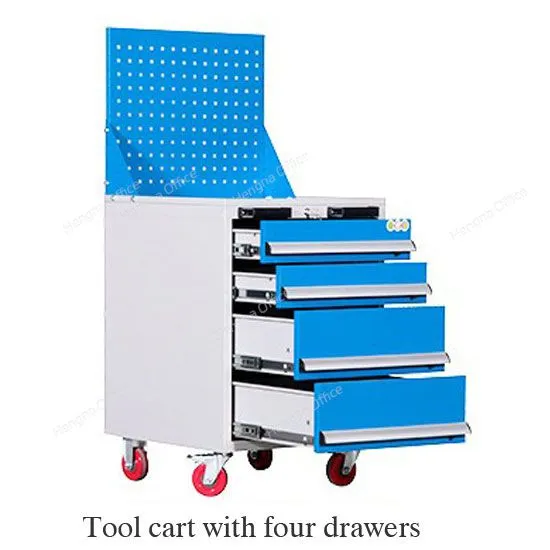
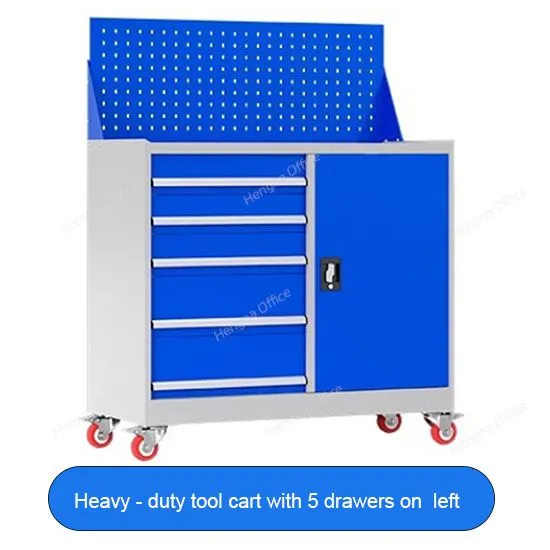
Heavy Duty Steel Tool Cart With Drawers for Workshops|Hengna OfficeUS$ 99 - 269MOQ: 2 Cases
-
Wholesale 3-Drawer Tool Trolley With Wheels for Factory and Garage StorageUS$ 99 - 269MOQ: 2 Cases
-
HN-wlj160 Industrial Rolling Tool Organizer With Pegboard|All-in-One Mobile Tool Storage CartUS$ 5 - 120MOQ: 2 Cases
-
White Stackable Pathology Wax Block Storage Drawers for Labs Near London-Hengna OfficeNegotiableMOQ: 10 Pieces
-
Custom Paraffin Block Storage Cabinet for Histology Laboratories – Factory Direct From Hengna FurnitureNegotiableMOQ: 10 Pieces
-
Smart Phone Charging Locker 40-door|Fingerprint Lockers Intelligent Parcel Delivery CabinetUS$ 203 - 750MOQ: 15 Pieces
-
School Gym Lockers Price |Parcel Delivery Storage Locker 12-door FactoryUS$ 203 - 750MOQ: 15 Pieces
-
Multi Metal Work Benches Electrical Workshop Workbench|US$ 300 - 800MOQ: 2 Cases
-
Commercial Workbench Supplier |Multi Metal Work Bench With Drawers OMDUS$ 300 - 800MOQ: 2 Cases
-
Pathological Ection Cabinet JTGZ062 Wax Block Cabinet for LaboratoryNegotiableMOQ: 10 Pieces
-
Durable Tool Storage in Factory HNGJ703 Hard Wearing Metal Industrial Tool ChestNegotiableMOQ: 18 Pieces
-
High - Quality CNC Workshop Tool Cabinet Heavyweight Workshop Tool OrganizerNegotiableMOQ: 10 Pieces
-
Laboratory Polyethylene Acid and Corrosive Chemicals Safety Storage PP CabinetUS$ 340 - 600MOQ: 5 Combos
-
22 Gallons /80 L PP Acid - Base Cabinet: Safeguard Chemical Storage Supplier OEMUS$ 500 - 600MOQ: 5 Combos
-
4 - Gallon Corrosion-resistant Safety Cabinet for Hazardous Chemicals Acid SupplierUS$ 340 - 500MOQ: 5 Combos