
 Business License

Cost-Saving Secrets: How Main & Auxiliary Frame Systems Reduce Your Furniture Budget
For project managers overseeing large-scale installations—be it a multi-story university library, a government archive, or a corporate records center—the primary challenge is balancing storage capacity with a fixed capital budget.
One of the most effective, yet often misunderstood, strategies to achieve this balance is the implementation of a Main and Auxiliary (Add-on) Frame System. Understanding this engineering logic can lead to double-digit percentage savings on equipment costs and a more efficient use of floor space.
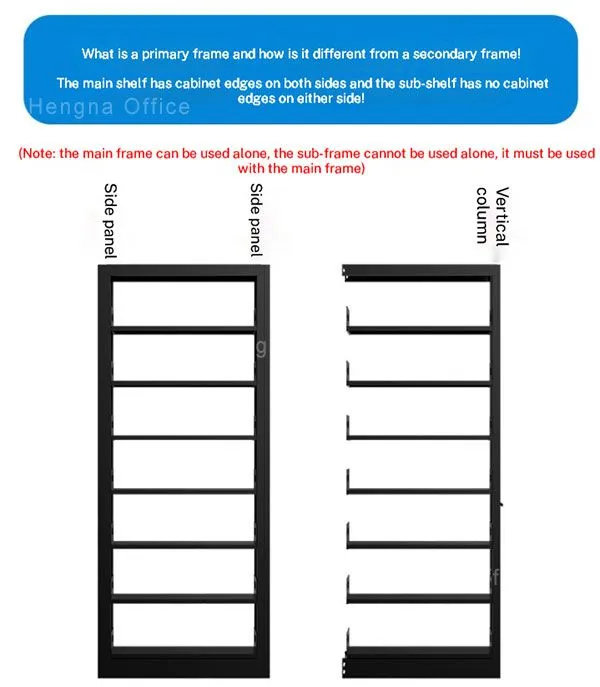
1. What is the Main & Auxiliary Logic?
In a traditional furniture setup, every shelving unit is a standalone "island" with four posts or two full end-panels. However, professional steel library systems are designed to be interconnected.
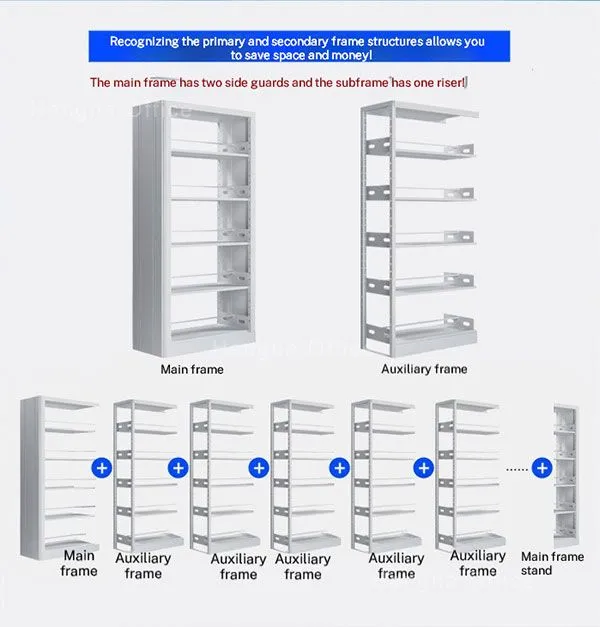
The Main Frame: The "anchor" of a row. It consists of two full upright columns and the necessary shelving levels.
The Auxiliary (Add-on) Frame: A unit that consists of only one upright column. It "hitches" onto the side of the Main Frame, sharing a common vertical support.
2. The Mathematics of Savings
The most significant cost in high-quality shelving (especially when using 1.2mm or 1.26mm SPCC steel) lies in the vertical uprights. By using an Add-on system, you eliminate one expensive upright for every additional unit in a row.
Example: A Row of 10 Shelving Units
Standalone Approach: Requires 20 upright columns.
Main & Add-on Approach: Requires 1 Main Frame (2 columns) + 9 Add-on Frames (9 columns) = 11 upright columns.
In this scenario, you reduce the material requirement for vertical supports by 45%. When scaled across an entire building, the savings can be transformative.
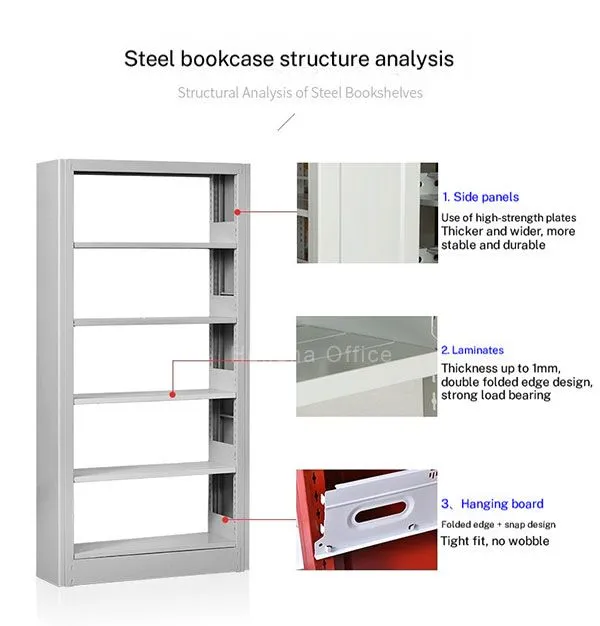
3. Comparison Table: Standalone vs. Modular Systems
| Metric | Standalone Units | Main & Add-on System |
| Upright Columns (per 5 units) | 10 | 6 |
| Material Cost | 100% (Baseline) | ~75% - 80% |
| Structural Stability | Individual stability | Enhanced "Row Stability" via interlocking |
| Floor Space Usage | More gaps, larger footprint | Seamless connection, smaller footprint |
| Installation Complexity | Repetitive leveling | Single alignment for the whole row |
4. Beyond the Budget: Structural Advantages
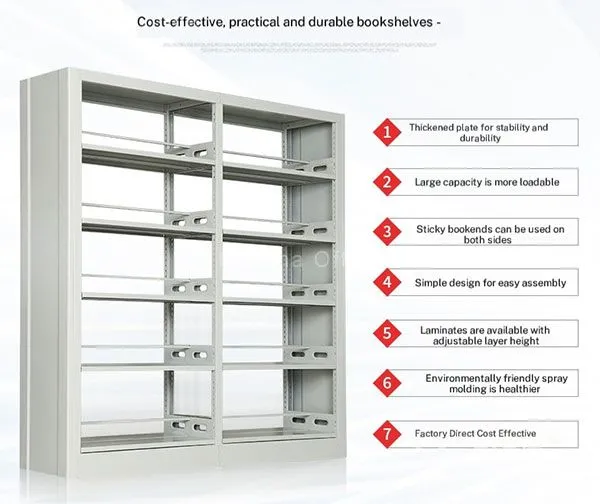
While the financial benefits are clear, the Main & Add-on system also offers technical superiorities:
Improved Alignment: Because the units share columns, the shelves remain perfectly level across a 20-meter row. There are no "gaps" or uneven heights between units.
Seismic Safety: An interconnected row of 10 units has a much larger "footprint" and lower center of gravity than 10 individual units, making it significantly more resistant to tipping or shifting during tremors.
Optimized Airflow: In archival environments, the seamless connection between units allows for better ventilation and climate control, which is essential for preserving sensitive paper documents.
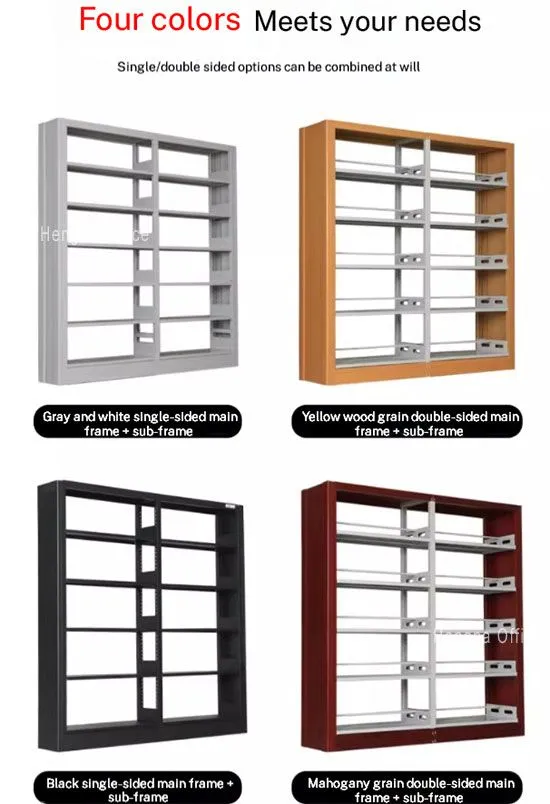
5. Strategy for Procurement Officers
When requesting a quote from a manufacturer or supplier, do not simply ask for the "unit price." Instead:
Provide your floor plan.
Ask for a layout-based quotation that maximizes the use of Auxiliary frames.
Specify the steel gauge (e.g., 1.26mm) to ensure the shared columns have the necessary load-bearing capacity to support shelves on both sides.
Conclusion
The Main & Auxiliary frame system is the "secret weapon" of professional space planners. It proves that in industrial design, less is often more. By reducing the number of redundant vertical supports, you don't just save money—you create a more stable, more attractive, and more professional storage environment.
Recently Posted
-
Louvered Panel vs Round Hole Pegboard — Which Tool Wall Holds Hooks and Bins Together?
August 31, 2026Louvered Panel vs Round Hole Pegboard — Which Tool Wall Holds Hooks and Bins Together?Short answer: if you only hang tools, round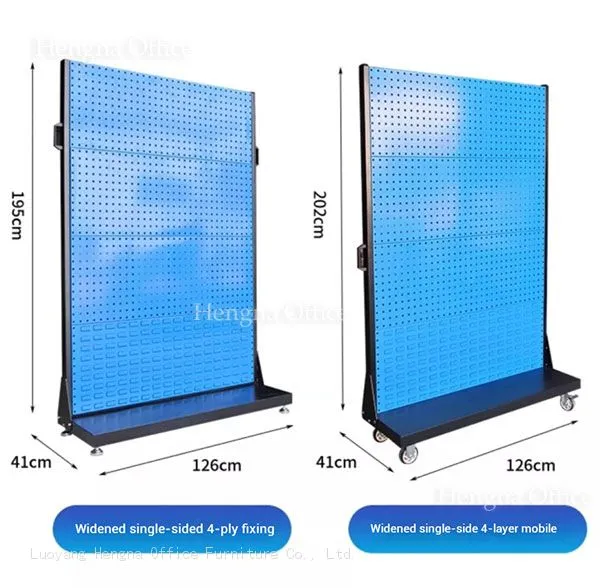 Read More
 -
Welded vs Boltless Steel Shelving — Looks Strong at the Factory, Falls Apart at the Port
August 7, 2026Welded vs Boltless Steel Shelving — Looks Strong at the Factory, Falls Apart at the PortHere's a story every steel shelving im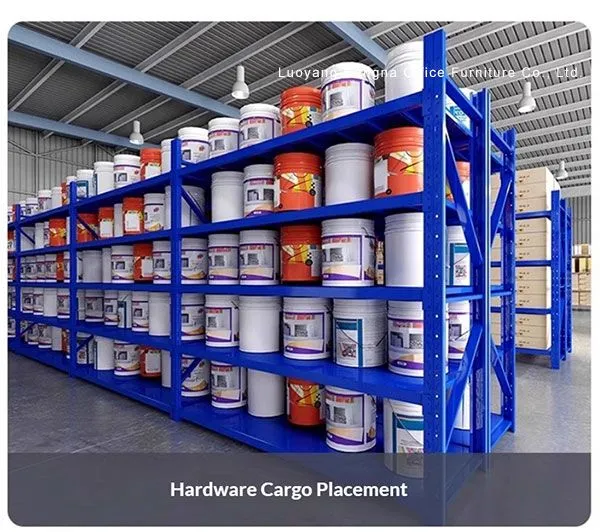 Read More
 -
You Asked a Steel Shelving Supplier for a Price. Here's What You Should Have Asked First.
August 7, 2026You found a steel shelving supplier. Their listing looks clean. You sent the message every first-time importer sends: "What&# Read More
 -
Heavy Duty Steel Workbench for Auto Repair — Cold Rolled Frame vs What Most Garages Use
August 5, 2026Mike has been running his independent garage for eleven years. Three bays, two mechanics, a steady stream of brake jobs and transm Read More

Contact Us
Recommended Products
-
 Industrial-Grade ABS Plastic Locker for Factory Staff and Warehouse Workers|Hengna OfficeUS$ 19 - 100MOQ: 5 Sets
 -
Outdoor ABS Locker Cabinet – UV-Resistant Plastic Storage for Poolside or Beach Resorts-Hengna OfficeUS$ 19 - 100MOQ: 5 Sets
-
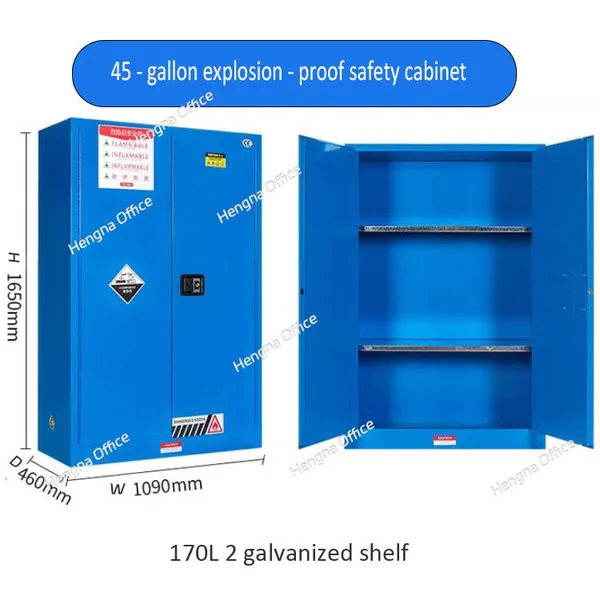
45 Gallon Explosion-Proof Flammable Liquid Storage Cabinet – Fire-Resistant Steel Safety Cabinet for FactoriesUS$ 68 - 400MOQ: 2 Combos
-
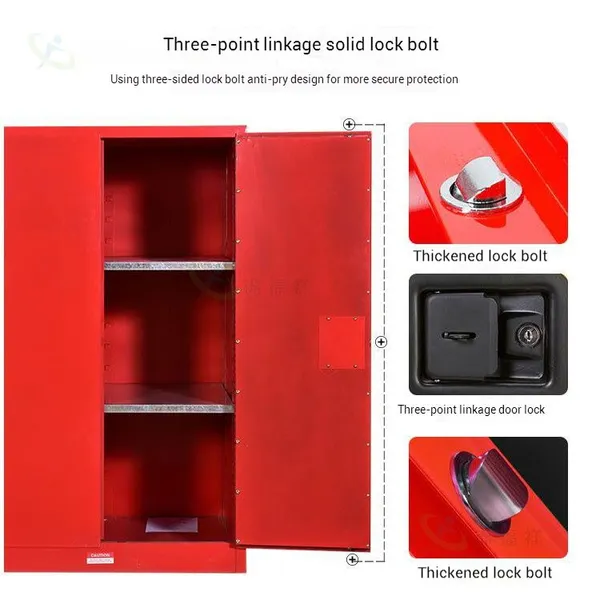
Flammable Storage Cabinet for Flammable Liquids – OSHA Certified Safety Cabinet With Fireproof Double WallsUS$ 68 - 400MOQ: 2 Combos
-
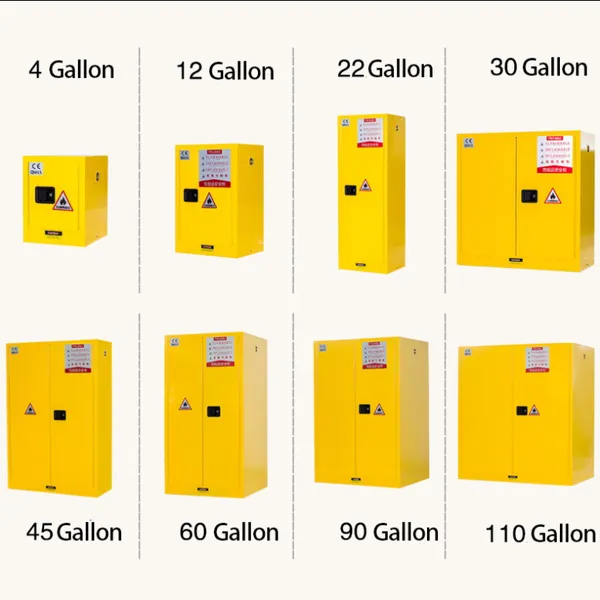
Large Capacity Flammable Liquid Storage Cabinet – Explosion-Proof Safety Cabinet for Laboratory & Workshop UseUS$ 68 - 400MOQ: 2 Combos
-
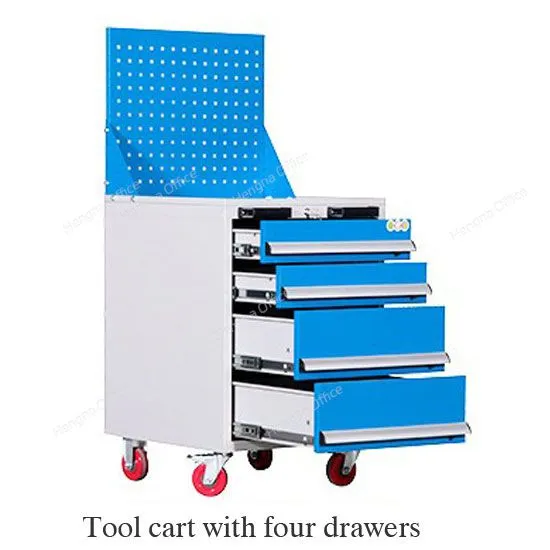
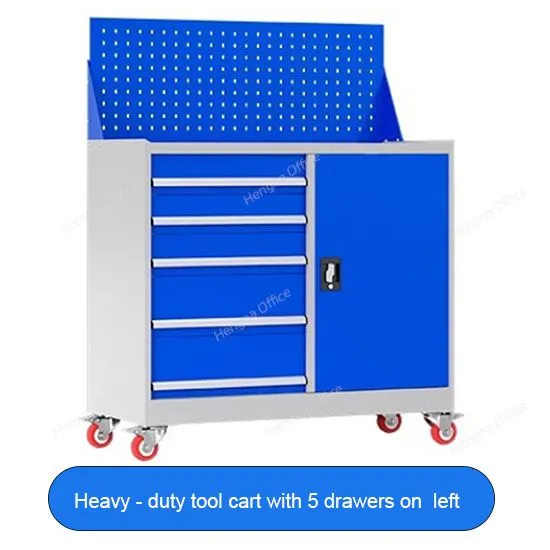
Heavy Duty Steel Tool Cart With Drawers for Workshops|Hengna OfficeUS$ 99 - 269MOQ: 2 Cases
-
Wholesale 3-Drawer Tool Trolley With Wheels for Factory and Garage StorageUS$ 99 - 269MOQ: 2 Cases
-
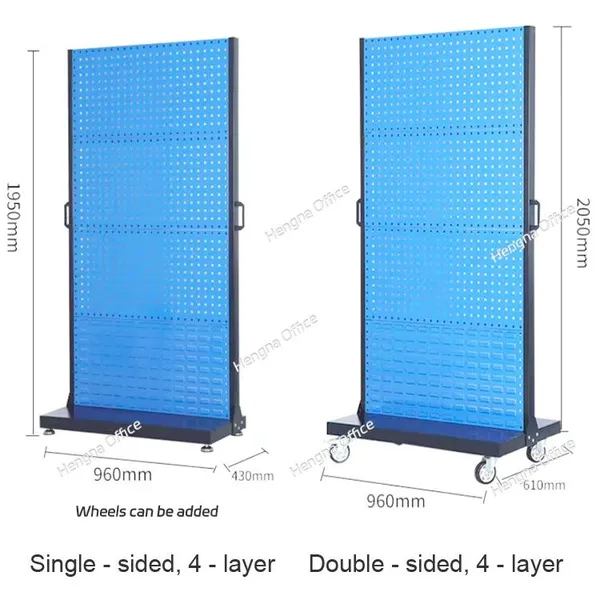
HN-wlj160 Industrial Rolling Tool Organizer With Pegboard|All-in-One Mobile Tool Storage CartUS$ 5 - 120MOQ: 2 Cases
-
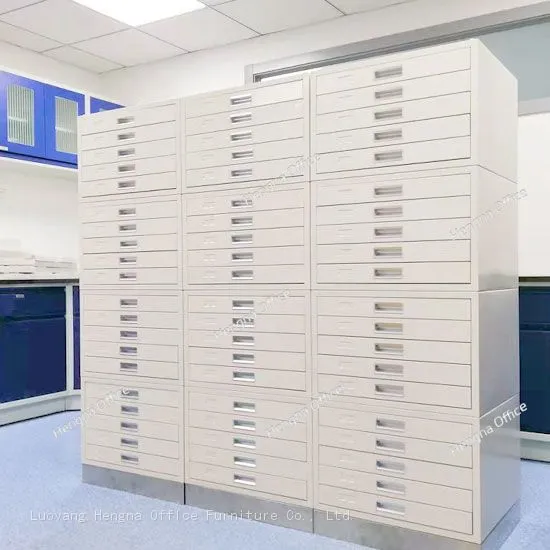
White Stackable Pathology Wax Block Storage Drawers for Labs Near London-Hengna OfficeNegotiableMOQ: 10 Pieces
-
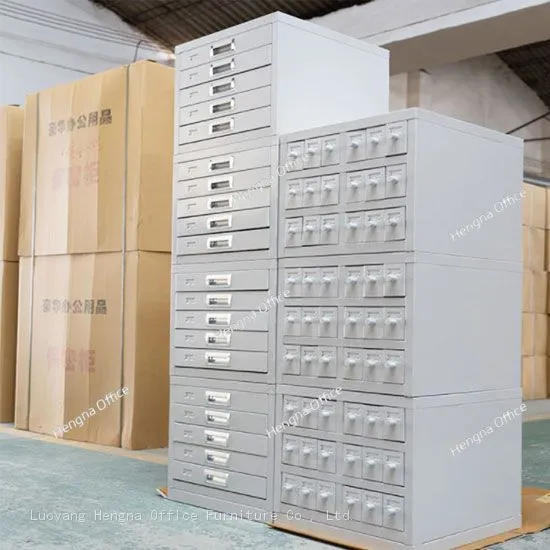
Custom Paraffin Block Storage Cabinet for Histology Laboratories – Factory Direct From Hengna FurnitureNegotiableMOQ: 10 Pieces
-
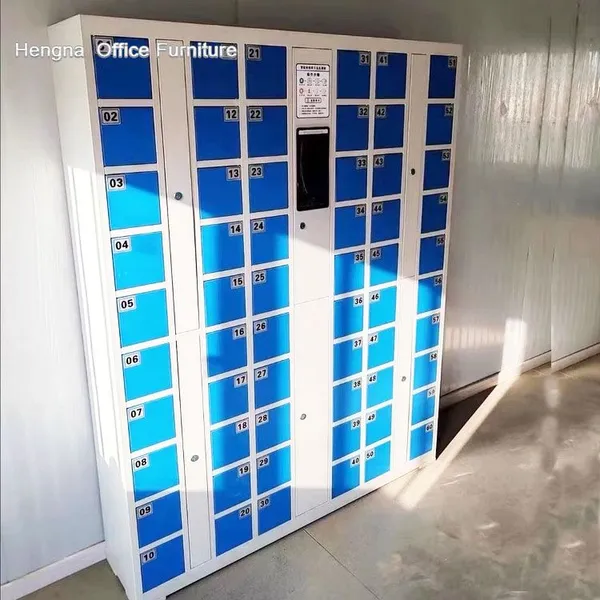
Smart Phone Charging Locker 40-door|Fingerprint Lockers Intelligent Parcel Delivery CabinetUS$ 203 - 750MOQ: 15 Pieces
-
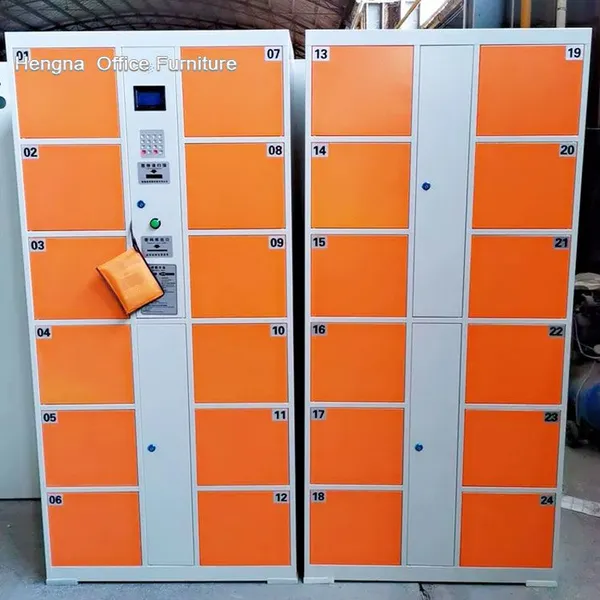
School Gym Lockers Price |Parcel Delivery Storage Locker 12-door FactoryUS$ 203 - 750MOQ: 15 Pieces
-
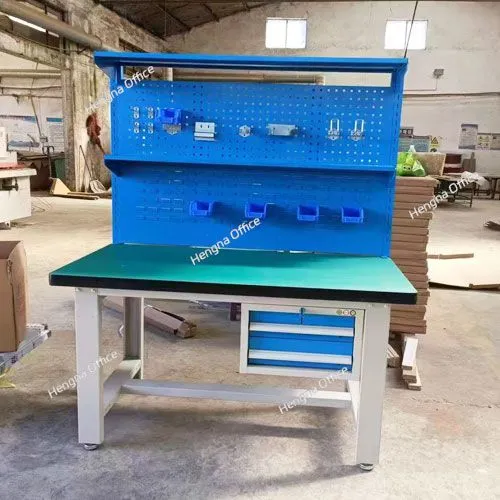
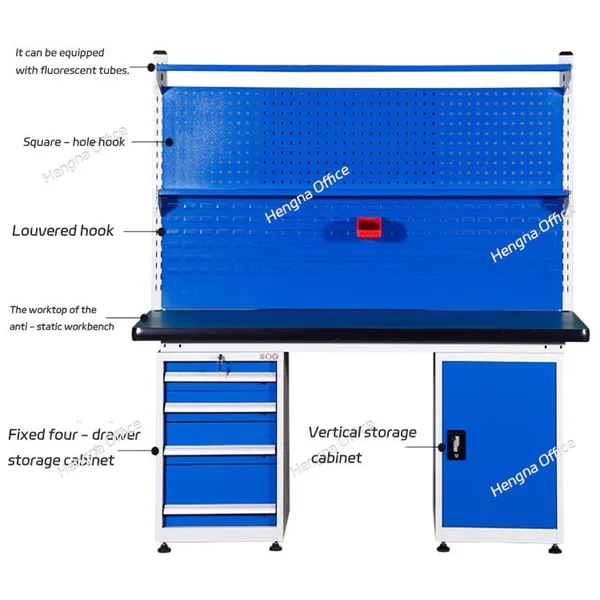
Multi Metal Work Benches Electrical Workshop Workbench|US$ 300 - 800MOQ: 2 Cases
-
Commercial Workbench Supplier |Multi Metal Work Bench With Drawers OMDUS$ 300 - 800MOQ: 2 Cases
-
Pathological Ection Cabinet JTGZ062 Wax Block Cabinet for LaboratoryNegotiableMOQ: 10 Pieces
-
Durable Tool Storage in Factory HNGJ703 Hard Wearing Metal Industrial Tool ChestNegotiableMOQ: 18 Pieces
-
High - Quality CNC Workshop Tool Cabinet Heavyweight Workshop Tool OrganizerNegotiableMOQ: 10 Pieces
-
Laboratory Polyethylene Acid and Corrosive Chemicals Safety Storage PP CabinetUS$ 340 - 600MOQ: 5 Combos
-
22 Gallons /80 L PP Acid - Base Cabinet: Safeguard Chemical Storage Supplier OEMUS$ 500 - 600MOQ: 5 Combos
-
4 - Gallon Corrosion-resistant Safety Cabinet for Hazardous Chemicals Acid SupplierUS$ 340 - 500MOQ: 5 Combos