
 Business License
Bulk Buying Filing Cabinets: Tips for Negotiating with Office Furniture Manufacturers
Introduction
For a furniture wholesaler, a large-scale contractor, or a corporate procurement manager, bulk buying filing cabinets is a high-stakes task. When ordering hundreds of units, a $5 difference in unit price might seem attractive, but in the long run, the real costs lie in shipping, assembly time, and product failure rates. Negotiating with an office furniture manufacturer requires more than just asking for a discount; it’s about aligning on technical specifications and logistics that protect your profit margins. As an experienced factory, we are pulling back the curtain to give you the ultimate negotiation checklist for your next big order.
1. Prioritize Material Specifications over "Visual" Quality
In a bulk order, the first point of negotiation should be the raw material. Many manufacturers offer a "standard" look that hides low-grade steel.
The Steel Gauge: Don't just ask for "metal." Specify Cold Rolled Steel (CRS). Negotiate for a thickness that ensures the unit won't buckle under a full load—typically 0.6mm to 1.2mm for premium commercial lines.
Reinforcement: Ask the manufacturer if the cabinet edges are closed and if the drawer fronts are double-walled. These structural details are often the first things "value-engineered" out of bulk orders to save costs.
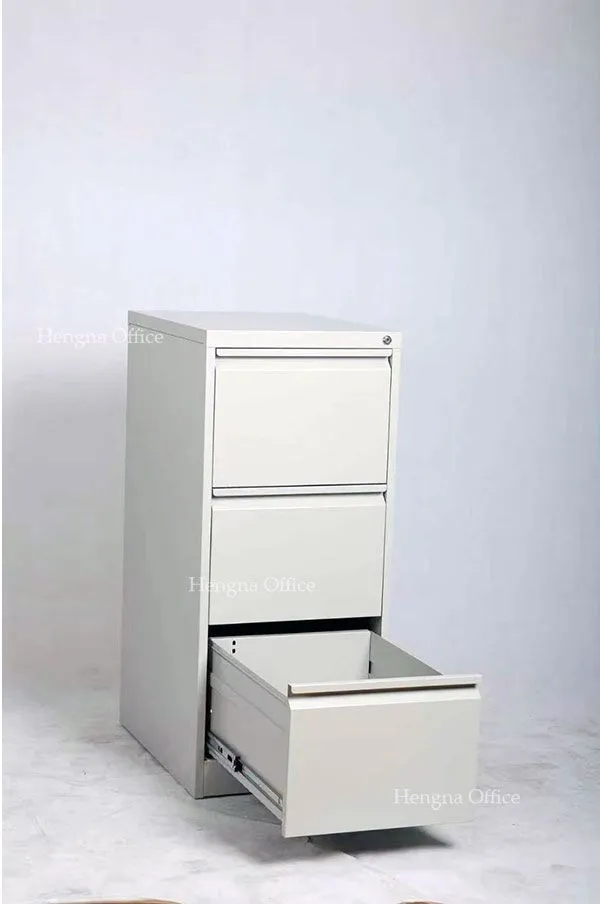
2. Demand Transparency on Internal Hardware Brands
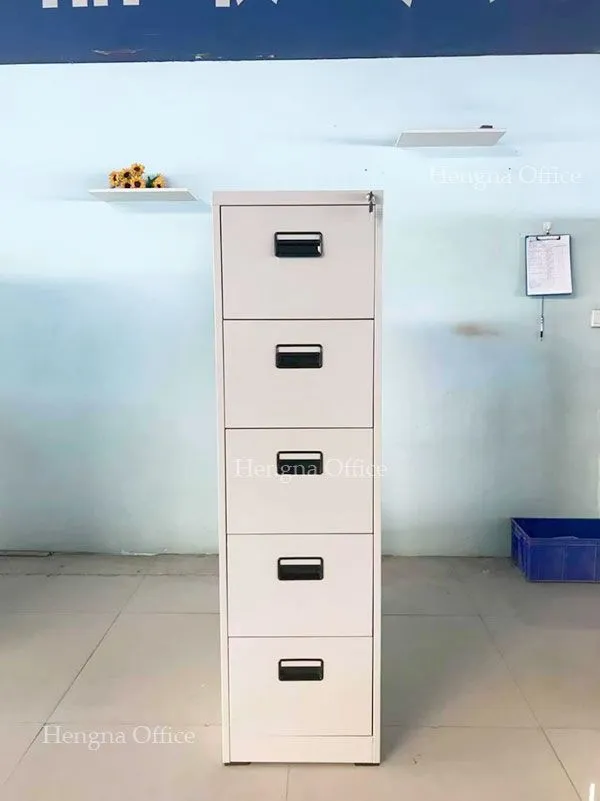
The "moving parts" are the soul of a lateral file cabinet. If you are buying in bulk for a government or bank project, a hardware failure in the field can ruin your reputation.
Lock Systems: Don't settle for "standard locks." Negotiate for a reputable brand like Wang Tong. Mentioning a specific brand shows the manufacturer you know the market and won't accept generic, easily pickable locks.
Slider Performance: Insist on three-section ball bearing slides. Ask for the load-bearing rating (e.g., 45kg or 50kg per drawer). High-quality slides prevent "drawer sag," a common complaint in bulk-purchased office furniture.
3. Optimize for Logistics: The KD (Knock-Down) Advantage
In international B2B trade, the ocean freight is often the "hidden killer" of margins.
Flat-Pack Efficiency: Negotiate for a Knock-Down (KD) structure. Our HN-series is designed to be shipped in flat packs, which can reduce shipping volume by up to 70% compared to fully assembled units.
Assembly Time: The counter-argument to KD is assembly labor. Ask the manufacturer for an assembly video or a 3D instruction manual. If the product is designed for "quick-install" (like our screw-less or simplified screw designs), you save money on both shipping and on-site labor.
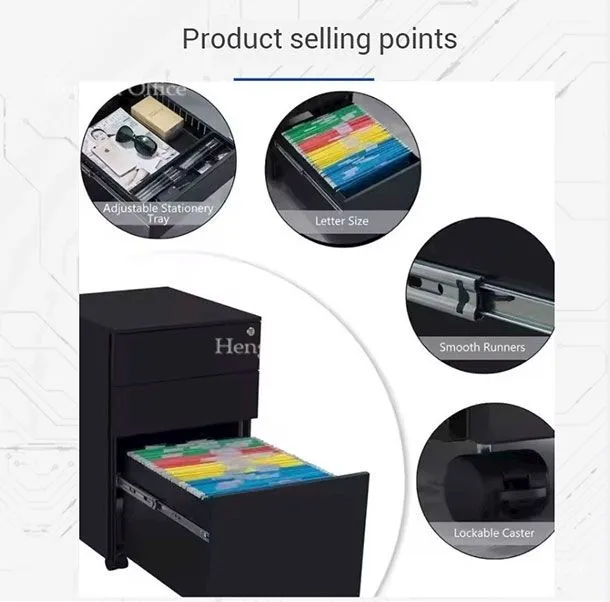
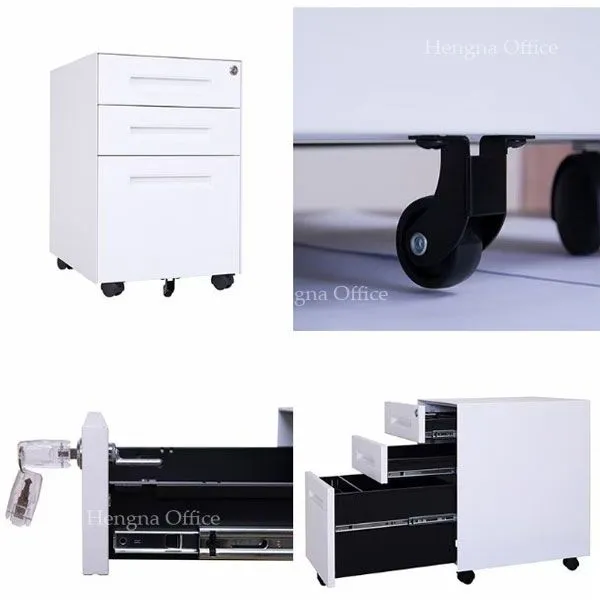
4. Leverage OEM and ODM Customization
A key negotiation tactic is to ask for exclusivity or custom features that differentiate your offering from the competition.
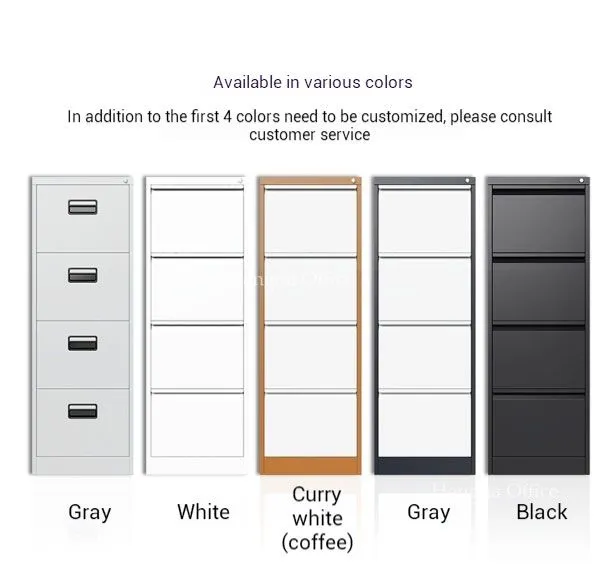
Custom Colors: While white and gray are standard, offering a unique powder coat (like matte black or a custom brand color) can allow you to charge a premium.
Handle Variations: Small changes, like switching to a Gooseneck handle or a recessed handle, can significantly change the product's market positioning without a massive increase in manufacturing cost.
5. Negotiate "Life-Cycle" Costs: Warranty and Spare Parts
Bulk buyers often forget about the "after-sales" during the initial price haggle.
Spare Part Kits: Always negotiate for a 1-2% "maintenance kit" to be included in the container. This should include extra foldable keys, lock cylinders, and drawer slides. This allows you to handle minor issues instantly without waiting for international shipping.
Certifications: Ensure the price includes testing certifications (like ISO or BIFMA). These documents are essential for bidding on government or large corporate contracts.
Comparison Checklist for Bulk Buyers
| Negotiation Point | Why It Matters | HENGNA Factory Capability |
| Shipping Volume | Reduces landed cost per unit | KD (Knock-Down) flat-pack design |
| Hardware Brand | Reduces maintenance and returns | Wang Tong Locks & 50kg Slides |
| Weight Capacity | Critical for accounting/legal use | 200+ Folders per drawer capacity |
| Safety Compliance | Avoids legal liability | Integrated Anti-Tilt System |
| Packaging | Prevents transit damage | 5-layer corrugated carton with foam |
Conclusion
Successful negotiation with an office furniture manufacturer is a balance of price, quality, and logistical efficiency. By focusing on the durability of cold-rolled steel, the security of brand-name hardware, and the shipping savings of KD structures, you secure a product that isn't just cheap—it's profitable.
Recently Posted
-
Louvered Panel vs Round Hole Pegboard — Which Tool Wall Holds Hooks and Bins Together?
August 31, 2026Louvered Panel vs Round Hole Pegboard — Which Tool Wall Holds Hooks and Bins Together?Short answer: if you only hang tools, round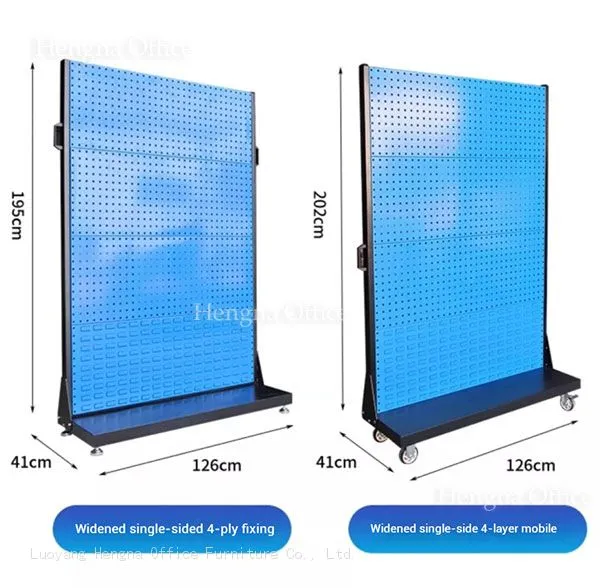 Read More
 -
Welded vs Boltless Steel Shelving — Looks Strong at the Factory, Falls Apart at the Port
August 7, 2026Welded vs Boltless Steel Shelving — Looks Strong at the Factory, Falls Apart at the PortHere's a story every steel shelving im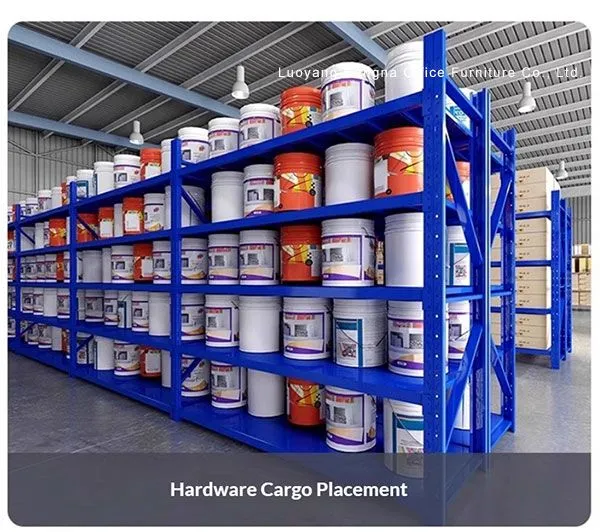 Read More
 -
You Asked a Steel Shelving Supplier for a Price. Here's What You Should Have Asked First.
August 7, 2026You found a steel shelving supplier. Their listing looks clean. You sent the message every first-time importer sends: "What&#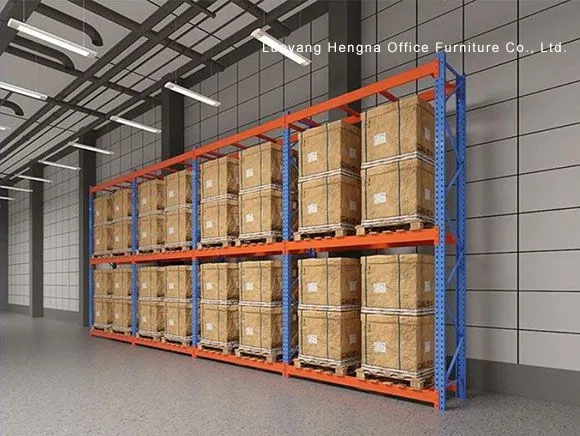 Read More
 -
Heavy Duty Steel Workbench for Auto Repair — Cold Rolled Frame vs What Most Garages Use
August 5, 2026Mike has been running his independent garage for eleven years. Three bays, two mechanics, a steady stream of brake jobs and transm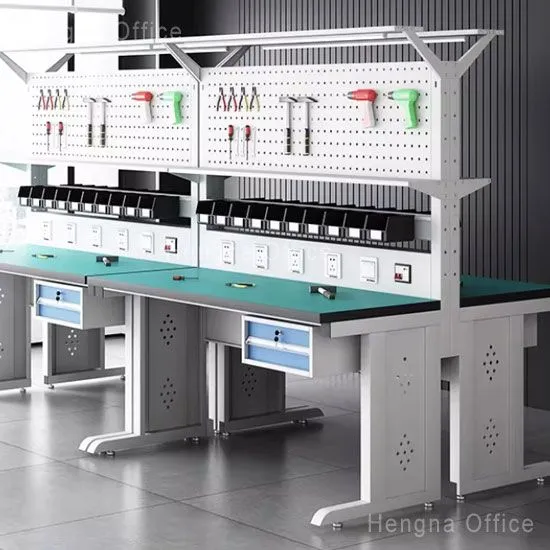 Read More

Contact Us
Recommended Products
-
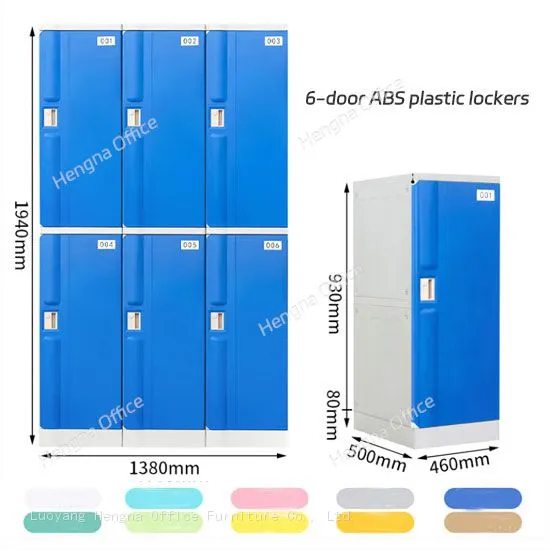
 Industrial-Grade ABS Plastic Locker for Factory Staff and Warehouse Workers|Hengna OfficeUS$ 19 - 100MOQ: 5 Sets
 -
Outdoor ABS Locker Cabinet – UV-Resistant Plastic Storage for Poolside or Beach Resorts-Hengna OfficeUS$ 19 - 100MOQ: 5 Sets
-
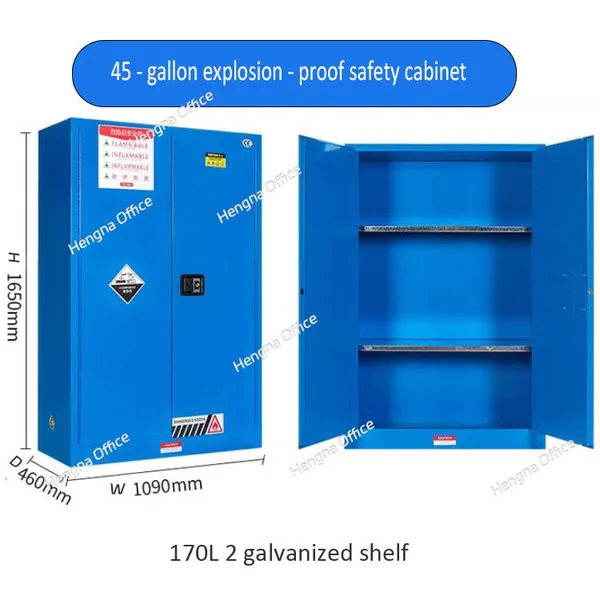
45 Gallon Explosion-Proof Flammable Liquid Storage Cabinet – Fire-Resistant Steel Safety Cabinet for FactoriesUS$ 68 - 400MOQ: 2 Combos
-
Flammable Storage Cabinet for Flammable Liquids – OSHA Certified Safety Cabinet With Fireproof Double WallsUS$ 68 - 400MOQ: 2 Combos
-
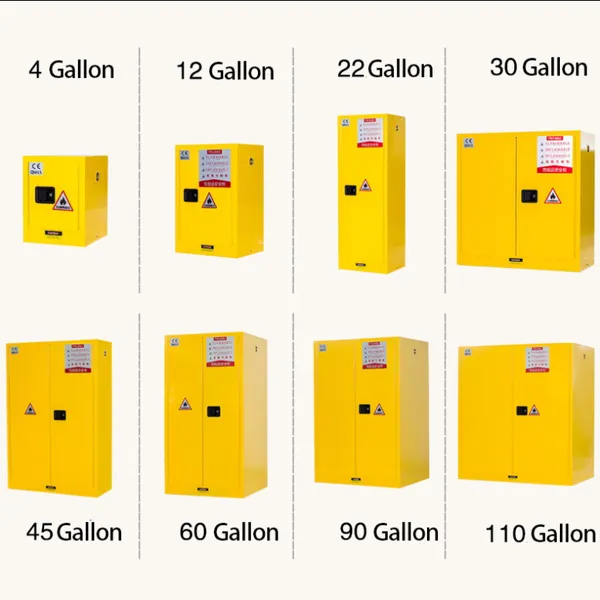
Large Capacity Flammable Liquid Storage Cabinet – Explosion-Proof Safety Cabinet for Laboratory & Workshop UseUS$ 68 - 400MOQ: 2 Combos
-
Heavy Duty Steel Tool Cart With Drawers for Workshops|Hengna OfficeUS$ 99 - 269MOQ: 2 Cases
-
Wholesale 3-Drawer Tool Trolley With Wheels for Factory and Garage StorageUS$ 99 - 269MOQ: 2 Cases
-
HN-wlj160 Industrial Rolling Tool Organizer With Pegboard|All-in-One Mobile Tool Storage CartUS$ 5 - 120MOQ: 2 Cases
-
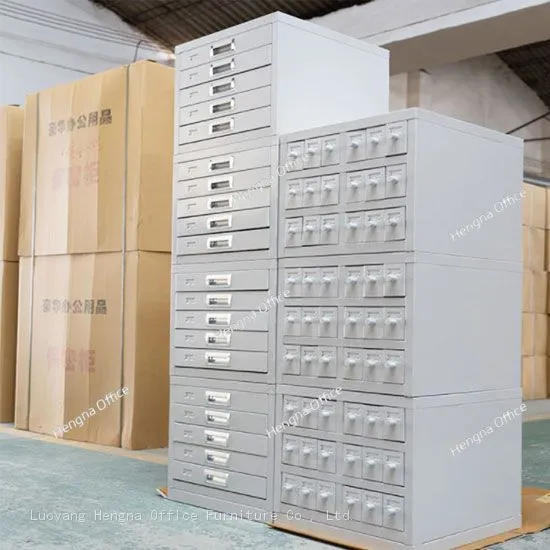
White Stackable Pathology Wax Block Storage Drawers for Labs Near London-Hengna OfficeNegotiableMOQ: 10 Pieces
-
Custom Paraffin Block Storage Cabinet for Histology Laboratories – Factory Direct From Hengna FurnitureNegotiableMOQ: 10 Pieces
-
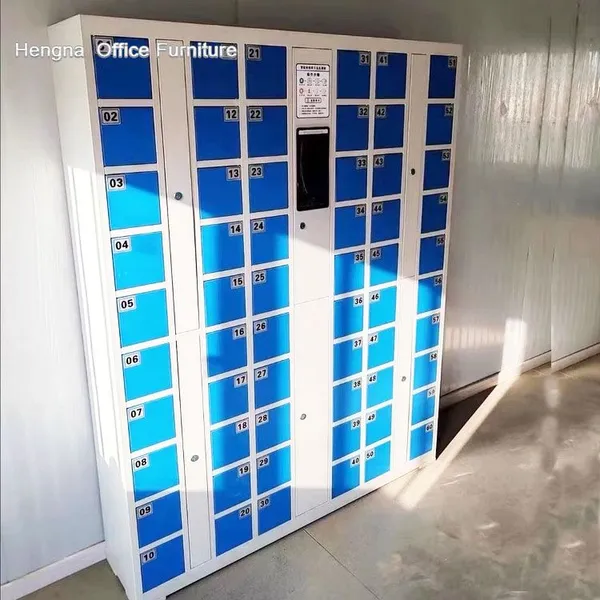
Smart Phone Charging Locker 40-door|Fingerprint Lockers Intelligent Parcel Delivery CabinetUS$ 203 - 750MOQ: 15 Pieces
-
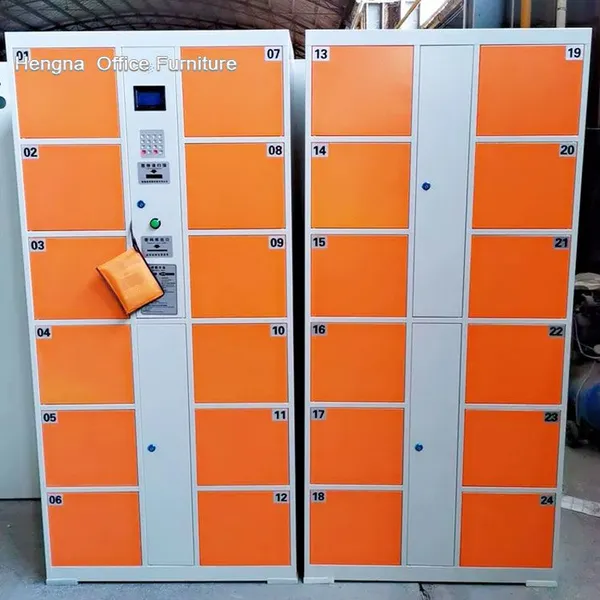
School Gym Lockers Price |Parcel Delivery Storage Locker 12-door FactoryUS$ 203 - 750MOQ: 15 Pieces
-
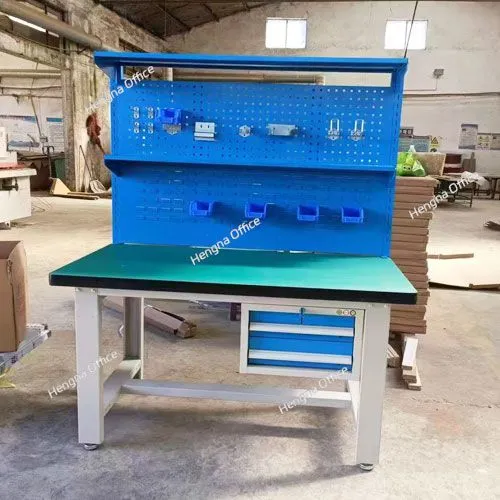
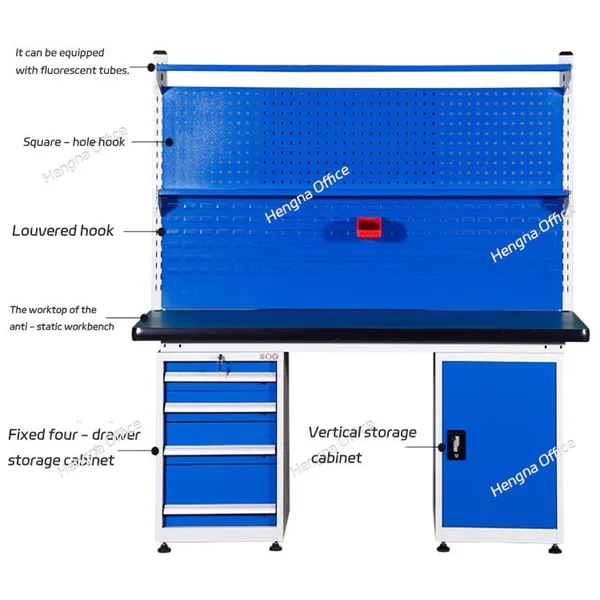
Multi Metal Work Benches Electrical Workshop Workbench|US$ 300 - 800MOQ: 2 Cases
-
Commercial Workbench Supplier |Multi Metal Work Bench With Drawers OMDUS$ 300 - 800MOQ: 2 Cases
-
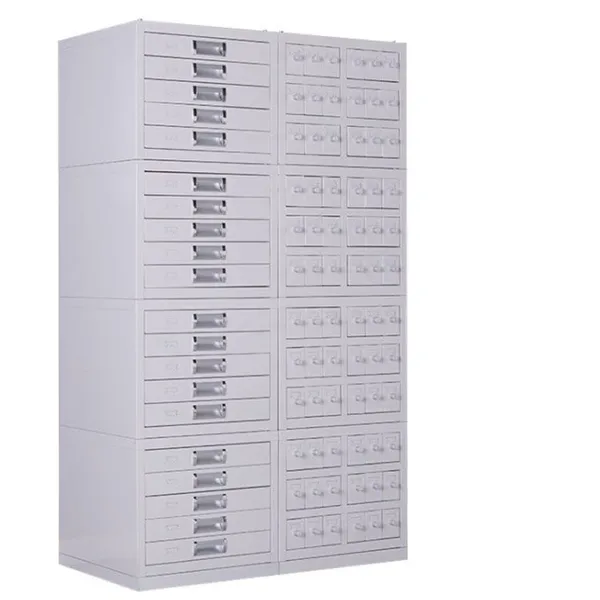
Pathological Ection Cabinet JTGZ062 Wax Block Cabinet for LaboratoryNegotiableMOQ: 10 Pieces
-
Durable Tool Storage in Factory HNGJ703 Hard Wearing Metal Industrial Tool ChestNegotiableMOQ: 18 Pieces
-
High - Quality CNC Workshop Tool Cabinet Heavyweight Workshop Tool OrganizerNegotiableMOQ: 10 Pieces
-
Laboratory Polyethylene Acid and Corrosive Chemicals Safety Storage PP CabinetUS$ 340 - 600MOQ: 5 Combos
-
22 Gallons /80 L PP Acid - Base Cabinet: Safeguard Chemical Storage Supplier OEMUS$ 500 - 600MOQ: 5 Combos
-
4 - Gallon Corrosion-resistant Safety Cabinet for Hazardous Chemicals Acid SupplierUS$ 340 - 500MOQ: 5 Combos