
 Business License

Reinforcing Bars vs. Sheet Thickness: What Really Determines the Load Capacity of a Metal Rack?
Introduction
In the industrial storage industry, "thickness" is the most frequently discussed—and most misunderstood—parameter. While many procurement officers believe that a thicker stainless steel sheet (gauge) is the primary factor in weight capacity, structural engineering tells a different story. To ensure warehouse safety and long-term ROI, you must look beneath the surface at the reinforcement architecture.
1. The Physics of Deflection: Why Sheets Sag
Stainless steel is prized for its corrosion resistance, but it is a relatively flexible metal compared to heavy carbon steel.
The Deflection Effect: When a heavy load (e.g., 300kg) is placed on an unsupported 200cm span, the center of the sheet will naturally sag.
The Danger: Once the steel reaches its "yield point," the deformation becomes permanent. A thicker sheet (e.g., 1.5mm) might delay this, but it cannot prevent it without internal support.
2. Reinforcing Bars: The Structural "Spine"
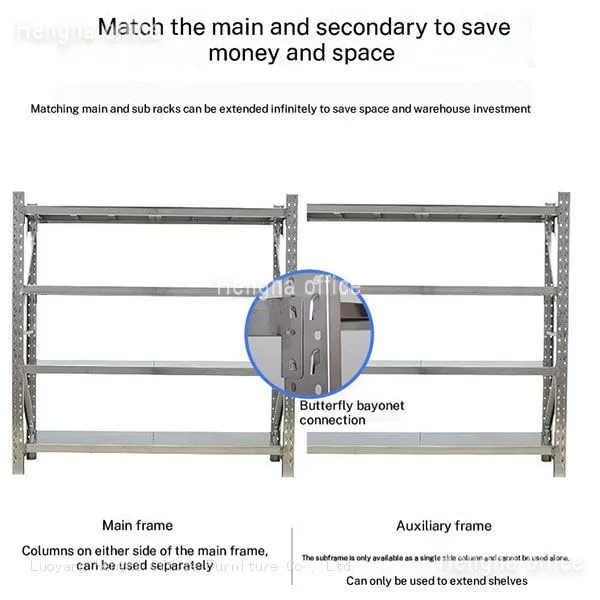
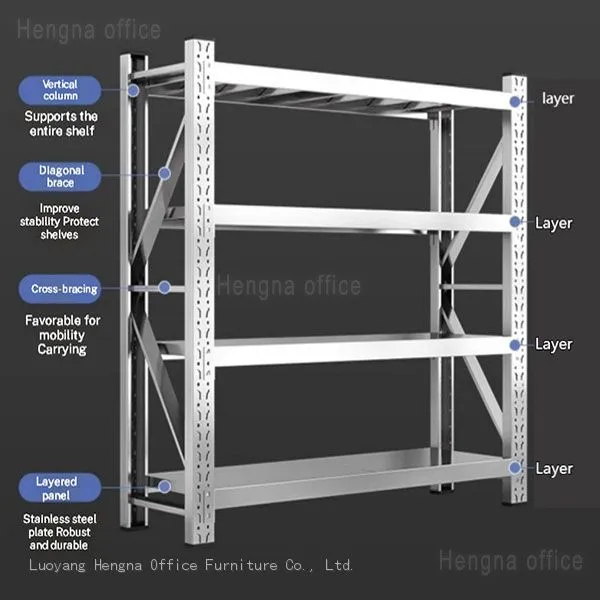
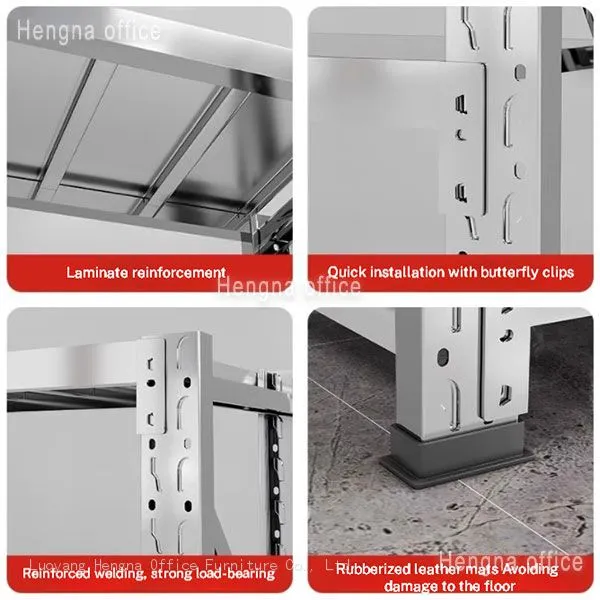
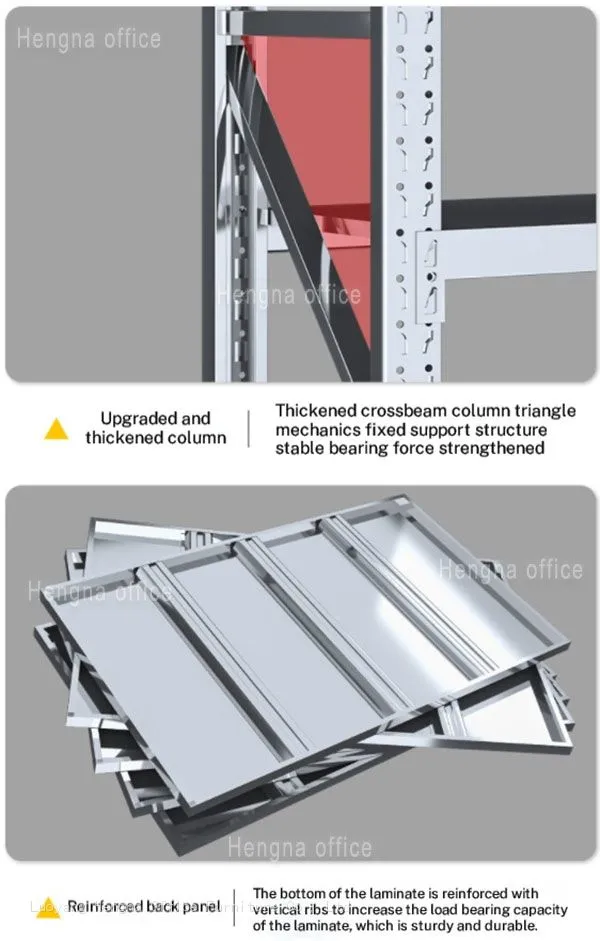
The Reinforcing Bar is a U-shaped or Omega-shaped channel welded to the underside of the shelf tier. It serves as the primary load-bearing element.
Engineering Truth: A 1.0mm stainless steel sheet supported by 8 strategically placed bars will maintain its flat surface under stress significantly better than a 2.0mm sheet with no support.
Uniform Distribution: These bars distribute the "Point Load" into a "Uniformly Distributed Load (UDL)," channeling the weight toward the horizontal beams and vertical uprights.
3. The "8-Bar" Industrial Standard
For spans exceeding 150cm, the number of reinforcement bars becomes the single most important technical spec.
Commercial Use: 2-4 bars (Suitable for light boxes, towels, or office supplies).
Heavy Industrial Use: 6-8 bars. This configuration is designed for high-density storage, such as mechanical parts, liquid containers, or bulk raw materials. It ensures that the shelf remains level, preventing items from sliding or the structure from buckling.
4. Technical Comparison: Load Capacity & Engineering
| Number of Reinforcing Bars | Rated Load (UDL) | Structural Life Span | Risk of Warping |
| 0 - 2 Bars | <100 kg | 1 - 2 Years | High (Immediate Sagging) |
| 4 Bars | 150 - 250 kg | 3 - 5 Years | Medium (Under heavy load) |
| 8 Bars (Professional) | 500 kg+ | 10+ Years | Extremely Low |
FAQ: Engineering & Safety Questions
Q: Does adding more bars make the shelf harder to assemble?
A: No. In a professional boltless design, the reinforcing bars are pre-welded at the factory. The user only interacts with the butterfly-style connectors, making the assembly process fast and tool-free.
Q: Why not just use a very thick sheet and zero bars?
A: Cost and Weight. A 3.0mm stainless steel sheet would be incredibly expensive and too heavy to ship or assemble. Using precision-welded reinforcement bars is a smarter engineering solution that offers higher strength at a lower total weight and cost.
Q: How can I visually verify the welding quality of these bars?
A: Look for spot-welding consistency. The welds should be evenly spaced along the bar. In high-end stainless steel racks, these welds are treated to ensure they don't become points of oxidation.
Recently Posted
-
Stainless Steel Shelving for Breweries and Wineries — What Survives Humidity, Alcohol Spills
July 24, 2026Stainless Steel Shelving for Breweries and Wineries — What Survives Humidity, Alcohol Spills, and Sanitizer Washdowns Three t Read More
 -
Stainless Steel Shelving for Meat Processing Plants — What Holds Up Against Blood, Fat, and Daily Wa
July 24, 2026Meat plants are brutal on shelvingIf you work in a meat processing plant, you already know this. The rack that looked fine s Read More
 -
0.6mm Steel Wardrobe vs 0.4mm — Why Cold-Rolled Single Door Metal Closet Lasts Longer
July 10, 2026The 0.2mm That Decides Whether You Buy One Wardrobe or ThreeTwo wardrobes look identical on a supplier's photo. Same door, sam Read More
 -
Heavy Duty Tool Cabinet with Locks for School Shop: Stop Tool Theft Before It Happens
July 9, 2026A vocational school workshop isn't like a factory floor. The tools aren't being used by seasoned machinists who know where Read More

Contact Us
Recommended Products
-
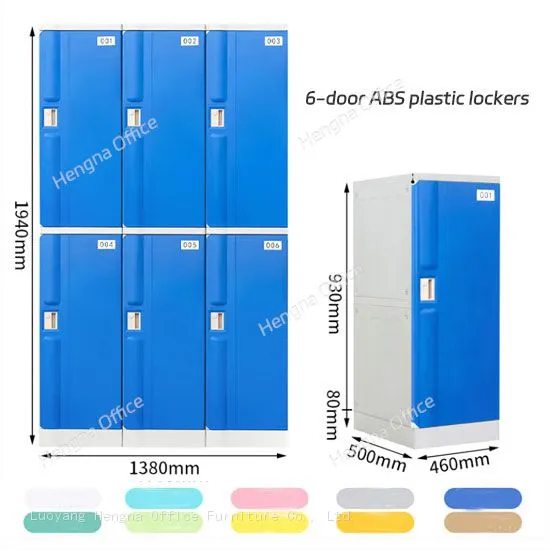
 Industrial-Grade ABS Plastic Locker for Factory Staff and Warehouse Workers|Hengna OfficeUS$ 19 - 100MOQ: 5 Sets
 -
Outdoor ABS Locker Cabinet – UV-Resistant Plastic Storage for Poolside or Beach Resorts-Hengna OfficeUS$ 19 - 100MOQ: 5 Sets
-
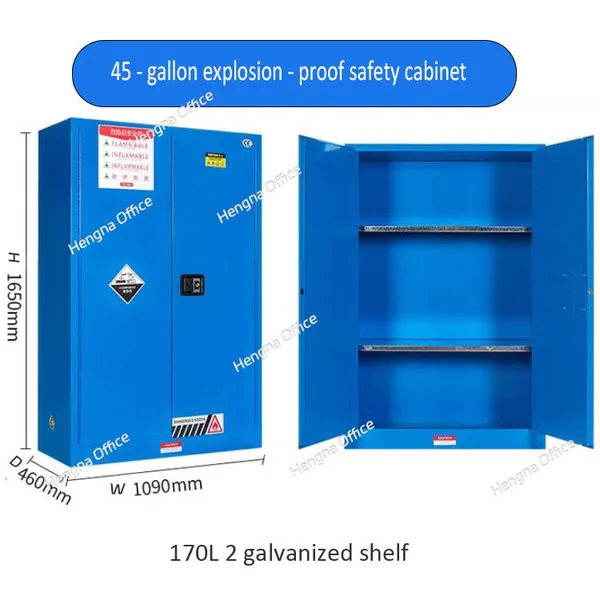
45 Gallon Explosion-Proof Flammable Liquid Storage Cabinet – Fire-Resistant Steel Safety Cabinet for FactoriesUS$ 68 - 400MOQ: 2 Combos
-
Flammable Storage Cabinet for Flammable Liquids – OSHA Certified Safety Cabinet With Fireproof Double WallsUS$ 68 - 400MOQ: 2 Combos
-
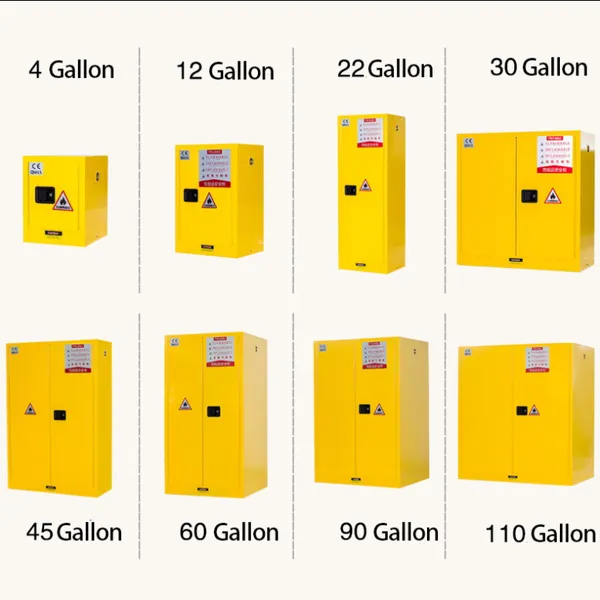
Large Capacity Flammable Liquid Storage Cabinet – Explosion-Proof Safety Cabinet for Laboratory & Workshop UseUS$ 68 - 400MOQ: 2 Combos

-
Heavy Duty Steel Tool Cart With Drawers for Workshops|Hengna OfficeUS$ 99 - 269MOQ: 2 Cases
-
Wholesale 3-Drawer Tool Trolley With Wheels for Factory and Garage StorageUS$ 99 - 269MOQ: 2 Cases
-
HN-wlj160 Industrial Rolling Tool Organizer With Pegboard|All-in-One Mobile Tool Storage CartUS$ 5 - 120MOQ: 2 Cases
-
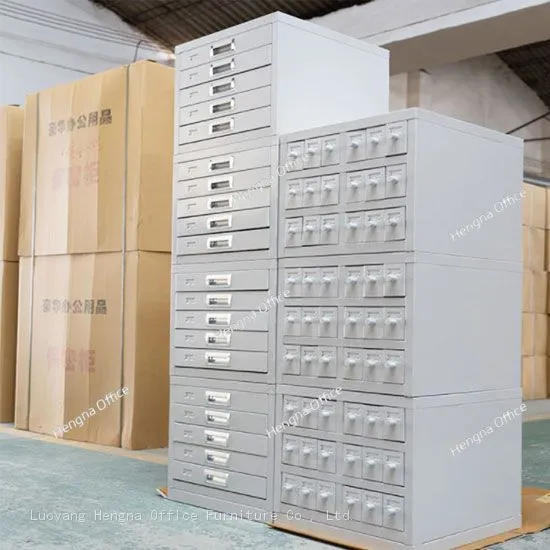
White Stackable Pathology Wax Block Storage Drawers for Labs Near London-Hengna OfficeNegotiableMOQ: 10 Pieces
-
Custom Paraffin Block Storage Cabinet for Histology Laboratories – Factory Direct From Hengna FurnitureNegotiableMOQ: 10 Pieces
-
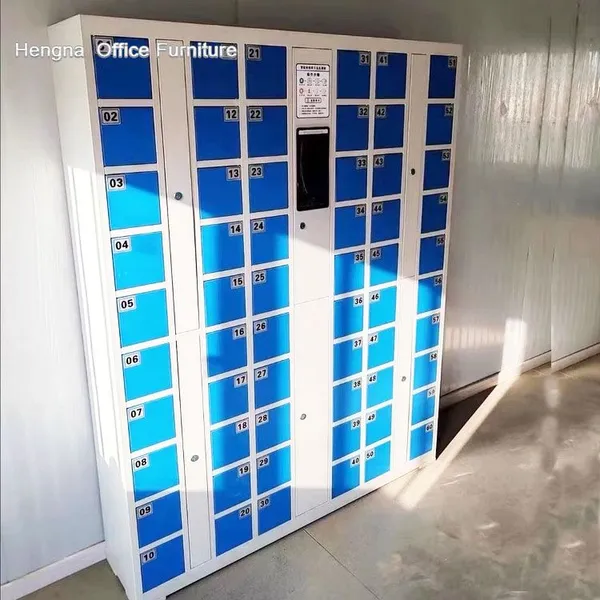
Smart Phone Charging Locker 40-door|Fingerprint Lockers Intelligent Parcel Delivery CabinetUS$ 203 - 750MOQ: 15 Pieces
-
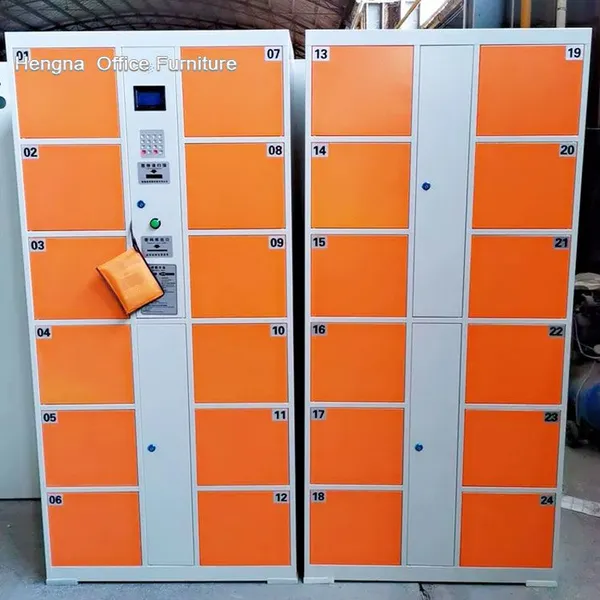
School Gym Lockers Price |Parcel Delivery Storage Locker 12-door FactoryUS$ 203 - 750MOQ: 15 Pieces
-
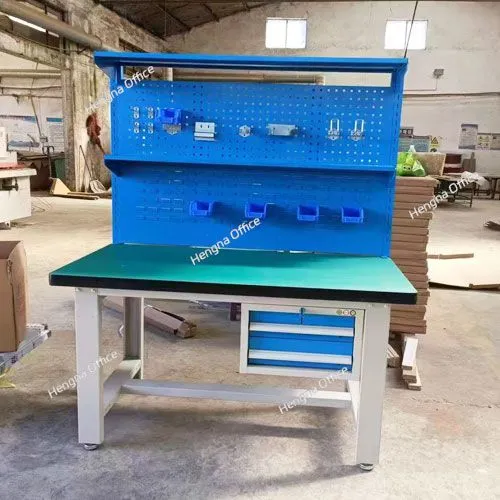
Multi Metal Work Benches Electrical Workshop Workbench|US$ 300 - 800MOQ: 2 Cases
-
Commercial Workbench Supplier |Multi Metal Work Bench With Drawers OMDUS$ 300 - 800MOQ: 2 Cases
-
Pathological Ection Cabinet JTGZ062 Wax Block Cabinet for LaboratoryNegotiableMOQ: 10 Pieces
-
Durable Tool Storage in Factory HNGJ703 Hard Wearing Metal Industrial Tool ChestNegotiableMOQ: 18 Pieces
-
High - Quality CNC Workshop Tool Cabinet Heavyweight Workshop Tool OrganizerNegotiableMOQ: 10 Pieces
-
Laboratory Polyethylene Acid and Corrosive Chemicals Safety Storage PP CabinetUS$ 340 - 600MOQ: 5 Combos
-
22 Gallons /80 L PP Acid - Base Cabinet: Safeguard Chemical Storage Supplier OEMUS$ 500 - 600MOQ: 5 Combos
-
4 - Gallon Corrosion-resistant Safety Cabinet for Hazardous Chemicals Acid SupplierUS$ 340 - 500MOQ: 5 Combos