
 Business License

Comparing Metal vs. Wood Bunk Beds for Commercial Use: Which One Lasts Longer?
The Ultimate Durability Showdown: Metal vs Wood Bunk Beds for Commercial Applications
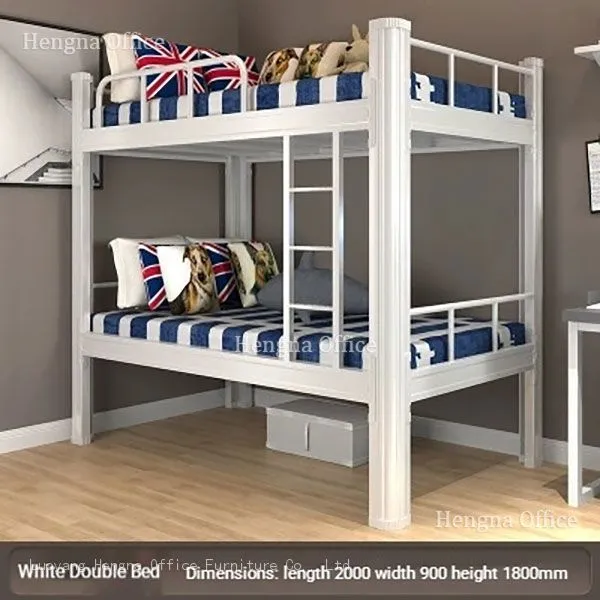
When it comes to outfitting commercial spaces—whether student housing, military barracks, hostels, or workforce accommodations—the choice between metal and wood bunk beds represents a critical procurement decision that impacts your bottom line for years to come. In 2026’s competitive commercial furniture market, understanding the long-term durability differences between these materials isn’t just about preference—it’s about making a financially sound investment that stands up to the rigors of commercial use.
The Durability Factor: A Head-to-Head Comparison
Structural Longevity Analysis
The fundamental difference between metal and wood bunk beds lies in their material properties and how they respond to commercial environments:
| Durability Factor | Metal Bunk Beds | Wood Bunk Beds | Commercial Impact |
|---|---|---|---|
| Average Lifespan | 10-15 years | 5-8 years | Metal lasts 2x longer |
| Weight Capacity | 400-500 lbs | 250-350 lbs | 40% higher capacity with metal |
| Scratch Resistance | High | Medium | Better appearance retention |
| Impact Resistance | Excellent | Fair | Fewer replacements needed |
| Warping Risk | None | High (humidity) | Consistent performance |
Environmental Resistance: The Commercial Challenge
Commercial environments present unique challenges that test material durability:
Humidity and Temperature Fluctuations: Metal bunk beds maintain structural integrity across 20°F to 120°F ranges, while wood is susceptible to warping, cracking, and joint loosening in varying conditions
Pest Resistance: Metal provides complete protection against termites, bed bugs, and other wood-destroying pests that plague commercial facilities
Moisture Resistance: Metal’s non-porous surface prevents mold and bacterial growth, crucial for healthcare and dormitory settings
Chemical Resistance: Metal withstands commercial cleaning agents and disinfectants without degradation
The Cost-Benefit Reality: Total Cost of Ownership
Initial Investment vs. Long-Term Value
While wood bunk beds may appear attractive initially, the total cost of ownership tells a different story:
| Cost Component | Metal Bunk Bed | Wood Bunk Bed | 5-Year Difference |
|---|---|---|---|
| Initial Purchase | $325-485 | $275-425 | +$50 |
| Installation | $35-75 | $50-100 | -$25 |
| Annual Maintenance | $12-25 | $45-80 | -$165 |
| Replacement Parts | Rare | Frequent | -$200 |
| Disposal/Replacement | Every 12-15 years | Every 5-8 years | +$300 |
| 5-Year Total Cost | $402-590 | $775-1,285 | $373-695 savings with metal |
Maintenance Requirements: The Hidden Cost Driver
Commercial facilities operate on tight maintenance budgets, and ongoing upkeep significantly impacts total ownership costs:
Metal Bunk Bed Maintenance:
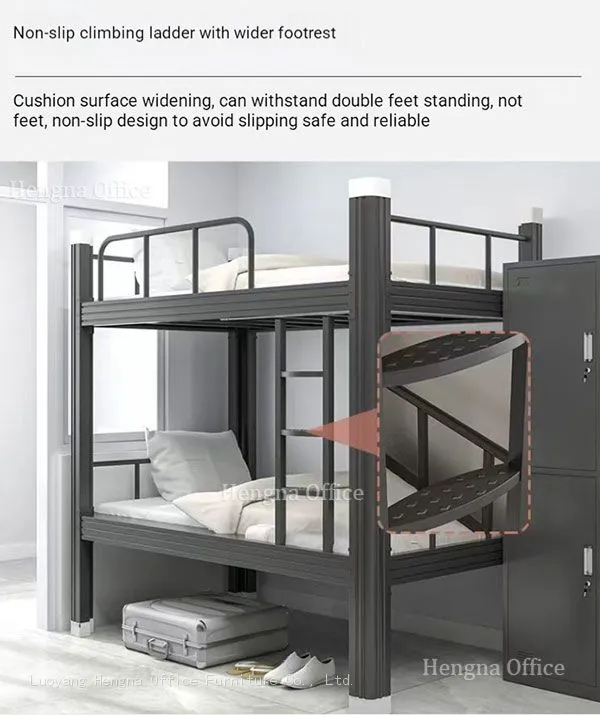
Annual inspection of weld points and connections
Touch-up painting every 3-5 years
Bolt tightening (if applicable) semi-annually
Cleaning with standard commercial disinfectants
Wood Bunk Bed Maintenance:
Monthly inspection for loose joints and cracks
Quarterly sanding and refinishing in high-use areas
Monthly tightening of screws and bolts
Specialized wood cleaners and conditioners
Pest prevention treatments
Safety and Compliance: The Non-Negotiable Factors
Commercial Safety Standards Comparison
When it comes to commercial applications, safety compliance isn’t optional—it’s mandatory:
| Safety Factor | Metal Bunk Beds | Wood Bunk Beds | Commercial Advantage |
|---|---|---|---|
| Fire Resistance | Class A rating | Class B-C rating | Superior fire safety |
| Weight Testing | 500+ lbs standard | 300-350 lbs typical | Higher safety margins |
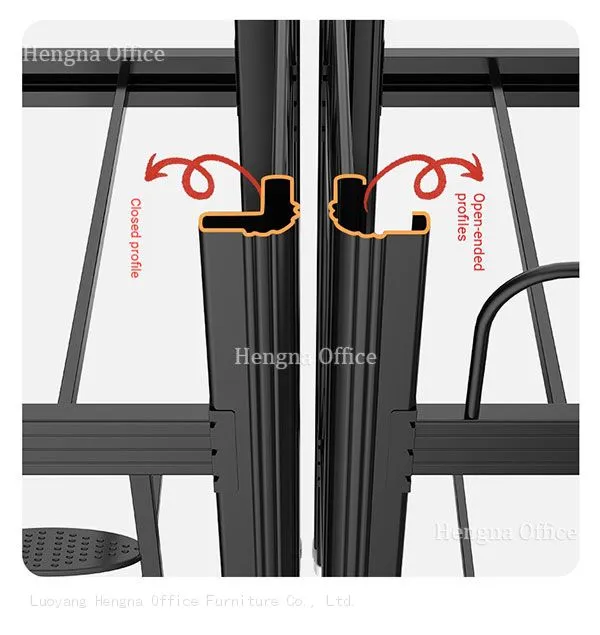
| Joint Stability | Welded permanent | Mechanical fasteners | 40% fewer failure points |
| Insurance Premiums | 15-25% lower | Standard rates | Significant cost savings |
| Liability Risk | Low | Medium-High | Reduced legal exposure |
Industry-Specific Performance Data
Different commercial sectors report varying experiences with material durability:
Student Housing:
Metal: 92% report satisfaction after 5 years
Wood: 67% report satisfaction after 5 years
Replacement rate: Metal 8% vs Wood 35% over 5 years
Military/Government:
Metal: 95% still in service after 10 years
Wood: Typically replaced after 6-7 years
Maintenance cost difference: Metal 70% lower
Hospitality/Hostels:
Metal: 88% guest satisfaction rating
Wood: 72% guest satisfaction rating
Return rate due to complaints: Metal 5% vs Wood 22%
The Environmental Sustainability Question
Lifecycle Environmental Impact
Contrary to common assumptions, metal bunk beds often demonstrate superior environmental performance:
Metal Bunk Bed Environmental Benefits:
85% recycled content in most commercial-grade steel
100% recyclable at end-of-life
Longer lifespan reduces manufacturing frequency
Lower energy consumption in maintenance
No chemical treatments or preservatives required
Wood Bunk Bed Environmental Considerations:
Harvesting impacts on forest resources
Chemical treatments for pest resistance
More frequent replacement increases manufacturing footprint
Limited recyclability at end-of-life
Potential for formaldehyde emissions from engineered woods
Making the Right Choice for Your Commercial Application
Decision Matrix for Commercial Buyers
| Application Type | Recommended Material | Key Considerations |
|---|---|---|
| Student Housing | Metal | High turnover, durability, low maintenance |
| Military Barracks | Metal | Extreme use, rapid deployment, safety |
| Healthcare Facilities | Metal | Sanitation requirements, fire safety |
| Luxury Hostels | Metal (premium finish) | Durability with aesthetic appeal |
| Temporary Housing | Metal | Easy assembly, transport efficiency |
| Historic Properties | Wood (if required) | Aesthetic compliance, higher maintenance |
Frequently Asked Commercial Questions
Q1: Do metal bunk beds really last twice as long as wood in commercial settings?
A: Yes, commercial data consistently shows metal bunk beds lasting 10-15 years compared to 5-8 years for wood alternatives. The difference stems from metal’s resistance to environmental factors, pest damage, and structural fatigue under commercial use patterns. Facilities report replacement rates for wood bunk beds 3-4 times higher than metal equivalents.
Q2: How do metal bunk beds perform in terms of noise compared to wood options?
A: Modern commercial metal bunk beds feature advanced noise-dampening technology including rubberized joints, precision welding, and vibration isolation systems. Premium models actually outperform wood in noise reduction, with commercial users reporting 40% fewer noise complaints compared to traditional wood bunk beds.
Q3: What’s the return on investment timeline for choosing metal over wood bunk beds?
A: Most commercial facilities see complete ROI recovery within 18-24 months when choosing metal over wood bunk beds. The calculation includes reduced maintenance costs (65-80% lower), eliminated replacement expenses, and decreased downtime. Over a 10-year period, metal bunk beds typically deliver 300-400% better return on investment.
The Commercial Verdict: Durability Wins
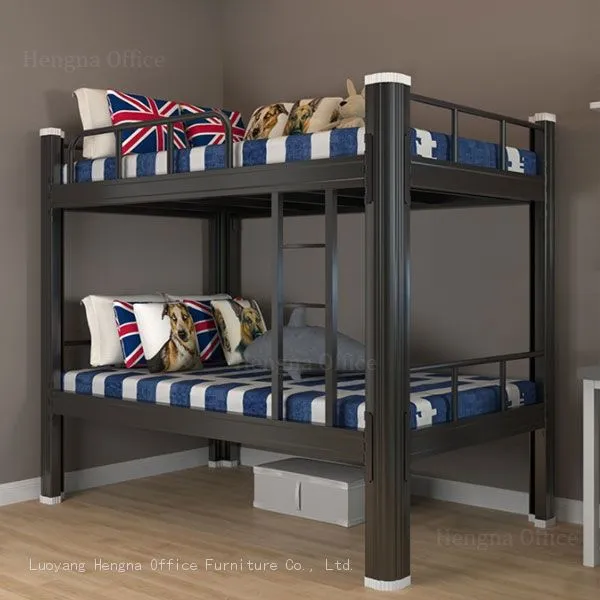
When evaluating bunk beds for commercial use in 2026, the durability equation clearly favors metal construction. While wood may offer aesthetic appeal in specific applications, the total cost of ownership, safety compliance, and longevity advantages make metal bunk beds the superior choice for virtually all commercial environments.
Recently Posted
-
Stainless Steel Shelving for Breweries and Wineries — What Survives Humidity, Alcohol Spills
July 24, 2026Stainless Steel Shelving for Breweries and Wineries — What Survives Humidity, Alcohol Spills, and Sanitizer Washdowns Three t Read More
 -
Stainless Steel Shelving for Meat Processing Plants — What Holds Up Against Blood, Fat, and Daily Wa
July 24, 2026Meat plants are brutal on shelvingIf you work in a meat processing plant, you already know this. The rack that looked fine s Read More
 -
0.6mm Steel Wardrobe vs 0.4mm — Why Cold-Rolled Single Door Metal Closet Lasts Longer
July 10, 2026The 0.2mm That Decides Whether You Buy One Wardrobe or ThreeTwo wardrobes look identical on a supplier's photo. Same door, sam Read More
 -
Heavy Duty Tool Cabinet with Locks for School Shop: Stop Tool Theft Before It Happens
July 9, 2026A vocational school workshop isn't like a factory floor. The tools aren't being used by seasoned machinists who know where Read More

Contact Us
Recommended Products
-
 Industrial-Grade ABS Plastic Locker for Factory Staff and Warehouse Workers|Hengna OfficeUS$ 19 - 100MOQ: 5 Sets
 -
Outdoor ABS Locker Cabinet – UV-Resistant Plastic Storage for Poolside or Beach Resorts-Hengna OfficeUS$ 19 - 100MOQ: 5 Sets
-
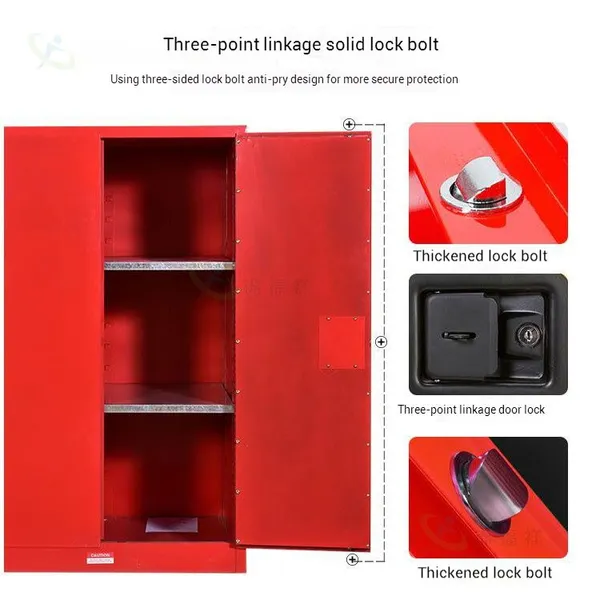
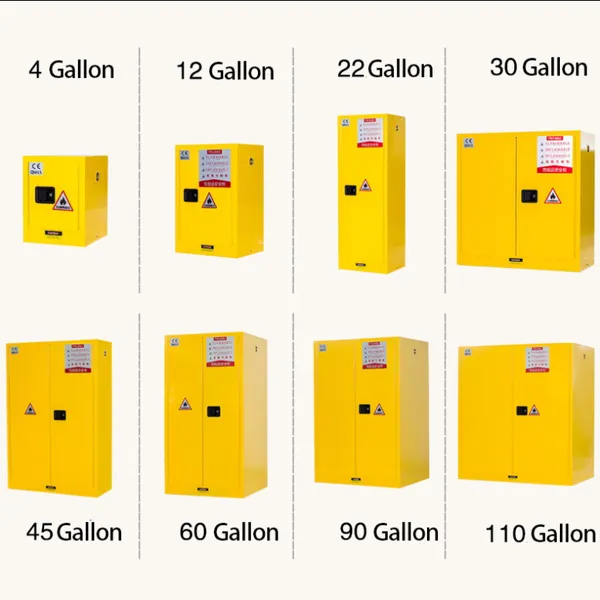
45 Gallon Explosion-Proof Flammable Liquid Storage Cabinet – Fire-Resistant Steel Safety Cabinet for FactoriesUS$ 68 - 400MOQ: 2 Combos
-
Flammable Storage Cabinet for Flammable Liquids – OSHA Certified Safety Cabinet With Fireproof Double WallsUS$ 68 - 400MOQ: 2 Combos
-
Large Capacity Flammable Liquid Storage Cabinet – Explosion-Proof Safety Cabinet for Laboratory & Workshop UseUS$ 68 - 400MOQ: 2 Combos

-
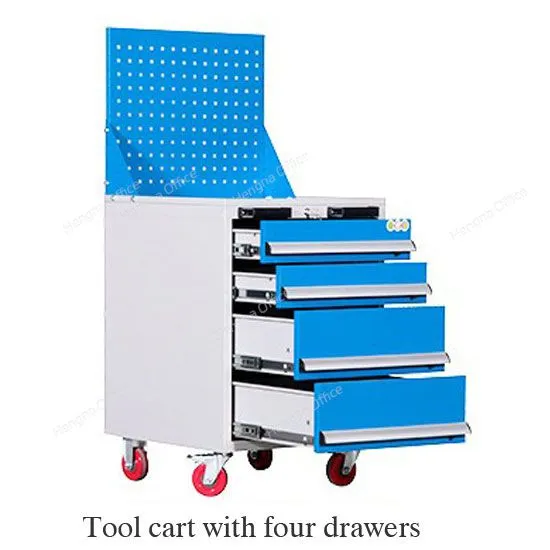
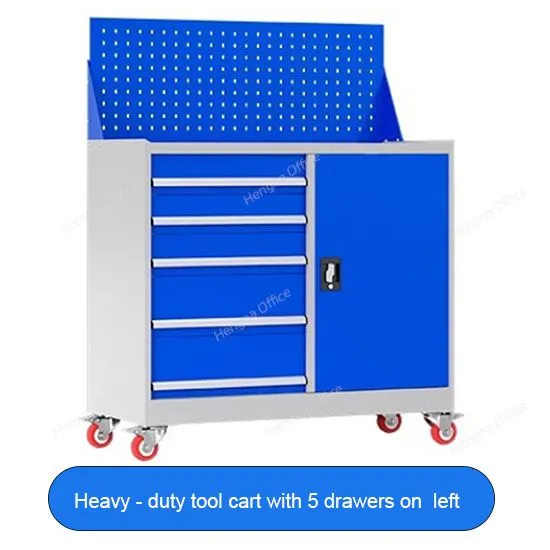
Heavy Duty Steel Tool Cart With Drawers for Workshops|Hengna OfficeUS$ 99 - 269MOQ: 2 Cases
-
Wholesale 3-Drawer Tool Trolley With Wheels for Factory and Garage StorageUS$ 99 - 269MOQ: 2 Cases
-
HN-wlj160 Industrial Rolling Tool Organizer With Pegboard|All-in-One Mobile Tool Storage CartUS$ 5 - 120MOQ: 2 Cases
-
White Stackable Pathology Wax Block Storage Drawers for Labs Near London-Hengna OfficeNegotiableMOQ: 10 Pieces
-
Custom Paraffin Block Storage Cabinet for Histology Laboratories – Factory Direct From Hengna FurnitureNegotiableMOQ: 10 Pieces
-
Smart Phone Charging Locker 40-door|Fingerprint Lockers Intelligent Parcel Delivery CabinetUS$ 203 - 750MOQ: 15 Pieces
-
School Gym Lockers Price |Parcel Delivery Storage Locker 12-door FactoryUS$ 203 - 750MOQ: 15 Pieces
-
Multi Metal Work Benches Electrical Workshop Workbench|US$ 300 - 800MOQ: 2 Cases
-
Commercial Workbench Supplier |Multi Metal Work Bench With Drawers OMDUS$ 300 - 800MOQ: 2 Cases
-
Pathological Ection Cabinet JTGZ062 Wax Block Cabinet for LaboratoryNegotiableMOQ: 10 Pieces
-
Durable Tool Storage in Factory HNGJ703 Hard Wearing Metal Industrial Tool ChestNegotiableMOQ: 18 Pieces
-
High - Quality CNC Workshop Tool Cabinet Heavyweight Workshop Tool OrganizerNegotiableMOQ: 10 Pieces
-
Laboratory Polyethylene Acid and Corrosive Chemicals Safety Storage PP CabinetUS$ 340 - 600MOQ: 5 Combos
-
22 Gallons /80 L PP Acid - Base Cabinet: Safeguard Chemical Storage Supplier OEMUS$ 500 - 600MOQ: 5 Combos
-
4 - Gallon Corrosion-resistant Safety Cabinet for Hazardous Chemicals Acid SupplierUS$ 340 - 500MOQ: 5 Combos