
 Business License

What is the Most Durable Material for Heavy-Duty Janitorial Storage Cabinets?
In the world of facility management, durability isn't just a buzzword—it’s a financial strategy. Whether you are managing a hospital, a hotel, or an industrial warehouse, your equipment needs to survive daily abuse.
One of the most frequently asked questions by procurement managers is: "What is the most durable material for a heavy-duty janitorial storage cabinet?"
With options ranging from high-end 304 stainless steel to budget-friendly plastic, the answer depends on whether you are looking for a quick fix or a decade-long investment. In this guide, we will analyze the materials available on the market and explain why Cold Rolled Steel (CRS) has emerged as the "Goldilocks" solution for B2B buyers.
1. Short-Term vs. Long-Term: The Durability Reality Check
When you buy a cleaning cabinet, you aren't just buying a box; you are buying a home for corrosive chemicals, wet mops, and heavy equipment. Let's look at how materials perform over time.
The Short-Term View (0–12 Months)
Plastic (HDPE/PP): Initially attractive because it is lightweight and immune to rust. However, within months, plastic shelves often begin to "creep" or sag under the weight of heavy liquid cleaners.
General Steel (Hot Rolled): Looks strong on day one. But because the surface is porous, the paint begins to flake, and small rust spots appear if the cabinet is kept in a damp janitor’s closet.
201 Stainless Steel: Offers a premium metallic look at a lower price than 304. It performs well initially but can develop "pitting" (small holes) when exposed to bleach or high humidity.
The Long-Term View (3–10+ Years)
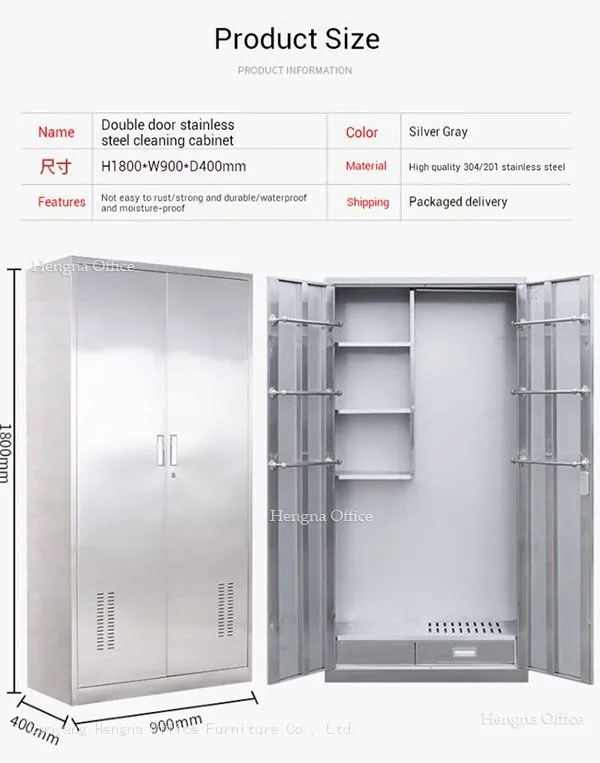
304 Stainless Steel: The undisputed king of longevity. It is virtually indestructible and rust-proof. However, for most facilities, the initial cost is 3–4 times higher than other materials, making it a difficult pill to swallow for bulk procurement.
Cold Rolled Steel (CRS): This is where durability meets value. Because CRS is processed at room temperature, the metal is denser and stronger than hot-rolled steel. When finished with a high-quality powder coating, it resists scratches and corrosion for years, maintaining its structural integrity without the "premium" price tag of 304 stainless steel.
2. Material Comparison Chart
To help you visualize the trade-offs, here is a breakdown of how the most common materials stack up:
| Material | Structural Strength | Chemical Resistance | Expected Lifespan | Price Point |
| 304 Stainless Steel | Excellent | Exceptional | 20+ Years | Very High |
| 201 Stainless Steel | High | Moderate | 5–8 Years | High |
| Cold Rolled Steel | Very High | High (Powder Coated) | 10–15 Years | Moderate |
| General Steel | Moderate | Low | 2–4 Years | Low |
| Plastic | Low | Good | 1–3 Years | Very Low |
3. Why Cold Rolled Steel is the Professional Choice
If 304 Stainless Steel is the "best," why do most industrial and commercial buyers choose Cold Rolled Steel (CRS)? It comes down to Practical Durability.
Superior Load-Bearing Capacity
In a heavy-duty environment, a cabinet must hold multiple 5-gallon buckets of floor wax and heavy-duty vacuum attachments. Cold rolled steel has a much higher yield strength than plastic. Our CRS cabinets are designed to support heavy loads without the shelves buckling or the frame warping.
The Power of the Powder Coating
Unlike general steel, cold rolled steel has a smooth, oily-free surface that allows electrostatic powder coating to bond perfectly. This creates a hard "skin" that is:
Scratch-resistant: Vital when metal mop handles are constantly being tossed inside.
Chemical-resistant: Protects the steel from the fumes of acidic or alkaline cleaning agents.
Precision Engineering (KD Structure)
Because CRS is manufactured to very tight tolerances, it is the perfect material for Knock-Down (KD) structures. Unlike plastic parts that might warp and not fit together, CRS panels snap together with precision, ensuring that a disassembled cabinet is just as strong as a welded one once built.
4. The Procurement Strategy: Price, Shipping, and Installation
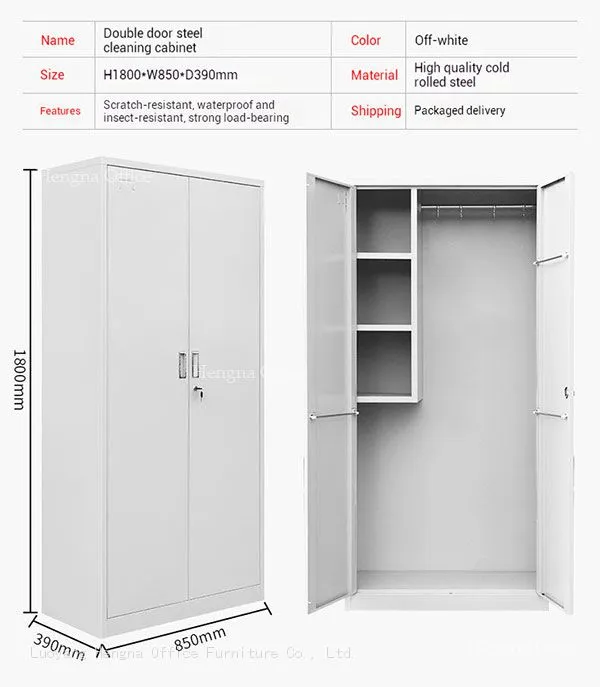
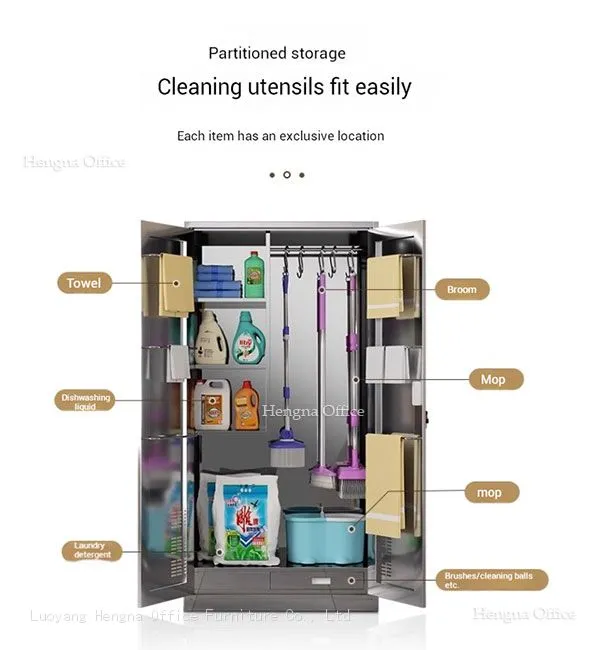
For a B2B buyer, "durability" also includes the durability of your budget. Buying the most expensive material isn't always the smartest move.
The Shipping Factor
A 304 stainless steel cabinet is usually shipped fully welded. You are essentially paying to ship "air."
Our Cold Rolled Steel Cabinets utilize a Flat-Pack (KD) design. This allows you to:
Reduce Freight Costs: Fit 3x more units in a container.
Ease of Installation: Move the boxes through narrow hospital hallways or service elevators before assembling them on-site.
The "Smart Buy" Recommendation
If you are managing a facility where hygiene is critical (like an operating room), go with 304 Stainless Steel.
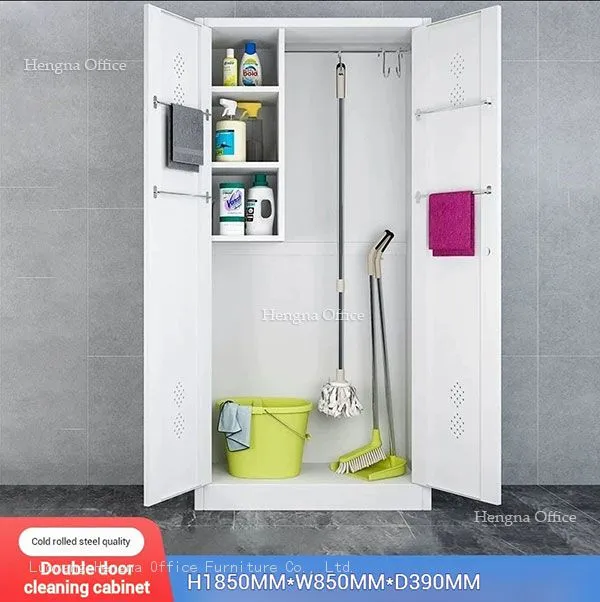
However, for 95% of commercial applications—offices, schools, warehouses, and hotel housekeeping—Cold Rolled Steel is the most durable material relative to its cost. It provides the fire safety and strength of metal while remaining affordable for large-scale rollouts.
5. Invest in Steel, Not Replacements
When you choose a heavy-duty janitorial storage cabinet, avoid the "low-price trap" of plastic or the "over-spec trap" of 304 stainless steel.
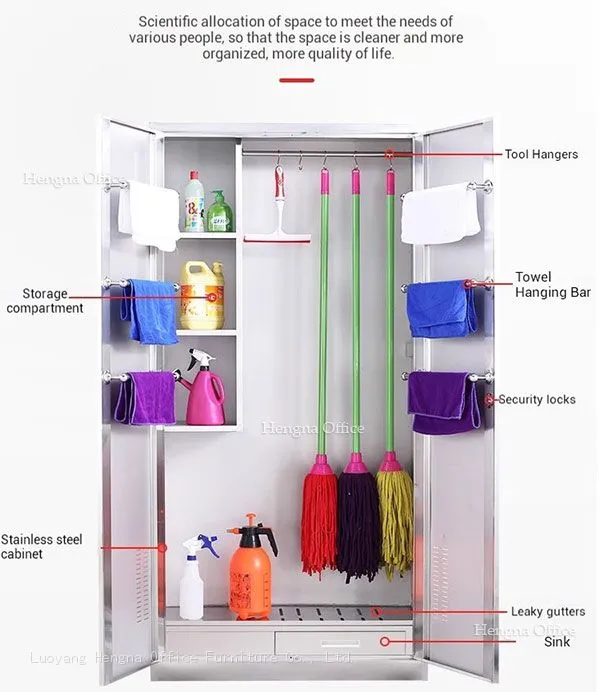
Cold Rolled Steel offers the perfect balance. It is a material that understands the rigors of the cleaning industry—providing a secure, ventilated, and rust-resistant home for your facility's most important tools.
Recently Posted
-
Louvered Panel vs Round Hole Pegboard — Which Tool Wall Holds Hooks and Bins Together?
August 31, 2026Louvered Panel vs Round Hole Pegboard — Which Tool Wall Holds Hooks and Bins Together?Short answer: if you only hang tools, round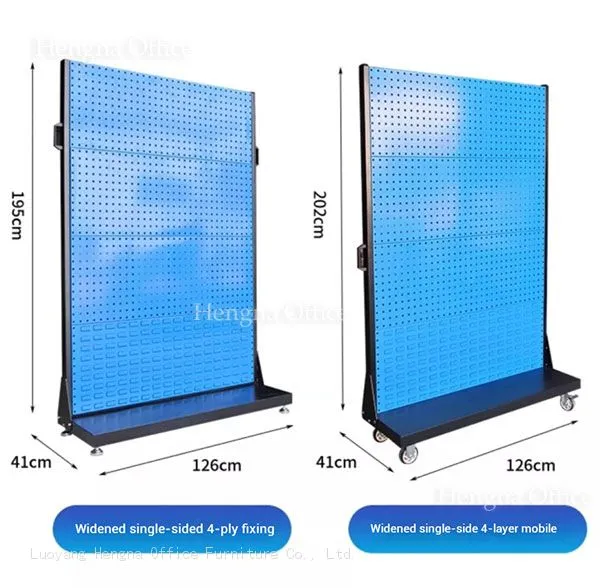 Read More
 -
Welded vs Boltless Steel Shelving — Looks Strong at the Factory, Falls Apart at the Port
August 7, 2026Welded vs Boltless Steel Shelving — Looks Strong at the Factory, Falls Apart at the PortHere's a story every steel shelving im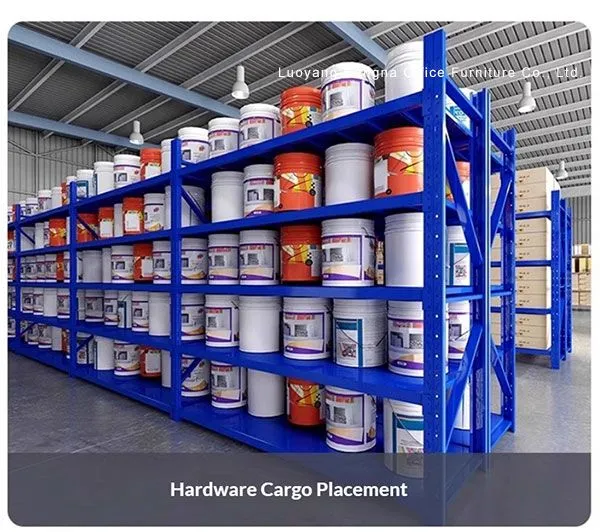 Read More
 -
You Asked a Steel Shelving Supplier for a Price. Here's What You Should Have Asked First.
August 7, 2026You found a steel shelving supplier. Their listing looks clean. You sent the message every first-time importer sends: "What&#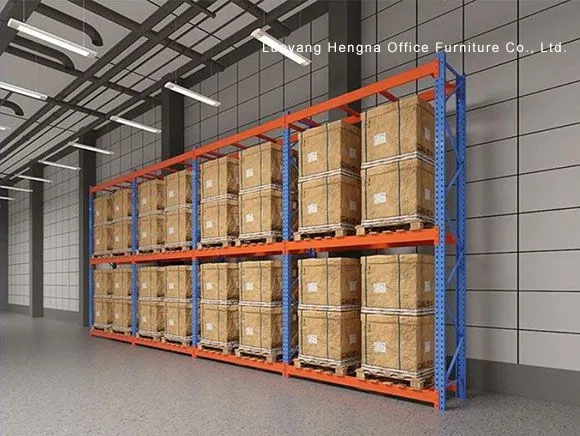 Read More
 -
Heavy Duty Steel Workbench for Auto Repair — Cold Rolled Frame vs What Most Garages Use
August 5, 2026Mike has been running his independent garage for eleven years. Three bays, two mechanics, a steady stream of brake jobs and transm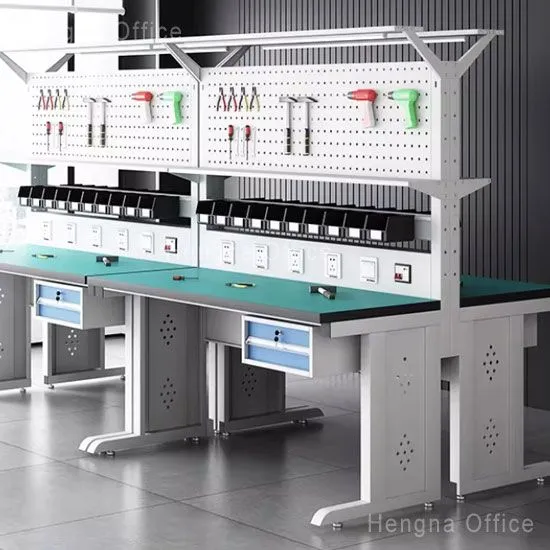 Read More

Contact Us
Recommended Products
-
 Industrial-Grade ABS Plastic Locker for Factory Staff and Warehouse Workers|Hengna OfficeUS$ 19 - 100MOQ: 5 Sets
 -
Outdoor ABS Locker Cabinet – UV-Resistant Plastic Storage for Poolside or Beach Resorts-Hengna OfficeUS$ 19 - 100MOQ: 5 Sets
-
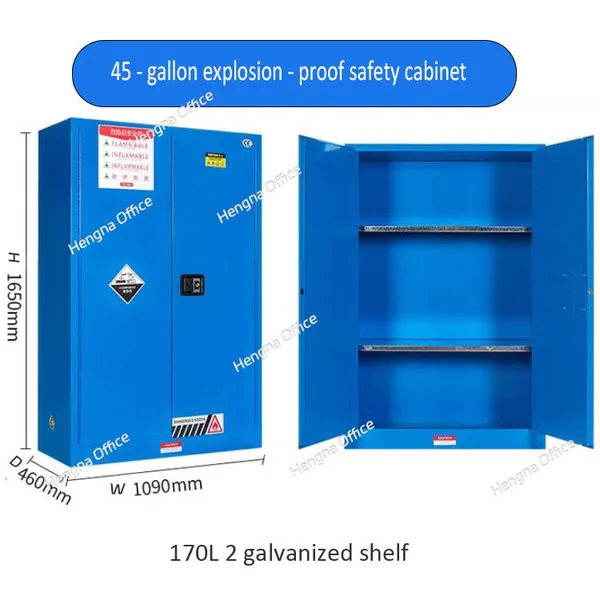
45 Gallon Explosion-Proof Flammable Liquid Storage Cabinet – Fire-Resistant Steel Safety Cabinet for FactoriesUS$ 68 - 400MOQ: 2 Combos
-
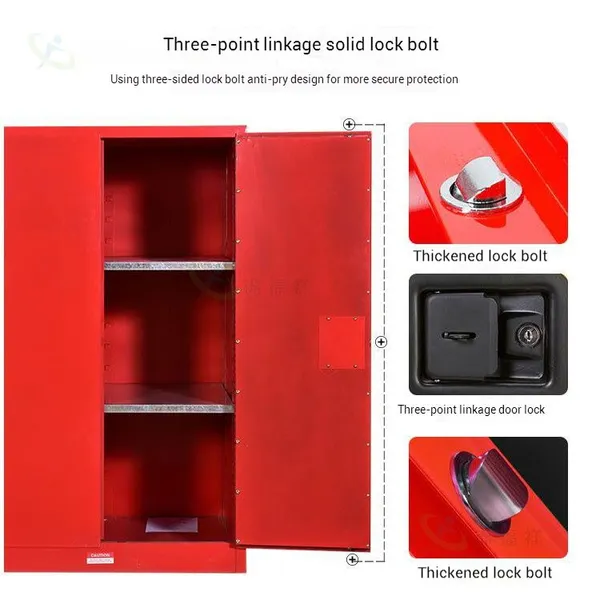
Flammable Storage Cabinet for Flammable Liquids – OSHA Certified Safety Cabinet With Fireproof Double WallsUS$ 68 - 400MOQ: 2 Combos
-
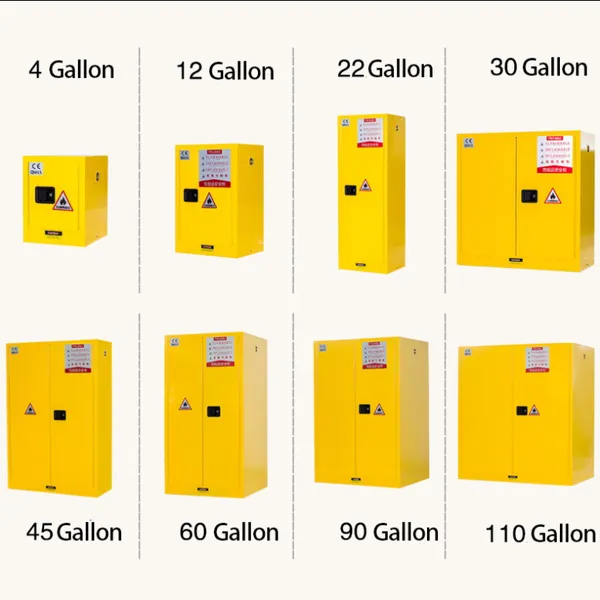
Large Capacity Flammable Liquid Storage Cabinet – Explosion-Proof Safety Cabinet for Laboratory & Workshop UseUS$ 68 - 400MOQ: 2 Combos
-
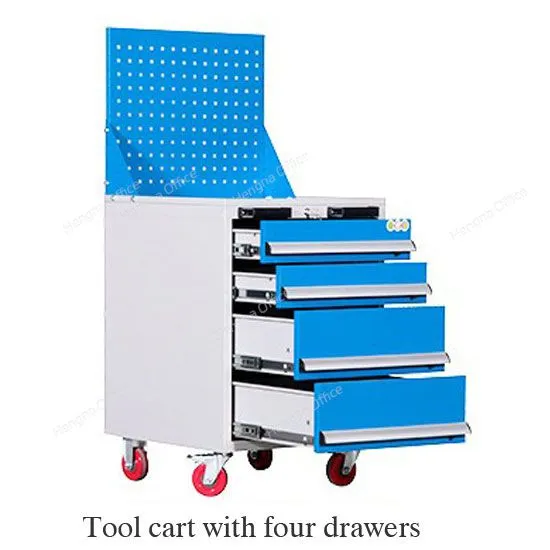
Heavy Duty Steel Tool Cart With Drawers for Workshops|Hengna OfficeUS$ 99 - 269MOQ: 2 Cases
-
Wholesale 3-Drawer Tool Trolley With Wheels for Factory and Garage StorageUS$ 99 - 269MOQ: 2 Cases
-
HN-wlj160 Industrial Rolling Tool Organizer With Pegboard|All-in-One Mobile Tool Storage CartUS$ 5 - 120MOQ: 2 Cases
-
White Stackable Pathology Wax Block Storage Drawers for Labs Near London-Hengna OfficeNegotiableMOQ: 10 Pieces
-
Custom Paraffin Block Storage Cabinet for Histology Laboratories – Factory Direct From Hengna FurnitureNegotiableMOQ: 10 Pieces
-
Smart Phone Charging Locker 40-door|Fingerprint Lockers Intelligent Parcel Delivery CabinetUS$ 203 - 750MOQ: 15 Pieces
-
School Gym Lockers Price |Parcel Delivery Storage Locker 12-door FactoryUS$ 203 - 750MOQ: 15 Pieces
-
Multi Metal Work Benches Electrical Workshop Workbench|US$ 300 - 800MOQ: 2 Cases
-
Commercial Workbench Supplier |Multi Metal Work Bench With Drawers OMDUS$ 300 - 800MOQ: 2 Cases
-
Pathological Ection Cabinet JTGZ062 Wax Block Cabinet for LaboratoryNegotiableMOQ: 10 Pieces
-
Durable Tool Storage in Factory HNGJ703 Hard Wearing Metal Industrial Tool ChestNegotiableMOQ: 18 Pieces
-
High - Quality CNC Workshop Tool Cabinet Heavyweight Workshop Tool OrganizerNegotiableMOQ: 10 Pieces
-
Laboratory Polyethylene Acid and Corrosive Chemicals Safety Storage PP CabinetUS$ 340 - 600MOQ: 5 Combos
-
22 Gallons /80 L PP Acid - Base Cabinet: Safeguard Chemical Storage Supplier OEMUS$ 500 - 600MOQ: 5 Combos
-
4 - Gallon Corrosion-resistant Safety Cabinet for Hazardous Chemicals Acid SupplierUS$ 340 - 500MOQ: 5 Combos