
 Business License

How to Choose the Right Janitorial Cabinet for Large-Scale Hospital Facilities near Canada?
In the healthcare industry, hygiene isn’t just a preference—it’s a regulated necessity. For large-scale hospital facilities in Canada and the Northern United States, maintaining a sterile environment requires a rigorous housekeeping protocol. However, one often overlooked element in this protocol is the Janitorial Cabinet (also known as a Janitor Locker or Cleaning Supply Closet).
Where do you store corrosive chemicals, damp mops, and heavy-duty disinfectants? Choosing the wrong material can lead to rust, bacterial growth, or frequent replacement costs.
In this guide, we will compare the most common materials on the market—304 Stainless Steel, 201 Stainless Steel, General Steel, Cold Rolled Steel (CRS), and Plastic—to help you find the most cost-effective and durable solution for your medical facility.
1. Material Comparison: Which is Best for a Hospital Environment?
Hospitals have unique challenges: high humidity, frequent exposure to cleaning chemicals, and the need for fire-resistant furniture. Let’s break down how different materials perform.
The Comparison Table: Janitorial Cabinet Materials
| Material | Durability | Rust Resistance | Fire Safety | Cost-Effectiveness | Best Use Case |
| 304 Stainless Steel | Extreme | Excellent | High | Low (Very Expensive) | Operating Rooms / Labs |
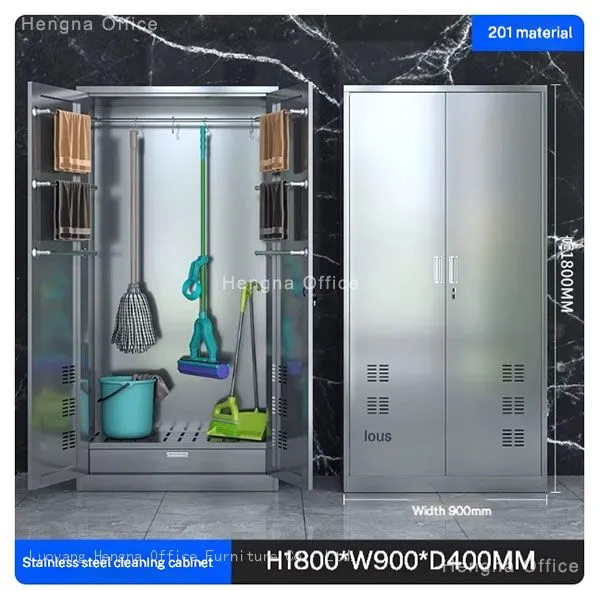
| 201 Stainless Steel | High | Moderate | High | Medium | Kitchens / General Areas |
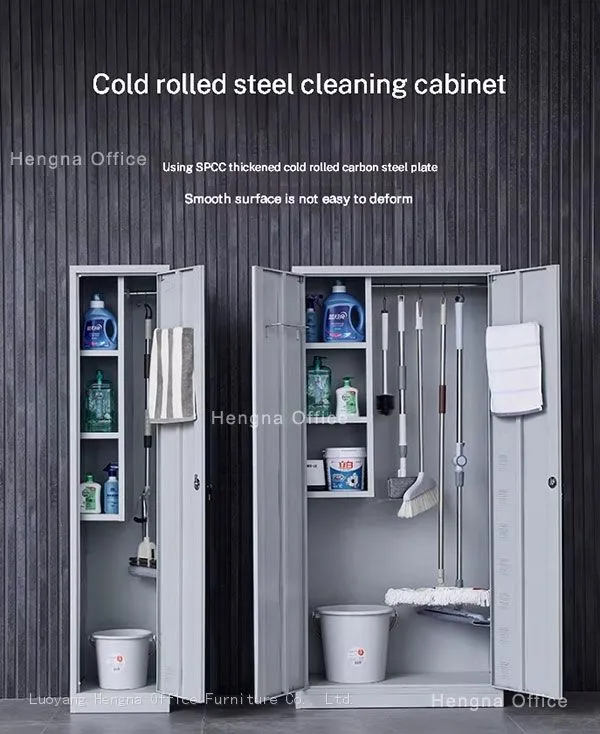
| Cold Rolled Steel (CRS) | High | High (if coated) | High | Excellent | Large-Scale Hospitals |
| General/Hot Steel | Moderate | Low | High | High | Dry Warehouses only |
| Plastic (HDPE) | Low | Excellent | Low | Medium | Small Clinics / Home use |
2. Deep Dive: Why Material Choice Matters
The "Gold Standard": 304 Stainless Steel
304 Stainless Steel is the ultimate anti-corrosive material. It is non-porous and resists the harshest medical-grade disinfectants. However, for a large-scale hospital with hundreds of janitorial stations, the cost of 304 steel is often prohibitive for general storage.
The Risk: 201 Stainless Steel & General Steel
Many buyers choose 201 Stainless Steel thinking it’s the same as 304. In the humid Canadian climate or near coastal areas, 201 steel can still develop "tea staining" or surface rust. General steel (hot rolled) is even worse; it is prone to denting and rapid oxidation once the paint chips.
The Hero: Cold Rolled Steel (CRS) with Powder Coating
For 90% of hospital housekeeping needs, Cold Rolled Steel is the superior choice. Unlike hot-rolled steel, CRS undergoes a cooling process at room temperature, resulting in:
Higher Strength: It won't dent under the weight of heavy industrial floor waxes.
Smooth Surface: Essential for a high-quality powder-coated finish that seals the metal against moisture and chemicals.
Precision: CRS allows for tighter joints and better-fitting doors, preventing pests from entering the cabinet.
3. Why Large-Scale Canadian Hospitals Prefer KD (Knock-Down) Structures
If you are a procurement manager near Toronto, Vancouver, or Montreal, you know that shipping costs for bulky furniture are skyrocketing. This is where the Knock-Down (KD) Structure becomes a game-changer for B2B buyers.
The Logistics Advantage
Traditional welded cabinets are "shipping air." A single welded cabinet takes up massive container space.
50% Shipping Savings: Our KD Janitorial Cabinets are flat-packed. You can fit 2-3 times more units in a single shipment compared to welded versions.
Easy On-Site Assembly: Modern KD designs feature intuitive interlocking systems. A maintenance team can assemble a unit in under 15 minutes.
4. Must-Have Features for Hospital Cleaning Cabinets
When evaluating a High-Capacity Janitorial Organizer, look for these hospital-specific details:
A. Ventilation Systems
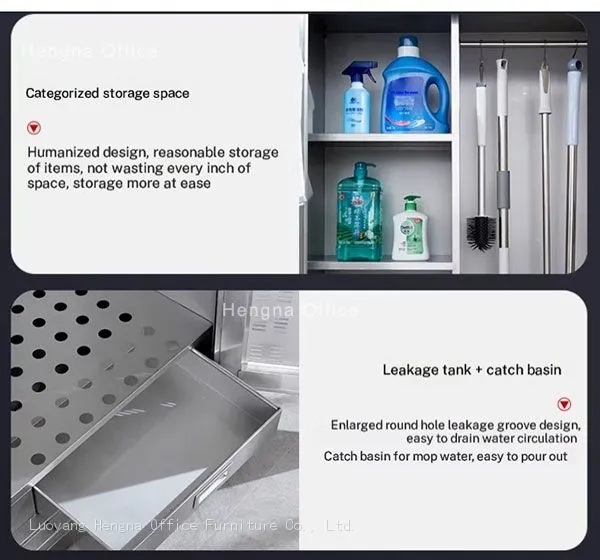
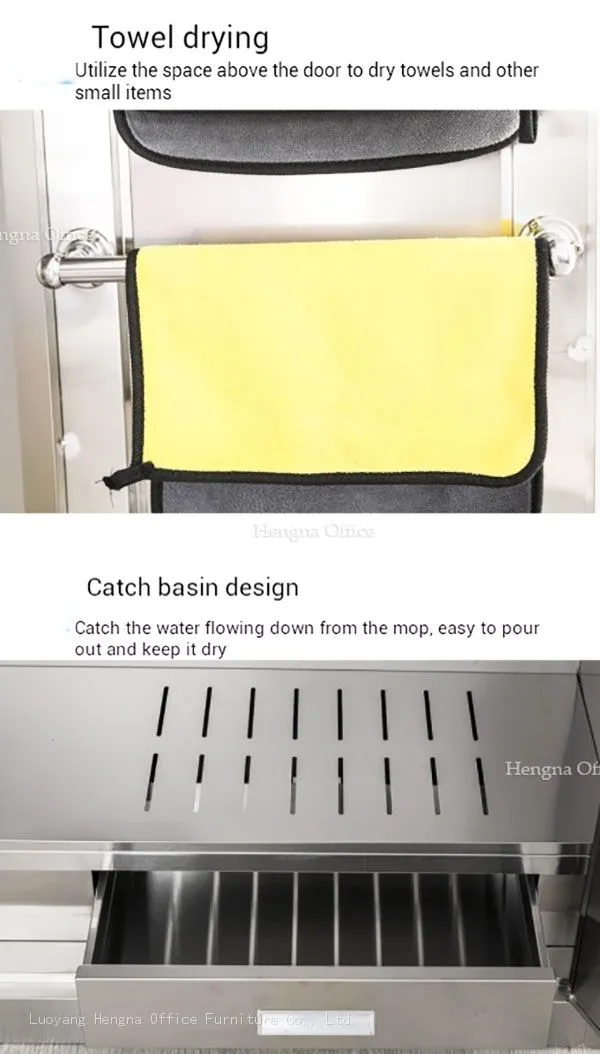
Storing damp mops in a sealed box leads to mold. Look for cabinets with integrated louvered vents or "breathable holes" to ensure airflow and prevent odors.
B. Integrated Drainage (The Drip Tray)
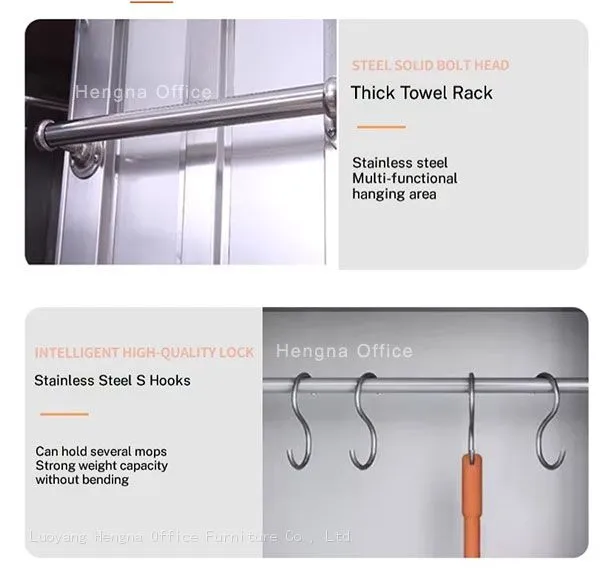
Wet mops are heavy. A high-quality cabinet should include a removable drip tray or a "leakage tank." This keeps the hospital floor dry and prevents the bottom of the steel cabinet from sitting in a pool of water, extending its lifespan.
C. Secure 3-Point Locking
Hospitals store hazardous cleaning chemicals. A 3-point locking system ensures that the top, middle, and bottom of the door are secured, keeping chemicals out of reach of patients and unauthorized personnel.
D. Ergonomic S-Hooks and Tool Holders
Instead of leaning brooms against the wall, S-type hooks allow tools to hang vertically. This prevents the deformation of broom bristles and allows mops to dry faster.
5. Making the Smart Investment
For large-scale hospital facilities near Canada, the goal is to balance long-term durability with budgetary reality.
While plastic is too flimsy and 304 stainless steel is often overkill for hallway storage, Powder-Coated Cold Rolled Steel provides the perfect middle ground. It offers the fire resistance required by hospital safety codes, the strength to handle industrial tools, and—when paired with a KD structure—the best ROI for your logistics budget.
Recently Posted
-
Stainless Steel Shelving for Breweries and Wineries — What Survives Humidity, Alcohol Spills
July 24, 2026Stainless Steel Shelving for Breweries and Wineries — What Survives Humidity, Alcohol Spills, and Sanitizer Washdowns Three t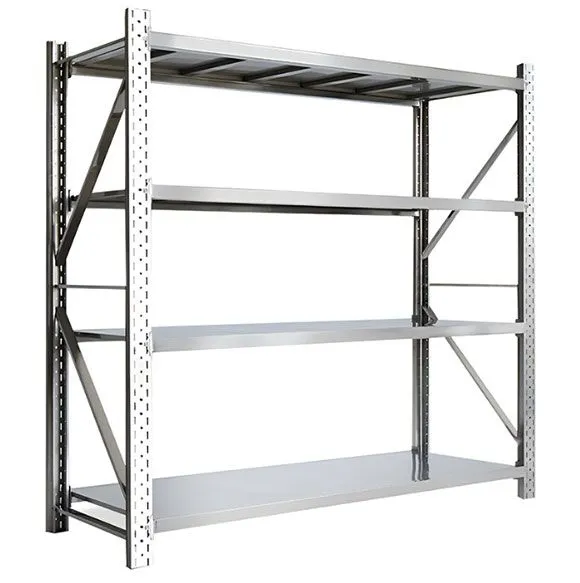 Read More
 -
Stainless Steel Shelving for Meat Processing Plants — What Holds Up Against Blood, Fat, and Daily Wa
July 24, 2026Meat plants are brutal on shelvingIf you work in a meat processing plant, you already know this. The rack that looked fine s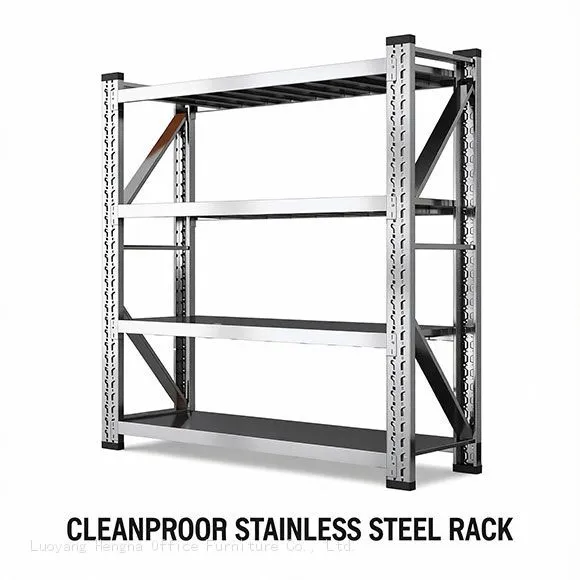 Read More
 -
0.6mm Steel Wardrobe vs 0.4mm — Why Cold-Rolled Single Door Metal Closet Lasts Longer
July 10, 2026The 0.2mm That Decides Whether You Buy One Wardrobe or ThreeTwo wardrobes look identical on a supplier's photo. Same door, sam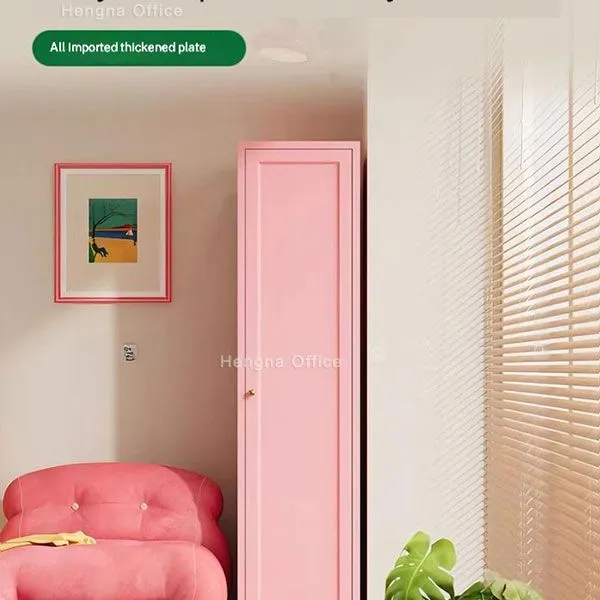 Read More
 -
Heavy Duty Tool Cabinet with Locks for School Shop: Stop Tool Theft Before It Happens
July 9, 2026A vocational school workshop isn't like a factory floor. The tools aren't being used by seasoned machinists who know where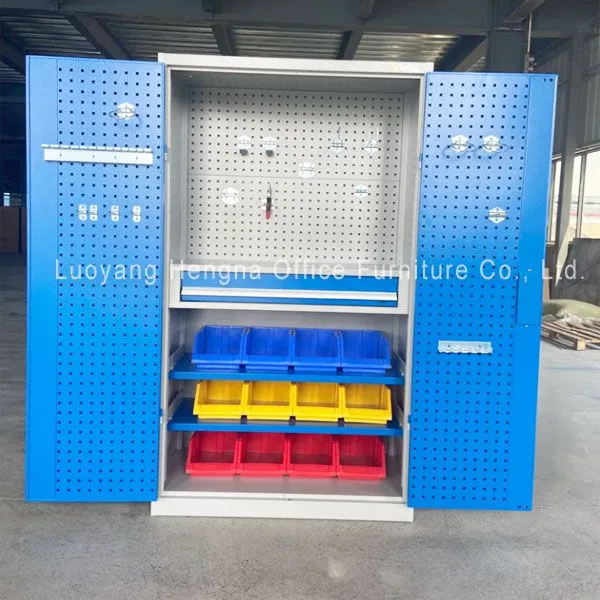 Read More

Contact Us
Recommended Products
-
 Industrial-Grade ABS Plastic Locker for Factory Staff and Warehouse Workers|Hengna OfficeUS$ 19 - 100MOQ: 5 Sets
 -
Outdoor ABS Locker Cabinet – UV-Resistant Plastic Storage for Poolside or Beach Resorts-Hengna OfficeUS$ 19 - 100MOQ: 5 Sets
-
45 Gallon Explosion-Proof Flammable Liquid Storage Cabinet – Fire-Resistant Steel Safety Cabinet for FactoriesUS$ 68 - 400MOQ: 2 Combos
-
Flammable Storage Cabinet for Flammable Liquids – OSHA Certified Safety Cabinet With Fireproof Double WallsUS$ 68 - 400MOQ: 2 Combos
-
Large Capacity Flammable Liquid Storage Cabinet – Explosion-Proof Safety Cabinet for Laboratory & Workshop UseUS$ 68 - 400MOQ: 2 Combos
-
Heavy Duty Steel Tool Cart With Drawers for Workshops|Hengna OfficeUS$ 99 - 269MOQ: 2 Cases
-
Wholesale 3-Drawer Tool Trolley With Wheels for Factory and Garage StorageUS$ 99 - 269MOQ: 2 Cases
-
HN-wlj160 Industrial Rolling Tool Organizer With Pegboard|All-in-One Mobile Tool Storage CartUS$ 5 - 120MOQ: 2 Cases
-
White Stackable Pathology Wax Block Storage Drawers for Labs Near London-Hengna OfficeNegotiableMOQ: 10 Pieces
-
Custom Paraffin Block Storage Cabinet for Histology Laboratories – Factory Direct From Hengna FurnitureNegotiableMOQ: 10 Pieces
-
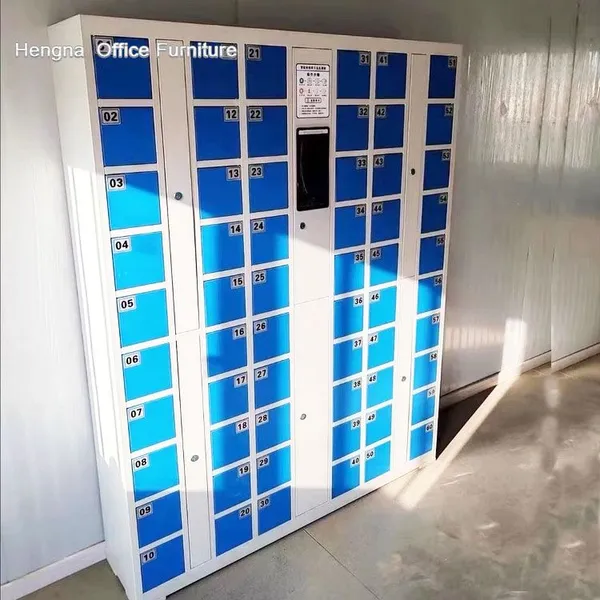
Smart Phone Charging Locker 40-door|Fingerprint Lockers Intelligent Parcel Delivery CabinetUS$ 203 - 750MOQ: 15 Pieces
-
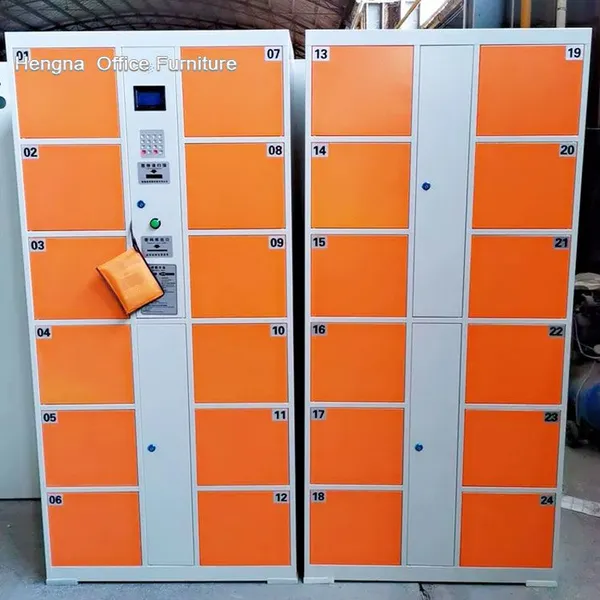
School Gym Lockers Price |Parcel Delivery Storage Locker 12-door FactoryUS$ 203 - 750MOQ: 15 Pieces
-
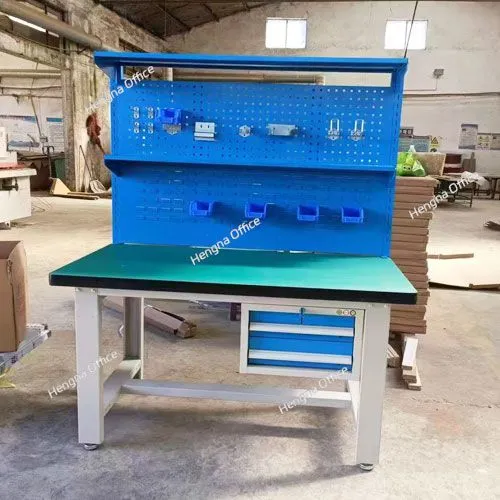
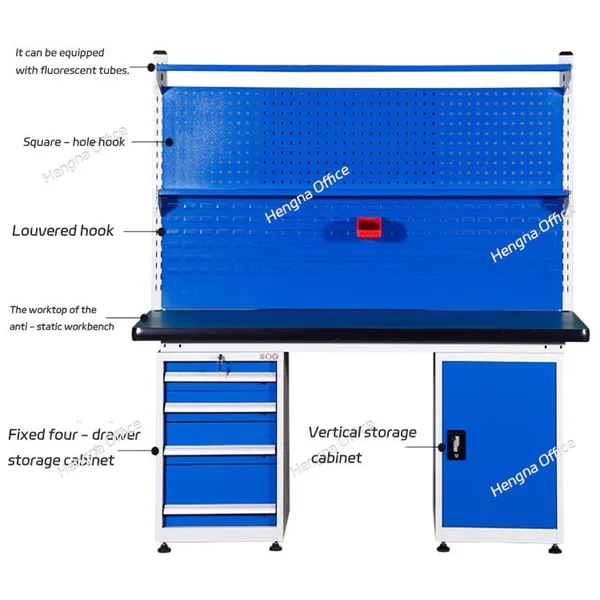
Multi Metal Work Benches Electrical Workshop Workbench|US$ 300 - 800MOQ: 2 Cases
-
Commercial Workbench Supplier |Multi Metal Work Bench With Drawers OMDUS$ 300 - 800MOQ: 2 Cases
-
Pathological Ection Cabinet JTGZ062 Wax Block Cabinet for LaboratoryNegotiableMOQ: 10 Pieces
-
Durable Tool Storage in Factory HNGJ703 Hard Wearing Metal Industrial Tool ChestNegotiableMOQ: 18 Pieces
-
High - Quality CNC Workshop Tool Cabinet Heavyweight Workshop Tool OrganizerNegotiableMOQ: 10 Pieces
-
Laboratory Polyethylene Acid and Corrosive Chemicals Safety Storage PP CabinetUS$ 340 - 600MOQ: 5 Combos
-
22 Gallons /80 L PP Acid - Base Cabinet: Safeguard Chemical Storage Supplier OEMUS$ 500 - 600MOQ: 5 Combos
-
4 - Gallon Corrosion-resistant Safety Cabinet for Hazardous Chemicals Acid SupplierUS$ 340 - 500MOQ: 5 Combos