
 Business License
Steel Gauge and Durability: How to Spot Quality in Chinese Mobile Shelving Factories
The Hidden Foundation of Storage
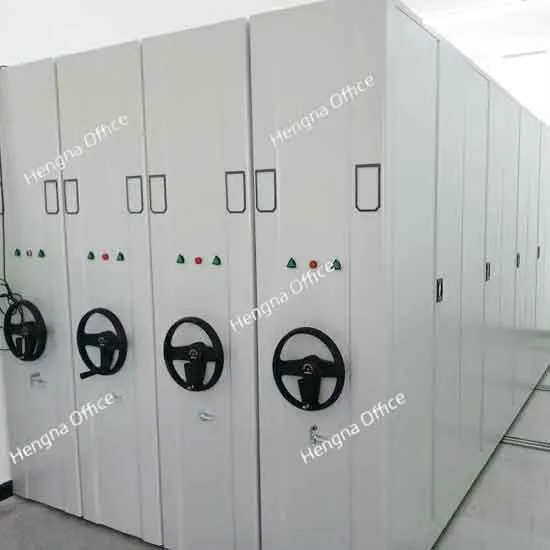
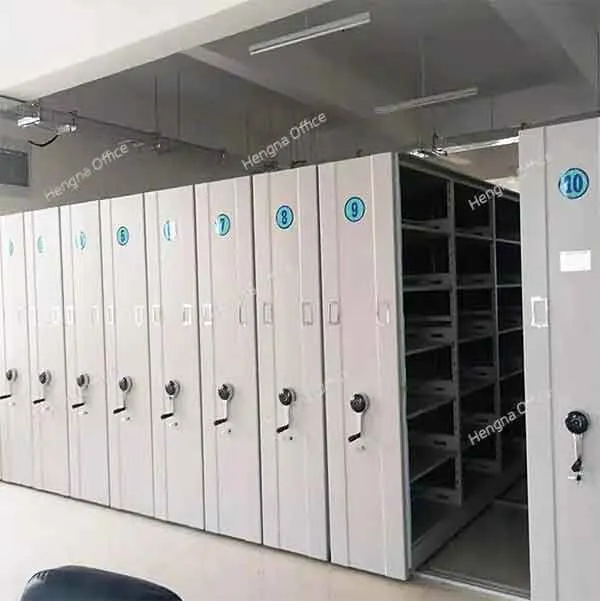
In the world of B2B procurement, "High-Density Mobile Shelving" often looks the same in catalog photos. They are all gray or white, they all have handles, and they all look sturdy. However, the true difference between a system that lasts 20 years and one that fails in 24 months lies in the Steel Gauge (thickness) and the grade of the raw material.
As a leading Chinese manufacturer, we believe in transparency. If you are sourcing from overseas, you need to know how to "read" the steel. This guide will teach you the technical markers of quality so you can audit your suppliers like a pro.
1. SPCC Cold Rolled Steel: The Industry Standard
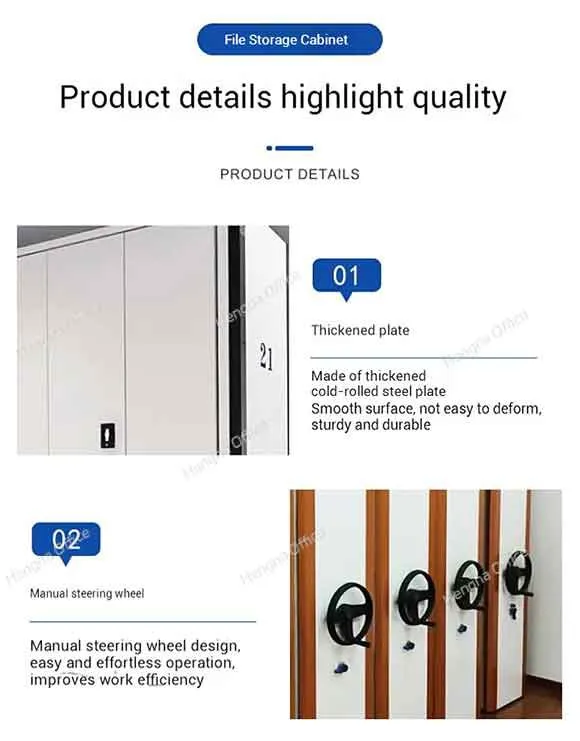
Not all steel is created equal. For high-density storage, we exclusively use SPCC (Steel Plate Cold Commercial). Unlike hot-rolled steel, cold-rolled steel has a smoother surface, higher dimensional accuracy, and superior strength.
Why it matters: It allows for precision punching of the modular holes, ensuring that when your mobile shelving is installed, every bolt fits perfectly. This prevents the "rattling" noise common in lower-quality systems.
2. The Truth About Steel Gauge (Thickness)
This is where most "budget" suppliers hide their profit margins. By reducing the thickness of the steel by just 0.2mm, a factory can save thousands on a large project—but at the cost of your safety.
The Factory-Standard Weight Distribution
A professional mobile shelving system is a "tiered" structure. Different parts require different thicknesses to handle the physical stress:
| Component | Standard Quality (B2B Grade) | "Budget" Warning Level | Purpose |
| Base Chassis | 3.0mm | 2.0mm or less | Carries the entire weight of the unit. |
| Upright Columns | 1.2mm - 1.5mm | 0.8mm | Prevents the system from leaning or swaying. |
| Shelves (Tiers) | 1.0mm - 1.2mm | 0.6mm | Prevents "shelf sag" under heavy files. |
| Hanging Panels | 1.0mm | 0.7mm | Structural integrity and organization. |
3. How to Spot "Fake" Thickness
Some suppliers will quote "1.2mm thickness" but they are referring to the thickness AFTER powder coating.
The Secret: Powder coating adds about 0.1mm to 0.15mm of thickness.
The Pro Tip: When talking to a factory, always specify "Pre-painted Thickness" or "Bare Metal Thickness." A high-quality supplier will appreciate your technical knowledge; a low-quality one will realize they can't trick you.
4. Reinforced Ribs: The Engineering Shortcut to Strength
Even with the right gauge, the design of the shelf matters. At our factory, we use a Triple-Bend Design with integrated Reinforced Ribs on the underside of each shelf.
The Benefit: A 1.0mm shelf with reinforced ribs can often support more weight (80kg+) than a 1.2mm flat shelf without them. It significantly reduces the "flex" when the shelf is fully loaded with heavy medical records or legal binders.
5. Surface Treatment: Beyond the Color
Quality isn't just about the metal; it's about the chemistry. Steel in a basement archive or a humid warehouse will oxidize if the coating is weak.
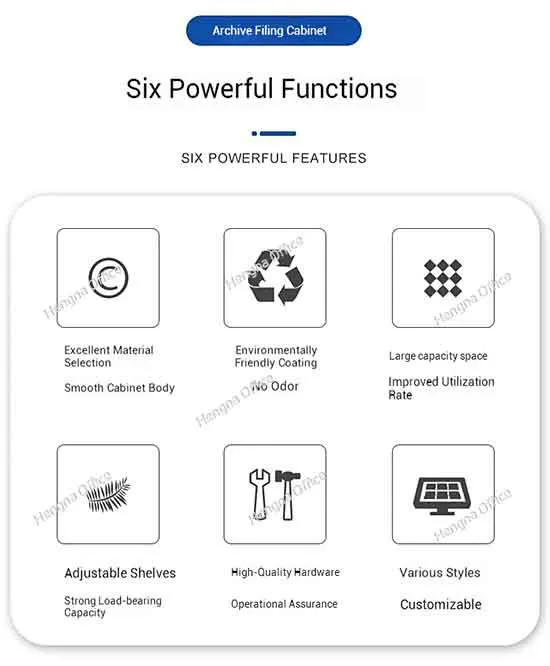
De-greasing & Phosphating: This is the most skipped step. It removes oil and creates a "etched" surface for the paint to grip.
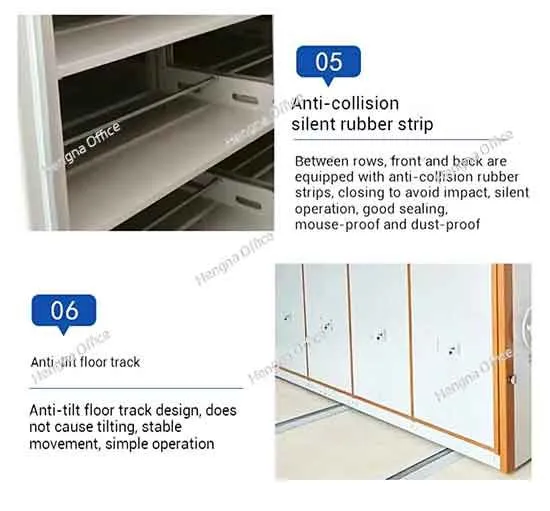
Electrostatic Powder Coating: This provides a durable, scratch-resistant finish that won't chip when files are slid in and out daily.
Anti-bacterial Option: For our hospital clients, we can add antimicrobial agents to the coating to inhibit germ growth—a must-have for modern medical facilities.
Summary: Your Technical Audit Checklist
Before you sign a contract with a Chinese manufacturer, ask for these three things:
A Micrometer Video: Ask them to measure the bare metal thickness of a sample on video.
Loading Test Report: Ask for a certified report showing the shelf's deflection rate under a 80kg load.
Coating Adhesion Test: Ask about their salt-spray test results to ensure the paint won't peel in 5 years.
Frequently Asked Questions (FAQ)
Q1: Does thicker steel make the system harder to move?
Surprisingly, no. While the units are heavier, the precision of the rails and bearings is what determines ease of movement. In fact, thicker steel in the base frame prevents the tracks from deforming, which actually makes the system easier to move over long periods of time.
Q2: Why is Cold Rolled Steel (SPCC) better than Hot Rolled?
Cold rolled steel has a much higher yield strength and a "cleaner" finish. This is essential for the aesthetics of a modern office or library. Hot rolled steel is usually reserved for heavy industrial racking where looks don't matter.
Q3: Can I customize the shelf thickness for extra-heavy items?
Yes. As a factory, we can adjust our CNC settings to use 1.5mm or even 2.0mm steel for specific "Heavy Duty" tiers if you are storing items like lead-lined boxes or machinery parts.
Recently Posted
-
Louvered Panel vs Round Hole Pegboard — Which Tool Wall Holds Hooks and Bins Together?
August 31, 2026Louvered Panel vs Round Hole Pegboard — Which Tool Wall Holds Hooks and Bins Together?Short answer: if you only hang tools, round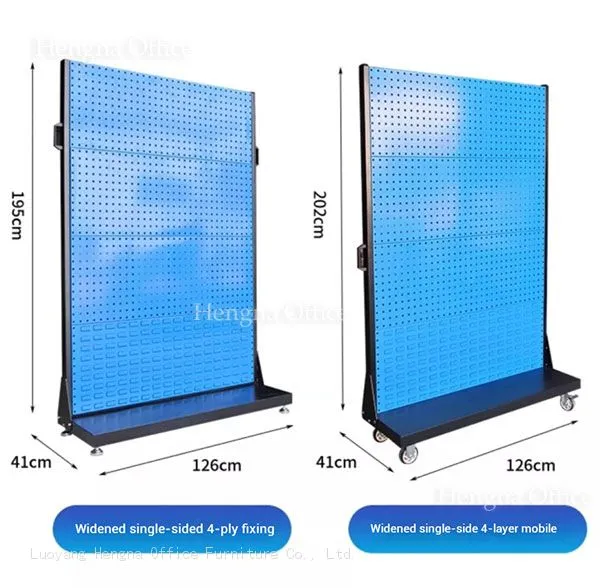 Read More
 -
Welded vs Boltless Steel Shelving — Looks Strong at the Factory, Falls Apart at the Port
August 7, 2026Welded vs Boltless Steel Shelving — Looks Strong at the Factory, Falls Apart at the PortHere's a story every steel shelving im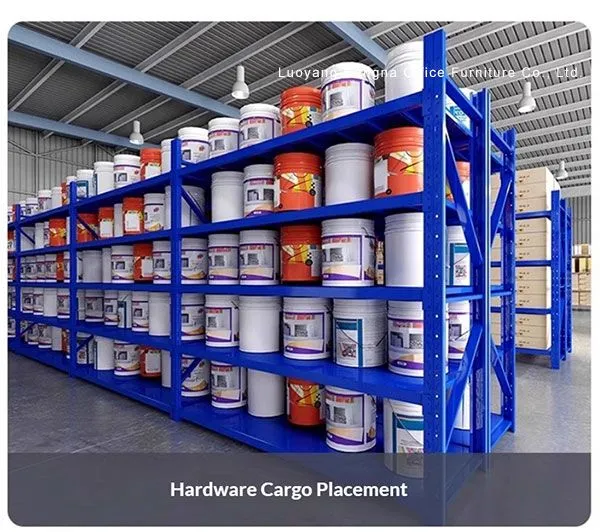 Read More
 -
You Asked a Steel Shelving Supplier for a Price. Here's What You Should Have Asked First.
August 7, 2026You found a steel shelving supplier. Their listing looks clean. You sent the message every first-time importer sends: "What&#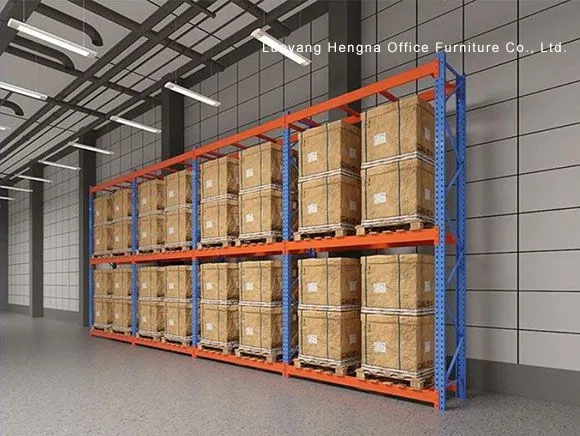 Read More
 -
Heavy Duty Steel Workbench for Auto Repair — Cold Rolled Frame vs What Most Garages Use
August 5, 2026Mike has been running his independent garage for eleven years. Three bays, two mechanics, a steady stream of brake jobs and transm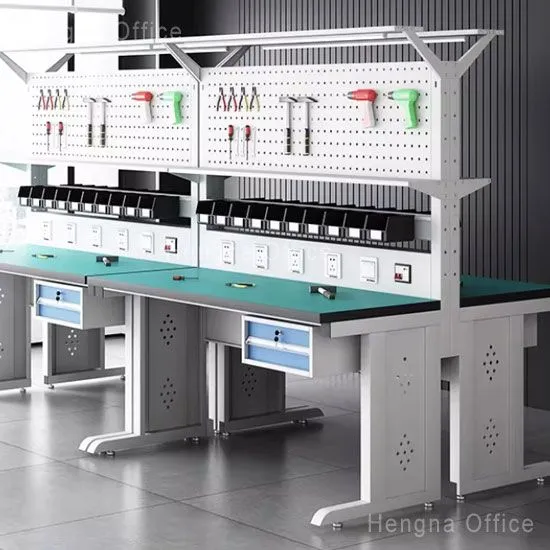 Read More

Contact Us
Recommended Products
-
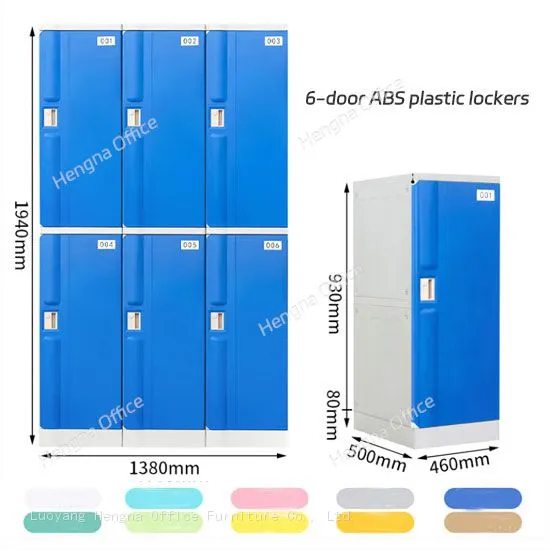
 Industrial-Grade ABS Plastic Locker for Factory Staff and Warehouse Workers|Hengna OfficeUS$ 19 - 100MOQ: 5 Sets
 -
Outdoor ABS Locker Cabinet – UV-Resistant Plastic Storage for Poolside or Beach Resorts-Hengna OfficeUS$ 19 - 100MOQ: 5 Sets
-
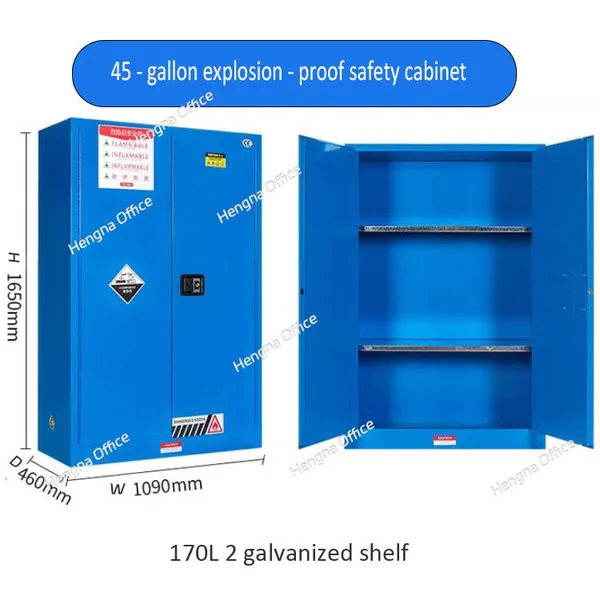
45 Gallon Explosion-Proof Flammable Liquid Storage Cabinet – Fire-Resistant Steel Safety Cabinet for FactoriesUS$ 68 - 400MOQ: 2 Combos
-
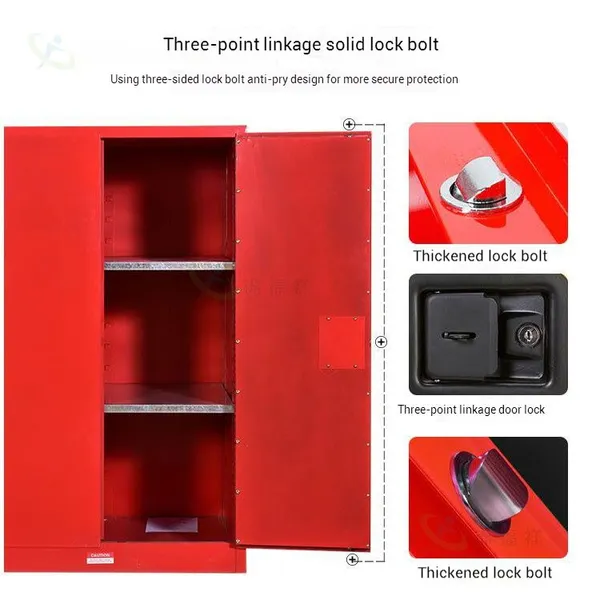
Flammable Storage Cabinet for Flammable Liquids – OSHA Certified Safety Cabinet With Fireproof Double WallsUS$ 68 - 400MOQ: 2 Combos
-
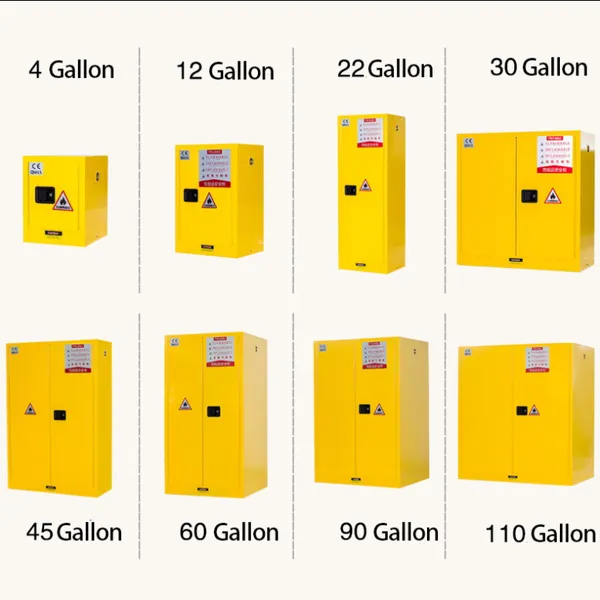
Large Capacity Flammable Liquid Storage Cabinet – Explosion-Proof Safety Cabinet for Laboratory & Workshop UseUS$ 68 - 400MOQ: 2 Combos
-
Heavy Duty Steel Tool Cart With Drawers for Workshops|Hengna OfficeUS$ 99 - 269MOQ: 2 Cases
-
Wholesale 3-Drawer Tool Trolley With Wheels for Factory and Garage StorageUS$ 99 - 269MOQ: 2 Cases
-
HN-wlj160 Industrial Rolling Tool Organizer With Pegboard|All-in-One Mobile Tool Storage CartUS$ 5 - 120MOQ: 2 Cases
-
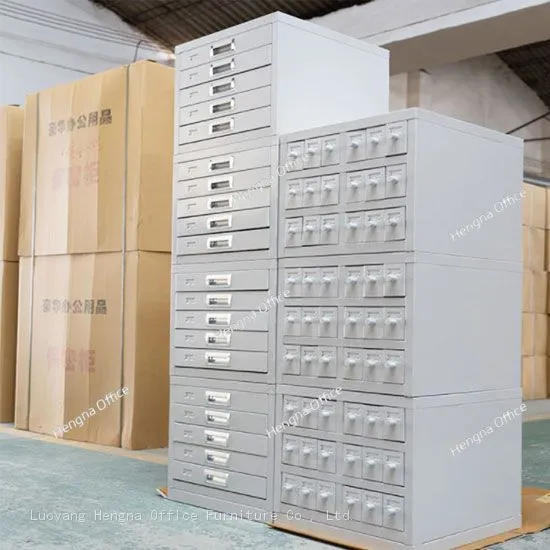
White Stackable Pathology Wax Block Storage Drawers for Labs Near London-Hengna OfficeNegotiableMOQ: 10 Pieces
-
Custom Paraffin Block Storage Cabinet for Histology Laboratories – Factory Direct From Hengna FurnitureNegotiableMOQ: 10 Pieces
-
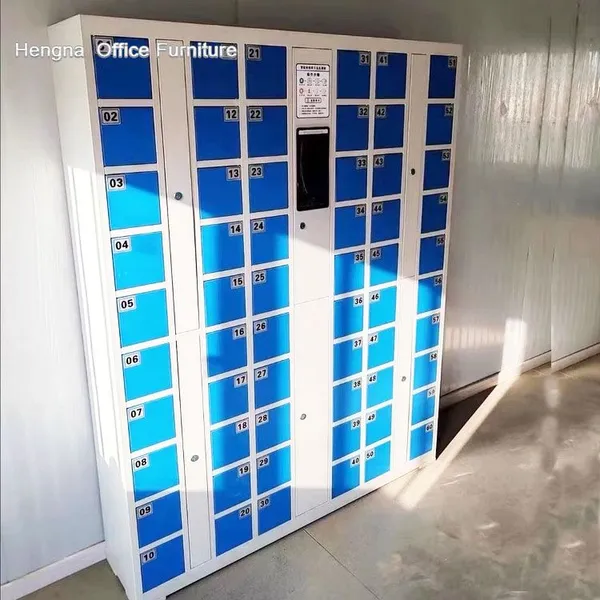
Smart Phone Charging Locker 40-door|Fingerprint Lockers Intelligent Parcel Delivery CabinetUS$ 203 - 750MOQ: 15 Pieces
-
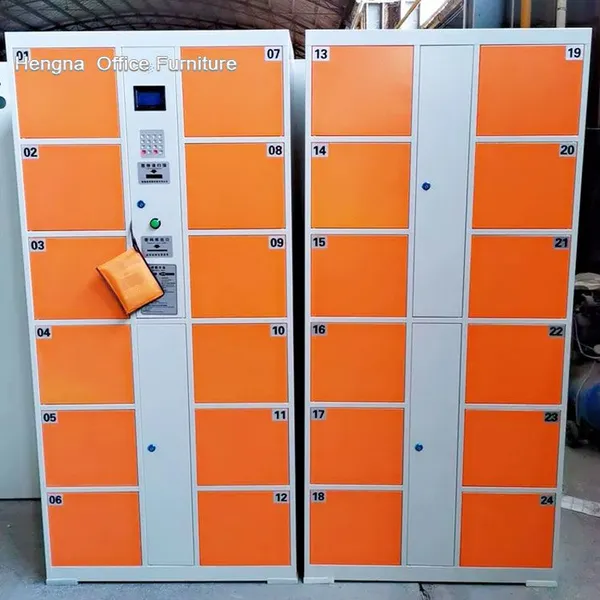
School Gym Lockers Price |Parcel Delivery Storage Locker 12-door FactoryUS$ 203 - 750MOQ: 15 Pieces
-
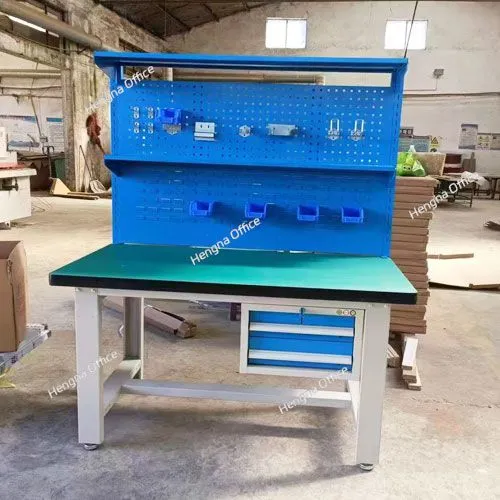
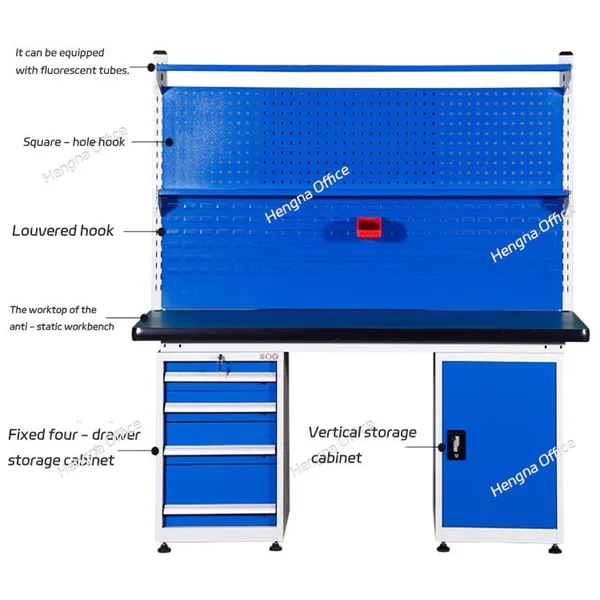
Multi Metal Work Benches Electrical Workshop Workbench|US$ 300 - 800MOQ: 2 Cases
-
Commercial Workbench Supplier |Multi Metal Work Bench With Drawers OMDUS$ 300 - 800MOQ: 2 Cases
-
Pathological Ection Cabinet JTGZ062 Wax Block Cabinet for LaboratoryNegotiableMOQ: 10 Pieces
-
Durable Tool Storage in Factory HNGJ703 Hard Wearing Metal Industrial Tool ChestNegotiableMOQ: 18 Pieces
-
High - Quality CNC Workshop Tool Cabinet Heavyweight Workshop Tool OrganizerNegotiableMOQ: 10 Pieces
-
Laboratory Polyethylene Acid and Corrosive Chemicals Safety Storage PP CabinetUS$ 340 - 600MOQ: 5 Combos
-
22 Gallons /80 L PP Acid - Base Cabinet: Safeguard Chemical Storage Supplier OEMUS$ 500 - 600MOQ: 5 Combos
-
4 - Gallon Corrosion-resistant Safety Cabinet for Hazardous Chemicals Acid SupplierUS$ 340 - 500MOQ: 5 Combos