
 Business License

Metal vs. Plastic: Which is Better for Histology Slide Storage?
The Invisible Foundation of Pathology
In the fast-paced world of pathology and histology, the spotlight is often on the latest microscopes or advanced staining techniques. However, any lab manager knows that the real backbone of a successful laboratory is its archiving system. When you are dealing with thousands of patient samples that must be preserved for 10, 15, or even 20 years, the choice of storage material isn't just a minor detail—it’s a critical decision.
The debate usually boils down to two contenders: Metal (Cold-Rolled Steel) and Plastic. While plastic might seem like a cost-effective shortcut, today we’ll explore why professional-grade metal cabinets are the gold standard for long-term histology slide storage.
The Metal Advantage: Why Cold-Rolled Steel Wins
When we talk about "Metal," we are specifically referring to high-quality, epoxy-coated cold-rolled steel. This is the material used in top-tier Pathology Storage Cabinets. Here is why it consistently outperforms plastic:
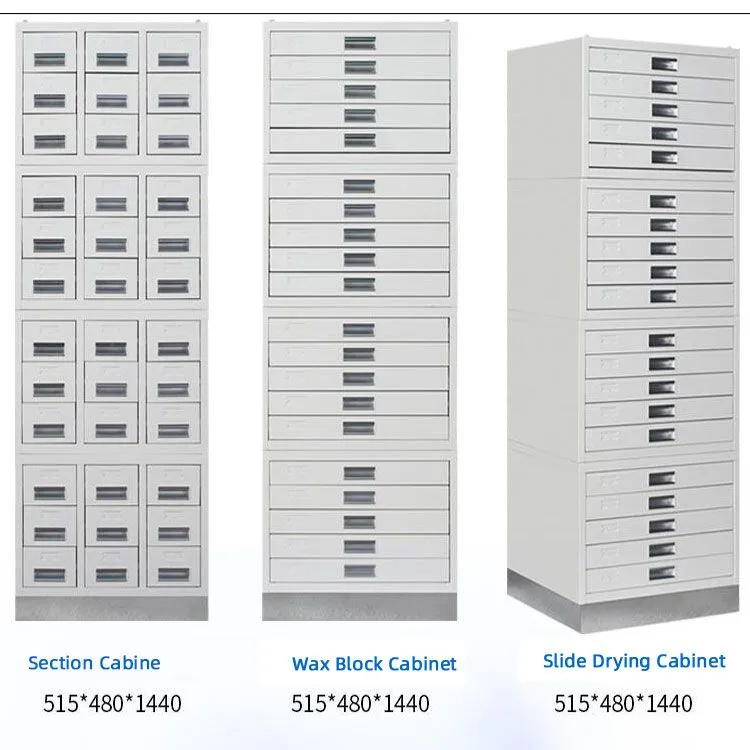
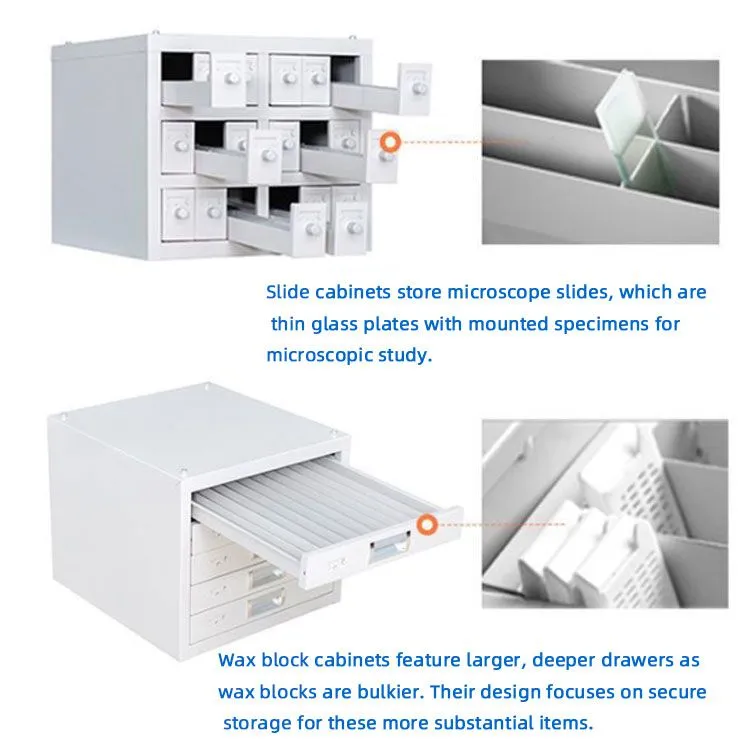
1. Unmatched Structural Integrity and Stackability
Laboratory space is expensive. Most labs need to utilize vertical space by stacking units.
Metal: Designed for modular stacking. A metal cabinet won't bow or warp under the weight of thousands of heavy glass slides or paraffin blocks.
Plastic: Over time, plastic suffers from "creep" or structural fatigue. Stacking plastic units often leads to sticking drawers or, worse, a collapsed storage array.
2. Fire Resistance and Specimen Safety
Pathology slides and paraffin blocks are often irreplaceable legal and medical records.
Metal: Offers a significantly higher level of fire resistance. In the event of a laboratory mishap, metal cabinets provide a protective shell that can withstand higher temperatures.
Plastic: Plastic is combustible. In a fire, it melts, potentially destroying the specimens and releasing toxic fumes.
3. Precision Engineering for Smooth Workflow
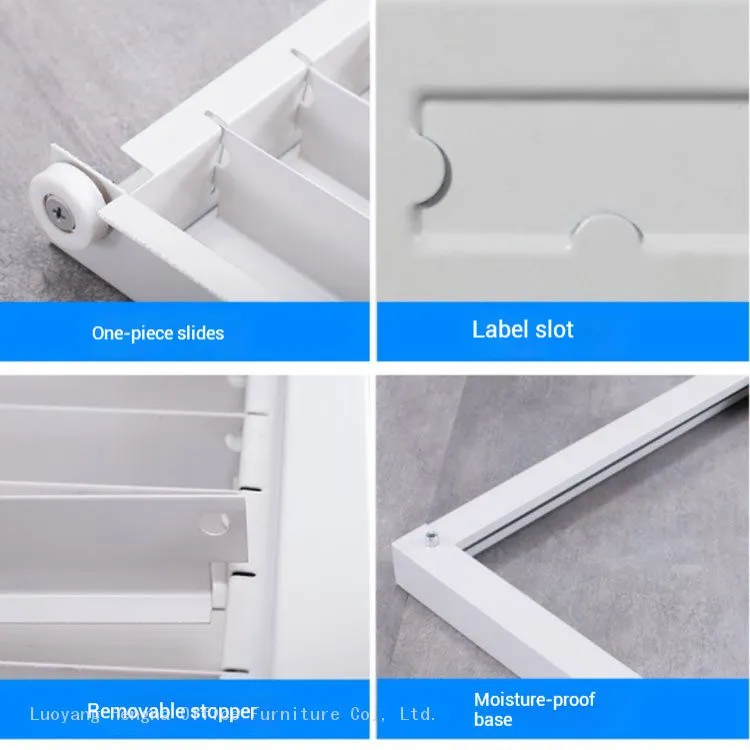
Ever struggled with a drawer that just won't slide?
Metal: High-quality metal cabinets feature precision-molded slide slots and reinforced pulley systems. This ensures that even when a drawer is filled to its 11,000-slide capacity, it opens with a gentle pull.
Plastic: Friction is higher in plastic-on-plastic designs, leading to "jerky" movements that can cause slides to rattle or chip.
Comparison at a Glance: Metal vs. Plastic Storage
| Feature | Metal (Cold-Rolled Steel) | Plastic / Polymer |
| Durability | 20+ years (Heavy Duty) | 3-5 years (Prone to cracking) |
| Stackability | High (Up to 10+ units) | Low (Risk of warping) |
| Chemical Resistance | High (Epoxy Powder Coated) | Varies (May degrade with solvents) |
| Capacity | High Density (Modular) | Generally Lower |
| Eco-Friendliness | 100% Recyclable | Non-biodegradable waste |
Solving the "Humidity and Corrosion" Myth
A common concern for labs in coastal or humid regions is rust. This is where epoxy powder coating technology changes the game. Modern paraffin block storage cabinets are treated with advanced anti-corrosion coatings that are far more resilient than the painted metal of the past. This makes them perfectly suitable for climate-controlled medical environments, offering a sleek, professional aesthetic that stays clean and rust-free.
The Cost-Benefit Reality
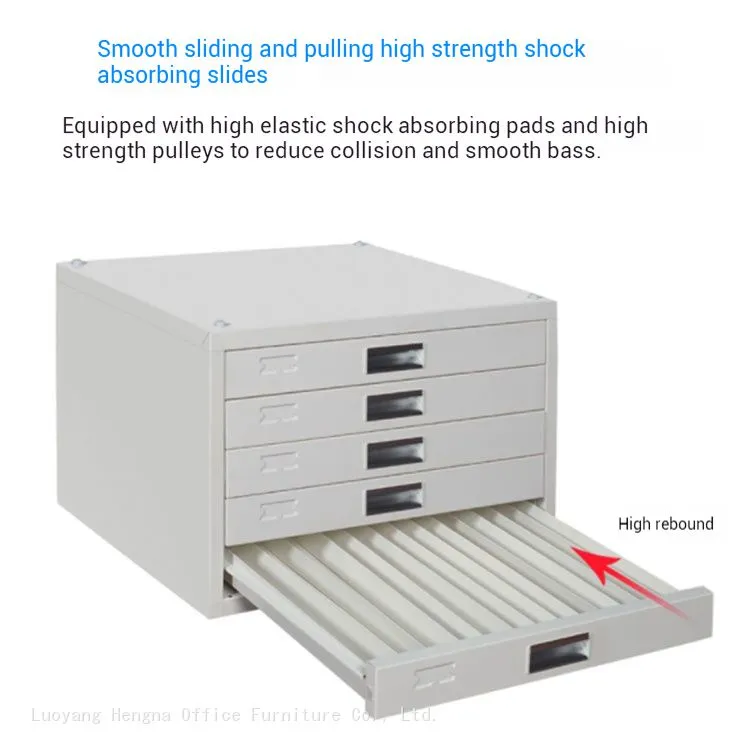
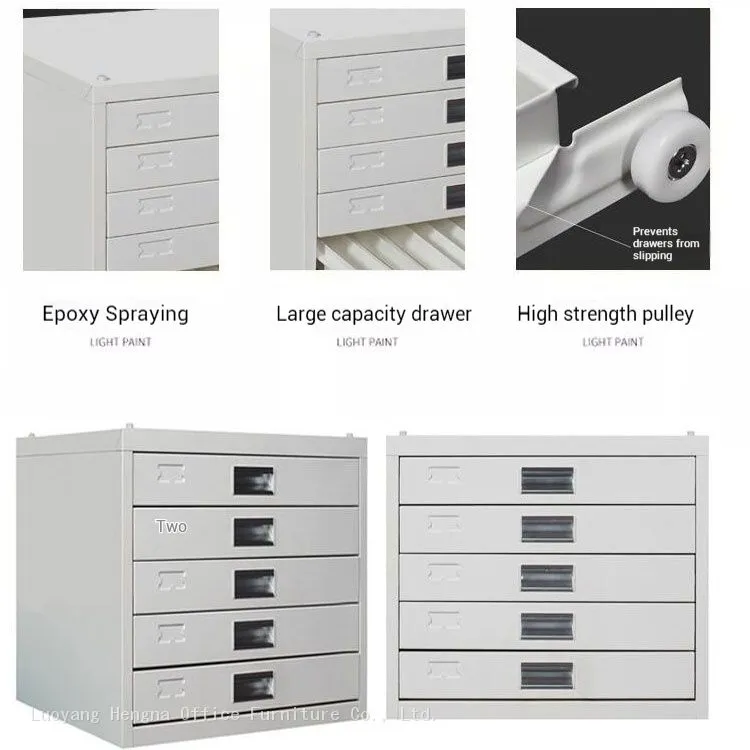
While the initial investment in a metal histology slide cabinet might be higher than plastic bins, the Total Cost of Ownership (TCO) is significantly lower.
Plastic units need frequent replacement due to cracked corners or broken drawers.
Metal units are a "buy once, use for a career" investment.
For a busy hospital or a high-throughput CRO laboratory, the time saved by having an organized, smooth-gliding modular specimen archiving system far outweighs the initial price difference.
Making the Right Choice for Your Lab
If you are looking for a temporary solution for a few dozen slides, plastic might suffice. But for any professional facility—be it a University Histology Lab, a Forensic Center, or a Clinical Pathology Dept—the choice is clear.
Metal storage cabinets provide the density, durability, and security required to protect the integrity of your specimens. When patient diagnosis and research accuracy are on the line, don't settle for "good enough." Choose the resilience of steel.
Looking to Upgrade Your Lab Archiving?
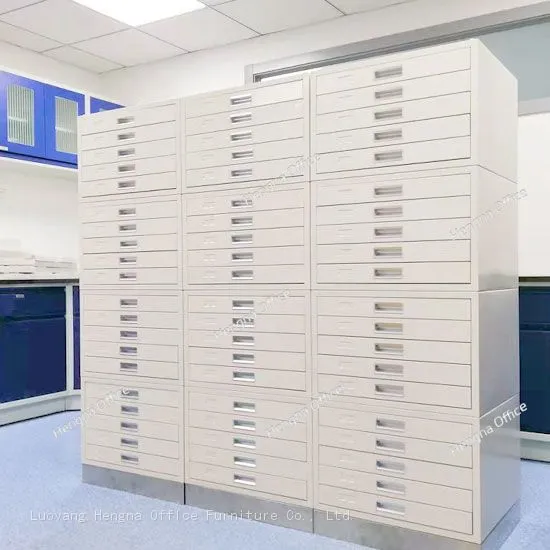
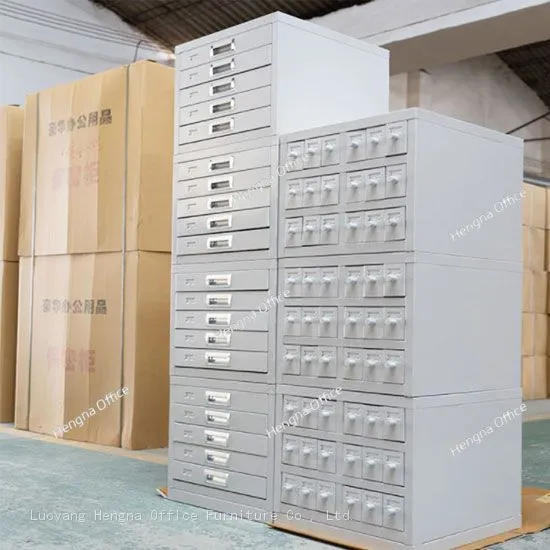
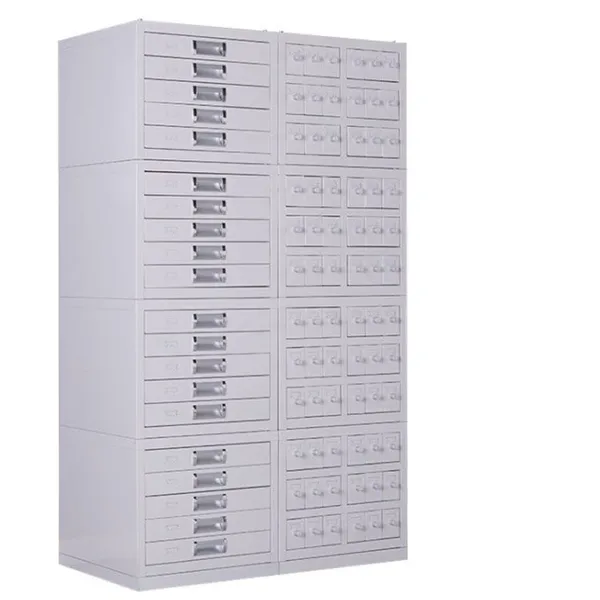
Our Modular Pathology Storage Series offers specialized 6-drawer wax block units and 9-drawer slide units designed to grow with your facility. Featuring high-strength pulleys and precision-molded slots, we provide the ultimate Laboratory Specimen Archiving Solution.
Recently Posted
-
Stainless Steel Shelving for Breweries and Wineries — What Survives Humidity, Alcohol Spills
July 24, 2026Stainless Steel Shelving for Breweries and Wineries — What Survives Humidity, Alcohol Spills, and Sanitizer Washdowns Three t Read More
 -
Stainless Steel Shelving for Meat Processing Plants — What Holds Up Against Blood, Fat, and Daily Wa
July 24, 2026Meat plants are brutal on shelvingIf you work in a meat processing plant, you already know this. The rack that looked fine s Read More
 -
0.6mm Steel Wardrobe vs 0.4mm — Why Cold-Rolled Single Door Metal Closet Lasts Longer
July 10, 2026The 0.2mm That Decides Whether You Buy One Wardrobe or ThreeTwo wardrobes look identical on a supplier's photo. Same door, sam Read More
 -
Heavy Duty Tool Cabinet with Locks for School Shop: Stop Tool Theft Before It Happens
July 9, 2026A vocational school workshop isn't like a factory floor. The tools aren't being used by seasoned machinists who know where Read More

Contact Us
Recommended Products
-
 Industrial-Grade ABS Plastic Locker for Factory Staff and Warehouse Workers|Hengna OfficeUS$ 19 - 100MOQ: 5 Sets
 -
Outdoor ABS Locker Cabinet – UV-Resistant Plastic Storage for Poolside or Beach Resorts-Hengna OfficeUS$ 19 - 100MOQ: 5 Sets
-
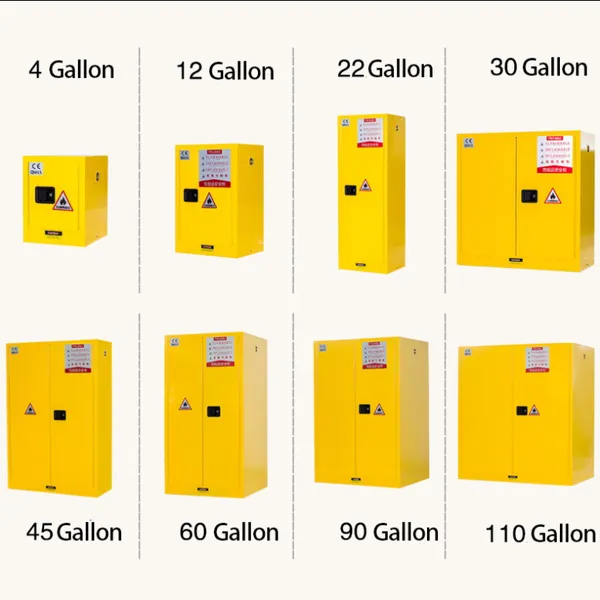
45 Gallon Explosion-Proof Flammable Liquid Storage Cabinet – Fire-Resistant Steel Safety Cabinet for FactoriesUS$ 68 - 400MOQ: 2 Combos
-
Flammable Storage Cabinet for Flammable Liquids – OSHA Certified Safety Cabinet With Fireproof Double WallsUS$ 68 - 400MOQ: 2 Combos
-
Large Capacity Flammable Liquid Storage Cabinet – Explosion-Proof Safety Cabinet for Laboratory & Workshop UseUS$ 68 - 400MOQ: 2 Combos

-
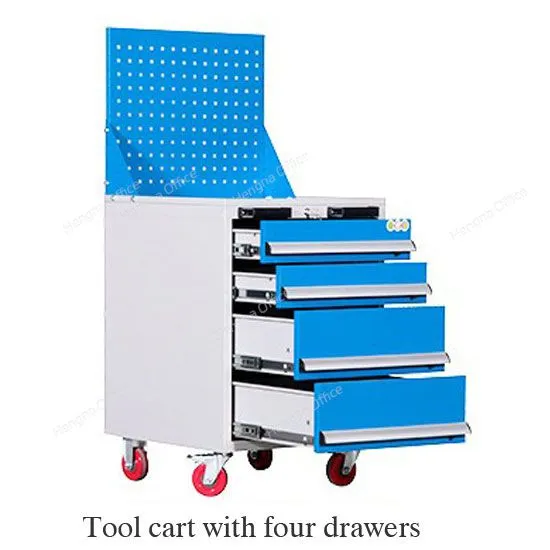
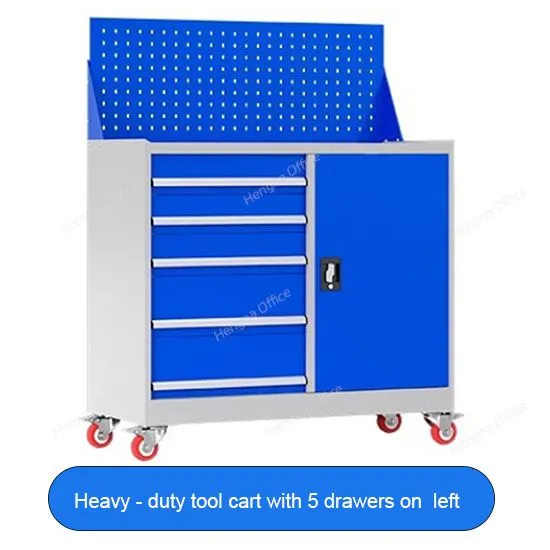
Heavy Duty Steel Tool Cart With Drawers for Workshops|Hengna OfficeUS$ 99 - 269MOQ: 2 Cases
-
Wholesale 3-Drawer Tool Trolley With Wheels for Factory and Garage StorageUS$ 99 - 269MOQ: 2 Cases
-
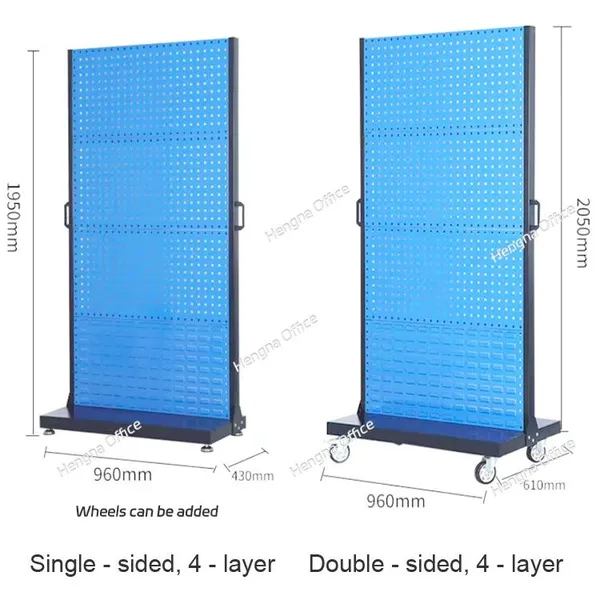
HN-wlj160 Industrial Rolling Tool Organizer With Pegboard|All-in-One Mobile Tool Storage CartUS$ 5 - 120MOQ: 2 Cases
-
White Stackable Pathology Wax Block Storage Drawers for Labs Near London-Hengna OfficeNegotiableMOQ: 10 Pieces
-
Custom Paraffin Block Storage Cabinet for Histology Laboratories – Factory Direct From Hengna FurnitureNegotiableMOQ: 10 Pieces
-
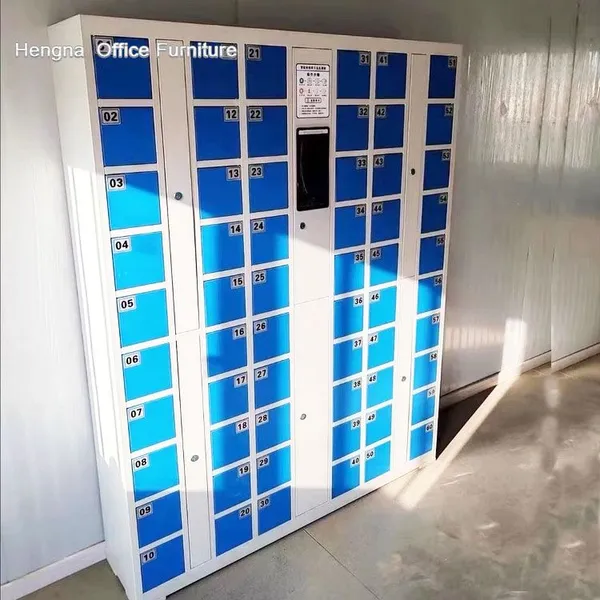
Smart Phone Charging Locker 40-door|Fingerprint Lockers Intelligent Parcel Delivery CabinetUS$ 203 - 750MOQ: 15 Pieces
-
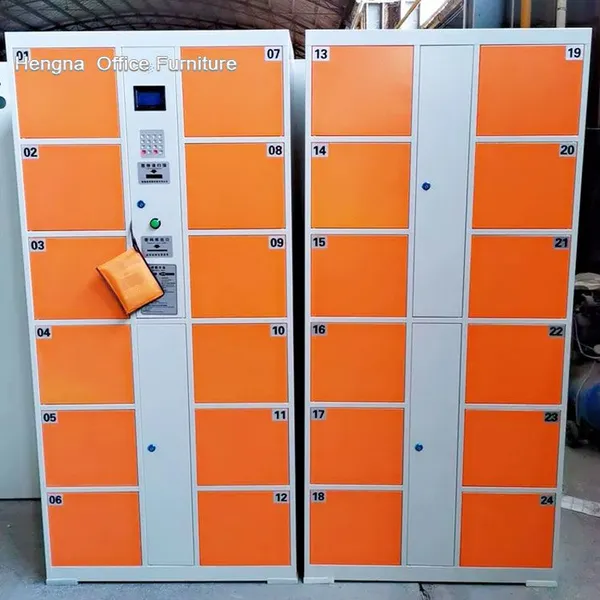
School Gym Lockers Price |Parcel Delivery Storage Locker 12-door FactoryUS$ 203 - 750MOQ: 15 Pieces
-
Multi Metal Work Benches Electrical Workshop Workbench|US$ 300 - 800MOQ: 2 Cases
-
Commercial Workbench Supplier |Multi Metal Work Bench With Drawers OMDUS$ 300 - 800MOQ: 2 Cases
-
Pathological Ection Cabinet JTGZ062 Wax Block Cabinet for LaboratoryNegotiableMOQ: 10 Pieces
-
Durable Tool Storage in Factory HNGJ703 Hard Wearing Metal Industrial Tool ChestNegotiableMOQ: 18 Pieces
-
High - Quality CNC Workshop Tool Cabinet Heavyweight Workshop Tool OrganizerNegotiableMOQ: 10 Pieces
-
Laboratory Polyethylene Acid and Corrosive Chemicals Safety Storage PP CabinetUS$ 340 - 600MOQ: 5 Combos
-
22 Gallons /80 L PP Acid - Base Cabinet: Safeguard Chemical Storage Supplier OEMUS$ 500 - 600MOQ: 5 Combos
-
4 - Gallon Corrosion-resistant Safety Cabinet for Hazardous Chemicals Acid SupplierUS$ 340 - 500MOQ: 5 Combos