
 Business License

The Engineering Guide to Load Capacity: Static vs. Dynamic Weight Ratings for Workshop Tables
Workshop tables are fundamental structural elements in manufacturing plants, laboratories, maintenance facilities, and technical workspaces. Despite their apparent simplicity, misunderstanding load capacity ratings remains a common cause of structural failure, safety incidents, and premature equipment wear.
One of the most frequent technical questions raised by engineers, safety officers, and procurement teams is:
What is the difference between static and dynamic load capacity, and how should each be applied when selecting a workshop table?
This guide provides a clear, engineering-based explanation of static versus dynamic weight ratings, explains how these values are calculated, and outlines how to apply them correctly in real workshop environments.
1. Why Load Capacity Ratings Matter in Engineering Applications
Load capacity is not merely a specification on a datasheet. It directly affects:
Structural integrity of the table frame
Operator safety and injury prevention
Stability of precision equipment
Compliance with occupational safety standards
Long-term fatigue life of materials and joints
Failures related to incorrect load assumptions often occur below the ultimate strength of the structure, due to fatigue, vibration, or uneven load distribution.
2. Definitions: Static Load vs. Dynamic Load
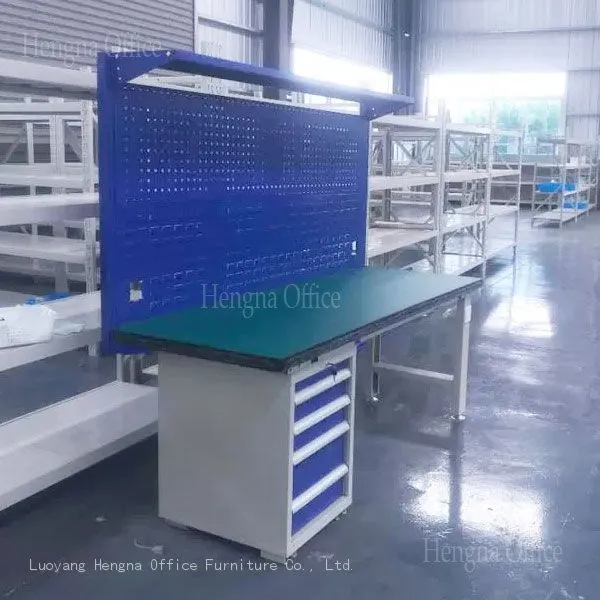
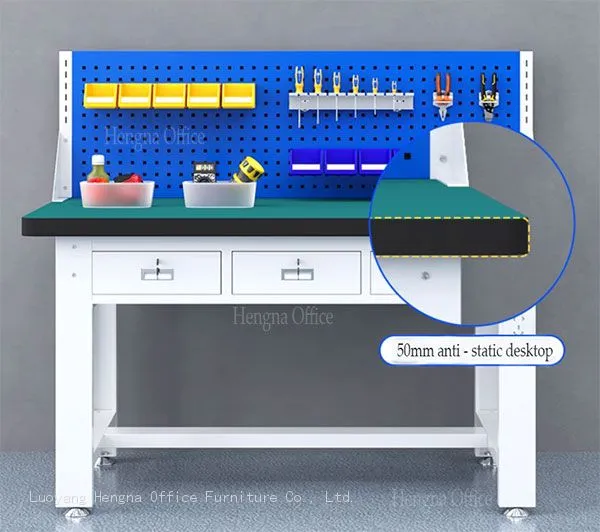
2.1 Static Load Capacity
Static load capacity refers to the maximum weight a workshop table can support when the load is applied gradually and remains stationary over time.
Typical characteristics:
No movement or impact
Uniform or evenly distributed load
Constant force direction
No vibration
Engineering definition:
The maximum allowable load under steady-state conditions without inducing permanent deformation or structural failure.
Examples of static loads:
Fixed laboratory instruments
Storage of tooling or fixtures
Calibration equipment placed without motion
2.2 Dynamic Load Capacity
Dynamic load capacity refers to the maximum weight the table can safely support when loads are moving, shifting, or generating additional forces.
Dynamic loads introduce:
Impact forces
Inertial effects
Cyclic stress
Vibration-induced amplification
Engineering definition:
The maximum allowable load under time-varying conditions that include acceleration, deceleration, or repeated loading cycles.
Examples of dynamic loads:
Assembly operations with repeated pressing or hammering
Machinery with rotating or reciprocating parts
Mobile workshop tables under movement
Operators leaning or applying intermittent force
3. Static vs. Dynamic Load: Engineering Comparison
| Parameter | Static Load Rating | Dynamic Load Rating |
|---|---|---|
| Load behavior | Constant | Variable |
| Force amplification | None | Present |
| Fatigue effects | Minimal | Significant |
| Typical rating value | Higher | Lower |
| Safety factor required | Moderate | High |
| Risk of resonance | None | Possible |
📌 Key engineering principle:
Dynamic load capacity is always lower than static load capacity for the same structure.
4. Why Dynamic Loads Are More Dangerous Than Static Loads
Dynamic loading introduces force magnification due to acceleration and deceleration.
Simplified Engineering Relation
F=m×aF = m imes aF=m×a
Where:
F = applied force
m = mass
a = acceleration
Even small accelerations can multiply effective load well beyond the nominal weight.
Common Dynamic Load Amplifiers
Tool impact
Vibrating machinery
Asymmetric loading
Human interaction
Mobile casters on uneven floors
In practice, a 300 kg dynamic load can impose equivalent stresses of 450–600 kg, depending on motion and frequency.
5. How Load Ratings Are Determined (Engineering Perspective)
Manufacturers typically determine load capacity using a combination of:
Finite Element Analysis (FEA)
Physical load testing
Material yield and fatigue limits
Safety factor application
Typical Safety Factors
| Application | Safety Factor |
|---|---|
| Light-duty static use | 1.5 – 2.0 |
| Industrial static use | 2.0 – 2.5 |
| Dynamic industrial use | 2.5 – 4.0 |
| Critical safety environments | ≥ 4.0 |
Dynamic ratings require higher safety margins due to unpredictable load behavior.
6. Load Distribution: A Critical but Overlooked Variable
Load capacity assumes ideal load distribution, which is rarely achieved in practice.
Distribution Scenarios
| Load Pattern | Structural Risk |
|---|---|
| Evenly distributed | Low |
| Central point load | Moderate |
| Edge or corner load | High |
| Offset dynamic load | Very high |
Engineering best practice requires reducing rated capacity by 20–40% when loads are concentrated or offset.
7. Structural Elements That Influence Load Capacity

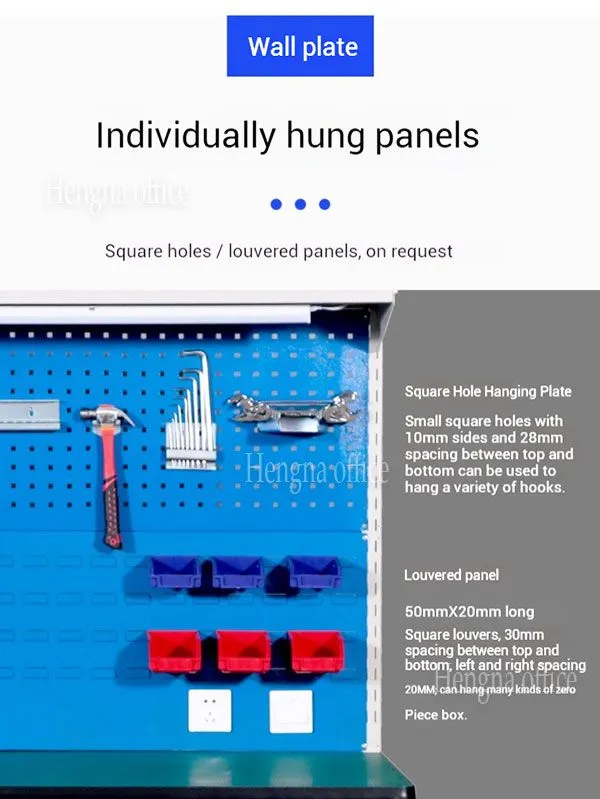
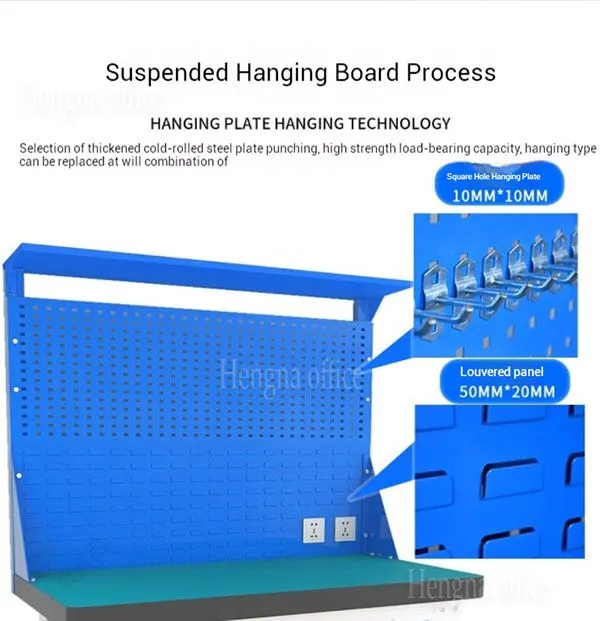
7.1 Frame Design
Welded steel frames outperform bolted-only designs under dynamic loads
Cross-bracing significantly increases torsional rigidity
7.2 Material Selection
Cold-rolled steel provides higher yield strength
Aluminum reduces mass but increases deflection
Stainless steel improves corrosion resistance but may reduce stiffness
7.3 Joint Integrity
Weld quality
Fastener grade (e.g., Class 8.8 vs 10.9)
Load path continuity
Dynamic failures frequently initiate at joints, not flat surfaces.
8. Selecting the Correct Load Rating for Your Application
Engineering Selection Checklist
Identify maximum equipment mass
Determine if movement, vibration, or impact is present
Apply appropriate dynamic amplification factor
Consider load distribution and eccentricity
Include future capacity margin (minimum 25%)
Example Calculation (Simplified)
Equipment mass: 400 kg
Dynamic factor: ×1.5
Distribution reduction: 20%
Required dynamic rating:
400×1.5÷0.8=750 kg400 imes 1.5 div 0.8 = 750 ext{ kg}400×1.5÷0.8=750 kg
9. Common Engineering Mistakes to Avoid
Using static ratings for dynamic applications
Ignoring fatigue life considerations
Assuming casters do not affect load ratings
Neglecting operator-applied forces
Treating load capacity as a single-point value
Load capacity is a system property, not a single number.
10. Standards and References
Load rating practices commonly align with:
ISO 14738 (ergonomic workplace design)
ISO 12100 (machine safety principles)
OSHA General Industry Standards
EN 13150 (industrial furniture testing)
Adhering to recognized standards improves auditability and defensibility.
Engineering Interpretation Is Essential
Static and dynamic load ratings are not interchangeable. Static capacity defines structural strength under ideal conditions, while dynamic capacity reflects real-world operational risk.
From an engineering standpoint, dynamic load rating should govern most workshop table selection decisions, particularly in production, testing, and maintenance environments.
Correct interpretation protects personnel, preserves equipment, and extends service life—without reliance on overdesign or unnecessary cost.
Recently Posted
-
Louvered Panel vs Round Hole Pegboard — Which Tool Wall Holds Hooks and Bins Together?
August 31, 2026Louvered Panel vs Round Hole Pegboard — Which Tool Wall Holds Hooks and Bins Together?Short answer: if you only hang tools, round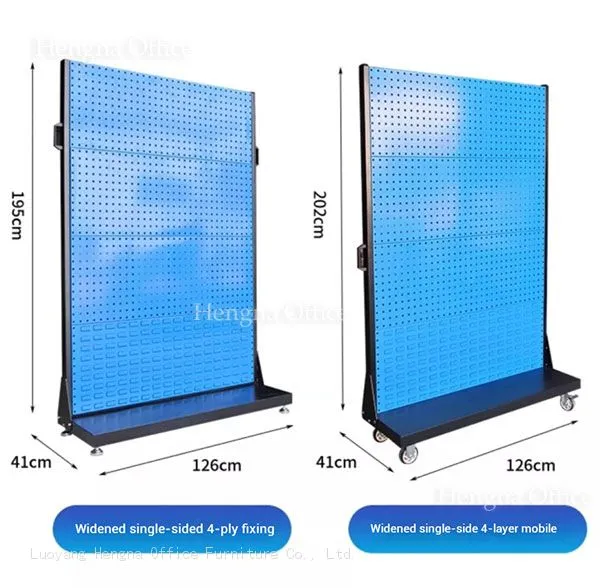 Read More
 -
Welded vs Boltless Steel Shelving — Looks Strong at the Factory, Falls Apart at the Port
August 7, 2026Welded vs Boltless Steel Shelving — Looks Strong at the Factory, Falls Apart at the PortHere's a story every steel shelving im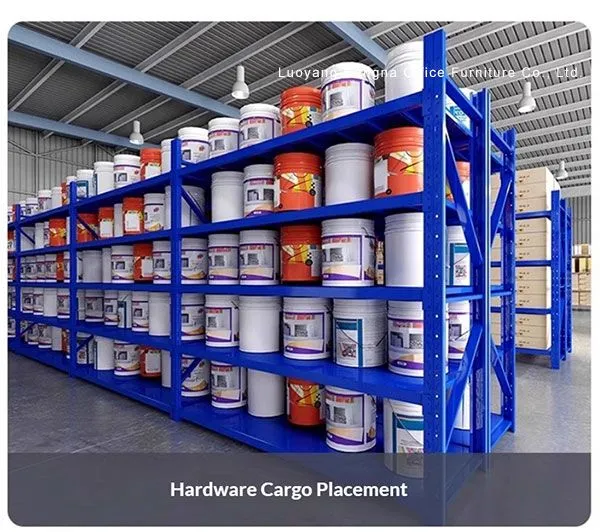 Read More
 -
You Asked a Steel Shelving Supplier for a Price. Here's What You Should Have Asked First.
August 7, 2026You found a steel shelving supplier. Their listing looks clean. You sent the message every first-time importer sends: "What&# Read More
 -
Heavy Duty Steel Workbench for Auto Repair — Cold Rolled Frame vs What Most Garages Use
August 5, 2026Mike has been running his independent garage for eleven years. Three bays, two mechanics, a steady stream of brake jobs and transm Read More

Contact Us
Recommended Products
-
 Industrial-Grade ABS Plastic Locker for Factory Staff and Warehouse Workers|Hengna OfficeUS$ 19 - 100MOQ: 5 Sets
 -
Outdoor ABS Locker Cabinet – UV-Resistant Plastic Storage for Poolside or Beach Resorts-Hengna OfficeUS$ 19 - 100MOQ: 5 Sets
-
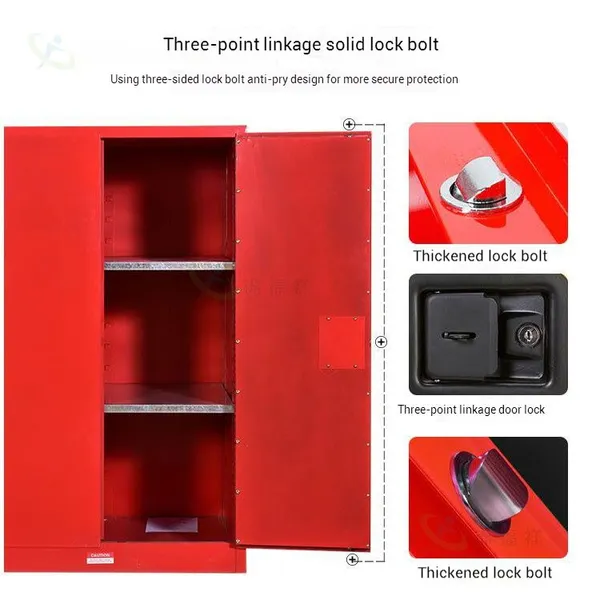
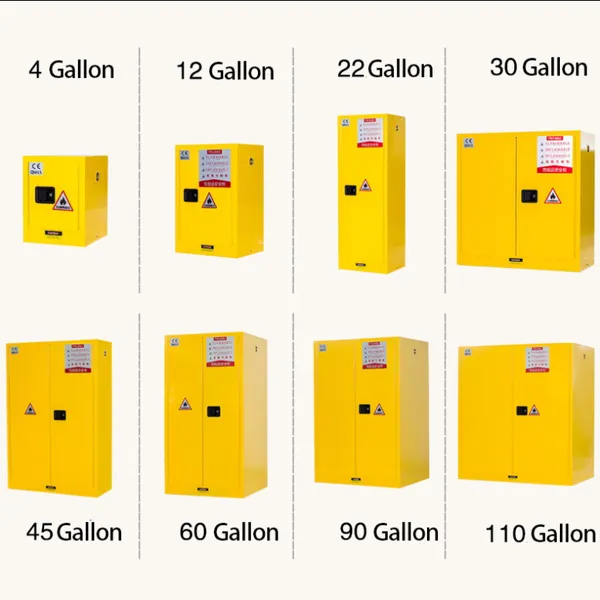
45 Gallon Explosion-Proof Flammable Liquid Storage Cabinet – Fire-Resistant Steel Safety Cabinet for FactoriesUS$ 68 - 400MOQ: 2 Combos
-
Flammable Storage Cabinet for Flammable Liquids – OSHA Certified Safety Cabinet With Fireproof Double WallsUS$ 68 - 400MOQ: 2 Combos
-
Large Capacity Flammable Liquid Storage Cabinet – Explosion-Proof Safety Cabinet for Laboratory & Workshop UseUS$ 68 - 400MOQ: 2 Combos

-
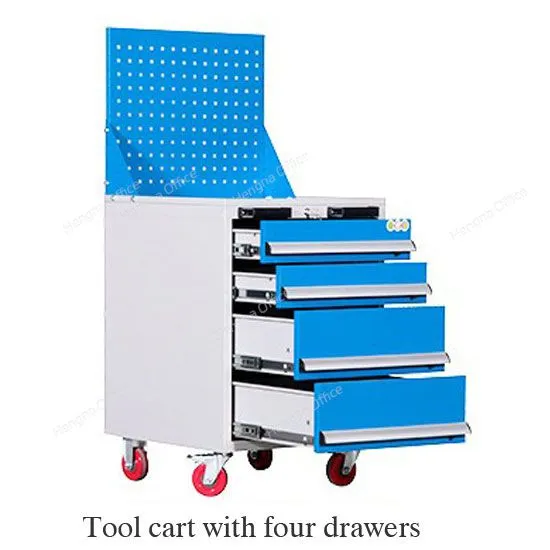
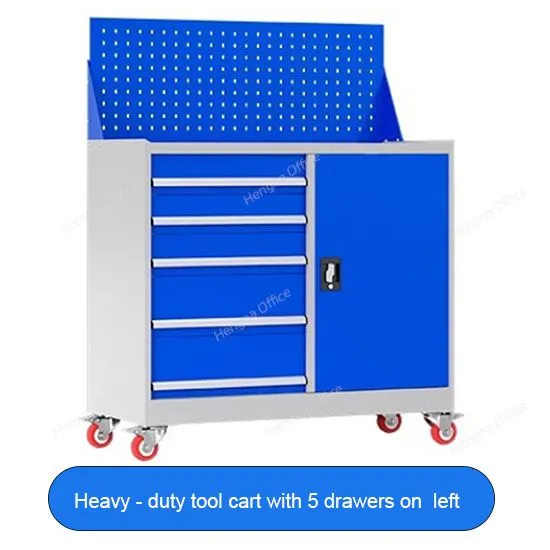
Heavy Duty Steel Tool Cart With Drawers for Workshops|Hengna OfficeUS$ 99 - 269MOQ: 2 Cases
-
Wholesale 3-Drawer Tool Trolley With Wheels for Factory and Garage StorageUS$ 99 - 269MOQ: 2 Cases
-
HN-wlj160 Industrial Rolling Tool Organizer With Pegboard|All-in-One Mobile Tool Storage CartUS$ 5 - 120MOQ: 2 Cases
-
White Stackable Pathology Wax Block Storage Drawers for Labs Near London-Hengna OfficeNegotiableMOQ: 10 Pieces
-
Custom Paraffin Block Storage Cabinet for Histology Laboratories – Factory Direct From Hengna FurnitureNegotiableMOQ: 10 Pieces
-
Smart Phone Charging Locker 40-door|Fingerprint Lockers Intelligent Parcel Delivery CabinetUS$ 203 - 750MOQ: 15 Pieces
-
School Gym Lockers Price |Parcel Delivery Storage Locker 12-door FactoryUS$ 203 - 750MOQ: 15 Pieces
-
Multi Metal Work Benches Electrical Workshop Workbench|US$ 300 - 800MOQ: 2 Cases
-
Commercial Workbench Supplier |Multi Metal Work Bench With Drawers OMDUS$ 300 - 800MOQ: 2 Cases
-
Pathological Ection Cabinet JTGZ062 Wax Block Cabinet for LaboratoryNegotiableMOQ: 10 Pieces

-
Durable Tool Storage in Factory HNGJ703 Hard Wearing Metal Industrial Tool ChestNegotiableMOQ: 18 Pieces
-
High - Quality CNC Workshop Tool Cabinet Heavyweight Workshop Tool OrganizerNegotiableMOQ: 10 Pieces
-
Laboratory Polyethylene Acid and Corrosive Chemicals Safety Storage PP CabinetUS$ 340 - 600MOQ: 5 Combos
-
22 Gallons /80 L PP Acid - Base Cabinet: Safeguard Chemical Storage Supplier OEMUS$ 500 - 600MOQ: 5 Combos
-
4 - Gallon Corrosion-resistant Safety Cabinet for Hazardous Chemicals Acid SupplierUS$ 340 - 500MOQ: 5 Combos