
 Business License
5 Structural Red Flags to Inspect When Buying Industrial Workbenches
Industrial workbenches are structural assets, not accessories. In manufacturing plants, laboratories, maintenance workshops, and assembly facilities, the workbench often becomes the primary load-bearing platform for equipment, tooling, and human interaction. Yet procurement decisions are frequently made based on surface appearance or nominal load ratings, rather than structural integrity and failure risk.
From an engineering and safety standpoint, this approach creates avoidable hazards.
This article outlines five critical structural red flags that should be inspected before purchasing an industrial workbench. The guidance is presented from a problem-solving, expert perspective, using industry terminology and inspection logic suitable for technical evaluation and reference.
Why Structural Inspection Matters in Workbench Selection
Structural deficiencies in industrial workbenches can lead to:
Progressive deformation and loss of level
Fatigue cracking under cyclic loads
Reduced load capacity over time
Equipment instability and misalignment
Increased risk of operator injury
Importantly, many structural failures do not occur at the rated load, but well below it, due to poor design margins, joint weakness, or load path discontinuities.
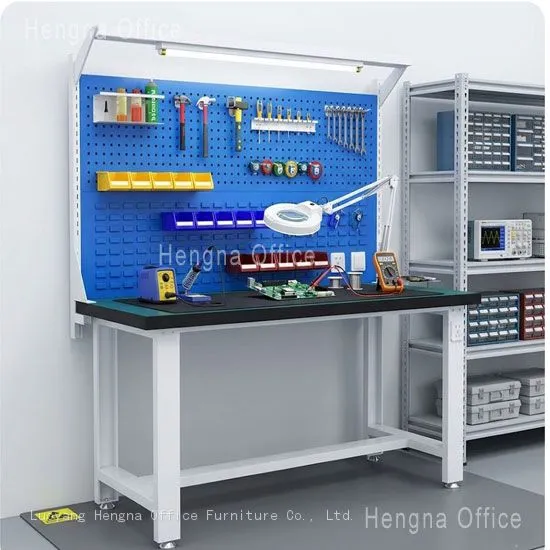
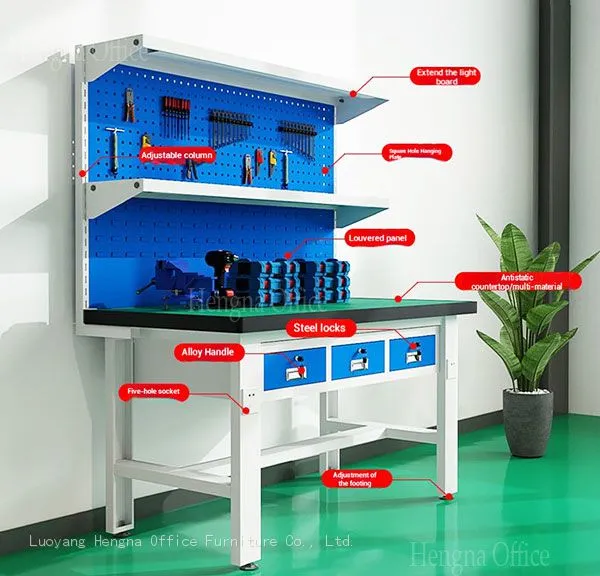
Red Flag 1: Inadequate Frame Geometry and Load Path Design
What to Inspect
The frame geometry determines how loads are transferred from the tabletop to the floor. A structurally sound workbench should exhibit:
Continuous vertical load paths
Symmetrical frame geometry
Clear force transmission through legs and cross-members
Structural Warning Signs
Long unsupported spans
Legs offset from the load center
Decorative framing without functional bracing
Thin-gauge members used in compression zones
Engineering Risk
Poor load path design causes:
Localized stress concentration
Increased bending moments
Premature buckling of vertical members
| Frame Feature | Structural Impact |
|---|---|
| Straight vertical legs | Stable axial load transfer |
| Offset or angled legs | Increased bending stress |
| Cross-bracing | Improved torsional rigidity |
| No bracing | Lateral instability |
📌 Expert Note: A high load rating is meaningless if the load path is discontinuous or inefficient.
Red Flag 2: Weak or Inconsistent Joint Construction
What to Inspect
In industrial furniture, joints fail before members. Joint integrity determines fatigue life and vibration resistance.
Common Joint Types
Welded joints
Bolted connections
Hybrid welded-bolted systems
Structural Warning Signs
Intermittent or cosmetic welds
Poor weld penetration
Low-grade fasteners (below Class 8.8)
Slotted holes without reinforcement
Engineering Risk
Dynamic loading amplifies joint stress. Weak joints lead to:
Micro-movement under load
Progressive loosening
Crack initiation at heat-affected zones
| Joint Type | Fatigue Resistance |
|---|---|
| Full-penetration weld | High |
| Reinforced bolted joint | Moderate–High |
| Light-duty bolted joint | Low |
Red Flag 3: Insufficient Material Thickness and Section Modulus
What to Inspect
Material thickness alone is not enough—section geometry and modulus matter equally.
Structural Warning Signs
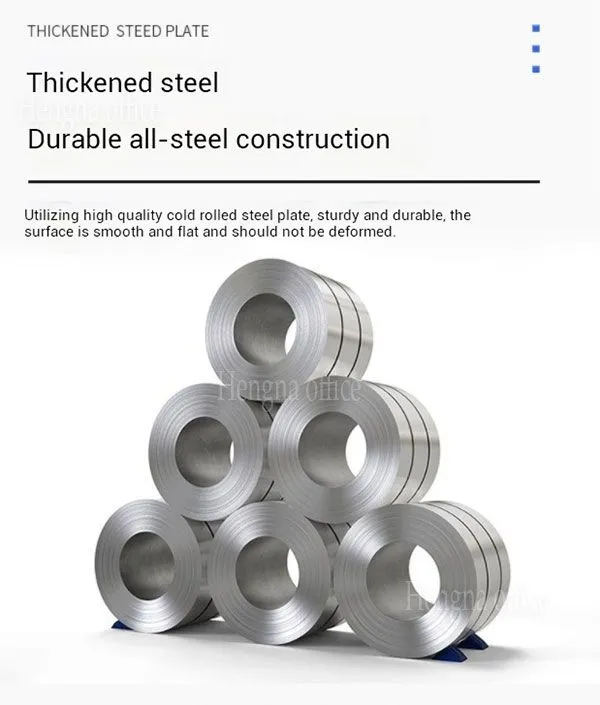
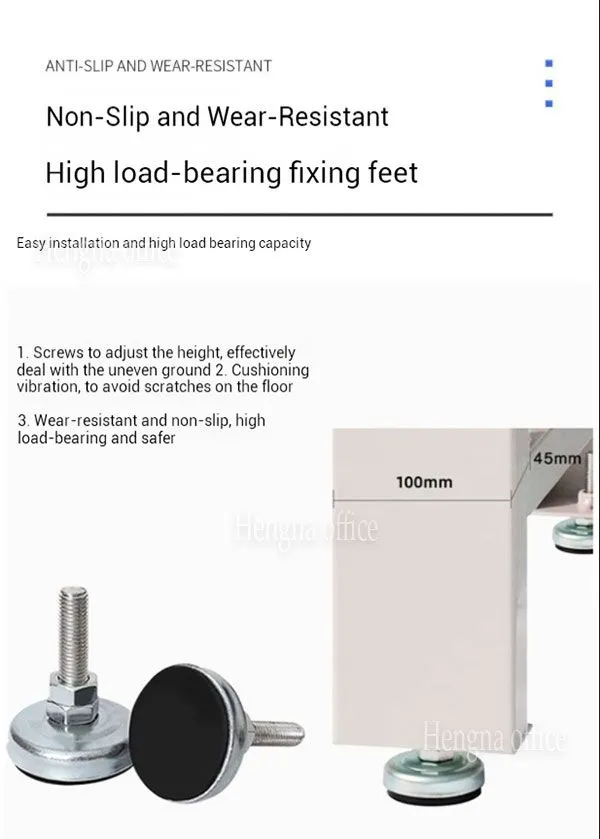
Thin-gauge steel (<1.5 mm) in primary load-bearing members
Flat plates used where boxed or tubular sections are required
Inconsistent thickness between frame components
Engineering Risk
Low section modulus increases:
Deflection under load
Stress per unit area
Susceptibility to permanent deformation
| Member Type | Relative Stiffness |
|---|---|
| Box section | High |
| Tubular section | High |
| Angle section | Moderate |
| Flat plate | Low |
📌 Expert Note: Excessive deflection often precedes visible failure and compromises precision work.
Red Flag 4: Lack of Lateral and Torsional Stability
What to Inspect
Lateral stability is critical when:
Loads are off-center
Operators apply horizontal force
Equipment generates vibration
Structural Warning Signs
No rear or side bracing
Long, narrow tables without reinforcement
Casters without locking or structural rating
Frame sway under manual force
Engineering Risk
Insufficient torsional rigidity causes:
Table racking
Uneven load sharing between legs
Accelerated joint fatigue
| Stability Feature | Effect |
|---|---|
| Diagonal bracing | Controls racking |
| Shear panels | Improves torsional stiffness |
| Wide stance legs | Increases overturn resistance |
| Narrow footprint | High tip risk |
Red Flag 5: Unverified Load Ratings and Missing Test Documentation
What to Inspect
Load ratings must be supported by test methodology or standards.
Structural Warning Signs
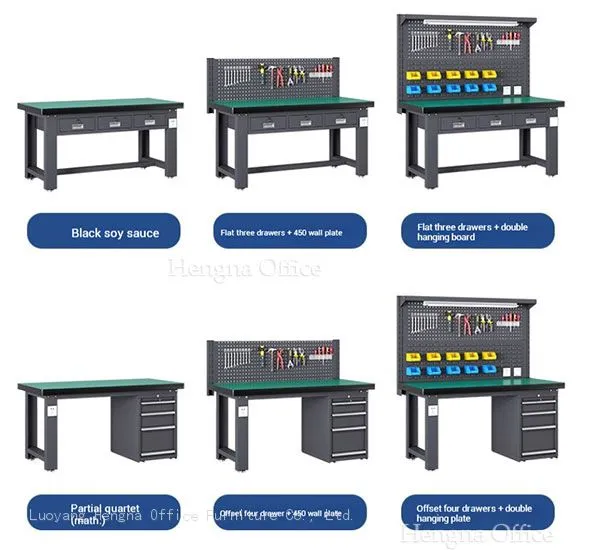
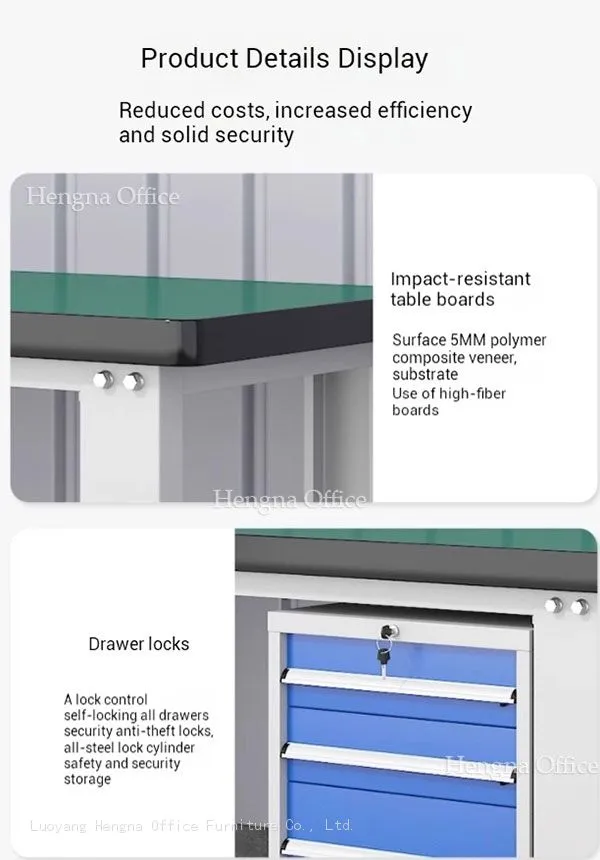
Load capacity listed without test conditions
No distinction between static and dynamic load ratings
Absence of safety factor disclosure
No reference to testing standards
Engineering Risk
Unverified ratings often assume:
Perfect load distribution
Static conditions only
No fatigue or impact loading
| Rating Information | Reliability |
|---|---|
| Tested per ISO / EN | High |
| Internally calculated only | Moderate |
| Marketing estimate | Low |
📌 Expert Note: Dynamic load capacity is the governing parameter in most industrial environments.
Practical Inspection Checklist (Pre-Purchase)
Before final selection, verify:
Frame geometry and load path continuity
Joint type, weld quality, and fastener grade
Material thickness and section design
Presence of lateral and torsional bracing
Verified static and dynamic load ratings
This checklist applies across manufacturing, laboratory, and maintenance environments.
Long-Term Consequences of Ignoring Structural Red Flags
Ignoring these red flags increases:
Maintenance and replacement costs
Production downtime
Safety incident probability
Liability exposure
Audit and compliance risk
Structural inadequacies are cumulative problems, not isolated failures.
Structural Integrity Is a Safety System
From an engineering perspective, an industrial workbench is a load-bearing structure subject to static, dynamic, and fatigue forces. Structural red flags are not cosmetic defects—they are early indicators of performance and safety limitations.
Inspecting frame geometry, joints, material sections, stability, and verified load ratings allows informed decisions that protect both people and processes.
In industrial environments, structural diligence is not optional—it is a baseline requirement.
Recently Posted
-
Stainless Steel Shelving for Breweries and Wineries — What Survives Humidity, Alcohol Spills
July 24, 2026Stainless Steel Shelving for Breweries and Wineries — What Survives Humidity, Alcohol Spills, and Sanitizer Washdowns Three t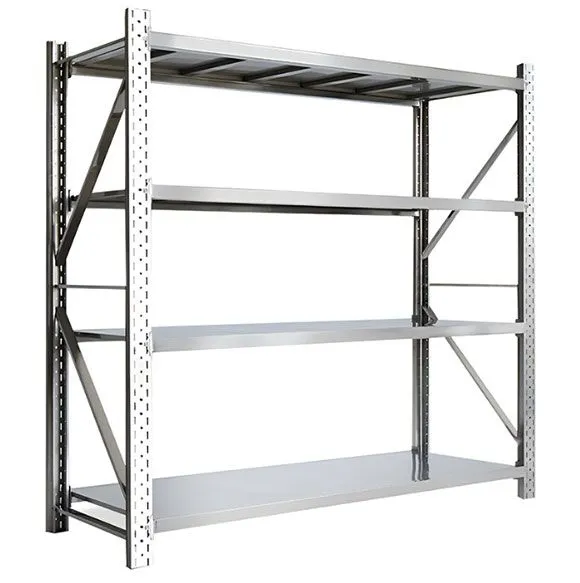 Read More
 -
Stainless Steel Shelving for Meat Processing Plants — What Holds Up Against Blood, Fat, and Daily Wa
July 24, 2026Meat plants are brutal on shelvingIf you work in a meat processing plant, you already know this. The rack that looked fine s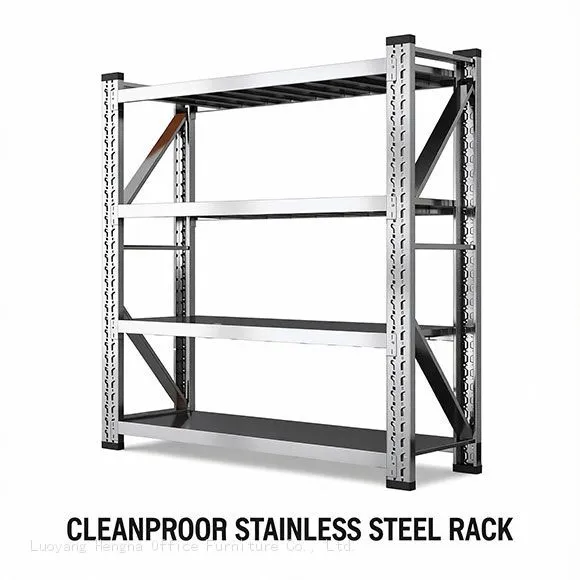 Read More
 -
0.6mm Steel Wardrobe vs 0.4mm — Why Cold-Rolled Single Door Metal Closet Lasts Longer
July 10, 2026The 0.2mm That Decides Whether You Buy One Wardrobe or ThreeTwo wardrobes look identical on a supplier's photo. Same door, sam Read More
 -
Heavy Duty Tool Cabinet with Locks for School Shop: Stop Tool Theft Before It Happens
July 9, 2026A vocational school workshop isn't like a factory floor. The tools aren't being used by seasoned machinists who know where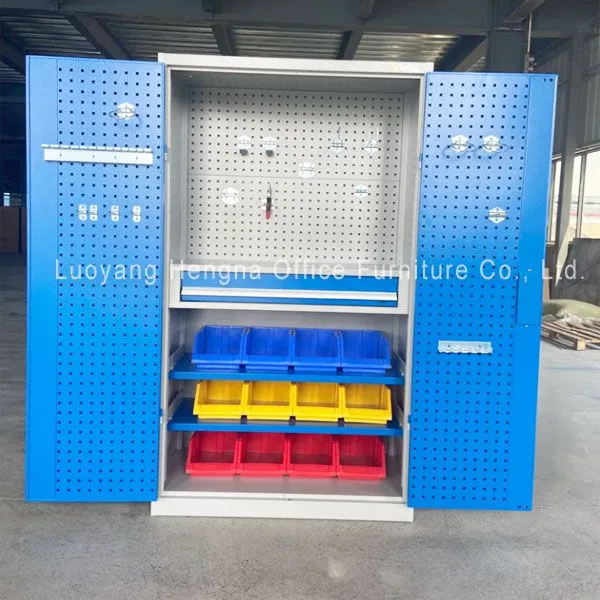 Read More

Contact Us
Recommended Products
-
 Industrial-Grade ABS Plastic Locker for Factory Staff and Warehouse Workers|Hengna OfficeUS$ 19 - 100MOQ: 5 Sets
 -
Outdoor ABS Locker Cabinet – UV-Resistant Plastic Storage for Poolside or Beach Resorts-Hengna OfficeUS$ 19 - 100MOQ: 5 Sets
-
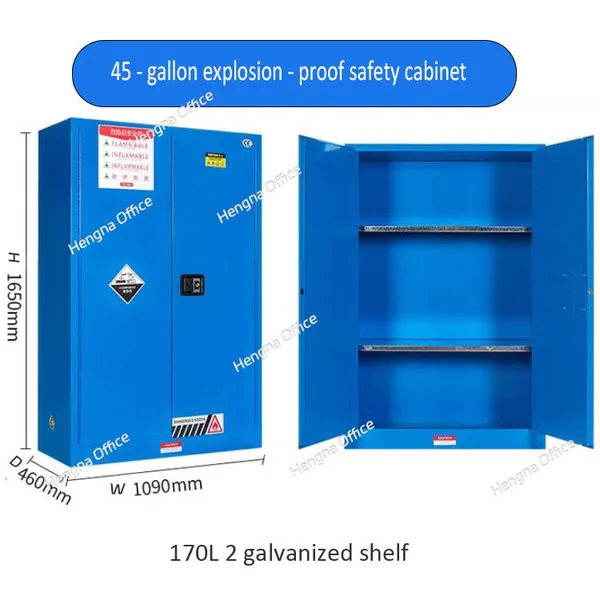
45 Gallon Explosion-Proof Flammable Liquid Storage Cabinet – Fire-Resistant Steel Safety Cabinet for FactoriesUS$ 68 - 400MOQ: 2 Combos
-
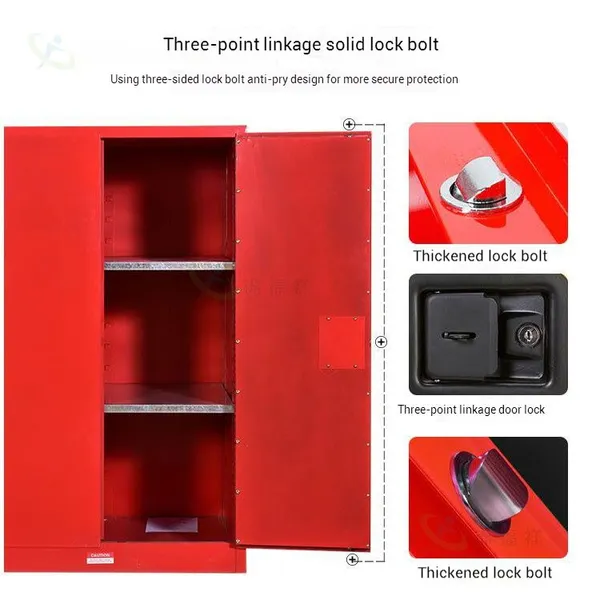
Flammable Storage Cabinet for Flammable Liquids – OSHA Certified Safety Cabinet With Fireproof Double WallsUS$ 68 - 400MOQ: 2 Combos
-
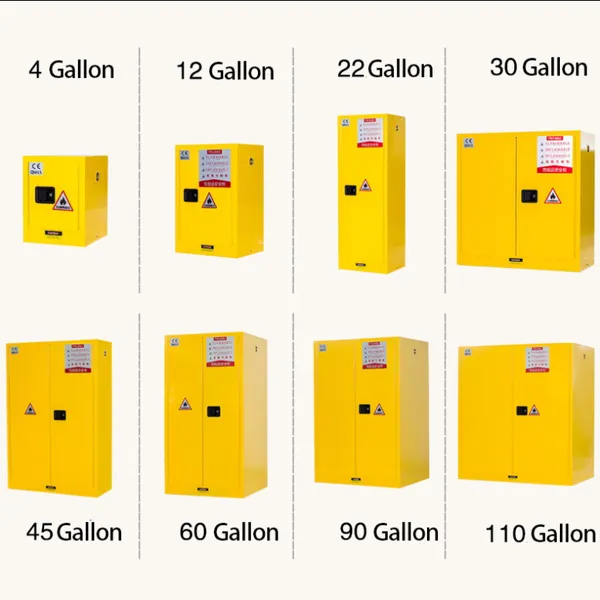
Large Capacity Flammable Liquid Storage Cabinet – Explosion-Proof Safety Cabinet for Laboratory & Workshop UseUS$ 68 - 400MOQ: 2 Combos

-
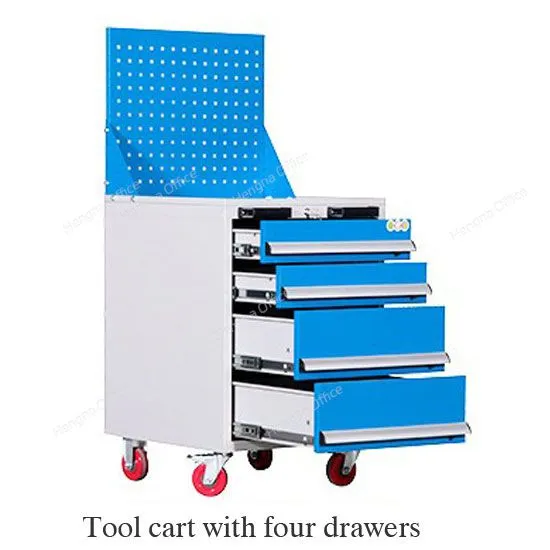
Heavy Duty Steel Tool Cart With Drawers for Workshops|Hengna OfficeUS$ 99 - 269MOQ: 2 Cases
-
Wholesale 3-Drawer Tool Trolley With Wheels for Factory and Garage StorageUS$ 99 - 269MOQ: 2 Cases
-
HN-wlj160 Industrial Rolling Tool Organizer With Pegboard|All-in-One Mobile Tool Storage CartUS$ 5 - 120MOQ: 2 Cases
-
White Stackable Pathology Wax Block Storage Drawers for Labs Near London-Hengna OfficeNegotiableMOQ: 10 Pieces
-
Custom Paraffin Block Storage Cabinet for Histology Laboratories – Factory Direct From Hengna FurnitureNegotiableMOQ: 10 Pieces
-
Smart Phone Charging Locker 40-door|Fingerprint Lockers Intelligent Parcel Delivery CabinetUS$ 203 - 750MOQ: 15 Pieces
-
School Gym Lockers Price |Parcel Delivery Storage Locker 12-door FactoryUS$ 203 - 750MOQ: 15 Pieces
-
Multi Metal Work Benches Electrical Workshop Workbench|US$ 300 - 800MOQ: 2 Cases
-
Commercial Workbench Supplier |Multi Metal Work Bench With Drawers OMDUS$ 300 - 800MOQ: 2 Cases
-
Pathological Ection Cabinet JTGZ062 Wax Block Cabinet for LaboratoryNegotiableMOQ: 10 Pieces
-
Durable Tool Storage in Factory HNGJ703 Hard Wearing Metal Industrial Tool ChestNegotiableMOQ: 18 Pieces
-
High - Quality CNC Workshop Tool Cabinet Heavyweight Workshop Tool OrganizerNegotiableMOQ: 10 Pieces
-
Laboratory Polyethylene Acid and Corrosive Chemicals Safety Storage PP CabinetUS$ 340 - 600MOQ: 5 Combos
-
22 Gallons /80 L PP Acid - Base Cabinet: Safeguard Chemical Storage Supplier OEMUS$ 500 - 600MOQ: 5 Combos
-
4 - Gallon Corrosion-resistant Safety Cabinet for Hazardous Chemicals Acid SupplierUS$ 340 - 500MOQ: 5 Combos