
 Business License
Too Hot in Summer or Too Cold in Winter? How to Choose Parcel Locker Materials to Protect Items
Summer heat, winter cold—have your customers ever abandoned their packages because the locker environment couldn’t protect their items? Sensitive parcels like electronics, cosmetics, or perishable goods can degrade quickly under extreme temperatures. Choosing the wrong parcel locker material during procurement can lead to customer dissatisfaction and lost revenue.
As experts with years of experience in locker design and logistics, we’ll explain how to select materials for outdoor and indoor parcel lockers that maintain safe internal temperatures, protect sensitive items, and prevent operational problems. By understanding these considerations upfront, you’ll make an informed investment that enhances customer satisfaction and avoids costly mistakes.
Why Locker Material Matters
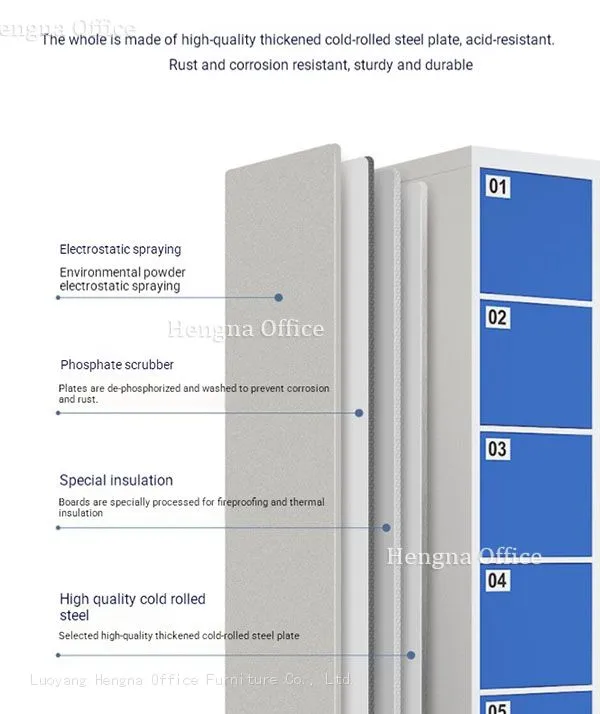
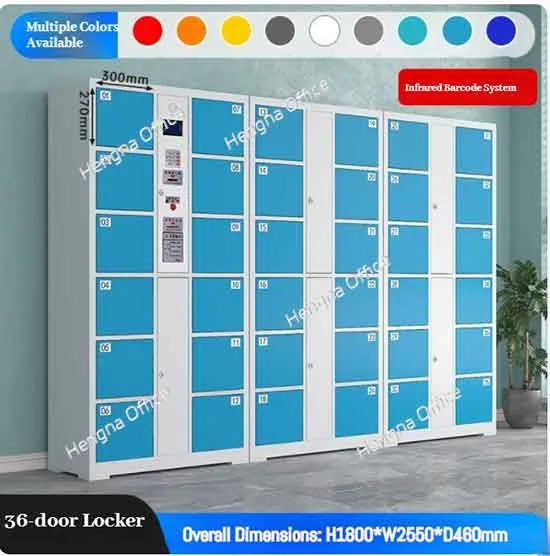
Parcel locker material affects temperature regulation, durability, and overall protection. Different materials react differently to sunlight, cold, and weather exposure:
Metal lockers (steel or aluminum) heat up quickly under direct sun and can be very cold in winter.
Plastic or polymer lockers can insulate better but may warp under prolonged UV exposure or heavy loads.
Composite or insulated lockers provide moderate temperature stability but cost more upfront.
Ignoring material selection can cause:
Damage to electronics, cosmetics, or other temperature-sensitive items
Customer complaints and lost trust
Frequent maintenance or replacement of locker units
3 Key Factors in Material Selection
1. Thermal Insulation Properties
Lockers with good thermal insulation prevent internal temperatures from rising too high in summer or dropping too low in winter. Consider:
| Material | Thermal Conductivity | Advantages | Disadvantages |
|---|---|---|---|
| Steel | High | Durable, secure | Gets hot in sun, cold in winter |
| Aluminum | Medium-High | Lightweight, corrosion-resistant | Poor insulation, temperature swings |
| Plastic/Polymer | Low | Better insulation, lightweight | Can warp, scratch easily |
| Composite/Insulated | Low-Medium | Good temperature stability | Higher cost |
Expert Tip: For sensitive parcels, consider polymer-coated steel or insulated composite lockers. These provide structural strength while maintaining safer internal temperatures.
2. Weather and UV Resistance
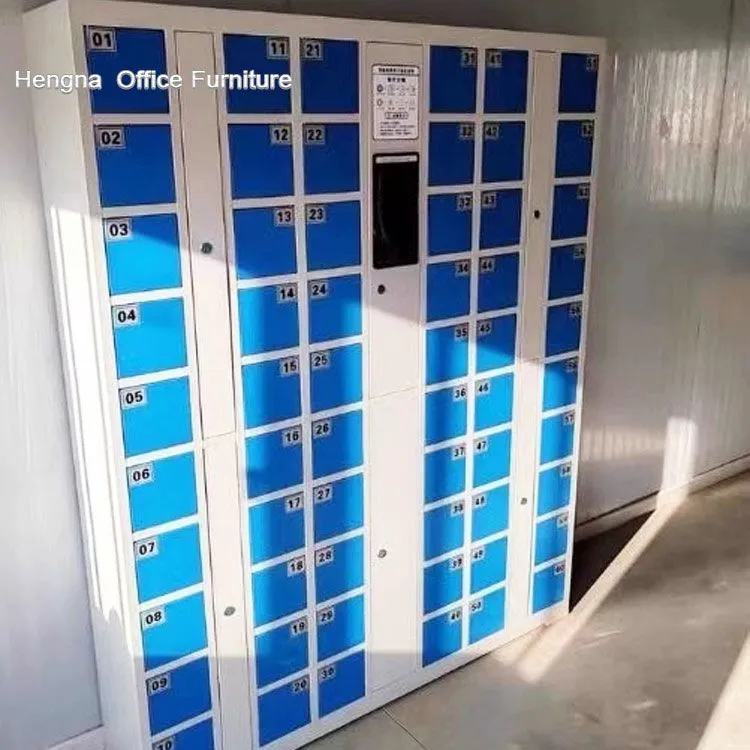
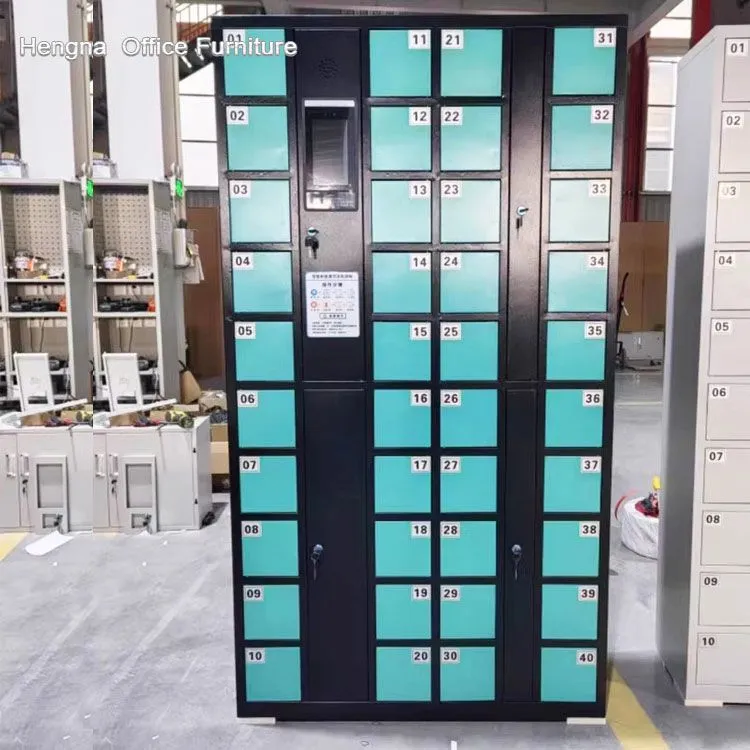
Outdoor lockers face exposure to sunlight, rain, snow, and humidity. Material selection must account for:
UV degradation: Prolonged sun exposure can discolor or weaken plastics
Rust and corrosion: Metals need powder coating or anti-corrosion treatment
Moisture penetration: Insufficient sealing can let water in, damaging contents
Visual Insight – Weather Resistance:
| Feature | Recommended Material/Coating | Notes |
|---|---|---|
| UV protection | UV-stabilized polymers or coatings | Prevents warping and fading |
| Corrosion resistance | Powder-coated steel or aluminum | Maintains strength in rain/snow |
| Waterproofing | Silicone seals, weatherproof gaskets | Protects internal parcels |
3. Durability vs. Insulation Trade-Off
Balancing strength and temperature control is key. Strong steel lockers may need insulation layers, while lighter plastic lockers may need reinforced structure. Key considerations include:
Structural strength: Steel is harder to vandalize or dent
Temperature stability: Insulation keeps internal temps within safe range
Weight and installation: Aluminum and plastic are easier to move and install
Expert Tip: For high-traffic outdoor locations, metal lockers with internal insulation panels often provide the best balance of durability and thermal protection.
Additional Design Considerations
Besides material, other design choices can enhance temperature control:
Ventilation and airflow – prevents heat buildup in summer
Reflective coatings – reduces solar heat absorption
Internal insulation panels – optional for sensitive items
Shaded placement – natural shade or built-in overhangs reduces direct sun exposure
Checklist – Protecting Sensitive Parcels:
✅ Insulated locker materials or panels
✅ UV-resistant coating
✅ Corrosion-resistant metal finishes
✅ Proper ventilation and airflow
✅ Placement considerations (shaded areas)
FAQ – Parcel Locker Material Selection
Q1: Can standard steel lockers protect electronics in summer?
A1: Standard steel lockers without insulation can heat up quickly, potentially damaging electronics. Insulated or polymer-coated metal lockers are safer.
Q2: Are plastic lockers suitable for outdoor use in winter?
A2: High-quality UV-stabilized plastics perform well, but extreme cold may make some plastics brittle. Composite or insulated designs are preferable.
Q3: Does insulation increase locker cost significantly?
A3: Yes, but it’s a worthwhile investment for protecting sensitive items and reducing customer complaints, ultimately saving money from lost packages or replacements.
Summer heat and winter cold shouldn’t compromise the safety of your customers’ parcels. Selecting the right locker materials—with thermal insulation, UV and weather resistance, and proper design—ensures sensitive items remain safe and accessible year-round.
During procurement, don’t overlook this critical factor. Choosing metal with insulation, UV-resistant plastics, or composite materials can save you from operational headaches and enhance customer satisfaction.
If you have questions about material selection for your parcel lockers or need advice on protecting specific items, leave a comment below. Our experts are ready to provide tailored solutions for your environment.
Recently Posted
-
Welded vs Boltless Steel Shelving — Looks Strong at the Factory, Falls Apart at the Port
August 7, 2026Welded vs Boltless Steel Shelving — Looks Strong at the Factory, Falls Apart at the PortHere's a story every steel shelving im Read More
 -
You Asked a Steel Shelving Supplier for a Price. Here's What You Should Have Asked First.
August 7, 2026You found a steel shelving supplier. Their listing looks clean. You sent the message every first-time importer sends: "What&# Read More
 -
Heavy Duty Steel Workbench for Auto Repair — Cold Rolled Frame vs What Most Garages Use
August 5, 2026Mike has been running his independent garage for eleven years. Three bays, two mechanics, a steady stream of brake jobs and transm Read More
 -
Modular Workbench with Pegboard and Drawers — One Bench That Grows With Your Shop
August 5, 2026A shop starts with three people and two benches. Basic surface, no drawers, tools hanging on a pegboard nailed to the wall. Works Read More

Contact Us
Recommended Products
-
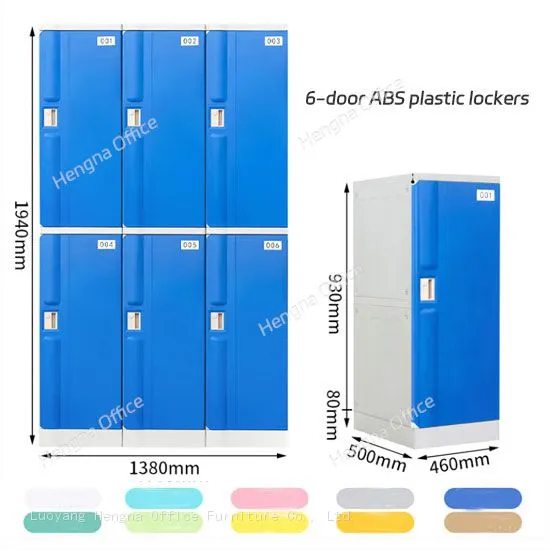
 Industrial-Grade ABS Plastic Locker for Factory Staff and Warehouse Workers|Hengna OfficeUS$ 19 - 100MOQ: 5 Sets
 -
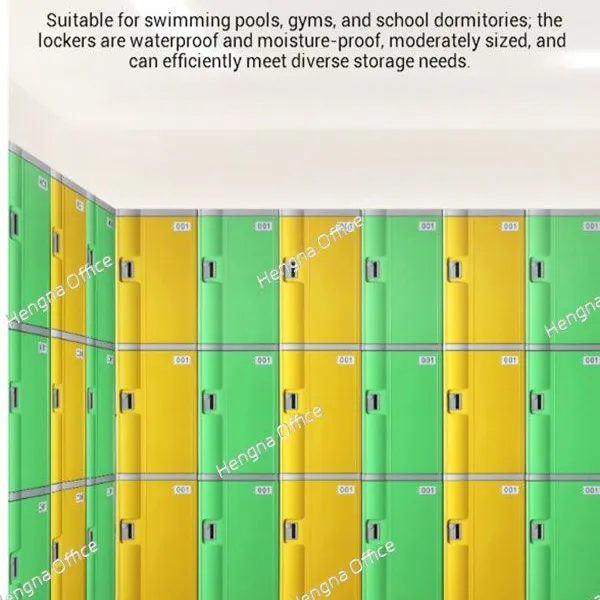
Outdoor ABS Locker Cabinet – UV-Resistant Plastic Storage for Poolside or Beach Resorts-Hengna OfficeUS$ 19 - 100MOQ: 5 Sets
-
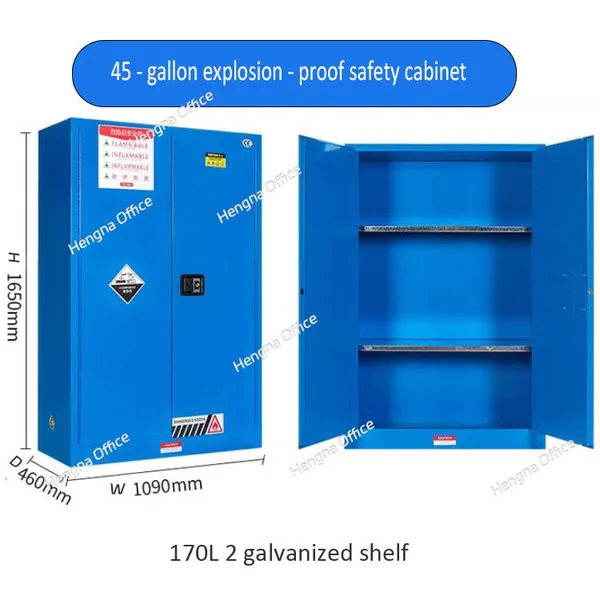
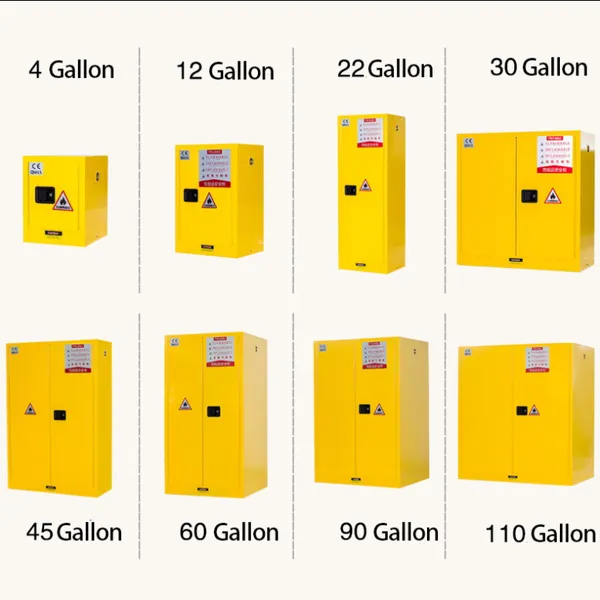
45 Gallon Explosion-Proof Flammable Liquid Storage Cabinet – Fire-Resistant Steel Safety Cabinet for FactoriesUS$ 68 - 400MOQ: 2 Combos
-
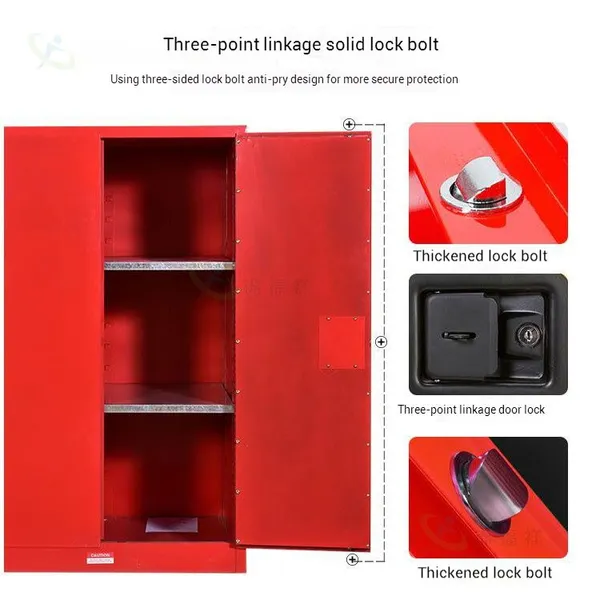
Flammable Storage Cabinet for Flammable Liquids – OSHA Certified Safety Cabinet With Fireproof Double WallsUS$ 68 - 400MOQ: 2 Combos
-
Large Capacity Flammable Liquid Storage Cabinet – Explosion-Proof Safety Cabinet for Laboratory & Workshop UseUS$ 68 - 400MOQ: 2 Combos
-
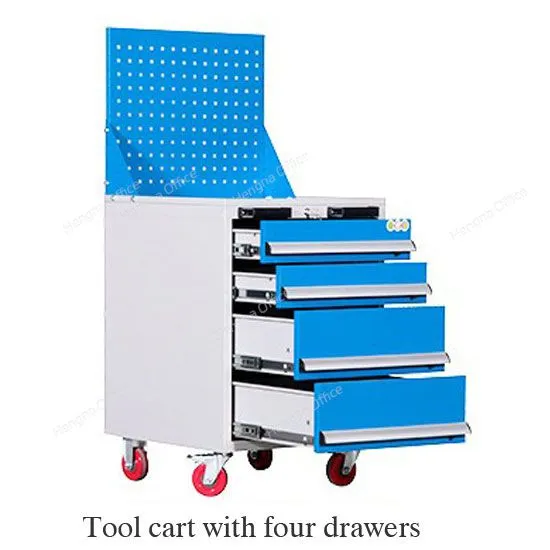
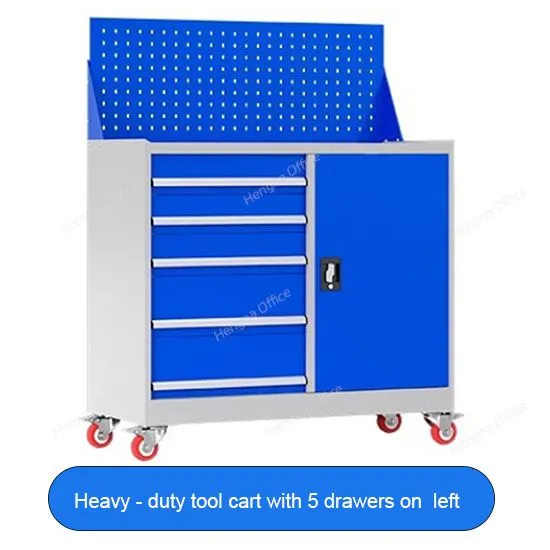
Heavy Duty Steel Tool Cart With Drawers for Workshops|Hengna OfficeUS$ 99 - 269MOQ: 2 Cases
-
Wholesale 3-Drawer Tool Trolley With Wheels for Factory and Garage StorageUS$ 99 - 269MOQ: 2 Cases
-
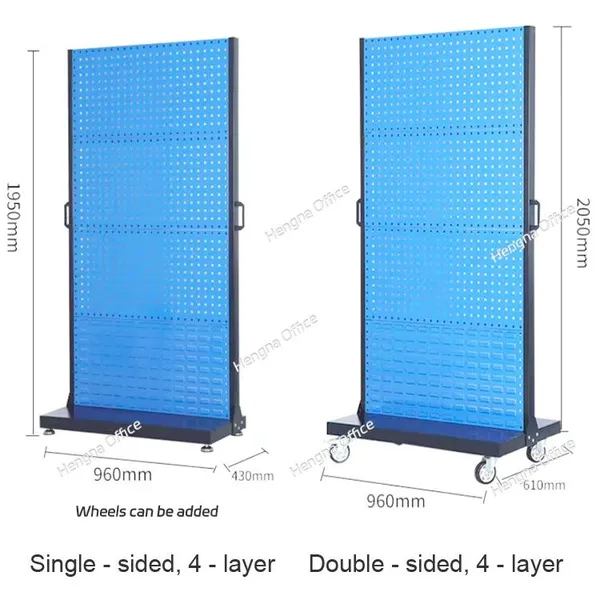
HN-wlj160 Industrial Rolling Tool Organizer With Pegboard|All-in-One Mobile Tool Storage CartUS$ 5 - 120MOQ: 2 Cases
-
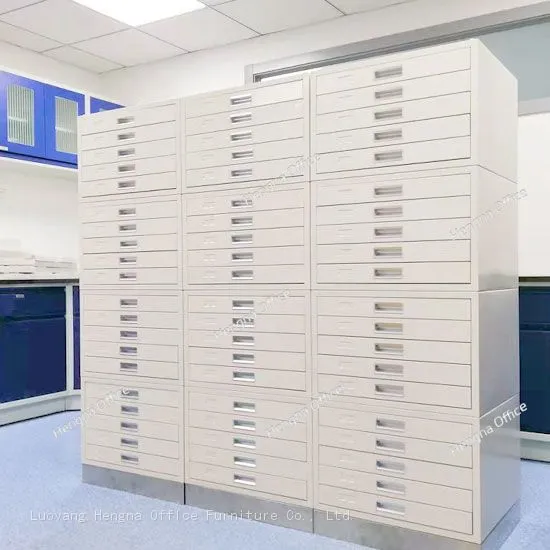
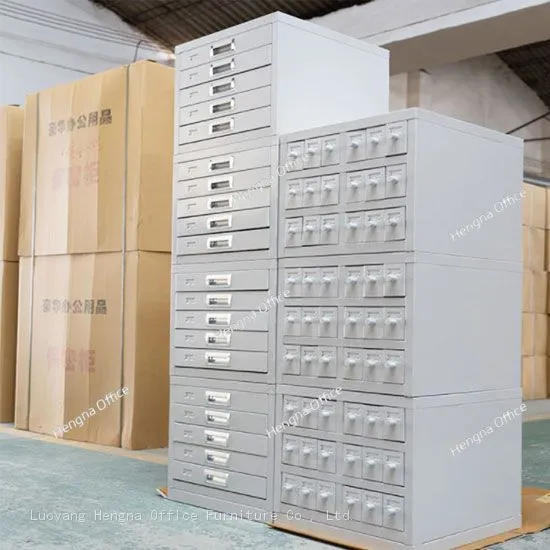
White Stackable Pathology Wax Block Storage Drawers for Labs Near London-Hengna OfficeNegotiableMOQ: 10 Pieces
-
Custom Paraffin Block Storage Cabinet for Histology Laboratories – Factory Direct From Hengna FurnitureNegotiableMOQ: 10 Pieces
-
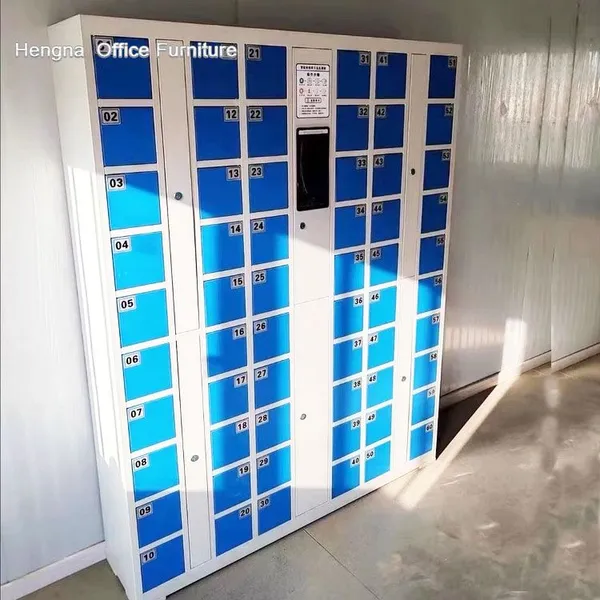
Smart Phone Charging Locker 40-door|Fingerprint Lockers Intelligent Parcel Delivery CabinetUS$ 203 - 750MOQ: 15 Pieces
-
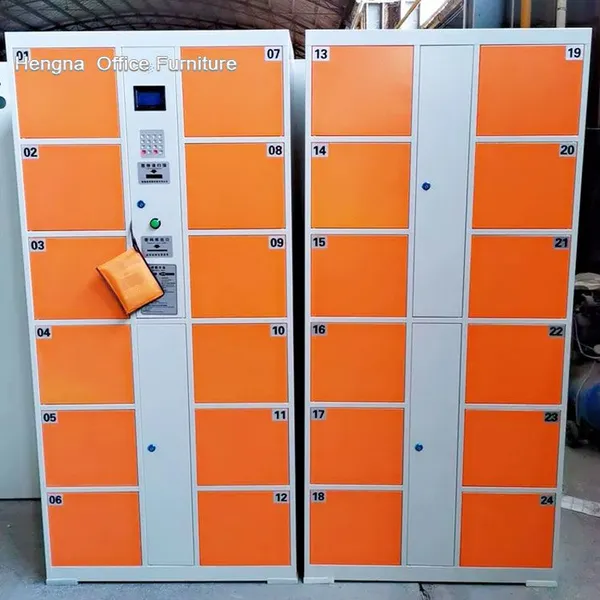
School Gym Lockers Price |Parcel Delivery Storage Locker 12-door FactoryUS$ 203 - 750MOQ: 15 Pieces
-
Multi Metal Work Benches Electrical Workshop Workbench|US$ 300 - 800MOQ: 2 Cases
-
Commercial Workbench Supplier |Multi Metal Work Bench With Drawers OMDUS$ 300 - 800MOQ: 2 Cases
-
Pathological Ection Cabinet JTGZ062 Wax Block Cabinet for LaboratoryNegotiableMOQ: 10 Pieces
-
Durable Tool Storage in Factory HNGJ703 Hard Wearing Metal Industrial Tool ChestNegotiableMOQ: 18 Pieces
-
High - Quality CNC Workshop Tool Cabinet Heavyweight Workshop Tool OrganizerNegotiableMOQ: 10 Pieces
-
Laboratory Polyethylene Acid and Corrosive Chemicals Safety Storage PP CabinetUS$ 340 - 600MOQ: 5 Combos
-
22 Gallons /80 L PP Acid - Base Cabinet: Safeguard Chemical Storage Supplier OEMUS$ 500 - 600MOQ: 5 Combos
-
4 - Gallon Corrosion-resistant Safety Cabinet for Hazardous Chemicals Acid SupplierUS$ 340 - 500MOQ: 5 Combos