
 Business License

HACCP & Infection Control: Why Stainless Steel is Non-Negotiable for Personal Item Storage
In industries where "cleanliness" is a regulatory requirement—such as food processing, pharmaceuticals, and healthcare—safety protocols usually focus on the production line or the surgical suite. However, a significant gap in many Infection Control and HACCP (Hazard Analysis and Critical Control Points) plans lies in the transition zone: the staff breakroom and changing areas.
How employees store their personal hydration flasks and mugs can either support or sabotage your facility’s compliance. When it comes to mitigating biological hazards, 304-grade stainless steel storage is not just an aesthetic choice; it is a non-negotiable requirement for high-standard hygiene management.
The Science of Surfaces: Why Stainless Steel Wins
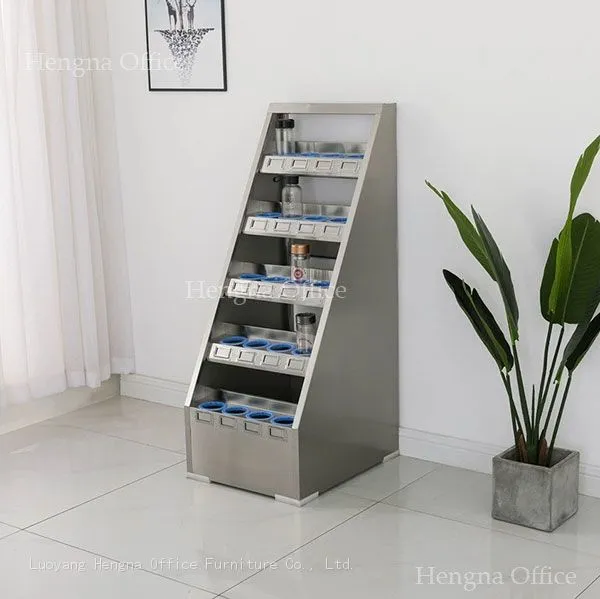
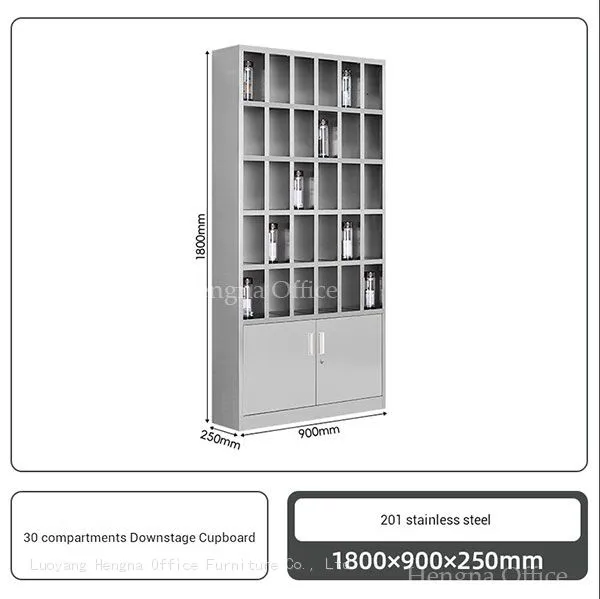
To understand why stainless steel is mandatory for compliance, we must look at the "behavior" of pathogens on different surfaces. In a facility following HACCP principles, every piece of equipment is evaluated as a potential "Critical Control Point."
1. Zero Porosity: No Place to Hide
Unlike wood (which is fibrous and porous) or certain plastics (which develop micro-scratches over time), 304 stainless steel is a non-porous material.
The Compliance Benefit: Bacteria, viruses, and mold spores cannot penetrate the surface. This prevents the formation of "biofilms"—invisible layers of bacteria that are resistant to standard cleaning.
2. Chemical Resilience for Sterilization
Infection control requires the use of aggressive disinfectants, from quaternary ammonium to high-concentration isopropyl alcohol.
The Compliance Benefit: Stainless steel does not degrade, discolor, or "outgas" when exposed to these chemicals. This allows your janitorial team to use the same medical-grade sanitizers on the Staff Mug Cupboard as they do on the production equipment.
3. Corrosion Resistance (The Chromium Factor)
High-quality stainless steel contains a high percentage of Chromium, which forms a passive, self-healing oxide layer.
The Compliance Benefit: This layer prevents rust and pitting. In a food plant, a rusted locker is a physical hazard (metal flakes) and a biological hazard (bacteria in the pits). Stainless steel eliminates this risk entirely.
Comparison of Storage Materials in Sterile Environments
| Feature | 304 Stainless Steel | Plastic / Polypropylene | Wood / Laminate |
| Bacterial Resistance | Superior | Moderate | Low (High Risk) |
| Chemical Resistance | Excellent | Moderate (Degrades) | Low |
| HACCP Compliance | Fully Compliant | Restricted Use | Prohibited in many zones |
| Durability | 20+ Years | 3–5 Years | 1–2 Years |
| Ease of Sanitization | High (Steam/Chemical) | Moderate | Difficult |
Top Recommendations for Compliance-Heavy Facilities
For facilities undergoing regular audits (FDA, ISO, or BRCGS), we recommend the following specialized units designed with "Infection Control" in mind:
A. For Hospitals & Clinics: The Sanitary Mug Cupboard (SMC324)
Medical staff work long shifts and need hydration, but nurses' stations must remain sterile.
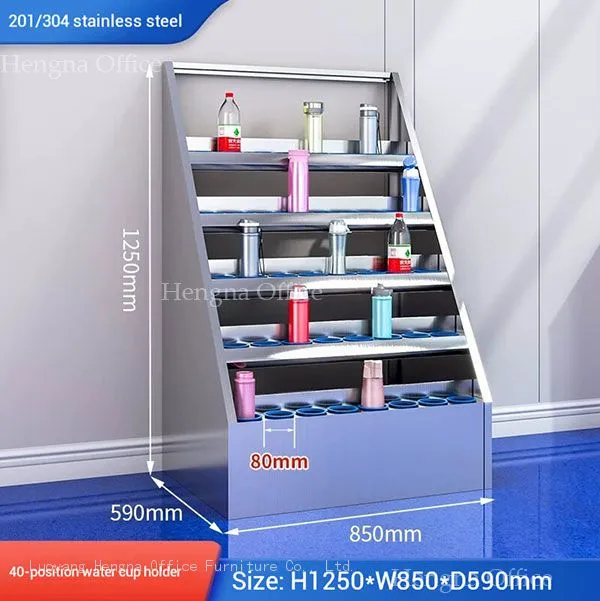
The Solution: The SMC324 features an electropolished smooth surface and a modular design. Its open-access architecture allows for rapid cleaning and ensures that no dust-collecting "dead zones" exist within the unit.
B. For Food Processing Plants: The Industrial Manifold (BM-CL548)
Food safety audits require the strict separation of personal items from production.
The Solution: The BM-CL548 provides a massive 70-cell capacity. By placing this at the entryway of the gowning room, you create a "Sanitary Gateway," ensuring water bottles never cross into the high-risk production area.
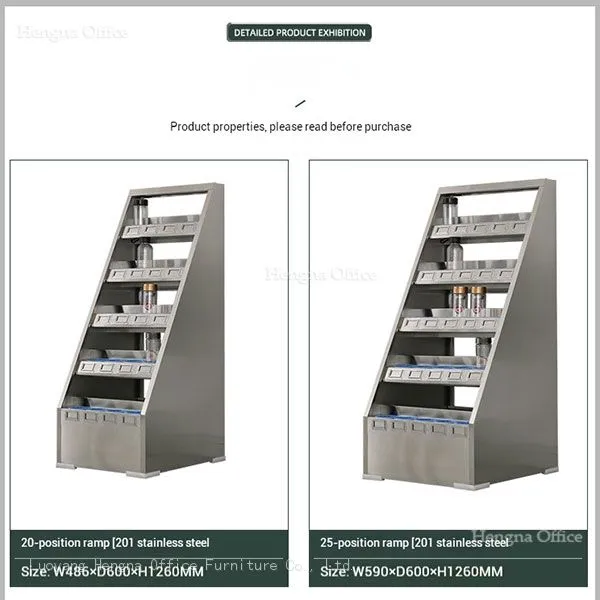
C. For Laboratories & Cleanrooms: The Tumbler Storage Rack (SR-CL534)
In ISO-certified cleanrooms, even the smallest particles matter.
The Solution: The SR-CL534 uses precision laser-cut edges to prevent metallic shedding. Its wall-mounted design allows for floor-to-ceiling cleaning, a vital requirement for "Zero-Dust" environments.
Aligning with HACCP Principles
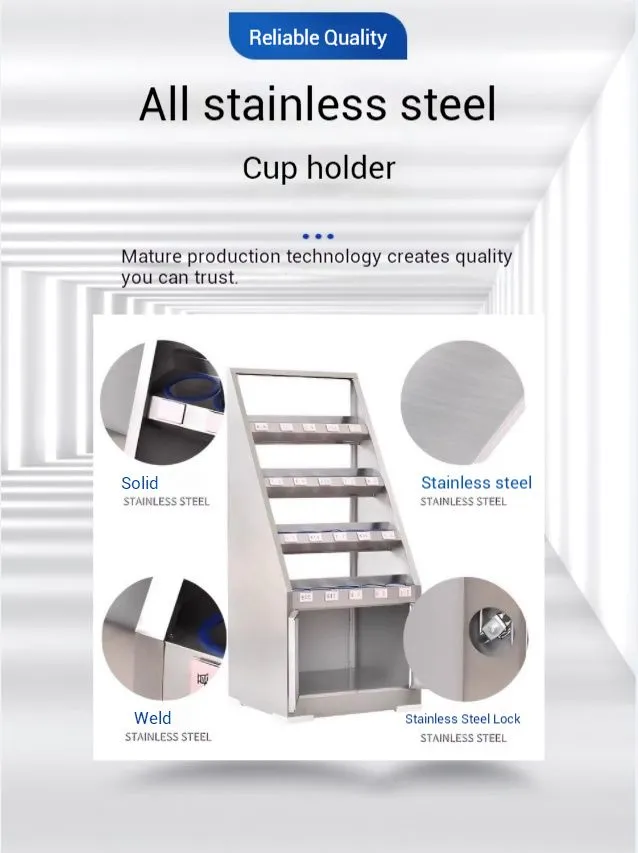
Integrating Stainless Steel Water Bottle Cabinets into your facility helps satisfy several HACCP core principles:
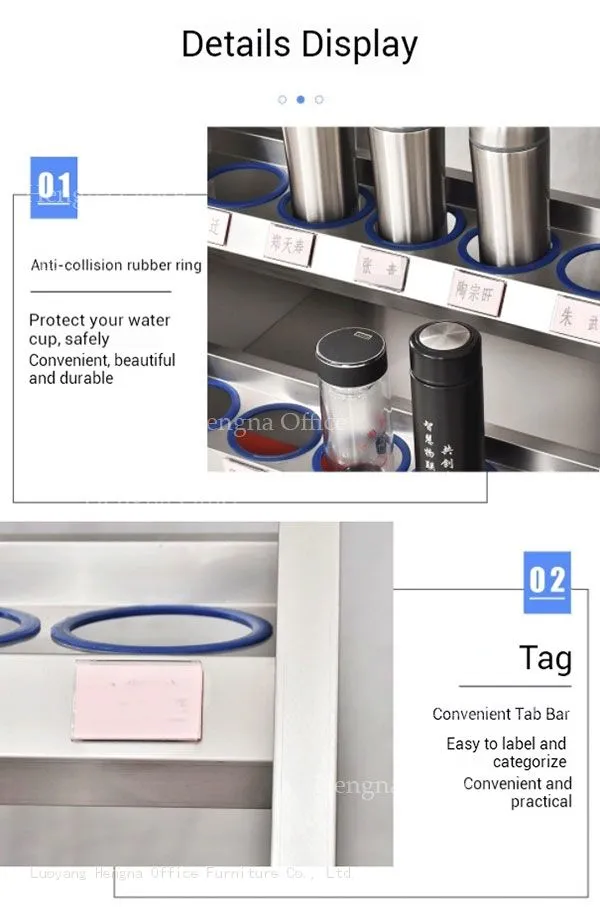
Preventing Cross-Contamination: By providing individual "Pigeon Holes" or "Cubbies," you prevent the mouthpieces of bottles from touching one another, stopping the spread of seasonal illnesses among the workforce.
Facilitating Effective Cleaning: Our units feature Easy-to-Clean smooth surfaces and raised legs. This allows cleaning crews to sanitize under and behind the units, ensuring no organic matter accumulates.
Standard Operating Procedures (SOPs): A designated, labeled rack makes it easy to write and enforce SOPs regarding where employees are permitted to drink and store their gear.
4 Must-Have Features for "Sanitary Grade" Storage
When purchasing for a regulated environment, look for these specific engineering details:
304 Grade Certification: Ensure the manufacturer provides genuine SUS 304. Avoid 201 grade in food/medical zones as it may develop surface rust over time.
Smooth-Finish Welds: Welds should be ground smooth and polished. Rough welds are "traps" for moisture and bacteria.
Labeling System without Adhesives: Look for built-in metal label slots. Using tape or stickers for names is a "Non-Conformance" in many audits because adhesive residue harbors germs.
Open-Back or Slatted Design: This promotes airflow, ensuring that any residual moisture on the bottles evaporates quickly, preventing stagnant odors.
FAQ: Frequently Asked Questions
Q1: Is stainless steel storage required by law in food plants?
A: While specific laws vary by country, HACCP and GMP (Good Manufacturing Practices) guidelines strongly recommend non-corrosive, non-absorbent materials for any furniture located in or near processing zones. Stainless steel is the easiest way to pass a safety audit.
Q2: Can we use steam cleaners on these cabinets?
A: Absolutely. Our 304 Stainless Steel Cabinets are built to withstand high-pressure steam cleaning, which is one of the most effective ways to achieve total sterilization without using harsh chemicals.
Q3: Does the finish help with infection control?
A: Yes. We offer a Brushed Satin Finish that is treated to be anti-fingerprint. This reduces the transfer of skin oils, which are a food source for bacteria, making the surface naturally more hygienic between cleanings.
In a high-compliance facility, every detail matters. Storing water bottles in wooden cubbies or on plastic trays isn't just a disorganized habit—it's a clinical risk. By investing in Professional Stainless Steel Hydration Stations, you are choosing a material that is as serious about infection control as you are.
Ensure your facility is audit-ready and your staff is protected. Choose the non-negotiable standard of stainless steel.

Recently Posted
-
Stainless Steel Shelving for Breweries and Wineries — What Survives Humidity, Alcohol Spills
July 24, 2026Stainless Steel Shelving for Breweries and Wineries — What Survives Humidity, Alcohol Spills, and Sanitizer Washdowns Three t Read More
 -
Stainless Steel Shelving for Meat Processing Plants — What Holds Up Against Blood, Fat, and Daily Wa
July 24, 2026Meat plants are brutal on shelvingIf you work in a meat processing plant, you already know this. The rack that looked fine s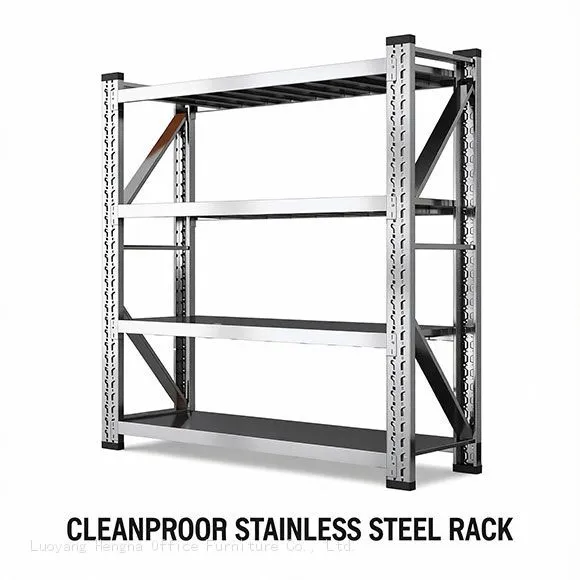 Read More
 -
0.6mm Steel Wardrobe vs 0.4mm — Why Cold-Rolled Single Door Metal Closet Lasts Longer
July 10, 2026The 0.2mm That Decides Whether You Buy One Wardrobe or ThreeTwo wardrobes look identical on a supplier's photo. Same door, sam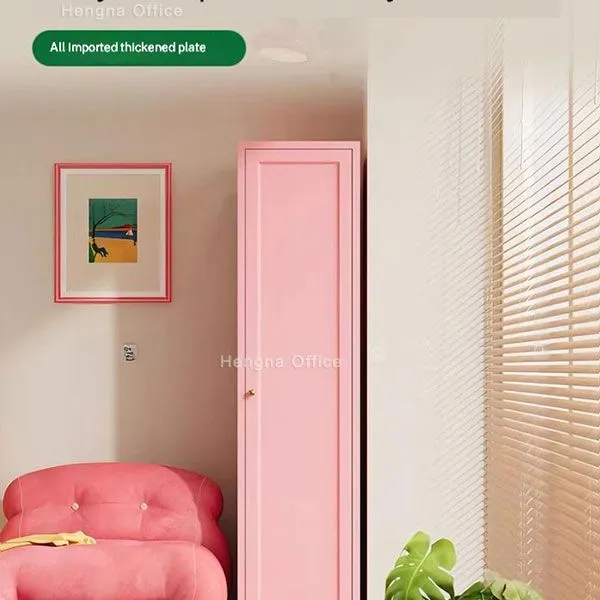 Read More
 -
Heavy Duty Tool Cabinet with Locks for School Shop: Stop Tool Theft Before It Happens
July 9, 2026A vocational school workshop isn't like a factory floor. The tools aren't being used by seasoned machinists who know where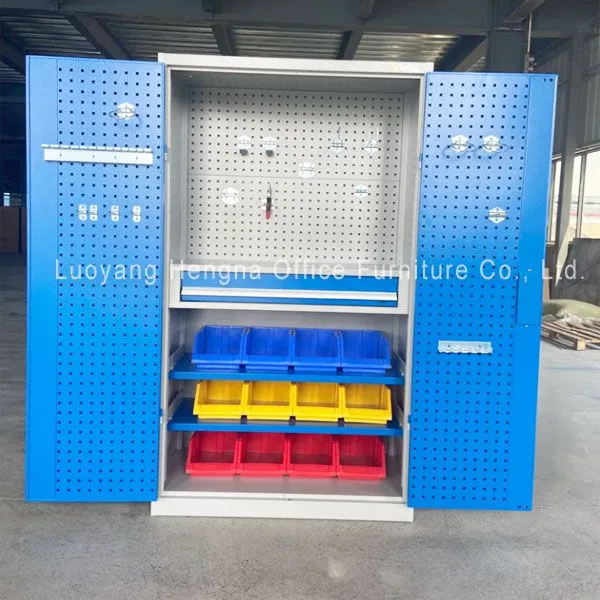 Read More

Contact Us
Recommended Products
-
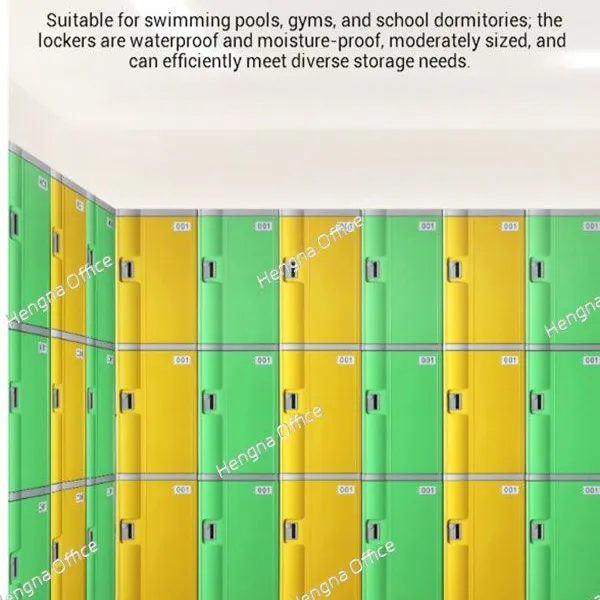
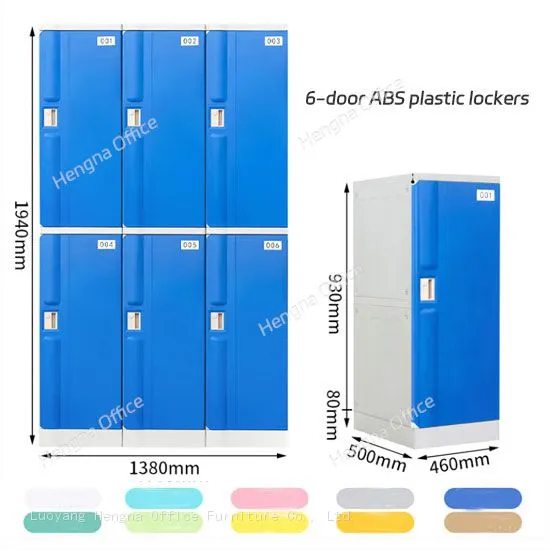
 Industrial-Grade ABS Plastic Locker for Factory Staff and Warehouse Workers|Hengna OfficeUS$ 19 - 100MOQ: 5 Sets
 -
Outdoor ABS Locker Cabinet – UV-Resistant Plastic Storage for Poolside or Beach Resorts-Hengna OfficeUS$ 19 - 100MOQ: 5 Sets
-
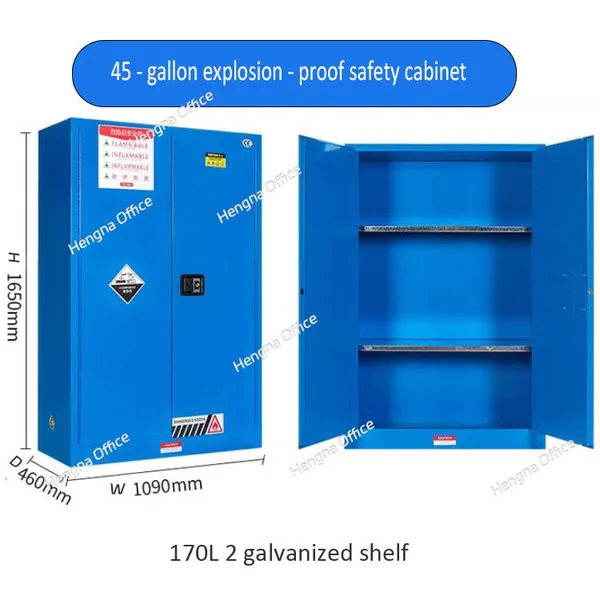
45 Gallon Explosion-Proof Flammable Liquid Storage Cabinet – Fire-Resistant Steel Safety Cabinet for FactoriesUS$ 68 - 400MOQ: 2 Combos
-
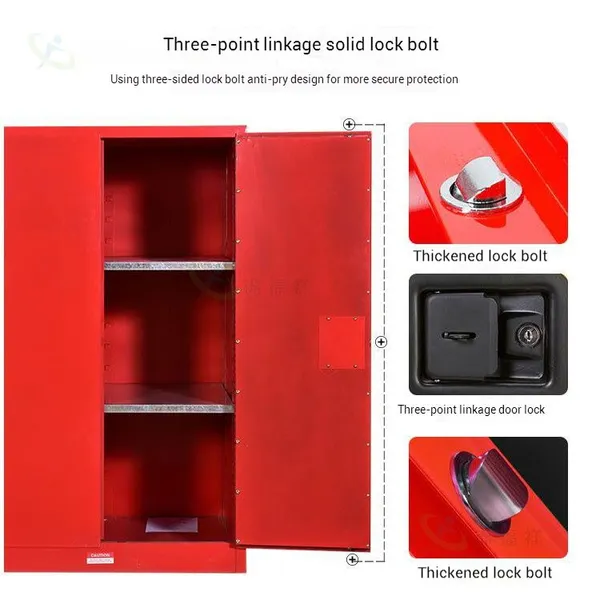
Flammable Storage Cabinet for Flammable Liquids – OSHA Certified Safety Cabinet With Fireproof Double WallsUS$ 68 - 400MOQ: 2 Combos
-
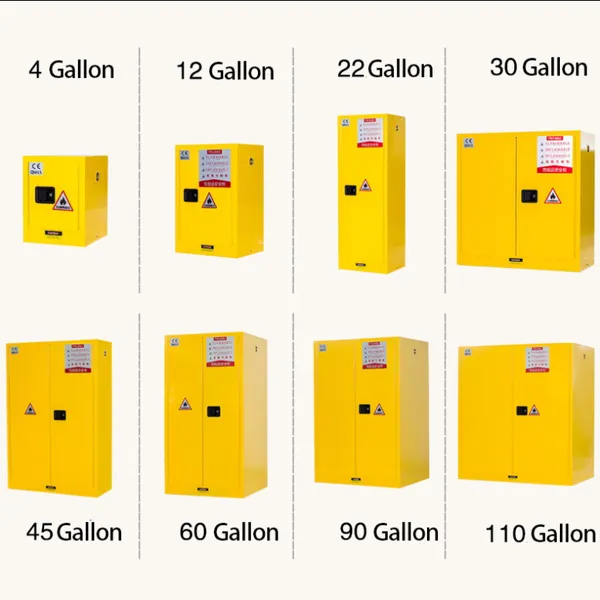
Large Capacity Flammable Liquid Storage Cabinet – Explosion-Proof Safety Cabinet for Laboratory & Workshop UseUS$ 68 - 400MOQ: 2 Combos
-
Heavy Duty Steel Tool Cart With Drawers for Workshops|Hengna OfficeUS$ 99 - 269MOQ: 2 Cases
-
Wholesale 3-Drawer Tool Trolley With Wheels for Factory and Garage StorageUS$ 99 - 269MOQ: 2 Cases
-
HN-wlj160 Industrial Rolling Tool Organizer With Pegboard|All-in-One Mobile Tool Storage CartUS$ 5 - 120MOQ: 2 Cases
-
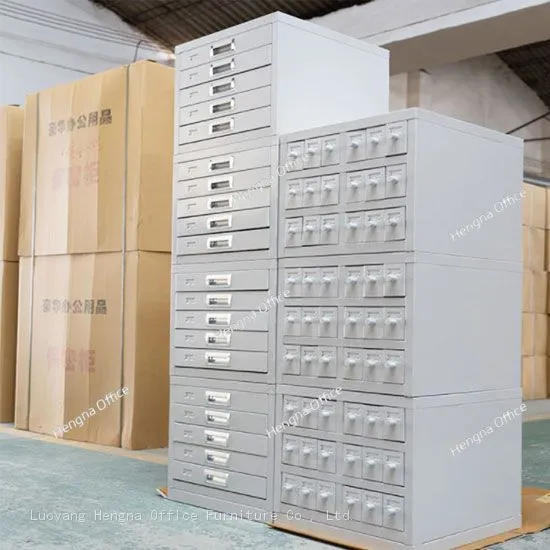
White Stackable Pathology Wax Block Storage Drawers for Labs Near London-Hengna OfficeNegotiableMOQ: 10 Pieces
-
Custom Paraffin Block Storage Cabinet for Histology Laboratories – Factory Direct From Hengna FurnitureNegotiableMOQ: 10 Pieces
-
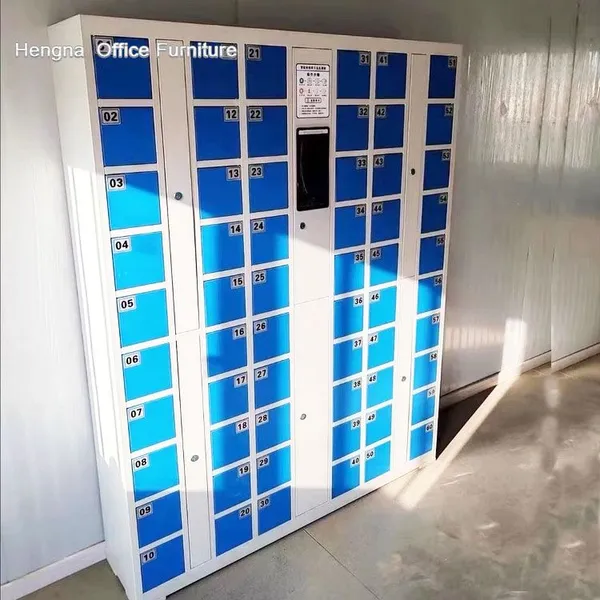
Smart Phone Charging Locker 40-door|Fingerprint Lockers Intelligent Parcel Delivery CabinetUS$ 203 - 750MOQ: 15 Pieces
-
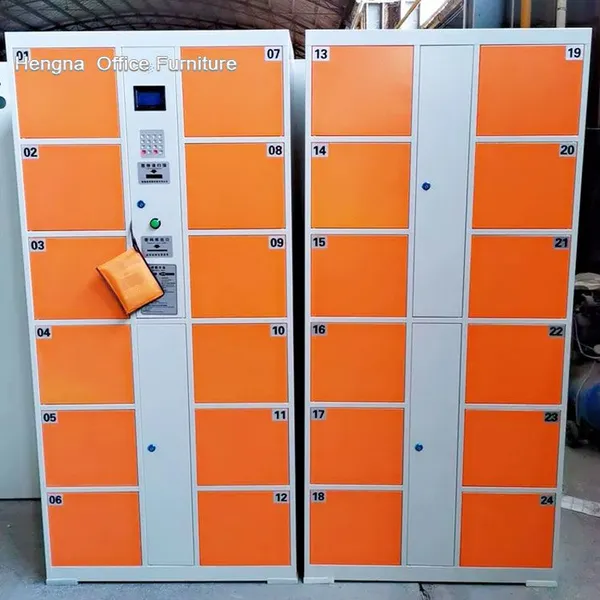
School Gym Lockers Price |Parcel Delivery Storage Locker 12-door FactoryUS$ 203 - 750MOQ: 15 Pieces
-
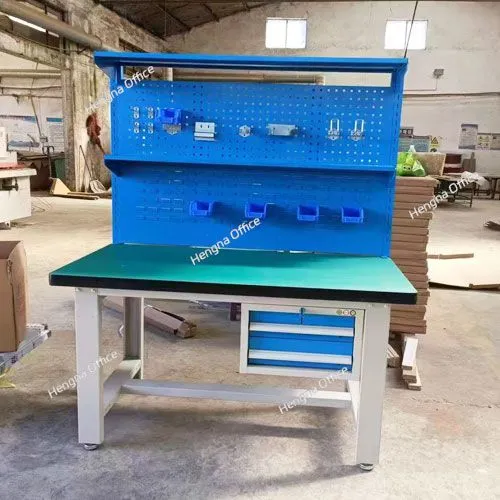
Multi Metal Work Benches Electrical Workshop Workbench|US$ 300 - 800MOQ: 2 Cases
-
Commercial Workbench Supplier |Multi Metal Work Bench With Drawers OMDUS$ 300 - 800MOQ: 2 Cases
-
Pathological Ection Cabinet JTGZ062 Wax Block Cabinet for LaboratoryNegotiableMOQ: 10 Pieces
-
Durable Tool Storage in Factory HNGJ703 Hard Wearing Metal Industrial Tool ChestNegotiableMOQ: 18 Pieces
-
High - Quality CNC Workshop Tool Cabinet Heavyweight Workshop Tool OrganizerNegotiableMOQ: 10 Pieces
-
Laboratory Polyethylene Acid and Corrosive Chemicals Safety Storage PP CabinetUS$ 340 - 600MOQ: 5 Combos
-
22 Gallons /80 L PP Acid - Base Cabinet: Safeguard Chemical Storage Supplier OEMUS$ 500 - 600MOQ: 5 Combos
-
4 - Gallon Corrosion-resistant Safety Cabinet for Hazardous Chemicals Acid SupplierUS$ 340 - 500MOQ: 5 Combos