
 Business License

This Is Not Just a Cabinet: It’s Your Workshop’s Silent Manager for Safety, 5S, and Efficiency
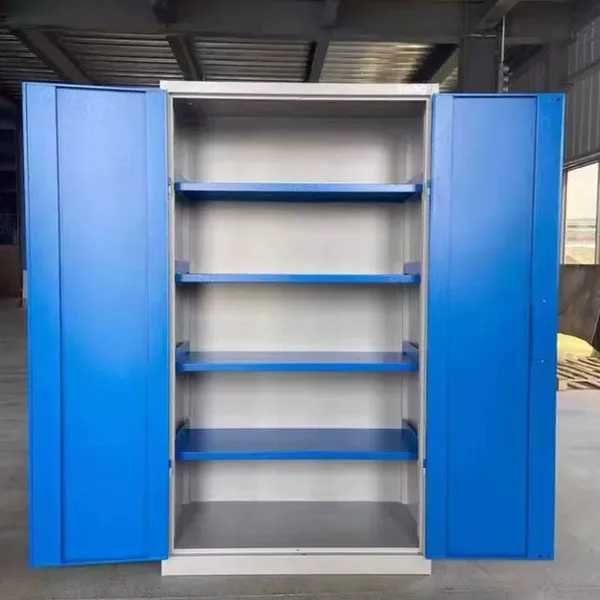
In any workshop or industrial environment, safety and efficiency are top priorities. A well-organized and well-maintained workshop not only promotes a safe working environment but also boosts productivity, reduces downtime, and helps maintain high-quality standards. One often-overlooked but essential piece of equipment that plays a silent yet crucial role in achieving these goals is the tool cabinet.
While it may appear as just a simple piece of storage furniture, a tool cabinet is much more than that. It acts as a silent manager in your workshop, helping enforce safety protocols, support 5S principles, and enhance overall efficiency. In this blog post, we’ll dive deep into how a tool cabinet is the unsung hero of your workshop and why investing in the right one can make all the difference.
What Is 5S, and How Does It Relate to Your Workshop?
Before we get into the specifics of how a tool cabinet contributes to safety and efficiency, let’s take a moment to understand 5S. 5S is a methodology rooted in lean manufacturing principles that aims to improve workplace efficiency, organization, and safety. It consists of five steps, each of which can be applied to any part of a workshop, especially when it comes to managing tools and equipment.
Sort (Seiri): Remove unnecessary items from the workspace. Keep only the essential tools and equipment.
Set in Order (Seiton): Organize tools and materials in a systematic way, making them easy to access and return.
Shine (Seiso): Regularly clean the workspace to maintain a safe and functional environment.
Standardize (Seiketsu): Create a system for maintaining cleanliness and organization. This often involves creating visual cues like labels.
Sustain (Shitsuke): Make 5S a habit by continually following the steps and reinforcing their importance.
The Silent Manager: How a Tool Cabinet Supports Safety, 5S, and Efficiency
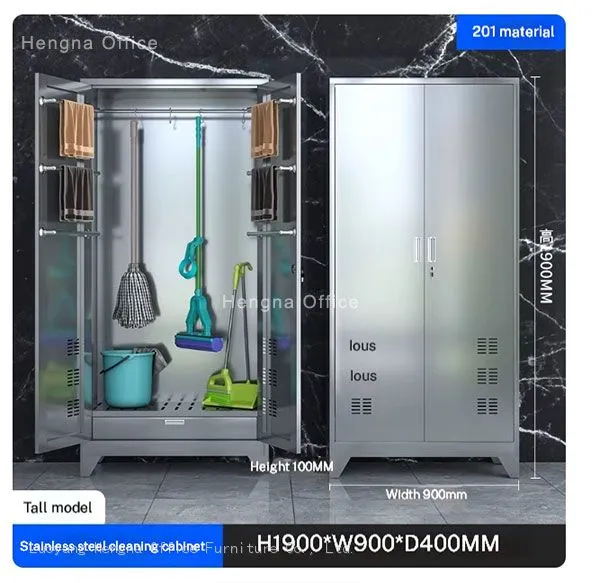
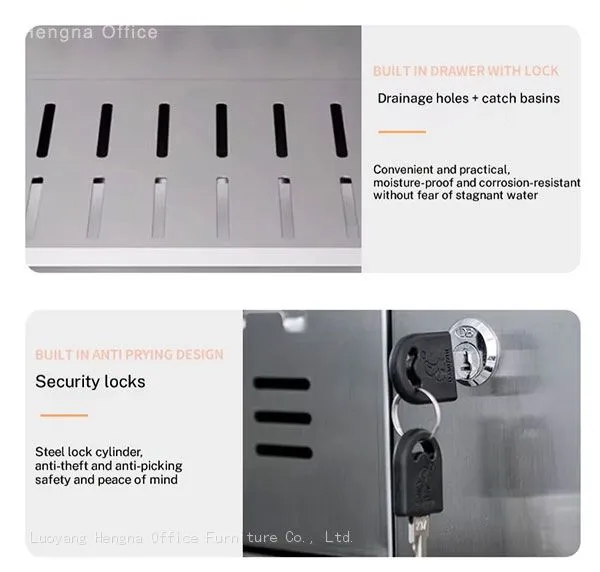
Now that we have a basic understanding of 5S, let’s explore how a tool cabinet aligns with these principles and functions as an essential component of your workshop management system.
1. Safety First: Preventing Accidents and Ensuring Protection
One of the primary roles of a well-organized tool cabinet is ensuring the safety of your workers. A disorganized workspace filled with misplaced tools and equipment can lead to accidents, injuries, and damage to machinery. A tool cabinet, when used properly, offers several safety advantages:
Secure Storage: A good cabinet keeps dangerous tools and equipment locked away, preventing unauthorized access and reducing the risk of accidental injury.
Clear Labeling: With proper labeling, you can easily identify hazardous materials or tools, helping workers avoid mishandling or misuse.
Reduced Clutter: An organized tool cabinet reduces clutter in the workspace, ensuring that tools and materials are easy to find, which in turn reduces the likelihood of tripping or accidents caused by misplaced items.
By having a designated place for each tool and piece of equipment, the risk of workplace accidents is significantly minimized, contributing to a safer and more productive environment.
2. Supporting 5S Principles: Organization and Efficiency
A well-maintained tool cabinet is a cornerstone of 5S principles, specifically Sort, Set in Order, and Standardize. Here's how a tool cabinet plays a role in these critical steps:
Sort: A tool cabinet helps you identify which tools are essential and which can be removed or stored elsewhere. By organizing your tools and discarding unnecessary items, you create a streamlined, clutter-free workspace.
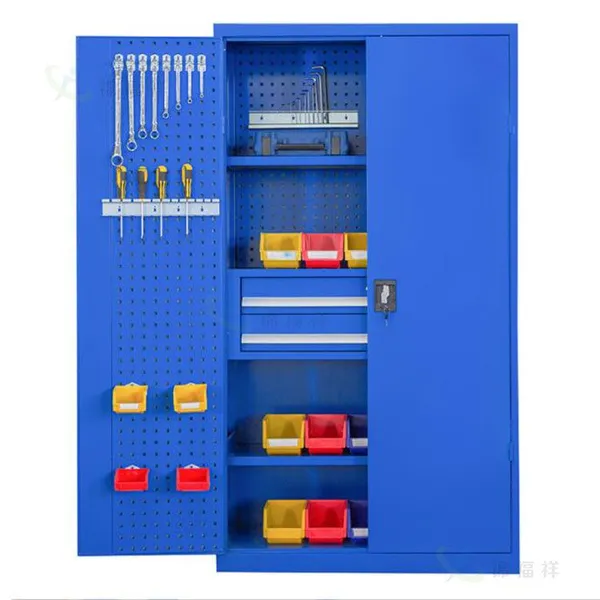
Set in Order: With adjustable shelves, drawers, and compartments, a tool cabinet allows you to arrange your tools systematically, ensuring that each item has its proper place. This reduces the time spent searching for the right tool and ensures that workers don’t waste time hunting for misplaced items.
Standardize: By labeling drawers and compartments and implementing consistent storage methods, a tool cabinet helps establish a uniform system for tool storage. This system can be easily replicated throughout the workshop, ensuring consistency and improving operational flow.
When these principles are applied, you create a workplace where organization is key, tools are easy to access, and work is completed more efficiently.
3. Enhancing Efficiency: Faster Workflow and Reduced Downtime
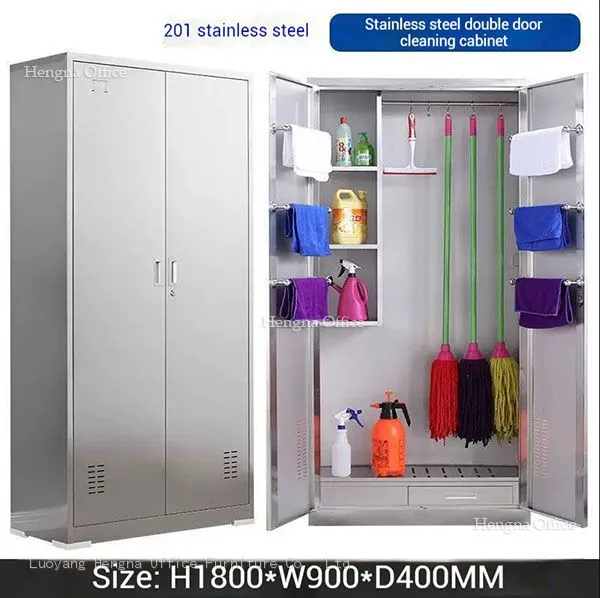
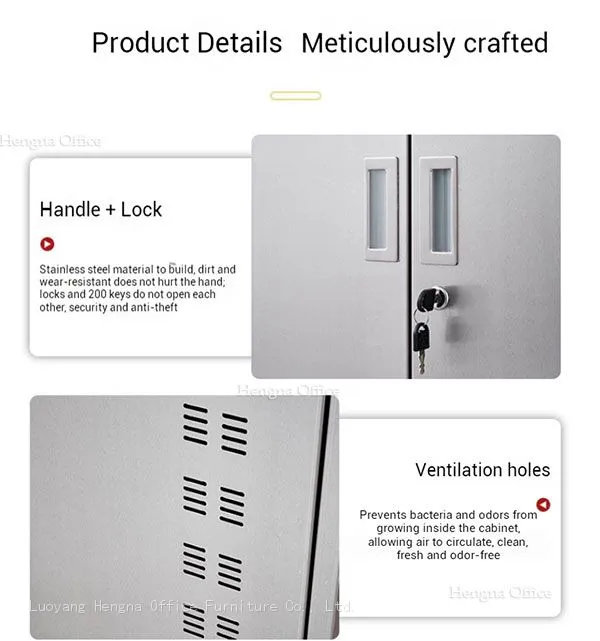
A well-organized workshop leads to greater efficiency. A tool cabinet helps you achieve this by providing quick access to tools and reducing downtime, which can significantly increase productivity.
Quick Access: By having a clear organizational system, workers spend less time searching for tools. With each tool neatly stored in its designated place, workers can immediately grab what they need, reducing downtime and speeding up task completion.
Tool Longevity: Proper storage also helps maintain the condition of your tools. A tool cabinet protects equipment from environmental factors like dust, moisture, and debris, prolonging their life and ensuring that tools remain in top working condition.
Centralized Location: By keeping all tools in one easily accessible location, you eliminate the need to move between multiple workstations or storage areas, reducing time wasted walking and increasing overall productivity.
By improving access to tools and maintaining them properly, you boost overall workshop efficiency, allowing your team to get more work done in less time.
Why the Right Tool Cabinet Matters: Key Features
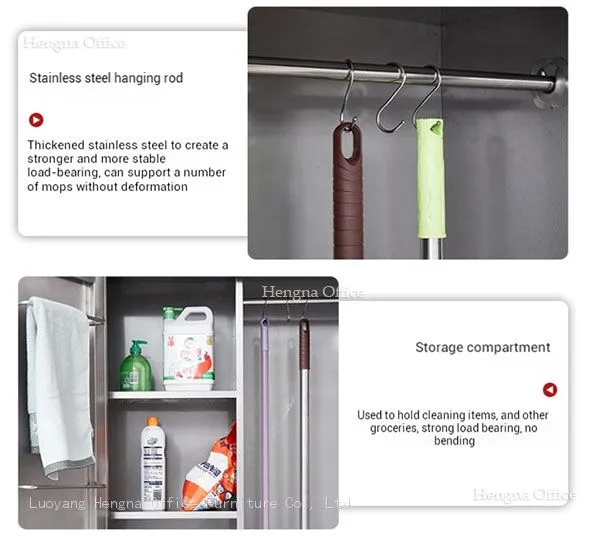
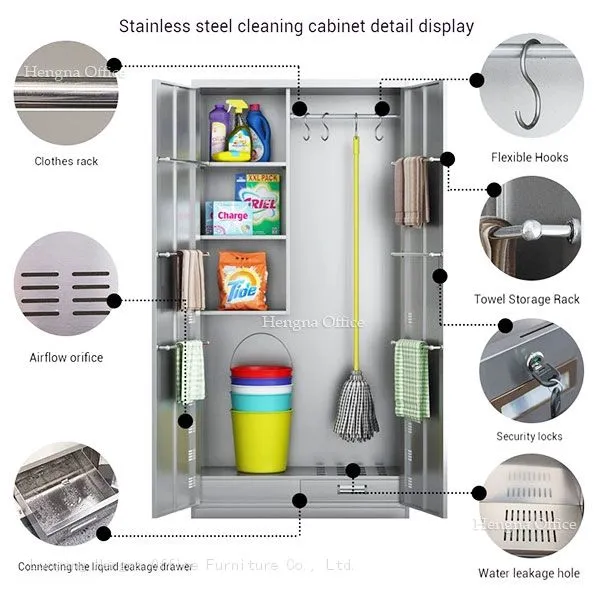
When selecting a tool cabinet for your workshop, it’s important to choose one that has the features necessary to support safety, organization, and efficiency. Here are the key features to look for:
| Feature | Benefit |
|---|---|
| Lockable Drawers | Ensures secure storage of tools and prevents accidents or theft. |
| Adjustable Shelving | Provides flexibility to accommodate different sizes of tools and equipment. |
| Heavy-Duty Construction | Ensures the cabinet can withstand the weight and usage in a busy workshop. |
| Clear Labeling System | Helps easily identify tools, reducing time spent searching and increasing safety. |
| Ventilation | Prevents moisture buildup and protects sensitive tools from rust or damage. |
| Easy Mobility | Tool cabinets with wheels allow easy relocation within the workshop for maximum flexibility. |
Frequently Asked Questions (FAQs)
1. How does a tool cabinet improve workshop safety?
A tool cabinet helps prevent accidents by securely storing tools, reducing clutter, and providing clear labels for hazardous materials. By organizing tools, the risk of mishandling and injury is minimized, making the workshop safer for everyone.
2. Can a tool cabinet help with 5S implementation?
Yes! A tool cabinet plays a crucial role in 5S by helping you sort tools, set them in order, and standardize storage practices. With a well-organized tool cabinet, you can easily implement these principles to create a more efficient and organized workshop.
3. What should I look for when choosing a tool cabinet for my workshop?
When choosing a tool cabinet, look for features like lockable drawers for safety, adjustable shelving for versatility, and a durable construction to withstand daily use. Additionally, a clear labeling system can help workers quickly locate the tools they need, saving time and improving workflow.
A Tool Cabinet Is More Than Just Storage
In any workshop, the right tool cabinet is more than just a place to store equipment—it’s an integral part of your overall workshop management system. It acts as a silent manager for safety, supporting 5S principles, and enhancing efficiency. By investing in a tool cabinet that meets your needs, you ensure a safer, more organized, and productive workspace.
Don’t overlook the power of a simple tool cabinet. The right one can streamline your operations, reduce accidents, and keep your workshop running smoothly. It’s time to let your tool cabinet become your workshop’s silent manager.

Recently Posted
-
Stainless Steel Shelving for Breweries and Wineries — What Survives Humidity, Alcohol Spills
July 24, 2026Stainless Steel Shelving for Breweries and Wineries — What Survives Humidity, Alcohol Spills, and Sanitizer Washdowns Three t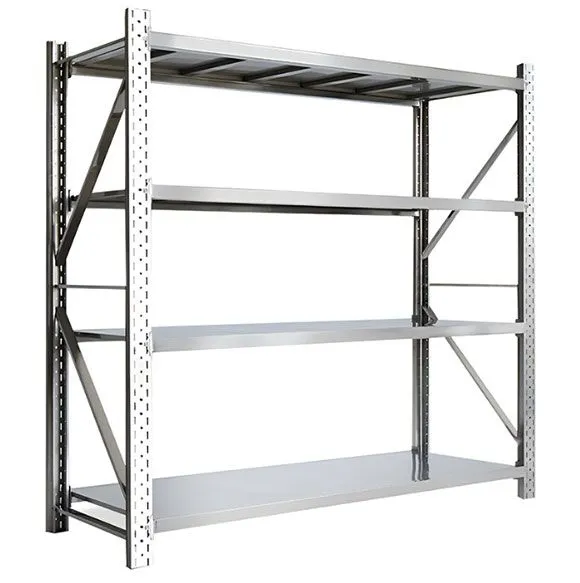 Read More
 -
Stainless Steel Shelving for Meat Processing Plants — What Holds Up Against Blood, Fat, and Daily Wa
July 24, 2026Meat plants are brutal on shelvingIf you work in a meat processing plant, you already know this. The rack that looked fine s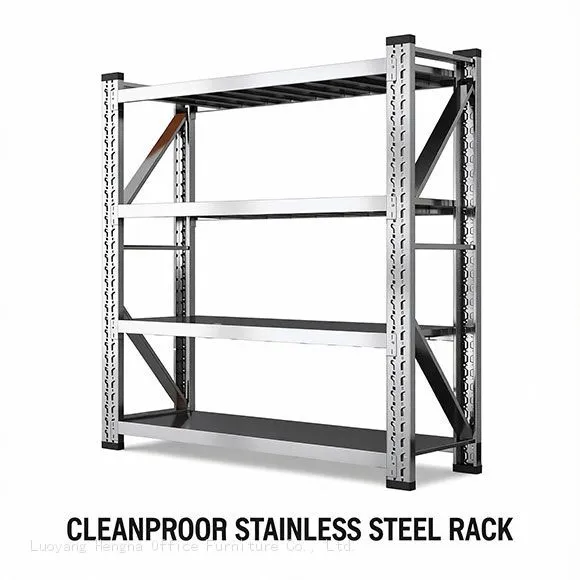 Read More
 -
0.6mm Steel Wardrobe vs 0.4mm — Why Cold-Rolled Single Door Metal Closet Lasts Longer
July 10, 2026The 0.2mm That Decides Whether You Buy One Wardrobe or ThreeTwo wardrobes look identical on a supplier's photo. Same door, sam Read More
 -
Heavy Duty Tool Cabinet with Locks for School Shop: Stop Tool Theft Before It Happens
July 9, 2026A vocational school workshop isn't like a factory floor. The tools aren't being used by seasoned machinists who know where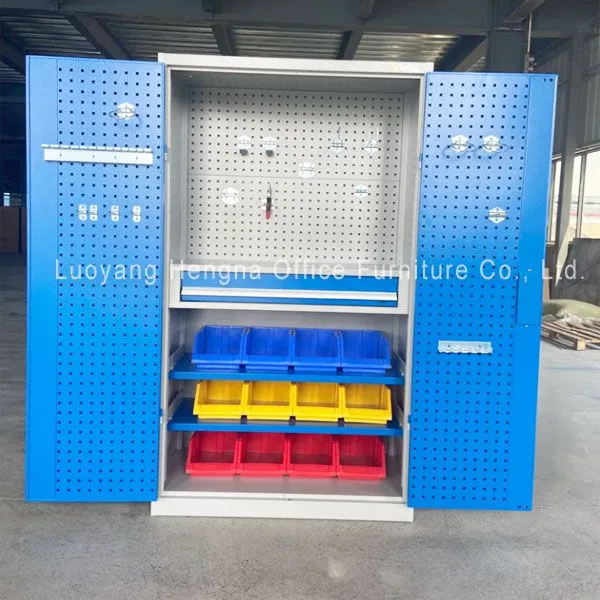 Read More

Contact Us
Recommended Products
-
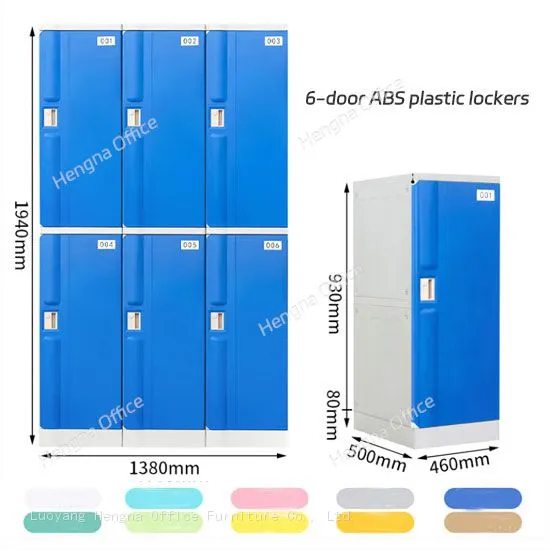
 Industrial-Grade ABS Plastic Locker for Factory Staff and Warehouse Workers|Hengna OfficeUS$ 19 - 100MOQ: 5 Sets
 -
Outdoor ABS Locker Cabinet – UV-Resistant Plastic Storage for Poolside or Beach Resorts-Hengna OfficeUS$ 19 - 100MOQ: 5 Sets
-
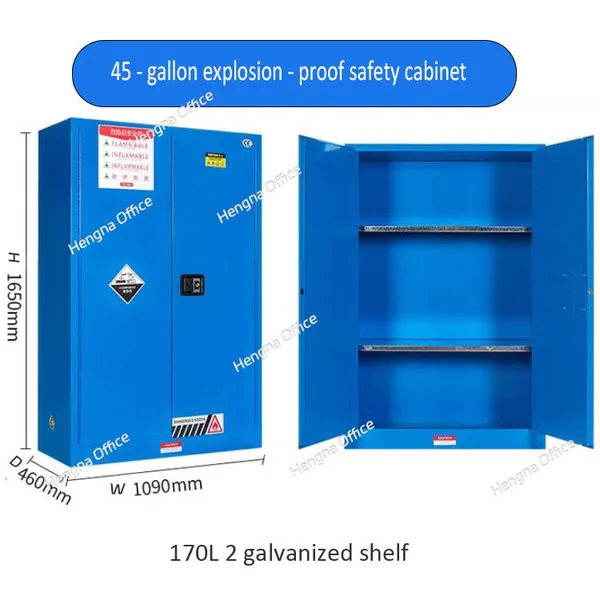
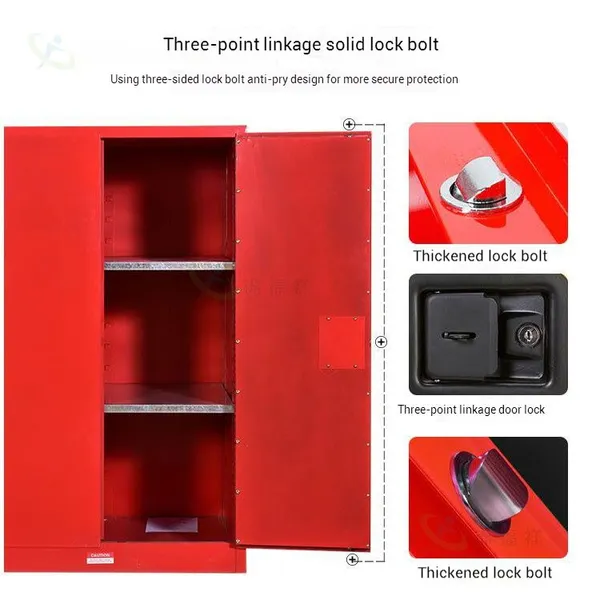
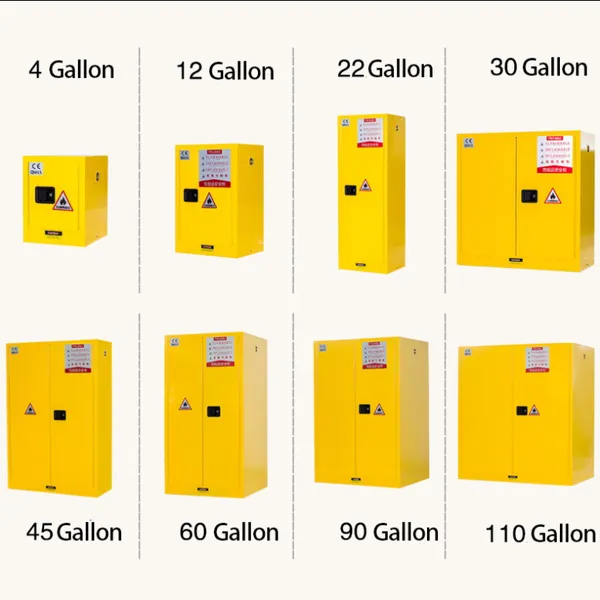
45 Gallon Explosion-Proof Flammable Liquid Storage Cabinet – Fire-Resistant Steel Safety Cabinet for FactoriesUS$ 68 - 400MOQ: 2 Combos
-
Flammable Storage Cabinet for Flammable Liquids – OSHA Certified Safety Cabinet With Fireproof Double WallsUS$ 68 - 400MOQ: 2 Combos
-
Large Capacity Flammable Liquid Storage Cabinet – Explosion-Proof Safety Cabinet for Laboratory & Workshop UseUS$ 68 - 400MOQ: 2 Combos

-
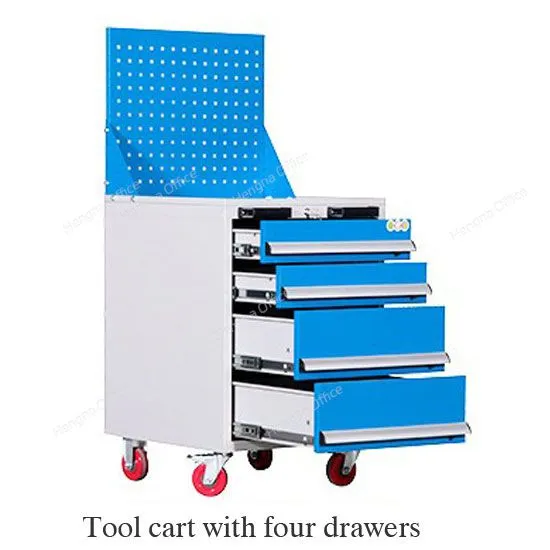
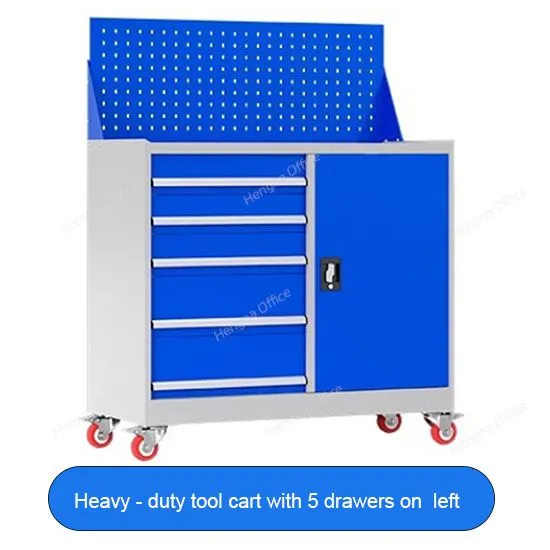
Heavy Duty Steel Tool Cart With Drawers for Workshops|Hengna OfficeUS$ 99 - 269MOQ: 2 Cases
-
Wholesale 3-Drawer Tool Trolley With Wheels for Factory and Garage StorageUS$ 99 - 269MOQ: 2 Cases
-
HN-wlj160 Industrial Rolling Tool Organizer With Pegboard|All-in-One Mobile Tool Storage CartUS$ 5 - 120MOQ: 2 Cases
-
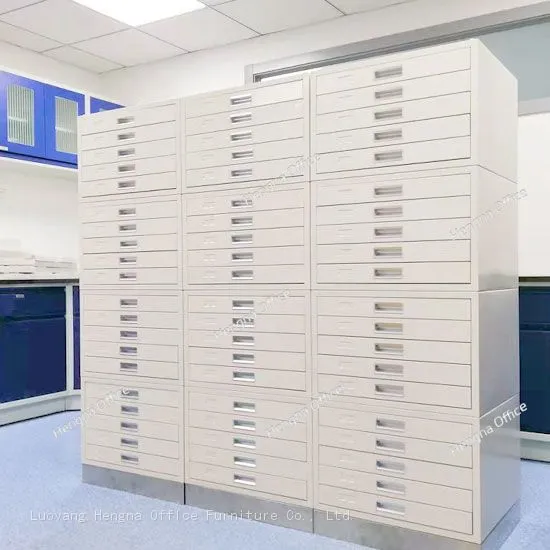
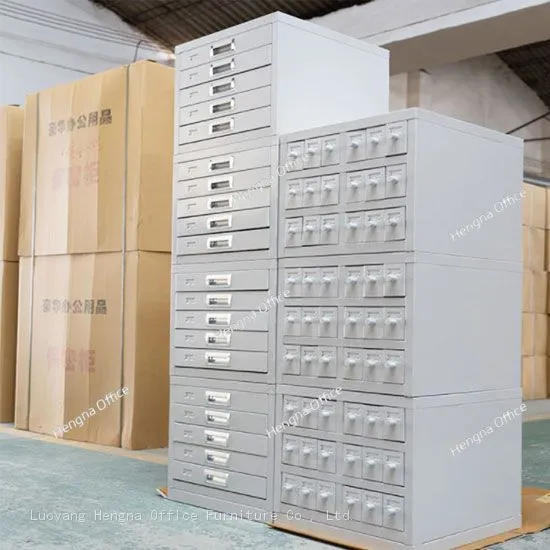
White Stackable Pathology Wax Block Storage Drawers for Labs Near London-Hengna OfficeNegotiableMOQ: 10 Pieces
-
Custom Paraffin Block Storage Cabinet for Histology Laboratories – Factory Direct From Hengna FurnitureNegotiableMOQ: 10 Pieces
-
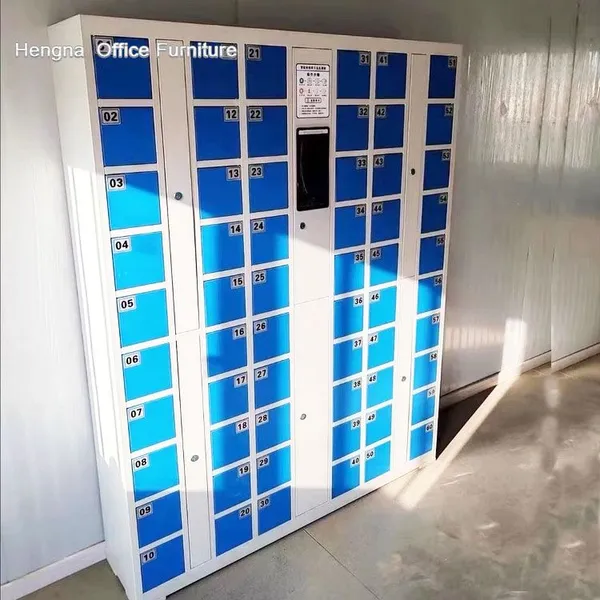
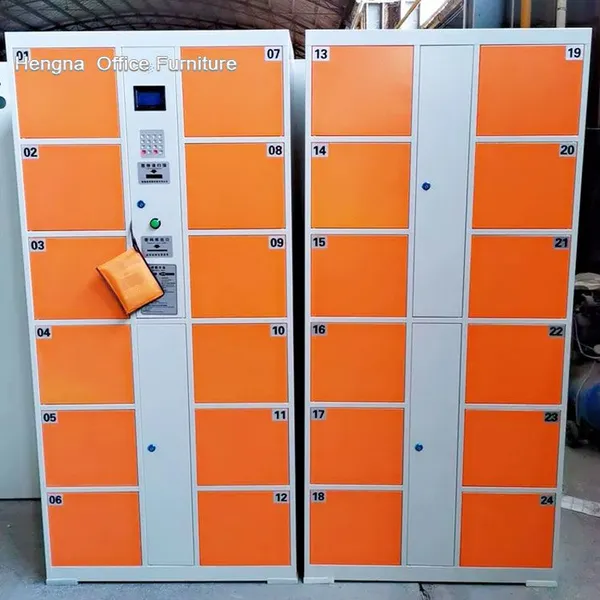
Smart Phone Charging Locker 40-door|Fingerprint Lockers Intelligent Parcel Delivery CabinetUS$ 203 - 750MOQ: 15 Pieces
-
School Gym Lockers Price |Parcel Delivery Storage Locker 12-door FactoryUS$ 203 - 750MOQ: 15 Pieces
-
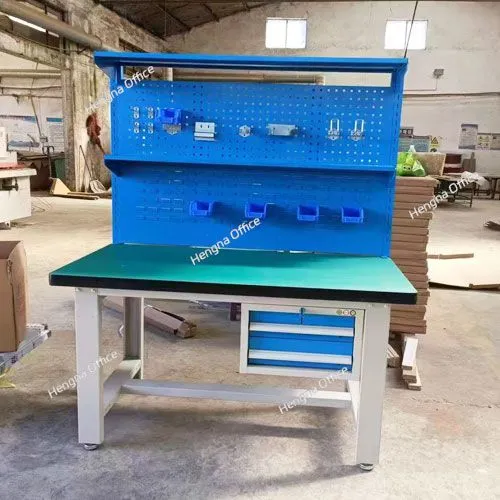
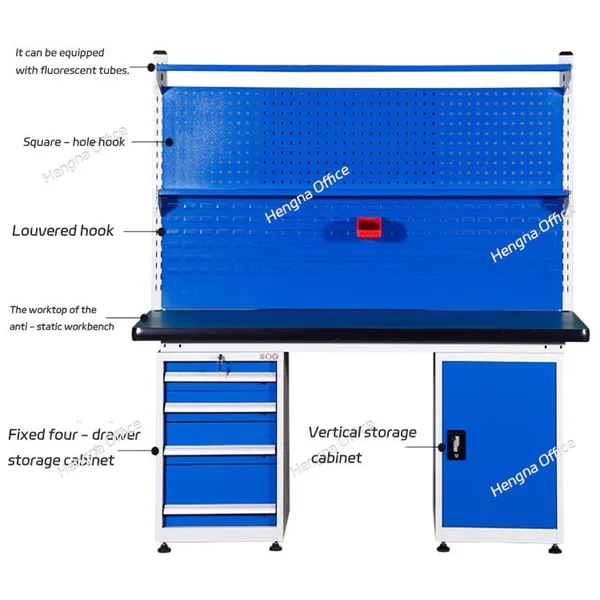
Multi Metal Work Benches Electrical Workshop Workbench|US$ 300 - 800MOQ: 2 Cases
-
Commercial Workbench Supplier |Multi Metal Work Bench With Drawers OMDUS$ 300 - 800MOQ: 2 Cases
-
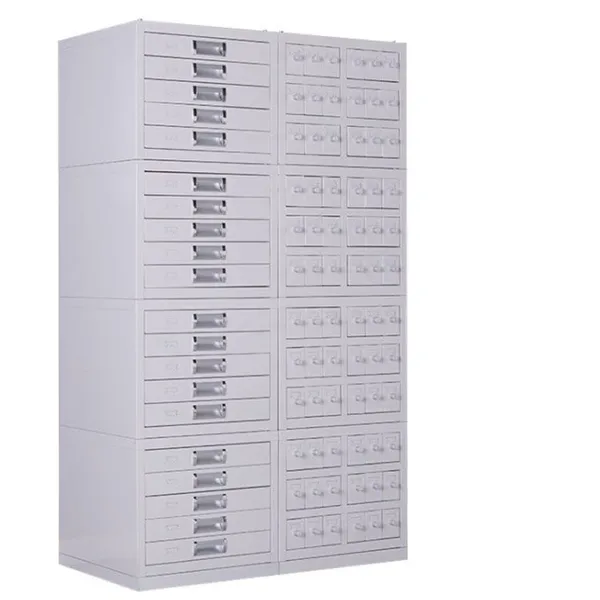
Pathological Ection Cabinet JTGZ062 Wax Block Cabinet for LaboratoryNegotiableMOQ: 10 Pieces
-
Durable Tool Storage in Factory HNGJ703 Hard Wearing Metal Industrial Tool ChestNegotiableMOQ: 18 Pieces
-
High - Quality CNC Workshop Tool Cabinet Heavyweight Workshop Tool OrganizerNegotiableMOQ: 10 Pieces
-
Laboratory Polyethylene Acid and Corrosive Chemicals Safety Storage PP CabinetUS$ 340 - 600MOQ: 5 Combos
-
22 Gallons /80 L PP Acid - Base Cabinet: Safeguard Chemical Storage Supplier OEMUS$ 500 - 600MOQ: 5 Combos
-
4 - Gallon Corrosion-resistant Safety Cabinet for Hazardous Chemicals Acid SupplierUS$ 340 - 500MOQ: 5 Combos