
 Business License

The Hospital Hygiene Secret: Why 304 Stainless Steel is an Absolute Must
Maintaining impeccable hygiene is non-negotiable in hospitals. From patient safety to regulatory compliance, every decision about equipment and storage materials impacts overall sanitation standards. One material that has quietly revolutionized hospital hygiene is 304 stainless steel. While it may seem like a small detail, choosing 304 stainless steel over cheaper alternatives can significantly reduce infection risks, simplify cleaning processes, and ensure durability in demanding medical environments.
Why 304 Stainless Steel Matters in Hospitals
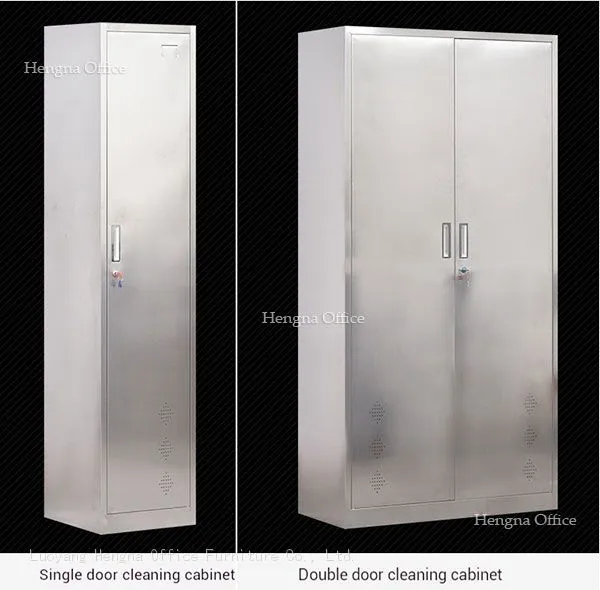
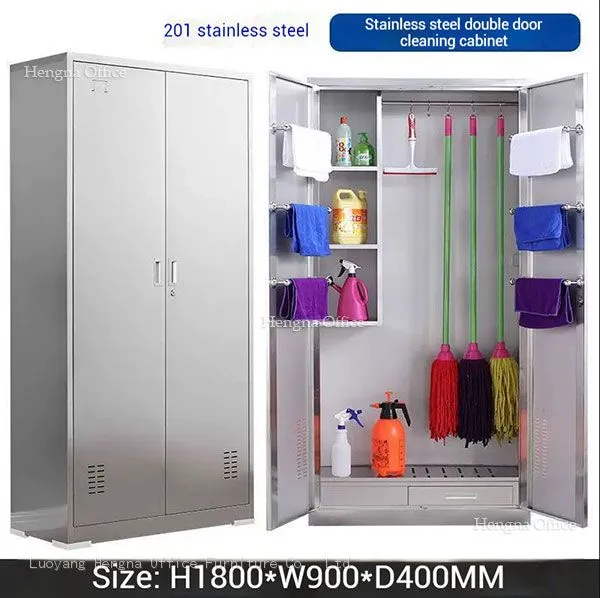
304 stainless steel is a high-quality, corrosion-resistant alloy widely used in the healthcare industry. Unlike lower-grade metals or coated surfaces, it maintains its integrity even after repeated exposure to water, disinfectants, and harsh cleaning chemicals. This makes it ideal for hospital furniture, cabinets, sinks, and trolleys where hygiene is critical.
Key Advantages:
Corrosion Resistance: Prevents rust formation that can harbor bacteria.
Non-Porous Surface: Reduces bacterial adhesion and simplifies cleaning.
Durability: Can withstand frequent sterilization without degradation.
The result? A material that supports continuous, high-level hygiene, which is critical in preventing hospital-acquired infections (HAIs).
Common Applications in Hospitals
304 stainless steel is versatile and appears in numerous hospital settings, directly contributing to hygiene and workflow efficiency. Here’s a closer look:
| Application | How 304 Stainless Steel Improves Hygiene | Time & Efficiency Benefits |
|---|---|---|
| Medical Cabinets | Non-porous surface resists bacterial buildup; easy to wipe down | Reduces cleaning time by 30% |
| Surgical Trolleys | Smooth, corrosion-free finish prevents contamination | Ensures tools are sterilized quickly and reliably |
| Sinks & Wash Stations | No rust spots or pitting, which can harbor pathogens | Quick disinfection cycles for staff |
| Storage Shelving | Durable and resistant to chemical cleaners | Long-lasting without replacement, saving maintenance hours |
| Bedside Tables & Carts | Easy to disinfect after every patient use | Supports infection control protocols efficiently |
As you can see, the applications are both functional and preventive, directly impacting patient safety and staff efficiency.
Infection Control and Patient Safety
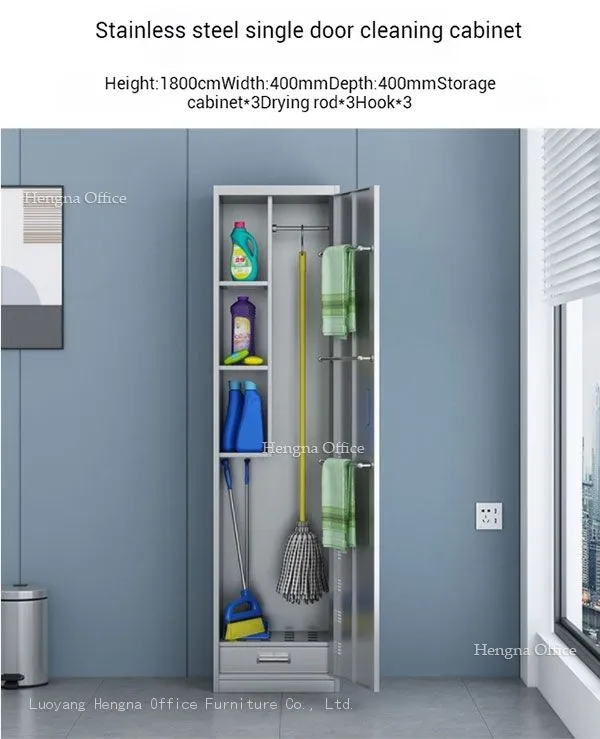
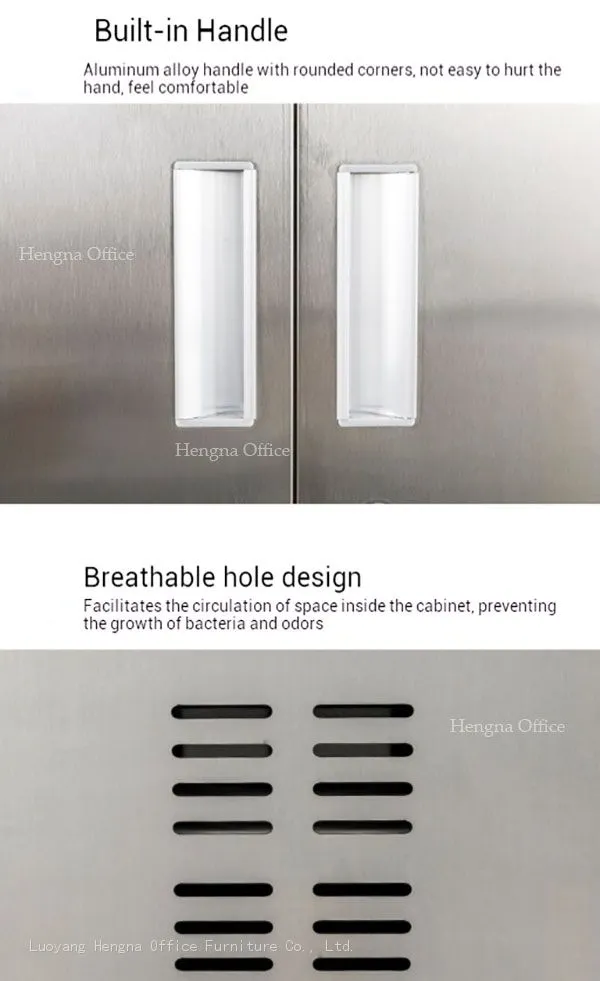
Hospital-acquired infections are a major concern worldwide. Even small lapses in hygiene can lead to serious complications, extended hospital stays, and increased costs. Using 304 stainless steel ensures that surfaces remain smooth, clean, and bacteria-resistant over time.
Example: Studies show that stainless steel surfaces can reduce bacterial presence by over 70% compared to painted metal or plastic alternatives. In environments where disinfectants and frequent cleaning are standard, this difference is significant.
Moreover, 304 stainless steel withstands autoclaving, chemical sterilization, and regular wipe-downs, ensuring surfaces remain safe for repeated use without degradation or rust, which can compromise cleanliness.
Economic and Operational Benefits
While the upfront cost of 304 stainless steel may be higher than alternatives, the long-term savings are substantial. Hospitals and healthcare facilities benefit in multiple ways:
Reduced Maintenance Costs: No rusting or corrosion means fewer replacements.
Extended Lifespan: Furniture and equipment last longer, even under heavy daily use.
Efficient Cleaning Protocols: Smooth surfaces reduce labor time and disinfectant use.
Regulatory Compliance: Meets hygiene and safety standards for medical environments.
By investing in 304 stainless steel, hospitals not only protect patients but also streamline operations and reduce long-term expenses.
Choosing the Right Stainless Steel Products
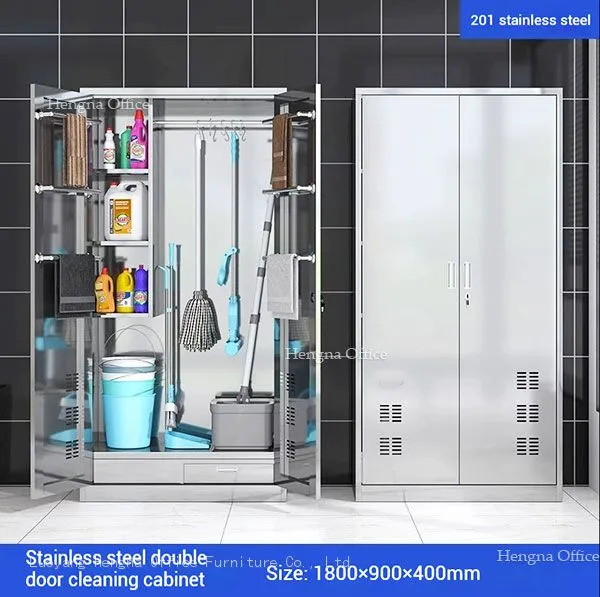
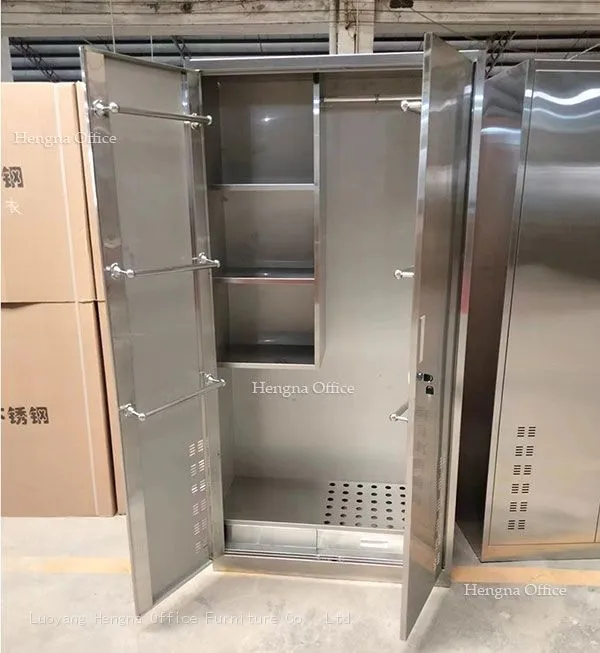
Not all stainless steel is created equal. Ensure that your suppliers provide genuine 304 stainless steel with proper certifications. Pay attention to:
Surface Finish: Smooth and polished finishes are easier to disinfect.
Weld Quality: Seamless construction prevents bacteria from settling in joints.
Thickness: Adequate gauge ensures durability for high-traffic hospital use.
When these factors are combined, hospitals achieve a perfect balance of hygiene, durability, and operational efficiency.
Conclusion
Hospital hygiene is too important to leave to chance. From medical cabinets to trolleys and sinks, 304 stainless steel is a cornerstone of infection prevention. Its corrosion resistance, non-porous surface, and durability make it an indispensable choice for healthcare facilities aiming to maintain the highest hygiene standards.
By integrating 304 stainless steel into hospital furniture and storage systems, facilities enhance patient safety, streamline cleaning workflows, and ensure long-term operational efficiency. For hospitals that prioritize infection control and staff efficiency, 304 stainless steel is not just an option—it’s a necessity.

Recently Posted
-
Stainless Steel Shelving for Breweries and Wineries — What Survives Humidity, Alcohol Spills
July 24, 2026Stainless Steel Shelving for Breweries and Wineries — What Survives Humidity, Alcohol Spills, and Sanitizer Washdowns Three t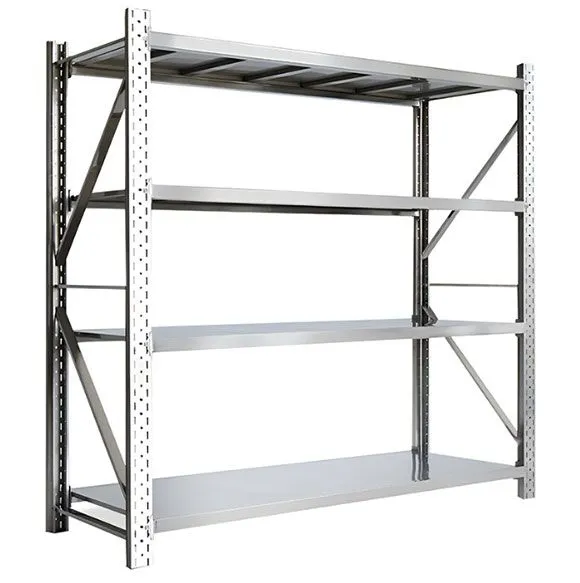 Read More
 -
Stainless Steel Shelving for Meat Processing Plants — What Holds Up Against Blood, Fat, and Daily Wa
July 24, 2026Meat plants are brutal on shelvingIf you work in a meat processing plant, you already know this. The rack that looked fine s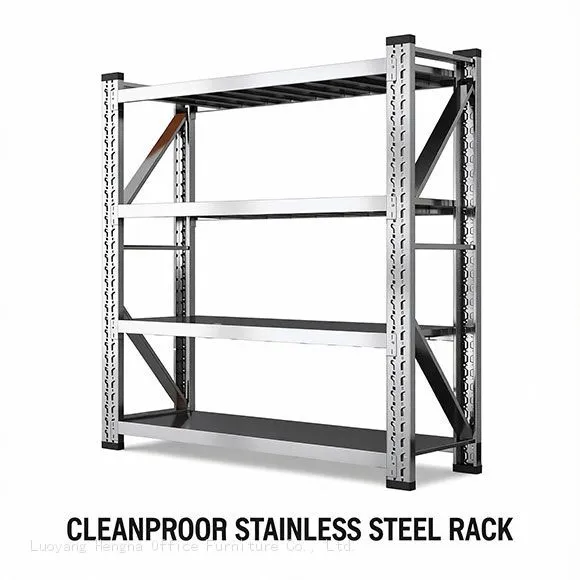 Read More
 -
0.6mm Steel Wardrobe vs 0.4mm — Why Cold-Rolled Single Door Metal Closet Lasts Longer
July 10, 2026The 0.2mm That Decides Whether You Buy One Wardrobe or ThreeTwo wardrobes look identical on a supplier's photo. Same door, sam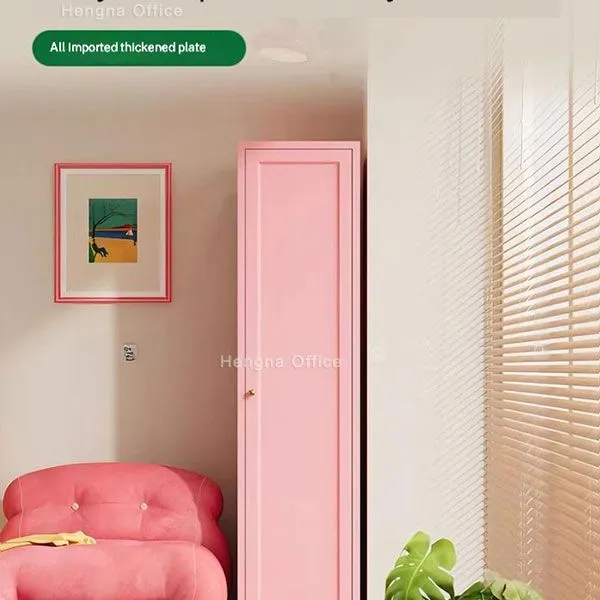 Read More
 -
Heavy Duty Tool Cabinet with Locks for School Shop: Stop Tool Theft Before It Happens
July 9, 2026A vocational school workshop isn't like a factory floor. The tools aren't being used by seasoned machinists who know where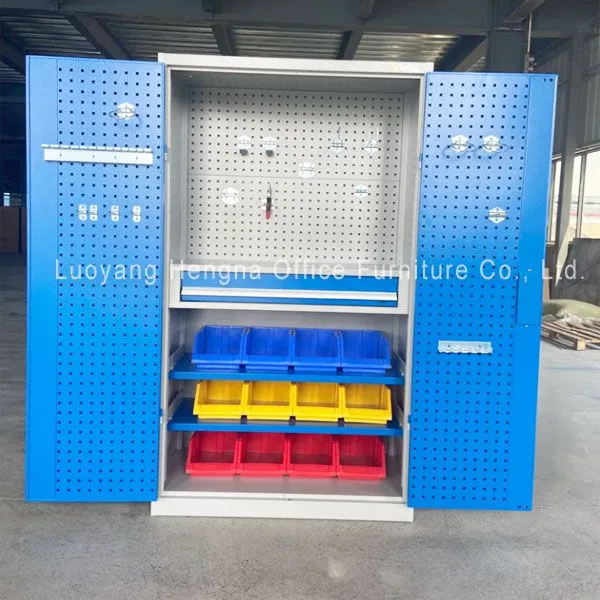 Read More

Contact Us
Recommended Products
-
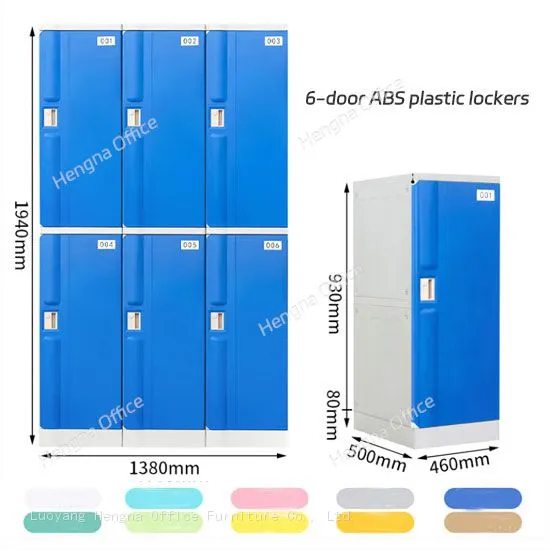
 Industrial-Grade ABS Plastic Locker for Factory Staff and Warehouse Workers|Hengna OfficeUS$ 19 - 100MOQ: 5 Sets
 -
Outdoor ABS Locker Cabinet – UV-Resistant Plastic Storage for Poolside or Beach Resorts-Hengna OfficeUS$ 19 - 100MOQ: 5 Sets
-
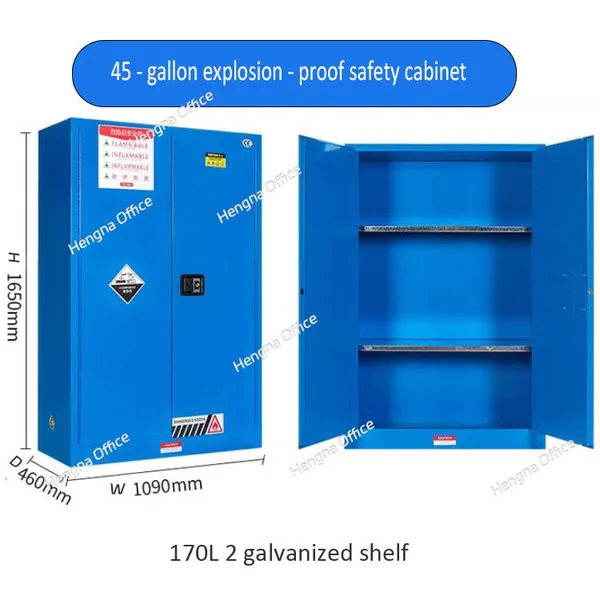
45 Gallon Explosion-Proof Flammable Liquid Storage Cabinet – Fire-Resistant Steel Safety Cabinet for FactoriesUS$ 68 - 400MOQ: 2 Combos
-
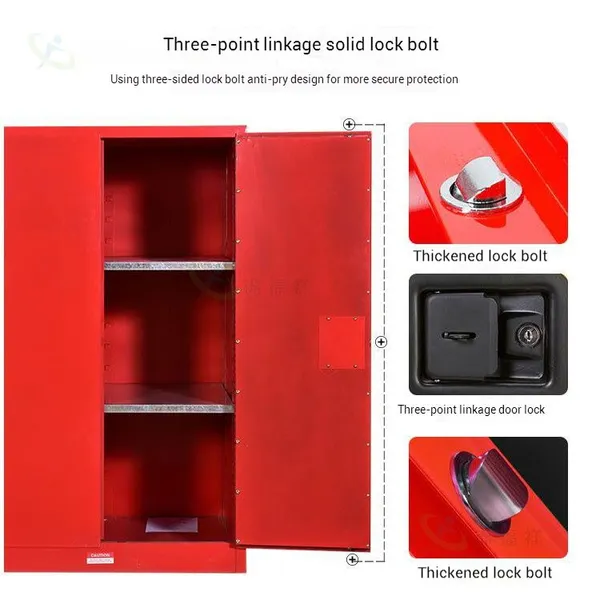
Flammable Storage Cabinet for Flammable Liquids – OSHA Certified Safety Cabinet With Fireproof Double WallsUS$ 68 - 400MOQ: 2 Combos
-
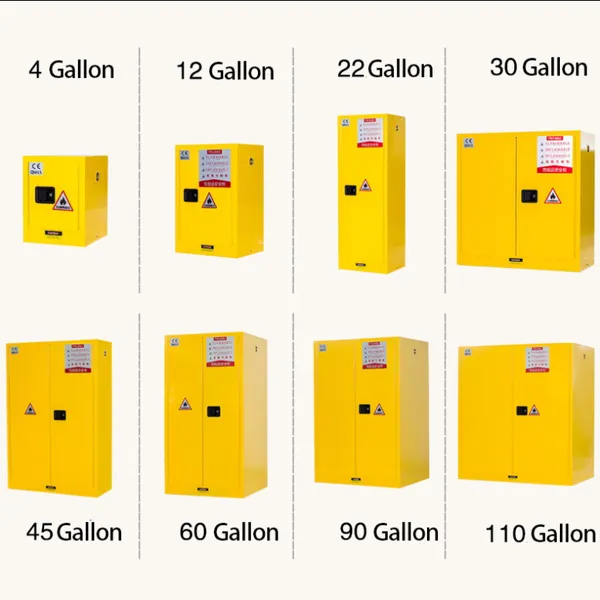
Large Capacity Flammable Liquid Storage Cabinet – Explosion-Proof Safety Cabinet for Laboratory & Workshop UseUS$ 68 - 400MOQ: 2 Combos

-
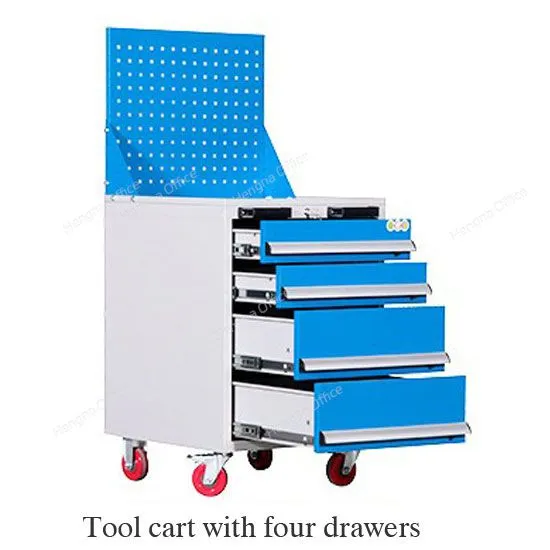
Heavy Duty Steel Tool Cart With Drawers for Workshops|Hengna OfficeUS$ 99 - 269MOQ: 2 Cases
-
Wholesale 3-Drawer Tool Trolley With Wheels for Factory and Garage StorageUS$ 99 - 269MOQ: 2 Cases
-
HN-wlj160 Industrial Rolling Tool Organizer With Pegboard|All-in-One Mobile Tool Storage CartUS$ 5 - 120MOQ: 2 Cases
-
White Stackable Pathology Wax Block Storage Drawers for Labs Near London-Hengna OfficeNegotiableMOQ: 10 Pieces
-
Custom Paraffin Block Storage Cabinet for Histology Laboratories – Factory Direct From Hengna FurnitureNegotiableMOQ: 10 Pieces
-
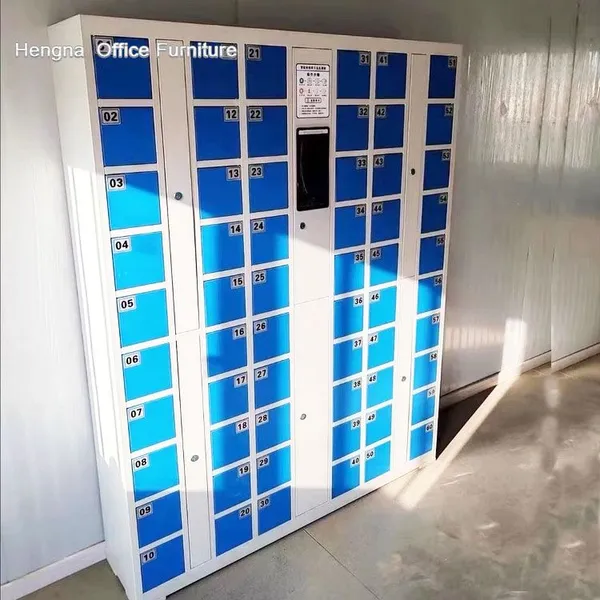
Smart Phone Charging Locker 40-door|Fingerprint Lockers Intelligent Parcel Delivery CabinetUS$ 203 - 750MOQ: 15 Pieces
-
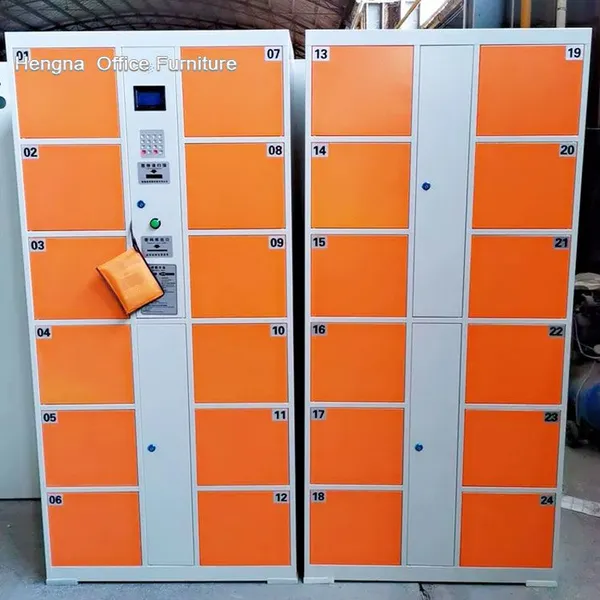
School Gym Lockers Price |Parcel Delivery Storage Locker 12-door FactoryUS$ 203 - 750MOQ: 15 Pieces
-
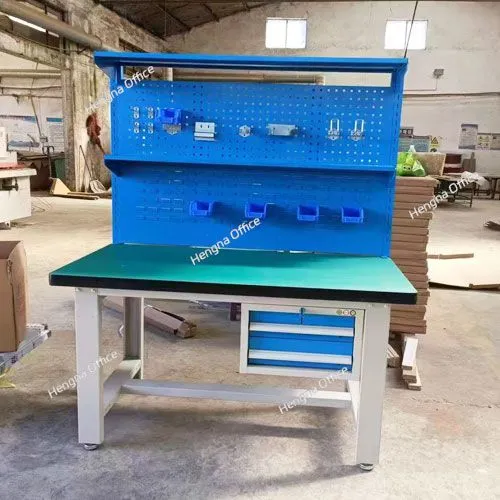
Multi Metal Work Benches Electrical Workshop Workbench|US$ 300 - 800MOQ: 2 Cases
-
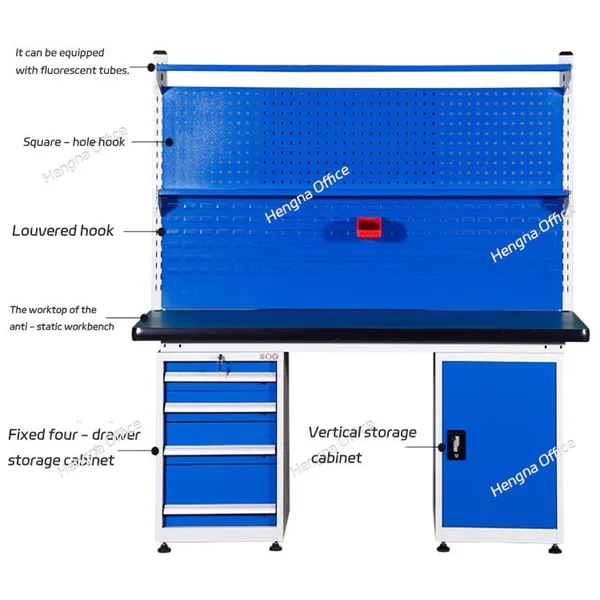
Commercial Workbench Supplier |Multi Metal Work Bench With Drawers OMDUS$ 300 - 800MOQ: 2 Cases
-
Pathological Ection Cabinet JTGZ062 Wax Block Cabinet for LaboratoryNegotiableMOQ: 10 Pieces
-
Durable Tool Storage in Factory HNGJ703 Hard Wearing Metal Industrial Tool ChestNegotiableMOQ: 18 Pieces
-
High - Quality CNC Workshop Tool Cabinet Heavyweight Workshop Tool OrganizerNegotiableMOQ: 10 Pieces
-
Laboratory Polyethylene Acid and Corrosive Chemicals Safety Storage PP CabinetUS$ 340 - 600MOQ: 5 Combos
-
22 Gallons /80 L PP Acid - Base Cabinet: Safeguard Chemical Storage Supplier OEMUS$ 500 - 600MOQ: 5 Combos
-
4 - Gallon Corrosion-resistant Safety Cabinet for Hazardous Chemicals Acid SupplierUS$ 340 - 500MOQ: 5 Combos