
 Business License

Top 5 Benefits of Using a Fireproof Gallon Cabinet for Storing Corrosive Liquids
In industrial, laboratory, and manufacturing environments, the safe storage of hazardous chemicals, especially corrosive liquids, is critical for both worker safety and environmental protection. Corrosive liquids such as acids, bases, and solvents can pose significant risks if not handled or stored properly. One of the best ways to store these substances securely is by using a fireproof gallon cabinet. Designed to meet stringent safety standards, fireproof gallon cabinets offer an array of features that ensure chemicals are stored safely, reducing the risk of accidents and complying with regulatory requirements. In this blog, we will explore the top 5 benefits of using a fireproof gallon cabinet for storing corrosive liquids and why it's an essential piece of equipment in any workplace dealing with hazardous chemicals.
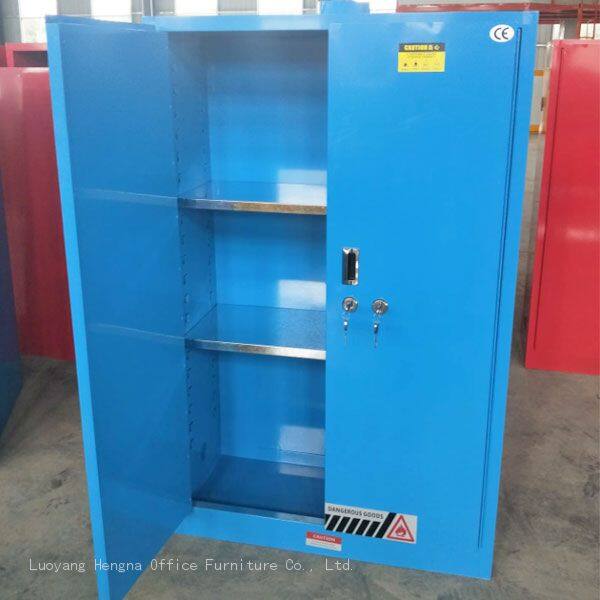
1. Fire Protection Features for Enhanced Safety
One of the primary reasons to choose a fireproof gallon cabinet for storing corrosive liquids is its fire protection capabilities. In environments where chemicals are being used or stored, the risk of fire is ever-present, especially with flammable liquids or chemicals that may react violently when exposed to heat. A fireproof gallon cabinet is constructed with double-wall insulation, typically made of fire-resistant materials, which can help to contain flames and prevent them from spreading to the chemicals stored inside.
The fireproof design of these cabinets can withstand high temperatures for up to 90 minutes in some cases, providing ample time for emergency personnel to respond or for the fire to be contained. This added protection is crucial, especially in areas like chemical plants or laboratories, where chemicals can be volatile and present significant risks in case of a fire. By keeping corrosive liquids securely contained in a fireproof cabinet, the risk of catastrophic fires is significantly reduced.
2. Prevents Chemical Reactions in High-Risk Environments
Corrosive liquids, such as hydrochloric acid, sodium hydroxide, and sulfuric acid, can be extremely dangerous if they come into contact with other chemicals or environmental factors. For instance, certain chemicals may react violently when exposed to high temperatures or when mixed with incompatible substances. Storing these chemicals in a fireproof gallon cabinet provides an added layer of safety by isolating them from potential fire hazards and preventing dangerous reactions caused by exposure to heat or ignition sources.
The fireproof design not only helps to protect chemicals from fire, but it also keeps them contained in the event of a spill or leak. This reduces the risk of chemical reactions and ensures that hazardous materials are safely stored away from potential sources of ignition, contaminants, or incompatible chemicals. The fire-resistant barrier in the cabinet ensures that the stored chemicals remain safe, even if an accident occurs in the surrounding environment.
3. Compliance with Safety Regulations
Safety and regulatory compliance are at the forefront of any industry handling hazardous materials. The use of fireproof gallon cabinets helps businesses meet stringent regulatory requirements set by organizations like OSHA, NFPA, and EPA, which mandate that chemicals be stored in a way that minimizes risks to workers and the environment.
OSHA regulations require that chemicals, especially hazardous materials like corrosive liquids, be stored in secure, safe environments that prevent exposure and accidents. Similarly, the NFPA guidelines emphasize fire safety, specifying the need for fireproof storage in environments where flammable or reactive chemicals are stored.
By investing in a fireproof gallon cabinet, companies can ensure compliance with these regulations and avoid potential penalties or fines. The cabinet’s fireproof and secure design guarantees that the chemicals are stored according to the highest safety standards, protecting both the workforce and the environment from dangerous accidents or violations.
4. Enhanced Workplace Safety and Risk Reduction
Using a fireproof gallon cabinet also contributes significantly to overall workplace safety. In any setting where corrosive liquids are handled, accidental spills, leaks, or exposure to harmful vapors are risks that cannot be overlooked. A fireproof cabinet provides a secure containment solution for storing chemicals and ensures that they remain safely contained in the event of a leak or spill. The leakproof design of these cabinets includes spill containment trays that can hold up to 25% of the cabinet's total capacity, providing additional safety in case of a chemical accident.
Furthermore, a fireproof cabinet helps keep harmful fumes and vapors contained, preventing exposure to employees. By reducing the likelihood of accidental exposure and keeping chemicals secure, fireproof gallon cabinets minimize the potential for workplace injuries or illnesses, providing a safer working environment for all personnel.
5. Versatile Applications for Chemical Storage
Fireproof gallon cabinets are highly versatile and can be used in a wide range of industries and settings. Whether you're working in a chemical plant, pharmaceutical company, laboratory, or manufacturing facility, these cabinets are designed to meet the specific storage needs of hazardous chemicals. Here are a few use cases for fireproof gallon cabinets:
Chemical Plants: Safely store large quantities of hazardous chemicals, solvents, acids, and alkalis used in chemical manufacturing processes.
Laboratories: Securely store corrosive liquids, reagents, and solvents used in scientific experiments and research, ensuring compliance with safety standards.
Pharmaceuticals: Safely store chemicals and solvents used in pharmaceutical production or research activities, maintaining both safety and regulatory compliance.
Industrial Manufacturing: Store cleaning agents, lubricants, and other hazardous chemicals used in manufacturing processes, reducing the risk of spills and accidents.
Educational Institutions: Provide safe storage for chemicals used in academic laboratories, ensuring student and faculty safety while adhering to safety regulations.
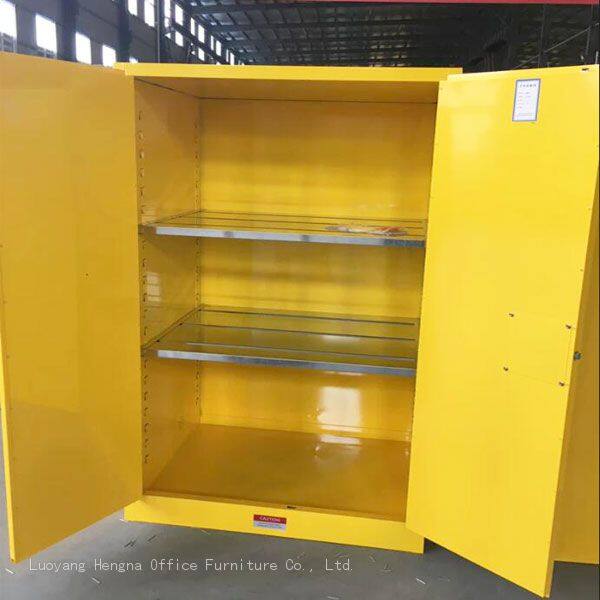
Storing corrosive liquids in a fireproof gallon cabinet is one of the most effective ways to ensure both the safety of your workforce and the security of the hazardous materials you handle. The fireproof design, chemical-resistant construction, and secure locking system all work together to create a safe and compliant storage solution for corrosive chemicals. By preventing accidents, minimizing fire risks, and ensuring regulatory compliance, fireproof gallon cabinets are a must-have for industries that handle dangerous chemicals. Whether you're in a chemical plant, laboratory, or manufacturing facility, investing in a fireproof gallon cabinet will improve safety, reduce risks, and help your business stay compliant with the latest safety standards.
FAQs
Q1: What types of chemicals can be stored in a fireproof gallon cabinet?
A1: A fireproof gallon cabinet is designed to store a wide range of corrosive liquids, including acids, solvents, alkalis, and other flammable or reactive chemicals. The fireproof design ensures the chemicals are protected from fire hazards.
Q2: How does a fireproof gallon cabinet prevent accidents?
A2: The fireproof design of the cabinet helps to contain flames and prevent the spread of fire, while the leakproof containment tray helps to prevent spills and chemical leaks from escaping the cabinet. This reduces the risk of accidents and exposure to harmful chemicals.
Q3: Is a fireproof gallon cabinet compliant with safety regulations?
A3: Yes, fireproof gallon cabinets are designed to meet OSHA, NFPA, and EPA safety regulations for the storage of hazardous chemicals. This ensures that chemicals are stored in a way that minimizes risks and complies with industry standards.
Recently Posted
-
Why Water Park Lockers Always Rust — and the Practical Logic Behind Switching to ABS Waterproof Stor
April 29, 2026Run a water park, and you've probably seen this: metal lockers installed last year are already showing it. Hinges that stick,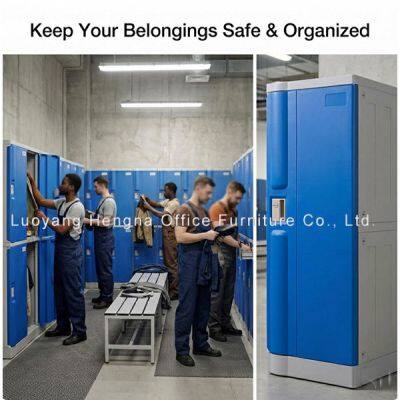 Read More
 -
How to Choose ESD Workbenches for Bulk Order: A Procurement Guide to Quality, MOQ and Lead Time
April 20, 2026Buying one ESD workbench is simple. You find a supplier, pay the invoice, receive the unit, plug it in.Buying 50 — or 500 — is a d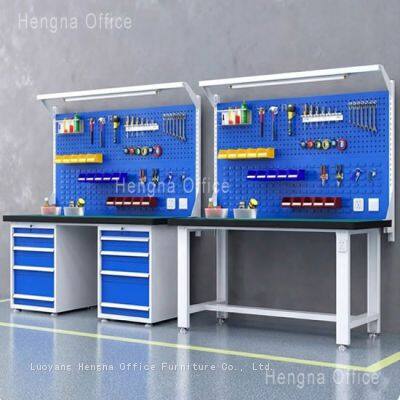 Read More
 -
ESD Workstation Audit Checklist: What Inspectors Actually Look For in Labs and Electronics Manufactu
April 20, 2026If your ESD workstation fails an audit, the consequences go beyond a failed inspection report. It means your production line stops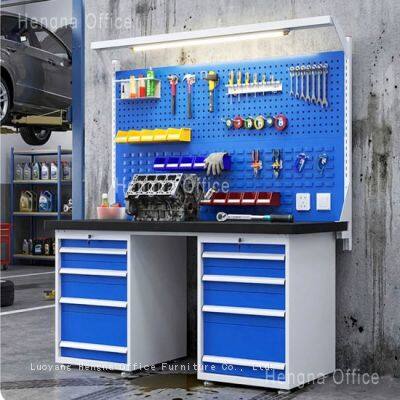 Read More
 -
Why Your ESD Workstation Keeps Failing: Root Causes and Practical Fixes for Industrial Settings
April 20, 2026ESD workstations are supposed to eliminate static discharge risk in sensitive manufacturing environments. But if your equipment ke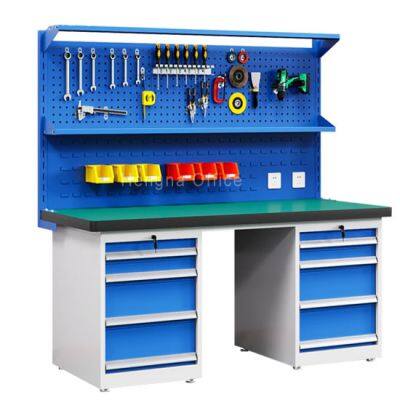 Read More

Contact Us
Recommended Products
-
 Industrial-Grade ABS Plastic Locker for Factory Staff and Warehouse Workers|Hengna OfficeUS$ 19 - 100MOQ: 5 Sets
 -
Outdoor ABS Locker Cabinet – UV-Resistant Plastic Storage for Poolside or Beach Resorts-Hengna OfficeUS$ 19 - 100MOQ: 5 Sets
-
45 Gallon Explosion-Proof Flammable Liquid Storage Cabinet – Fire-Resistant Steel Safety Cabinet for FactoriesUS$ 68 - 400MOQ: 2 Combos
-
Flammable Storage Cabinet for Flammable Liquids – OSHA Certified Safety Cabinet With Fireproof Double WallsUS$ 68 - 400MOQ: 2 Combos
-
Large Capacity Flammable Liquid Storage Cabinet – Explosion-Proof Safety Cabinet for Laboratory & Workshop UseUS$ 68 - 400MOQ: 2 Combos

-
Heavy Duty Steel Tool Cart With Drawers for Workshops|Hengna OfficeUS$ 99 - 269MOQ: 2 Cases
-
Wholesale 3-Drawer Tool Trolley With Wheels for Factory and Garage StorageUS$ 99 - 269MOQ: 2 Cases
-
HN-wlj160 Industrial Rolling Tool Organizer With Pegboard|All-in-One Mobile Tool Storage CartUS$ 5 - 120MOQ: 2 Cases
-
White Stackable Pathology Wax Block Storage Drawers for Labs Near London-Hengna OfficeNegotiableMOQ: 10 Pieces
-
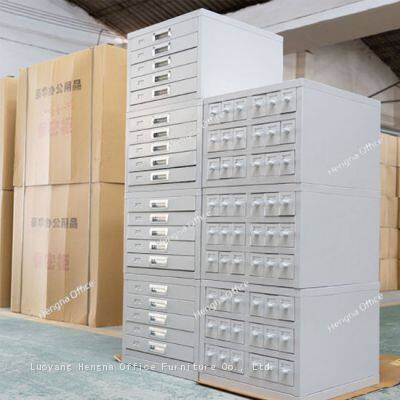
Custom Paraffin Block Storage Cabinet for Histology Laboratories – Factory Direct From Hengna FurnitureNegotiableMOQ: 10 Pieces
-
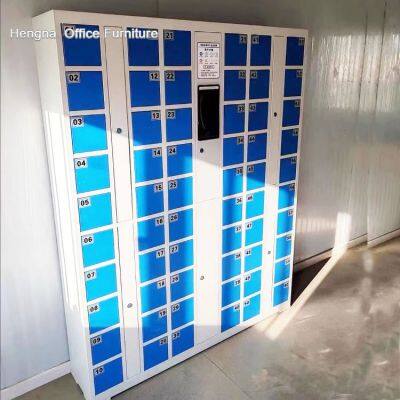
Smart Phone Charging Locker 40-door|Fingerprint Lockers Intelligent Parcel Delivery CabinetUS$ 203 - 750MOQ: 15 Pieces
-
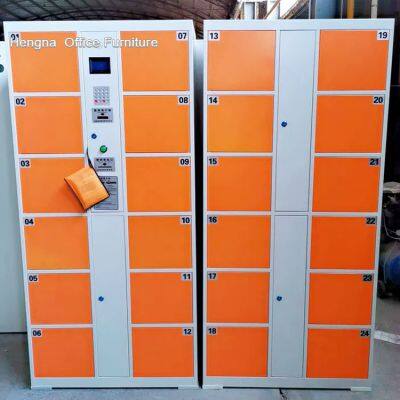
School Gym Lockers Price |Parcel Delivery Storage Locker 12-door FactoryUS$ 203 - 750MOQ: 15 Pieces
-
Multi Metal Work Benches Electrical Workshop Workbench|US$ 300 - 800MOQ: 2 Cases
-
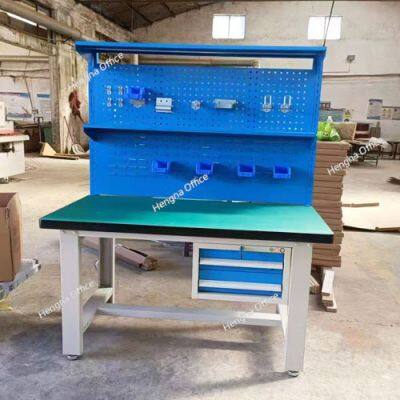
Commercial Workbench Supplier |Multi Metal Work Bench With Drawers OMDUS$ 300 - 800MOQ: 2 Cases
-
Pathological Ection Cabinet JTGZ062 Wax Block Cabinet for LaboratoryNegotiableMOQ: 10 Pieces
-
Durable Tool Storage in Factory HNGJ703 Hard Wearing Metal Industrial Tool ChestNegotiableMOQ: 18 Pieces
-
High - Quality CNC Workshop Tool Cabinet Heavyweight Workshop Tool OrganizerNegotiableMOQ: 10 Pieces
-
Laboratory Polyethylene Acid and Corrosive Chemicals Safety Storage PP CabinetUS$ 340 - 600MOQ: 5 Combos
-
22 Gallons /80 L PP Acid - Base Cabinet: Safeguard Chemical Storage Supplier OEMUS$ 500 - 600MOQ: 5 Combos
-
4 - Gallon Corrosion-resistant Safety Cabinet for Hazardous Chemicals Acid SupplierUS$ 340 - 500MOQ: 5 Combos