
 Business License

A Visual Guide to Explosion-Proof Safety Cabinet Applications Across Industries
Introduction: One Safety Solution, Many Critical Environments
From university research laboratories to hospital pharmacies, the safe storage of flammable and hazardous chemicals is a universal challenge. Different industries use different substances, but the risks—fire, explosion, chemical leakage, and regulatory non-compliance—are the same.
Explosion-proof safety cabinets (also called flammable liquid storage cabinets) provide a standardized, compliant solution across multiple sectors. This article explores how these cabinets are applied in various industries and why they have become a core component of modern safety systems.
Why Explosion-Proof Cabinets Are Universally Required
Hazardous liquids share common risks regardless of industry:
Low flash points
Volatile vapor release
Static electricity ignition
Spill and leakage hazards
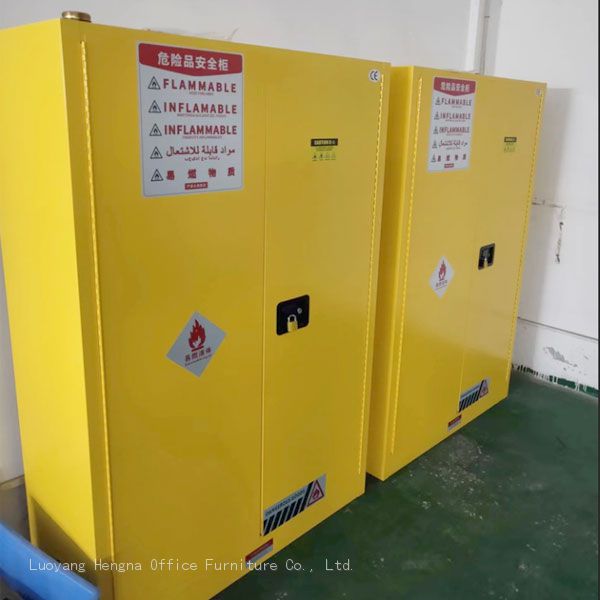
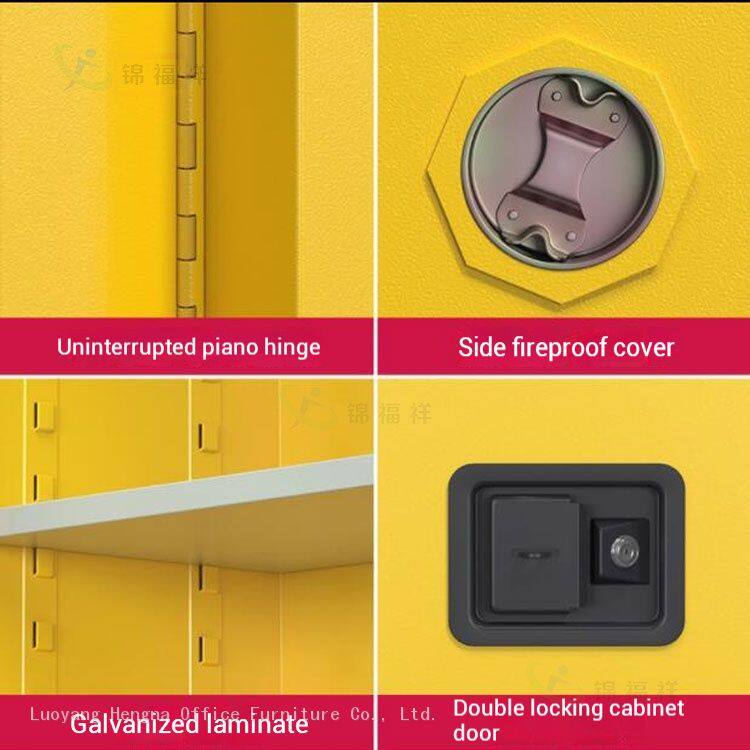
Explosion-proof cabinets address these risks through fire-resistant construction, vapor control, grounding, and leak containment
Key Safety Features That Enable Multi-Industry Use
| Safety Feature | Function | Industry Benefit |
|---|---|---|
| Double-wall steel body | Slows fire spread | Fire protection |
| Explosion-proof vents | Releases flammable vapors | Explosion prevention |
| Flame arrester | Blocks flame backflow | Secondary fire protection |
| Spill containment sump | Captures leaks | Environmental safety |
| Grounding system | Eliminates static | Ignition control |
These shared features make one cabinet design adaptable to many professional settings
University & Research Laboratories
Universities handle solvents such as ethanol, acetone, and cleaning agents daily. These substances are essential for experiments but highly flammable.
Why explosion-proof cabinets are critical in labs:
Prevent vapor buildup in enclosed rooms
Support chemical classification by cabinet color
Improve compliance with laboratory safety audits
Protect students and researchers with clear hazard labeling
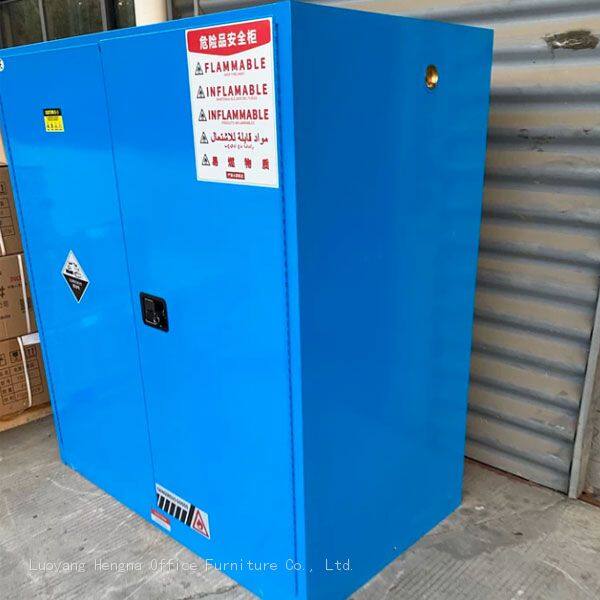
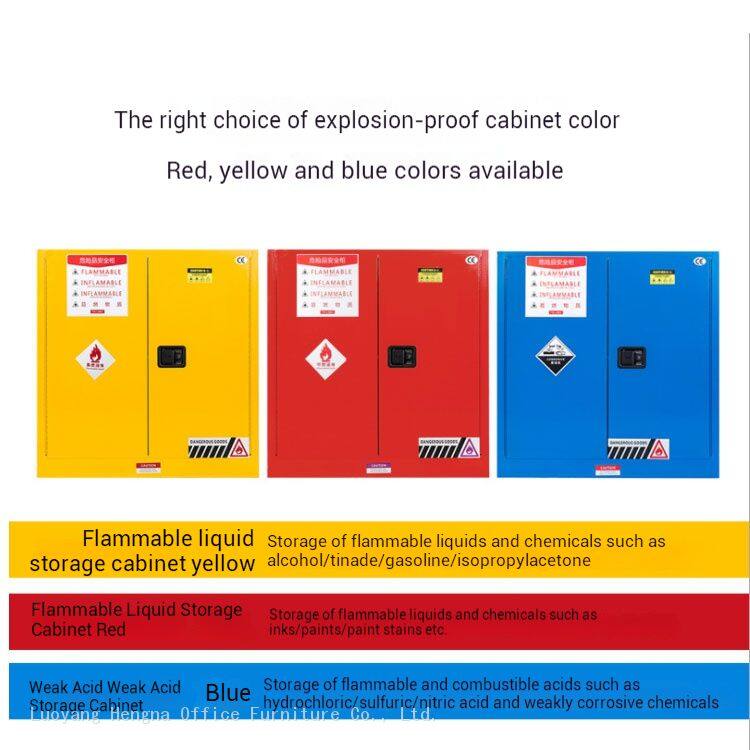
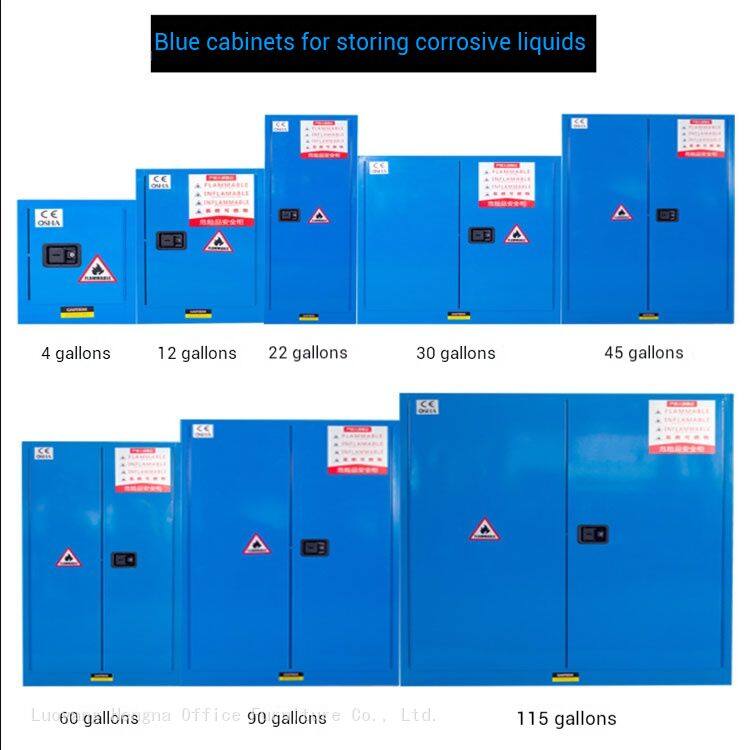
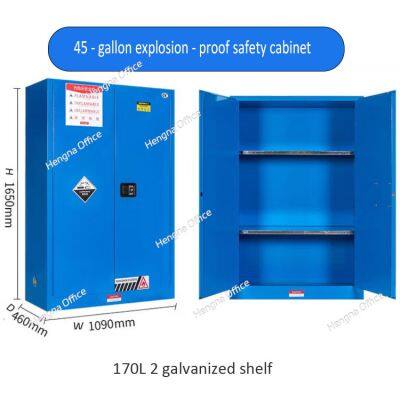
Yellow cabinets are commonly used to store flammable solvents, while blue cabinets are used for weakly corrosive chemicals

Hospital Pharmacies & Medical Centers
Hospitals store alcohol-based disinfectants, reagents, and pharmaceutical solvents. In these environments, safety is directly linked to patient care continuity.
Key advantages in hospitals:
Secure storage with optional dual-lock systems
NFPA 704 hazard labels for rapid identification
Clean epoxy-coated surfaces resistant to chemicals
Quiet, safe operation in controlled medical spaces
Explosion-proof cabinets help hospitals meet strict internal safety protocols without disrupting daily operations
Pharmaceutical & Biotechnology Facilities
Drug manufacturing and biotech research require precise handling of flammable and volatile liquids.
Explosion-proof cabinets support:
Batch solvent storage near production lines
Separation of incompatible chemicals
Static discharge control during liquid transfer
Clean, corrosion-resistant storage environments
Adjustable galvanized shelves allow flexible container placement, improving workflow efficiency
Industrial Manufacturing & Electronics Plants
Factories use flammable cleaning agents, lubricants, and solvents for equipment maintenance.
Explosion-proof cabinets:
Reduce fire risk on production floors
Prevent leaks from spreading into machinery areas
Enable centralized, classified storage
Improve safety inspection pass rates
Grounding systems are especially important in electronics manufacturing, where static discharge is a known hazard
Warehouses & Logistics Centers
Storage and distribution facilities often stock paints, inks, and chemical products in bulk.
Explosion-proof cabinets provide:
Safe intermediate storage zones
Spill containment during loading and unloading
Clear visual identification for warehouse staff
Compliance with fire safety regulations
Conclusion: One Cabinet, Many Safety Scenarios
Explosion-proof safety cabinets are not industry-specific—they are risk-specific. Wherever flammable or hazardous liquids exist, these cabinets provide reliable protection. From education and healthcare to manufacturing and logistics, they form the backbone of safe chemical management.

Recently Posted
-
Why Water Park Lockers Always Rust — and the Practical Logic Behind Switching to ABS Waterproof Stor
April 29, 2026Run a water park, and you've probably seen this: metal lockers installed last year are already showing it. Hinges that stick, Read More
 -
How to Choose ESD Workbenches for Bulk Order: A Procurement Guide to Quality, MOQ and Lead Time
April 20, 2026Buying one ESD workbench is simple. You find a supplier, pay the invoice, receive the unit, plug it in.Buying 50 — or 500 — is a d Read More
 -
ESD Workstation Audit Checklist: What Inspectors Actually Look For in Labs and Electronics Manufactu
April 20, 2026If your ESD workstation fails an audit, the consequences go beyond a failed inspection report. It means your production line stops Read More
 -
Why Your ESD Workstation Keeps Failing: Root Causes and Practical Fixes for Industrial Settings
April 20, 2026ESD workstations are supposed to eliminate static discharge risk in sensitive manufacturing environments. But if your equipment ke Read More

Contact Us
Recommended Products
-
 Industrial-Grade ABS Plastic Locker for Factory Staff and Warehouse Workers|Hengna OfficeUS$ 19 - 100MOQ: 5 Sets
 -
Outdoor ABS Locker Cabinet – UV-Resistant Plastic Storage for Poolside or Beach Resorts-Hengna OfficeUS$ 19 - 100MOQ: 5 Sets
-
45 Gallon Explosion-Proof Flammable Liquid Storage Cabinet – Fire-Resistant Steel Safety Cabinet for FactoriesUS$ 68 - 400MOQ: 2 Combos
-
Flammable Storage Cabinet for Flammable Liquids – OSHA Certified Safety Cabinet With Fireproof Double WallsUS$ 68 - 400MOQ: 2 Combos
-
Large Capacity Flammable Liquid Storage Cabinet – Explosion-Proof Safety Cabinet for Laboratory & Workshop UseUS$ 68 - 400MOQ: 2 Combos

-
Heavy Duty Steel Tool Cart With Drawers for Workshops|Hengna OfficeUS$ 99 - 269MOQ: 2 Cases
-
Wholesale 3-Drawer Tool Trolley With Wheels for Factory and Garage StorageUS$ 99 - 269MOQ: 2 Cases
-
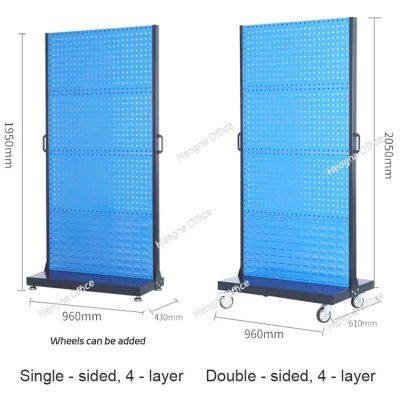
HN-wlj160 Industrial Rolling Tool Organizer With Pegboard|All-in-One Mobile Tool Storage CartUS$ 5 - 120MOQ: 2 Cases
-
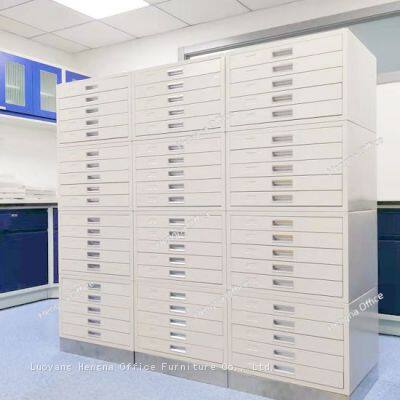
White Stackable Pathology Wax Block Storage Drawers for Labs Near London-Hengna OfficeNegotiableMOQ: 10 Pieces
-
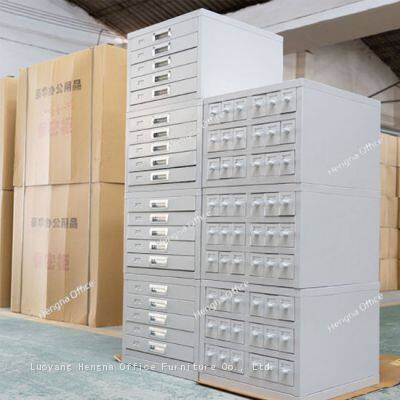
Custom Paraffin Block Storage Cabinet for Histology Laboratories – Factory Direct From Hengna FurnitureNegotiableMOQ: 10 Pieces
-
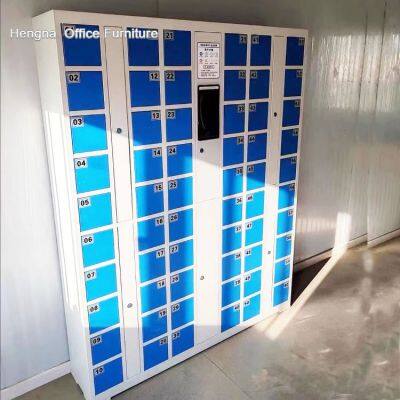
Smart Phone Charging Locker 40-door|Fingerprint Lockers Intelligent Parcel Delivery CabinetUS$ 203 - 750MOQ: 15 Pieces
-
School Gym Lockers Price |Parcel Delivery Storage Locker 12-door FactoryUS$ 203 - 750MOQ: 15 Pieces
-
Multi Metal Work Benches Electrical Workshop Workbench|US$ 300 - 800MOQ: 2 Cases
-
Commercial Workbench Supplier |Multi Metal Work Bench With Drawers OMDUS$ 300 - 800MOQ: 2 Cases
-
Pathological Ection Cabinet JTGZ062 Wax Block Cabinet for LaboratoryNegotiableMOQ: 10 Pieces
-
Durable Tool Storage in Factory HNGJ703 Hard Wearing Metal Industrial Tool ChestNegotiableMOQ: 18 Pieces
-
High - Quality CNC Workshop Tool Cabinet Heavyweight Workshop Tool OrganizerNegotiableMOQ: 10 Pieces
-
Laboratory Polyethylene Acid and Corrosive Chemicals Safety Storage PP CabinetUS$ 340 - 600MOQ: 5 Combos
-
22 Gallons /80 L PP Acid - Base Cabinet: Safeguard Chemical Storage Supplier OEMUS$ 500 - 600MOQ: 5 Combos
-
4 - Gallon Corrosion-resistant Safety Cabinet for Hazardous Chemicals Acid SupplierUS$ 340 - 500MOQ: 5 Combos