
 Business License

Chemical Storage Chaos? Explosion-Proof Safety Cabinets Are the Best Practice for Classified Storage
Introduction: Why Chemical Storage Disorder Is a Hidden Risk
Disorganized chemical storage is one of the most common—and dangerous—problems in laboratories, factories, and warehouses. When flammable liquids, combustible materials, and corrosive chemicals are stored together without clear classification, the risk of fire, explosion, chemical reactions, and regulatory violations increases dramatically.
Explosion-proof gallon cabinets, also known as flammable liquid safety cabinets, are widely recognized as the best practice for classified chemical storage. They help companies comply with safety standards while protecting employees, assets, and the environment.
The Real Dangers of Unclassified Chemical Storage
Poor chemical storage can lead to:
Accidental mixing of incompatible substances
Increased fire and explosion risk
Chemical leaks spreading across work areas
Static electricity ignition
Failed safety inspections and fines
Many incidents occur not because chemicals are dangerous by nature, but because they are stored incorrectly.
What Is Classified Storage?
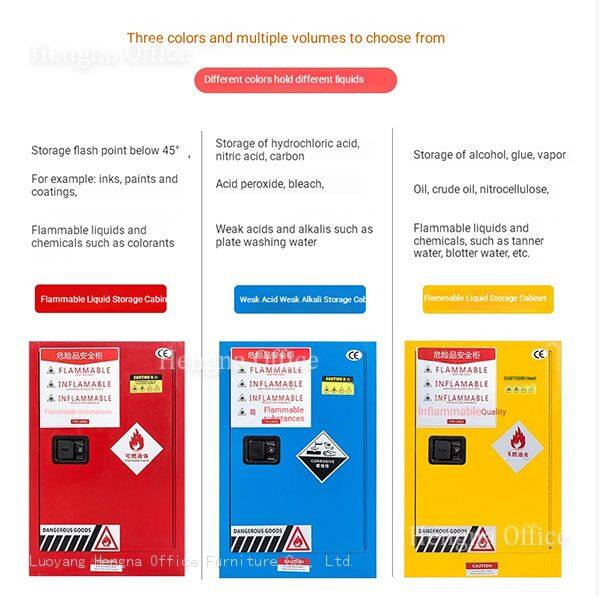
Classified storage means organizing chemicals based on their hazard properties, such as:
| Chemical Type | Typical Examples | Recommended Cabinet |
|---|---|---|
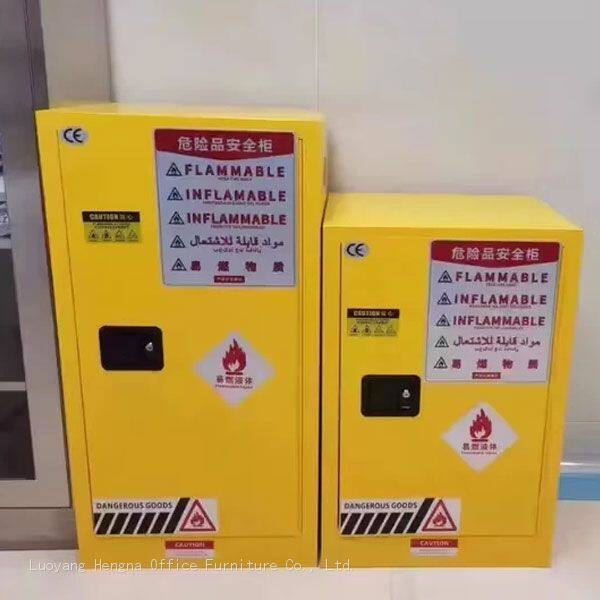
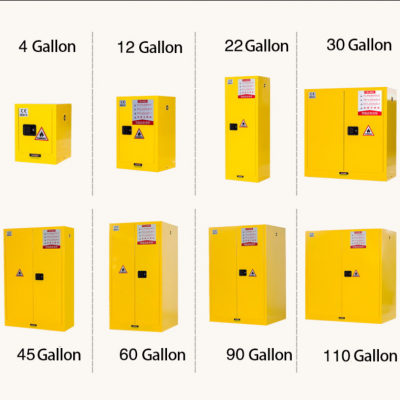
| Flammable liquids | Alcohol, acetone, paint | Yellow safety cabinet |
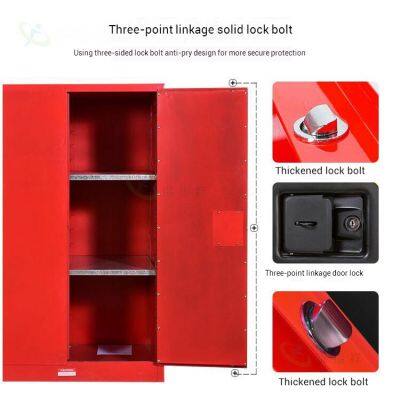
| Combustible liquids | Ink, coatings | Red safety cabinet |
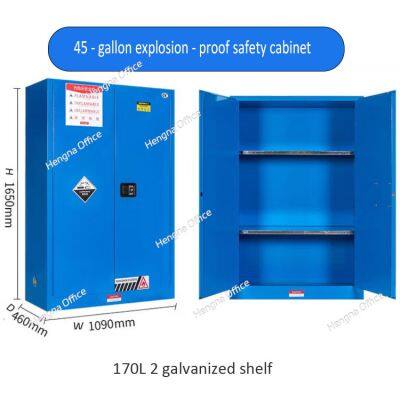
| Weakly corrosive chemicals | Oxidizing saline solutions | Blue safety cabinet |
Using color-coded explosion-proof cabinets creates immediate visual clarity and reduces human error
Why Explosion-Proof Gallon Cabinets Are the Best Solution
1. Fire-Resistant Double-Wall Construction
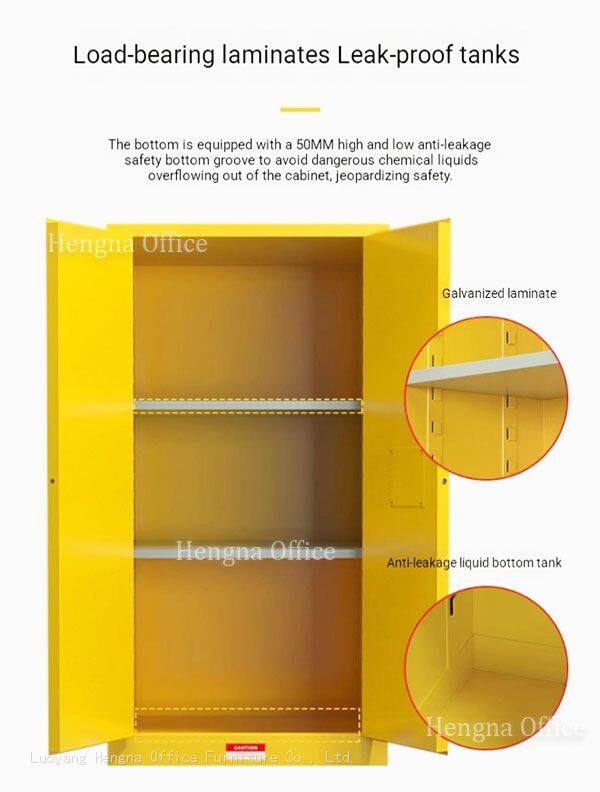
High-quality safety cabinets are built with double-layer cold-rolled steel, with an air insulation gap of more than 38 mm between panels. This structure significantly slows heat transfer during a fire and protects the cabinet content.
2. Explosion-Proof Ventilation System
Explosion-proof ventilation ports on both sides of the cabinet allow flammable vapors to be safely exhausted. Built-in flame arresters prevent external fire from entering the cabinet, reducing the risk of secondary ignition.
3. Leak Containment Design
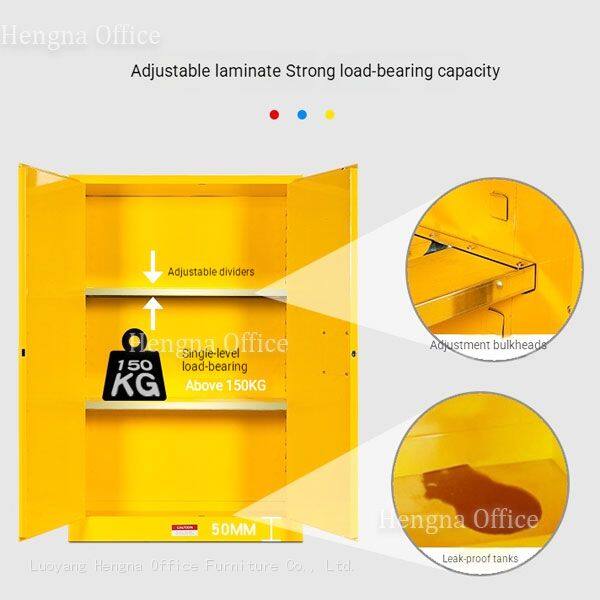
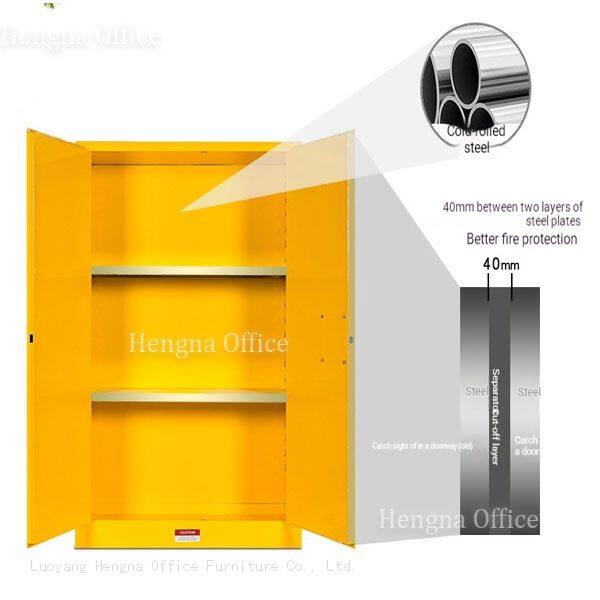
A 5 cm high spill containment sump at the bottom of the cabinet prevents chemical leaks from spreading. Adjustable galvanized shelves allow safe storage of containers of different sizes.
Static Electricity Control: A Critical Safety Feature
Static discharge is a common ignition source. Explosion-proof cabinets are equipped with grounding wires and grounding bolts, ensuring static electricity is safely dissipated into the earth during operation or container transfer.
Human-Centered Safety Design
Modern explosion-proof cabinets are designed for real working environments:
Three-point self-locking doors ensure airtight sealing
NFPA 704 hazard warning labels improve hazard recognition
Dual-lock support enables two-person chemical management
90-degree door opening improves access while preventing over-extension
These details significantly reduce operational risk and improve daily efficiency.
Where Classified Storage Matters Most
Explosion-proof safety cabinets are widely used in:
Chemical plants and laboratories
Pharmaceutical and biomedical facilities
Universities and research centers
Automotive paint shops and workshops
Electronics and manufacturing plants
Logistics warehouses and safety-regulated facilities
Conclusion: Order Is the Foundation of Safety
Chemical storage chaos is not just inconvenient—it is dangerous. Classified storage using explosion-proof gallon cabinets provides a proven, compliant, and scalable solution. By separating chemicals based on risk, controlling ignition sources, and containing leaks, companies build a safer workplace and reduce long-term liability.

Recently Posted
-
Why Water Park Lockers Always Rust — and the Practical Logic Behind Switching to ABS Waterproof Stor
April 29, 2026Run a water park, and you've probably seen this: metal lockers installed last year are already showing it. Hinges that stick,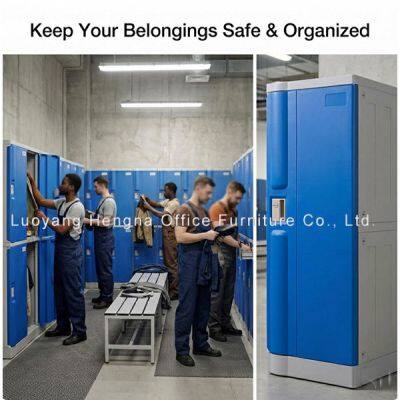 Read More
 -
How to Choose ESD Workbenches for Bulk Order: A Procurement Guide to Quality, MOQ and Lead Time
April 20, 2026Buying one ESD workbench is simple. You find a supplier, pay the invoice, receive the unit, plug it in.Buying 50 — or 500 — is a d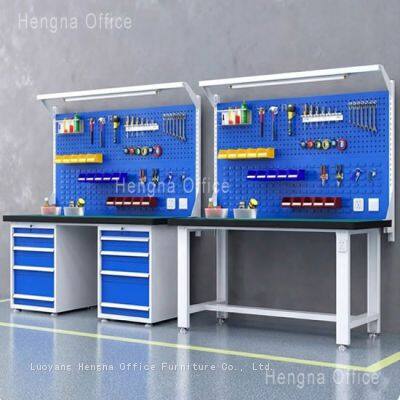 Read More
 -
ESD Workstation Audit Checklist: What Inspectors Actually Look For in Labs and Electronics Manufactu
April 20, 2026If your ESD workstation fails an audit, the consequences go beyond a failed inspection report. It means your production line stops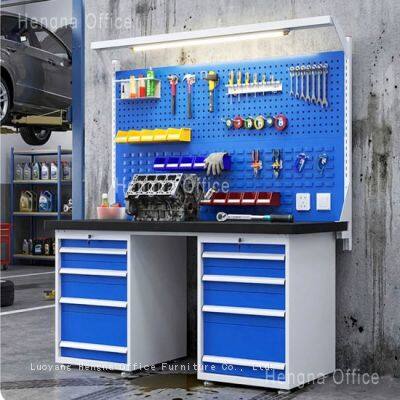 Read More
 -
Why Your ESD Workstation Keeps Failing: Root Causes and Practical Fixes for Industrial Settings
April 20, 2026ESD workstations are supposed to eliminate static discharge risk in sensitive manufacturing environments. But if your equipment ke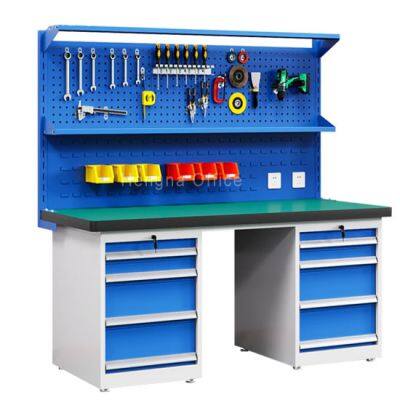 Read More

Contact Us
Recommended Products
-
 Industrial-Grade ABS Plastic Locker for Factory Staff and Warehouse Workers|Hengna OfficeUS$ 19 - 100MOQ: 5 Sets
 -
Outdoor ABS Locker Cabinet – UV-Resistant Plastic Storage for Poolside or Beach Resorts-Hengna OfficeUS$ 19 - 100MOQ: 5 Sets
-
45 Gallon Explosion-Proof Flammable Liquid Storage Cabinet – Fire-Resistant Steel Safety Cabinet for FactoriesUS$ 68 - 400MOQ: 2 Combos
-
Flammable Storage Cabinet for Flammable Liquids – OSHA Certified Safety Cabinet With Fireproof Double WallsUS$ 68 - 400MOQ: 2 Combos
-
Large Capacity Flammable Liquid Storage Cabinet – Explosion-Proof Safety Cabinet for Laboratory & Workshop UseUS$ 68 - 400MOQ: 2 Combos
-
Heavy Duty Steel Tool Cart With Drawers for Workshops|Hengna OfficeUS$ 99 - 269MOQ: 2 Cases
-
Wholesale 3-Drawer Tool Trolley With Wheels for Factory and Garage StorageUS$ 99 - 269MOQ: 2 Cases
-
HN-wlj160 Industrial Rolling Tool Organizer With Pegboard|All-in-One Mobile Tool Storage CartUS$ 5 - 120MOQ: 2 Cases
-
White Stackable Pathology Wax Block Storage Drawers for Labs Near London-Hengna OfficeNegotiableMOQ: 10 Pieces
-
Custom Paraffin Block Storage Cabinet for Histology Laboratories – Factory Direct From Hengna FurnitureNegotiableMOQ: 10 Pieces
-
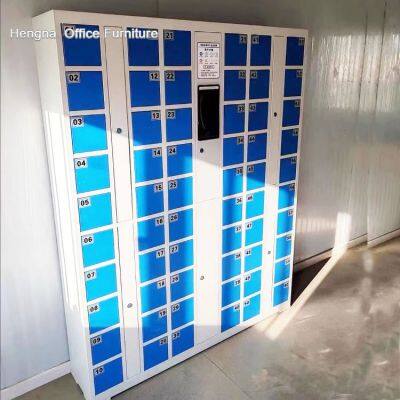
Smart Phone Charging Locker 40-door|Fingerprint Lockers Intelligent Parcel Delivery CabinetUS$ 203 - 750MOQ: 15 Pieces
-
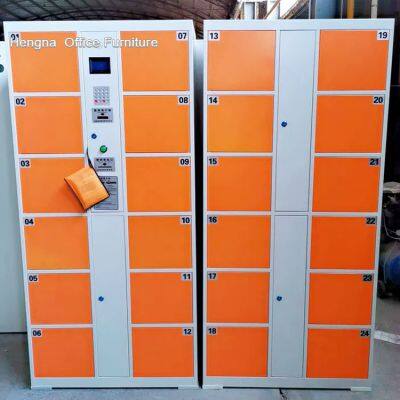
School Gym Lockers Price |Parcel Delivery Storage Locker 12-door FactoryUS$ 203 - 750MOQ: 15 Pieces
-
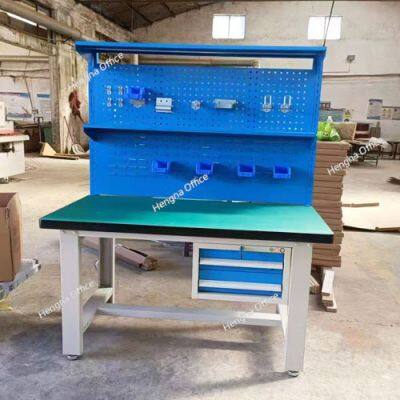
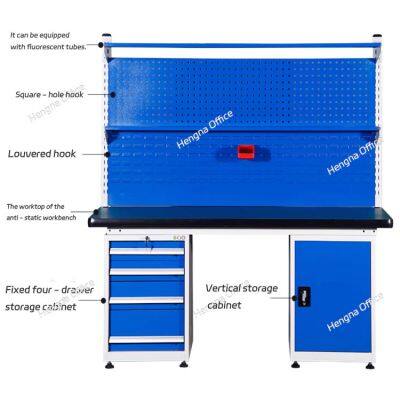
Multi Metal Work Benches Electrical Workshop Workbench|US$ 300 - 800MOQ: 2 Cases
-
Commercial Workbench Supplier |Multi Metal Work Bench With Drawers OMDUS$ 300 - 800MOQ: 2 Cases
-
Pathological Ection Cabinet JTGZ062 Wax Block Cabinet for LaboratoryNegotiableMOQ: 10 Pieces
-
Durable Tool Storage in Factory HNGJ703 Hard Wearing Metal Industrial Tool ChestNegotiableMOQ: 18 Pieces
-
High - Quality CNC Workshop Tool Cabinet Heavyweight Workshop Tool OrganizerNegotiableMOQ: 10 Pieces
-
Laboratory Polyethylene Acid and Corrosive Chemicals Safety Storage PP CabinetUS$ 340 - 600MOQ: 5 Combos
-
22 Gallons /80 L PP Acid - Base Cabinet: Safeguard Chemical Storage Supplier OEMUS$ 500 - 600MOQ: 5 Combos
-
4 - Gallon Corrosion-resistant Safety Cabinet for Hazardous Chemicals Acid SupplierUS$ 340 - 500MOQ: 5 Combos