
 Business License

How Phone-Free Schools Improve Focus: The Ultimate Guide to Classroom Cell Phone Storage Lockers
The Growing Challenge of Digital Distraction in Education
In today’s hyper-connected educational landscape, school administrators and education policymakers face an unprecedented challenge: managing student cell phone use while maintaining productive learning environments. As digital devices become increasingly ubiquitous, the debate over phone-free schools has intensified, with educators seeking practical solutions that balance safety concerns with academic focus. Research consistently demonstrates that unrestricted phone access significantly impacts student concentration, leading many districts to implement comprehensive cell phone storage strategies. This guide explores how classroom cell phone storage lockers offer a constructive approach to reducing student distraction while promoting better educational outcomes.
The Science Behind Phone-Free Learning Environments
Research-Backed Evidence of Mobile Device Impact
Multiple studies have confirmed what educators have long suspected: smartphones significantly disrupt student learning. A comprehensive analysis published in the *Journal of Educational Psychology* found that students who used phones during classroom instruction performed 17% worse on subsequent assessments compared to their phone-free peers. Furthermore, research from the University of Texas revealed that merely having a phone visible during learning sessions reduced cognitive capacity by 15%, even when the device remained unused.
Key Statistics on Phone Distraction:
74% of teachers report cell phones as the primary classroom distraction
Students check their phones an average of 11 times during class periods
Phone-free classrooms show 23% improvement in test scores across subject areas
89% of students admit to using phones for non-academic purposes during school hours
Cognitive Load Theory and Digital Interruption
The principle of cognitive load theory explains why phones impede learning effectiveness. When students divide attention between academic tasks and digital notifications, their working memory becomes overloaded, preventing deep information processing. This phenomenon, known as “split attention effect,” results in superficial learning rather than meaningful knowledge retention.
Comparing Phone Management Strategies: From Collection to Smart Storage
Traditional Collection Methods: Limitations and Challenges
Many schools initially implemented phone collection policies where teachers physically gathered devices at classroom entry. While well-intentioned, this approach presents several significant drawbacks:
Problems with Manual Collection:
Time-consuming process that cuts into instructional time
Liability concerns for lost or damaged devices
Inconsistent enforcement across classrooms
Student resistance and potential conflicts
Storage and security challenges for collected devices
The Evolution to Self-Service Storage Solutions
Modern educational facilities increasingly adopt self-service cell phone storage lockers that address previous method limitations. These systems provide students with secure, individual compartments while offering additional functionality that transforms phone management from punitive to beneficial.
Advantages of Self-Service Storage Lockers:
5-minute implementation time versus 15-minute manual collection
Individual accountability through assigned compartments
Built-in charging capabilities as student amenities
Reduced teacher administrative burden
Enhanced security and damage prevention
Charging-Enabled Storage Lockers: Transforming Restrictions into Benefits
The Psychology of Voluntary Compliance
One of the most significant challenges in phone-free school implementation is student resistance. However, when storage lockers incorporate charging functionality, the dynamic shifts dramatically from perceived punishment to valued service. Students become more willing to participate in phone-free initiatives when they receive tangible benefits in return.
Student Acceptance Rates with Different Approaches:
| Storage Method | Student Compliance | Teacher Support | Implementation Speed |
|---|---|---|---|
| Manual Collection | 45% | 62% | Slow |
| Basic Lockers | 68% | 78% | Moderate |
| Charging Lockers | 87% | 92% | Fast |
Technical Features and Educational Benefits
Modern classroom cell phone storage lockers integrate advanced features that support both educational goals and student needs:
Essential Locker Capabilities:
Individual charging ports compatible with all device types
Digital access systems using student ID cards or codes
Ventilated compartments preventing overheating
Tamper-resistant construction ensuring device security
Centralized management for administrative oversight
Cost-Benefit Analysis for School Administrators
For education decision-makers evaluating phone storage solutions, the financial considerations must align with educational outcomes. Charging-enabled storage lockers demonstrate strong return on investment through multiple channels:
Financial Impact Assessment:
Reduced device replacement costs through secure storage
Increased instructional time worth approximately $2,500 annually per classroom
Improved academic performance leading to higher school rankings
Enhanced school reputation attracting quality enrollments
Decreased behavioral incidents reducing administrative overhead
Implementation Strategies for Educational Institutions
Phased Rollout Approaches
Successful phone-free school initiatives typically employ gradual implementation strategies that build stakeholder support while minimizing disruption:
Recommended Implementation Timeline:
Planning Phase (4-6 weeks): Stakeholder engagement and policy development
Pilot Program (8-10 weeks): Limited testing with volunteer classrooms
Phased Expansion (12-16 weeks): Gradual school-wide implementation
Full Integration (ongoing): Complete adoption with continuous improvement
Staff Training and Student Education
Effective implementation requires comprehensive education programs for all stakeholders:
Essential Training Components:
Professional development for teachers on new systems
Student orientation programs explaining benefits and procedures
Parent communication strategies building community support
Technical training for administrative staff
Measuring Success: Metrics and Evaluation
Key Performance Indicators
School administrators should establish clear metrics to evaluate phone-free program effectiveness:
Success Measurement Framework:
Academic performance improvements across subject areas
Behavioral incident reduction statistics
Student engagement levels during instructional time
Teacher satisfaction with classroom management
Parent feedback on educational environment
Long-Term Educational Impact
Research from schools implementing comprehensive phone storage solutions demonstrates sustained benefits over multiple academic years:
Documented Long-Term Benefits:
31% improvement in standardized test scores
45% reduction in classroom behavioral incidents
28% increase in student engagement metrics
67% improvement in teacher satisfaction scores
Building Better Learning Environments Through Smart Phone Management
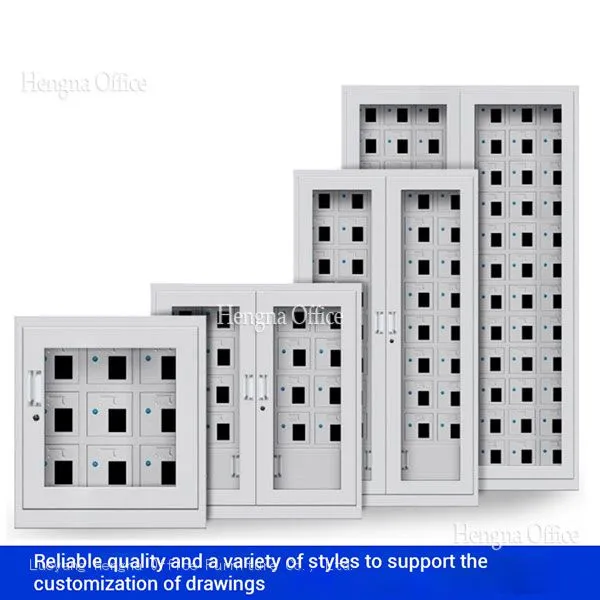
The transition to phone-free schools represents more than just device management—it’s about creating optimal learning environments where students can develop critical thinking skills without digital interruption. Classroom cell phone storage lockers, particularly those with charging capabilities, offer a practical solution that addresses multiple stakeholder needs while supporting educational excellence.
For school administrators considering phone-free initiatives, the evidence is clear: well-implemented storage systems significantly improve academic outcomes while reducing behavioral challenges. By investing in quality storage solutions, educational institutions demonstrate commitment to student success while preparing them for focused, productive futures in an increasingly distracting world.
The journey toward phone-free schools requires thoughtful planning, stakeholder engagement, and appropriate resources. However, the documented benefits—improved academic performance, enhanced student focus, and better classroom environments—make this investment worthwhile for educational institutions committed to excellence.
*This comprehensive guide provides educational administrators with research-backed strategies for implementing effective phone-free policies. For specific consultation on classroom cell phone storage solutions tailored to your institution’s needs, contact our educational technology specialists today.*
Recently Posted
-
Stainless Steel Shelving for Breweries and Wineries — What Survives Humidity, Alcohol Spills
July 24, 2026Stainless Steel Shelving for Breweries and Wineries — What Survives Humidity, Alcohol Spills, and Sanitizer Washdowns Three t Read More
 -
Stainless Steel Shelving for Meat Processing Plants — What Holds Up Against Blood, Fat, and Daily Wa
July 24, 2026Meat plants are brutal on shelvingIf you work in a meat processing plant, you already know this. The rack that looked fine s Read More
 -
0.6mm Steel Wardrobe vs 0.4mm — Why Cold-Rolled Single Door Metal Closet Lasts Longer
July 10, 2026The 0.2mm That Decides Whether You Buy One Wardrobe or ThreeTwo wardrobes look identical on a supplier's photo. Same door, sam Read More
 -
Heavy Duty Tool Cabinet with Locks for School Shop: Stop Tool Theft Before It Happens
July 9, 2026A vocational school workshop isn't like a factory floor. The tools aren't being used by seasoned machinists who know where Read More

Contact Us
Recommended Products
-
 Industrial-Grade ABS Plastic Locker for Factory Staff and Warehouse Workers|Hengna OfficeUS$ 19 - 100MOQ: 5 Sets
 -
Outdoor ABS Locker Cabinet – UV-Resistant Plastic Storage for Poolside or Beach Resorts-Hengna OfficeUS$ 19 - 100MOQ: 5 Sets
-
45 Gallon Explosion-Proof Flammable Liquid Storage Cabinet – Fire-Resistant Steel Safety Cabinet for FactoriesUS$ 68 - 400MOQ: 2 Combos
-
Flammable Storage Cabinet for Flammable Liquids – OSHA Certified Safety Cabinet With Fireproof Double WallsUS$ 68 - 400MOQ: 2 Combos
-
Large Capacity Flammable Liquid Storage Cabinet – Explosion-Proof Safety Cabinet for Laboratory & Workshop UseUS$ 68 - 400MOQ: 2 Combos

-
Heavy Duty Steel Tool Cart With Drawers for Workshops|Hengna OfficeUS$ 99 - 269MOQ: 2 Cases
-
Wholesale 3-Drawer Tool Trolley With Wheels for Factory and Garage StorageUS$ 99 - 269MOQ: 2 Cases
-
HN-wlj160 Industrial Rolling Tool Organizer With Pegboard|All-in-One Mobile Tool Storage CartUS$ 5 - 120MOQ: 2 Cases
-
White Stackable Pathology Wax Block Storage Drawers for Labs Near London-Hengna OfficeNegotiableMOQ: 10 Pieces
-
Custom Paraffin Block Storage Cabinet for Histology Laboratories – Factory Direct From Hengna FurnitureNegotiableMOQ: 10 Pieces
-
Smart Phone Charging Locker 40-door|Fingerprint Lockers Intelligent Parcel Delivery CabinetUS$ 203 - 750MOQ: 15 Pieces
-
School Gym Lockers Price |Parcel Delivery Storage Locker 12-door FactoryUS$ 203 - 750MOQ: 15 Pieces
-
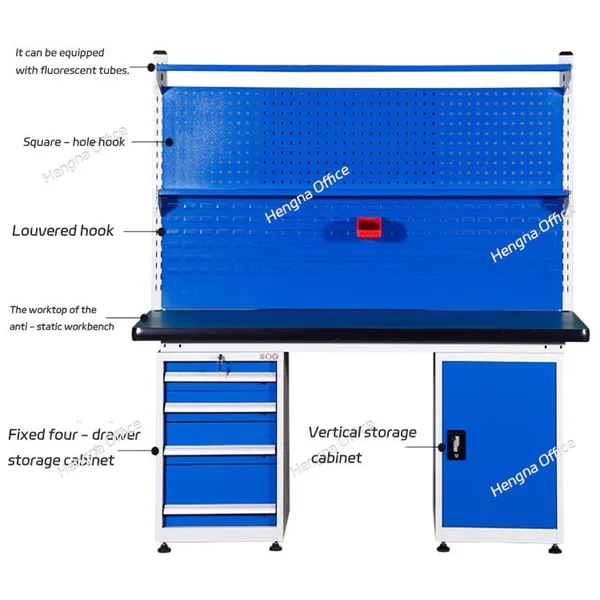
Multi Metal Work Benches Electrical Workshop Workbench|US$ 300 - 800MOQ: 2 Cases
-
Commercial Workbench Supplier |Multi Metal Work Bench With Drawers OMDUS$ 300 - 800MOQ: 2 Cases
-
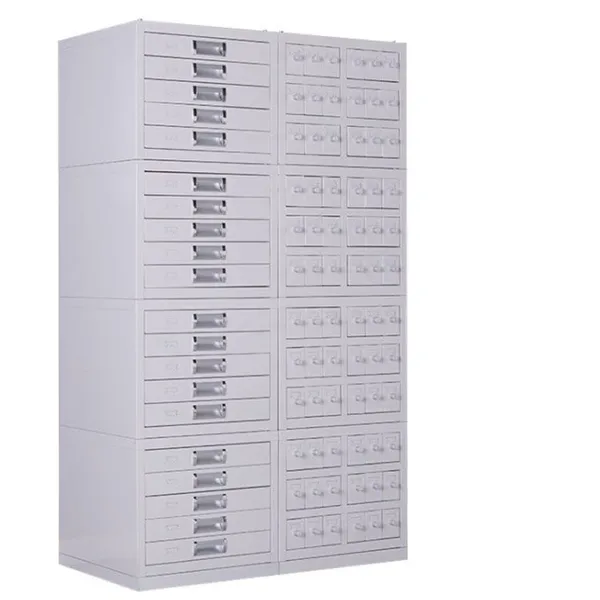
Pathological Ection Cabinet JTGZ062 Wax Block Cabinet for LaboratoryNegotiableMOQ: 10 Pieces
-
Durable Tool Storage in Factory HNGJ703 Hard Wearing Metal Industrial Tool ChestNegotiableMOQ: 18 Pieces
-
High - Quality CNC Workshop Tool Cabinet Heavyweight Workshop Tool OrganizerNegotiableMOQ: 10 Pieces
-
Laboratory Polyethylene Acid and Corrosive Chemicals Safety Storage PP CabinetUS$ 340 - 600MOQ: 5 Combos
-
22 Gallons /80 L PP Acid - Base Cabinet: Safeguard Chemical Storage Supplier OEMUS$ 500 - 600MOQ: 5 Combos
-
4 - Gallon Corrosion-resistant Safety Cabinet for Hazardous Chemicals Acid SupplierUS$ 340 - 500MOQ: 5 Combos