
 Business License

The Importance of Hygienic Stainless Steel Lockers in Food Processing Plants
Protecting Food Safety Through Proper Storage Solutions
In the highly regulated food processing industry, every aspect of facility design plays a crucial role in maintaining food safety standards. Among these critical components, food industry lockers often receive insufficient attention despite their significant impact on overall hygiene protocols. As food safety regulations become increasingly stringent, the selection of appropriate hygienic storage cabinets has evolved from a mere convenience to an essential requirement for HACCP compliance furniture standards. This comprehensive analysis explores why stainless steel lockers represent the gold standard for food processing facilities and how they contribute to maintaining the highest levels of food safety.
Understanding Food Safety Standards: HACCP and GMP Requirements
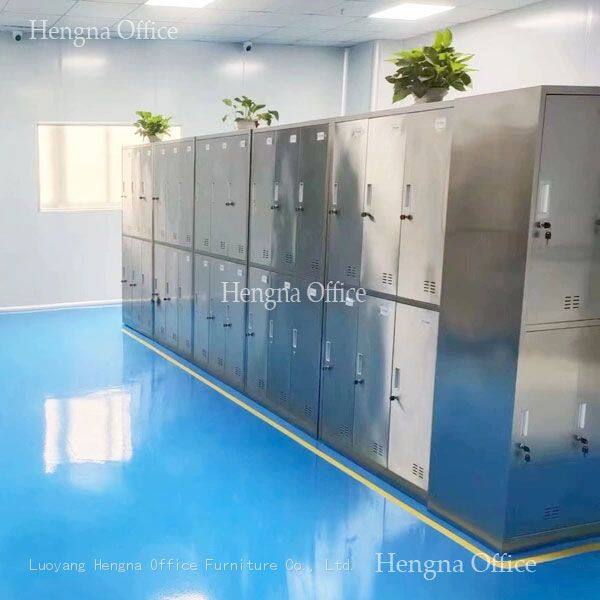
The Critical Role of Employee Changing Facilities
Food safety management systems, particularly Hazard Analysis and Critical Control Points (HACCP) and Good Manufacturing Practices (GMP), place explicit emphasis on preventing contamination from external sources. Employee changing facilities serve as the critical barrier between outside environments and controlled production areas. According to FDA Food Safety Modernization Act (FSMA) guidelines, these facilities must be designed, constructed, and maintained to prevent personal belongings from contaminating food products or production surfaces.
The European Union’s food safety regulations similarly mandate that changing facilities be constructed from materials that are non-absorbent, non-toxic, and easily cleanable. These requirements directly influence the selection of storage solutions, making traditional wooden or plastic lockers unsuitable for food processing environments.
Regulatory Compliance Framework
Food processing facilities must demonstrate compliance with multiple regulatory frameworks, including:
HACCP Principle 2: Determining critical control points where contamination may occur
GMP Section 211.42: Requirements for building and facilities construction
FDA 21 CFR Part 110: Current Good Manufacturing Practice in Manufacturing
ISO 22000: Food safety management systems requirements
These regulations collectively establish that employee storage areas represent potential contamination vectors requiring careful control through appropriate facility design and material selection.
Engineering Excellence: Design Features of Hygienic Stainless Steel Lockers
Material Selection: 304 Stainless Steel Superiority
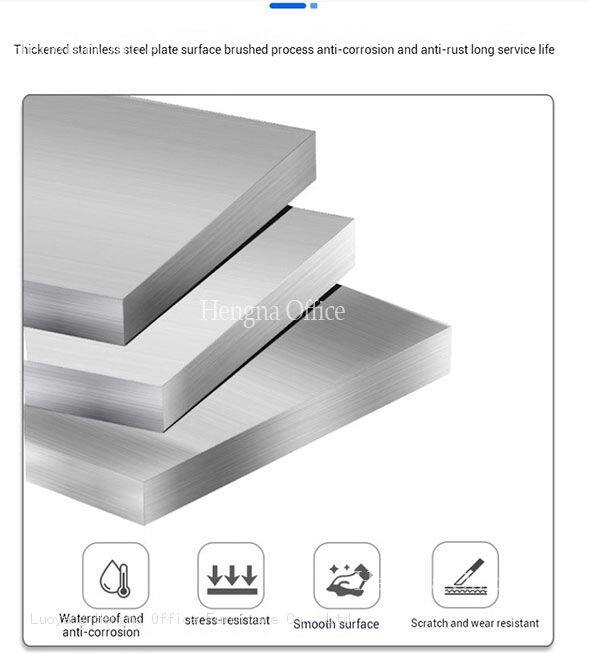
The choice of 304 stainless steel for food industry lockers stems from its unique material properties that directly address food safety requirements. This alloy contains approximately 18% chromium and 8% nickel, creating a passive oxide layer that provides exceptional corrosion resistance against cleaning chemicals and food-grade sanitizers. Unlike powder-coated steel or plastic alternatives, stainless steel maintains its integrity even after repeated exposure to harsh cleaning protocols.
The non-porous surface of stainless steel prevents bacterial colonization and eliminates the risk of material degradation that could create contamination sources. This characteristic becomes particularly important in food processing environments where daily cleaning with chemical agents is standard practice.
Innovative Design Features for Maximum Hygiene
Modern hygienic storage cabinets incorporate several critical design elements that distinguish them from conventional locker systems:
Sloped Top Design: The angled top surfaces prevent dust accumulation and facilitate water runoff during cleaning procedures. This design eliminates horizontal surfaces where contaminants could collect and multiply, addressing a common criticism of traditional locker designs.
Seamless Construction: Advanced welding techniques create continuous surfaces without joints or crevices where bacteria could hide. The smooth transitions between panels ensure thorough cleaning effectiveness and eliminate potential contamination traps.
Ventilation Systems: Strategically placed ventilation holes promote air circulation while maintaining hygiene standards. These openings are designed with smooth edges and positioned to prevent water accumulation during cleaning, ensuring proper drying between uses.
Reinforced Hinges and Hardware: All metal components utilize stainless steel construction to prevent corrosion and ensure long-term durability. The locking mechanisms are designed for smooth operation without creating difficult-to-clean areas.
Cleaning Protocol Compatibility: Withstanding Rigorous Sanitation Procedures
Chemical Resistance and Durability
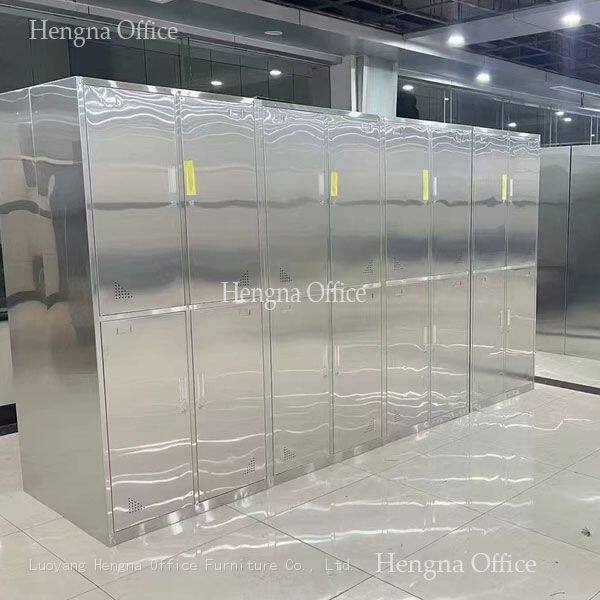
Food processing facilities typically employ aggressive cleaning protocols involving chlorine-based sanitizers, acidic cleaners, and alkaline detergents. Standard locker materials often degrade under such conditions, creating surfaces that harbor bacteria and compromise food safety. Stainless steel lockers demonstrate exceptional resistance to these chemicals, maintaining their integrity even after years of daily exposure to harsh cleaning agents.
The material’s ability to withstand repeated cleaning cycles without surface degradation ensures consistent performance throughout the locker’s service life. This durability factor significantly reduces the risk of sudden material failure that could introduce contamination sources into controlled environments.
Validation Testing and Certification
Quality manufacturers conduct extensive testing to validate their products’ performance under food industry conditions. These tests typically include:
Chemical Resistance Testing: Exposure to common food-grade sanitizers at recommended concentrations and temperatures
Abrasion Resistance Testing: Simulation of repeated cleaning cycles to ensure surface integrity
Bacterial Retention Testing: Verification that surfaces can be effectively sanitized to required standards
Load Testing: Confirmation that structural integrity remains intact under normal use conditions
Third-party certifications from organizations such as NSF International provide additional assurance of product suitability for food industry applications.
Economic Considerations: Total Cost of Ownership Analysis
Initial Investment vs. Long-Term Value
While stainless steel lockers represent a higher initial investment compared to alternatives, their total cost of ownership proves significantly lower over typical service lifespans. Consider the following comparison over a 10-year period:
Stainless Steel Lockers:
Initial cost: $400-600 per unit
Annual maintenance: $20-30
Expected lifespan: 20+ years
Replacement cost: None within 10-year period
Alternative Materials:
Initial cost: $150-250 per unit
Annual maintenance: $80-120 (including repairs, replacements)
Expected lifespan: 5-7 years
Replacement cost: Required once or twice within 10-year period
This analysis demonstrates that stainless steel solutions typically provide 30-40% cost savings over a decade, while delivering superior performance and compliance assurance.
Risk Mitigation Benefits
Beyond direct cost considerations, stainless steel lockers provide significant risk mitigation benefits:
Compliance Assurance: Reduced risk of regulatory violations and associated penalties
Reputation Protection: Enhanced brand image through demonstrated commitment to food safety
Insurance Benefits: Potential premium reductions due to improved risk management
Operational Continuity: Elimination of locker-related disruptions in production schedules
These intangible benefits often outweigh the initial cost differential, making stainless steel the economically prudent choice for food processing facilities.
Implementation Best Practices: Maximizing Hygienic Performance
Strategic Placement and Layout Considerations
Optimal placement of hygienic storage cabinets within changing facilities enhances their effectiveness:
Traffic Flow Design: Lockers should be positioned to facilitate logical movement from street clothes to work attire areas, minimizing cross-contamination risks.
Zone Separation: Clear demarcation between clean and dirty zones helps maintain proper hygiene protocols and reduces contamination potential.
Accessibility Considerations: Adequate spacing between lockers ensures thorough cleaning access while maintaining user convenience.
Integration with Overall Hygiene Programs
Stainless steel lockers function most effectively when integrated into comprehensive hygiene management systems:
Standardized Cleaning Protocols: Development of specific procedures for locker cleaning, including frequency, chemicals, and verification methods.
Employee Training Programs: Education on proper locker use and hygiene practices to maximize contamination prevention effectiveness.
Monitoring and Documentation: Regular inspection schedules and record-keeping to demonstrate compliance during regulatory audits.
Future Trends: Evolving Standards and Innovations
Smart Technology Integration
The next generation of hygienic storage cabinets incorporates smart technology features:
Digital Access Control: Touchless entry systems reduce surface contamination risks while providing usage tracking capabilities.
Environmental Monitoring: Integrated sensors can monitor humidity levels and ventilation effectiveness, providing early warning of potential hygiene issues.
Usage Analytics: Data collection on locker utilization patterns helps optimize facility management and resource allocation.
Sustainability Considerations
Modern stainless steel lockers address growing sustainability concerns:
Recyclable Materials: 100% recyclable construction supports circular economy principles and reduces environmental impact.
Energy Efficiency: Improved ventilation designs reduce energy consumption for climate control systems.
Water Conservation: Easy-clean surfaces reduce water usage during cleaning procedures while maintaining effectiveness.
Essential Investment for Food Safety Excellence
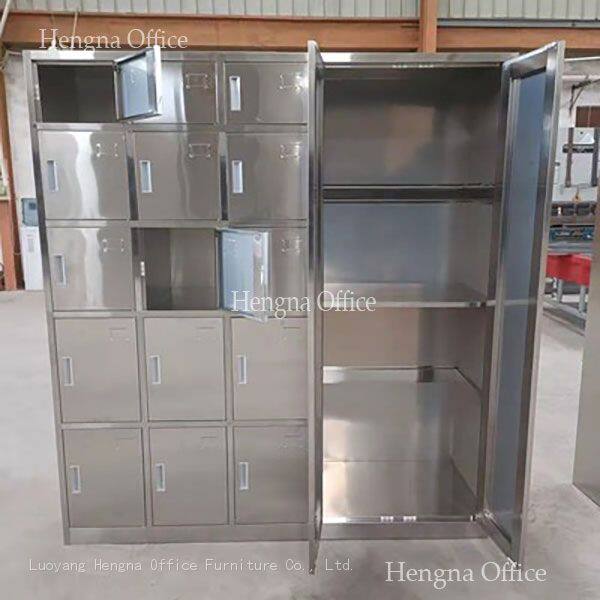
The selection of appropriate food industry lockers represents a critical decision point in facility design that directly impacts food safety outcomes. Hygienic storage cabinets constructed from stainless steel provide the optimal combination of regulatory compliance, durability, and long-term value for food processing operations.
As food safety regulations continue to evolve and consumer expectations for quality and safety increase, the importance of proper facility design becomes increasingly apparent. Investment in quality HACCP compliance furniture such as stainless steel lockers delivers immediate benefits while providing long-term protection against regulatory risks and reputation damage.
Food processing facilities that prioritize hygiene in every aspect of their operations, including employee storage solutions, position themselves for sustainable success in an increasingly competitive and regulated marketplace. The decision to implement stainless steel lockers reflects a commitment to food safety excellence that resonates throughout the organization and with customers.
By understanding the critical role that hygienic storage solutions play in overall food safety programs, facility managers can make informed decisions that protect their products, their customers, and their business reputation. The importance of this investment cannot be overstated in an industry where safety and quality are paramount to success.
Recently Posted
-
Modern Gym Aesthetics: Integrating Functional Hydration Stations into Boutique Studio Designs
January 5, 2026In the era of social media, a boutique fitness studio is more than a place to sweat—it is a brand. From high-end Pilates studios i Read More
 -
HACCP & Infection Control: Why Stainless Steel is Non-Negotiable for Personal Item Storage
January 5, 2026In industries where "cleanliness" is a regulatory requirement—such as food processing, pharmaceuticals, and healthcare—s Read More
 -
Maximizing Facility Square Footage: Vertical Storage Solutions for High-Traffic Staff Rooms
January 5, 2026In the world of facility management, square footage is currency. Whether you are overseeing a bustling metropolitan hospital, a hi Read More
 -
Beyond Tidiness: How Designated Water Bottle Storage Reduces Workplace Liability and Hazards
January 5, 2026In the modern industrial and commercial landscape, facility managers are often consumed by high-level safety concerns: machinery g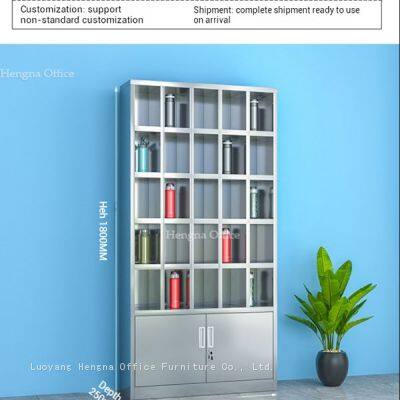 Read More

Contact Us
Recommended Products
-
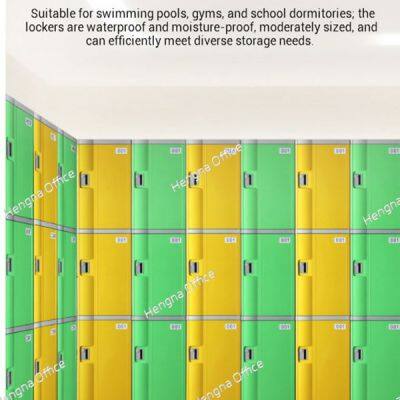
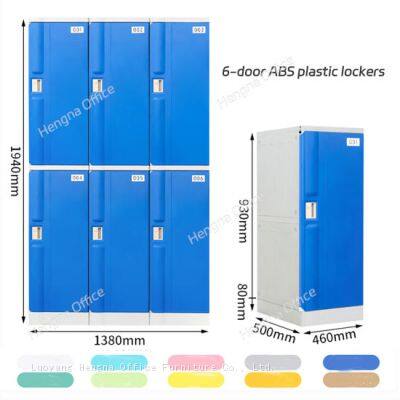
 Industrial-Grade ABS Plastic Locker for Factory Staff and Warehouse Workers|Hengna OfficeUS$ 19 - 100MOQ: 5 Sets
 -
Outdoor ABS Locker Cabinet – UV-Resistant Plastic Storage for Poolside or Beach Resorts-Hengna OfficeUS$ 19 - 100MOQ: 5 Sets
-
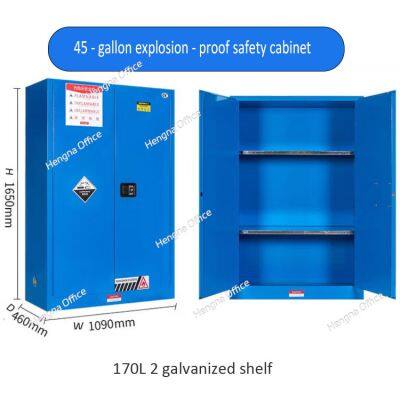
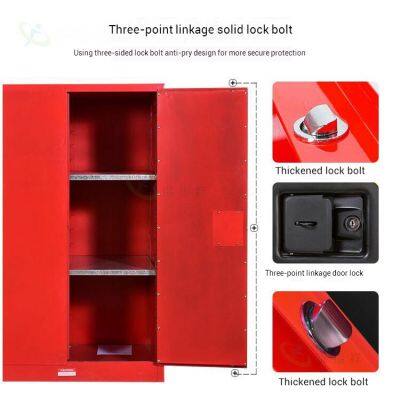
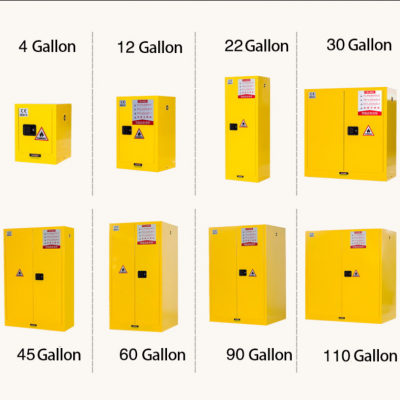
45 Gallon Explosion-Proof Flammable Liquid Storage Cabinet – Fire-Resistant Steel Safety Cabinet for FactoriesUS$ 68 - 400MOQ: 2 Combos
-
Flammable Storage Cabinet for Flammable Liquids – OSHA Certified Safety Cabinet With Fireproof Double WallsUS$ 68 - 400MOQ: 2 Combos
-
Large Capacity Flammable Liquid Storage Cabinet – Explosion-Proof Safety Cabinet for Laboratory & Workshop UseUS$ 68 - 400MOQ: 2 Combos
-
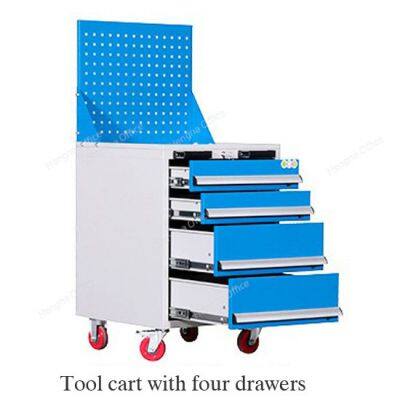
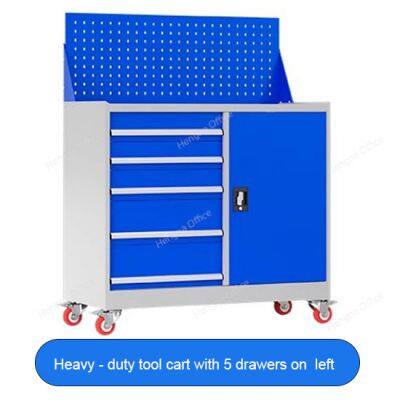
Heavy Duty Steel Tool Cart With Drawers for Workshops|Hengna OfficeUS$ 99 - 269MOQ: 2 Cases
-
Wholesale 3-Drawer Tool Trolley With Wheels for Factory and Garage StorageUS$ 99 - 269MOQ: 2 Cases
-
HN-wlj160 Industrial Rolling Tool Organizer With Pegboard|All-in-One Mobile Tool Storage CartUS$ 5 - 120MOQ: 2 Cases
-
White Stackable Pathology Wax Block Storage Drawers for Labs Near London-Hengna OfficeNegotiableMOQ: 10 Pieces
-
Custom Paraffin Block Storage Cabinet for Histology Laboratories – Factory Direct From Hengna FurnitureNegotiableMOQ: 10 Pieces
-
Smart Phone Charging Locker 40-door|Fingerprint Lockers Intelligent Parcel Delivery CabinetUS$ 203 - 750MOQ: 15 Pieces
-
School Gym Lockers Price |Parcel Delivery Storage Locker 12-door FactoryUS$ 203 - 750MOQ: 15 Pieces
-
Multi Metal Work Benches Electrical Workshop Workbench|US$ 300 - 800MOQ: 2 Cases
-
Commercial Workbench Supplier |Multi Metal Work Bench With Drawers OMDUS$ 300 - 800MOQ: 2 Cases
-
Pathological Ection Cabinet JTGZ062 Wax Block Cabinet for LaboratoryNegotiableMOQ: 10 Pieces
-
Durable Tool Storage in Factory HNGJ703 Hard Wearing Metal Industrial Tool ChestNegotiableMOQ: 18 Pieces
-
High - Quality CNC Workshop Tool Cabinet Heavyweight Workshop Tool OrganizerNegotiableMOQ: 10 Pieces
-
Laboratory Polyethylene Acid and Corrosive Chemicals Safety Storage PP CabinetUS$ 340 - 600MOQ: 5 Combos
-
22 Gallons /80 L PP Acid - Base Cabinet: Safeguard Chemical Storage Supplier OEMUS$ 500 - 600MOQ: 5 Combos
-
4 - Gallon Corrosion-resistant Safety Cabinet for Hazardous Chemicals Acid SupplierUS$ 340 - 500MOQ: 5 Combos